Elixir
Elixir is a functional, concurrent language that runs on the Erlang virtual machine (BEAM). It is mostly used for web applications, real-time systems and fault-tolerant back-end services.
Editors for Elixir
33 editors and IDEs support Elixir. Built in first, then official and community extensions. Each row opens the editor at its Elixir notes.
Built in 5
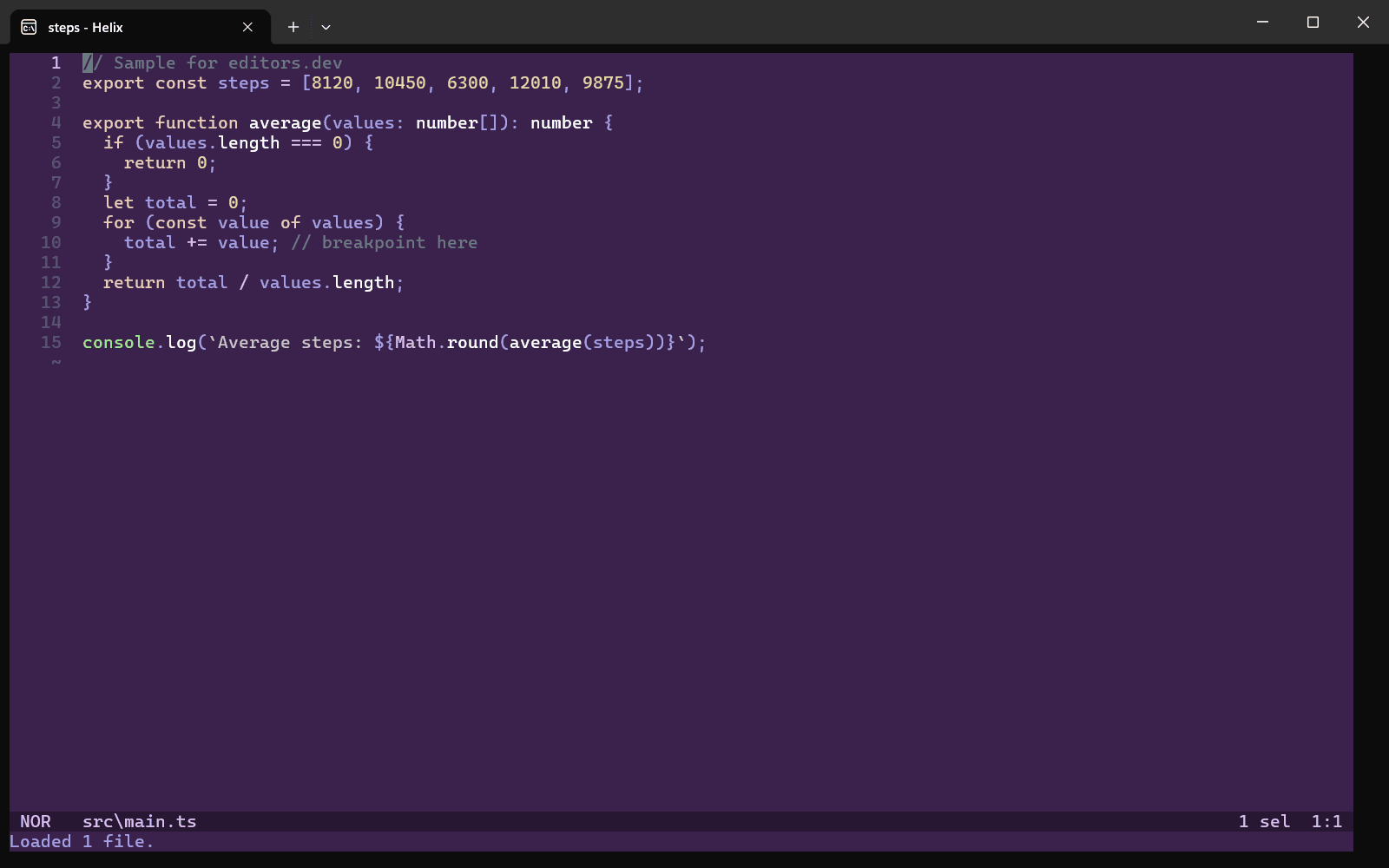
- Helix With elixir-ls Completion : Yes Go to definition : Yes Refactoring : No Debugging : No Tests : No Formatting : Yes
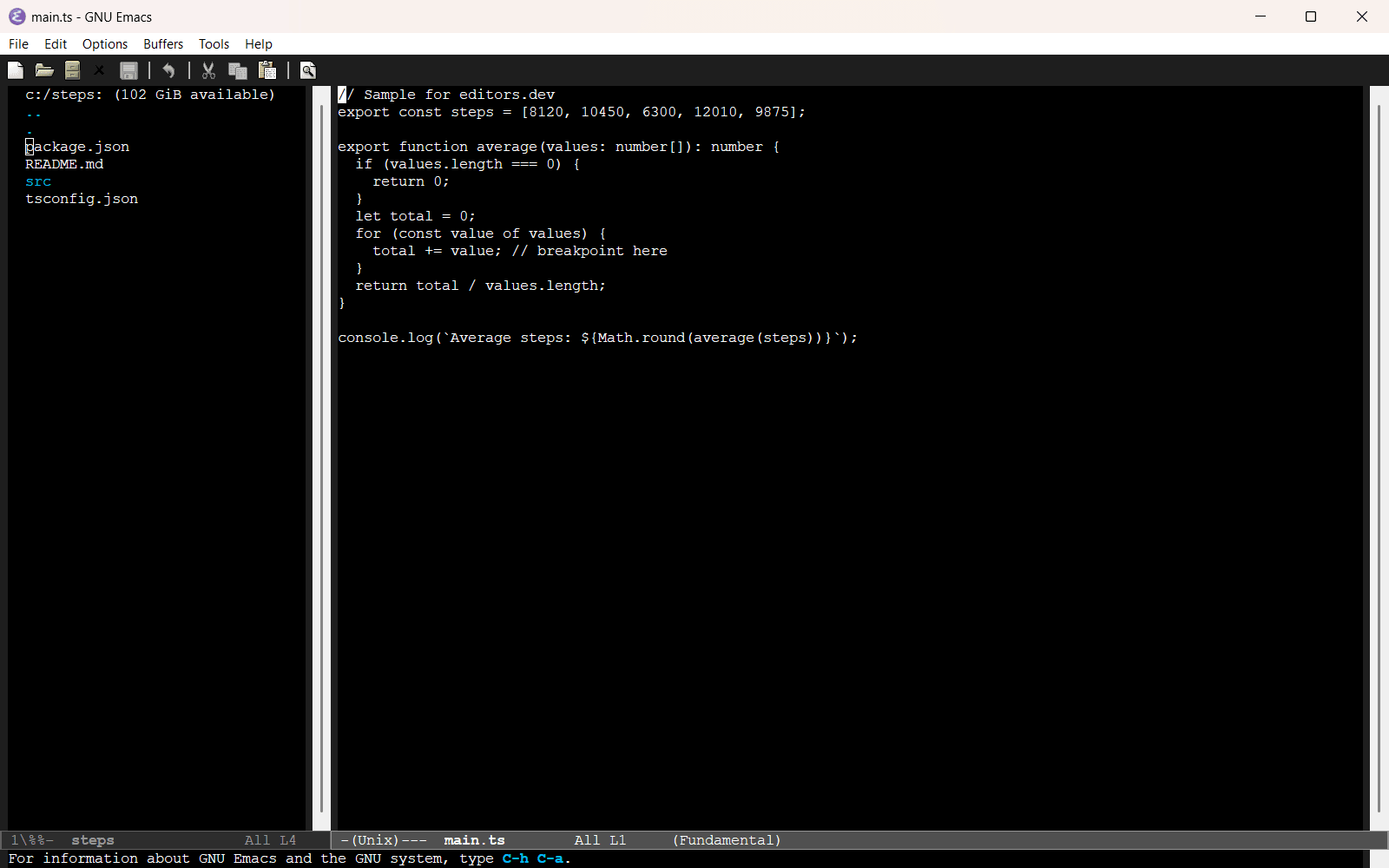
- GNU Emacs With Eglot + ElixirLS Completion : Yes Go to definition : Yes Refactoring : No Debugging : No Tests : No Formatting : Yes
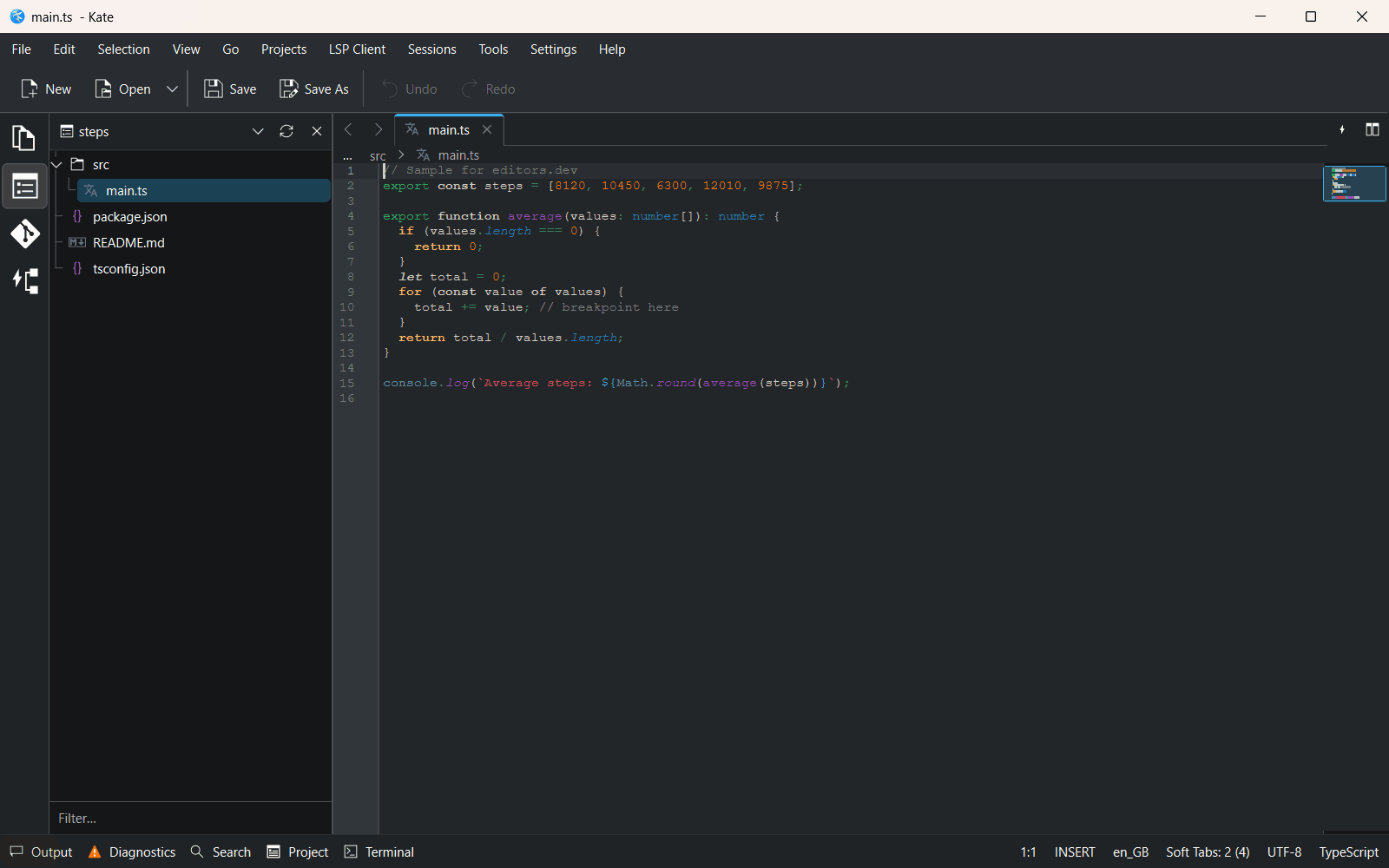
- Kate Completion : No Go to definition : No Refactoring : No Debugging : No Tests : No Formatting : No
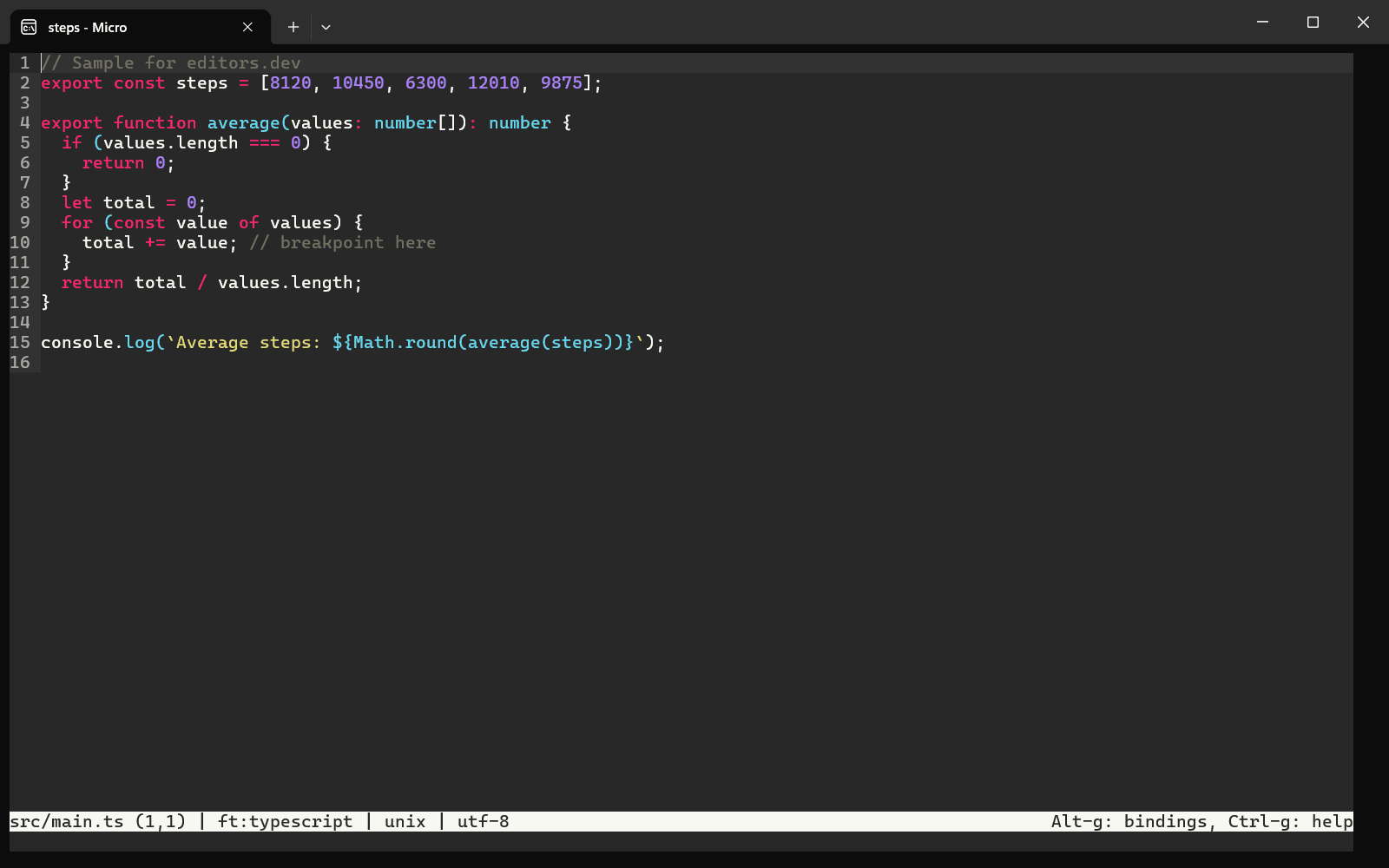
- Micro Completion : No Go to definition : No Refactoring : No Debugging : No Tests : No Formatting : No
- Kakoune Completion : No Go to definition : No Refactoring : No Debugging : No Tests : No Formatting : No
Official extension 2
Community extension 26
- PhpStorm With Elixir Completion : Yes Go to definition : Yes Refactoring : Yes Debugging : Yes Tests : Yes Formatting : Yes
- IntelliJ IDEA With Elixir Completion : Yes Go to definition : Yes Refactoring : Yes Debugging : Yes Tests : Yes Formatting : Yes
- PyCharm With Elixir Completion : Yes Go to definition : Yes Refactoring : Yes Debugging : Yes Tests : Yes Formatting : Yes
- WebStorm With Elixir Completion : Yes Go to definition : Yes Refactoring : Yes Debugging : Yes Tests : Yes Formatting : Yes
- GoLand With Elixir Completion : Yes Go to definition : Yes Refactoring : Yes Debugging : Yes Tests : Yes Formatting : Yes
- CLion With Elixir Completion : Yes Go to definition : Yes Refactoring : Yes Debugging : Yes Tests : Yes Formatting : Yes
- Rider With Elixir Completion : Yes Go to definition : Yes Refactoring : Yes Debugging : Yes Tests : Yes Formatting : Yes
- RustRover With Elixir Completion : Yes Go to definition : Yes Refactoring : Yes Debugging : Yes Tests : Yes Formatting : Yes
- RubyMine With Elixir Completion : Yes Go to definition : Yes Refactoring : Yes Debugging : Yes Tests : Yes Formatting : Yes
- VS Code With ElixirLS Completion : Yes Go to definition : Yes Refactoring : No Debugging : Yes Tests : Yes Formatting : Yes
- Cursor With ElixirLS Completion : Yes Go to definition : Yes Refactoring : No Debugging : Yes Tests : Yes Formatting : Yes
- Devin Desktop With ElixirLS Completion : Yes Go to definition : Yes Refactoring : No Debugging : Yes Tests : Yes Formatting : Yes
- Kiro With ElixirLS Completion : Yes Go to definition : Yes Refactoring : No Debugging : Yes Tests : Yes Formatting : Yes
- Google Antigravity With ElixirLS Completion : Yes Go to definition : Yes Refactoring : No Debugging : Yes Tests : Yes Formatting : Yes
- TRAE With ElixirLS Completion : Yes Go to definition : Yes Refactoring : No Debugging : Yes Tests : Yes Formatting : Yes
- VSCodium With ElixirLS Completion : Yes Go to definition : Yes Refactoring : No Debugging : Yes Tests : Yes Formatting : Yes
- Android Studio With Elixir (intellij-elixir) Completion : Yes Go to definition : Yes Refactoring : No Debugging : Yes Tests : Yes Formatting : No
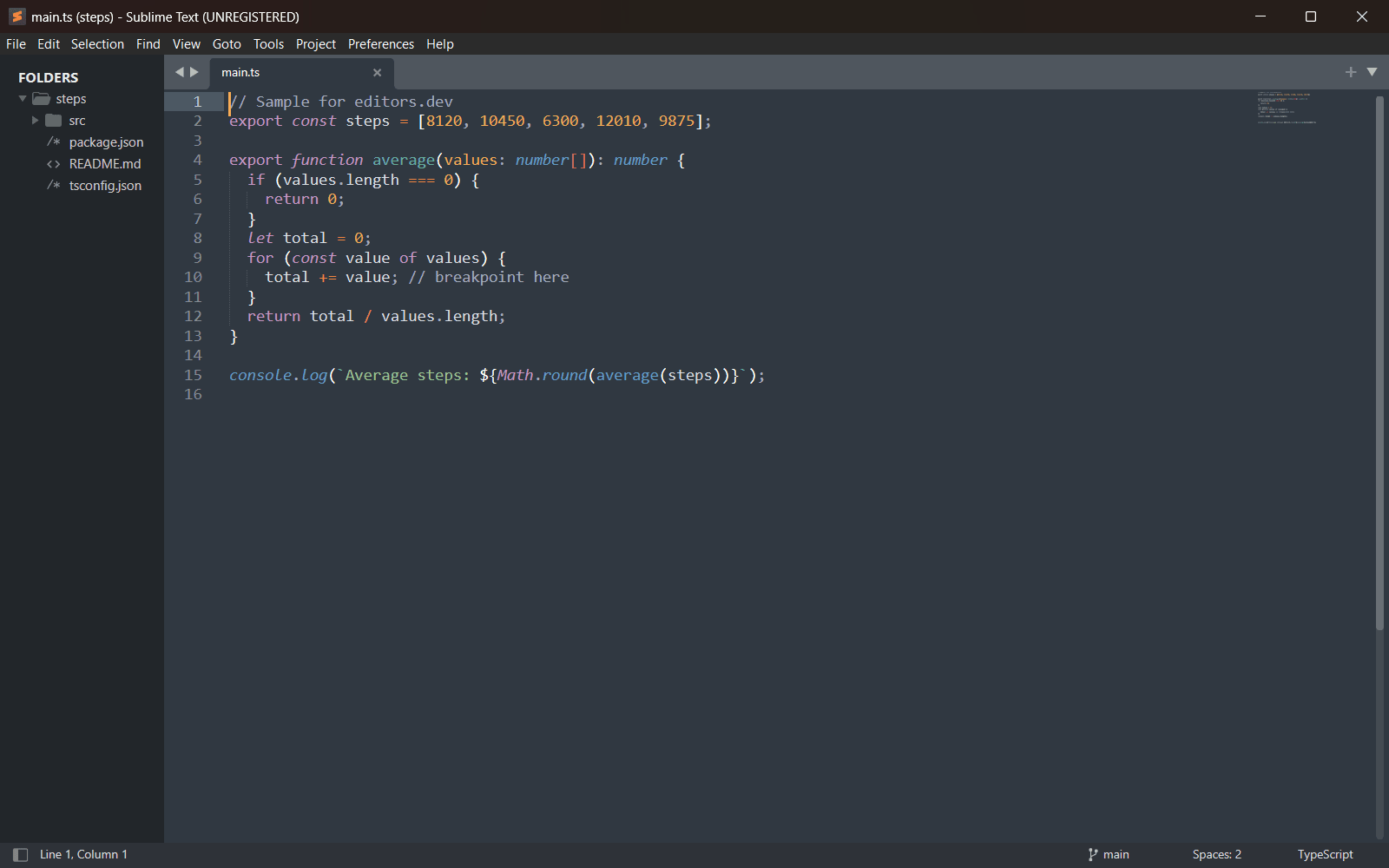
- Sublime Text With LSP + LSP-elixir Completion : Yes Go to definition : Yes Refactoring : No Debugging : No Tests : No Formatting : Yes
- Nova With ElixirLS extension Completion : Yes Go to definition : Yes Refactoring : No Debugging : No Tests : No Formatting : Yes
- BBEdit With Elixir.bbpackage (ElixirLS) Completion : Yes Go to definition : Yes Refactoring : No Debugging : No Tests : No Formatting : Yes
- Lapce With lapce-elixir (ElixirLS) Completion : Yes Go to definition : Yes Refactoring : No Debugging : No Tests : No Formatting : Yes
- TextMate With Elixir bundle (elixir-tmbundle) Completion : No Go to definition : No Refactoring : No Debugging : No Tests : Yes Formatting : Yes
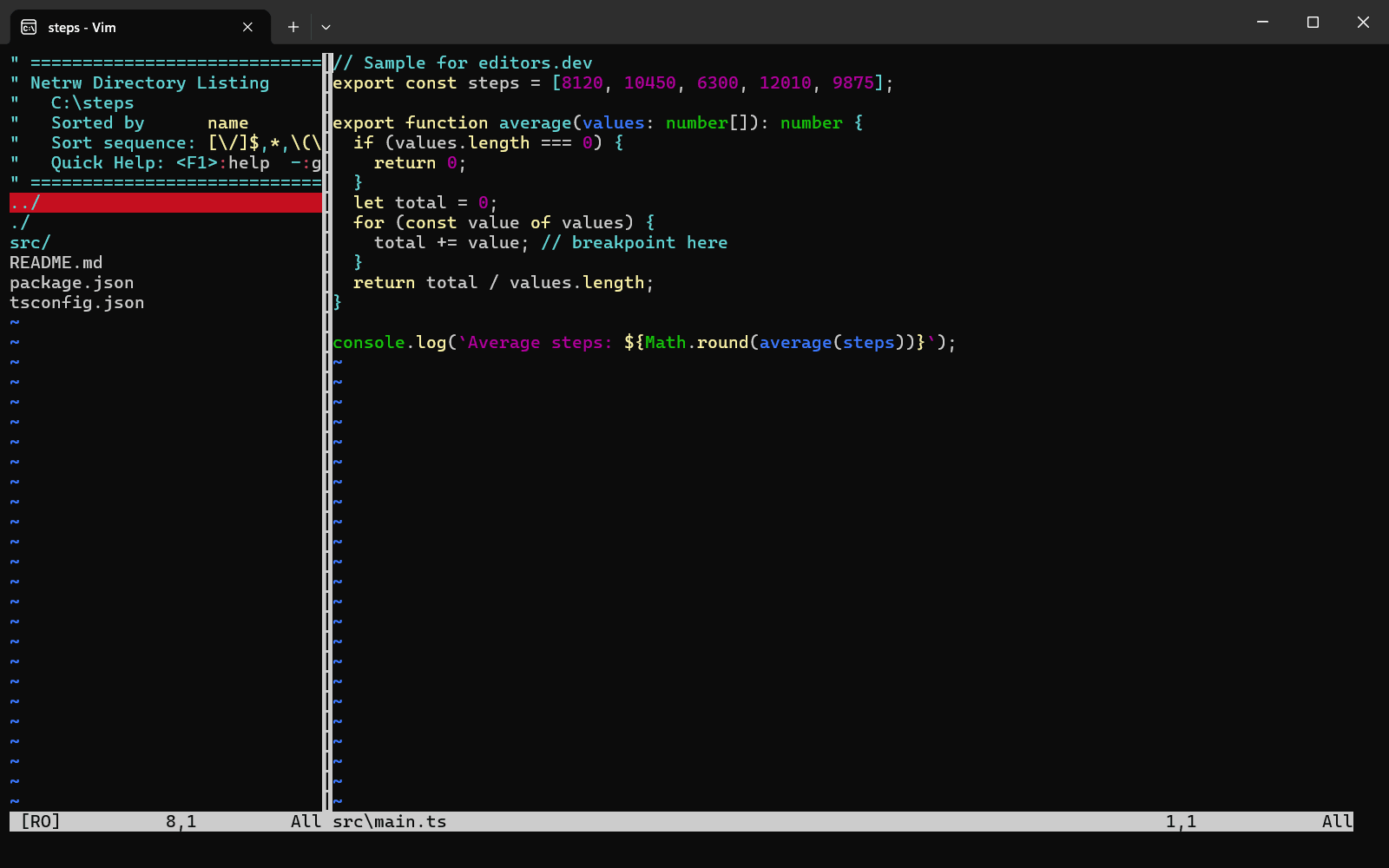
- Vim With vim-elixir Completion : No Go to definition : No Refactoring : No Debugging : No Tests : No Formatting : No
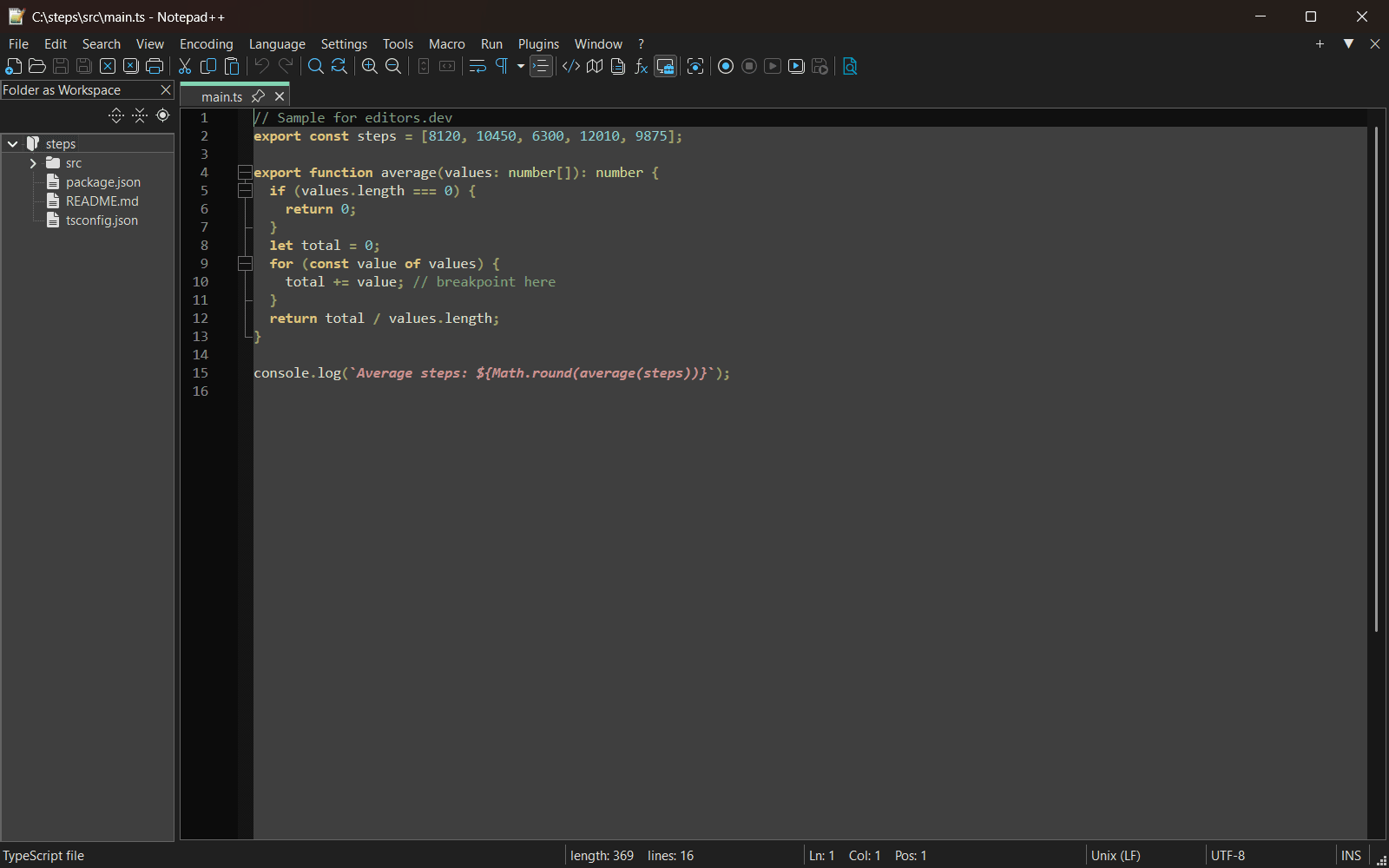
- Notepad++ With elixir-udl-npp Completion : No Go to definition : No Refactoring : No Debugging : No Tests : No Formatting : No
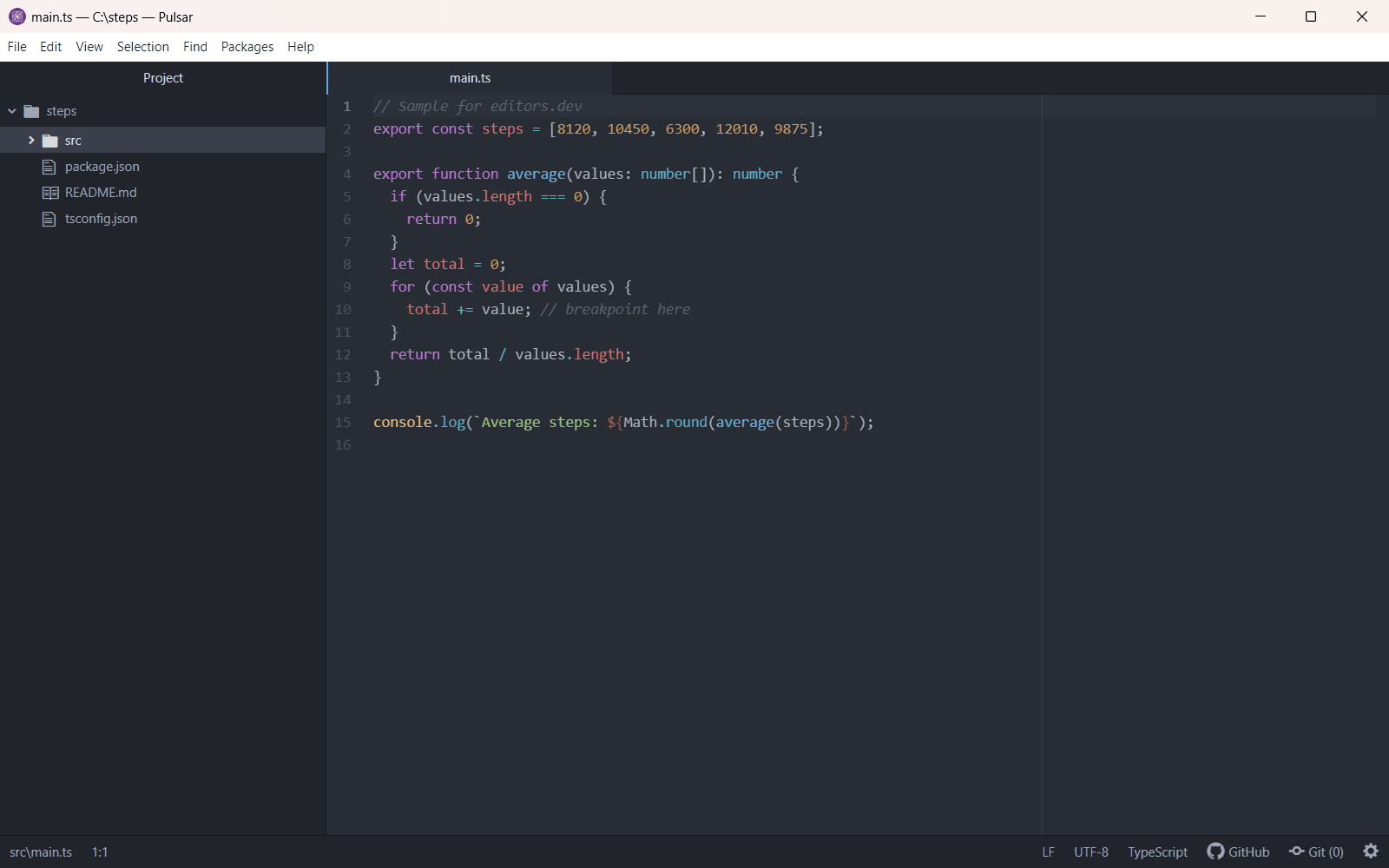
- Pulsar With language-elixir Completion : No Go to definition : No Refactoring : No Debugging : No Tests : No Formatting : No
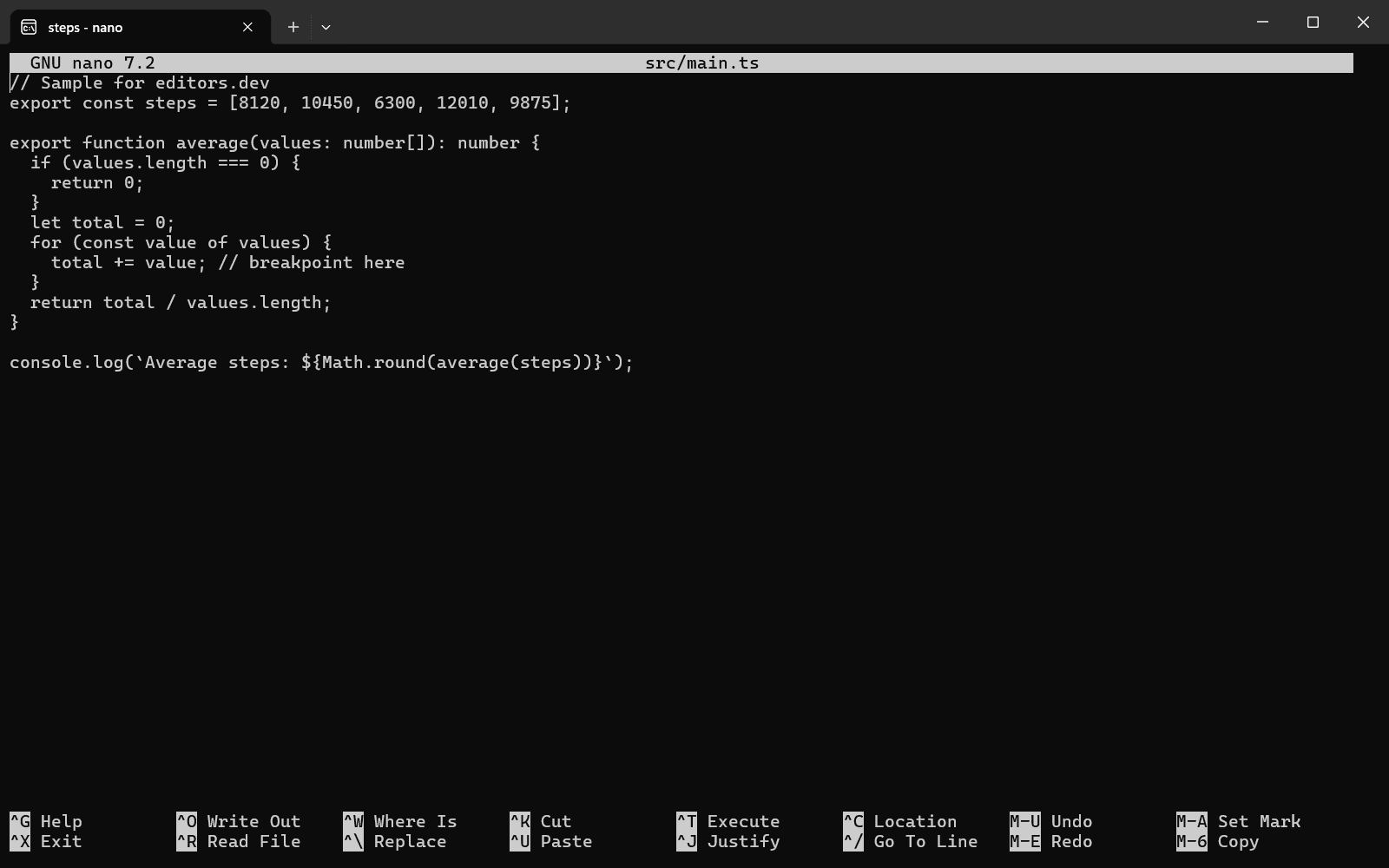
- GNU nano With elixir.nanorc (galenguyer/nano-syntax-highlighting) Completion : No Go to definition : No Refactoring : No Debugging : No Tests : No Formatting : No
Today
Elixir ships a minor release about every six months; 1.20 came out on 2026-06-03 and 1.20.5 is the current patch. Bug fixes go only to the latest minor branch, while security patches cover the last five (1.16 to 1.20). Elixir 1.20 supports Erlang/OTP 27 to 29. The next steps on the type system are performance work, typed structs and, later, user-written type signatures.
What it is used for
Web applications and APIs with Phoenix, real-time features, messaging and IoT systems (Nerves); Discord, Pinterest and Heroku have used it in production.
History
José Valim, then at Plataformatec and a member of the Ruby on Rails core team, started Elixir in 2011 to bring better tooling, metaprogramming and an approachable syntax to the Erlang virtual machine. The first public releases appeared in 2012, and version 1.0 followed in September 2014.
The Phoenix web framework (2014) and its real-time channels and LiveView library made Elixir known for web development. Tools such as Mix, Hex, ExUnit, the code formatter (1.6) and built-in releases (1.9) grew around the language, and Nx and Livebook extended it to numerical computing and notebooks in 2021.
Since 2022 the team has been adding a gradual, set-theoretic type system developed with researchers at CNRS and Université Paris Cité. It shipped step by step from 1.17 onward; with 1.20 in June 2026 the compiler infers and checks types across whole programs without annotations.
Milestone versions
- 18 September 2014 1.0.0 The first stable release, with a commitment to backwards compatibility.
- 17 January 2018 1.6.0 A built-in code formatter (mix format) and defguard.
- 24 June 2019 1.9.0 Releases built into Mix and runtime configuration.
- 19 May 2021 1.12.0 Mix.install for scripts and notebooks, and improvements for Erlang/OTP 24.
- 19 June 2023 1.15.0 Faster compilation, improved boot time and better compiler diagnostics.
- 12 June 2024 1.17.0 The first set-theoretic data types in the compiler, plus calendar durations.
- 19 December 2024 1.18.0 Type checking of function calls, LSP listeners and a built-in JSON module.
- 16 October 2025 1.19.0 Wider type checking and up to four times faster compilation for large projects.
- 3 June 2026 1.20.0 Elixir becomes gradually typed: types are inferred from guards and whole function bodies.
- 29 October 2026 1.20.5 Patch release of the 1.20 series.
Sources
Last checked: 20 November 2026