Google Antigravity
Agentic development platform from Google with a standalone AI IDE, a desktop app and a CLI.
About Google Antigravity
Google Antigravity is Google's agentic development platform, launched as a public preview on 18 November 2025. Since Antigravity 2.0 on 19 May 2026 it has several surfaces: the Antigravity App for managing agents, the standalone Antigravity IDE, a CLI, an SDK and extensions for other editors. The Antigravity IDE has Tab completion and an Agent side panel, and it still receives releases (v2.8.0 on 19 November 2026). Google's documentation does not say what the IDE is built on.
This entry has not been checked against the official site yet.
What it offers
- Antigravity has five surfaces: the Antigravity App, the standalone Antigravity IDE, the CLI, the SDK, and extensions for VS Code, Visual Studio, JetBrains IDEs, Zed, Xcode and Eclipse.
- The IDE has Tab completion, inline commands and an agent in the side panel. Version 2.6.0 added keyboard shortcuts for inline diffs and inline editor comments.
- Antigravity 2.0 moved agent management into a separate desktop app. Google has said it plans to remove the Agent Manager from the IDE.
- The IDE has no built-in browser. The /browser command drives a local Google Chrome instead, and only in local workspaces.
- A personal Google Account works on every plan, including the free one. Enterprise sign-in works in the App, the CLI and the IDE extensions, but not in the standalone IDE.
What is built in
Listed only where we have checked it
- Debugger Not listed
- Git integration Not listed
- Integrated terminal Built in
- AI assistant Built in
- Remote development Not listed
- Live collaboration Not listed
- Vim mode Not listed
Languages
How Google Antigravity supports each common language, and what you get with the recommended setup.
5 Built in 10 Official extension 11 Community extension
- JavaScript Built in
- Completion : Yes
- Go to definition : Yes
- Refactoring : Yes
- Debugging : Yes
- Tests : No
- Formatting : Yes
JavaScript IntelliSense, refactoring, formatting and the JavaScript debugger come from the VS Code core, so nothing needs installing.
Source ↗ - TypeScript Built in
- Completion : Yes
- Go to definition : Yes
- Refactoring : Yes
- Debugging : Yes
- Tests : No
- Formatting : Yes
TypeScript language features are built in from the VS Code core and use the TypeScript version bundled with the editor unless you switch to your project's version.
Source ↗ - PHP Built in
- Completion : Yes
- Go to definition : No
- Refactoring : No
- Debugging : No
- Tests : No
- Formatting : No
Highlighting, basic completion and linting through php -l are built in. Go to definition and debugging need extensions such as PHP Intelephense and Xdebug's PHP Debug from Open VSX.
Source ↗ - HTML Built in
- Completion : Yes
- Go to definition : No
- Refactoring : No
- Debugging : No
- Tests : No
- Formatting : Yes
HTML completion, Emmet abbreviations, automatic closing tags and formatting come from the VS Code core, so nothing needs installing.
Source ↗ - CSS Built in
- Completion : Yes
- Go to definition : Yes
- Refactoring : No
- Debugging : No
- Tests : No
- Formatting : Yes
CSS, SCSS and Less support comes from the VS Code core: completion, linting, a color picker, go to declaration for variables and formatting.
Source ↗ - Java Official extension
With Extension Pack for Java (Language Support for Java by Red Hat, Debugger for Java, Test Runner for Java)
- Completion : Yes
- Go to definition : Yes
- Refactoring : Yes
- Debugging : Yes
- Tests : Yes
- Formatting : Yes
The Extension Pack for Java is on Open VSX: Red Hat's language server plus Microsoft's open-source Java debugger and test runner.
Source ↗ - Go Official extension
With Go
- Completion : Yes
- Go to definition : Yes
- Refactoring : Yes
- Debugging : Yes
- Tests : Yes
- Formatting : Yes
The Go team's extension (gopls) is on Open VSX and covers completion, navigation, rename and refactoring, formatting, tests and debugging with Delve.
Source ↗ - Rust Official extension
With rust-analyzer
- Completion : Yes
- Go to definition : Yes
- Refactoring : Yes
- Debugging : No
- Tests : No
- Formatting : No
rust-analyzer from the Rust project is on Open VSX. It has no debugger of its own; add one such as CodeLLDB.
Source ↗ - Kotlin Official extension
With Kotlin by JetBrains
- Completion : Yes
- Go to definition : Yes
- Refactoring : Yes
- Debugging : Yes
- Tests : No
- Formatting : Yes
JetBrains publishes Kotlin by JetBrains on Open VSX. It is still alpha and runs an IntelliJ-based language server for Gradle and Maven JVM projects; the older community Kotlin extension is now deprecated.
Source ↗ - Swift Official extension
With Swift
- Completion : Yes
- Go to definition : Yes
- Refactoring : Yes
- Debugging : Yes
- Tests : Yes
- Formatting : Yes
The Swift project's Swift extension is on Open VSX. It uses SourceKit-LSP and LLDB from a Swift toolchain, which you install yourself.
Source ↗ - Dart Official extension
With Dart (with Flutter for Flutter apps)
- Completion : Yes
- Go to definition : Yes
- Refactoring : Yes
- Debugging : Yes
- Tests : Yes
- Formatting : Yes
The Dart team's Dart extension is on Open VSX, with the Flutter extension next to it. You install the Dart or Flutter SDK yourself.
Source ↗ - Scala Official extension
With Scala (Metals)
- Completion : Yes
- Go to definition : Yes
- Refactoring : Yes
- Debugging : Yes
- Tests : Yes
- Formatting : Yes
Metals, from the Scala Center and VirtusLab, is on Open VSX and covers completion, refactoring, scalafmt formatting, tests and debugging. It needs a JDK and downloads the Metals server on first start.
Source ↗ - Haskell Official extension
With Haskell
- Completion : Yes
- Go to definition : Yes
- Refactoring : Yes
- Debugging : No
- Tests : No
- Formatting : Yes
The Haskell organisation's extension is on Open VSX. It runs Haskell Language Server, installed through GHCup, for completion, navigation, rename and formatting; it has no debugger.
Source ↗ - Zig Official extension
With Zig Language
- Completion : Yes
- Go to definition : Yes
- Refactoring : Yes
- Debugging : No
- Tests : No
- Formatting : Yes
The Zig project's extension is on Open VSX. It can download Zig and the ZLS language server for you and formats with zig fmt; debugging needs a separate extension such as CodeLLDB.
Source ↗ - Julia Official extension
With Julia
- Completion : Yes
- Go to definition : Yes
- Refactoring : Yes
- Debugging : Yes
- Tests : Yes
- Formatting : Yes
The Julia extension from the julia-vscode project is on Open VSX, with completion, navigation, a debugger, test runs and formatting. Julia itself is installed separately.
Source ↗ - Python Community extension
With Python, Python Debugger
- Completion : Yes
- Go to definition : Yes
- Refactoring : No
- Debugging : Yes
- Tests : Yes
- Formatting : No
Pylance is licensed for Microsoft's VS Code builds only and is not on Open VSX. Microsoft's Python extension then falls back to the Jedi language server; BasedPyright is an open alternative.
Source ↗ - C# Community extension
With DotRush
- Completion : Yes
- Go to definition : Yes
- Refactoring : No
- Debugging : Yes
- Tests : Yes
- Formatting : No
Microsoft's C# extension and C# Dev Kit are not on Open VSX, and the C# extension's licence allows only Visual Studio Code and Visual Studio. DotRush offers a Roslyn-based language server, debugger and test explorer.
Source ↗ - C++ Community extension
With clangd
- Completion : Yes
- Go to definition : Yes
- Refactoring : Yes
- Debugging : No
- Tests : No
- Formatting : Yes
Microsoft's C/C++ extension is licensed for Microsoft products only and is not on Open VSX. clangd handles editing; debugging needs a separate extension such as CodeLLDB.
Source ↗ - C Community extension
With clangd
- Completion : Yes
- Go to definition : Yes
- Refactoring : Yes
- Debugging : No
- Tests : No
- Formatting : Yes
Only highlighting is built in. Microsoft's C/C++ extension is licensed for Microsoft products only and is not on Open VSX; clangd from Open VSX handles completion, navigation, rename and formatting, and debugging needs a separate extension such as CodeLLDB.
Source ↗ - Ruby Community extension
With Ruby LSP
- Completion : Yes
- Go to definition : Yes
- Refactoring : No
- Debugging : Yes
- Tests : Yes
- Formatting : Yes
Only highlighting is built in. Shopify's Ruby LSP from Open VSX adds completion, go to definition, RuboCop formatting, tests and debugging.
Source ↗ - Objective-C Community extension
With clangd
- Completion : Yes
- Go to definition : Yes
- Refactoring : Yes
- Debugging : No
- Tests : No
- Formatting : Yes
Highlighting is built in. clangd is on Open VSX, and it also handles Objective-C with completion, navigation, rename and formatting. Building and running Apple apps still needs Xcode.
Source ↗ - SQL Community extension
With SQLTools
- Completion : Yes
- Go to definition : No
- Refactoring : No
- Debugging : No
- Tests : No
- Formatting : Yes
Only SQL highlighting is built in. SQLTools from Open VSX adds database connections, running queries, completion and formatting; each database needs its own driver extension.
Source ↗ - Shell Community extension
With Bash IDE
- Completion : Yes
- Go to definition : Yes
- Refactoring : Yes
- Debugging : No
- Tests : No
- Formatting : Yes
Only highlighting is built in. Bash IDE from Open VSX runs bash-language-server for completion, go to definition and rename, and uses ShellCheck and shfmt for linting and formatting if you install them.
Source ↗ - Lua Community extension
With Lua (sumneko.lua)
- Completion : Yes
- Go to definition : Yes
- Refactoring : Yes
- Debugging : No
- Tests : No
- Formatting : Yes
Only highlighting is built in. The Lua extension from Open VSX bundles the Lua Language Server, with completion, go to definition, rename and formatting; it has no debugger.
Source ↗ - R Community extension
With R (REditorSupport)
- Completion : Yes
- Go to definition : Yes
- Refactoring : Yes
- Debugging : No
- Tests : No
- Formatting : Yes
Only highlighting is built in. The R extension from Open VSX adds completion, navigation, rename and formatting through the languageserver R package, which you install in R; debugging needs the separate R Debugger extension.
Source ↗ - Elixir Community extension
With ElixirLS
- Completion : Yes
- Go to definition : Yes
- Refactoring : No
- Debugging : Yes
- Tests : Yes
- Formatting : Yes
Nothing is built in. ElixirLS from Open VSX adds highlighting, completion, navigation, mix format, tests and a debugger. Expert, the Elixir team's official language server, is still alpha.
Source ↗
Who it is for
Who it suits
- Developers who want one agent system across a desktop app, a terminal client, a standalone IDE and their existing editor.
- Developers who want to try an AI IDE at no cost; the $0 plan includes a baseline agent quota that refreshes weekly.
- Developers who already pay for Google AI Pro or Ultra, since those subscriptions raise the Antigravity limits.
Who should look elsewhere
- Teams that need Gemini Enterprise or Google Cloud sign-in inside the standalone IDE; it is not supported there.
- Developers who need an open-source editor; Antigravity is a Google service under Google's terms.
- Developers who want the agent to use a browser built into the IDE; that exists only in the Antigravity App.
Google Antigravity pricing
The individual plan is $0 per month with a baseline agent quota that refreshes weekly and Gemini 3.8 Flash. It also lists Claude Sonnet 4.6, Claude Opus 4.6 and GPT-OSS-120b, which the pricing page says will be removed on 30 November 2026. Higher limits come with a Google AI Pro or Google AI Ultra subscription; the Antigravity pricing page shows no price for them, and Google's blog post of 19 May 2026 gives $20 per month for Pro and $100 or $200 per month for Ultra. Business plans through Google Cloud start at $30 USD per seat per month, or are pay-as-you-go with no seat fee.
Price Free tier, paid plans Proprietary
Google Antigravity next to its alternatives
The same facts for each editor, taken from the directory.
| Editor | Type | Price | Built with | Platforms | Languages built in | Remote development | Live collaboration | Vim mode |
|---|---|---|---|---|---|---|---|---|
| Google Antigravity | AI-first | Free tier, paid plans | Not stated in Google's documentation | macOS · Windows · Linux | 5 / 26 | –Not listed | –Not listed | –Not listed |
| Cursor | AI-first | Free tier, paid plans | Fork of VS Code (TypeScript, Electron) | macOS · Windows · Linux | 5 / 26 | Extension | –Not listed | Extension |
| Devin Desktop | AI-first | Free tier, paid plans | Fork of VS Code (TypeScript, Electron) | macOS · Windows · Linux | 5 / 26 | Built in | –Not listed | Extension |
| Kiro | AI-first | Free tier, paid plans | Code OSS (the open-source base of VS Code) | macOS · Windows · Linux | 5 / 26 | –Not listed | –Not listed | –Not listed |
| TRAE | AI-first | Free tier, paid plans | Includes VS Code open-source code and Electron (per its open source notice) | macOS · Windows · Linux | 5 / 26 | Built in | –Not listed | –Not listed |
| VS Code | Editor | Free Open source | TypeScript, Electron | Windows · macOS · Linux | 5 / 26 | Extension | Extension | Extension |
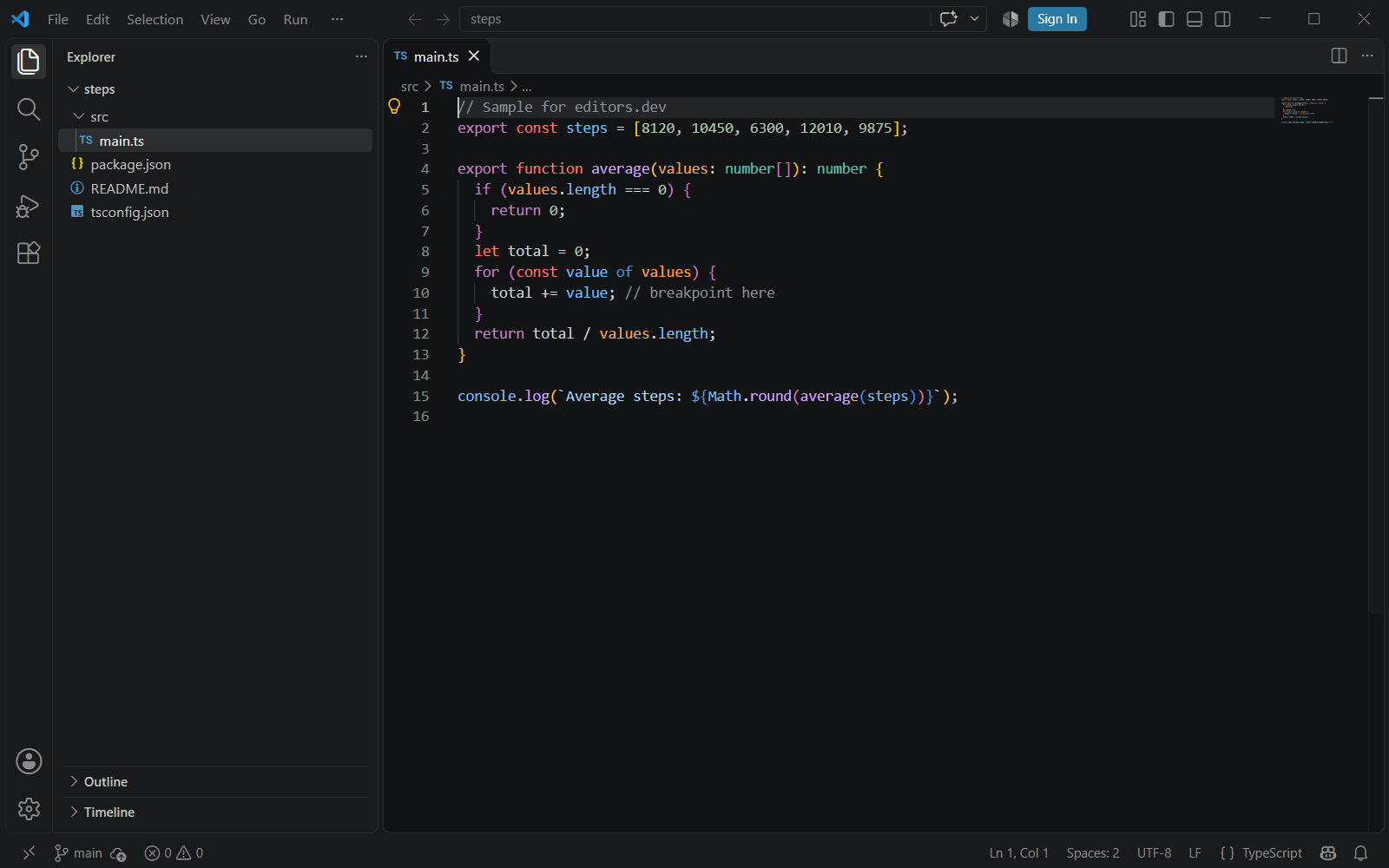
Built in Extension Not supported
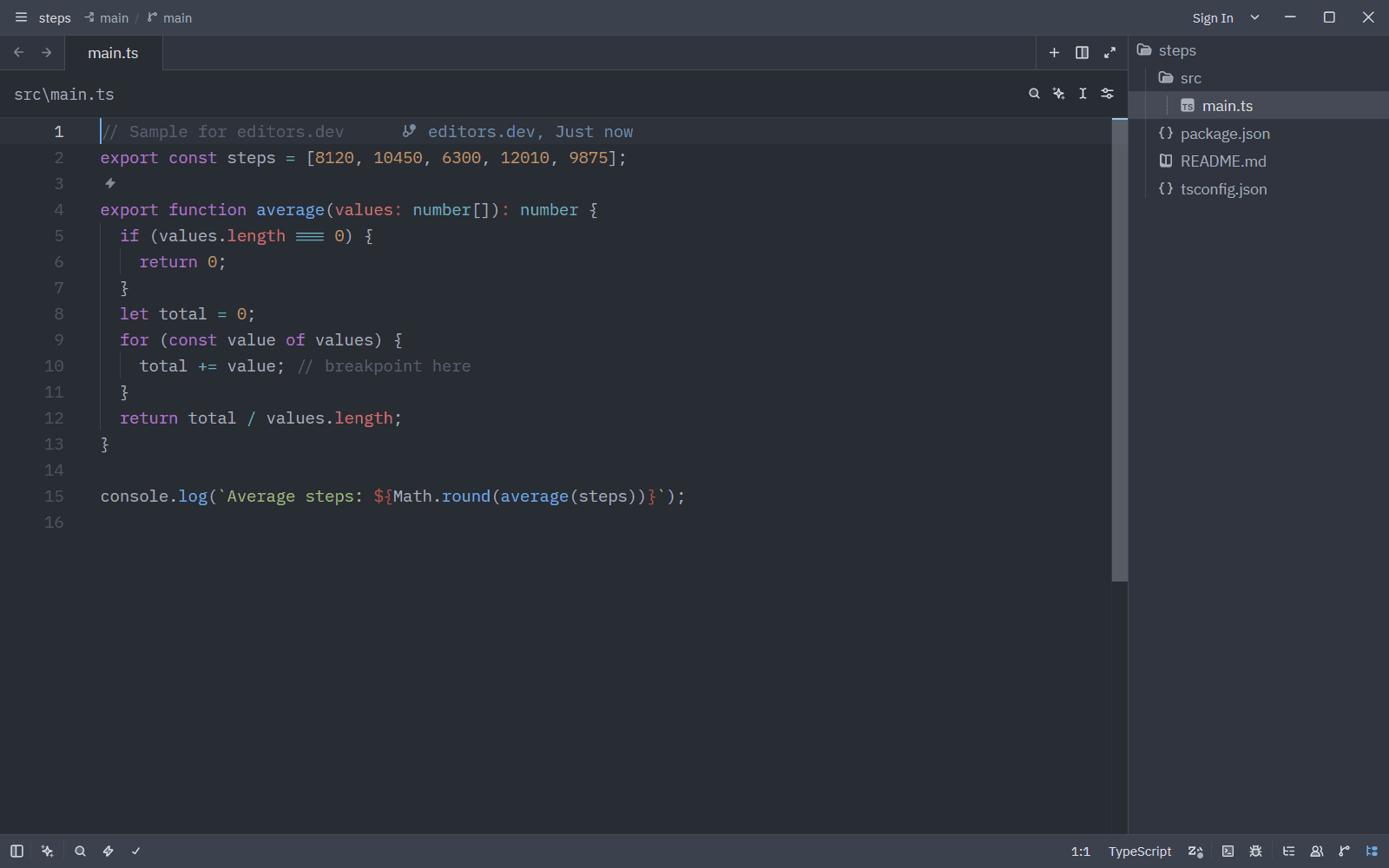
Sources
Last checked: 22 November 2026