Objective-C
Objective-C is a compiled language that adds Smalltalk-style objects and message passing to C. It was the main language for macOS and iOS development until Swift, and much of Apple's platform code is still written in it.
Editors for Objective-C
33 editors and IDEs support Objective-C. Built in first, then official and community extensions. Each row opens the editor at its Objective-C notes.
Built in 13
- Xcode Completion : Yes Go to definition : Yes Refactoring : Yes Debugging : Yes Tests : Yes Formatting : No
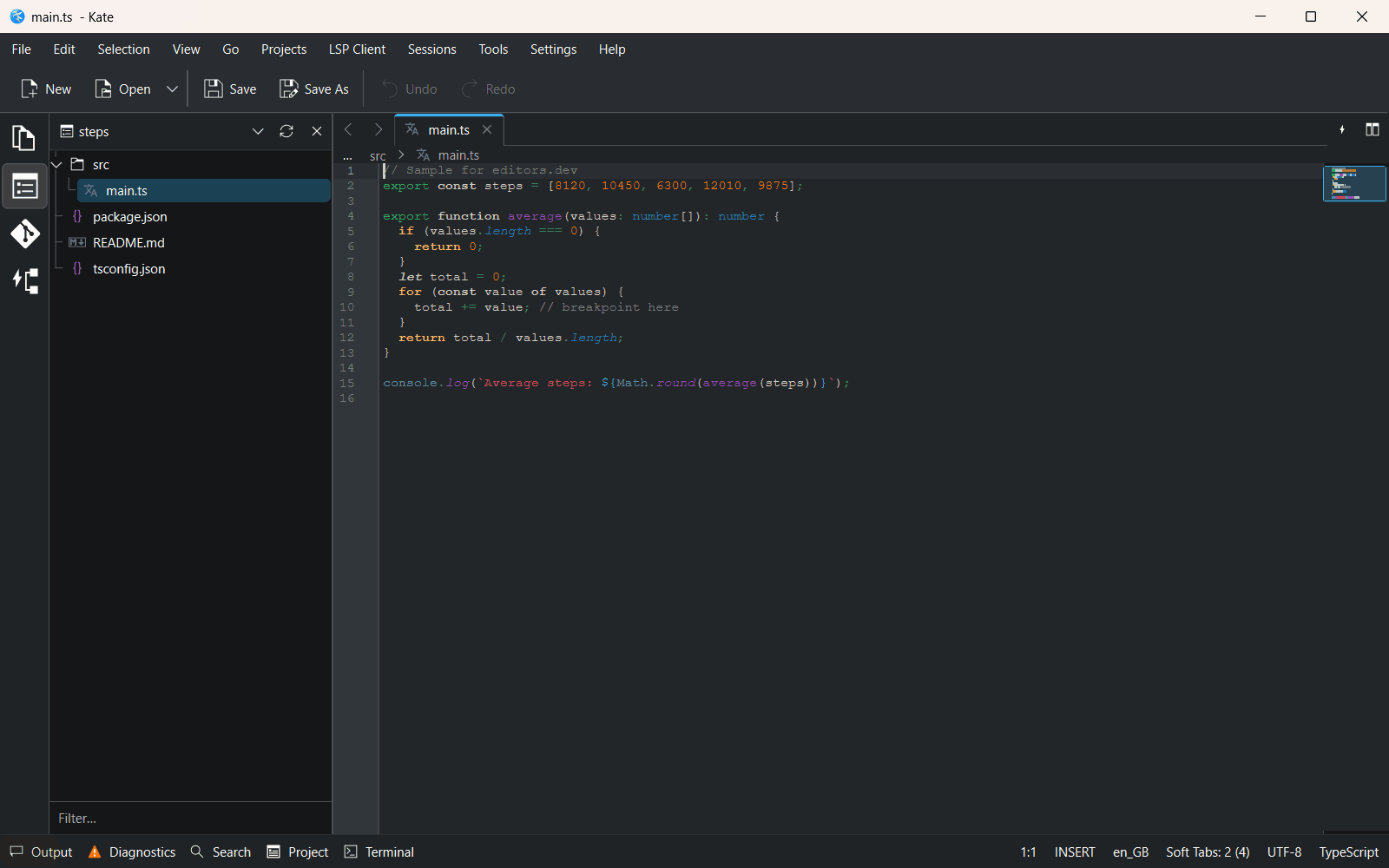
- Kate With LSP Client + clangd; Format plugin (clang-format); debugger (GDB, lldb-dap) Completion : Yes Go to definition : Yes Refactoring : Yes Debugging : Yes Tests : No Formatting : Yes
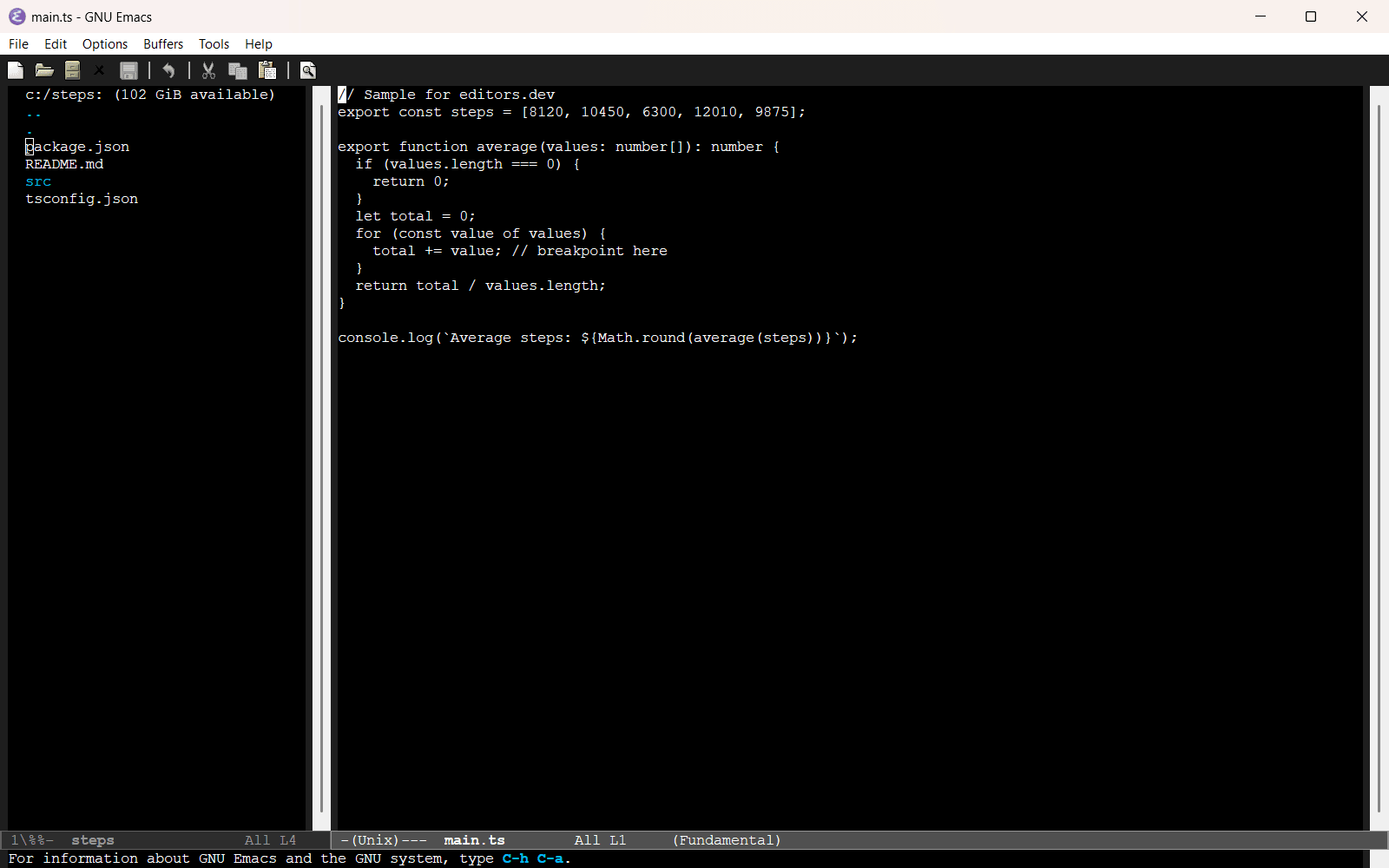
- GNU Emacs With Eglot + clangd or ccls Completion : Yes Go to definition : Yes Refactoring : Yes Debugging : No Tests : No Formatting : Yes
- BBEdit With clangd Completion : Yes Go to definition : Yes Refactoring : Yes Debugging : No Tests : No Formatting : Yes
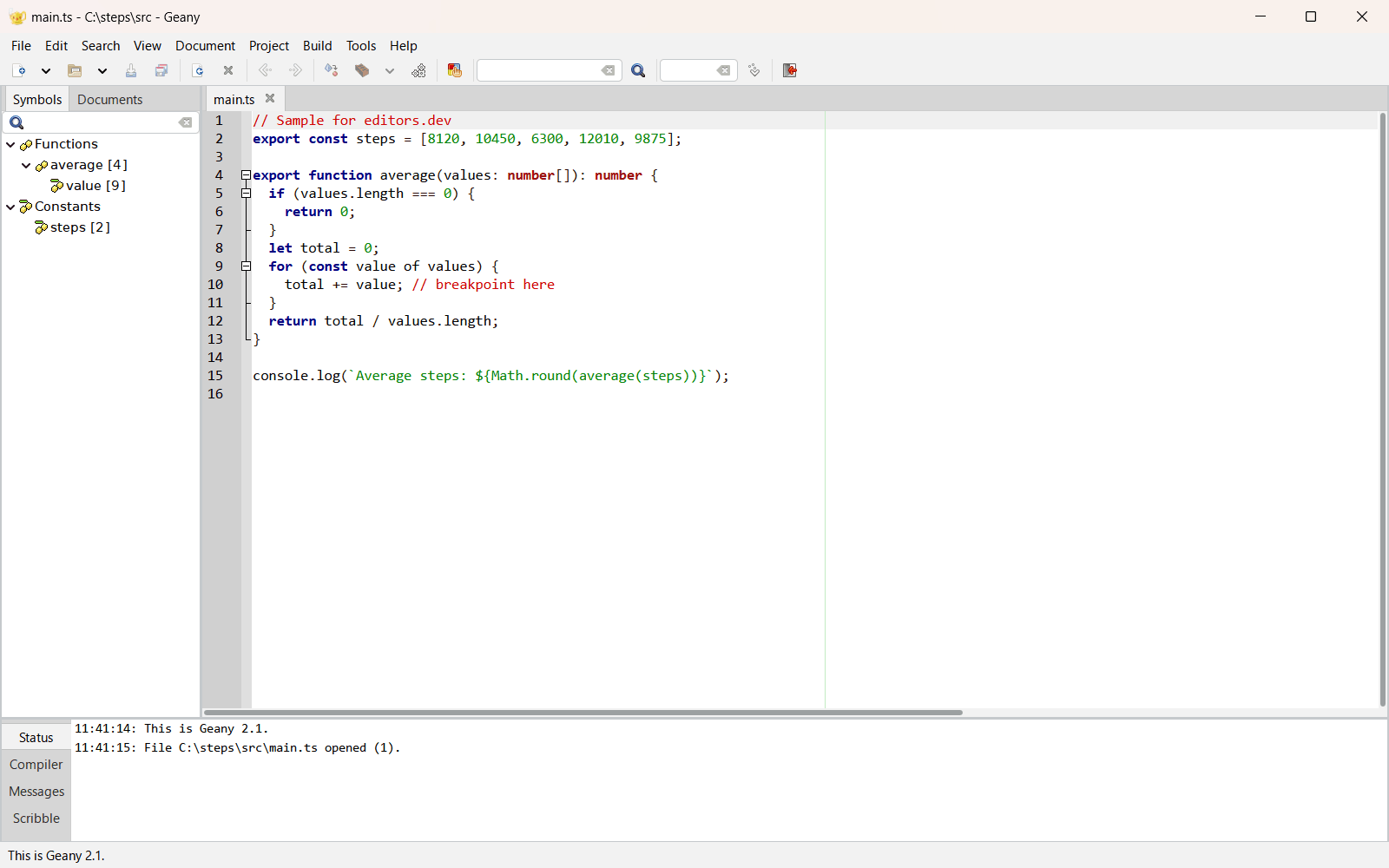
- Geany Completion : Yes Go to definition : Yes Refactoring : No Debugging : No Tests : No Formatting : No
- CLion Completion : Yes Go to definition : No Refactoring : No Debugging : No Tests : No Formatting : No
- TextMate With Objective-C bundle Completion : Yes Go to definition : No Refactoring : No Debugging : No Tests : No Formatting : No
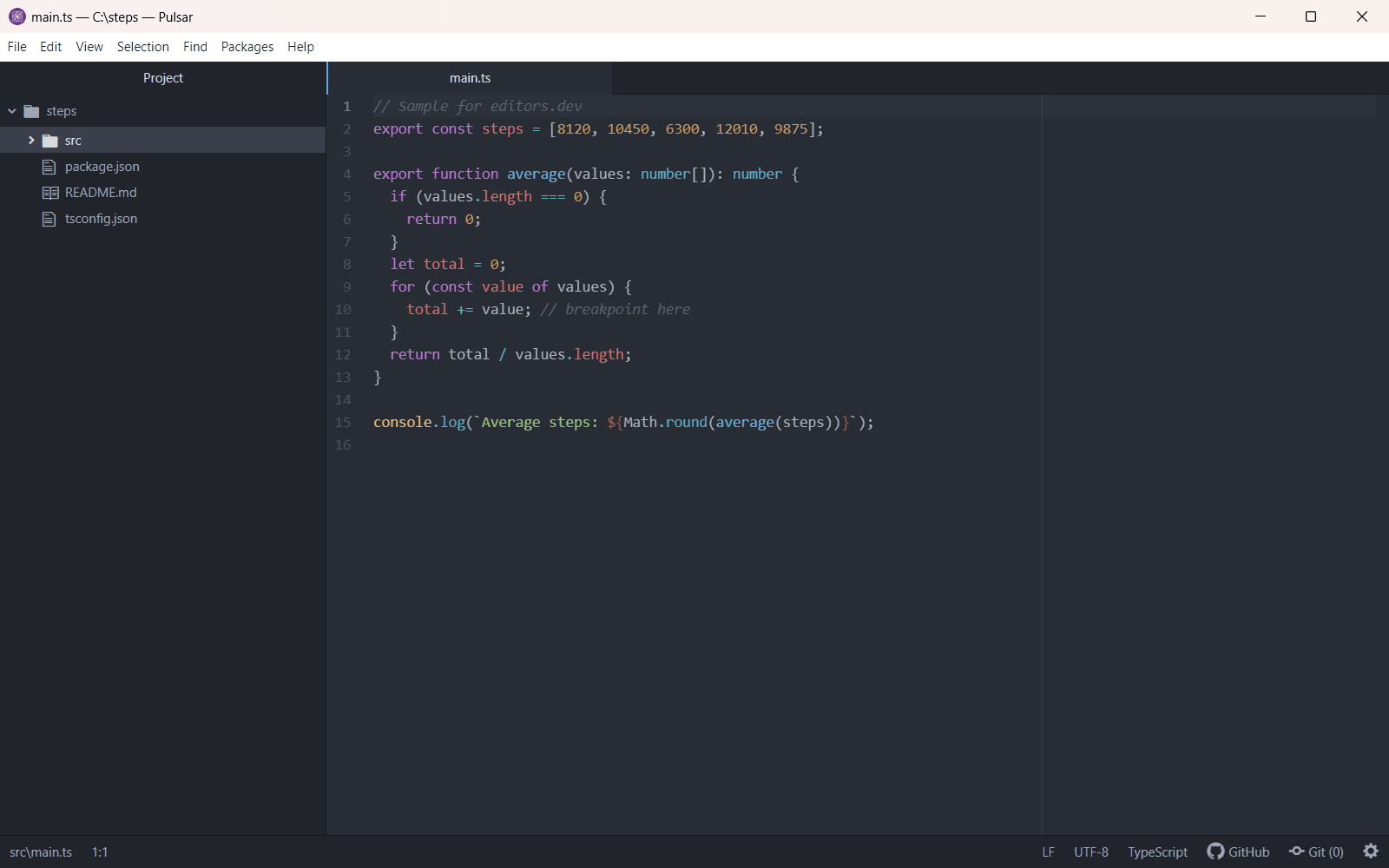
- Pulsar Completion : Yes Go to definition : No Refactoring : No Debugging : No Tests : No Formatting : No
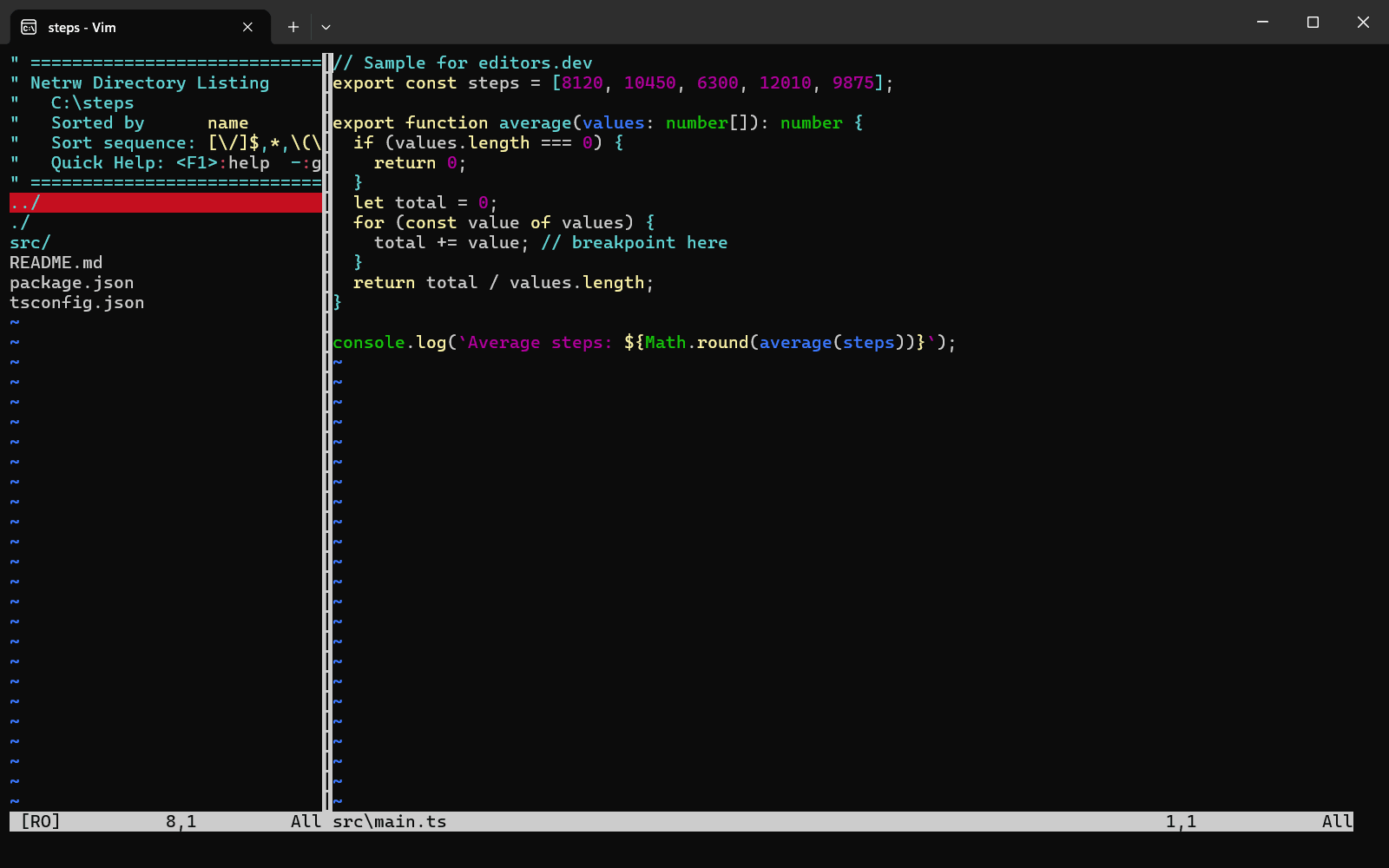
- Vim Completion : No Go to definition : No Refactoring : No Debugging : No Tests : No Formatting : No
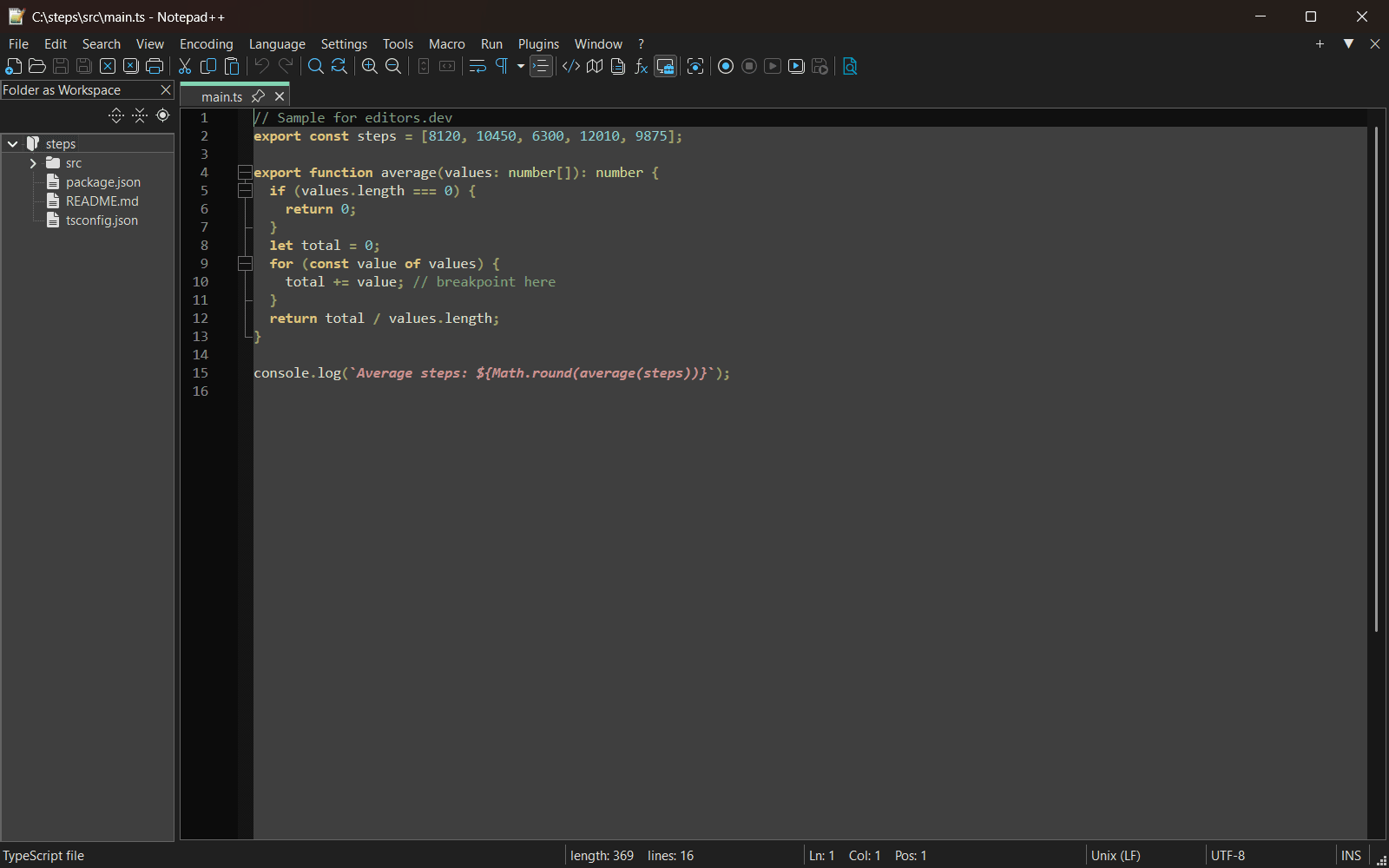
- Notepad++ Completion : No Go to definition : No Refactoring : No Debugging : No Tests : No Formatting : No
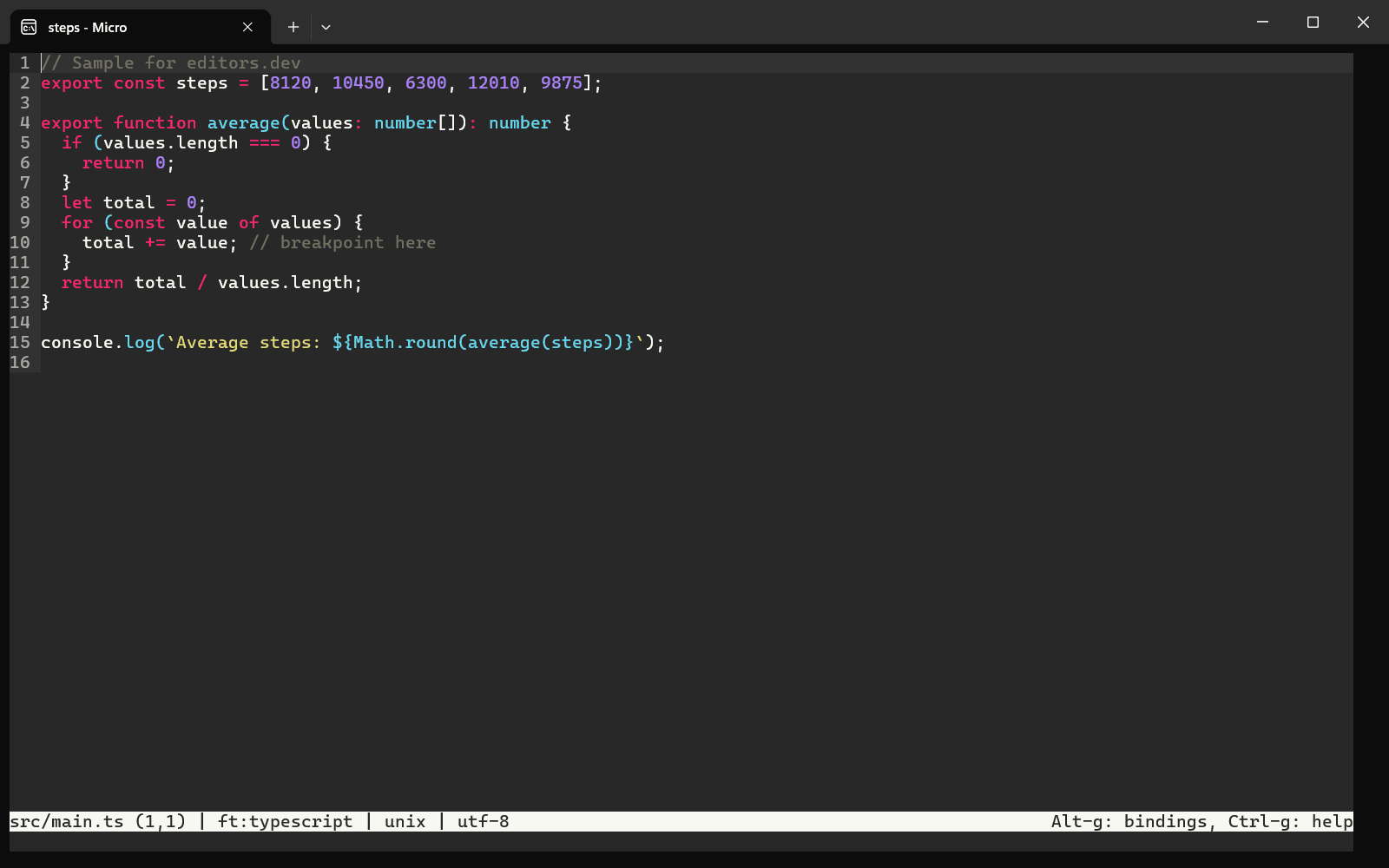
- Micro Completion : No Go to definition : No Refactoring : No Debugging : No Tests : No Formatting : No
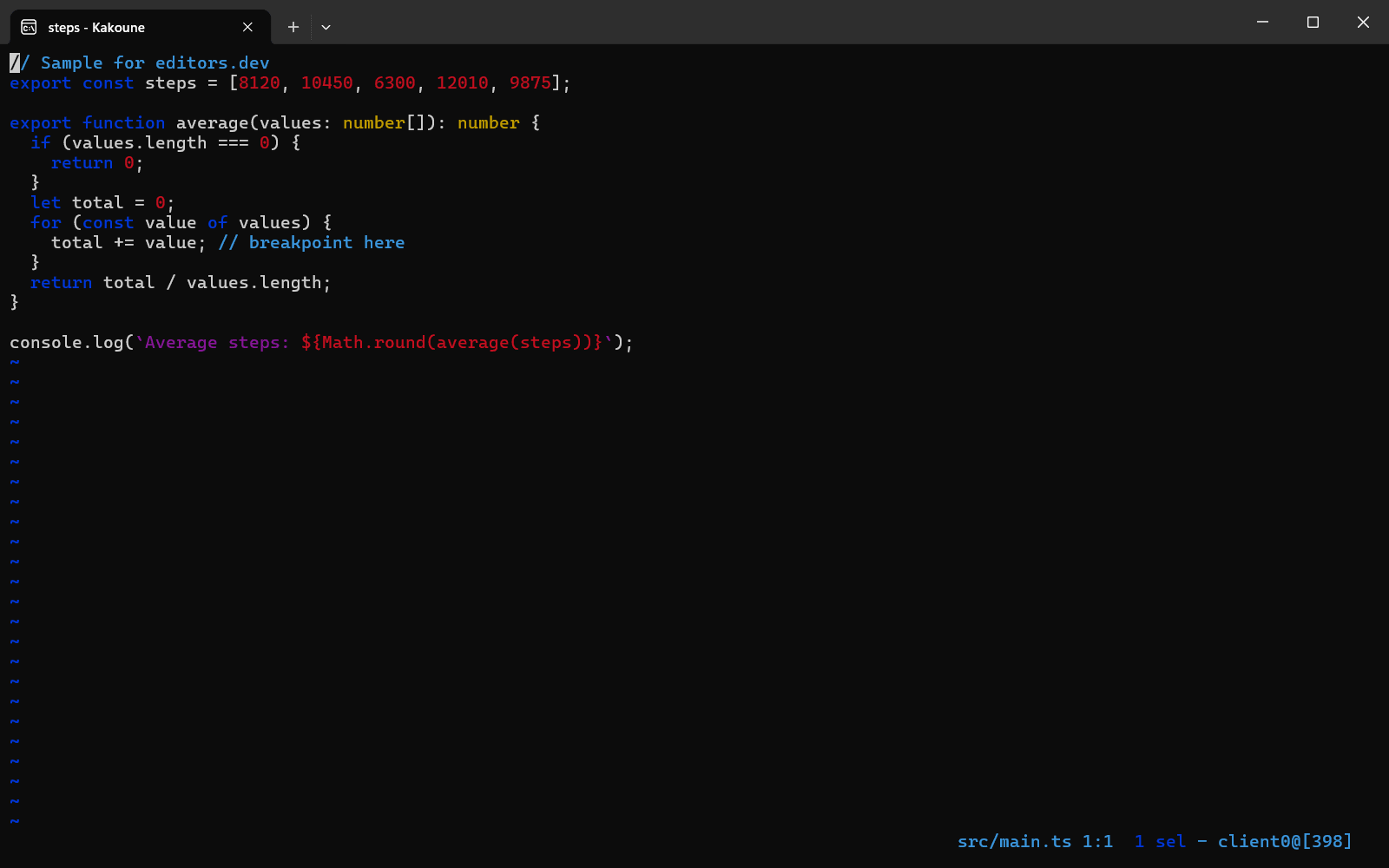
- Kakoune Completion : No Go to definition : No Refactoring : No Debugging : No Tests : No Formatting : No
- GNU nano Completion : No Go to definition : No Refactoring : No Debugging : No Tests : No Formatting : No
Official extension 1
Community extension 19
- PhpStorm With LSP4IJ Completion : Yes Go to definition : Yes Refactoring : Yes Debugging : Yes Tests : No Formatting : Yes
- IntelliJ IDEA With LSP4IJ Completion : Yes Go to definition : Yes Refactoring : Yes Debugging : Yes Tests : No Formatting : Yes
- PyCharm With LSP4IJ Completion : Yes Go to definition : Yes Refactoring : Yes Debugging : Yes Tests : No Formatting : Yes
- WebStorm With LSP4IJ Completion : Yes Go to definition : Yes Refactoring : Yes Debugging : Yes Tests : No Formatting : Yes
- GoLand With LSP4IJ Completion : Yes Go to definition : Yes Refactoring : Yes Debugging : Yes Tests : No Formatting : Yes
- Rider With LSP4IJ Completion : Yes Go to definition : Yes Refactoring : Yes Debugging : Yes Tests : No Formatting : Yes
- RustRover With LSP4IJ Completion : Yes Go to definition : Yes Refactoring : Yes Debugging : Yes Tests : No Formatting : Yes
- RubyMine With LSP4IJ Completion : Yes Go to definition : Yes Refactoring : Yes Debugging : Yes Tests : No Formatting : Yes
- VS Code With clangd Completion : Yes Go to definition : Yes Refactoring : Yes Debugging : No Tests : No Formatting : Yes
- Zed With Objective-C (Akzestia/objcpp) Completion : Yes Go to definition : Yes Refactoring : Yes Debugging : No Tests : No Formatting : Yes
- Cursor With clangd Completion : Yes Go to definition : Yes Refactoring : Yes Debugging : No Tests : No Formatting : Yes
- Devin Desktop With clangd Completion : Yes Go to definition : Yes Refactoring : Yes Debugging : No Tests : No Formatting : Yes
- Neovim With clangd Completion : Yes Go to definition : Yes Refactoring : Yes Debugging : No Tests : No Formatting : Yes
- Sublime Text With LSP + LSP-clangd Completion : Yes Go to definition : Yes Refactoring : Yes Debugging : No Tests : No Formatting : Yes
- Android Studio With Noctule, the Swift IDE (Joachim Ansorg) Completion : Yes Go to definition : Yes Refactoring : No Debugging : Yes Tests : No Formatting : Yes
- Kiro With clangd Completion : Yes Go to definition : Yes Refactoring : Yes Debugging : No Tests : No Formatting : Yes
- Google Antigravity With clangd Completion : Yes Go to definition : Yes Refactoring : Yes Debugging : No Tests : No Formatting : Yes
- TRAE With clangd Completion : Yes Go to definition : Yes Refactoring : Yes Debugging : No Tests : No Formatting : Yes
- VSCodium With clangd Completion : Yes Go to definition : Yes Refactoring : Yes Debugging : No Tests : No Formatting : Yes
Today
Objective-C has had no new numbered language version since 2.0 in 2007; later features such as ARC, literals, modules, nullability and lightweight generics arrived through Clang and Xcode releases. Apple still supports it in Xcode and its SDKs, but since 2014 its new frameworks, documentation and sample code have centred on Swift, which interoperates with Objective-C in the same project. It remains in wide use in older and mixed iOS and macOS codebases. In the TIOBE index for November 2026 it ranks 29th.
What it is used for
iOS and macOS apps, especially older and mixed Swift/Objective-C codebases, and Apple's own system frameworks. GNUstep keeps Objective-C usable on Linux and other platforms.
History
Brad Cox and Tom Love created Objective-C in the early 1980s at ITT, adding Smalltalk-style messaging to C, and sold it through their company Productivity Products International, later Stepstone. Cox described the language in his 1986 book Object-Oriented Programming: An Evolutionary Approach.
NeXT licensed Objective-C in 1988 and built NeXTSTEP on it. NeXT's work on the GCC compiler made Objective-C support part of GCC, and the OpenStep and GNUstep libraries followed. When Apple bought NeXT in 1996, Objective-C and the NeXTSTEP frameworks became the base of Mac OS X and its Cocoa API, and later of iOS.
Apple announced Objective-C 2.0 at WWDC 2006 and shipped it with Mac OS X 10.5 in October 2007, adding properties, fast enumeration and optional garbage collection. After moving to the Clang compiler, Apple kept adding features without new version numbers: automatic reference counting in 2011, literals in 2012, modules in 2013, and nullability annotations and lightweight generics in 2015, the last two mainly to improve interoperability with Swift. Swift, introduced in 2014, has since become Apple's main language, and Objective-C is now maintained rather than developed further.
Milestone versions
- September 1989 NeXTSTEP 1.0 First operating system and frameworks built on Objective-C, from NeXT.
- 24 March 2001 Cocoa (Mac OS X 10.0) Objective-C became the main language of Apple's new Cocoa API.
- 26 October 2007 2.0 Shipped with Mac OS X 10.5: properties, fast enumeration and optional garbage collection.
- October 2011 ARC (Apple LLVM 3.0) Automatic reference counting arrived with Xcode 4.2 and replaced garbage collection.
- July 2012 Literals (Apple LLVM 4.0) Array, dictionary and number literals and subscripting, with Xcode 4.4.
- September 2013 Modules (Xcode 5) The @import directive for faster, safer framework imports.
- September 2015 Nullability and lightweight generics (Xcode 6.3 and 7) Nullability annotations and typed collections, mainly for better Swift interoperability.
Sources
Last checked: 20 November 2026