Haskell
Haskell is a purely functional language with lazy evaluation and a static type system with type inference. It is used in research and teaching, compilers and language tools, and correctness-focused software such as financial systems.
Editors for Haskell
34 editors and IDEs support Haskell. Built in first, then official and community extensions. Each row opens the editor at its Haskell notes.
Built in 7
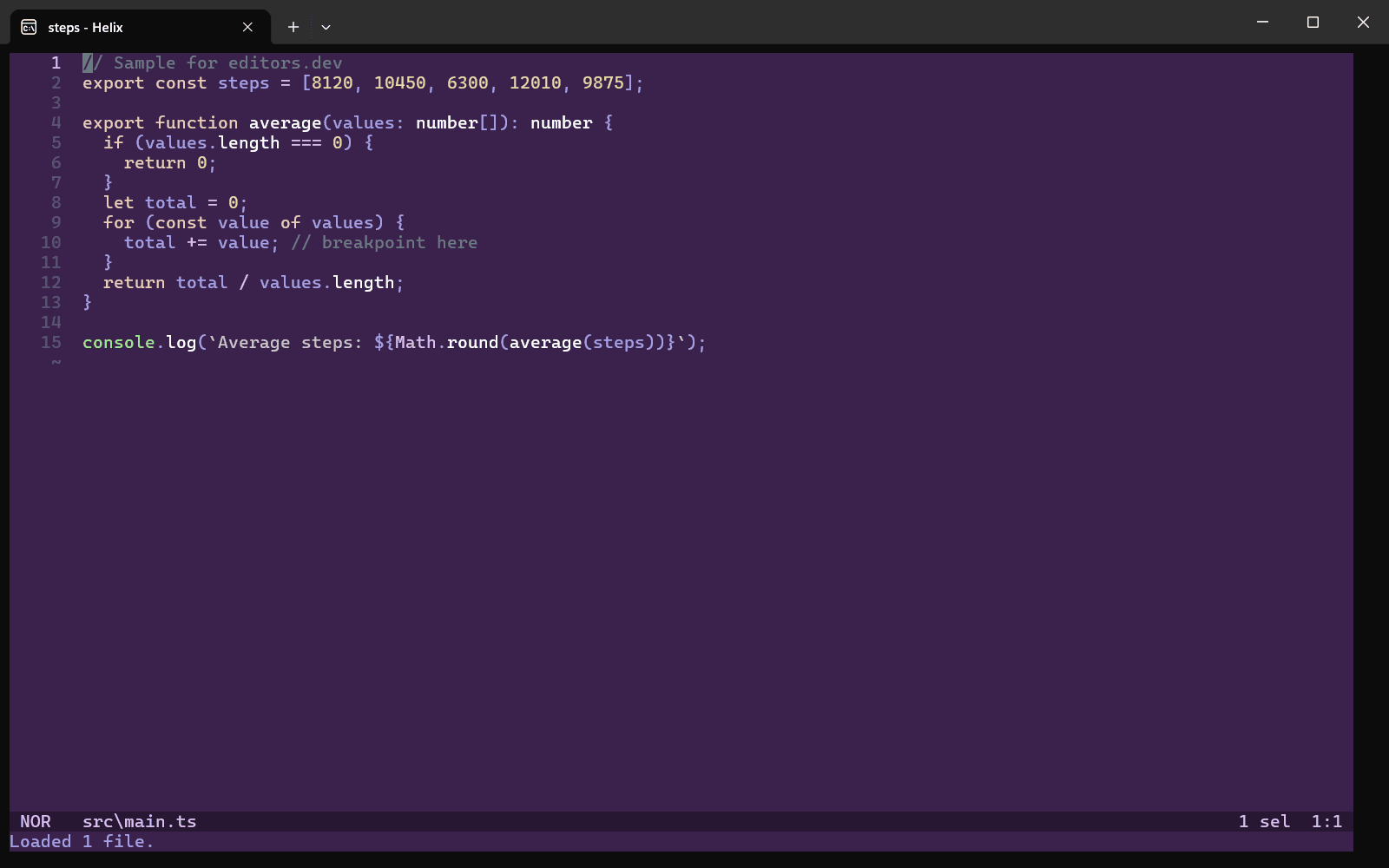
- Helix With haskell-language-server Completion : Yes Go to definition : Yes Refactoring : Yes Debugging : No Tests : No Formatting : Yes
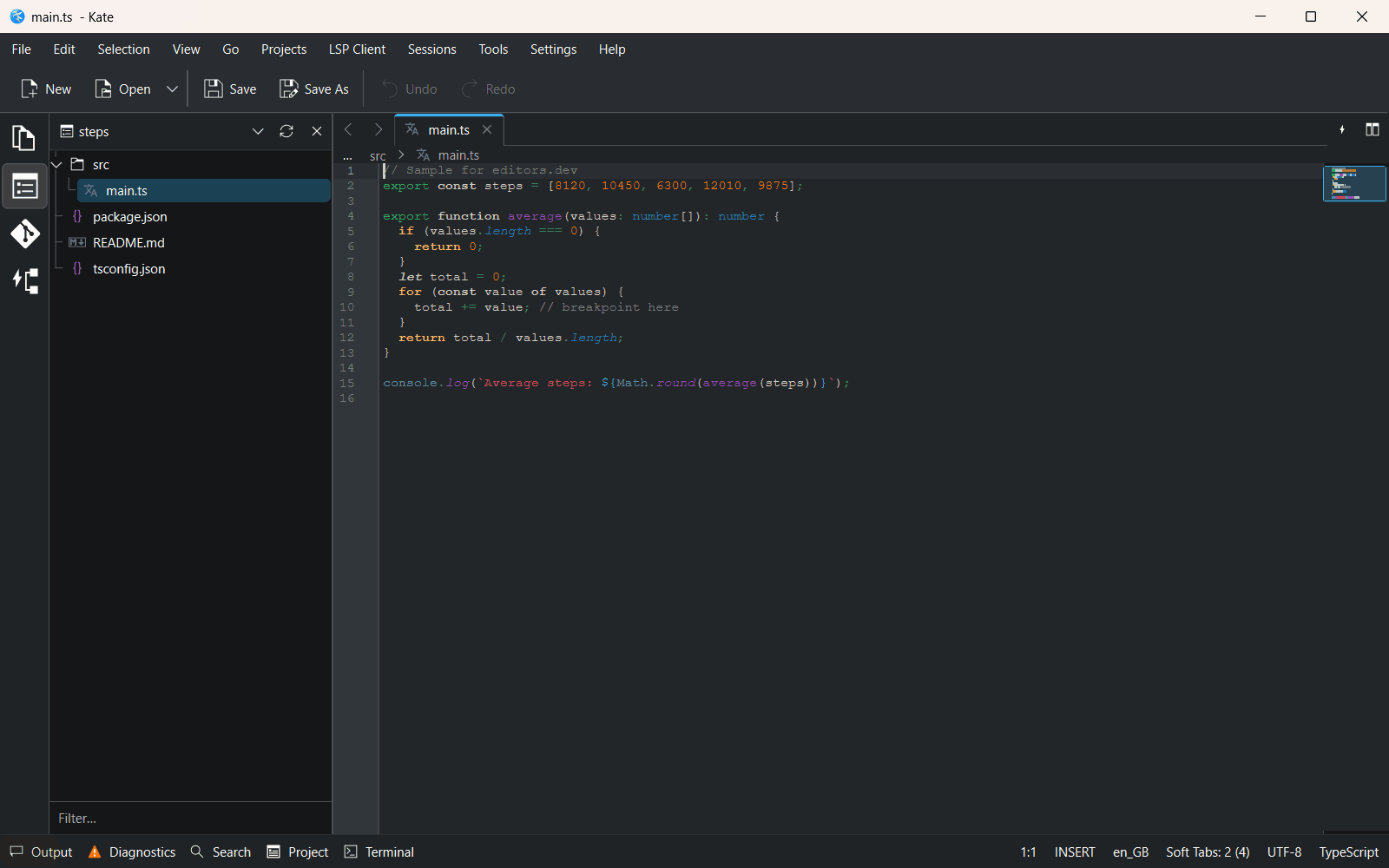
- Kate With LSP Client + haskell-language-server Completion : Yes Go to definition : Yes Refactoring : Yes Debugging : No Tests : No Formatting : Yes
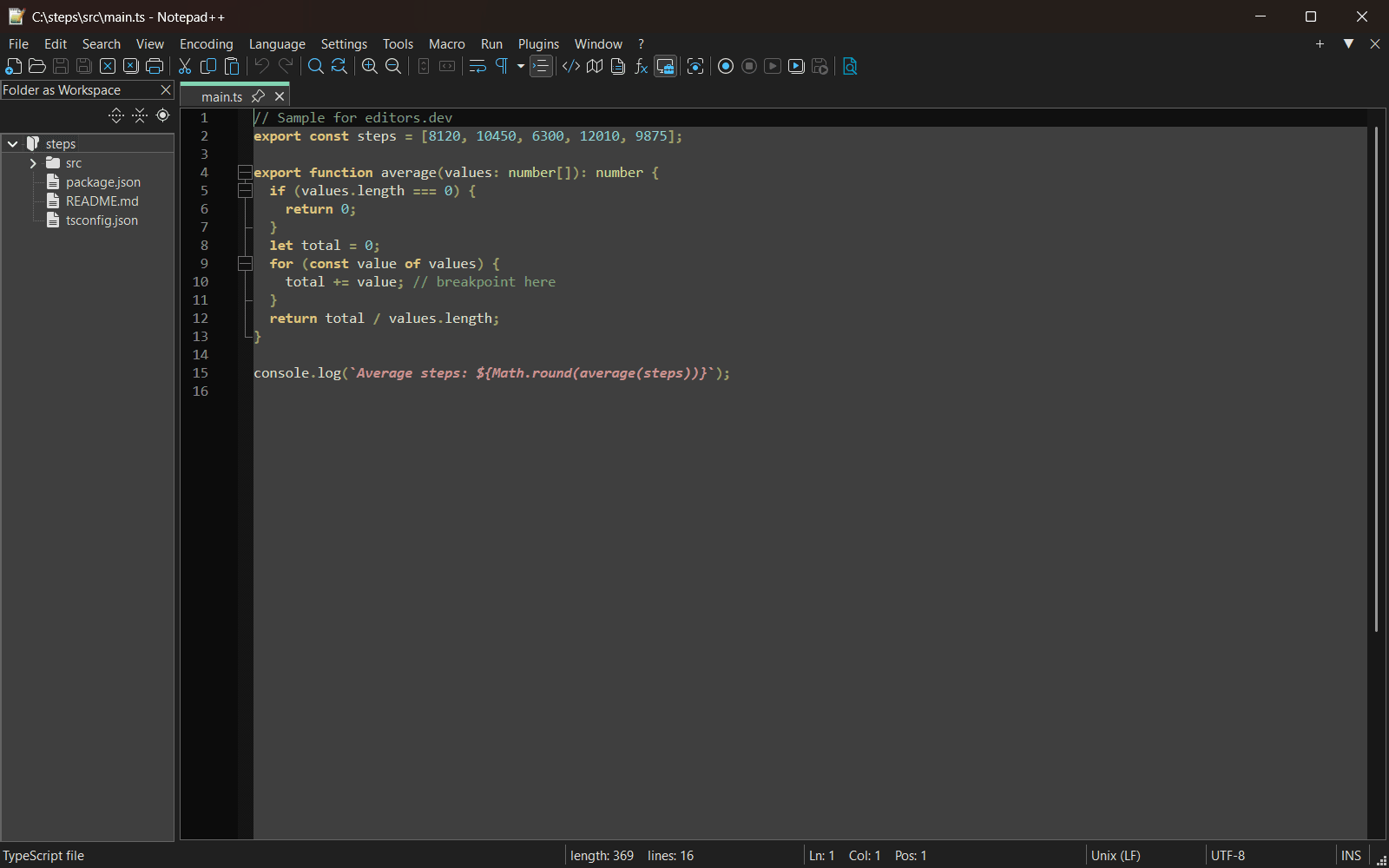
- Notepad++ Completion : Yes Go to definition : No Refactoring : No Debugging : No Tests : No Formatting : No
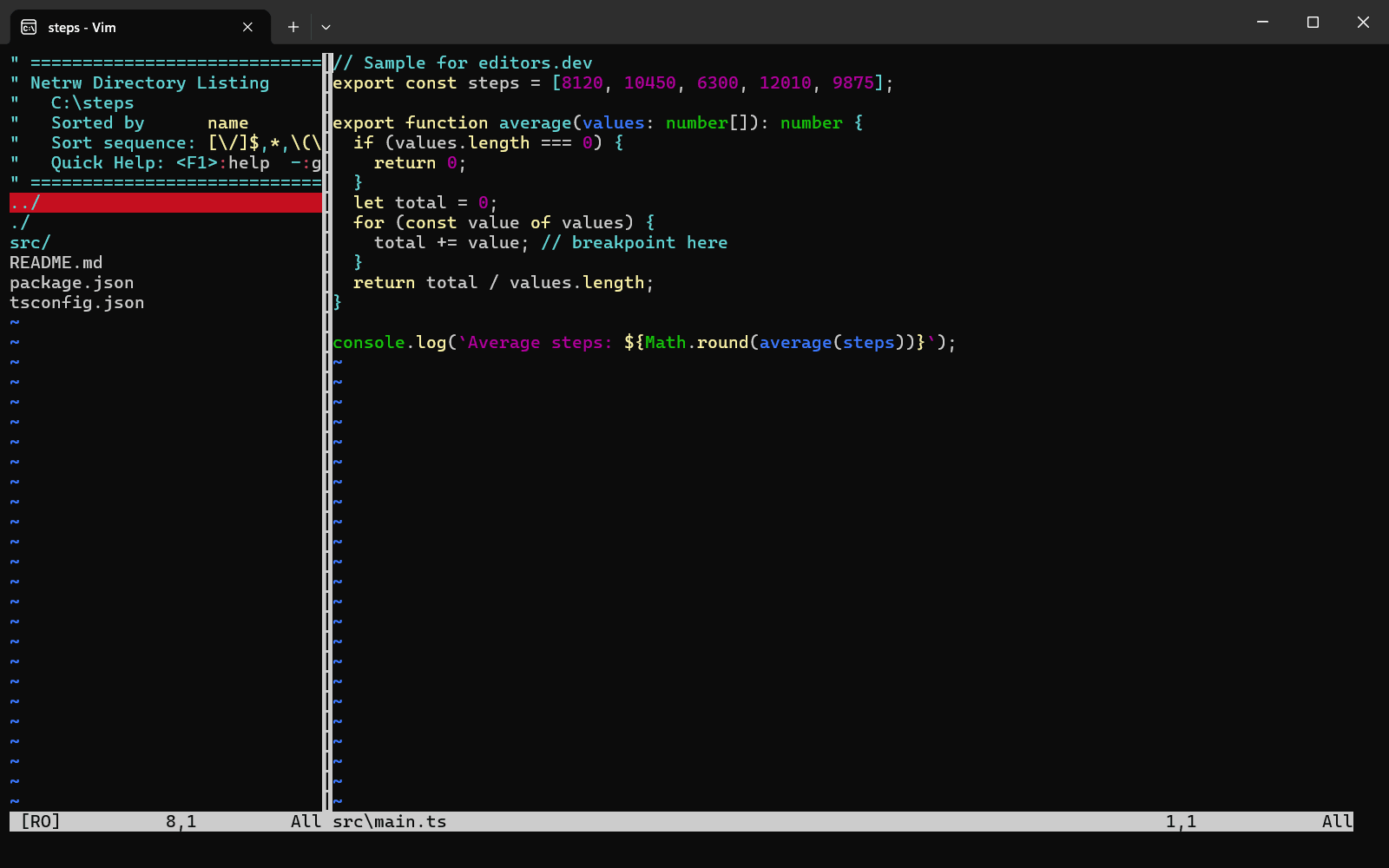
- Vim Completion : No Go to definition : No Refactoring : No Debugging : No Tests : No Formatting : No
- Micro Completion : No Go to definition : No Refactoring : No Debugging : No Tests : No Formatting : No
- Kakoune Completion : No Go to definition : No Refactoring : No Debugging : No Tests : No Formatting : No
- GNU nano With extra/haskell.nanorc Completion : No Go to definition : No Refactoring : No Debugging : No Tests : No Formatting : No
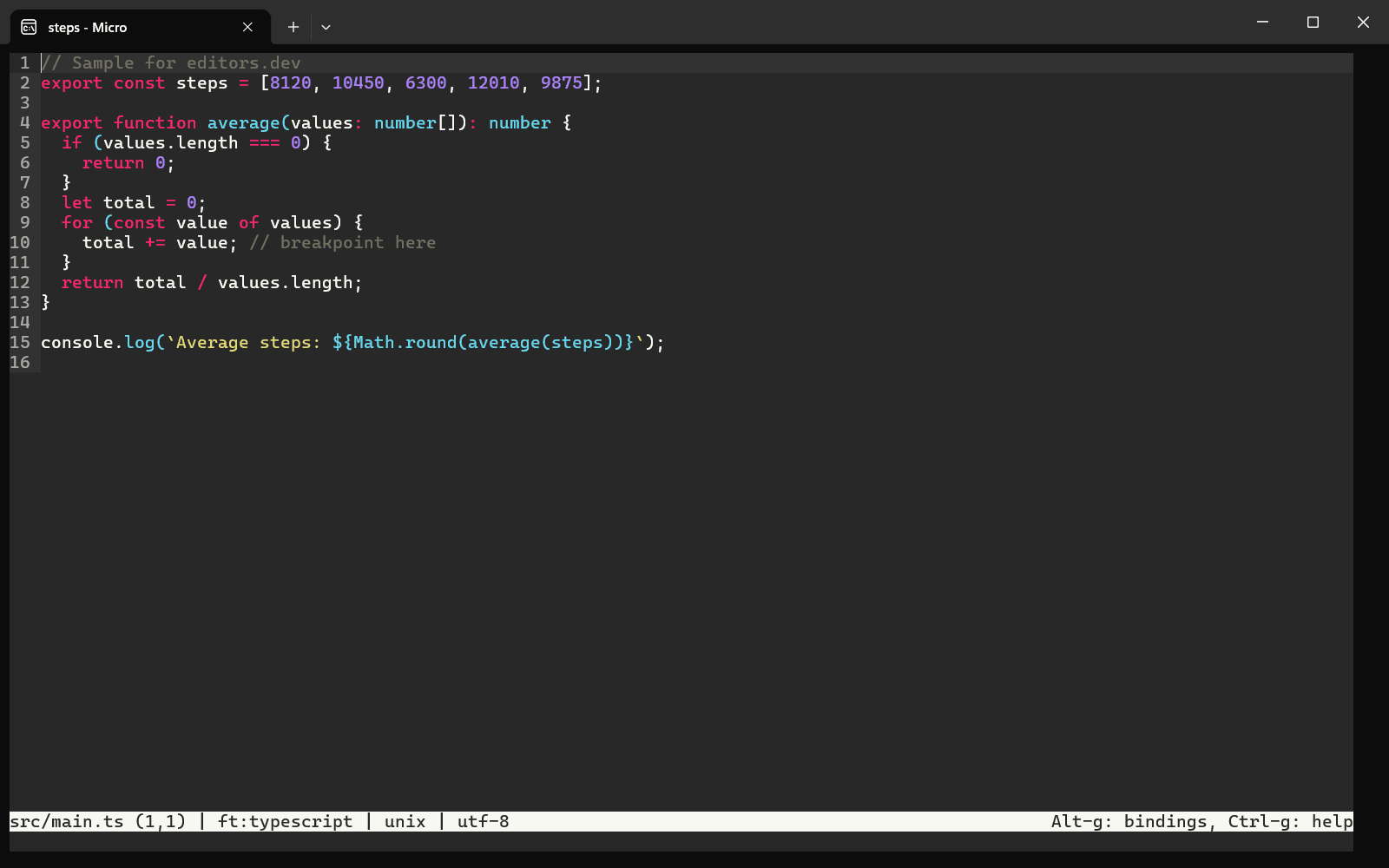
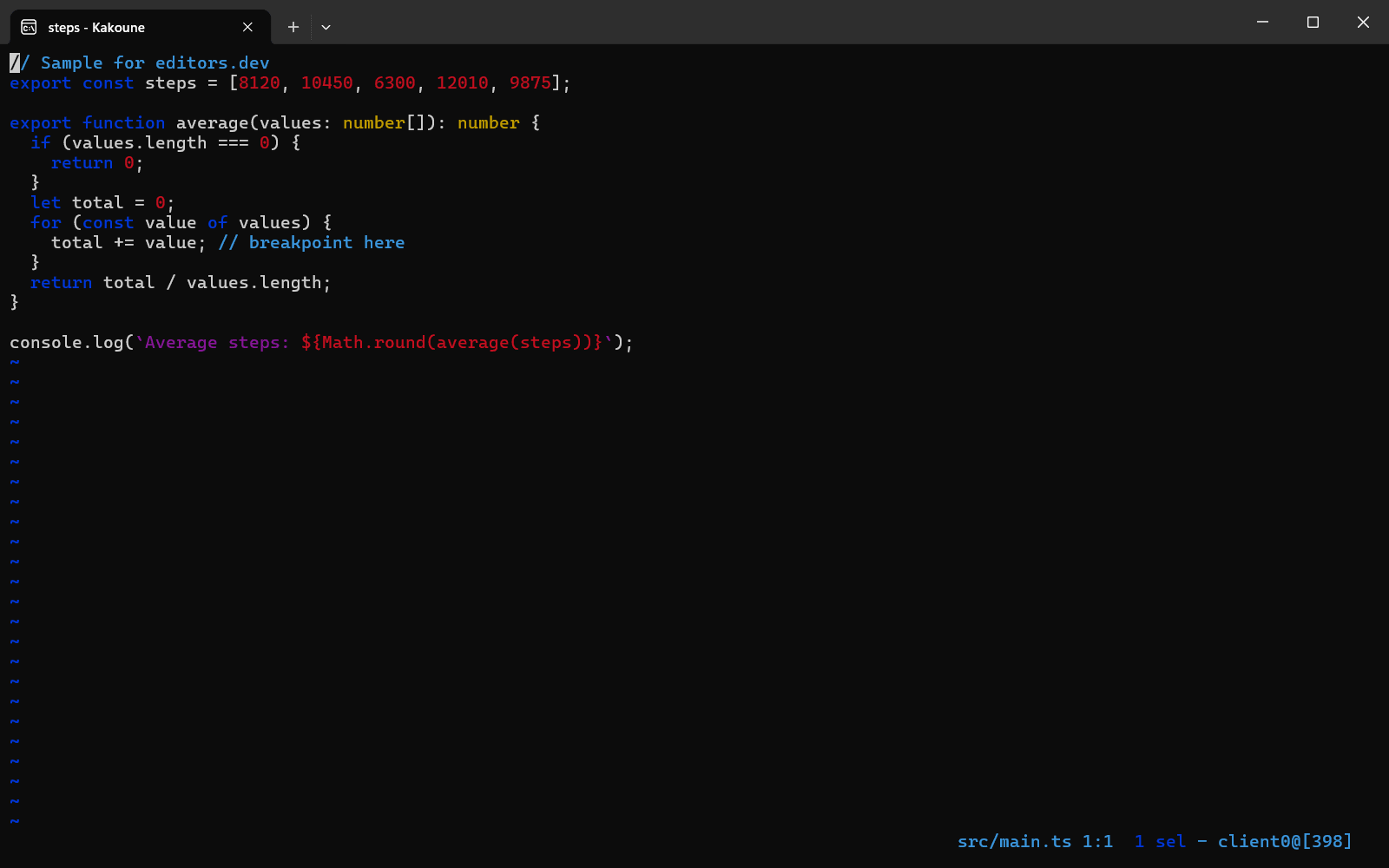
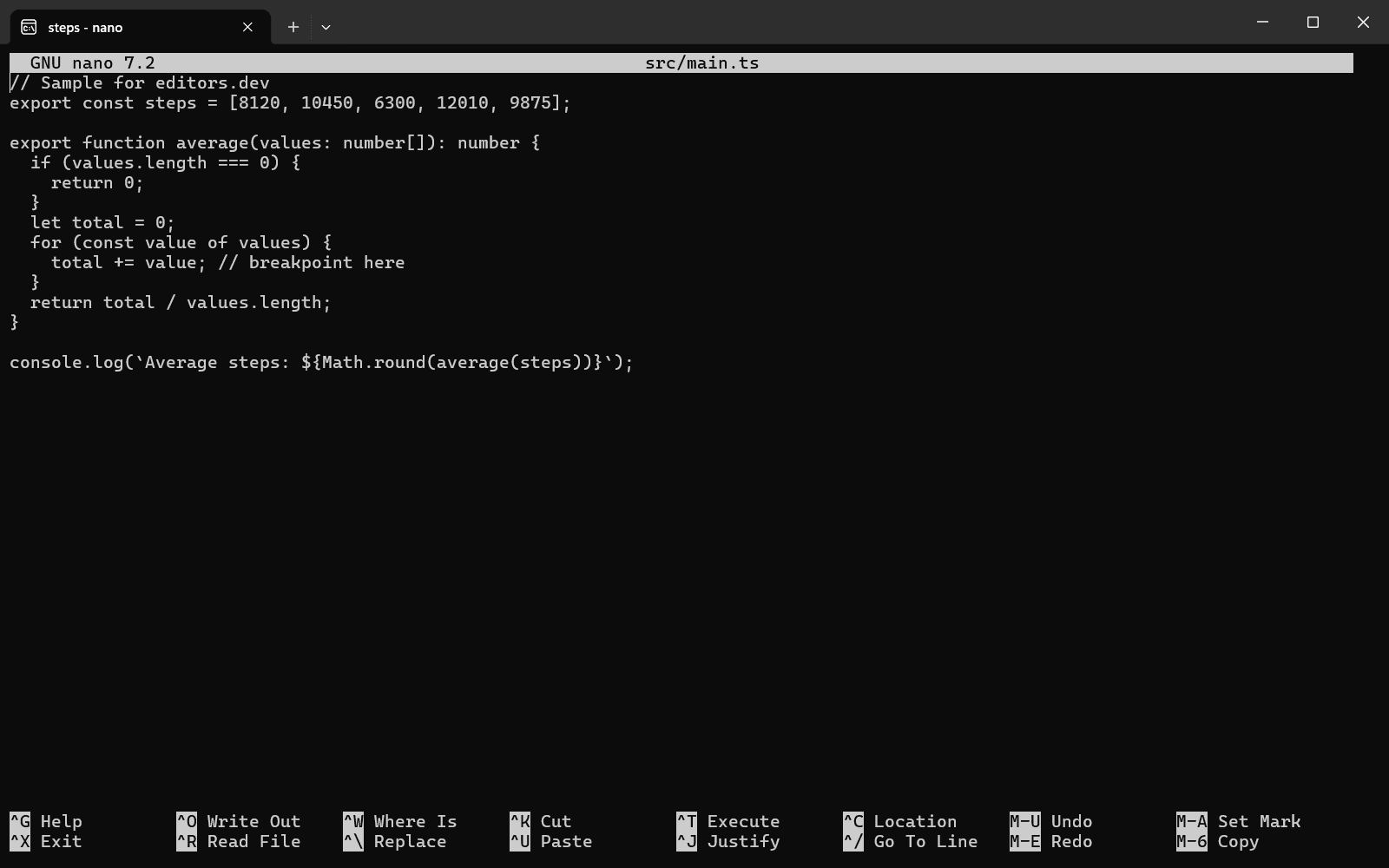
Official extension 10
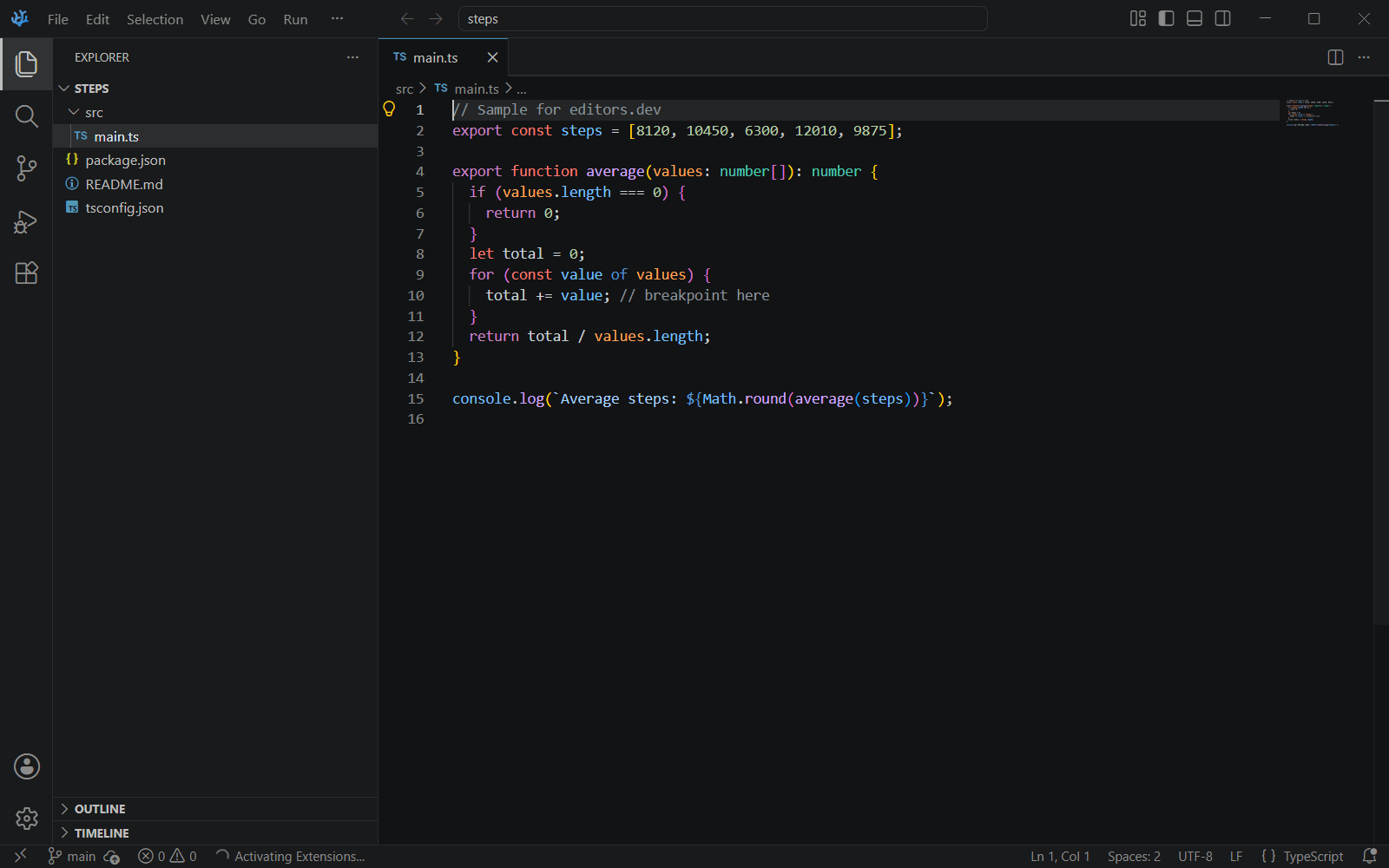
- VS Code With Haskell Completion : Yes Go to definition : Yes Refactoring : Yes Debugging : No Tests : No Formatting : Yes
- Cursor With Haskell Completion : Yes Go to definition : Yes Refactoring : Yes Debugging : No Tests : No Formatting : Yes
- Devin Desktop With Haskell Completion : Yes Go to definition : Yes Refactoring : Yes Debugging : No Tests : No Formatting : Yes
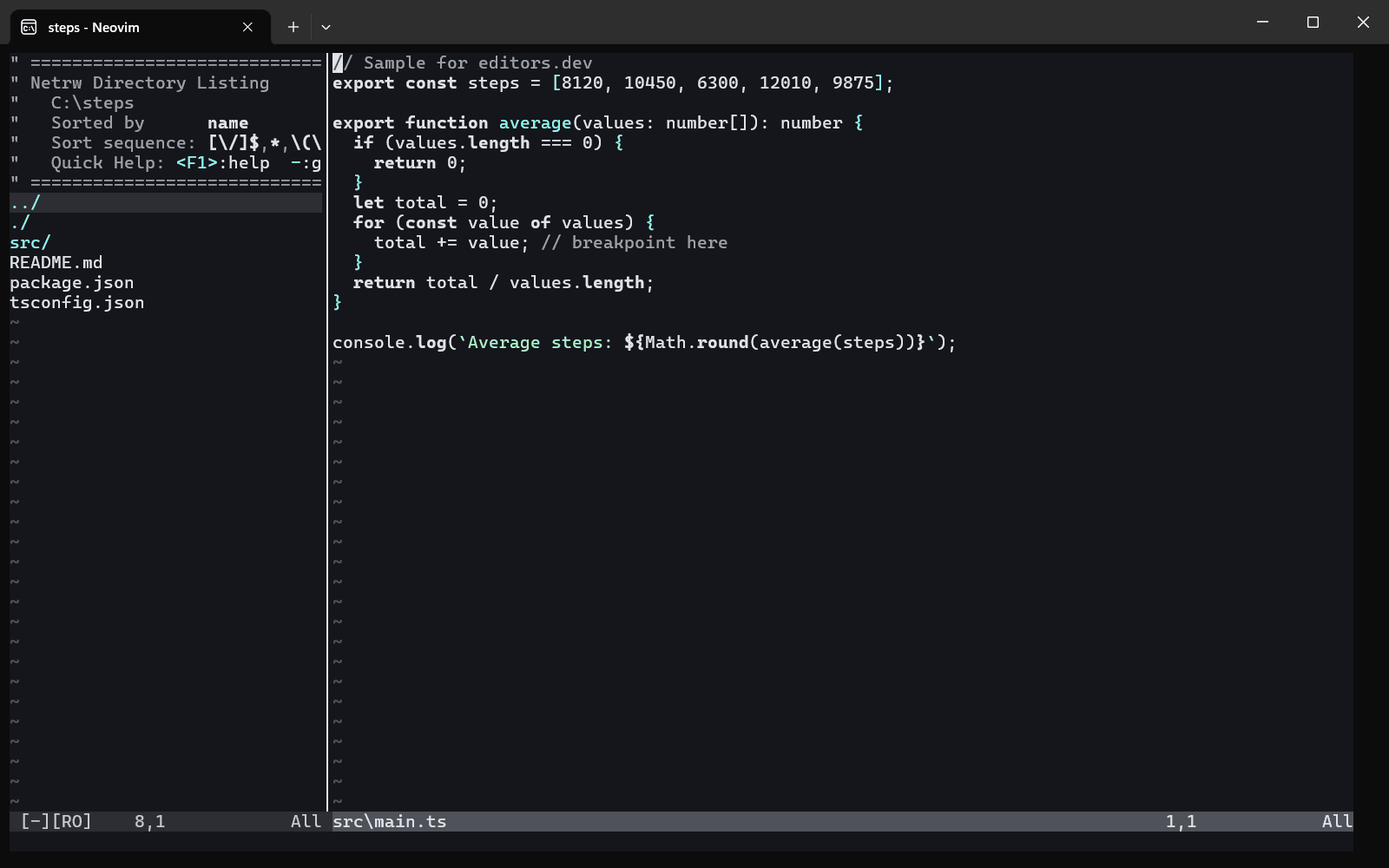
- Neovim With hls (haskell-language-server) Completion : Yes Go to definition : Yes Refactoring : Yes Debugging : No Tests : No Formatting : Yes
- Kiro With Haskell Completion : Yes Go to definition : Yes Refactoring : Yes Debugging : No Tests : No Formatting : Yes
- Google Antigravity With Haskell Completion : Yes Go to definition : Yes Refactoring : Yes Debugging : No Tests : No Formatting : Yes
- TRAE With Haskell Completion : Yes Go to definition : Yes Refactoring : Yes Debugging : No Tests : No Formatting : Yes
- VSCodium With Haskell Completion : Yes Go to definition : Yes Refactoring : Yes Debugging : No Tests : No Formatting : Yes
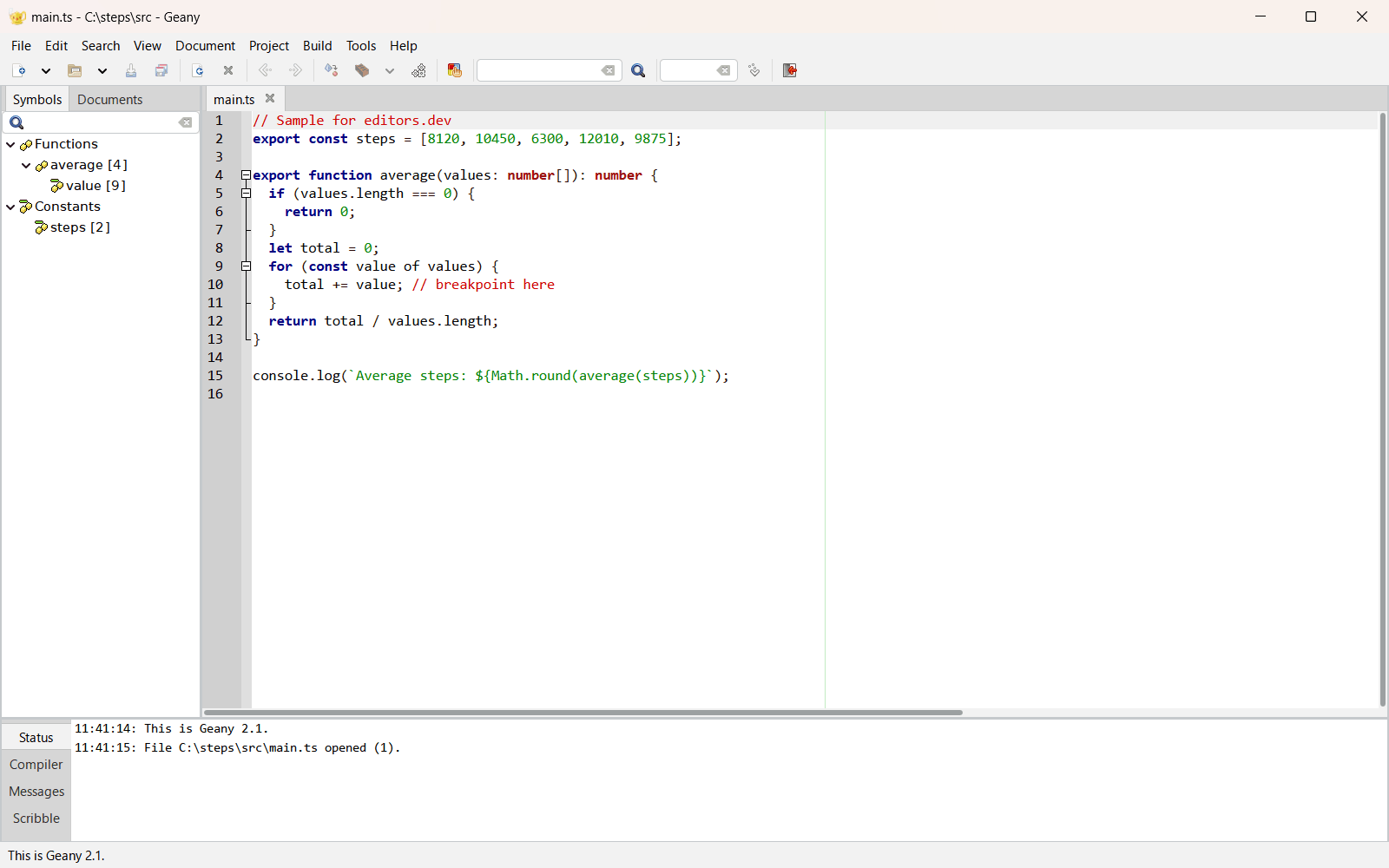
- Geany With LSP Client plugin (geany-plugins) + haskell-language-server Completion : Yes Go to definition : Yes Refactoring : Yes Debugging : No Tests : No Formatting : Yes
- TextMate With Haskell bundle Completion : No Go to definition : No Refactoring : No Debugging : No Tests : No Formatting : No
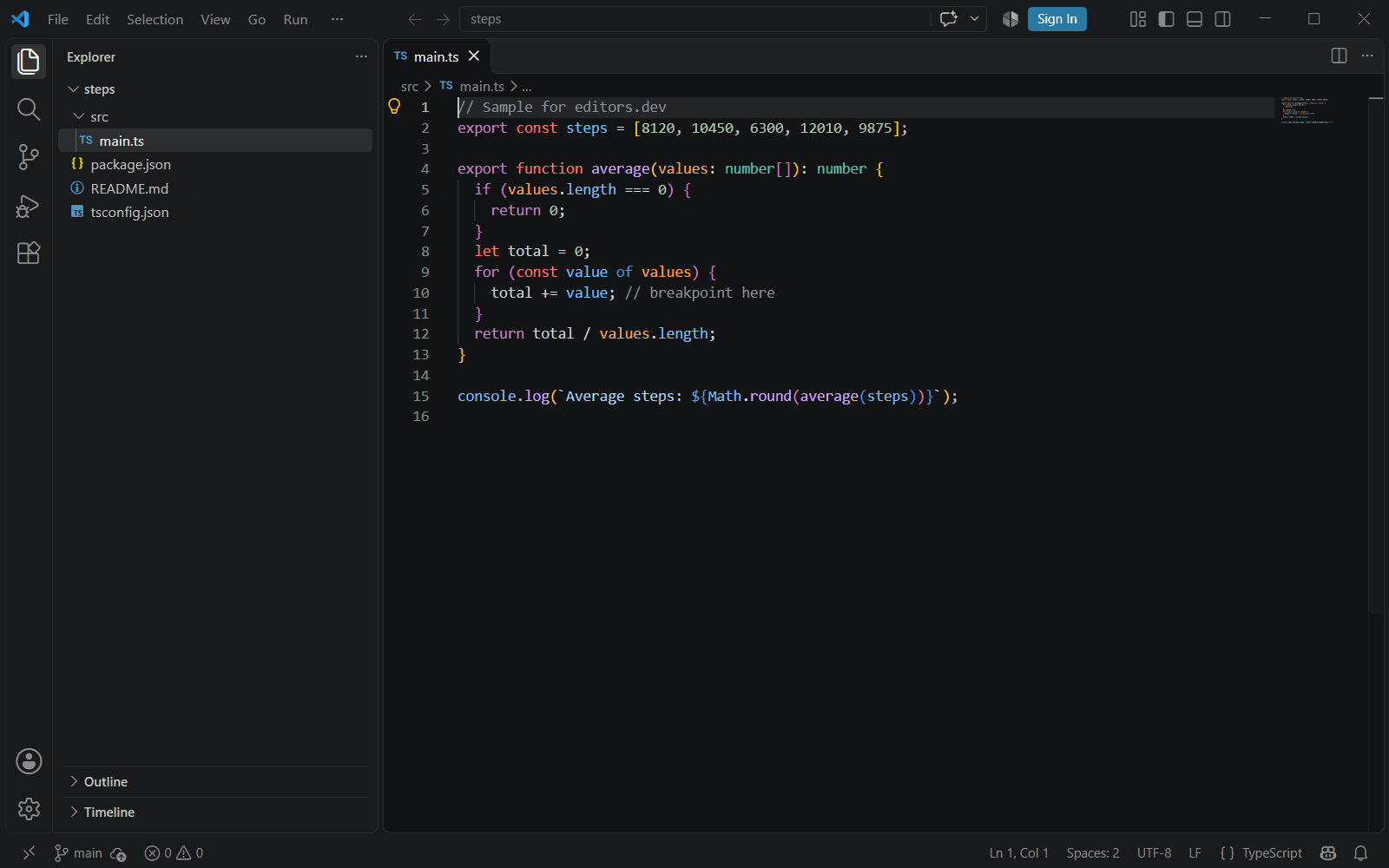
Community extension 17
- PhpStorm With Haskell LSP Completion : Yes Go to definition : Yes Refactoring : Yes Debugging : No Tests : Yes Formatting : Yes
- Zed With Haskell (zed-extensions/haskell) Completion : Yes Go to definition : Yes Refactoring : Yes Debugging : Yes Tests : No Formatting : Yes
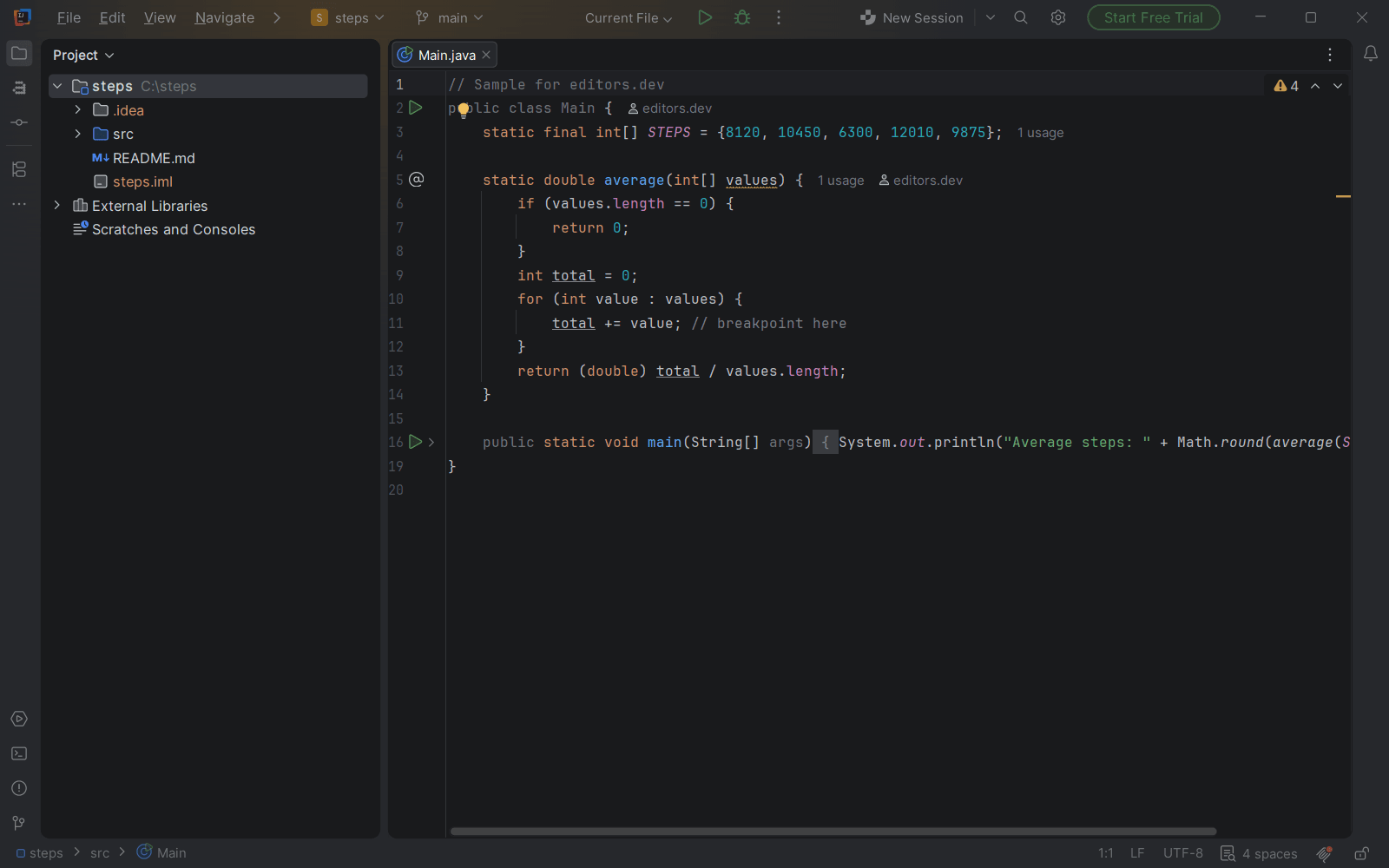
- IntelliJ IDEA With Haskell LSP Completion : Yes Go to definition : Yes Refactoring : Yes Debugging : No Tests : Yes Formatting : Yes
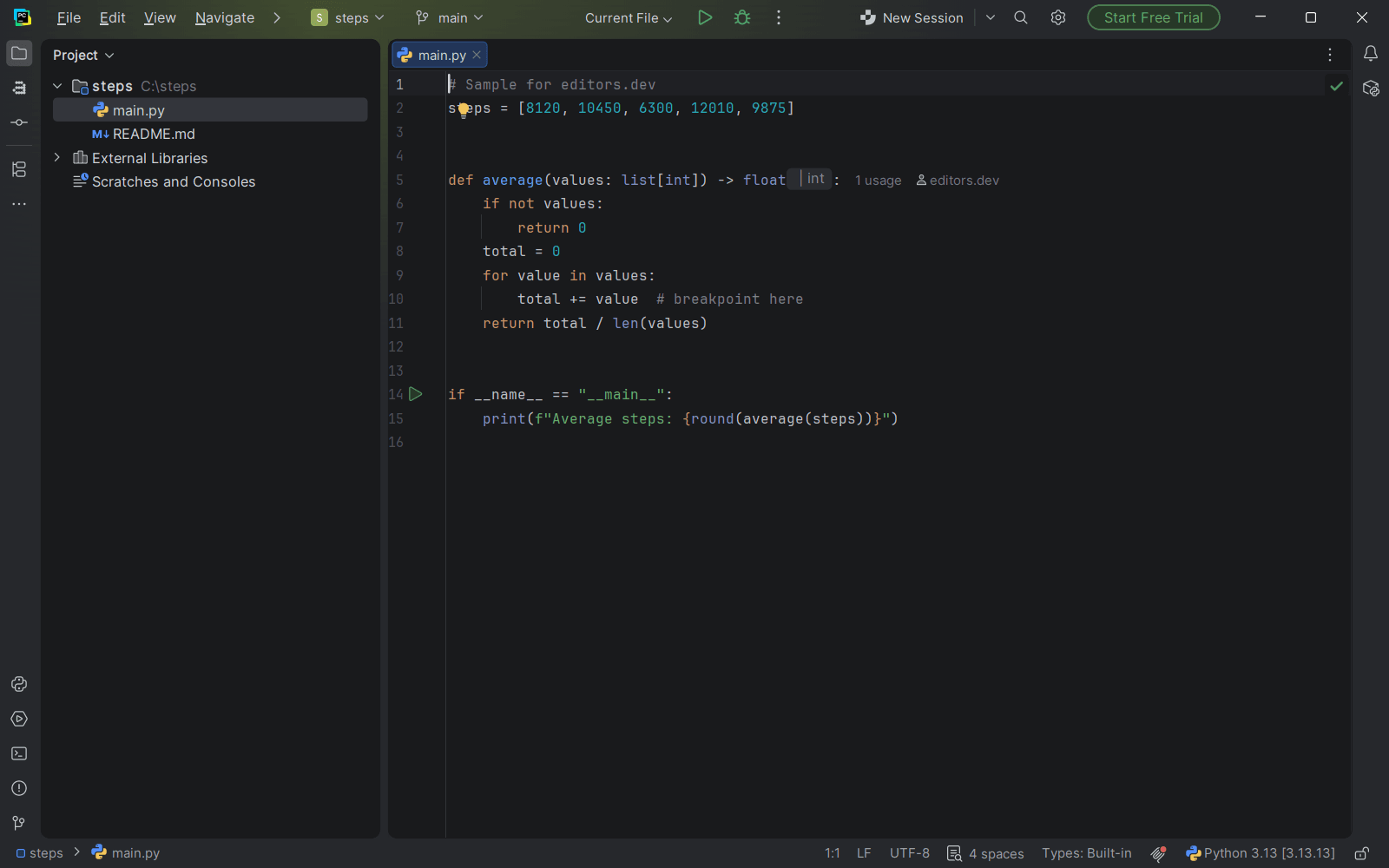
- PyCharm With Haskell LSP Completion : Yes Go to definition : Yes Refactoring : Yes Debugging : No Tests : Yes Formatting : Yes
- WebStorm With Haskell LSP Completion : Yes Go to definition : Yes Refactoring : Yes Debugging : No Tests : Yes Formatting : Yes
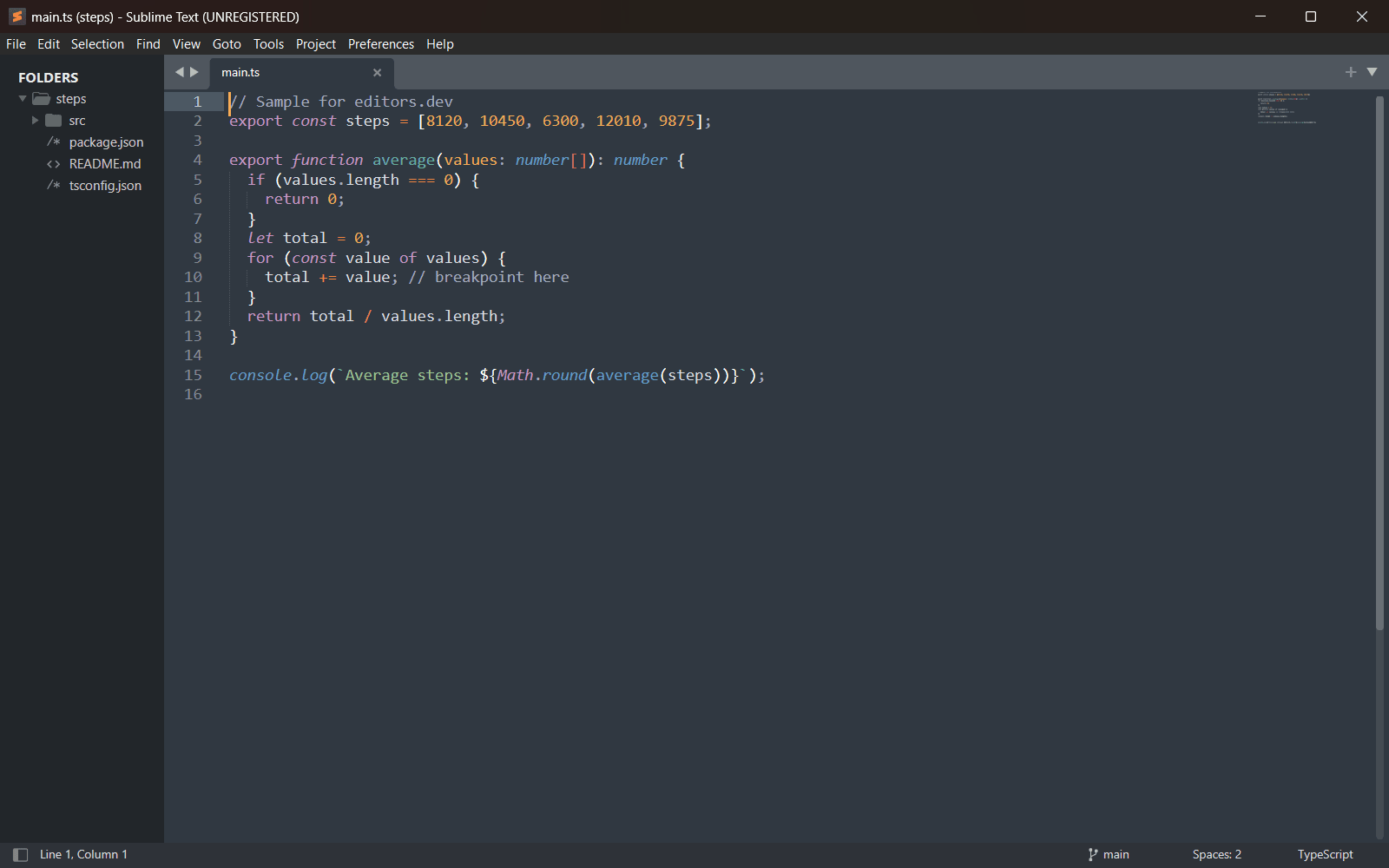
- Sublime Text With LSP (manual haskell-language-server config) Completion : Yes Go to definition : Yes Refactoring : Yes Debugging : No Tests : No Formatting : Yes
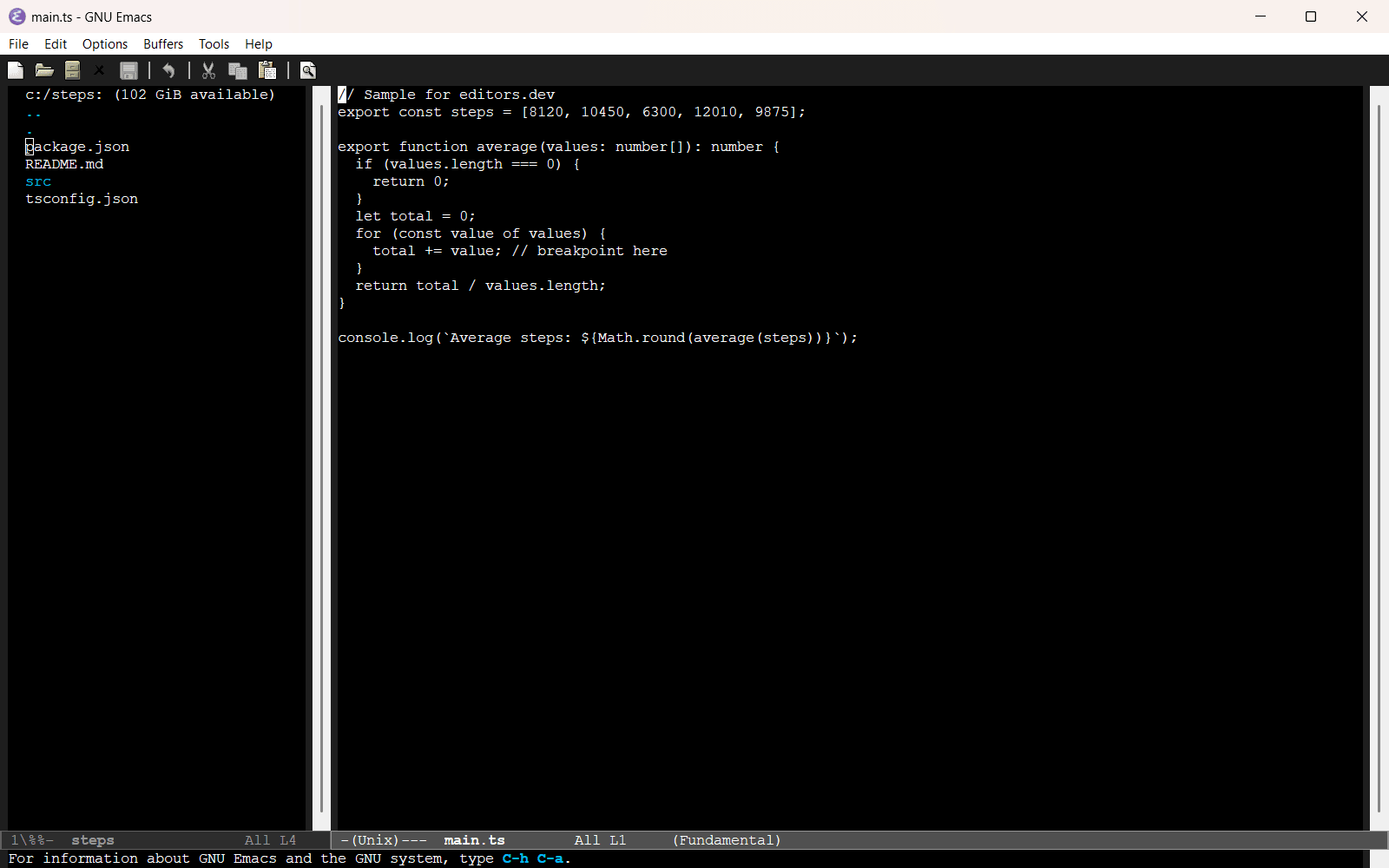
- GNU Emacs With haskell-mode + Eglot Completion : Yes Go to definition : Yes Refactoring : Yes Debugging : No Tests : No Formatting : Yes
- GoLand With Haskell LSP Completion : Yes Go to definition : Yes Refactoring : Yes Debugging : No Tests : No Formatting : Yes
- CLion With Haskell LSP Completion : Yes Go to definition : Yes Refactoring : Yes Debugging : No Tests : No Formatting : Yes
- Rider With Haskell LSP Completion : Yes Go to definition : Yes Refactoring : Yes Debugging : No Tests : No Formatting : Yes
- RustRover With Haskell LSP Completion : Yes Go to definition : Yes Refactoring : Yes Debugging : No Tests : No Formatting : Yes
- RubyMine With Haskell LSP Completion : Yes Go to definition : Yes Refactoring : Yes Debugging : No Tests : No Formatting : Yes
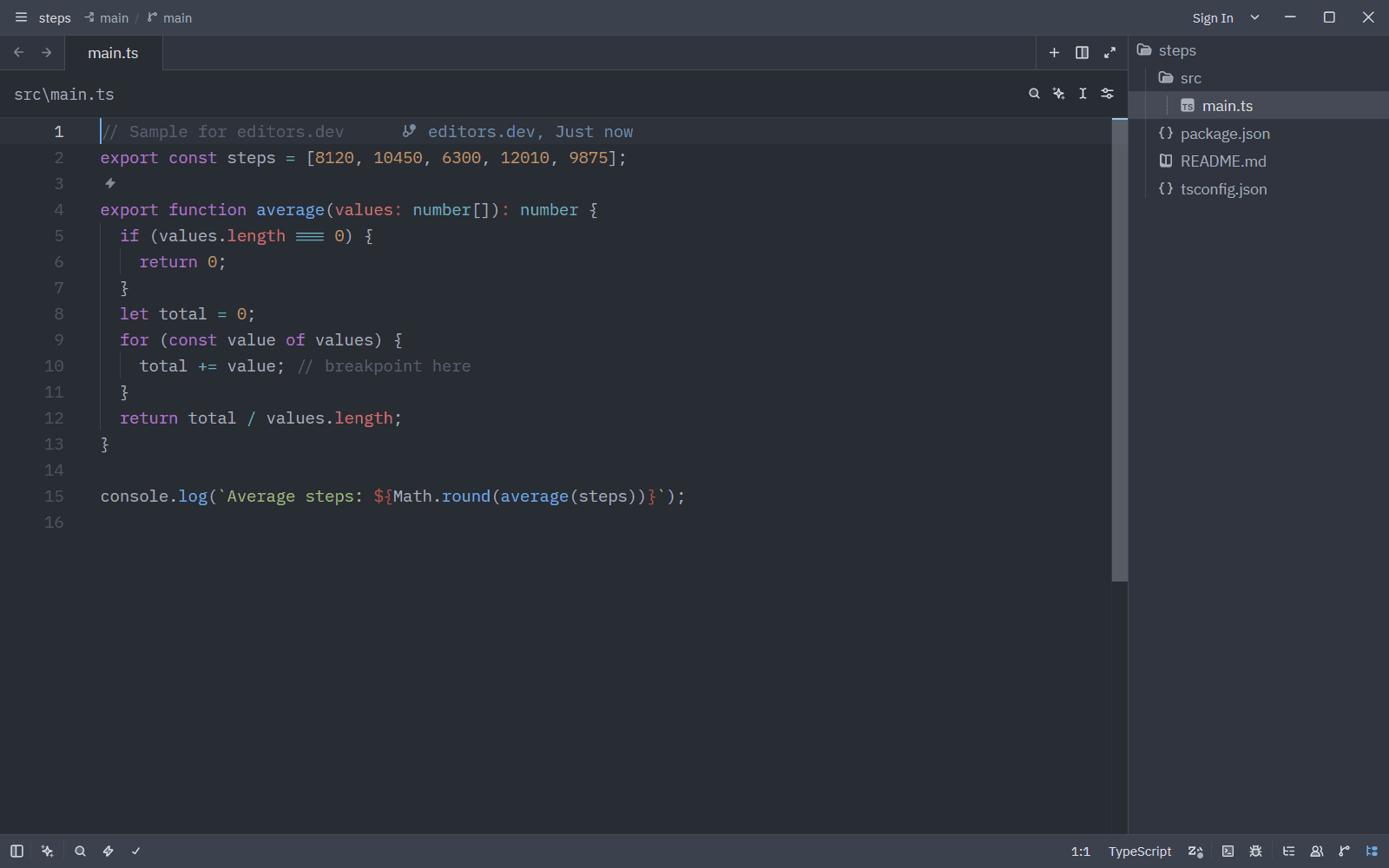
- Lapce With lapce-haskell (haskell-language-server) Completion : Yes Go to definition : Yes Refactoring : Yes Debugging : No Tests : No Formatting : Yes
- Android Studio With Haskell LSP (rockofox) Completion : Yes Go to definition : Yes Refactoring : No Debugging : No Tests : No Formatting : No
- Nova With Haskell extension Completion : Yes Go to definition : No Refactoring : No Debugging : No Tests : No Formatting : No
- BBEdit With Haskell codeless language module Completion : No Go to definition : No Refactoring : No Debugging : No Tests : No Formatting : No
- Pulsar With language-haskell Completion : No Go to definition : No Refactoring : No Debugging : No Tests : No Formatting : No
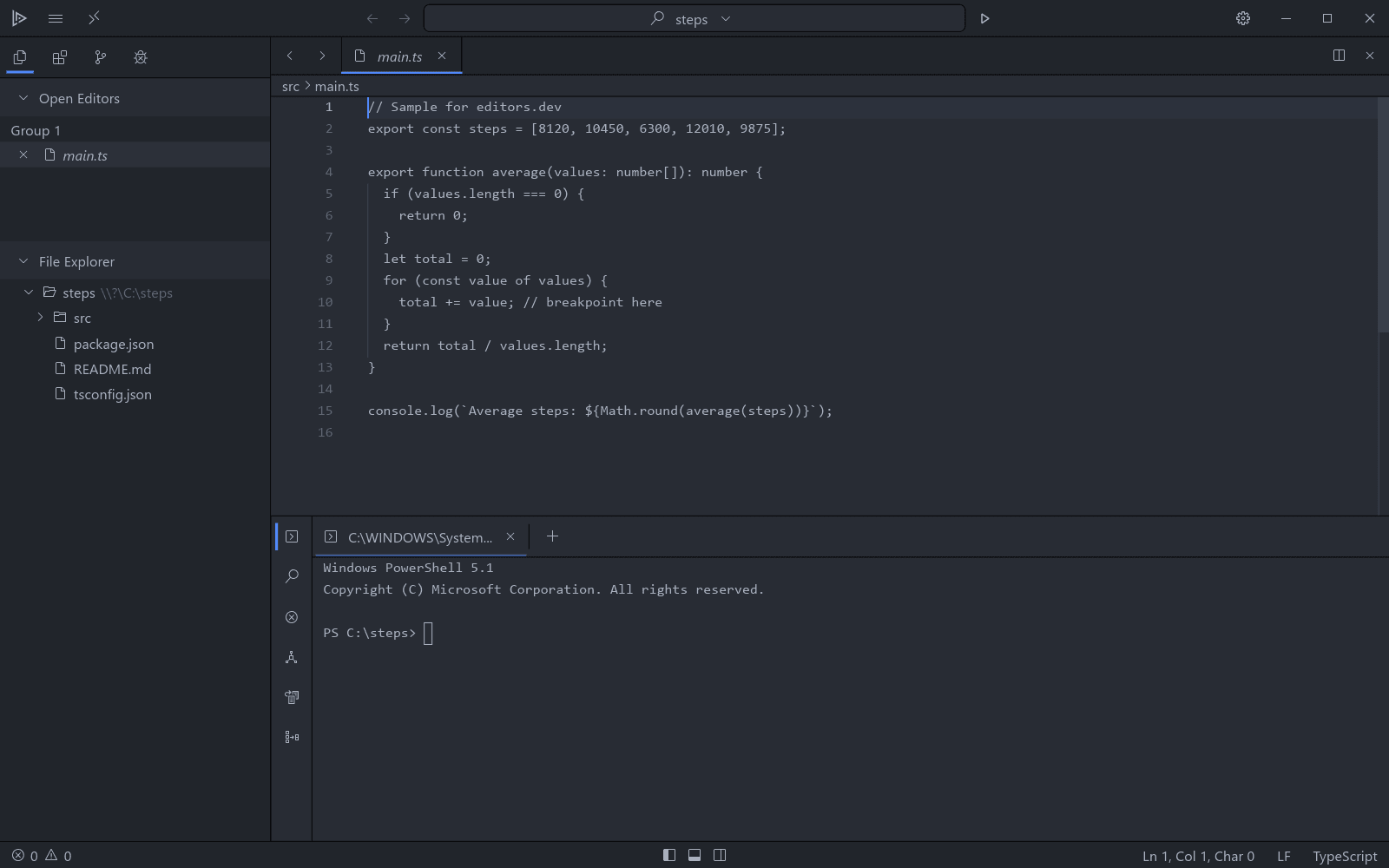
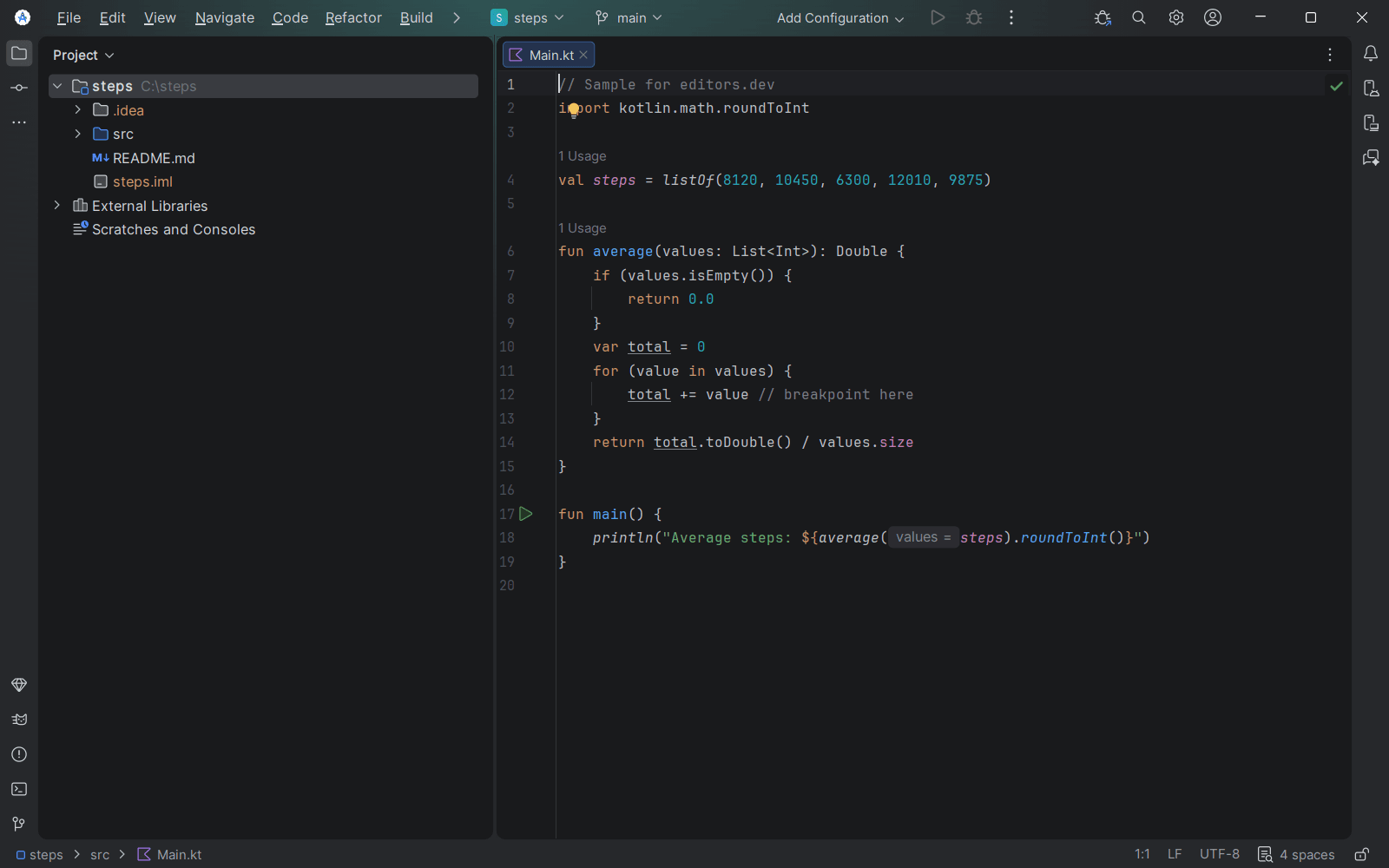
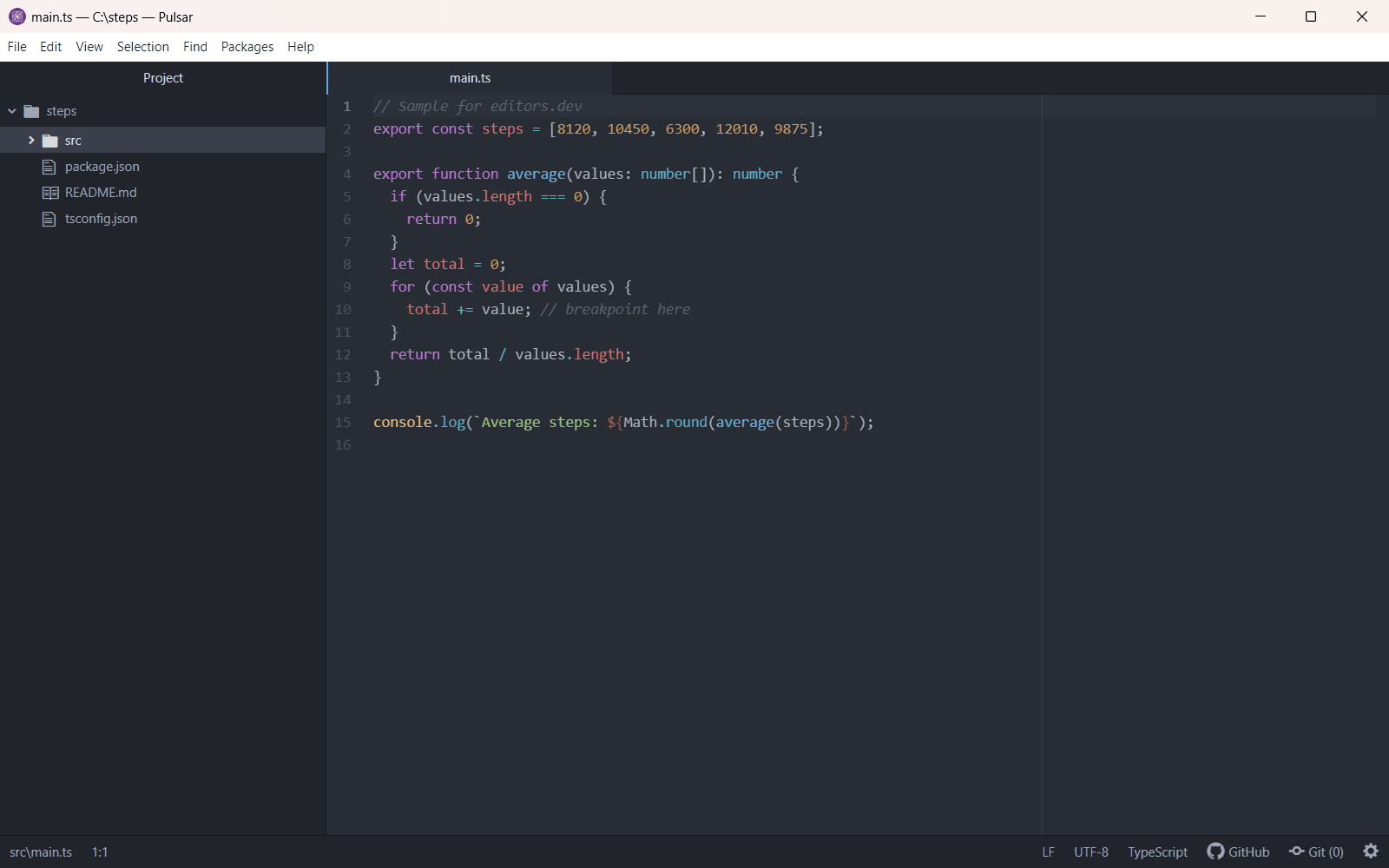
Today
The language standard is still Haskell 2010; a Haskell 2020 effort stalled, and GHC instead groups extensions into language editions (GHC2021, GHC2024). The version shown is GHC, the main compiler: 9.14.1 (2025-12-19) is the newest series and the first long-term support branch, planned to be supported until at least early 2028. A later patch for an older series, 9.12.4, came out on 2026-03-27; 9.14.2 and 9.12.5 are at release-candidate stage, and GHC 10.0.1 is in alpha (alpha2 in November 2026).
What it is used for
Compilers and language tools, financial and blockchain systems, and internal tooling; Pandoc, ShellCheck, the Cardano node and Meta's Sigma spam-filtering system are written in Haskell.
History
In 1987, at the FPCA conference in Portland, researchers agreed to design one open, lazy functional language to replace the many similar research languages of the time. A committee including Paul Hudak, Philip Wadler, Simon Peyton Jones, John Hughes and Lennart Augustsson published the Haskell 1.0 Report in April 1990. The language was named after the logician Haskell Curry.
After several revisions, Haskell 98 (published 1999, revised 2003) became the stable base for teaching and implementations. Type classes and monadic I/O, both introduced in Haskell, influenced many later languages. Haskell 2010 added a foreign function interface and hierarchical modules and is the most recent standard.
The Glasgow Haskell Compiler, started at the University of Glasgow around 1990 and later developed largely at Microsoft Research, became the dominant implementation. Most language change now happens through GHC extensions and the GHC proposals process. The Haskell Foundation, created in 2020, supports tooling, GHC releases and the ecosystem around Cabal, Stack and Hackage.
Milestone versions
- April 1990 Haskell 1.0 The first Haskell Report, defining the language.
- February 1999 Haskell 98 A stable, conservative standard meant for teaching and as a base for extensions.
- July 2010 Haskell 2010 The current standard: adds the foreign function interface and hierarchical module names.
- 16 November 2010 GHC 7.0.1 Haskell 2010 by default and a new type checker and inference engine.
- 21 May 2016 GHC 8.0.1 Type-in-type (TypeInType), DuplicateRecordFields and call-stack support.
- 4 February 2021 GHC 9.0.1 Linear types (LinearTypes) and the ghc-bignum library.
- 29 October 2021 GHC 9.2.1 The GHC2021 language edition and record dot syntax.
- May 2024 GHC 9.10.1 GHC2024 becomes the default language edition; first parts of RequiredTypeArguments.
- 19 December 2025 GHC 9.14.1 The first long-term support series, with explicit level imports and better SIMD code generation.
Sources
Last checked: 20 November 2026