Julia
Julia is a dynamic, high-level language built around multiple dispatch and compiled just in time through LLVM. It is mostly used for scientific computing, numerical analysis, data science and simulation.
Editors for Julia
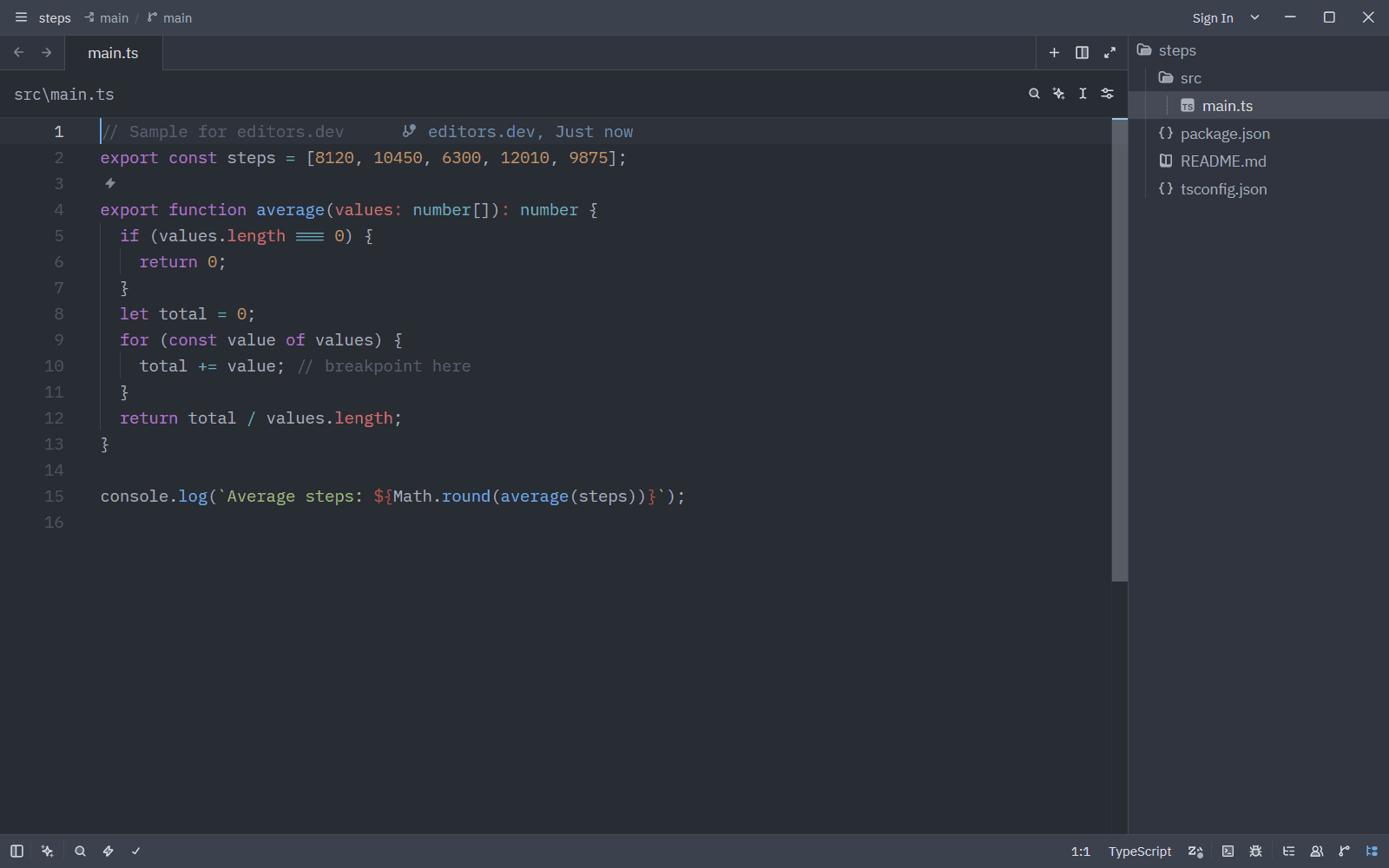
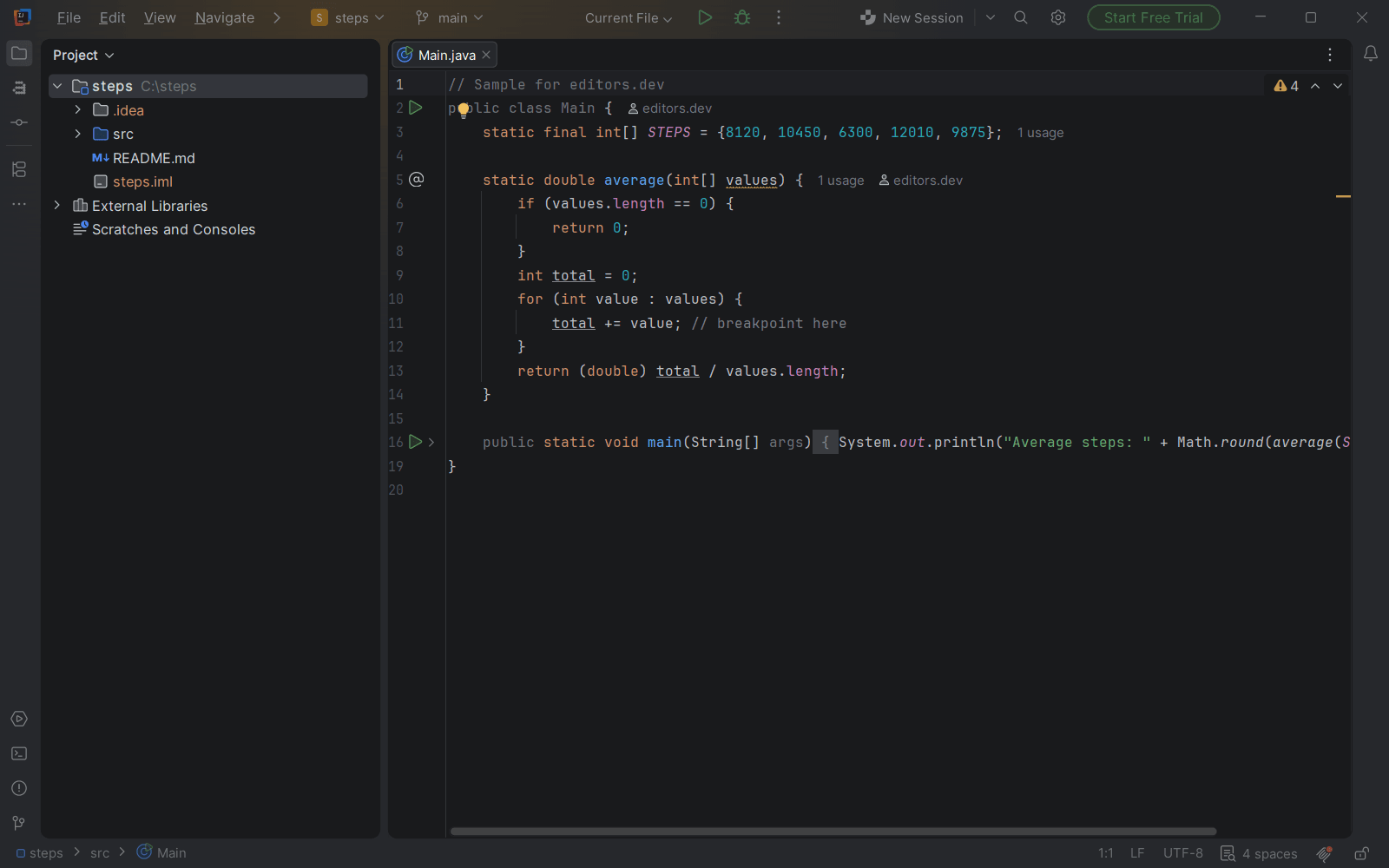
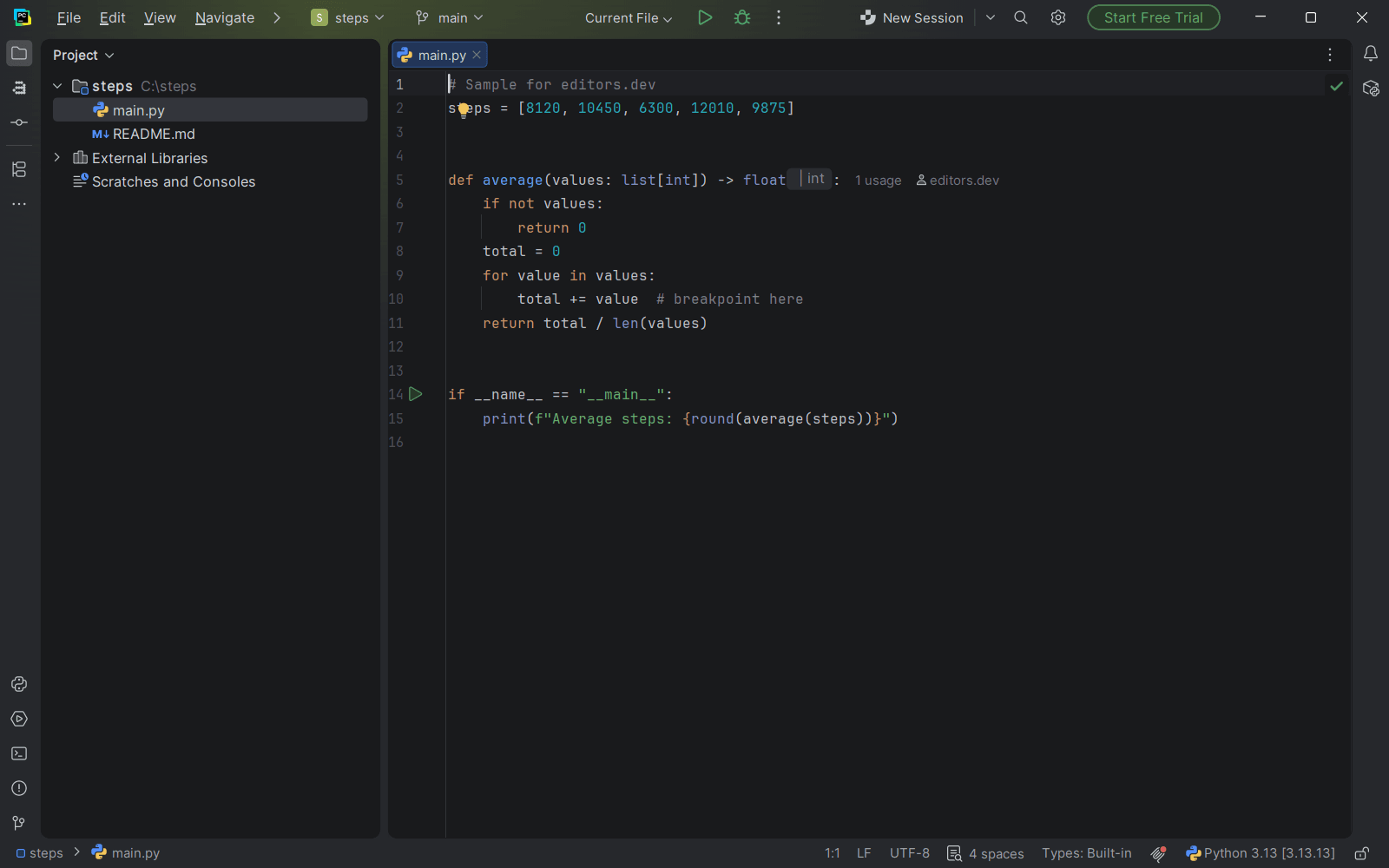
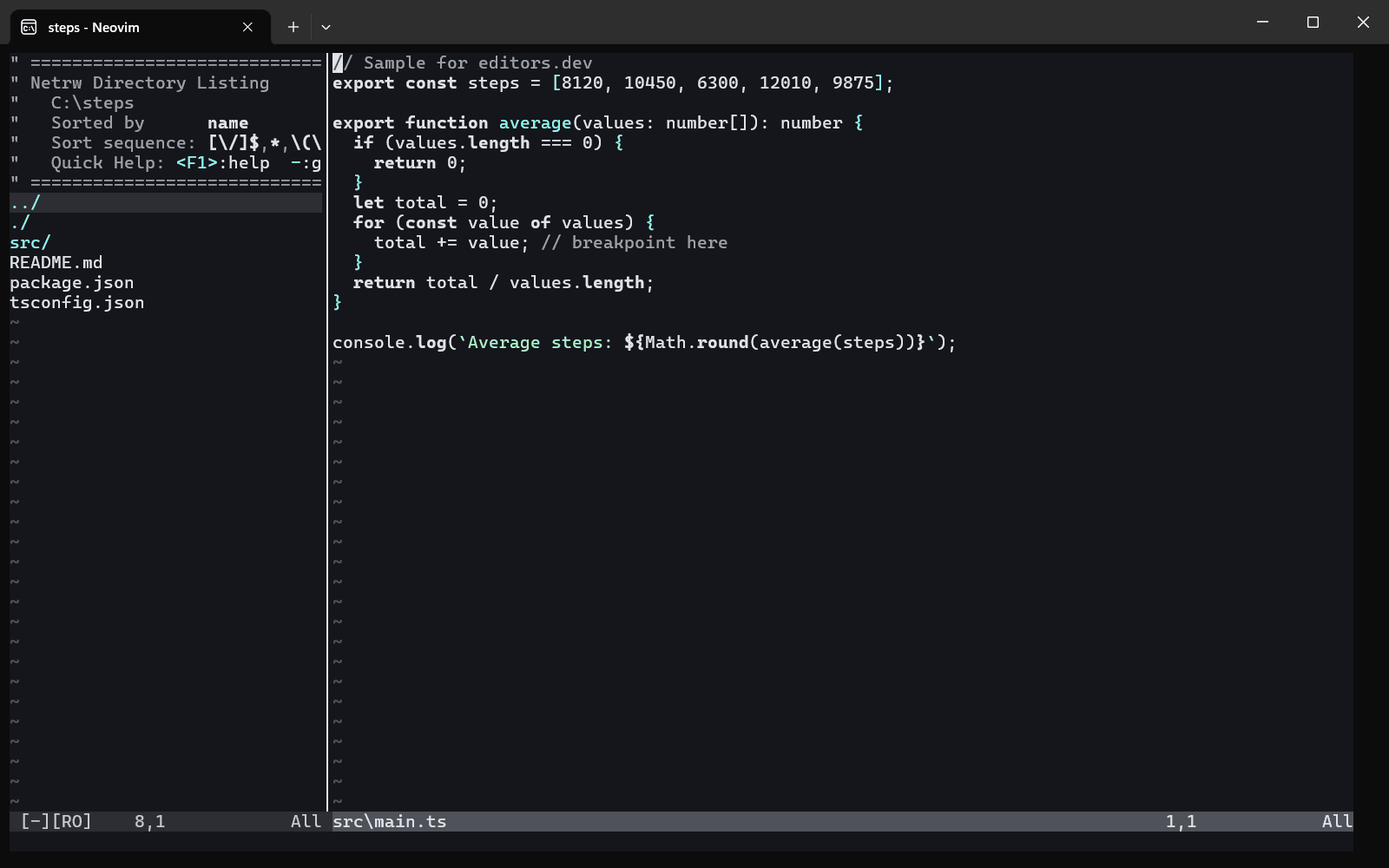
34 editors and IDEs support Julia. Built in first, then official and community extensions. Each row opens the editor at its Julia notes.
Built in 6
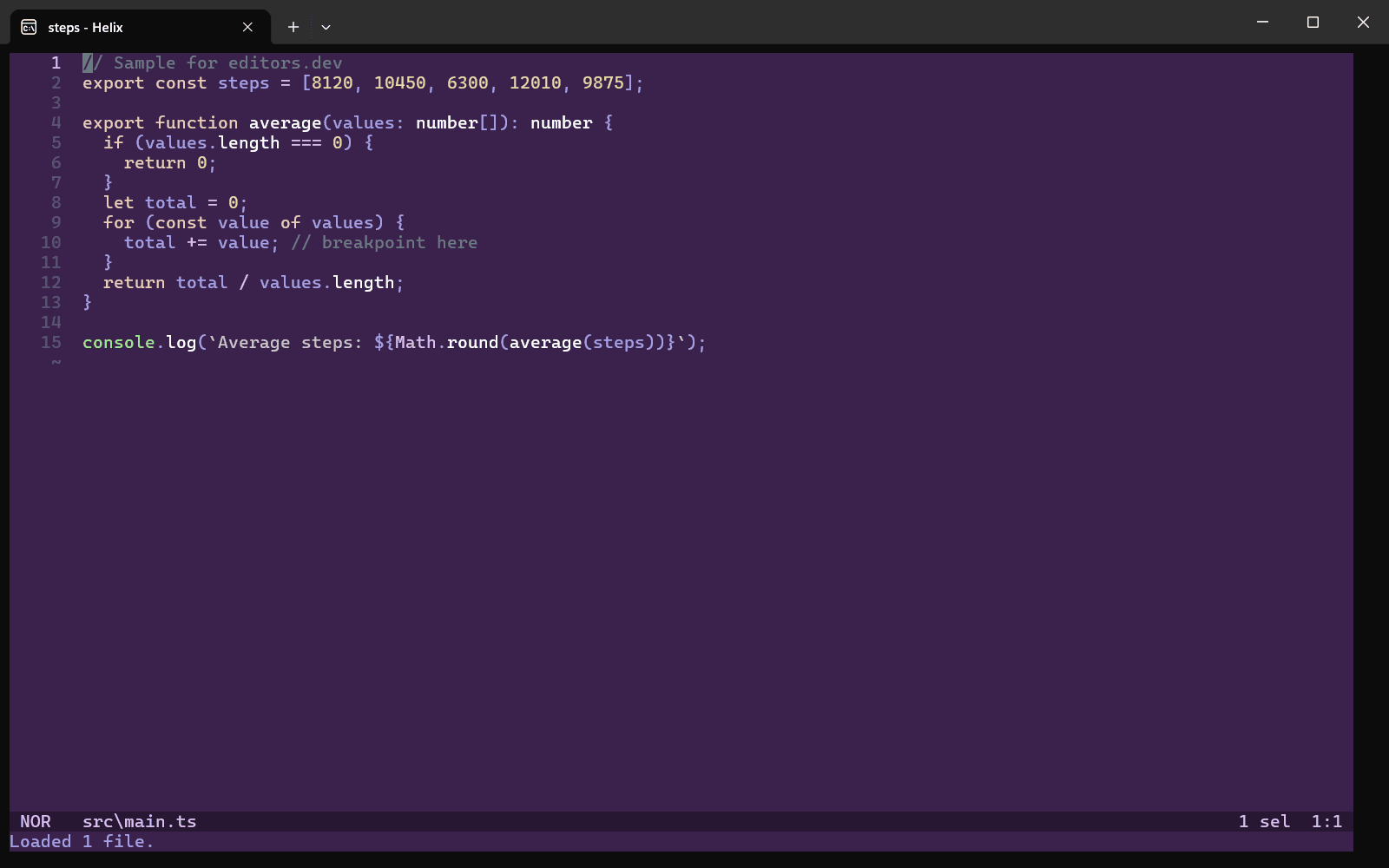
- Helix With LanguageServer.jl Completion : Yes Go to definition : Yes Refactoring : Yes Debugging : No Tests : No Formatting : Yes
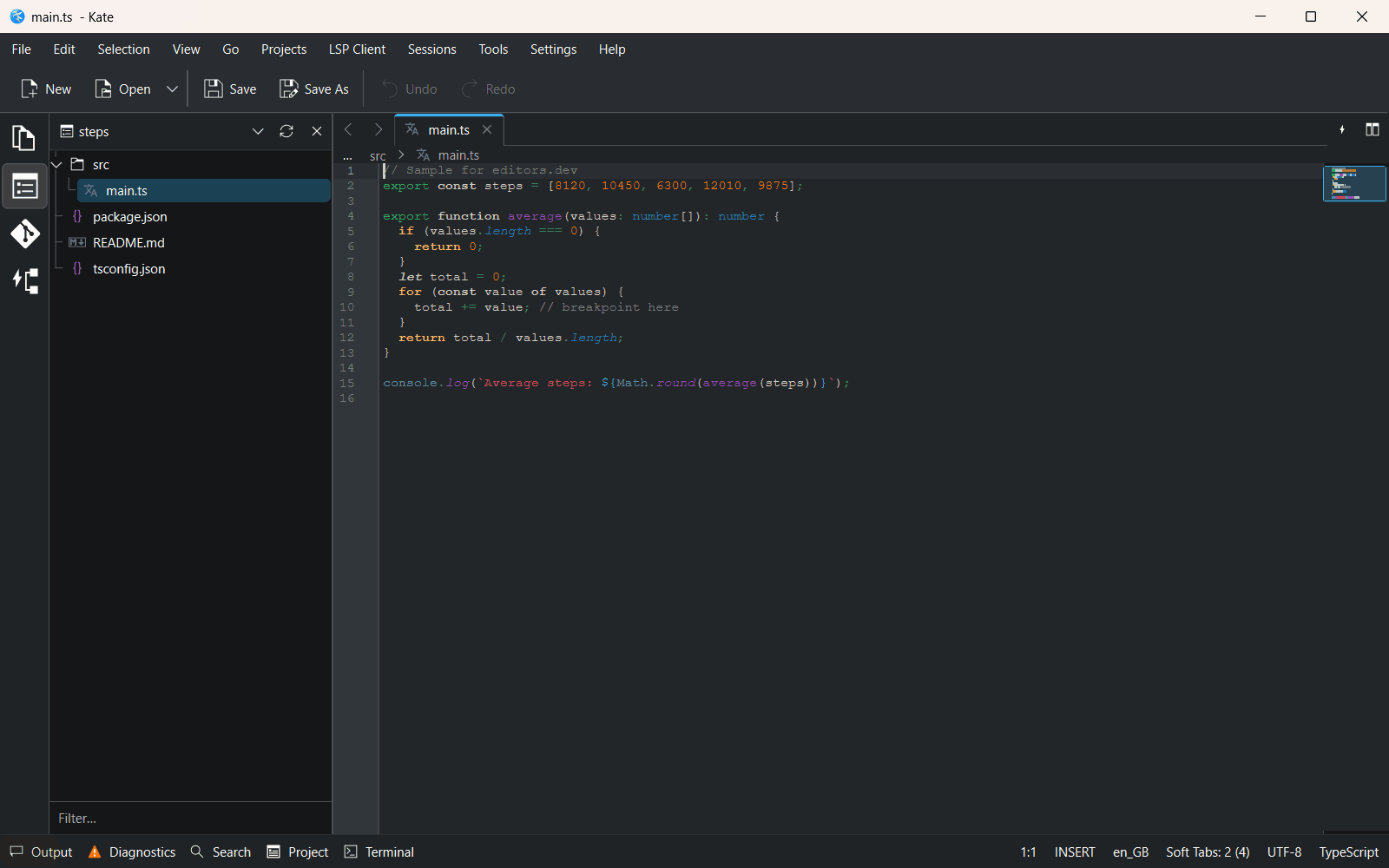
- Kate With LSP Client + LanguageServer.jl Completion : Yes Go to definition : Yes Refactoring : Yes Debugging : No Tests : No Formatting : Yes
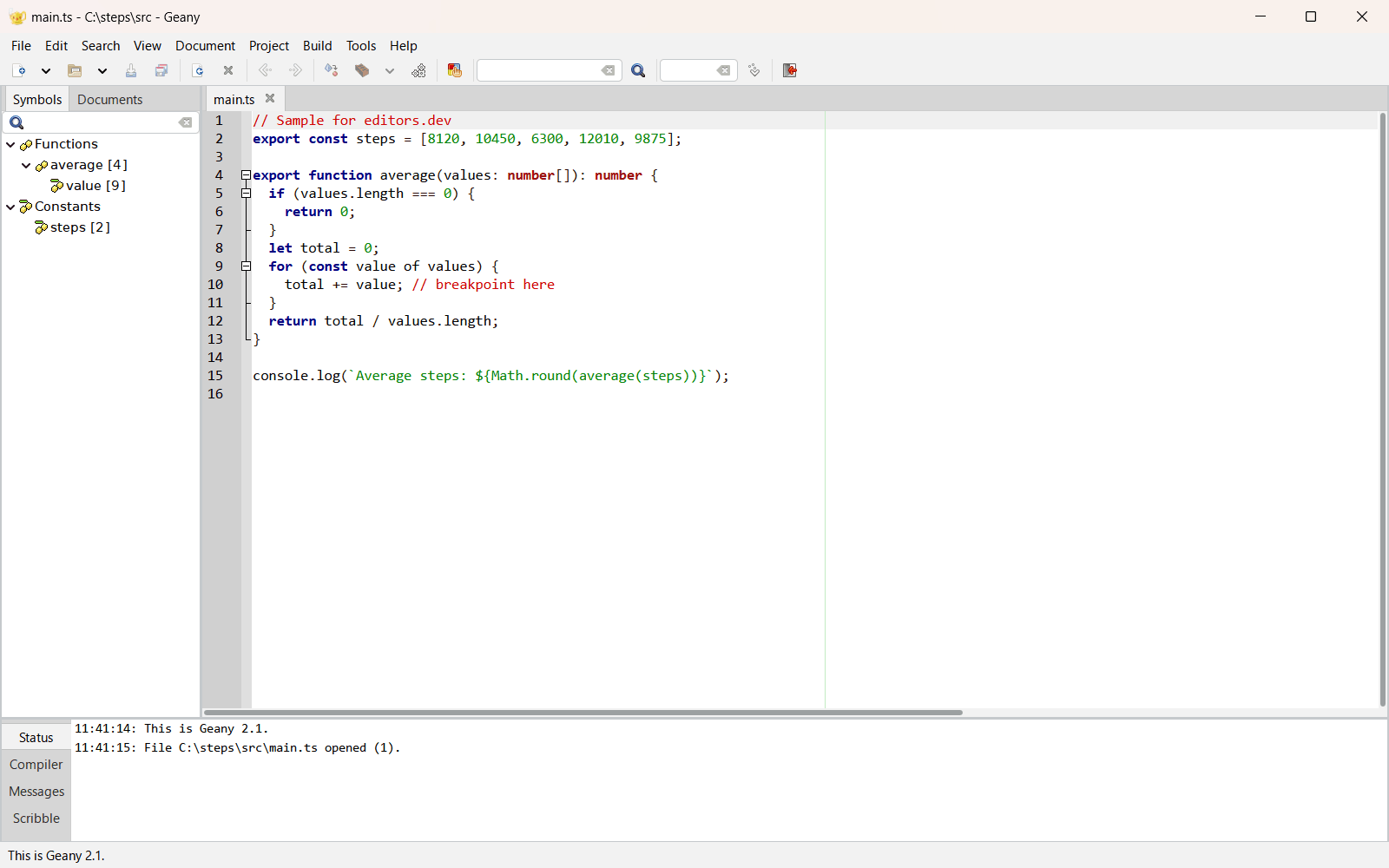
- Geany Completion : Yes Go to definition : Yes Refactoring : No Debugging : No Tests : No Formatting : No
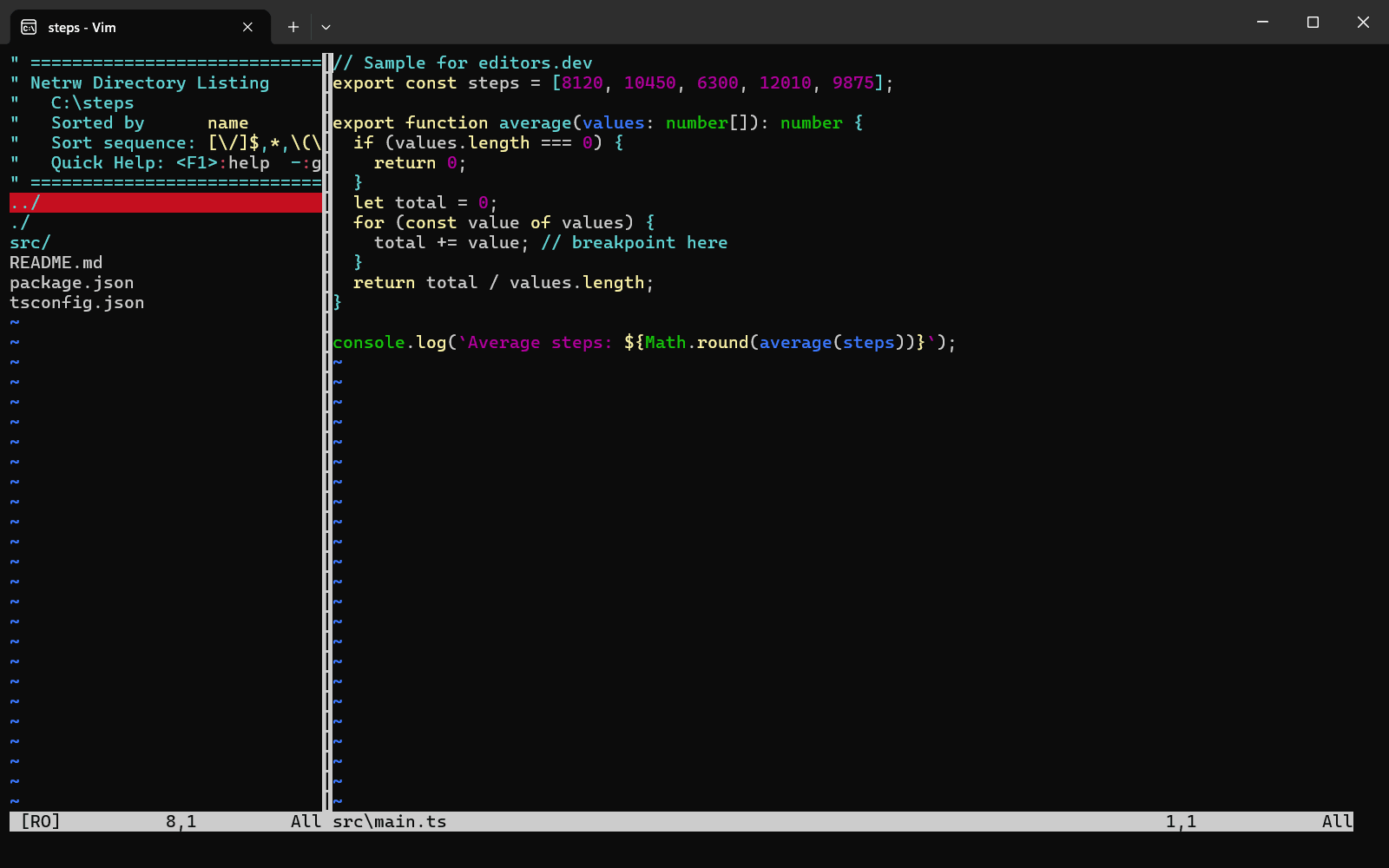
- Vim Completion : No Go to definition : No Refactoring : No Debugging : No Tests : No Formatting : No
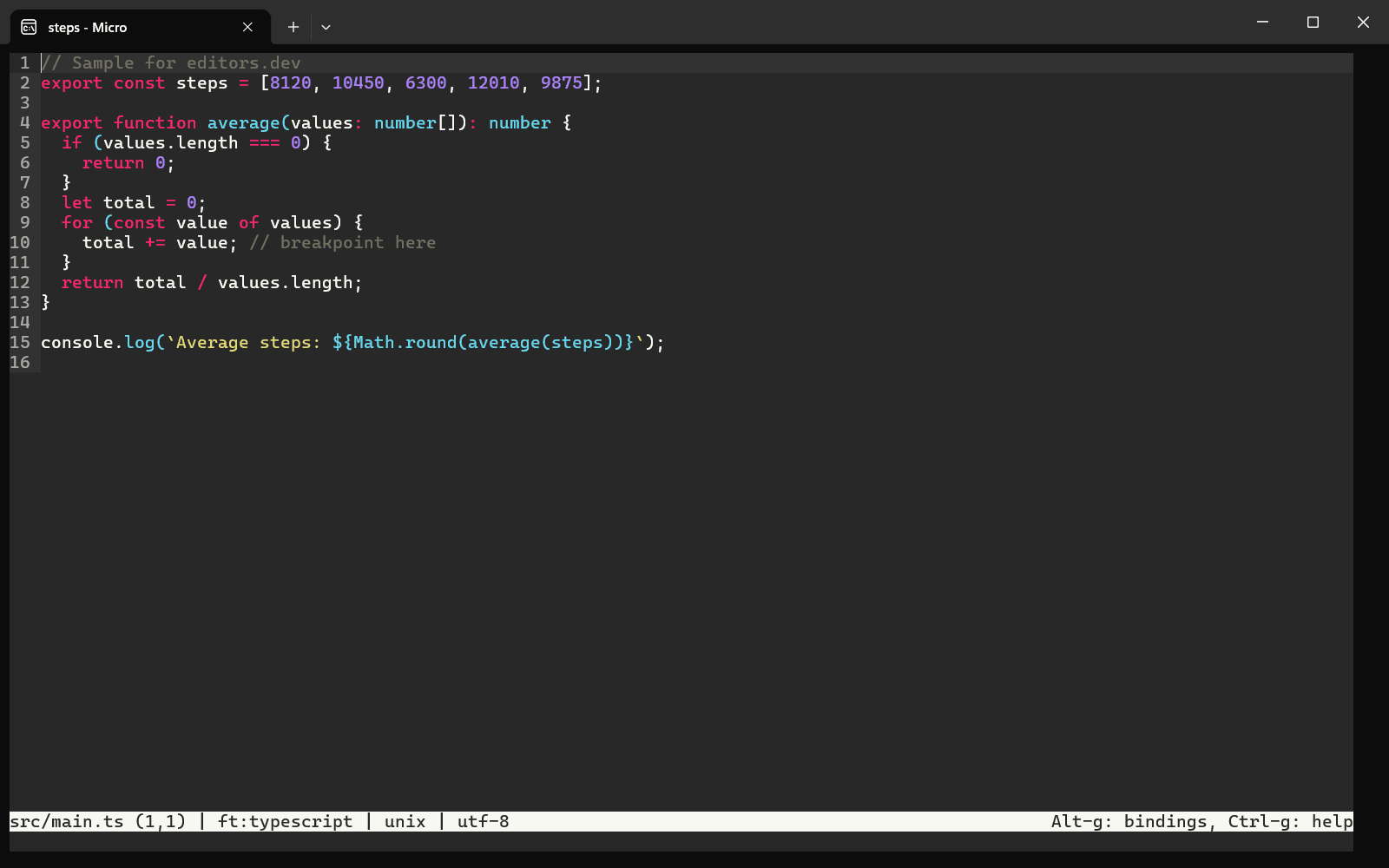
- Micro Completion : No Go to definition : No Refactoring : No Debugging : No Tests : No Formatting : No
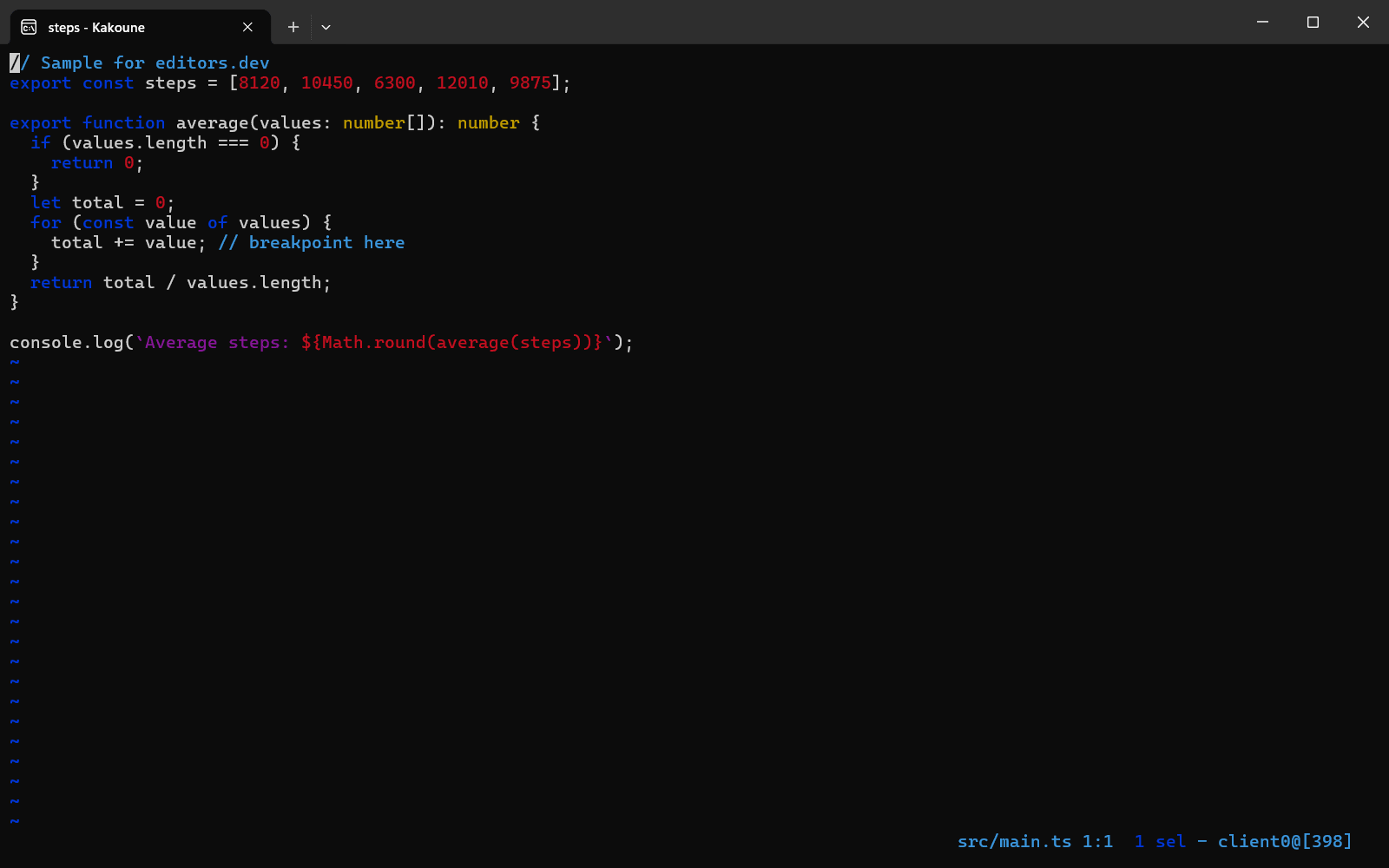
- Kakoune Completion : No Go to definition : No Refactoring : No Debugging : No Tests : No Formatting : No
Official extension 7
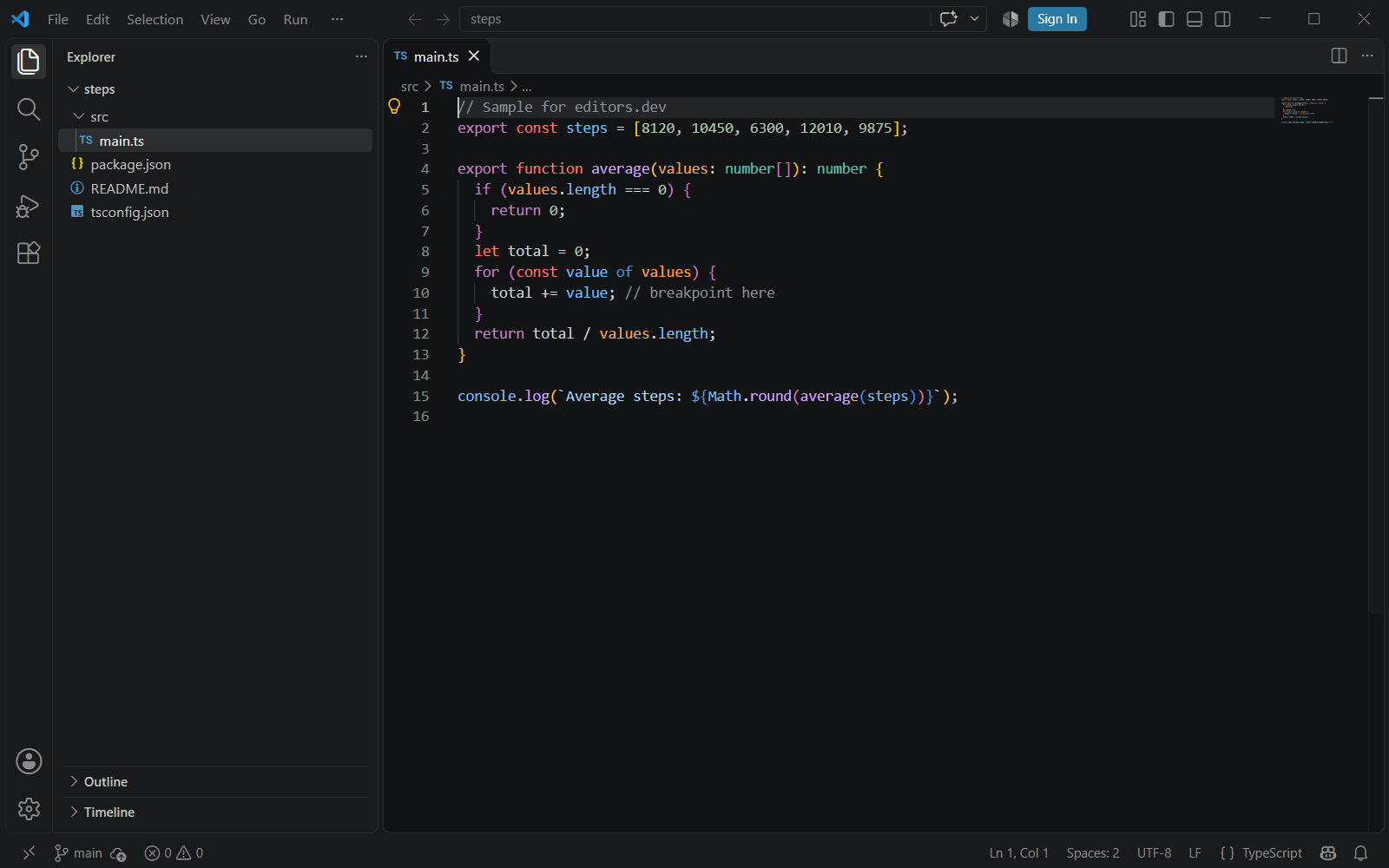
- VS Code With Julia Completion : Yes Go to definition : Yes Refactoring : Yes Debugging : Yes Tests : Yes Formatting : Yes
- Cursor With Julia Completion : Yes Go to definition : Yes Refactoring : Yes Debugging : Yes Tests : Yes Formatting : Yes
- Devin Desktop With Julia Completion : Yes Go to definition : Yes Refactoring : Yes Debugging : Yes Tests : Yes Formatting : Yes
- Kiro With Julia Completion : Yes Go to definition : Yes Refactoring : Yes Debugging : Yes Tests : Yes Formatting : Yes
- Google Antigravity With Julia Completion : Yes Go to definition : Yes Refactoring : Yes Debugging : Yes Tests : Yes Formatting : Yes
- TRAE With Julia Completion : Yes Go to definition : Yes Refactoring : Yes Debugging : Yes Tests : Yes Formatting : Yes
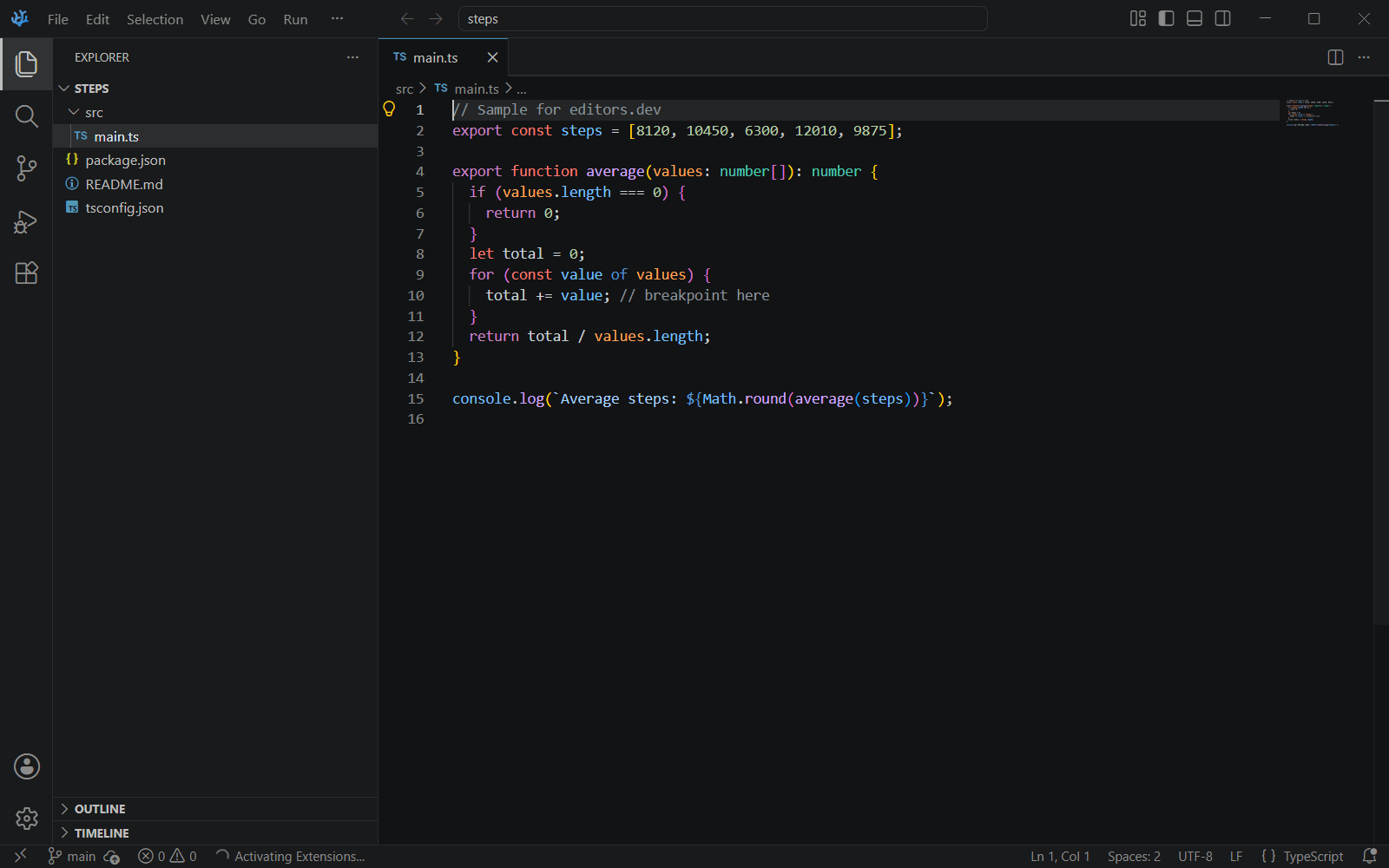
- VSCodium With Julia Completion : Yes Go to definition : Yes Refactoring : Yes Debugging : Yes Tests : Yes Formatting : Yes
Community extension 21
- PhpStorm With LSP4IJ Completion : Yes Go to definition : Yes Refactoring : Yes Debugging : Yes Tests : No Formatting : Yes
- Zed With Julia (JuliaEditorSupport/zed-julia) Completion : Yes Go to definition : Yes Refactoring : Yes Debugging : No Tests : Yes Formatting : Yes
- IntelliJ IDEA With LSP4IJ Completion : Yes Go to definition : Yes Refactoring : Yes Debugging : Yes Tests : No Formatting : Yes
- PyCharm With LSP4IJ Completion : Yes Go to definition : Yes Refactoring : Yes Debugging : Yes Tests : No Formatting : Yes
- WebStorm With LSP4IJ Completion : Yes Go to definition : Yes Refactoring : Yes Debugging : Yes Tests : No Formatting : Yes
- GoLand With LSP4IJ Completion : Yes Go to definition : Yes Refactoring : Yes Debugging : Yes Tests : No Formatting : Yes
- CLion With LSP4IJ Completion : Yes Go to definition : Yes Refactoring : Yes Debugging : Yes Tests : No Formatting : Yes
- Rider With LSP4IJ Completion : Yes Go to definition : Yes Refactoring : Yes Debugging : Yes Tests : No Formatting : Yes
- RustRover With LSP4IJ Completion : Yes Go to definition : Yes Refactoring : Yes Debugging : Yes Tests : No Formatting : Yes
- RubyMine With LSP4IJ Completion : Yes Go to definition : Yes Refactoring : Yes Debugging : Yes Tests : No Formatting : Yes
- Neovim With julials (LanguageServer.jl) Completion : Yes Go to definition : Yes Refactoring : Yes Debugging : No Tests : No Formatting : Yes
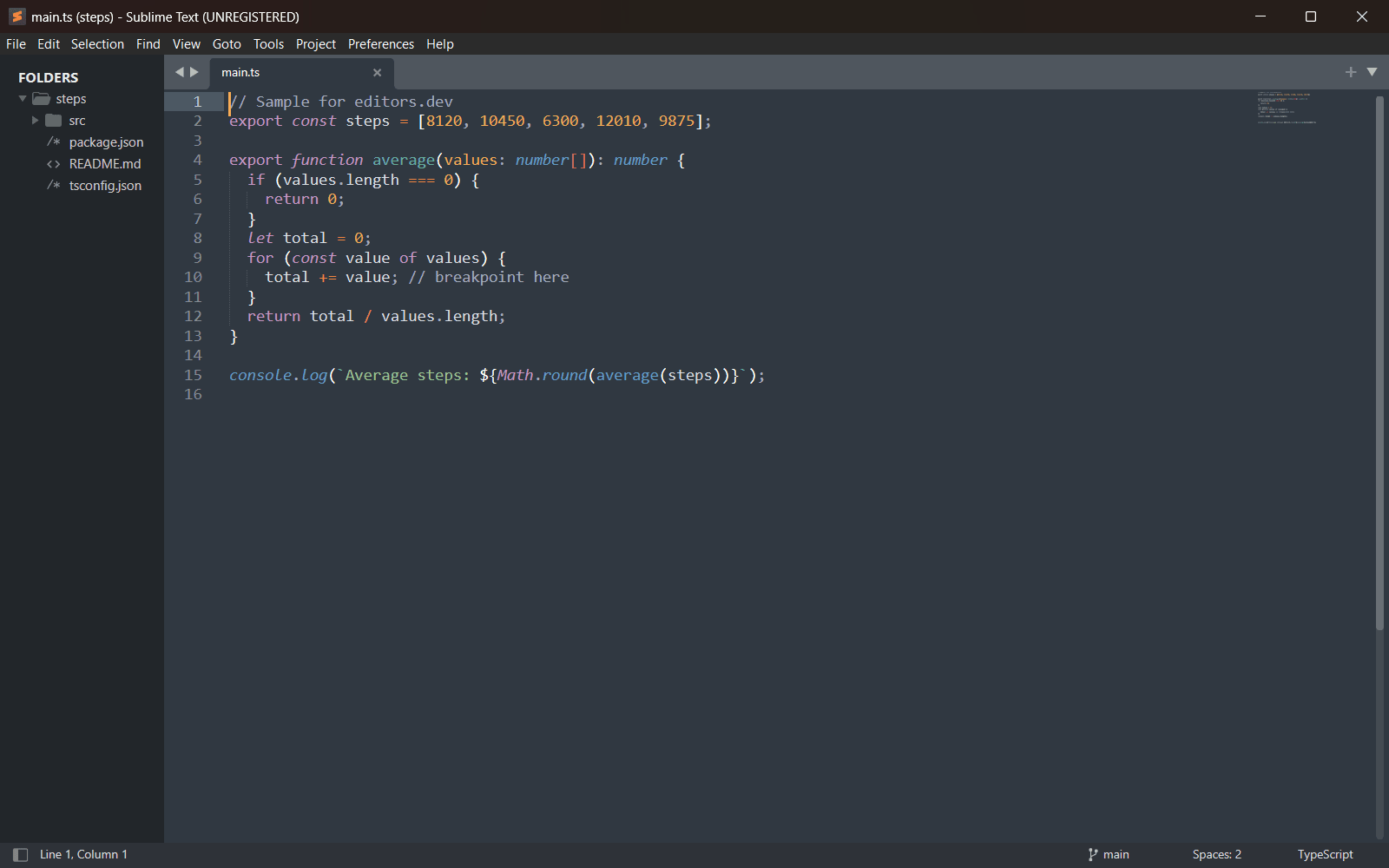
- Sublime Text With LSP + LSP-julia Completion : Yes Go to definition : Yes Refactoring : Yes Debugging : No Tests : No Formatting : Yes
- Android Studio With LSP4IJ (Red Hat) + LanguageServer.jl Completion : Yes Go to definition : Yes Refactoring : No Debugging : Yes Tests : No Formatting : Yes
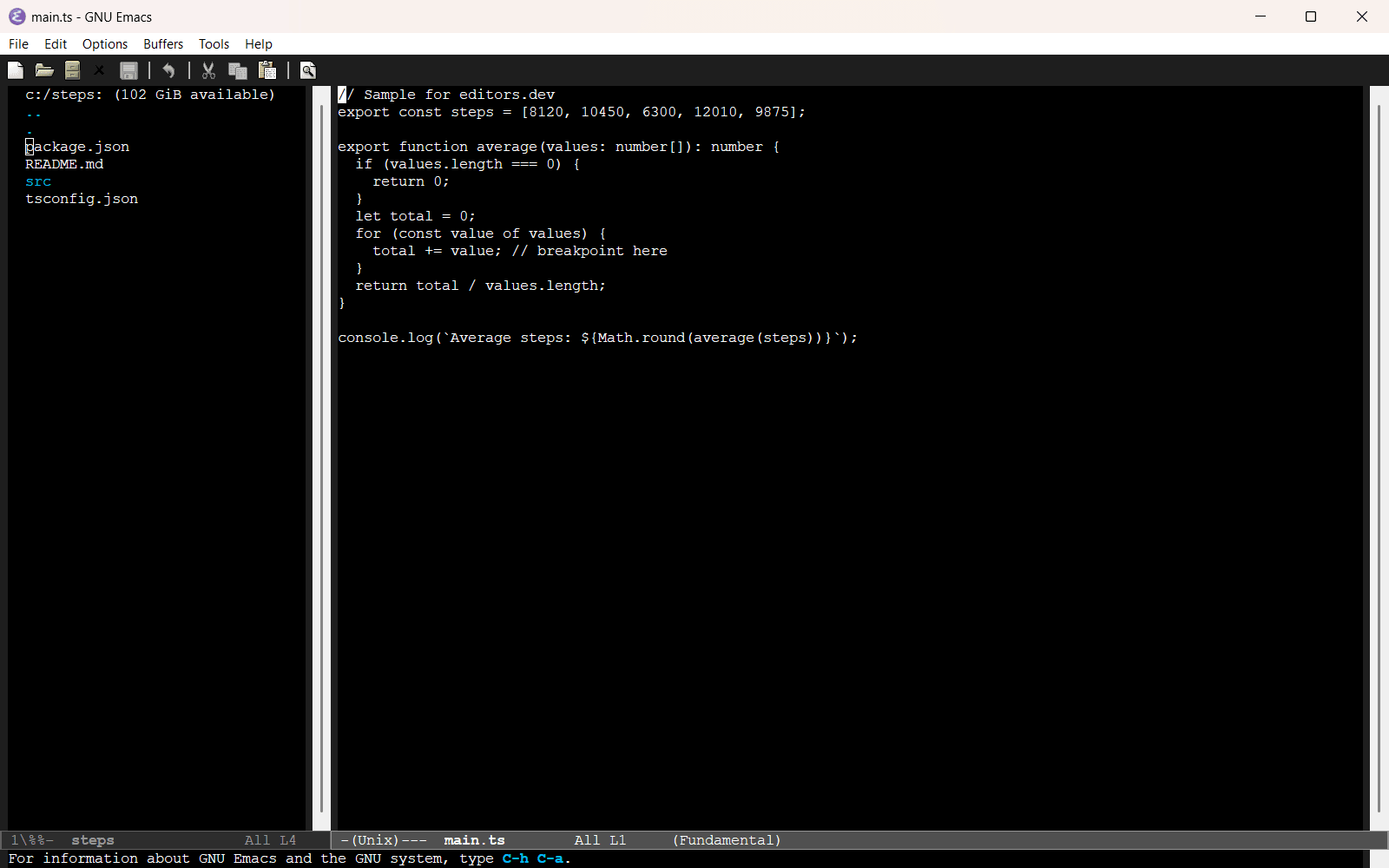
- GNU Emacs With julia-mode + eglot-jl Completion : Yes Go to definition : Yes Refactoring : Yes Debugging : No Tests : No Formatting : Yes
- Lapce With lapce-julia-ls (LanguageServer.jl) Completion : Yes Go to definition : Yes Refactoring : No Debugging : No Tests : No Formatting : Yes
- Nova With Julia extension (LanguageServer.jl) Completion : Yes Go to definition : No Refactoring : No Debugging : No Tests : No Formatting : No
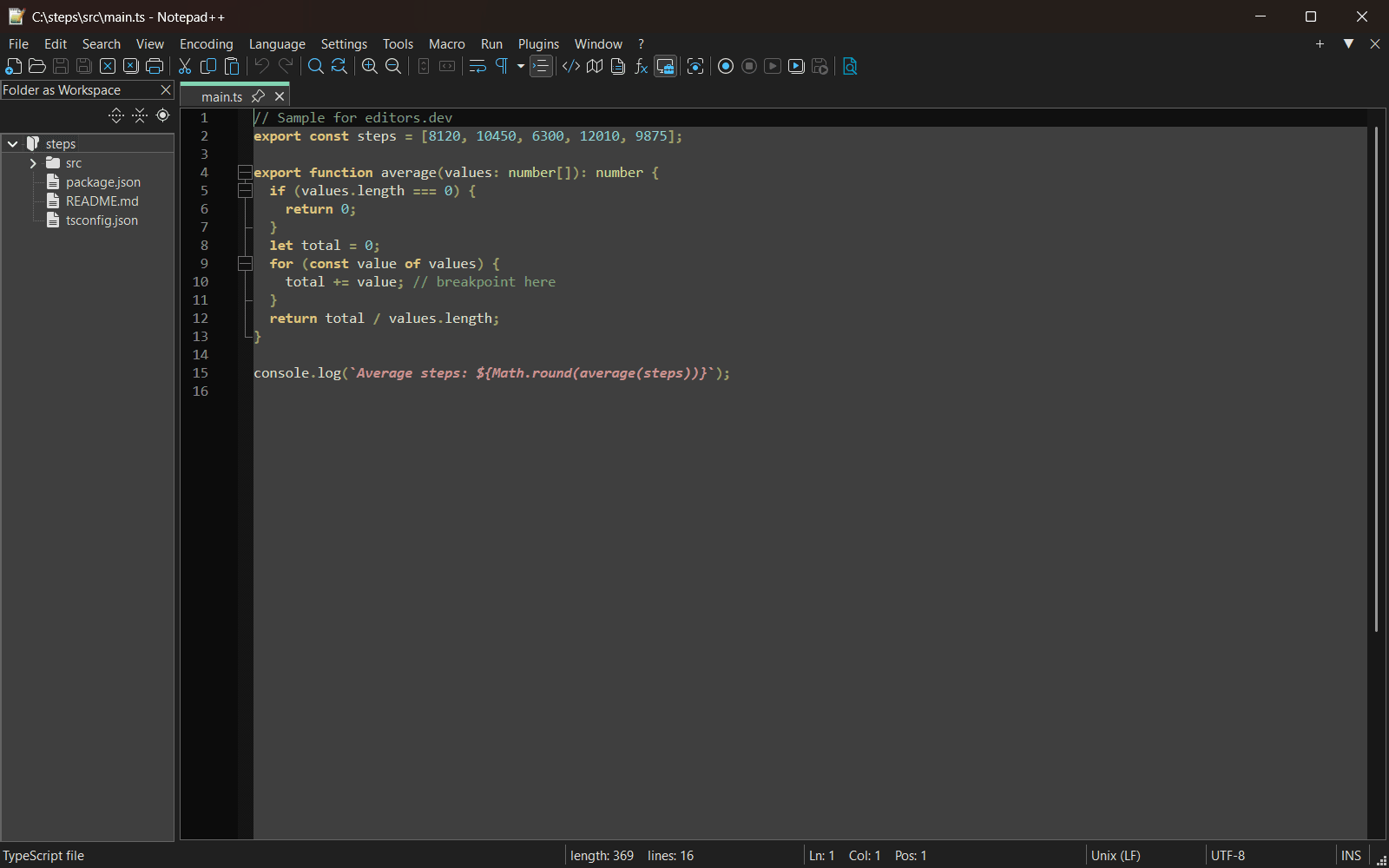
- Notepad++ With julia-NotepadPlusPlus (UDL) Completion : No Go to definition : No Refactoring : No Debugging : No Tests : No Formatting : No
- BBEdit With julia-textwrangler-bbedit Completion : No Go to definition : No Refactoring : No Debugging : No Tests : No Formatting : No
- TextMate With Julia bundle (Julia.tmbundle) Completion : No Go to definition : No Refactoring : No Debugging : No Tests : No Formatting : No
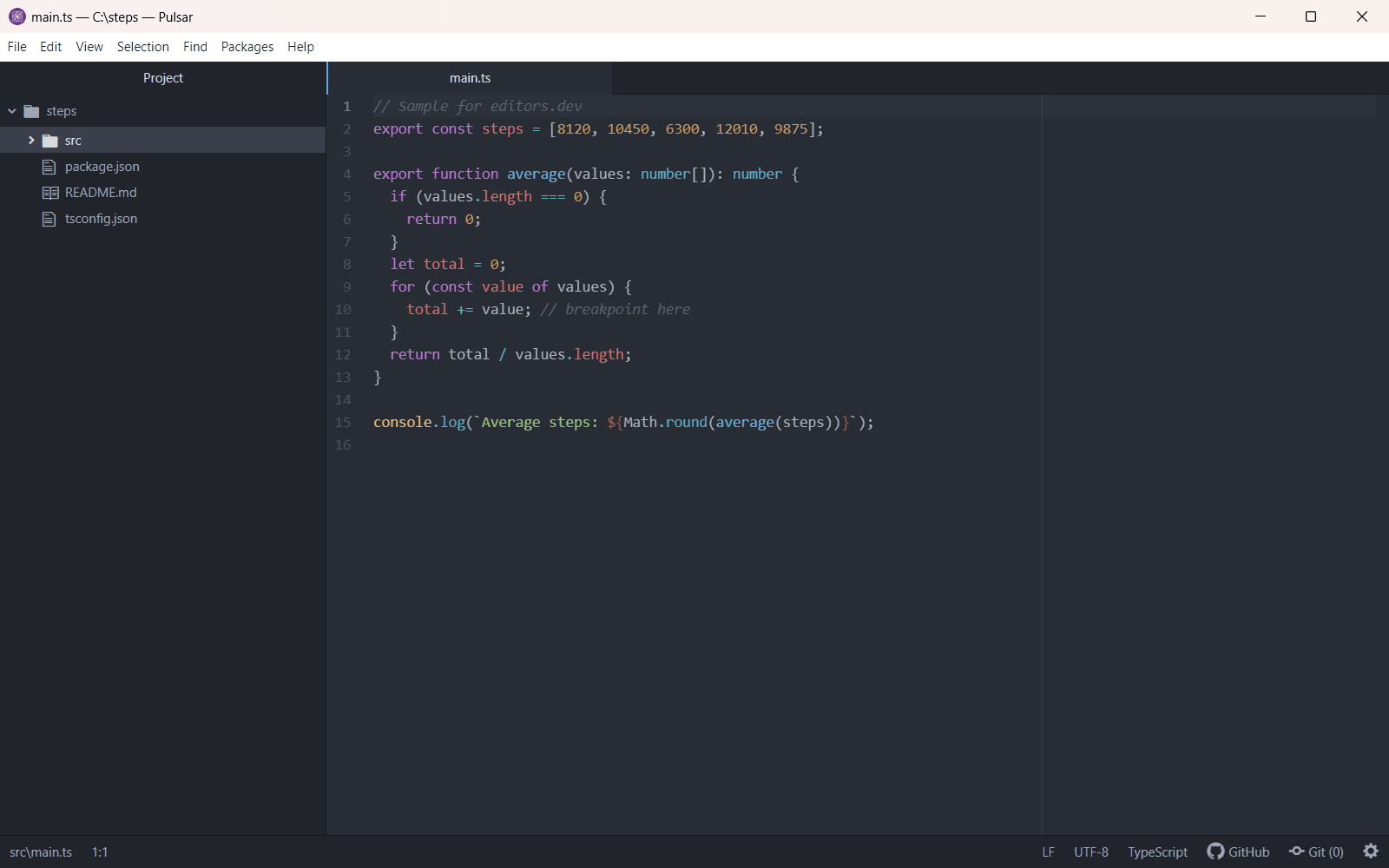
- Pulsar With language-julia Completion : No Go to definition : No Refactoring : No Debugging : No Tests : No Formatting : No
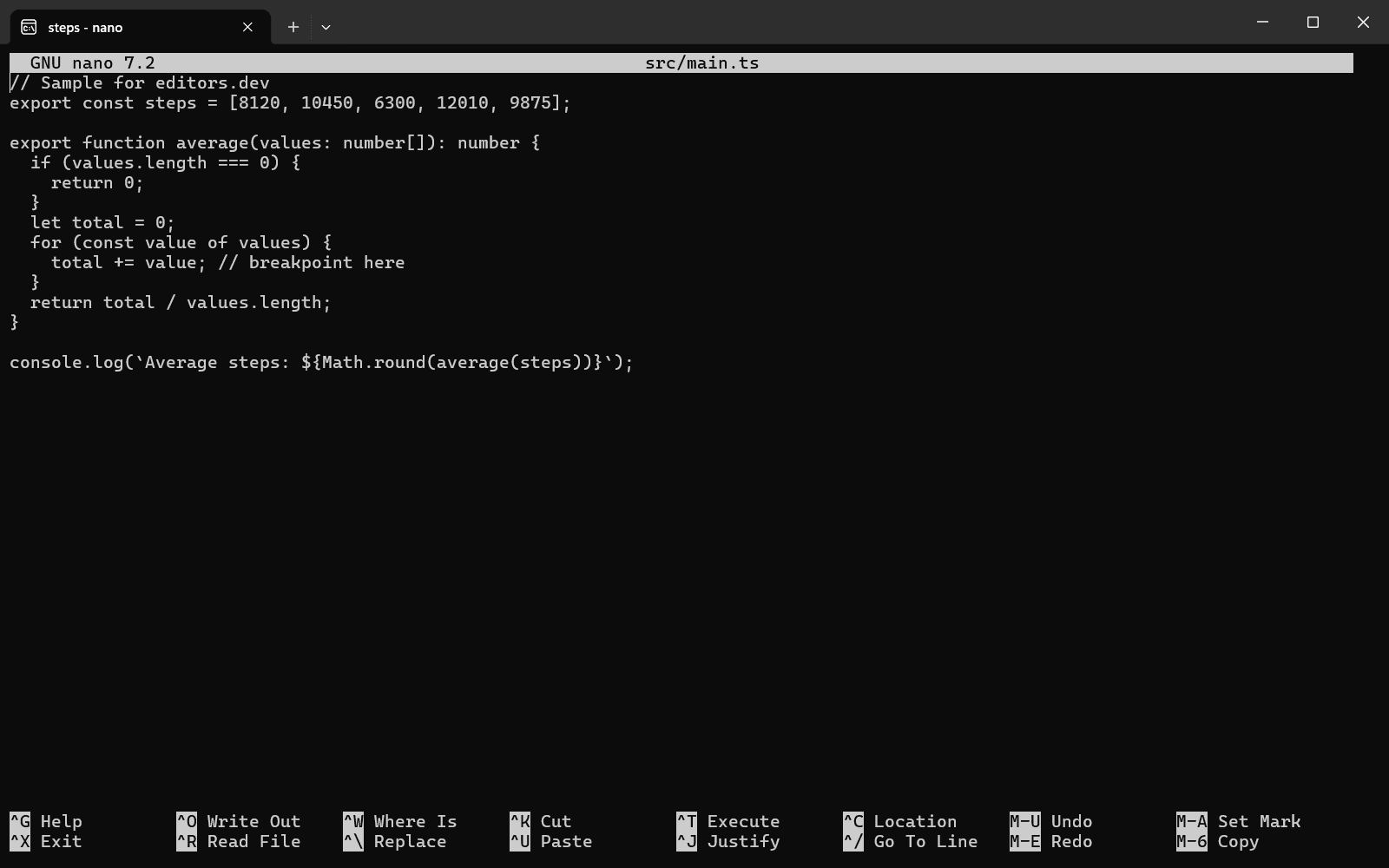
- GNU nano With julia.nanorc (galenguyer/nano-syntax-highlighting) Completion : No Go to definition : No Refactoring : No Debugging : No Tests : No Formatting : No
Today
Julia maintains two lines: the current stable release (1.13, first released on 2026-09-10, now at 1.13.4) and the long-term support release (1.10, now at 1.10.13). Minor releases arrive about once a year. Julia 1.14 is in testing; 1.14.0-beta1 came out in mid-November 2026.
What it is used for
Scientific computing, differential equations, optimisation, climate and pharmaceutical modelling, and machine learning; well-known projects include DifferentialEquations.jl, JuMP, Flux.jl and the Celeste astronomy project.
History
Jeff Bezanson, Stefan Karpinski, Viral B. Shah and Alan Edelman started Julia at MIT in 2009, aiming for one language that was as easy as Python or MATLAB and as fast as C. They introduced it publicly in February 2012 with the blog post "Why We Created Julia", and version 0.1 followed in 2013.
The language matured through the 0.x series while its package ecosystem grew in numerical and scientific work. Julia 1.0 arrived in August 2018 at JuliaCon in London with a promise of API stability across 1.x. The founders also started Julia Computing, now JuliaHub, in 2015.
Later releases focused on the "time to first plot" problem: 1.9 cached native code for packages, 1.10 added a faster parser and became the long-term support release, and 1.12 and 1.13 continued to cut start-up and compile latency.
Milestone versions
- February 2013 0.1 The first tagged release.
- 8 August 2018 1.0 The first stable release, with a commitment to backwards compatibility in 1.x.
- 24 March 2021 1.6 Parallel precompilation and faster loading; served as the long-term support release.
- 7 May 2023 1.9 Package images that cache native code, cutting load and first-call times.
- 25 December 2023 1.10 A new parser written in Julia (JuliaSyntax) and the current long-term support line.
- 7 October 2024 1.11 A low-level Memory type and the public keyword for marking public API.
- 8 October 2025 1.12 Redefinable structs, an experimental --trim mode for smaller binaries, and an interactive thread by default.
- 10 September 2026 1.13.0 About 30% faster precompilation, faster start-up and REPL syntax highlighting.
- 13 November 2026 1.13.4 Patch release of the 1.13 series.
Sources
Last checked: 20 November 2026