Lua
Lua is a small, fast scripting language designed to be embedded in other programs. Its interpreter is a compact C library, which makes it common for scripting in games, editors and network software.
Editors for Lua
34 editors and IDEs support Lua. Built in first, then official and community extensions. Each row opens the editor at its Lua notes.
Built in 11
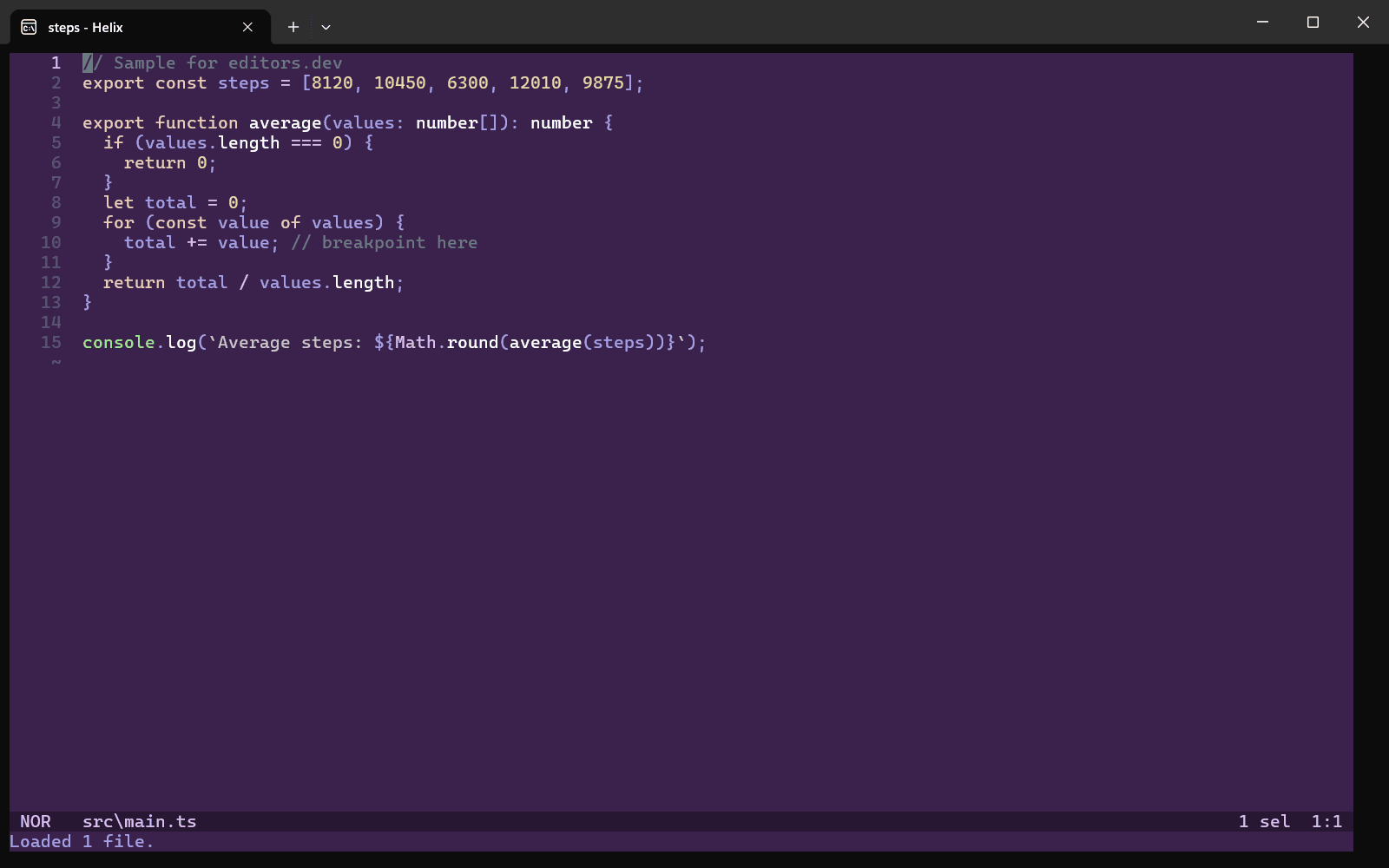
- Helix With lua-language-server Completion : Yes Go to definition : Yes Refactoring : Yes Debugging : No Tests : No Formatting : Yes
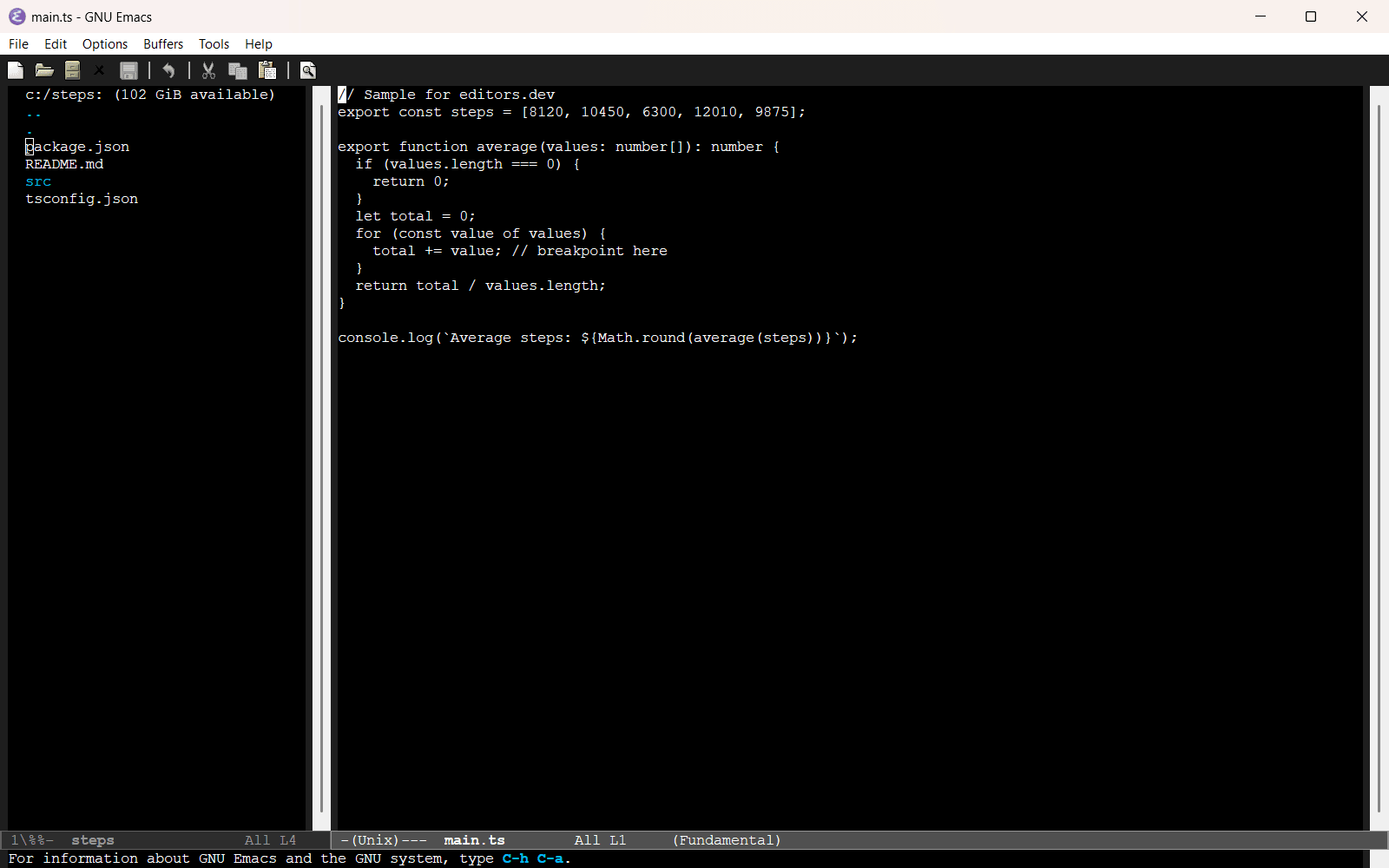
- GNU Emacs With Eglot + lua-language-server Completion : Yes Go to definition : Yes Refactoring : Yes Debugging : No Tests : No Formatting : Yes
- Nova With Lua Language Server Completion : Yes Go to definition : Yes Refactoring : Yes Debugging : No Tests : No Formatting : Yes
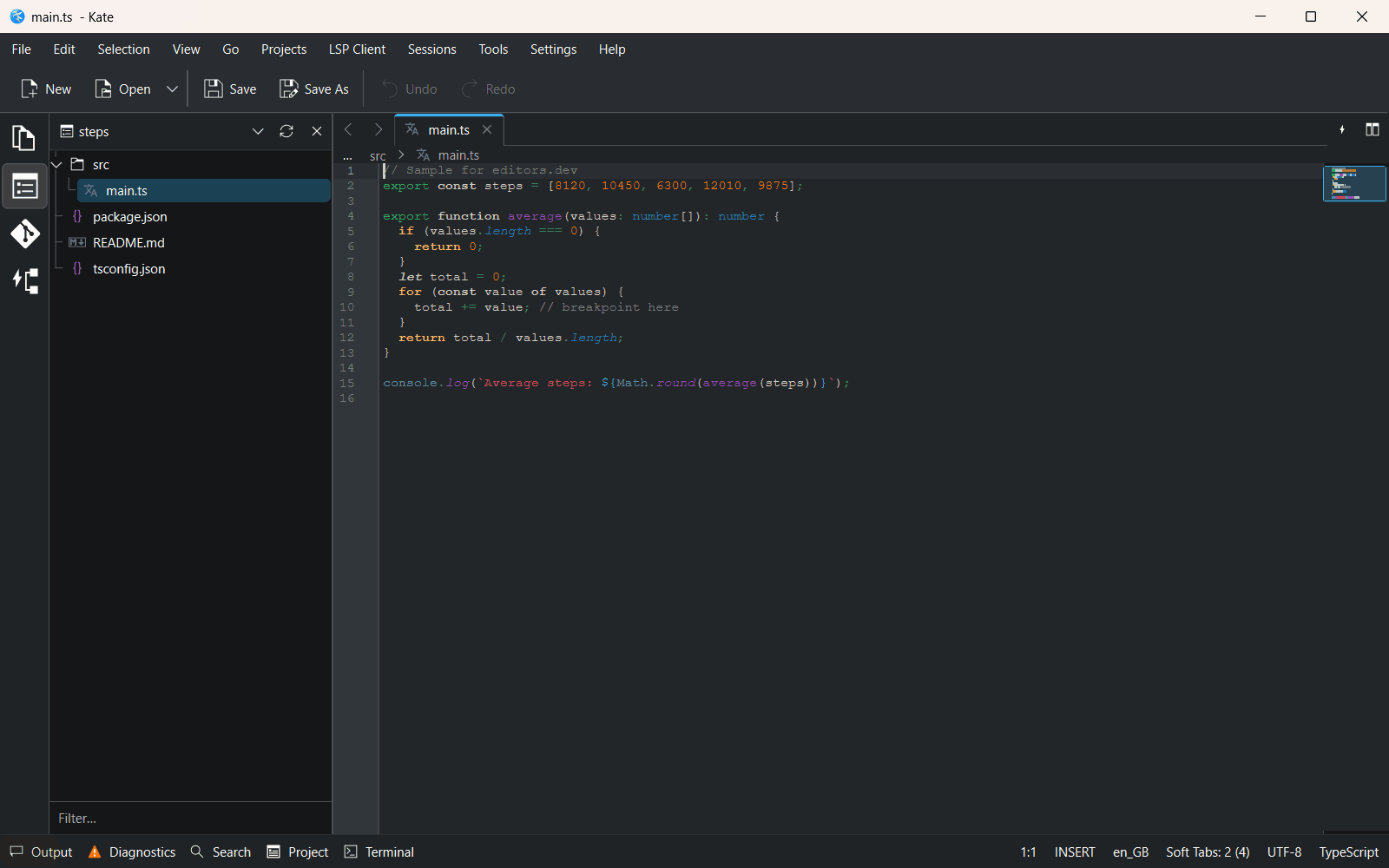
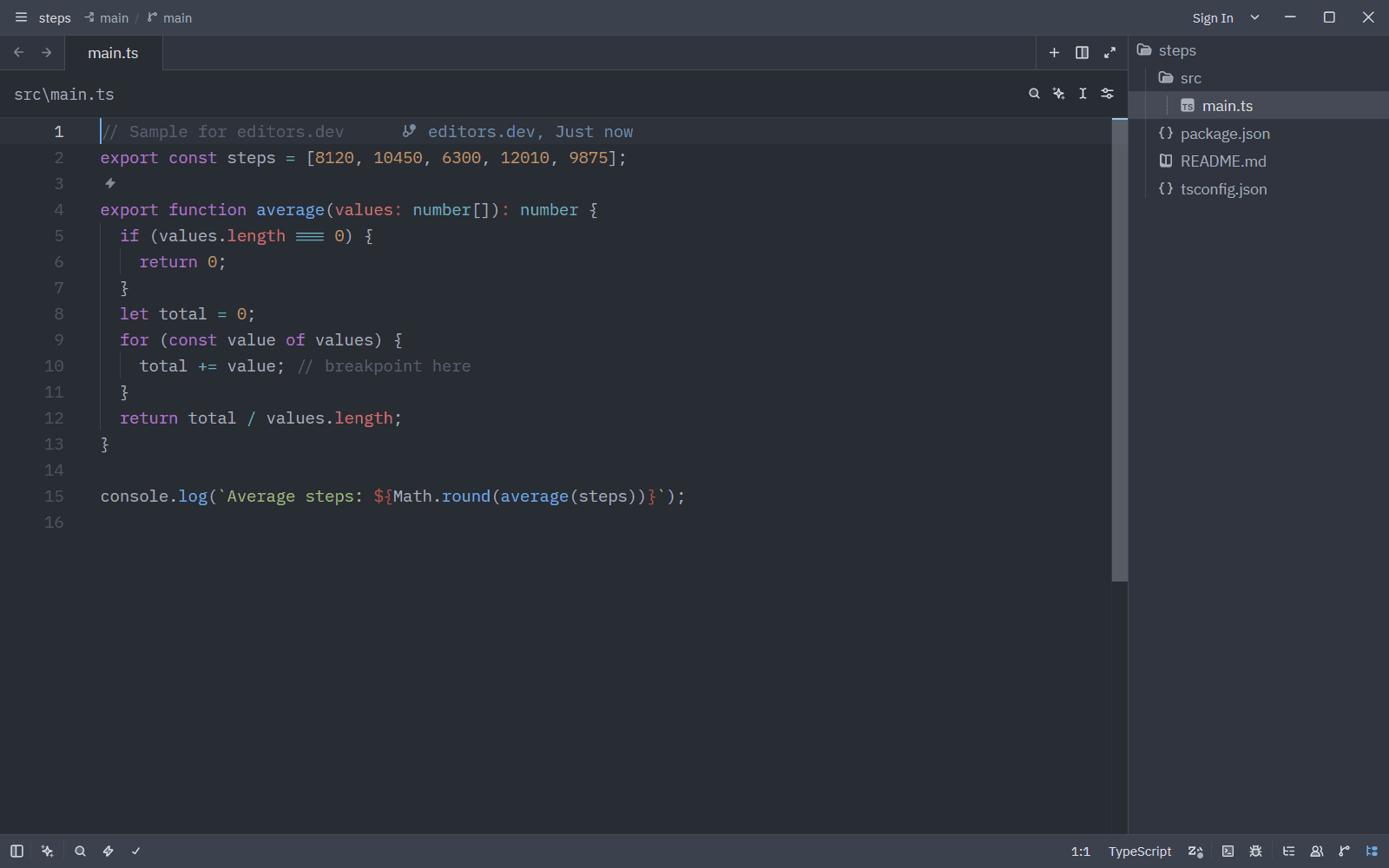
- Kate With LSP Client + lua-language-server Completion : Yes Go to definition : Yes Refactoring : Yes Debugging : No Tests : No Formatting : Yes
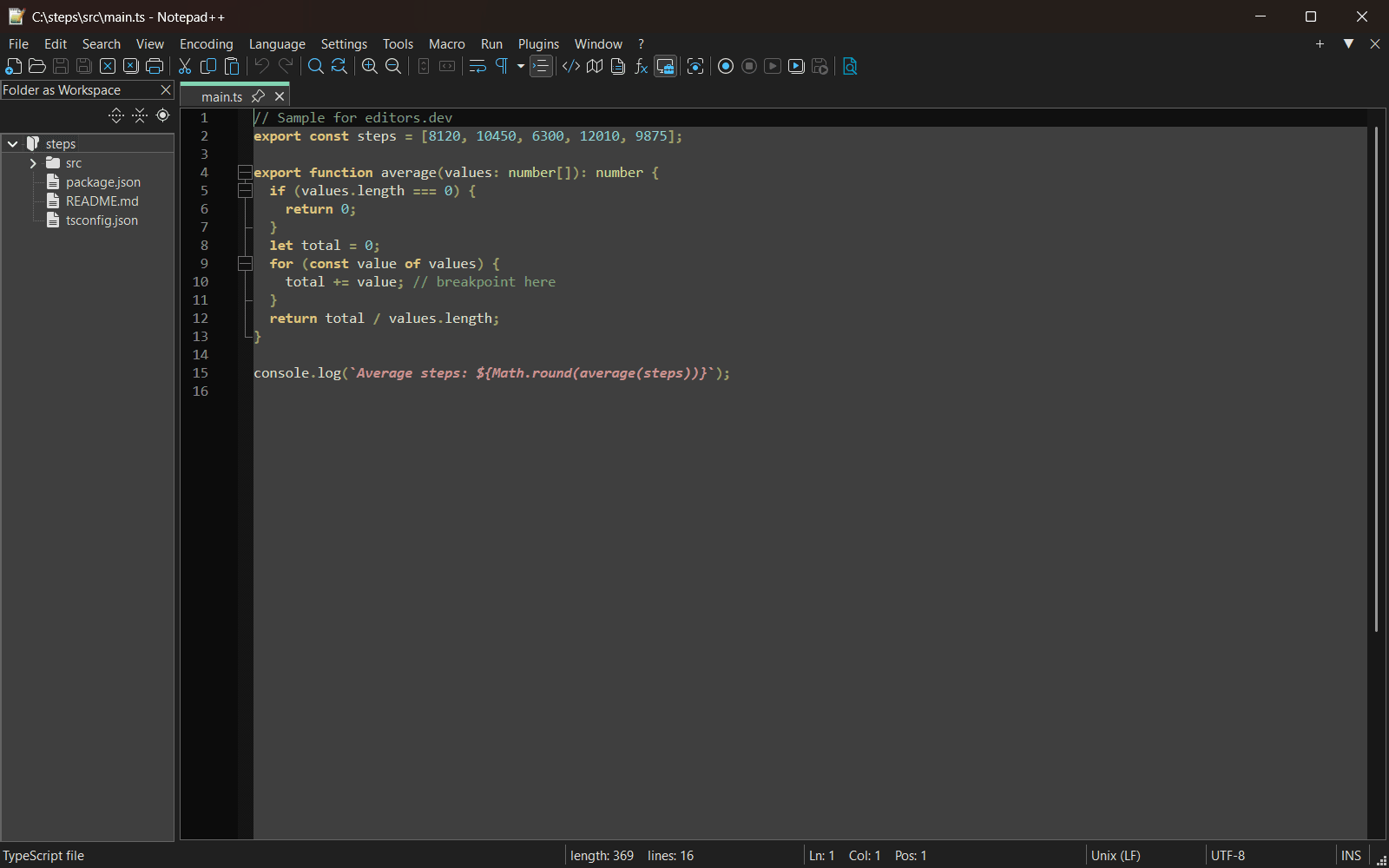
- Notepad++ Completion : Yes Go to definition : No Refactoring : No Debugging : No Tests : No Formatting : No
- Vim Completion : No Go to definition : No Refactoring : No Debugging : No Tests : No Formatting : No
- BBEdit Completion : No Go to definition : No Refactoring : No Debugging : No Tests : No Formatting : No
- Lapce Completion : No Go to definition : No Refactoring : No Debugging : No Tests : No Formatting : No
- Micro Completion : No Go to definition : No Refactoring : No Debugging : No Tests : No Formatting : No
- Kakoune Completion : No Go to definition : No Refactoring : No Debugging : No Tests : No Formatting : No
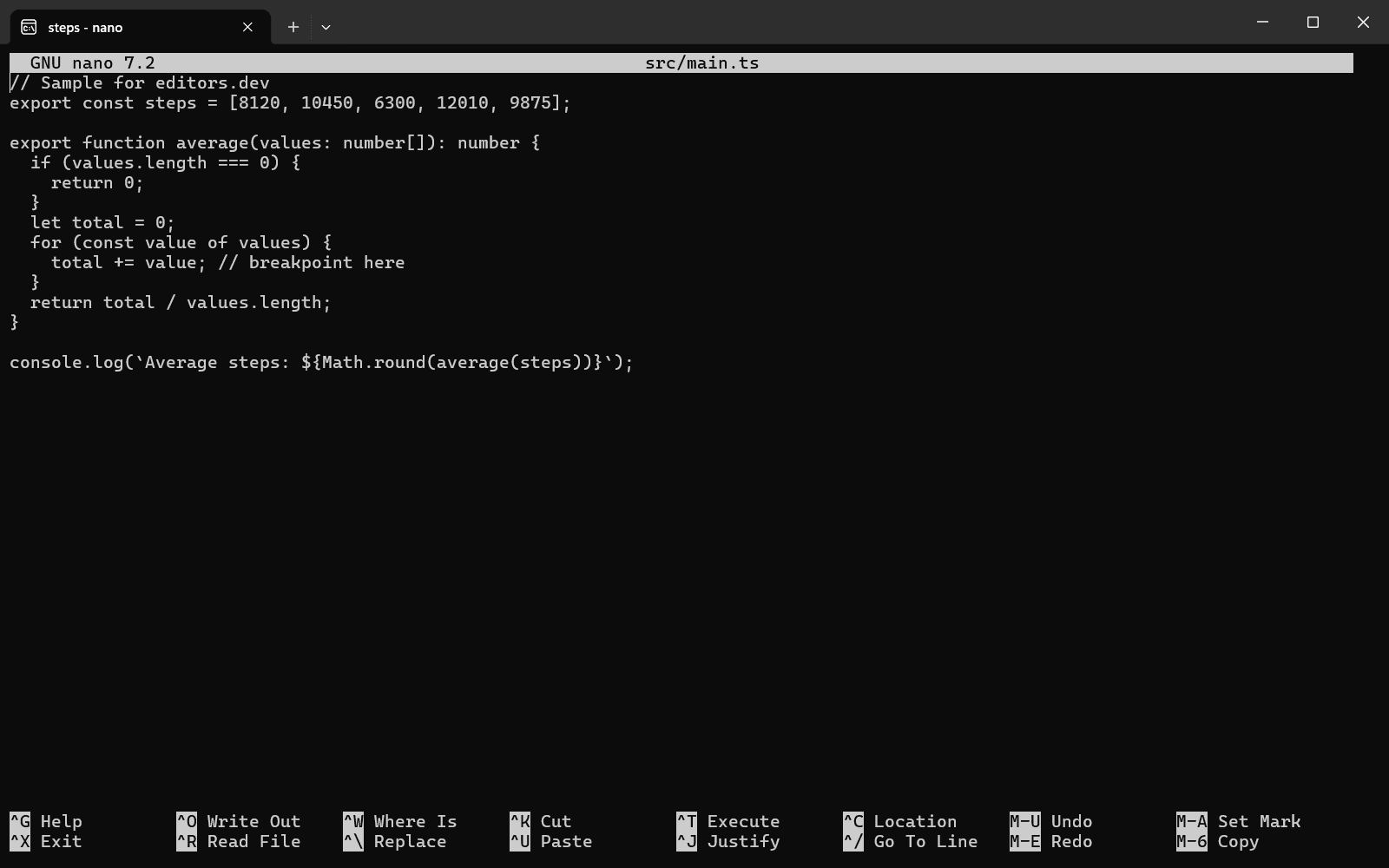
- GNU nano Completion : No Go to definition : No Refactoring : No Debugging : No Tests : No Formatting : No
Official extension 11
- PhpStorm With Lua Completion : Yes Go to definition : Yes Refactoring : Yes Debugging : No Tests : No Formatting : Yes
- Zed With Lua (zed-extensions/lua) Completion : Yes Go to definition : Yes Refactoring : Yes Debugging : No Tests : No Formatting : Yes
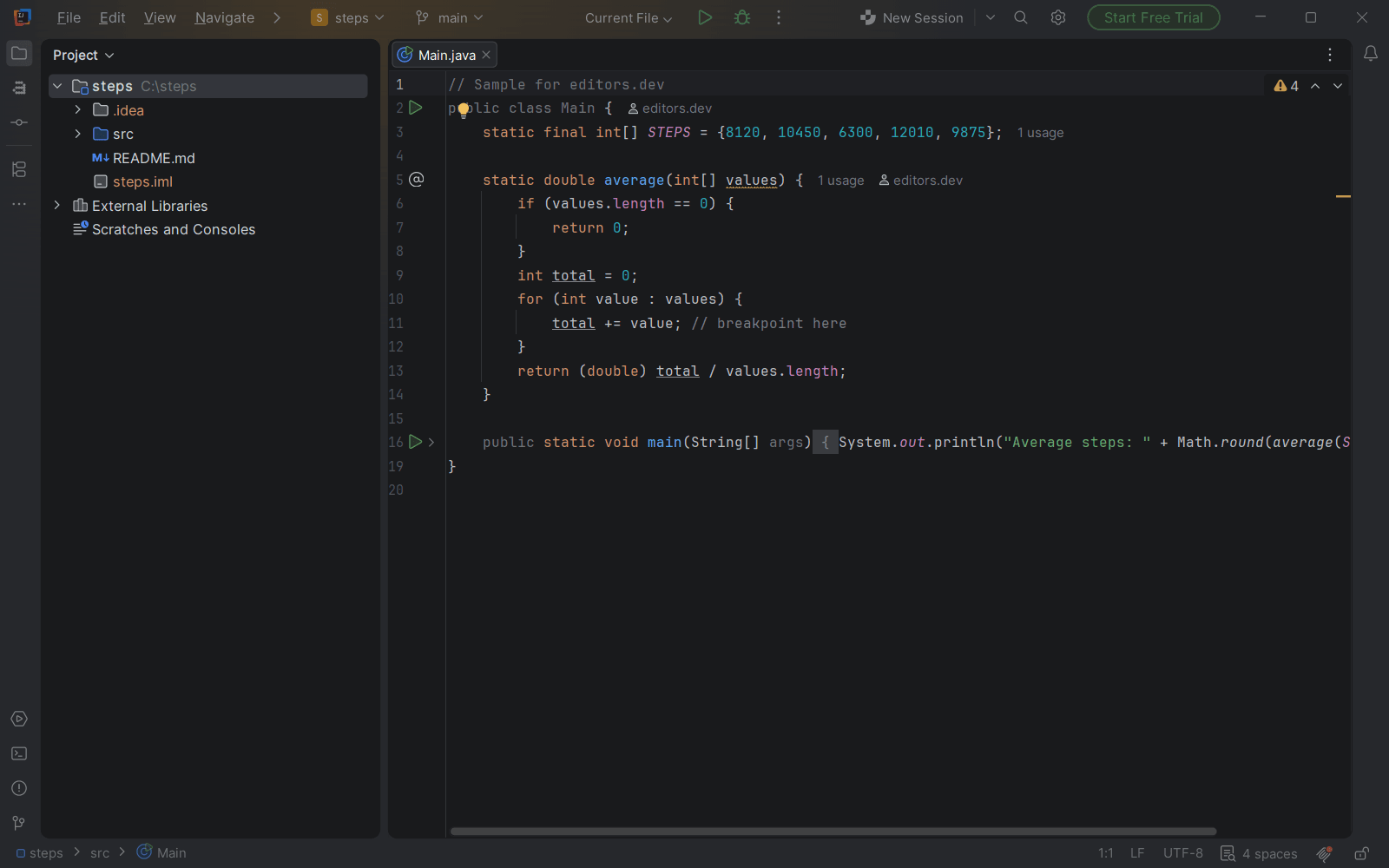
- IntelliJ IDEA With Lua Completion : Yes Go to definition : Yes Refactoring : Yes Debugging : No Tests : No Formatting : Yes
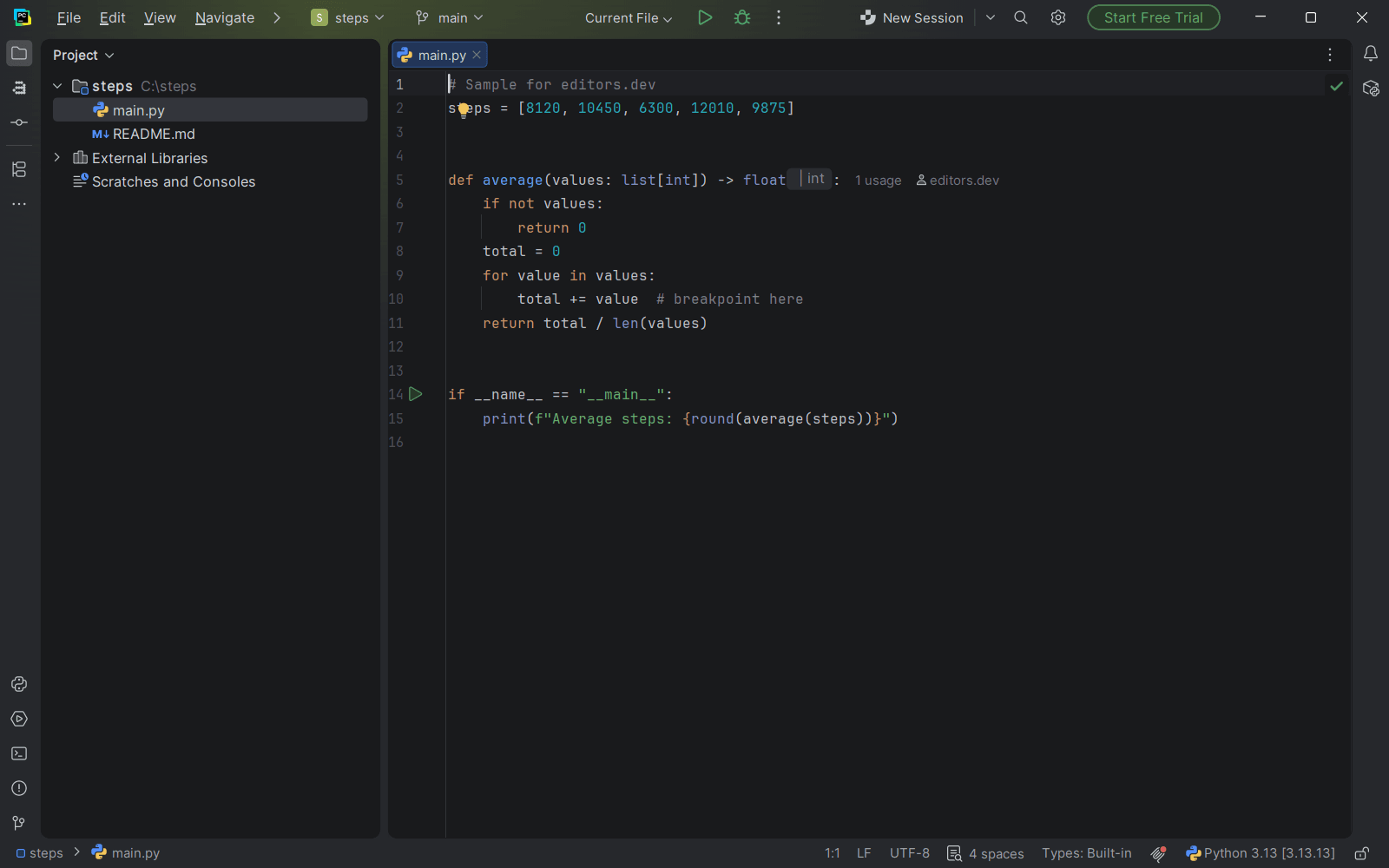
- PyCharm With Lua Completion : Yes Go to definition : Yes Refactoring : Yes Debugging : No Tests : No Formatting : Yes
- WebStorm With Lua Completion : Yes Go to definition : Yes Refactoring : Yes Debugging : No Tests : No Formatting : Yes
- GoLand With Lua Completion : Yes Go to definition : Yes Refactoring : Yes Debugging : No Tests : No Formatting : Yes
- Rider With Lua Completion : Yes Go to definition : Yes Refactoring : Yes Debugging : No Tests : No Formatting : Yes
- RustRover With Lua Completion : Yes Go to definition : Yes Refactoring : Yes Debugging : No Tests : No Formatting : Yes
- RubyMine With Lua Completion : Yes Go to definition : Yes Refactoring : Yes Debugging : No Tests : No Formatting : Yes
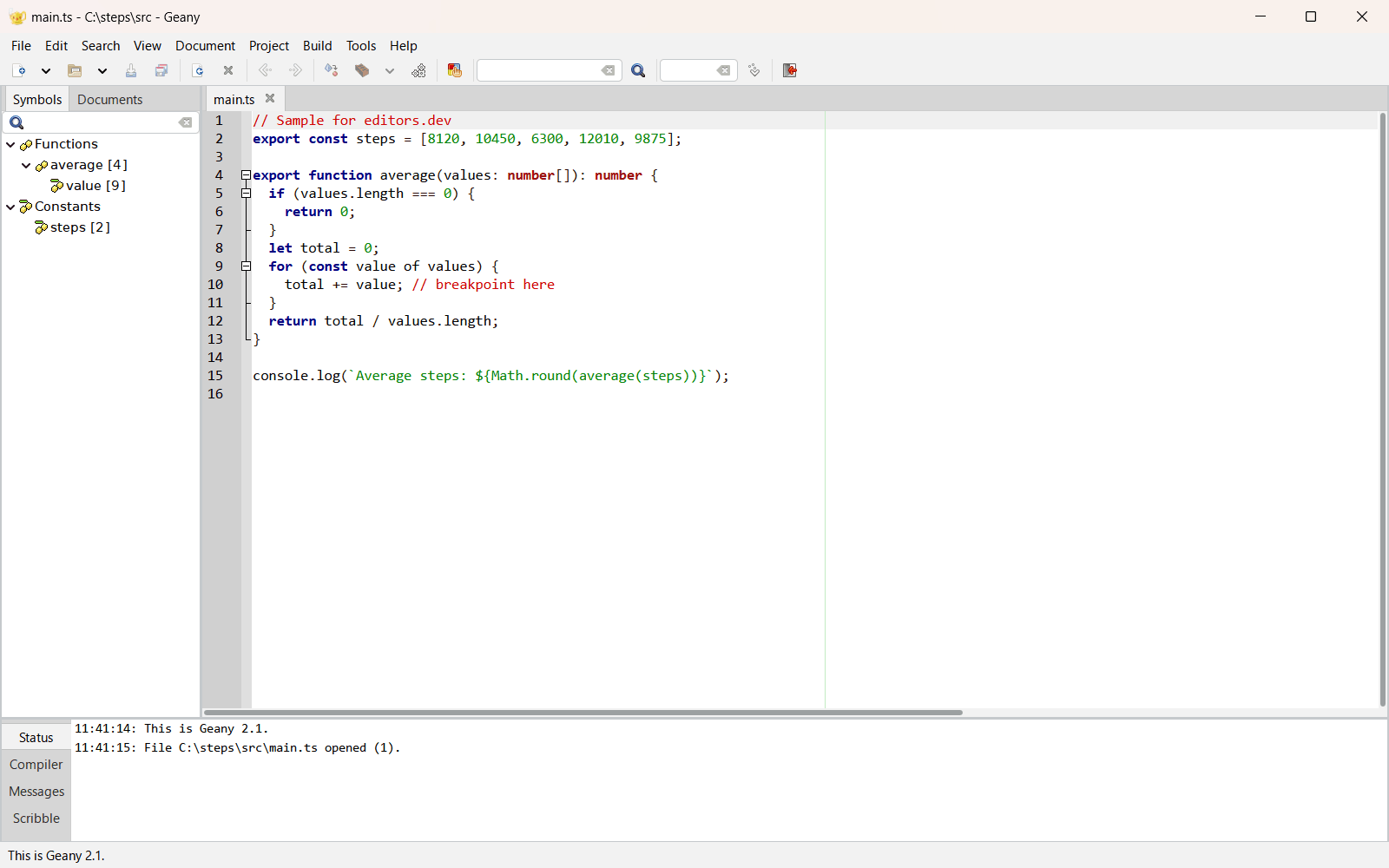
- Geany With LSP Client plugin (geany-plugins) + lua-language-server Completion : Yes Go to definition : Yes Refactoring : Yes Debugging : No Tests : No Formatting : Yes
- TextMate With Lua bundle Completion : No Go to definition : No Refactoring : No Debugging : No Tests : No Formatting : No
Community extension 12
- Android Studio With EmmyLua Completion : Yes Go to definition : Yes Refactoring : Yes Debugging : Yes Tests : No Formatting : Yes
- CLion With EmmyLua2 Completion : Yes Go to definition : Yes Refactoring : Yes Debugging : Yes Tests : No Formatting : Yes
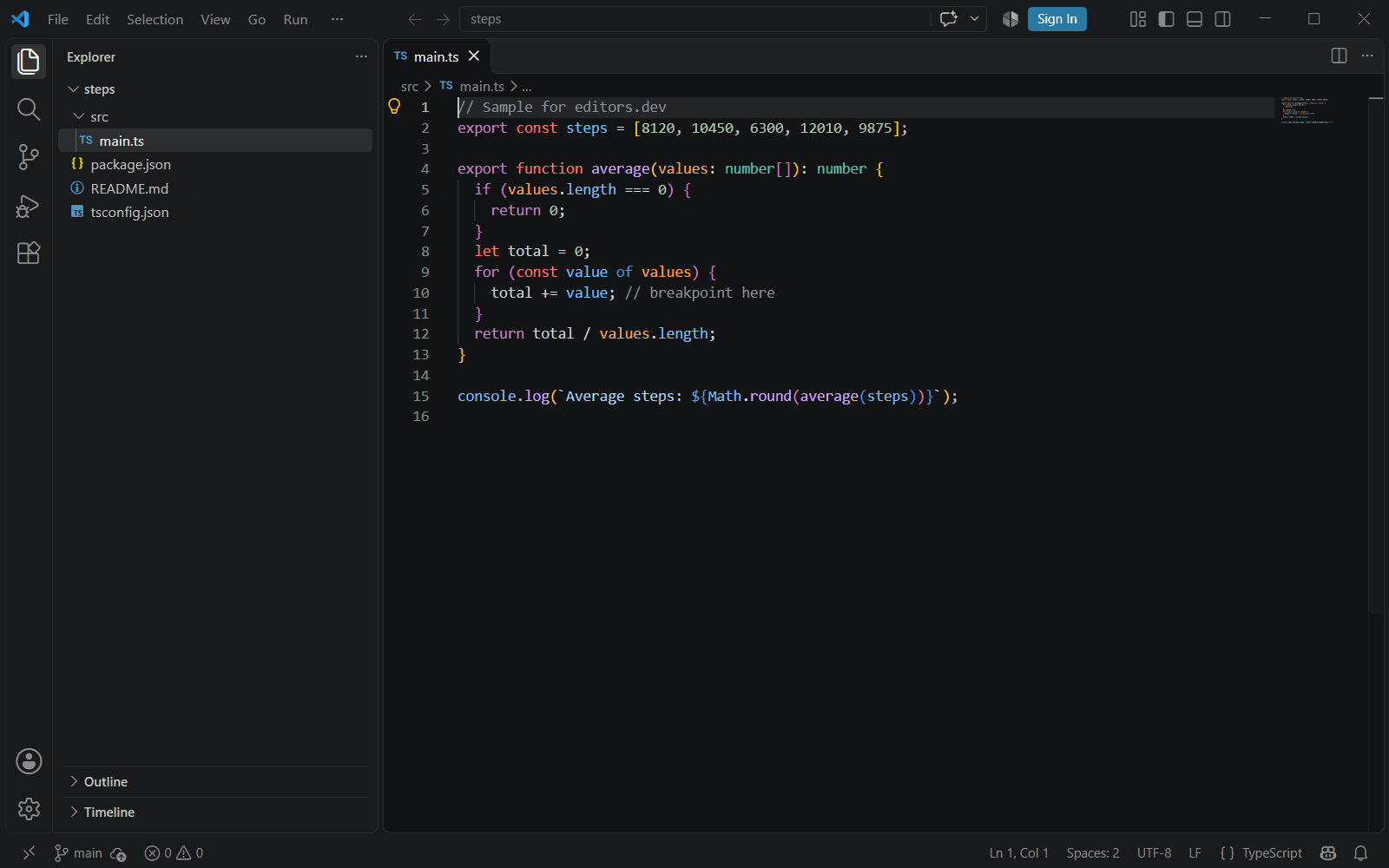
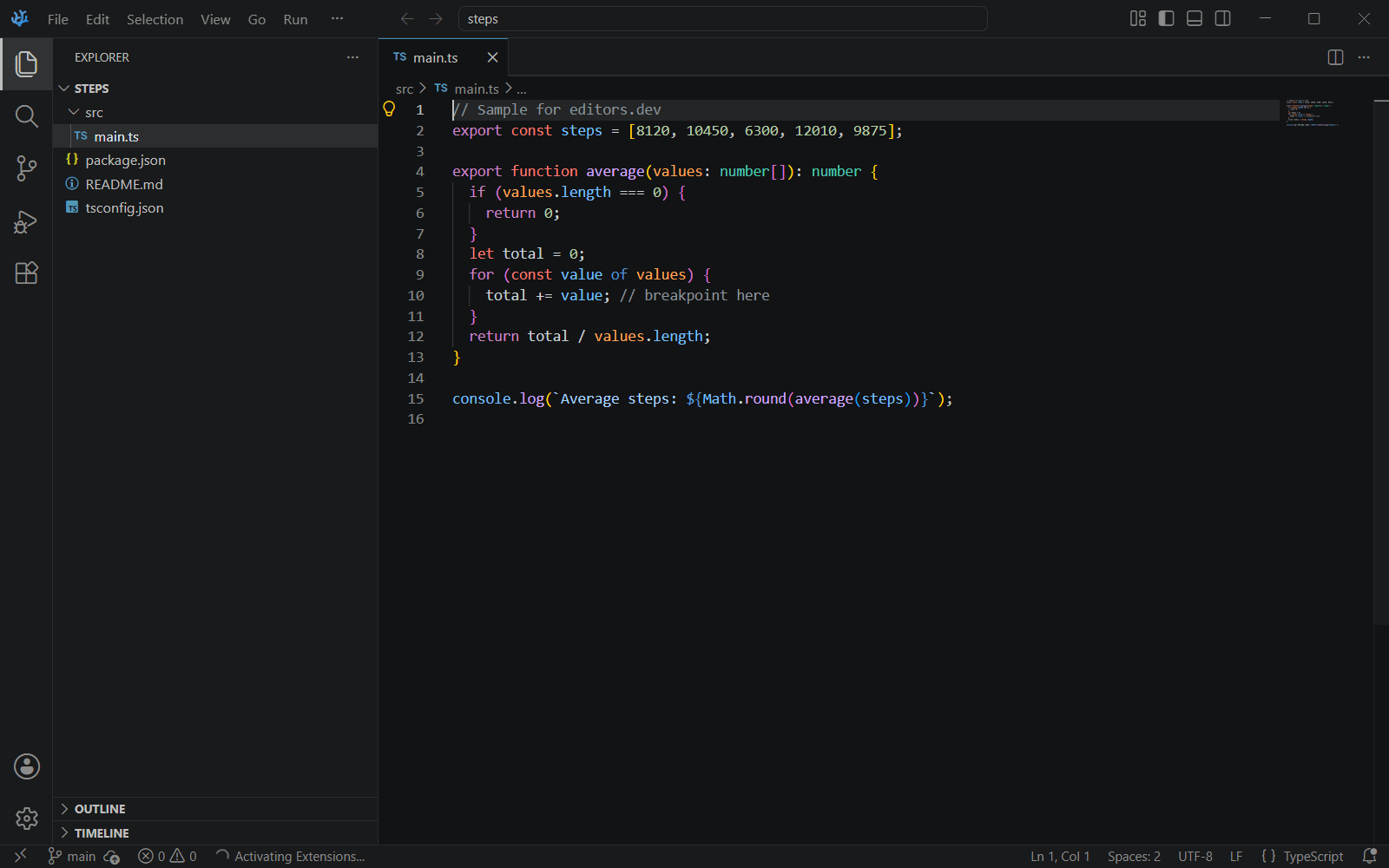
- VS Code With Lua (LuaLS) Completion : Yes Go to definition : Yes Refactoring : Yes Debugging : No Tests : No Formatting : Yes
- Cursor With Lua (LuaLS) Completion : Yes Go to definition : Yes Refactoring : Yes Debugging : No Tests : No Formatting : Yes
- Devin Desktop With Lua (sumneko.lua) Completion : Yes Go to definition : Yes Refactoring : Yes Debugging : No Tests : No Formatting : Yes
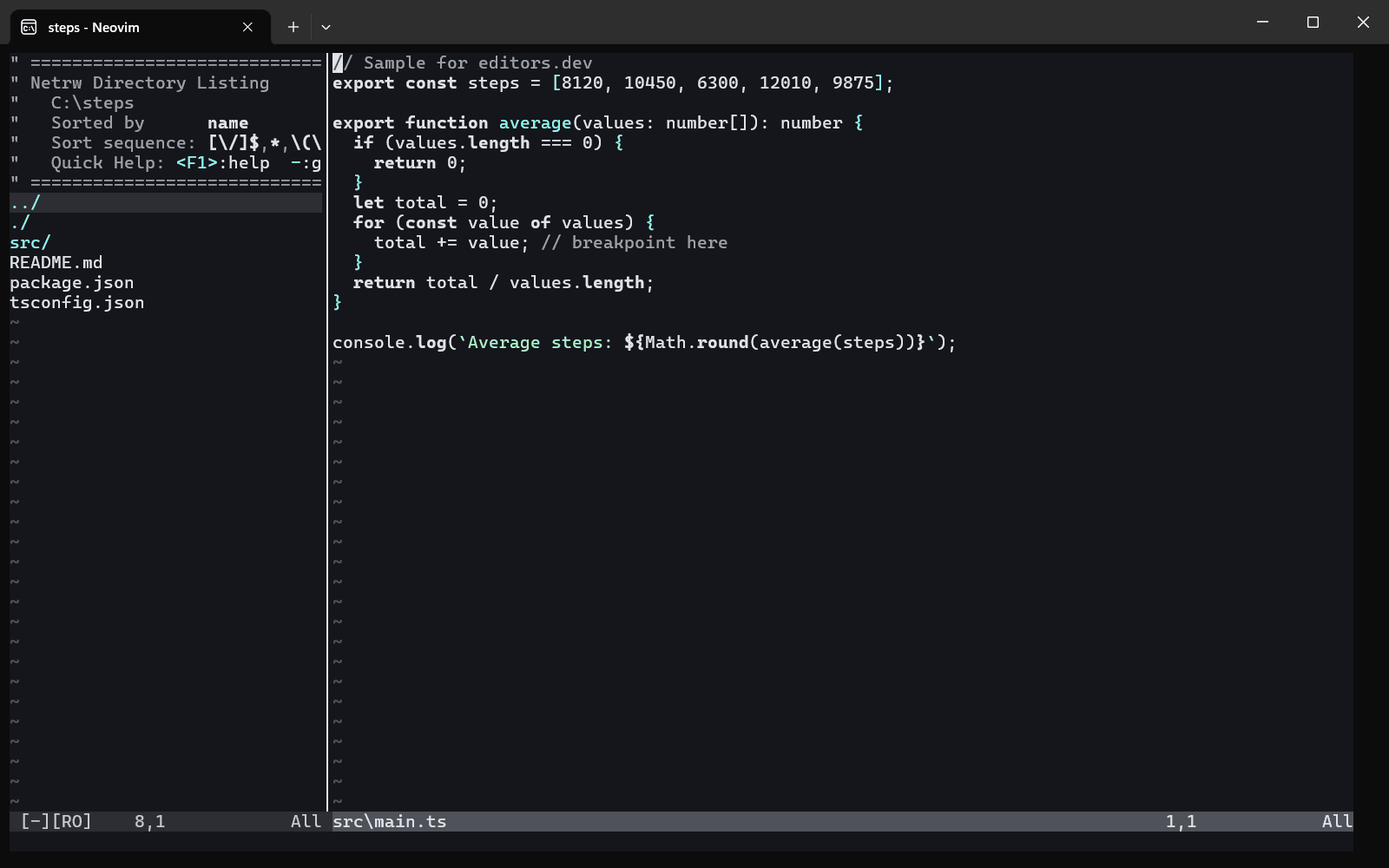
- Neovim With lua_ls (LuaLS) Completion : Yes Go to definition : Yes Refactoring : Yes Debugging : No Tests : No Formatting : Yes
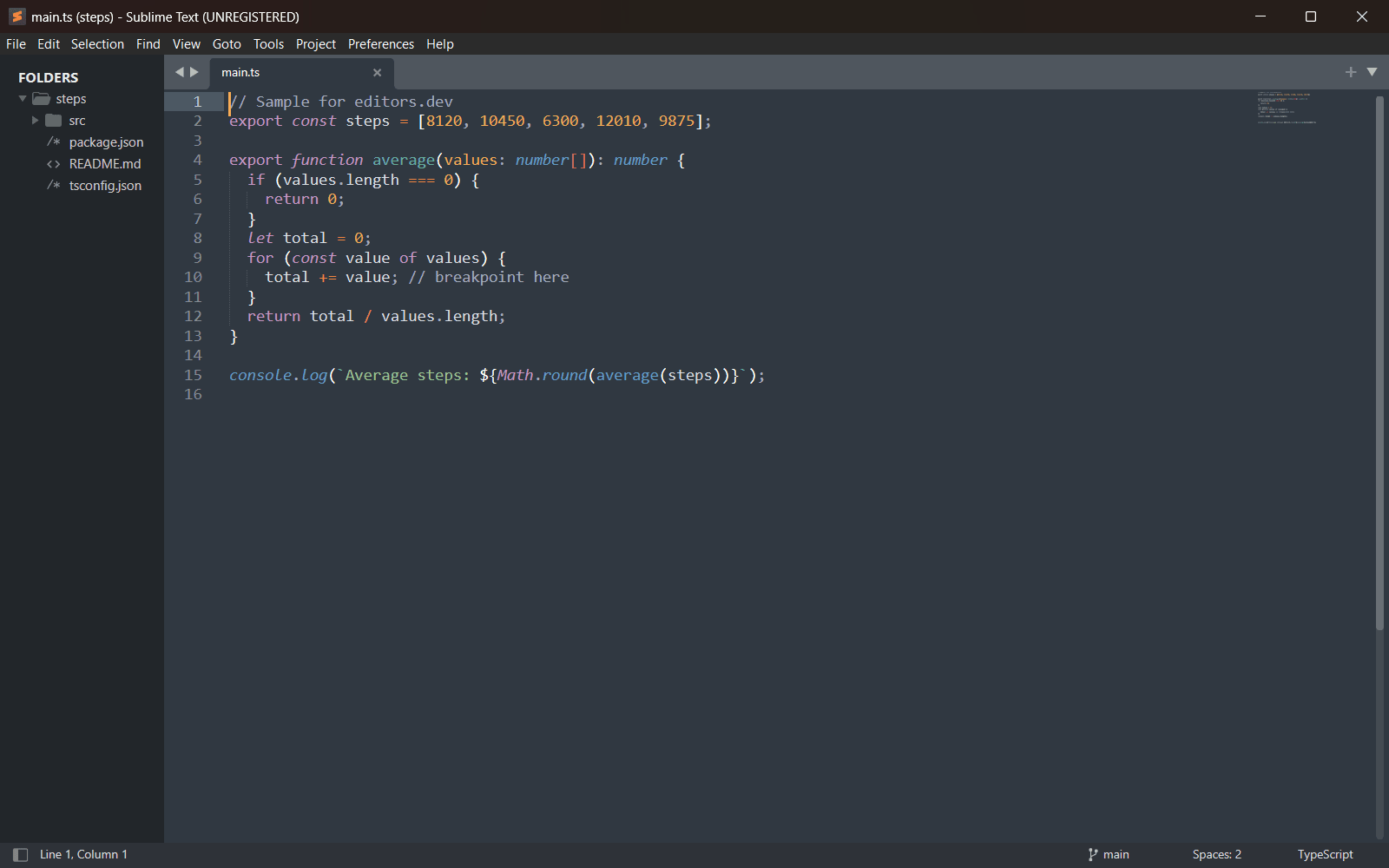
- Sublime Text With LSP + LSP-lua Completion : Yes Go to definition : Yes Refactoring : Yes Debugging : No Tests : No Formatting : Yes
- Kiro With Lua (sumneko.lua) Completion : Yes Go to definition : Yes Refactoring : Yes Debugging : No Tests : No Formatting : Yes
- Google Antigravity With Lua (sumneko.lua) Completion : Yes Go to definition : Yes Refactoring : Yes Debugging : No Tests : No Formatting : Yes
- TRAE With Lua (sumneko.lua) Completion : Yes Go to definition : Yes Refactoring : Yes Debugging : No Tests : No Formatting : Yes
- VSCodium With Lua (sumneko.lua) Completion : Yes Go to definition : Yes Refactoring : Yes Debugging : No Tests : No Formatting : Yes
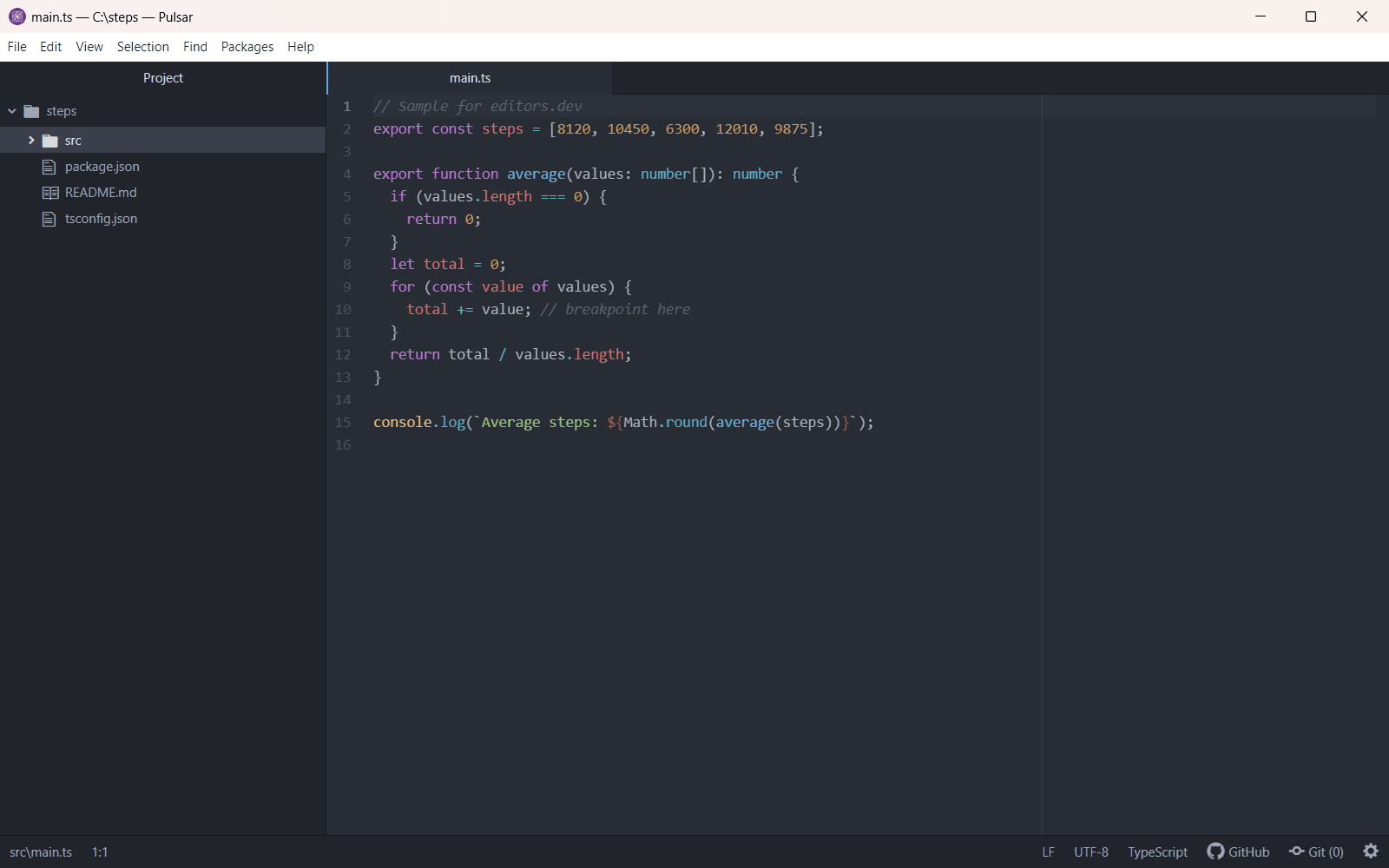
- Pulsar With language-lua Completion : No Go to definition : No Refactoring : No Debugging : No Tests : No Formatting : No
Today
Lua 5.5 is the current version, and 5.5.1 is its first bug-fix release. Lua has no fixed release schedule: new minor versions such as 5.4 and 5.5 arrive about every five years, and the previous line still gets bug fixes, as Lua 5.4.9 did on 2026-08-25. LuaJIT, a widely used separate implementation, stays compatible with Lua 5.1. In the Stack Overflow Developer Survey 2025, 9.2 percent of respondents said they had used Lua.
What it is used for
Scripting and configuration inside larger programs: World of Warcraft add-ons, Roblox (through its Lua-derived Luau), Neovim plugins, Redis scripts, the OpenResty web platform built on nginx, and the LÖVE game framework.
History
Roberto Ierusalimschy, Luiz Henrique de Figueiredo and Waldemar Celes created Lua in 1993 at Tecgraf, a computer graphics group at the Pontifical Catholic University of Rio de Janeiro (PUC-Rio). It merged two small in-house languages, DEL and Sol, used in data-entry and report software for the oil company Petrobras, which ran a mix of DOS, Windows, Macintosh and Unix machines, so the language had to be portable. The first version ran inside Tecgraf in 1993; the first public release, Lua 1.1, followed in July 1994, and Lua 2.1 became free software in February 1995.
The language grew in small steps. Lua 3.1 added anonymous functions and closures, Lua 4.0 brought a new C API, and Lua 5.0 in 2003 introduced coroutines, metatables and full lexical scoping. Since Lua 5.0 it has been released under the MIT license.
Game studios took up Lua because it was small, fast and easy to embed; LucasArts' Grim Fandango was one of the first games to use it heavily. Lua 5.3 added an integer subtype and bitwise operators, Lua 5.4 added a generational garbage collector and to-be-closed variables, and Lua 5.5 in December 2025 added explicit global declarations.
Milestone versions
- 8 July 1994 1.1 First public release, with a simple syntax and a bytecode virtual machine.
- 1 July 1997 3.0 Replaced fallbacks with tag methods and added the auxiliary library.
- 6 November 2000 4.0 Added multiple independent states, a new C API and the for statement.
- 11 April 2003 5.0 Added coroutines, metatables, full lexical scoping, booleans and proper tail calls.
- 21 February 2006 5.1 Added a module system, an incremental garbage collector and the length operator.
- 16 December 2011 5.2 Added yieldable pcall and metamethods, ephemeron tables, a bitwise library and goto.
- 12 January 2015 5.3 Added an integer subtype, bitwise operators and a UTF-8 library.
- 29 June 2020 5.4 Added a generational garbage collection mode and const and to-be-closed variables.
- 22 December 2025 5.5 Added global variable declarations, named vararg tables, more compact arrays and incremental major collections.
- 3 August 2026 5.5.1 First bug-fix release of Lua 5.5.
Sources
Last checked: 20 November 2026