R
R is a language and environment for statistical computing and graphics. It is mostly used for data analysis, statistical modelling, visualisation and research reporting.
Editors for R
34 editors and IDEs support R. Built in first, then official and community extensions. Each row opens the editor at its R notes.
Built in 9
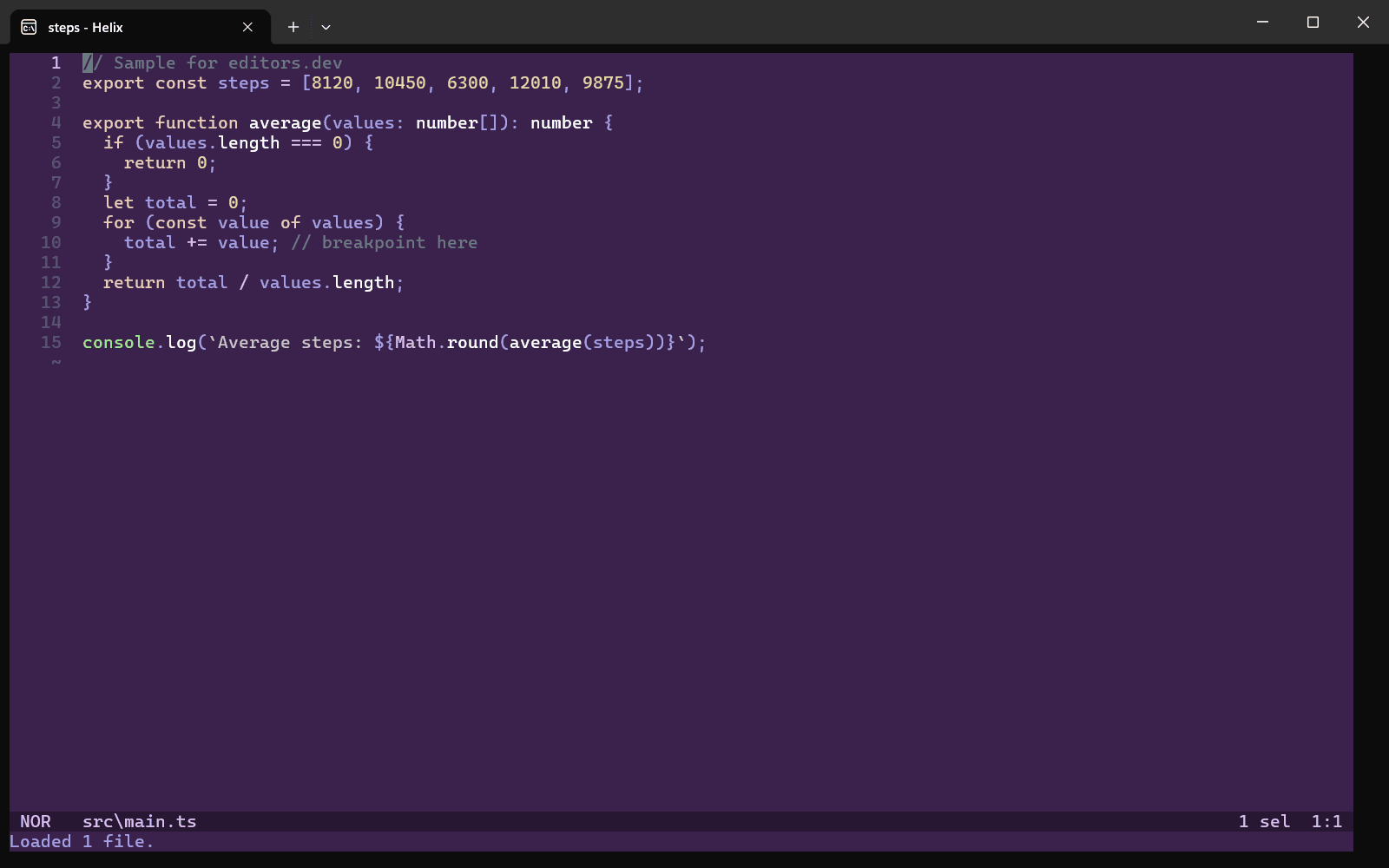
- Helix With languageserver (R package) Completion : Yes Go to definition : Yes Refactoring : Yes Debugging : No Tests : No Formatting : Yes
- BBEdit With languageserver (R package) Completion : Yes Go to definition : Yes Refactoring : Yes Debugging : No Tests : No Formatting : Yes
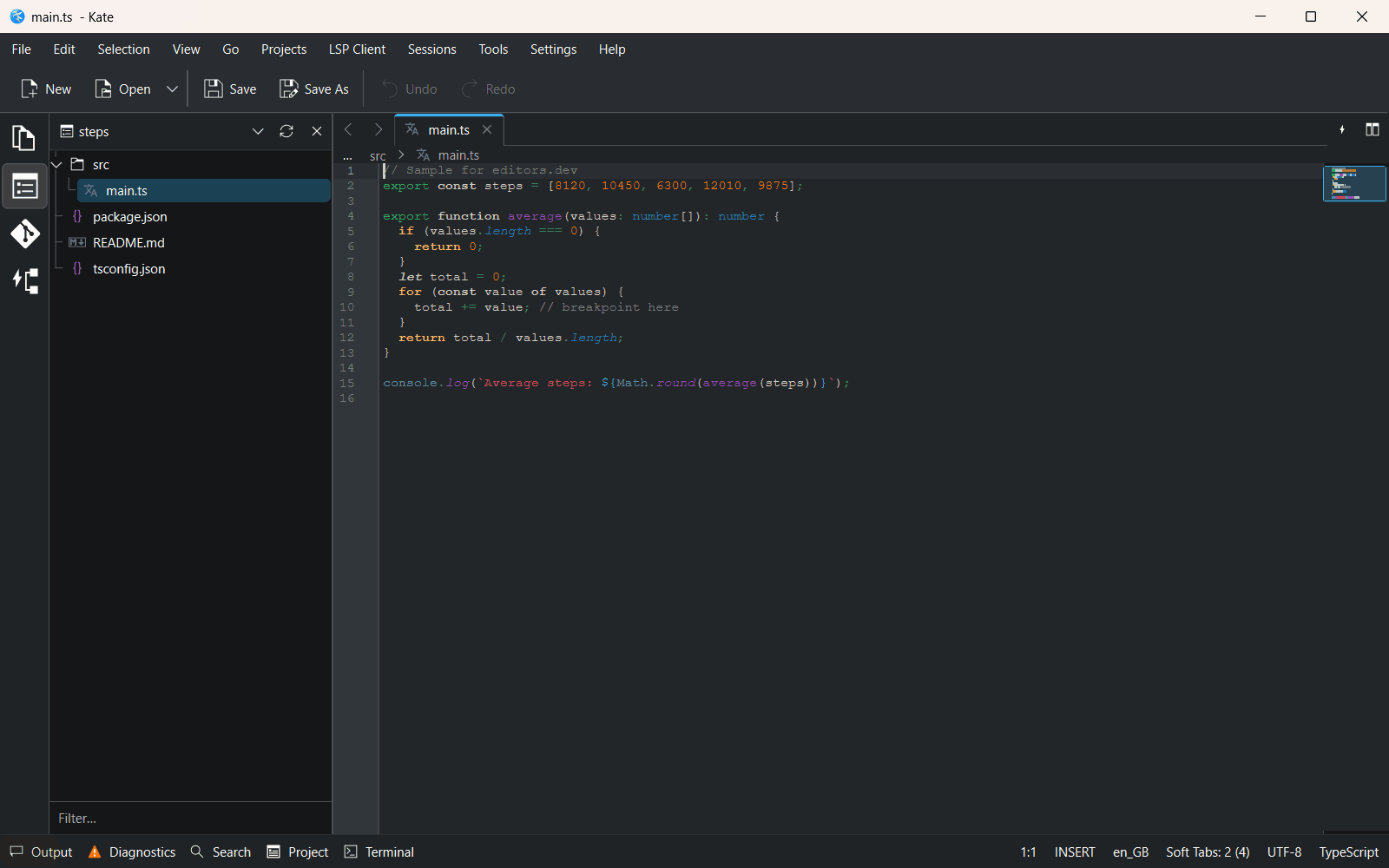
- Kate With LSP Client + R languageserver Completion : Yes Go to definition : Yes Refactoring : No Debugging : No Tests : No Formatting : Yes
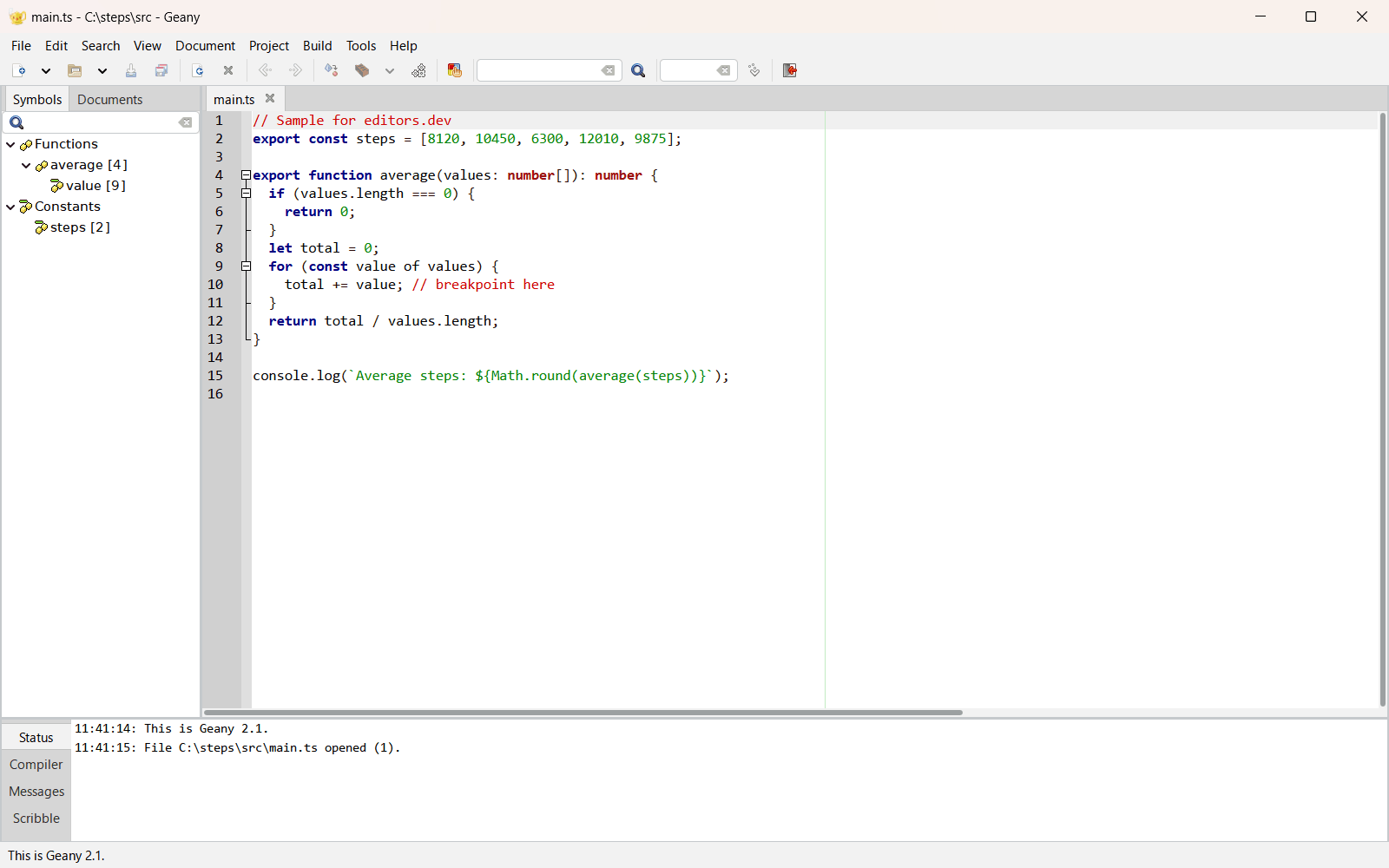
- Geany Completion : Yes Go to definition : Yes Refactoring : No Debugging : No Tests : No Formatting : No
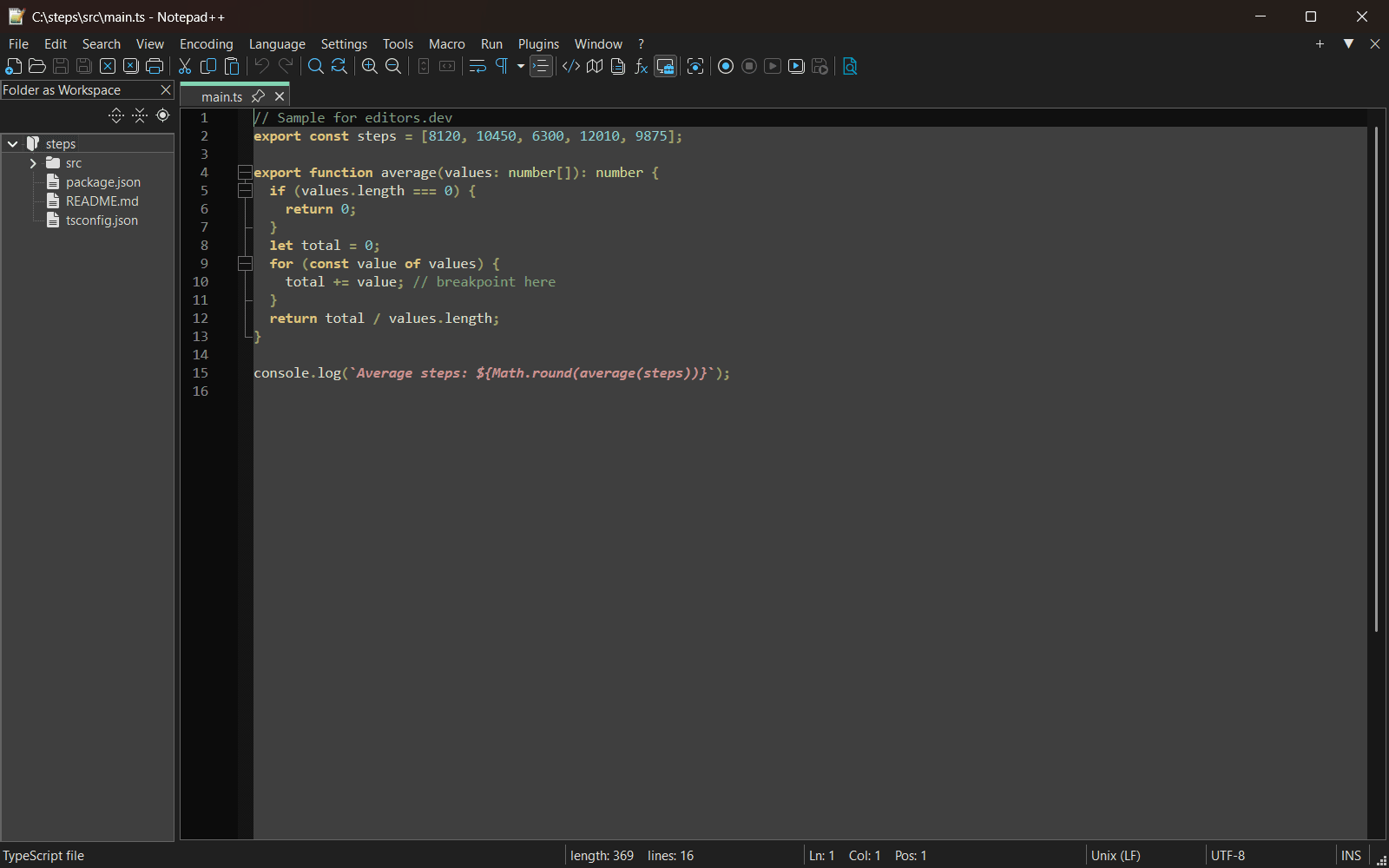
- Notepad++ Completion : Yes Go to definition : No Refactoring : No Debugging : No Tests : No Formatting : No
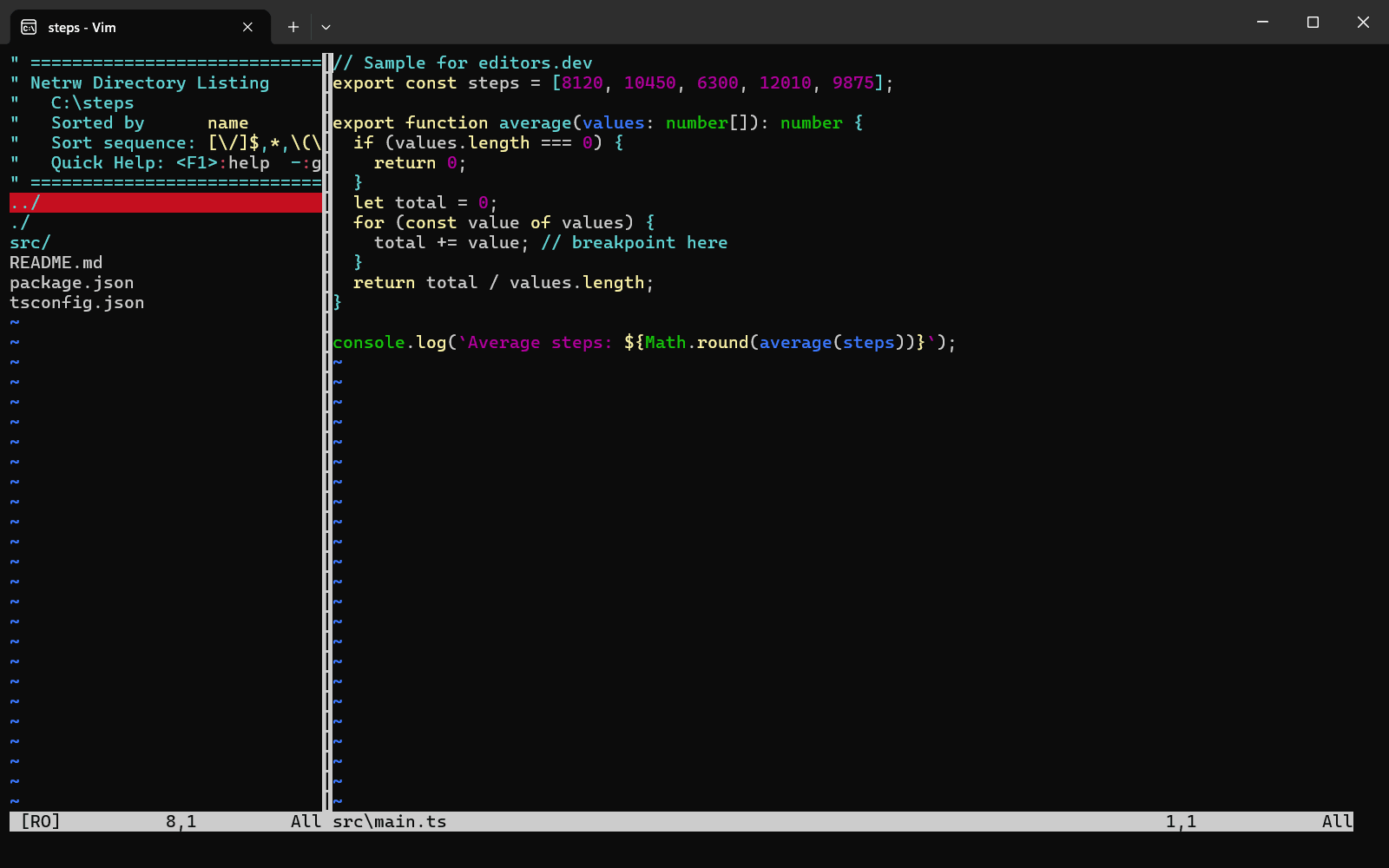
- Vim Completion : No Go to definition : No Refactoring : No Debugging : No Tests : No Formatting : No
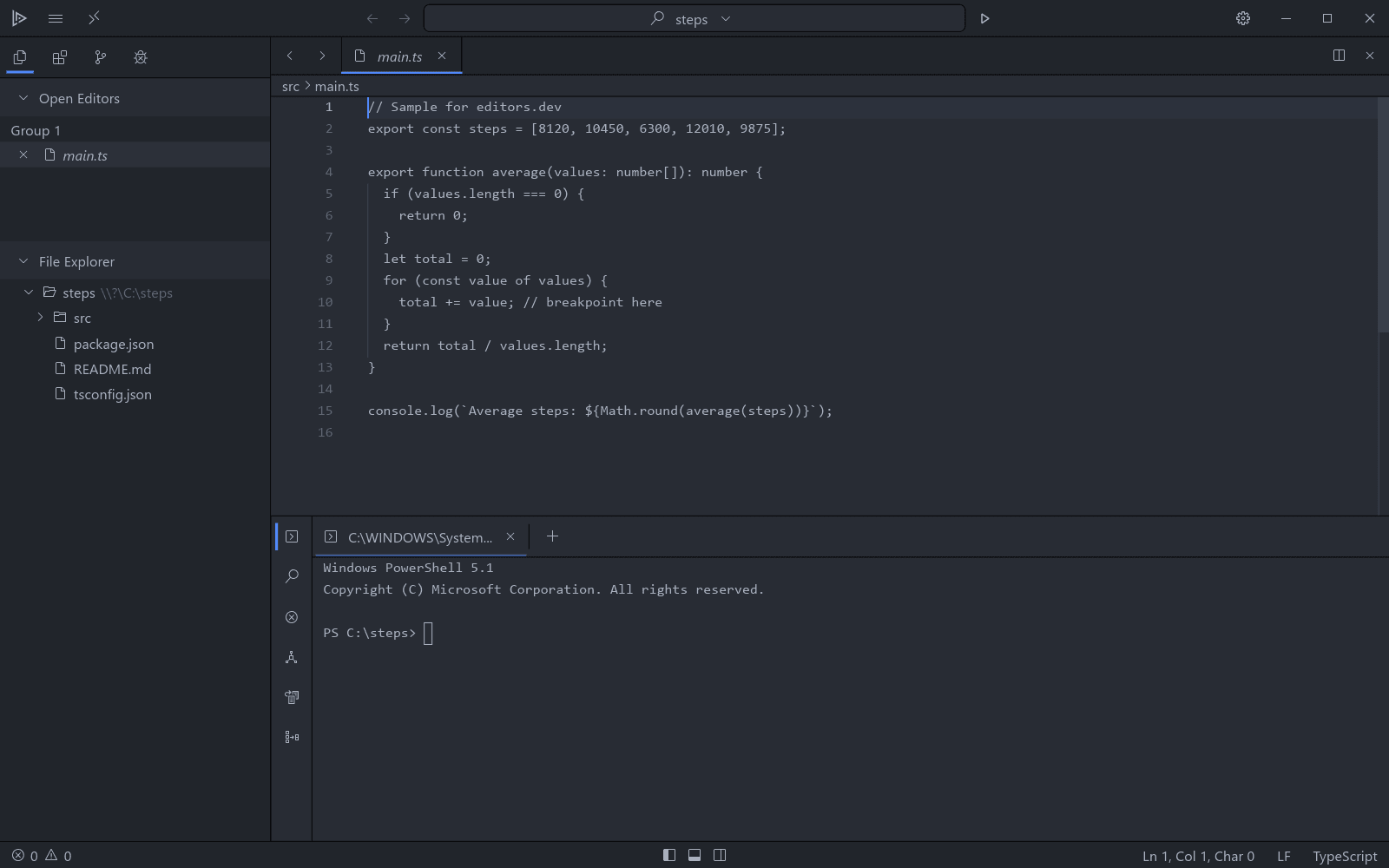
- Lapce Completion : No Go to definition : No Refactoring : No Debugging : No Tests : No Formatting : No
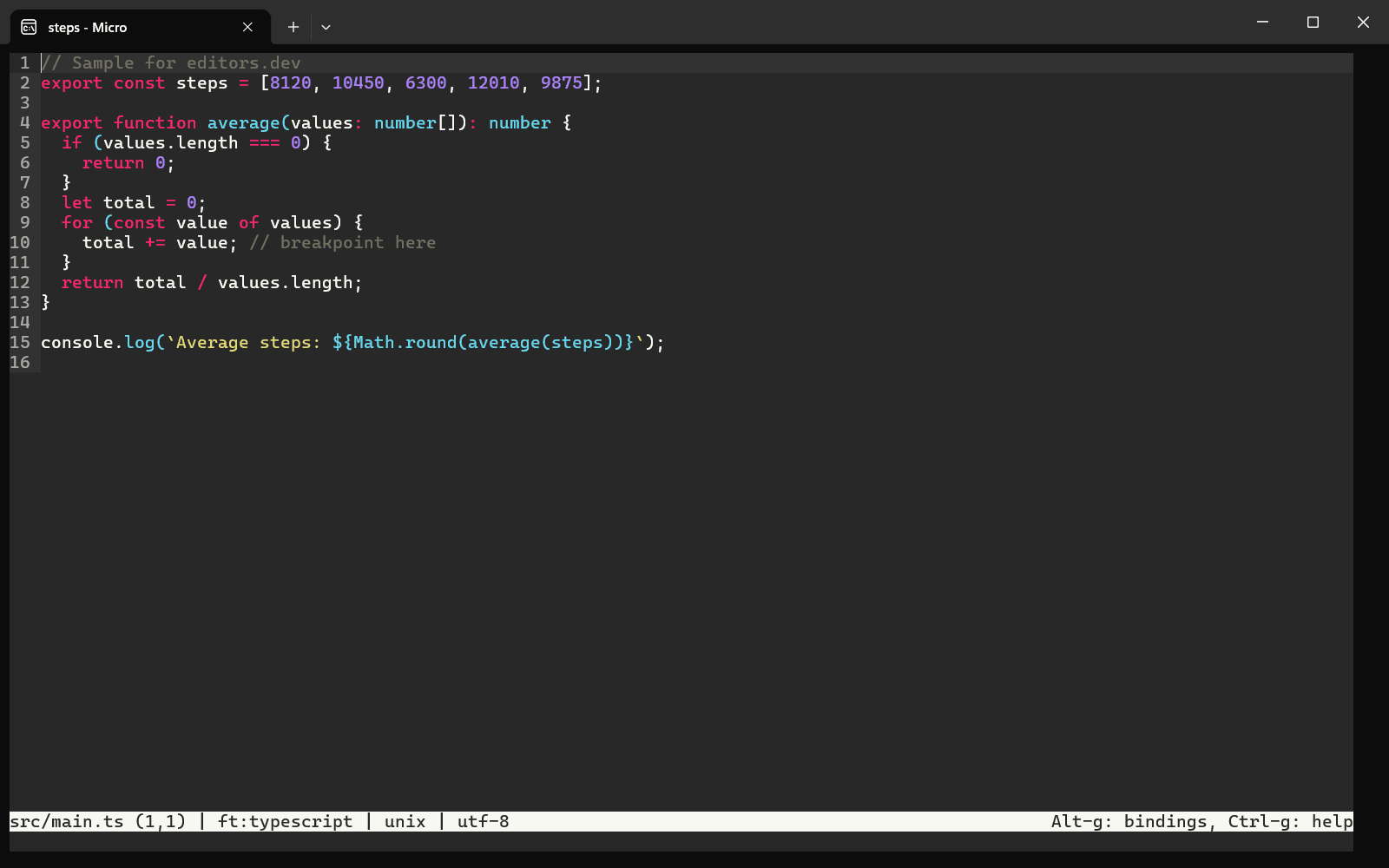
- Micro Completion : No Go to definition : No Refactoring : No Debugging : No Tests : No Formatting : No
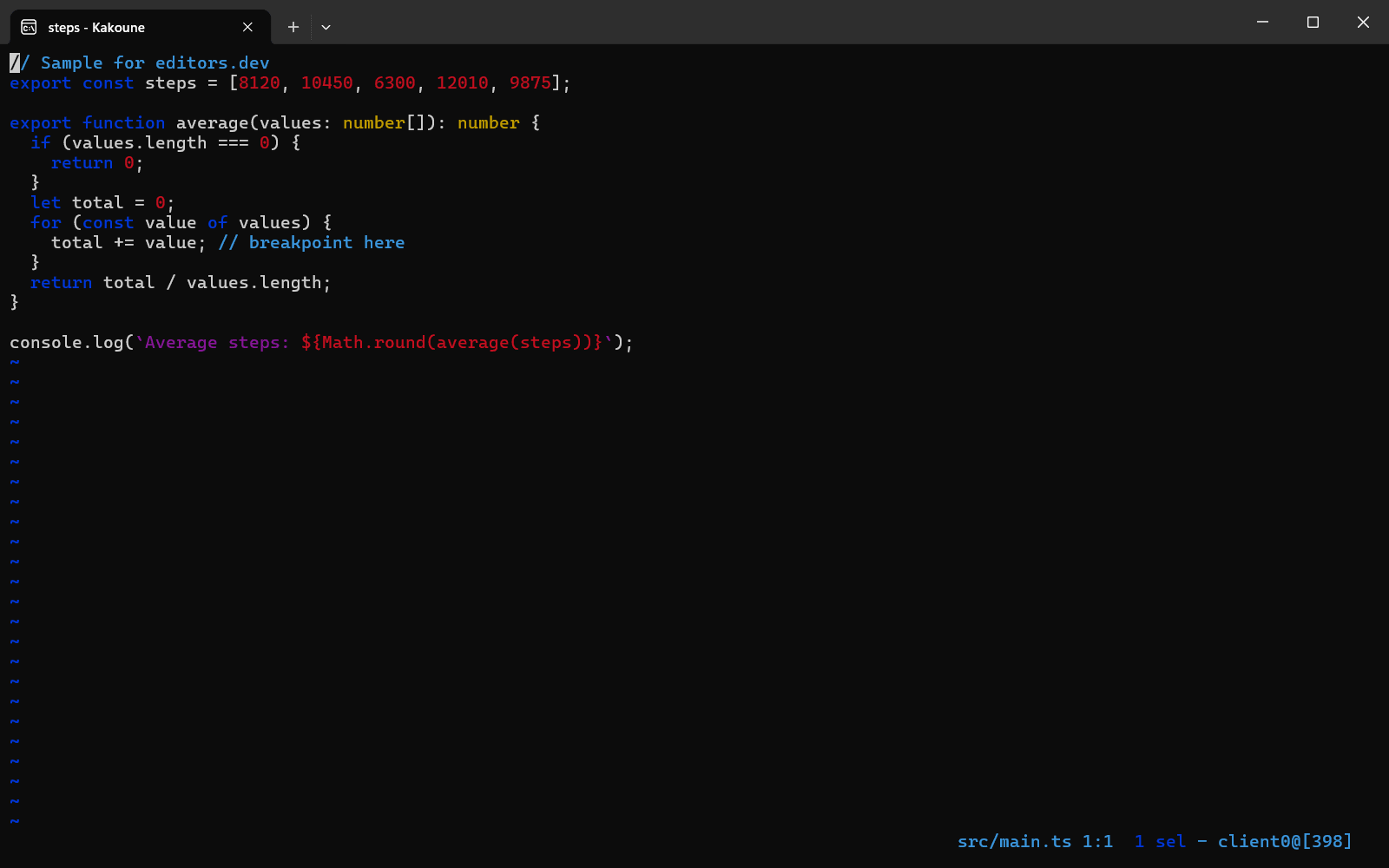
- Kakoune Completion : No Go to definition : No Refactoring : No Debugging : No Tests : No Formatting : No
Official extension 12
- PhpStorm With R Language Completion : Yes Go to definition : No Refactoring : Yes Debugging : Yes Tests : No Formatting : No
- IntelliJ IDEA With R Language Completion : Yes Go to definition : No Refactoring : Yes Debugging : Yes Tests : No Formatting : No
- PyCharm With R Language Completion : Yes Go to definition : No Refactoring : Yes Debugging : Yes Tests : No Formatting : No
- WebStorm With R Language Completion : Yes Go to definition : No Refactoring : Yes Debugging : Yes Tests : No Formatting : No
- Android Studio With R Language (JetBrains) Completion : Yes Go to definition : Yes Refactoring : No Debugging : Yes Tests : No Formatting : No
- Eclipse IDE With StatET Completion : Yes Go to definition : Yes Refactoring : No Debugging : Yes Tests : No Formatting : No
- GoLand With R Language Completion : Yes Go to definition : No Refactoring : No Debugging : Yes Tests : No Formatting : No
- CLion With R Language Completion : Yes Go to definition : No Refactoring : No Debugging : Yes Tests : No Formatting : No
- Rider With R Language Completion : Yes Go to definition : No Refactoring : No Debugging : Yes Tests : No Formatting : No
- RustRover With R Language Completion : Yes Go to definition : No Refactoring : No Debugging : Yes Tests : No Formatting : No
- RubyMine With R Language Completion : Yes Go to definition : No Refactoring : No Debugging : Yes Tests : No Formatting : No
- TextMate With R bundle Completion : Yes Go to definition : No Refactoring : No Debugging : No Tests : No Formatting : Yes
Community extension 13
- GNU Emacs With ESS + Eglot Completion : Yes Go to definition : Yes Refactoring : Yes Debugging : Yes Tests : No Formatting : Yes
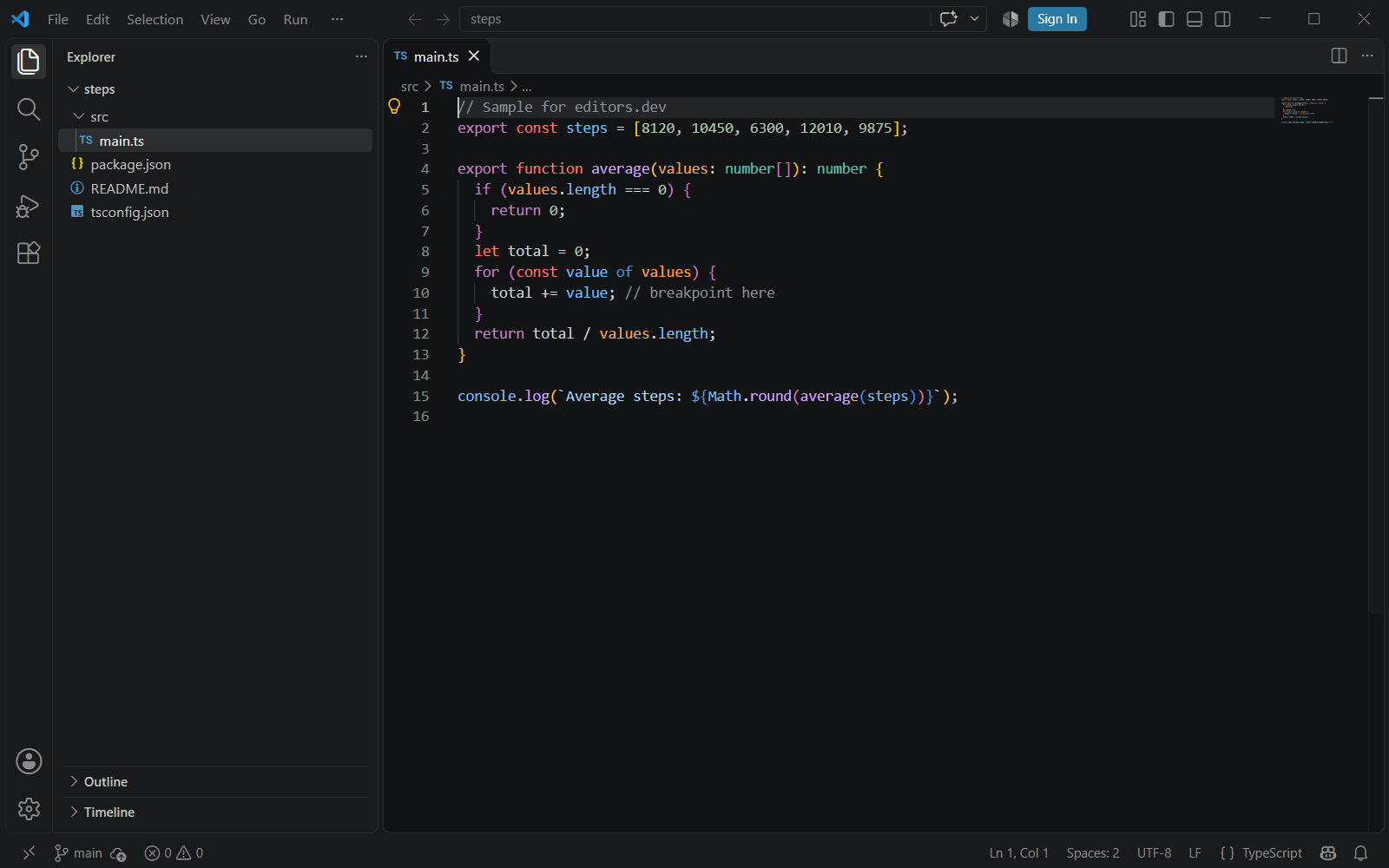
- VS Code With R Completion : Yes Go to definition : Yes Refactoring : Yes Debugging : No Tests : No Formatting : Yes
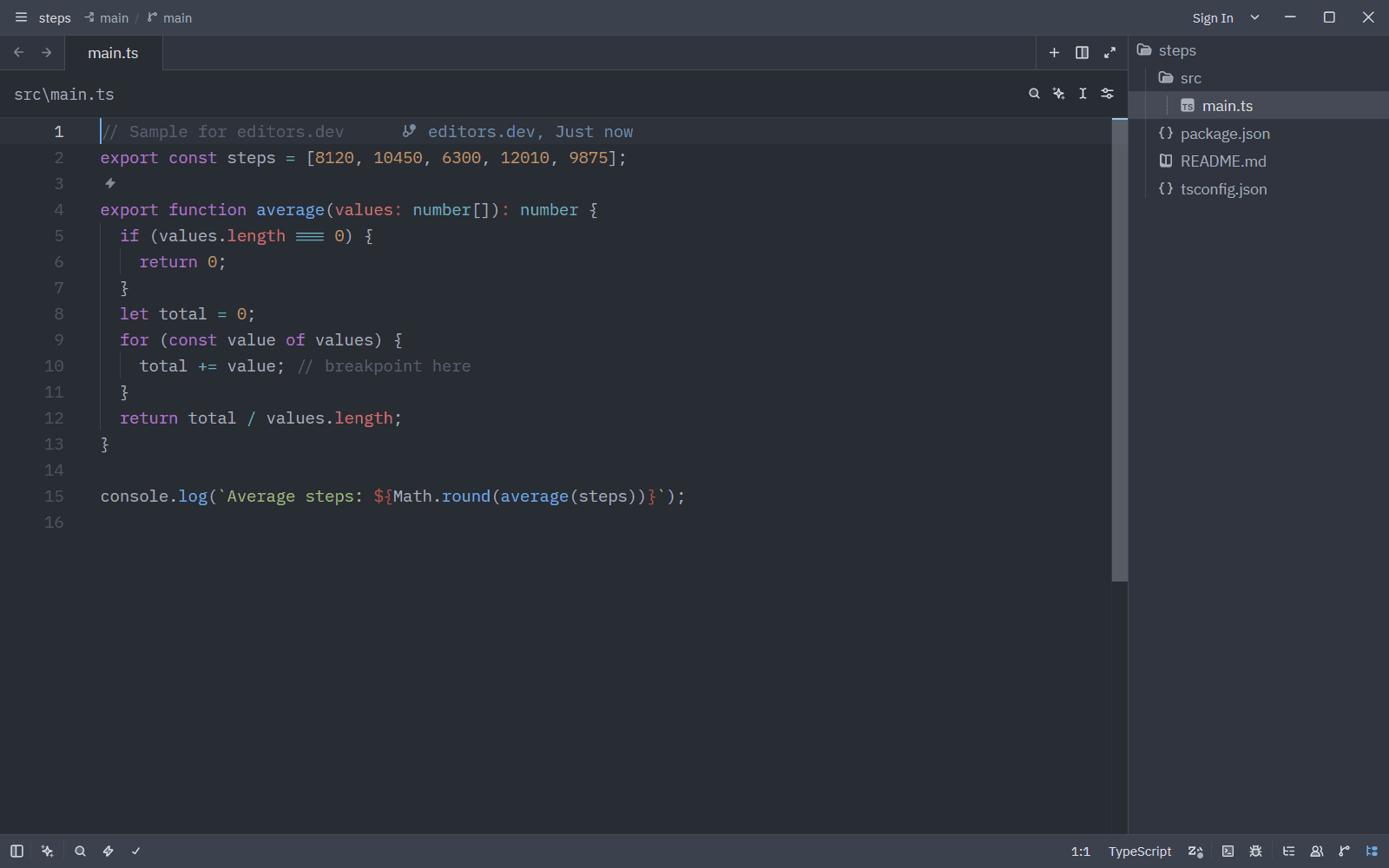
- Zed With R (ocsmit/zed-r) Completion : Yes Go to definition : Yes Refactoring : Yes Debugging : No Tests : No Formatting : Yes
- Cursor With R Completion : Yes Go to definition : Yes Refactoring : Yes Debugging : No Tests : No Formatting : Yes
- Devin Desktop With R (REditorSupport) Completion : Yes Go to definition : Yes Refactoring : Yes Debugging : No Tests : No Formatting : Yes
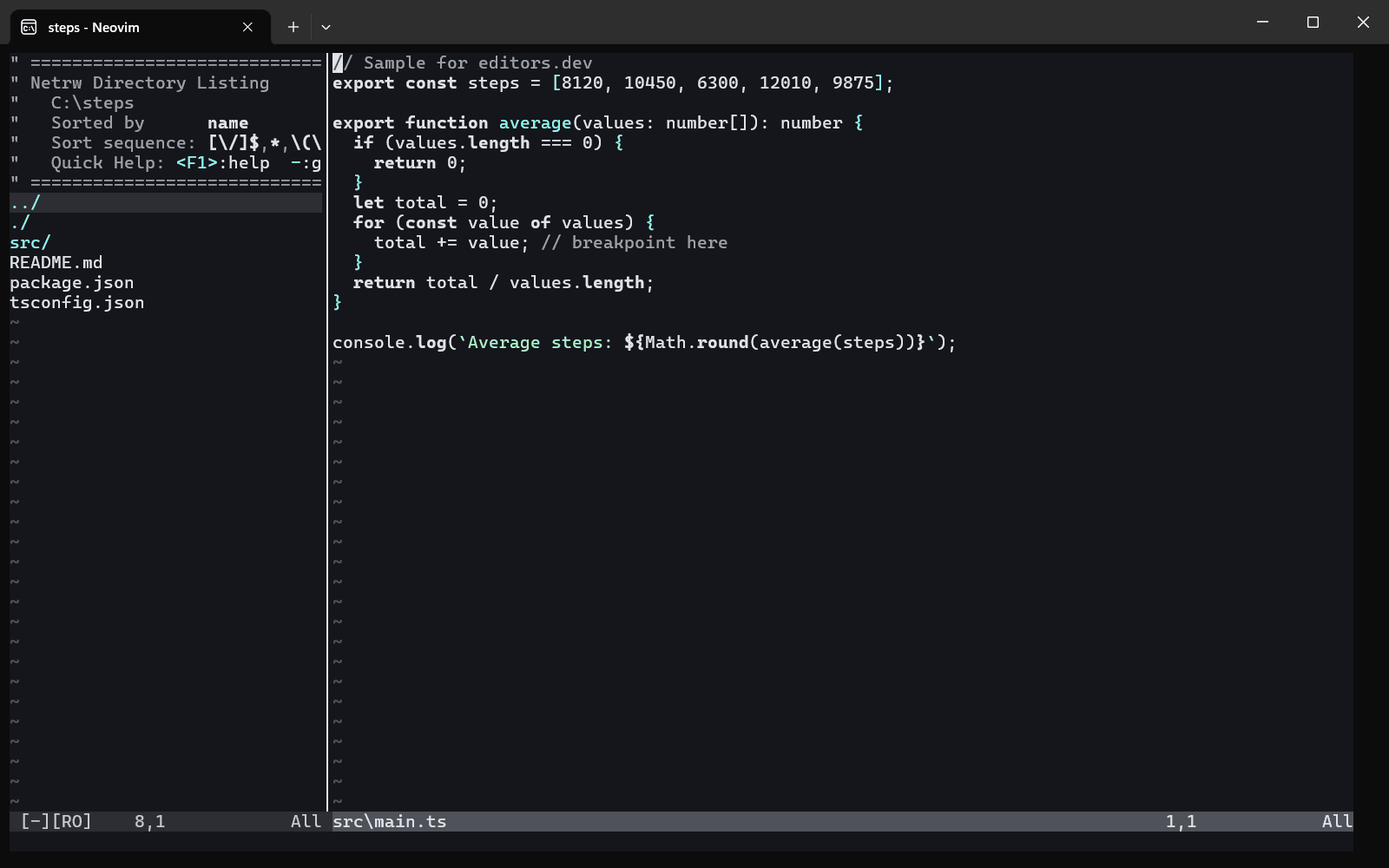
- Neovim With r_language_server (languageserver R package) Completion : Yes Go to definition : Yes Refactoring : Yes Debugging : No Tests : No Formatting : Yes
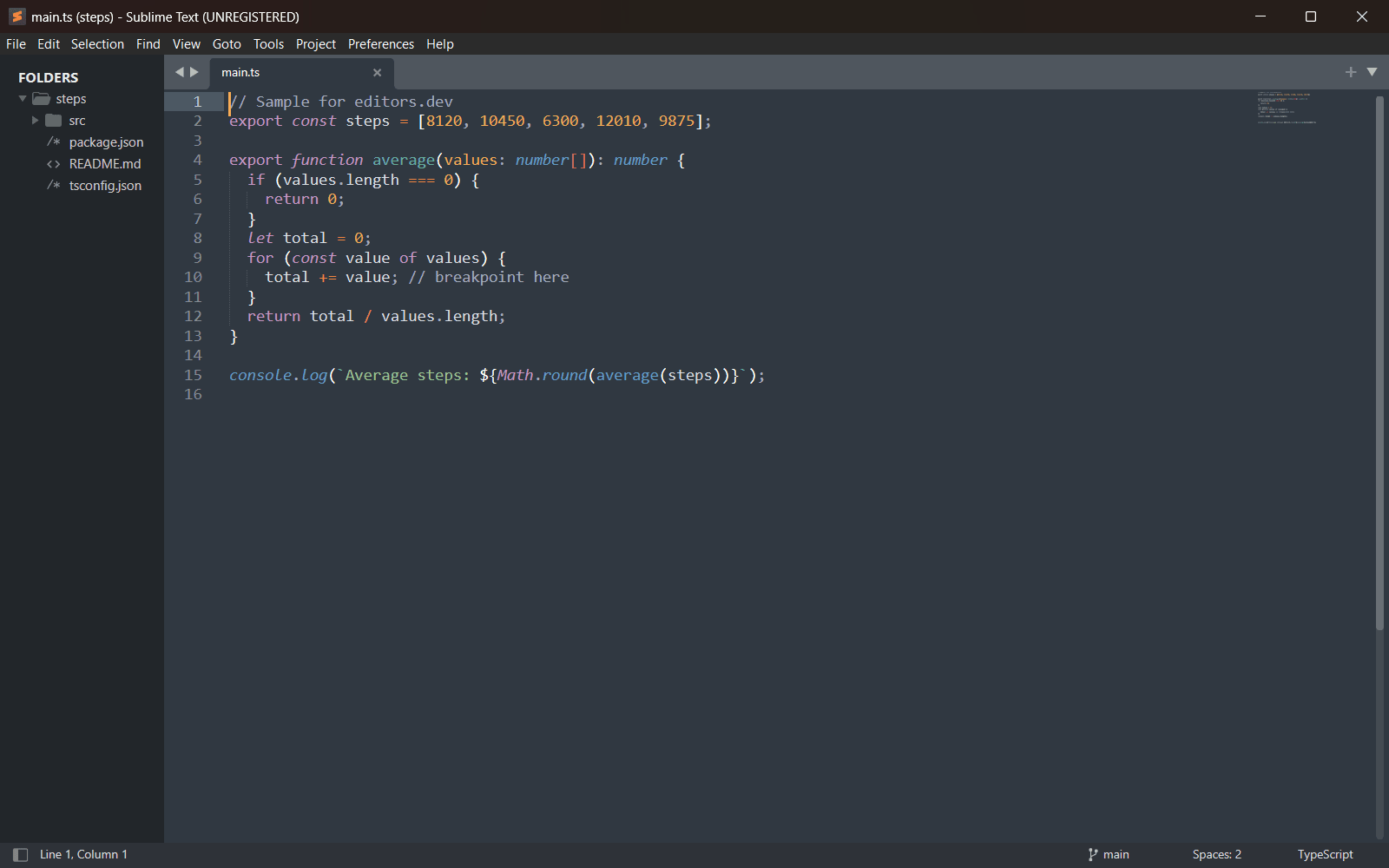
- Sublime Text With R-IDE + LSP + LSP-R Completion : Yes Go to definition : Yes Refactoring : Yes Debugging : No Tests : No Formatting : Yes
- Kiro With R (REditorSupport) Completion : Yes Go to definition : Yes Refactoring : Yes Debugging : No Tests : No Formatting : Yes
- Google Antigravity With R (REditorSupport) Completion : Yes Go to definition : Yes Refactoring : Yes Debugging : No Tests : No Formatting : Yes
- TRAE With R (REditorSupport) Completion : Yes Go to definition : Yes Refactoring : Yes Debugging : No Tests : No Formatting : Yes
- VSCodium With R (REditorSupport) Completion : Yes Go to definition : Yes Refactoring : Yes Debugging : No Tests : No Formatting : Yes
- Nova With R-Nova extension Completion : Yes Go to definition : Yes Refactoring : No Debugging : No Tests : Yes Formatting : No
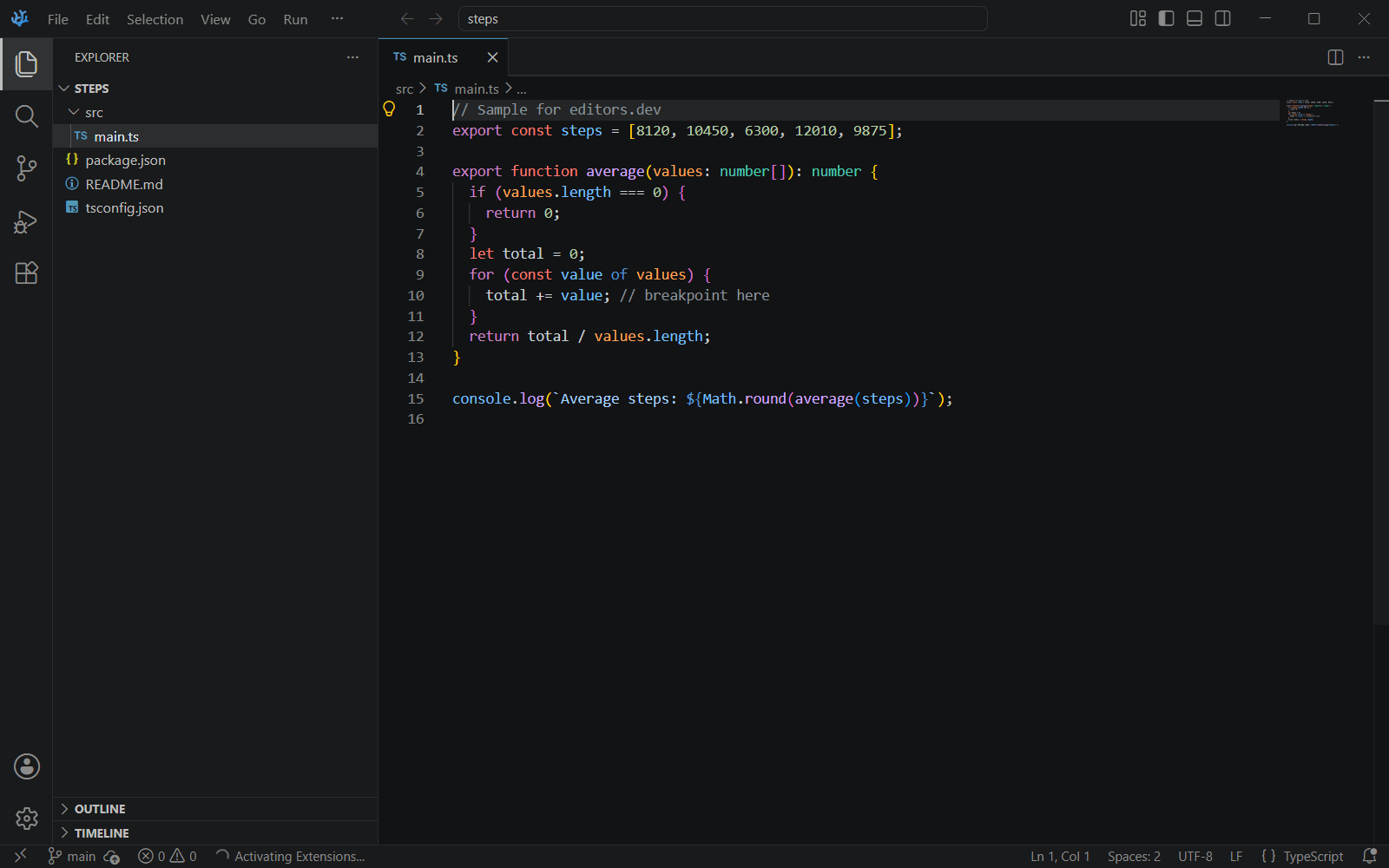
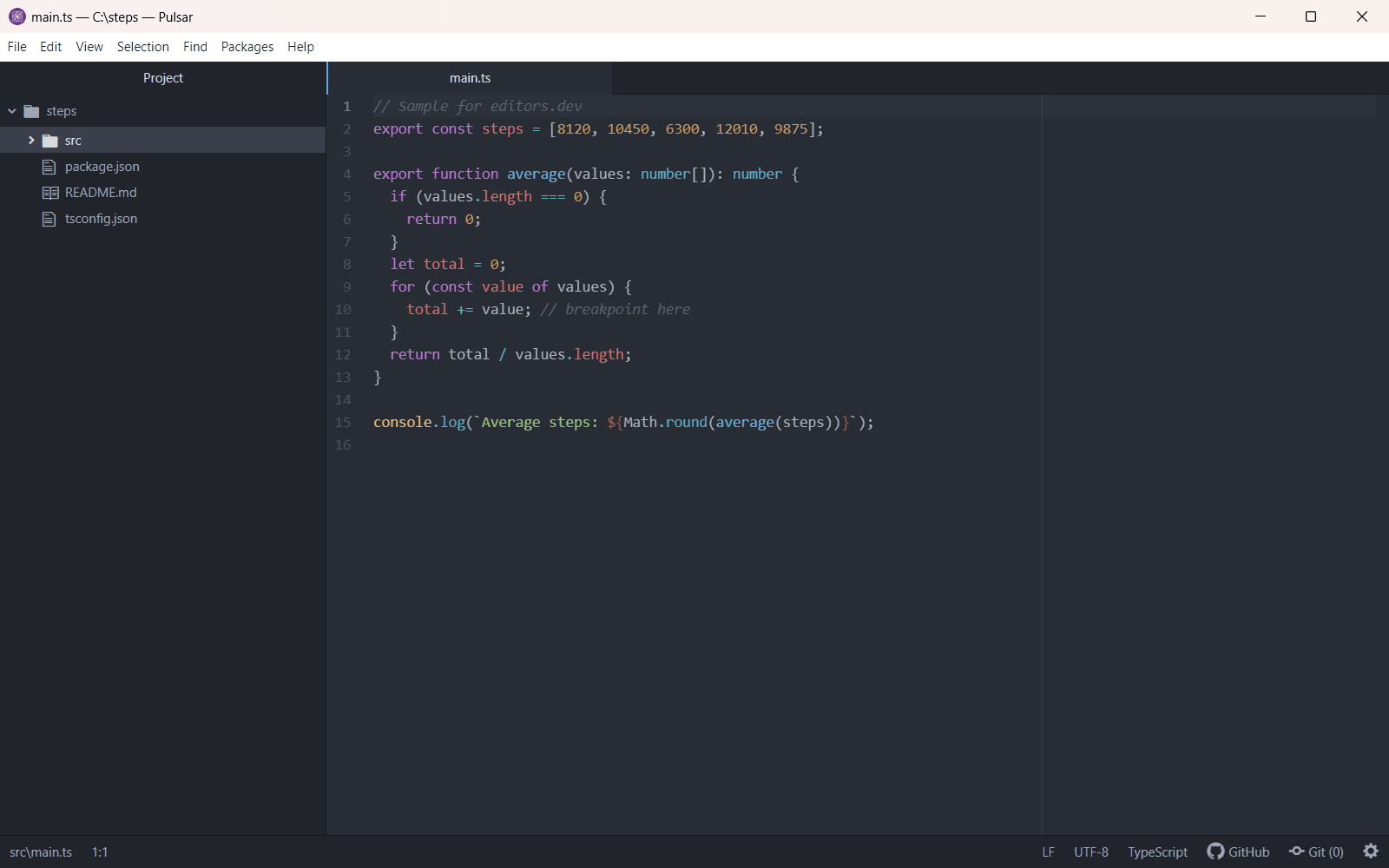
- Pulsar With atom-language-r Completion : No Go to definition : No Refactoring : No Debugging : No Tests : No Formatting : No
Today
R ships one feature release each April (4.6.0 came out on 2026-04-24), followed by patch releases; 4.6.2 is the current one. A final wrap-up release closes each minor line, as 4.5.3 did in March 2026. R 4.7.0 is expected in spring 2027 if the usual schedule holds. CRAN hosts more than 20,000 contributed packages, and R remains a standard tool in statistics, biostatistics and academic research.
What it is used for
Statistical analysis, bioinformatics (Bioconductor), epidemiology, finance, survey analysis and reproducible reports; well-known packages include ggplot2, dplyr, Shiny and data.table.
History
R was started in 1992 by Ross Ihaka and Robert Gentleman at the University of Auckland as an open implementation of the S language from Bell Labs, with ideas from Scheme. It was first announced publicly in 1993 and released as free software under the GNU GPL in 1995.
An international R Core Team formed in 1997, the same year CRAN, the package archive, was set up. R 1.0.0, the first version considered stable for production use, came out on 29 February 2000. The R Foundation was founded in 2003 to hold the copyright and support the project.
Growth came mostly from packages: CRAN, Bioconductor and later tools such as RStudio (now Posit), the tidyverse and R Markdown made R a common choice for data analysis. The language itself moves slowly and conservatively; recent versions added a native pipe operator, raw strings and steady performance work.
Milestone versions
- 29 February 2000 1.0.0 The first release declared stable enough for production use.
- 4 October 2004 2.0.0 Lazy loading of package code and data, which cut memory use and start-up time.
- 3 April 2013 3.0.0 Support for long vectors with more than 2^31 elements on 64-bit systems.
- 23 April 2018 3.5.0 All packages byte-compiled by default and the ALTREP framework for alternative vector representations.
- 24 April 2020 4.0.0 stringsAsFactors defaults to FALSE, raw string literals, and a new reference-counting memory scheme.
- 18 May 2021 4.1.0 The native pipe operator |> and the \(x) shorthand for anonymous functions.
- 11 April 2025 4.5.0 C23 is used as the default C standard for building R and packages where available.
- 24 April 2026 4.6.0 C++20 as the default C++ standard, signed package checksums and a %notin% operator.
- 29 October 2026 4.6.2 Patch release of the 4.6 series with bug fixes.
Sources
Last checked: 20 November 2026