Scala
Scala is a statically typed language that combines object-oriented and functional programming. It runs mainly on the JVM, with Scala.js and Scala Native as other targets, and is used for back-end services and data processing.
Editors for Scala
34 editors and IDEs support Scala. Built in first, then official and community extensions. Each row opens the editor at its Scala notes.
Built in 7
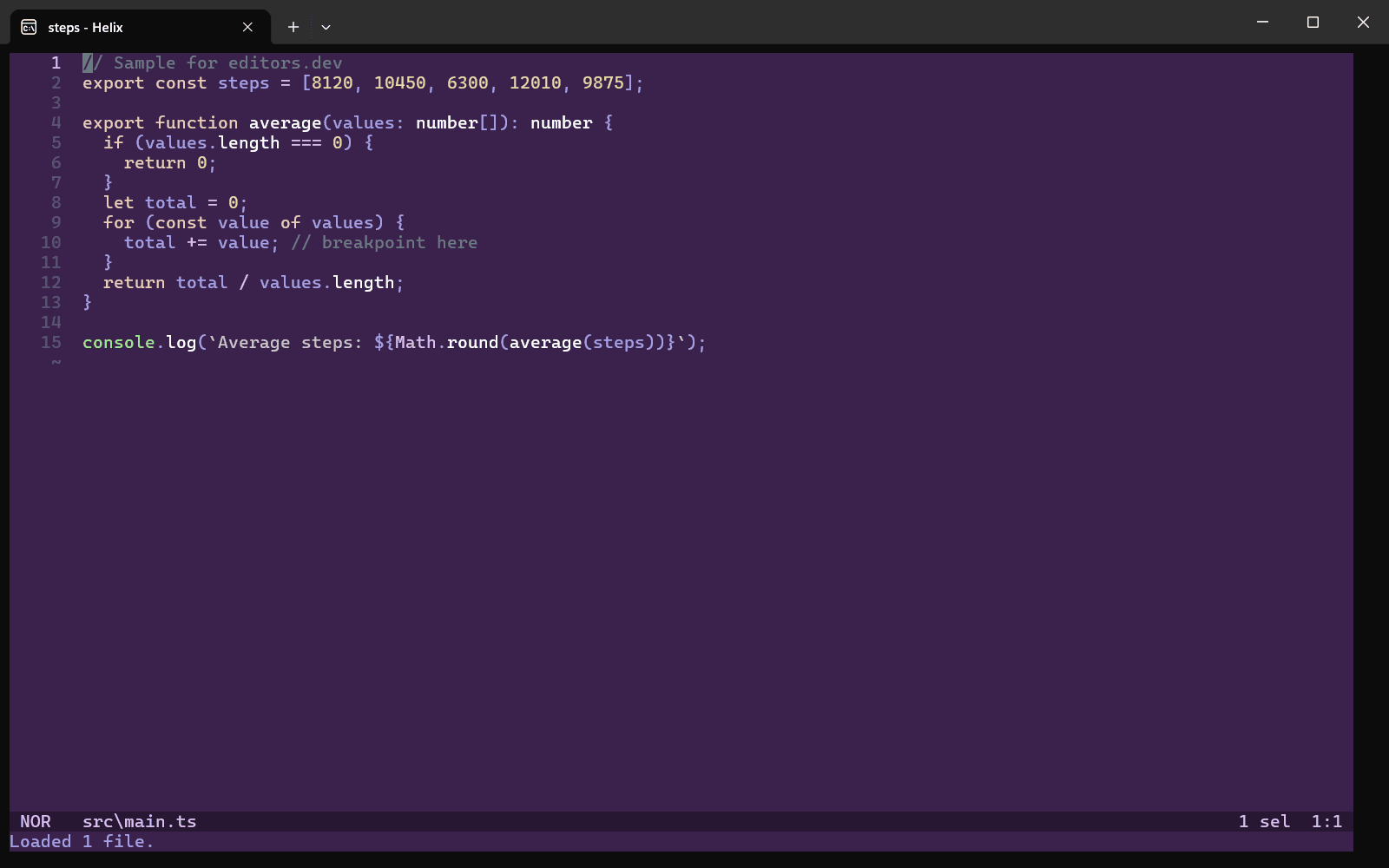
- Helix With metals Completion : Yes Go to definition : Yes Refactoring : Yes Debugging : No Tests : No Formatting : Yes
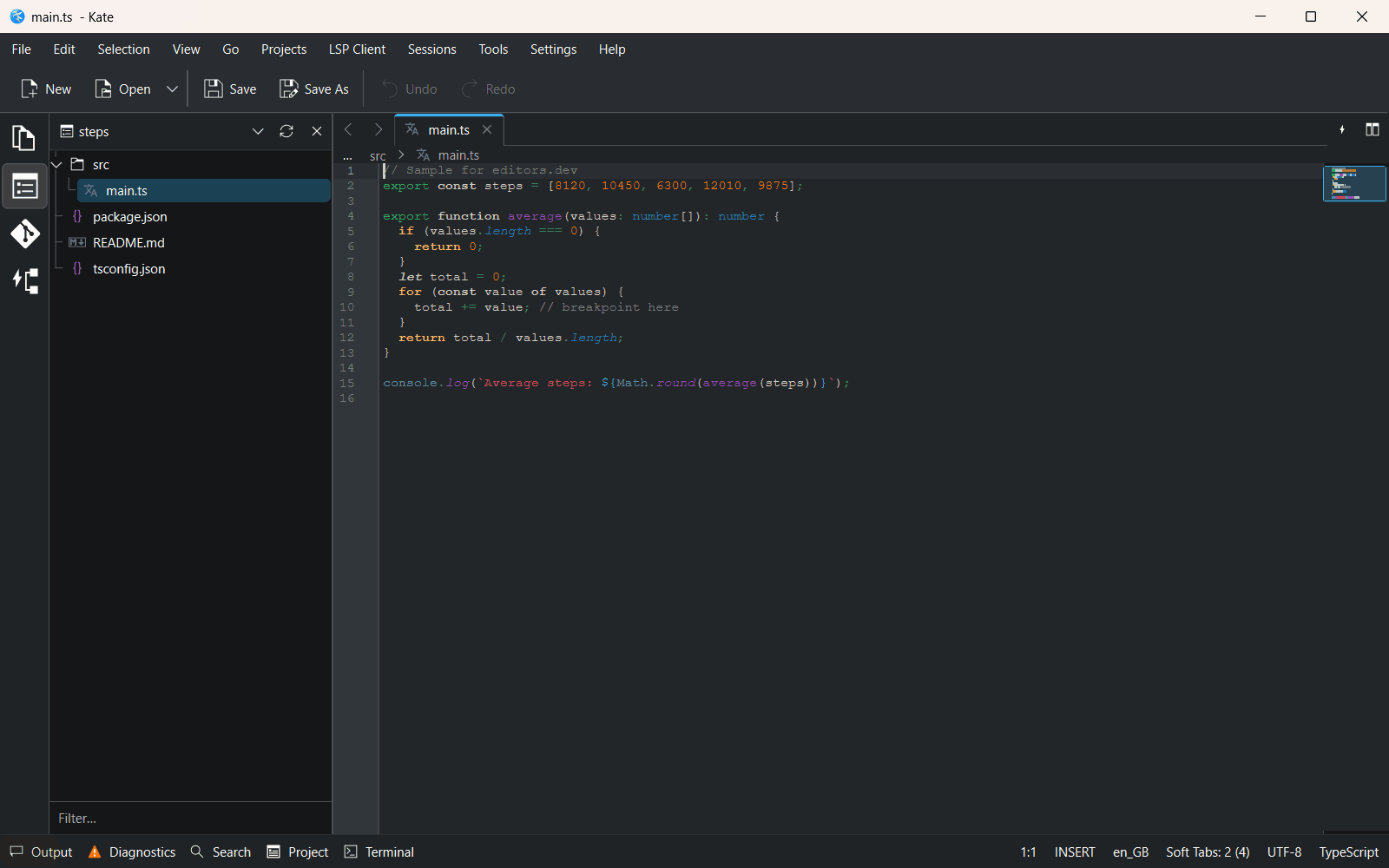
- Kate With LSP Client + Metals Completion : Yes Go to definition : Yes Refactoring : Yes Debugging : No Tests : No Formatting : Yes
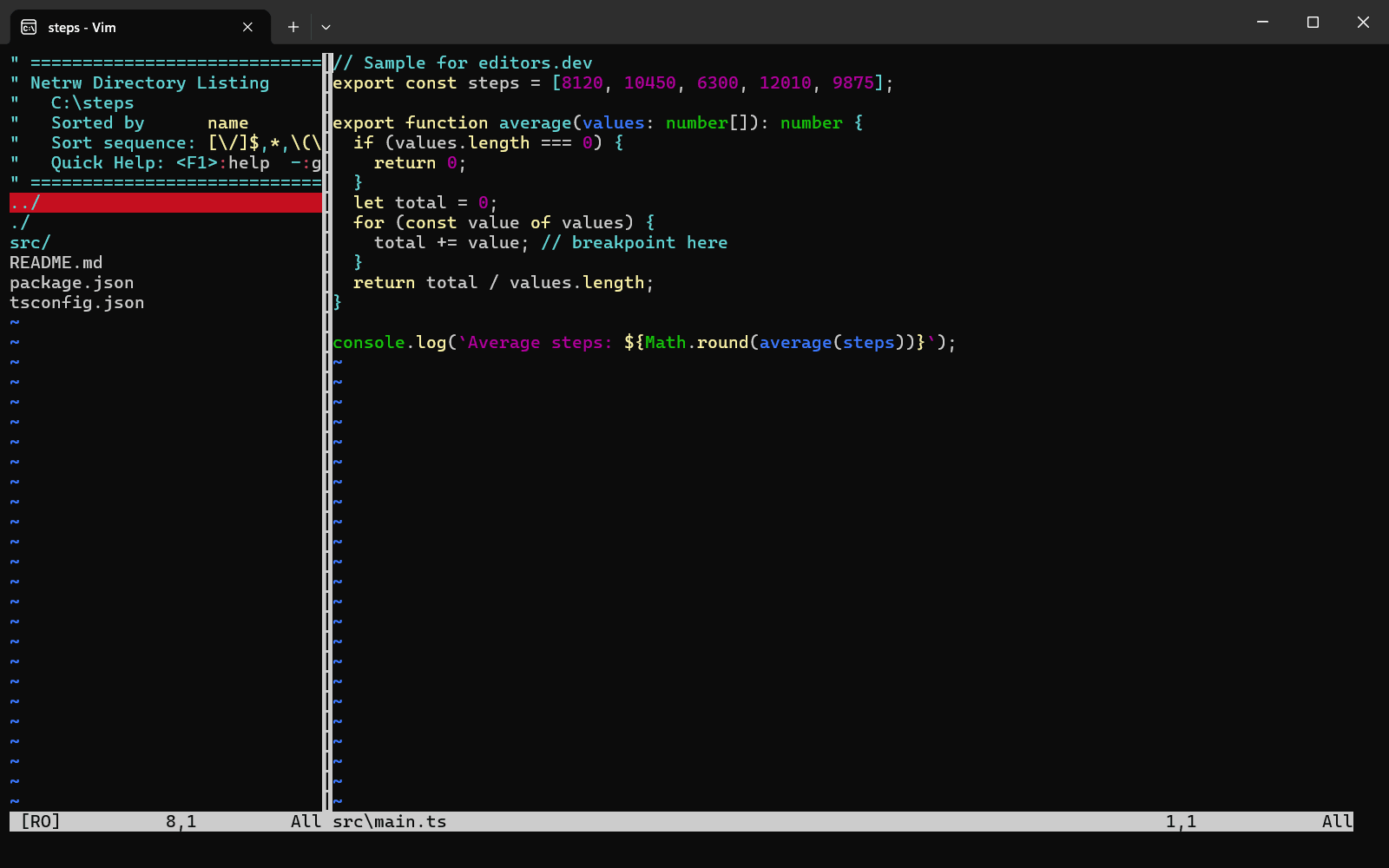
- Vim Completion : No Go to definition : No Refactoring : No Debugging : No Tests : No Formatting : No
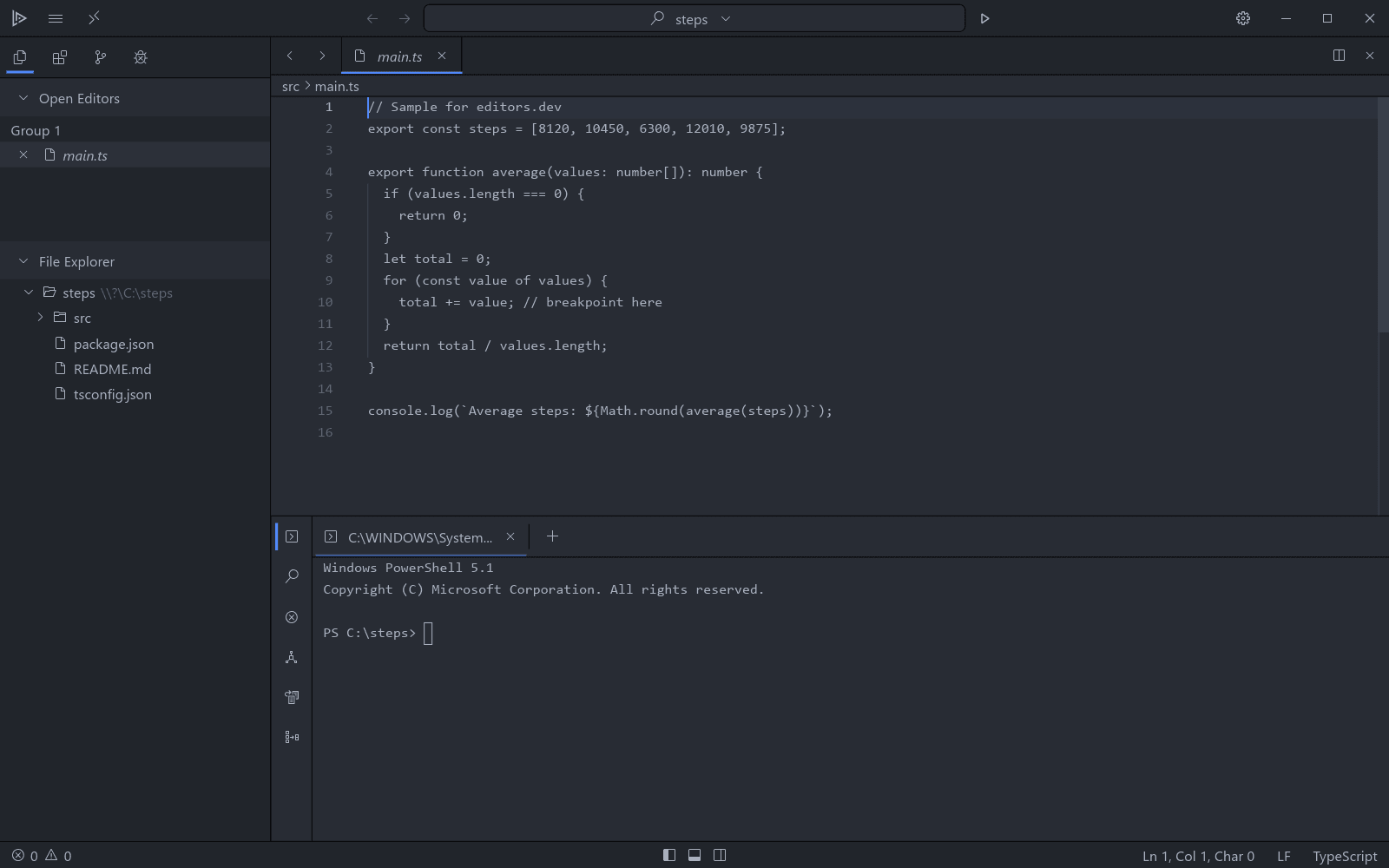
- Lapce Completion : No Go to definition : No Refactoring : No Debugging : No Tests : No Formatting : No
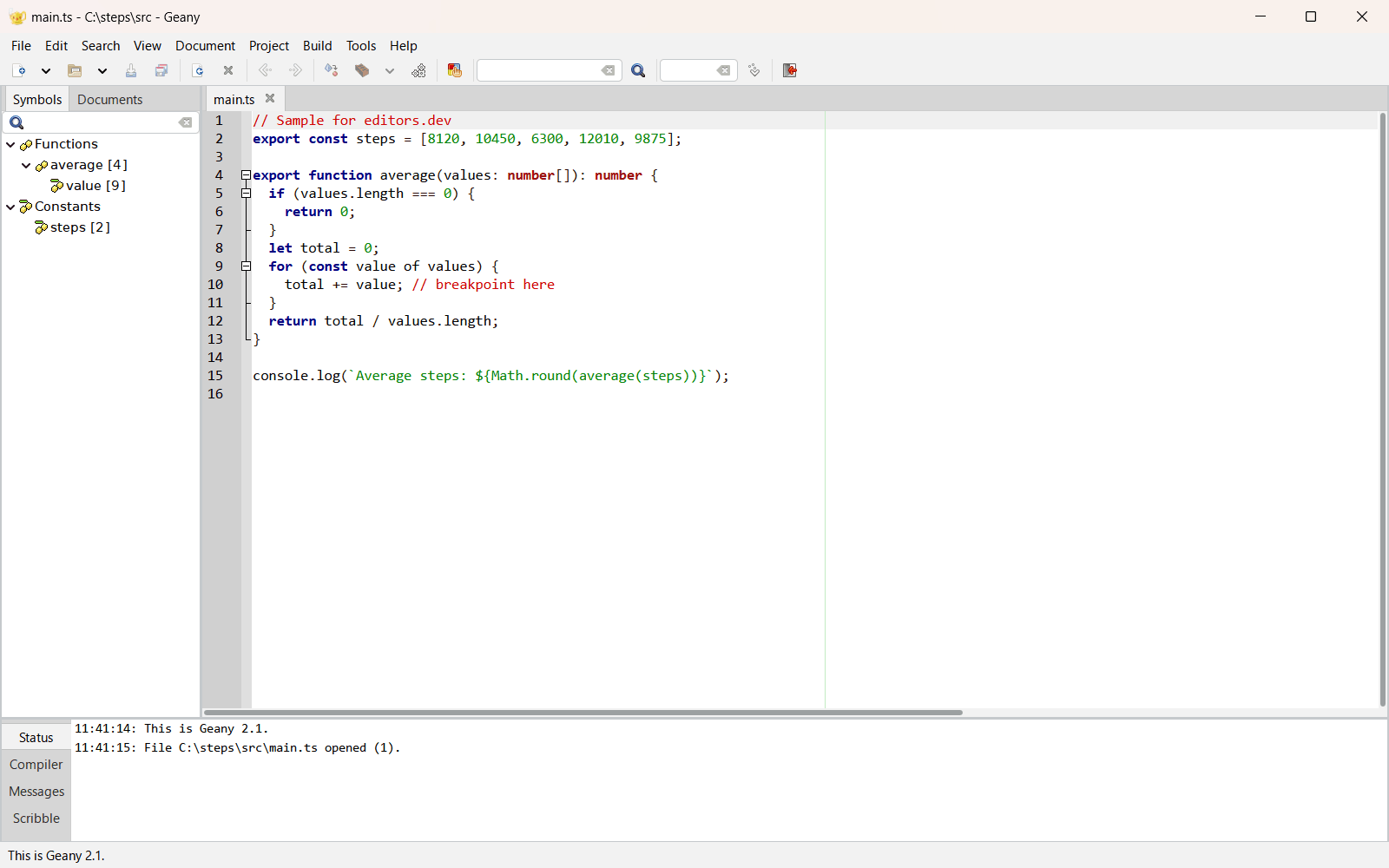
- Geany Completion : No Go to definition : No Refactoring : No Debugging : No Tests : No Formatting : No
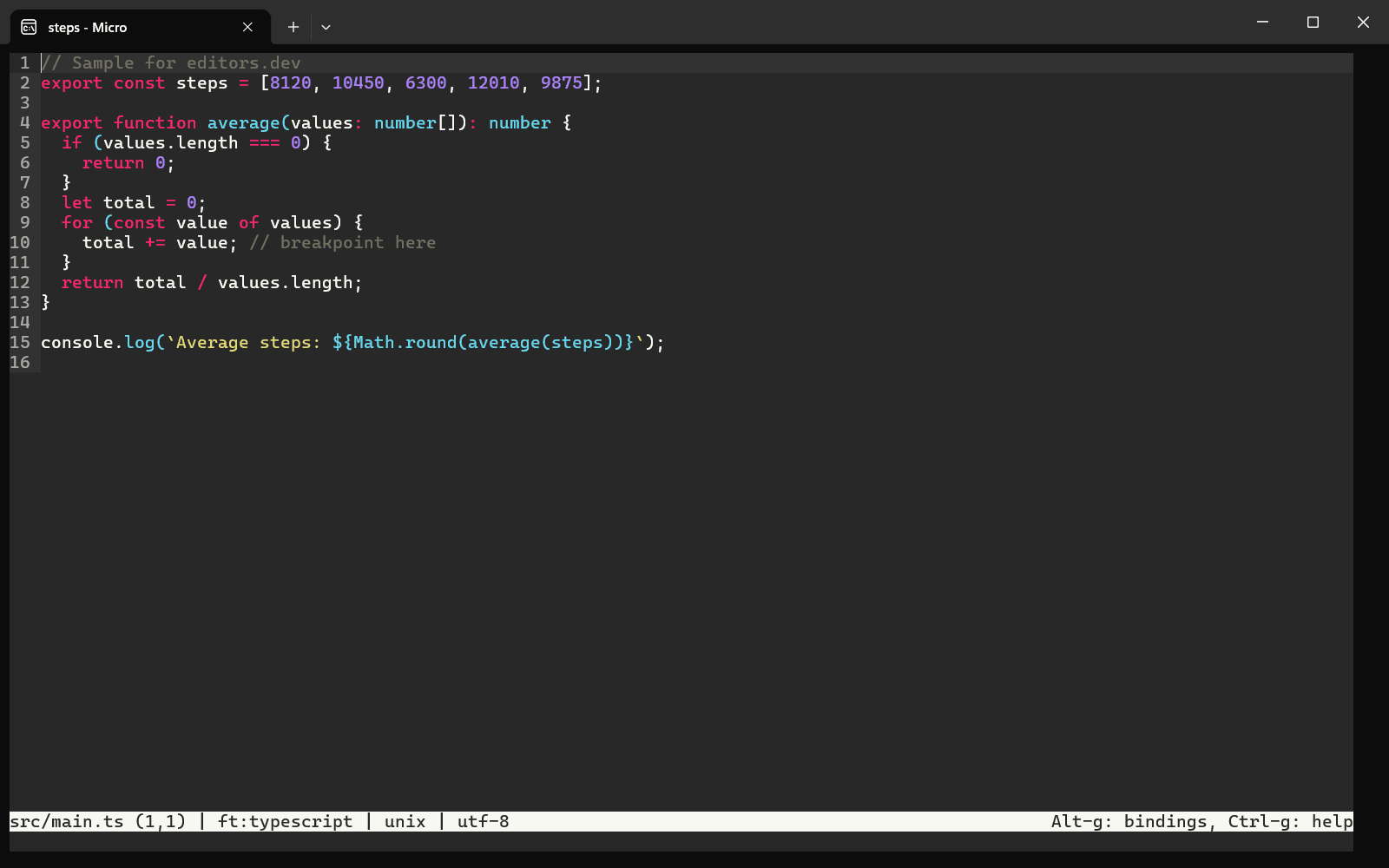
- Micro Completion : No Go to definition : No Refactoring : No Debugging : No Tests : No Formatting : No
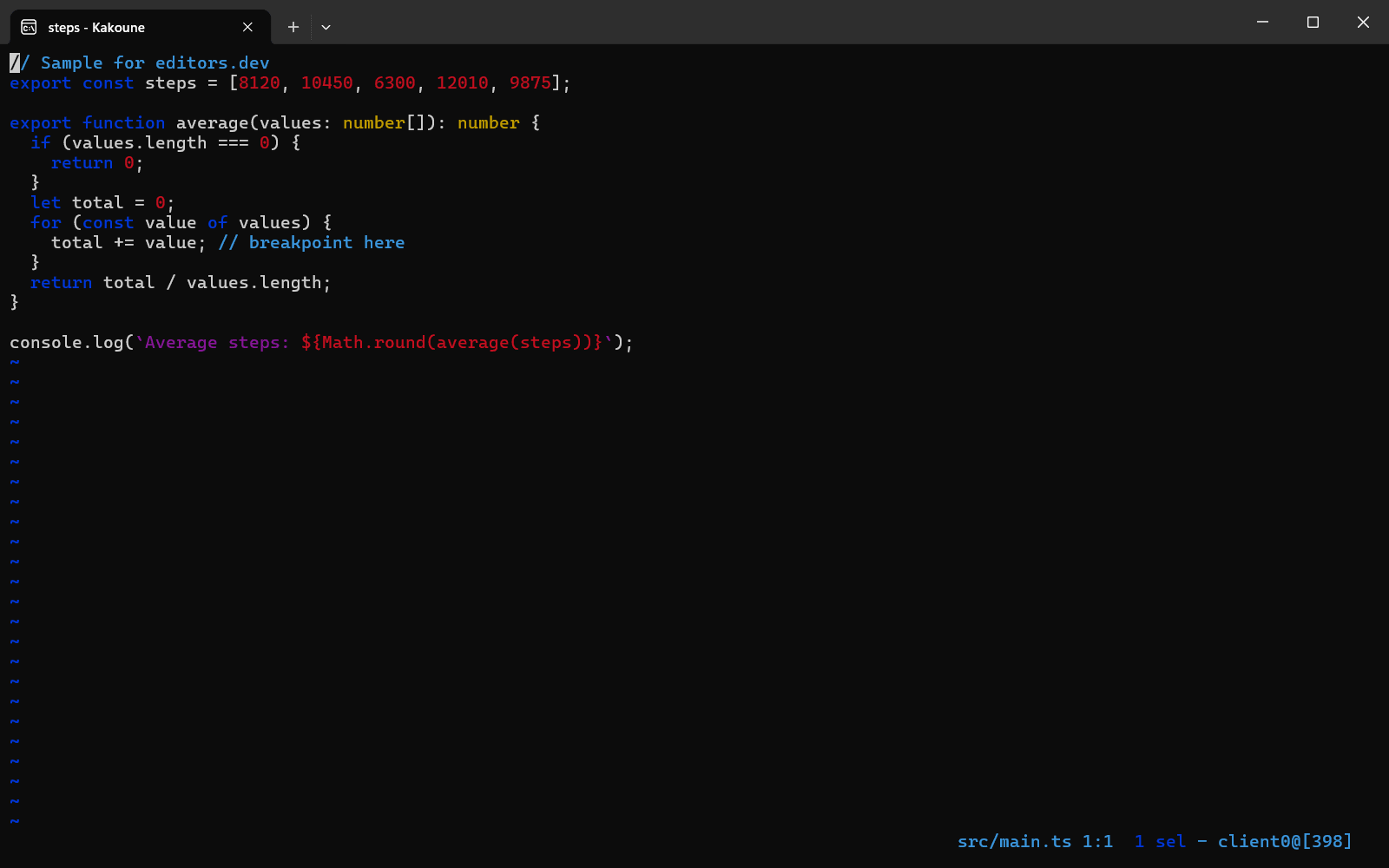
- Kakoune Completion : No Go to definition : No Refactoring : No Debugging : No Tests : No Formatting : No
Official extension 12
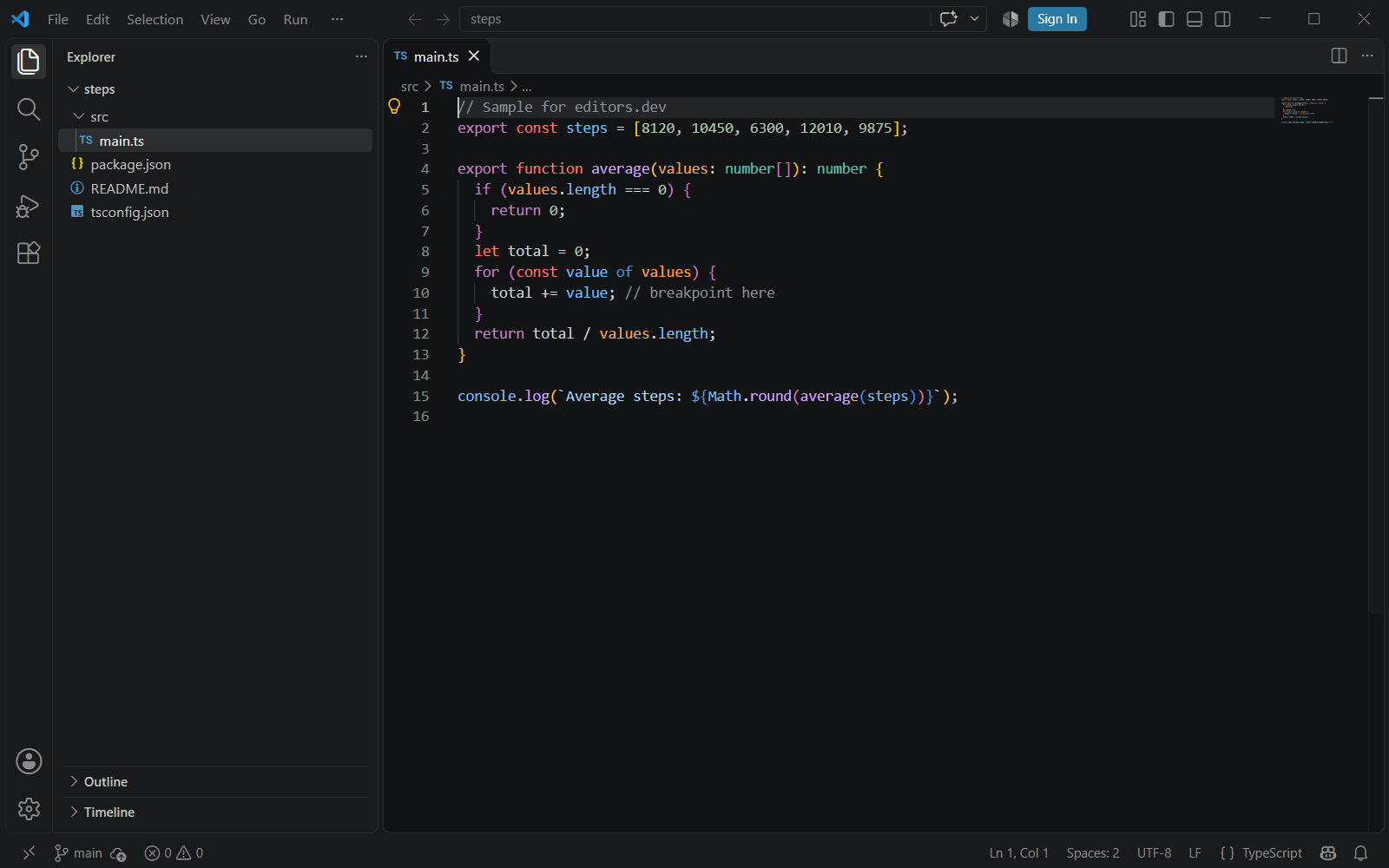
- VS Code With Scala (Metals) Completion : Yes Go to definition : Yes Refactoring : Yes Debugging : Yes Tests : Yes Formatting : Yes
- Cursor With Scala (Metals) Completion : Yes Go to definition : Yes Refactoring : Yes Debugging : Yes Tests : Yes Formatting : Yes
- Devin Desktop With Scala (Metals) Completion : Yes Go to definition : Yes Refactoring : Yes Debugging : Yes Tests : Yes Formatting : Yes
- IntelliJ IDEA With Scala Completion : Yes Go to definition : Yes Refactoring : Yes Debugging : Yes Tests : Yes Formatting : Yes
- Android Studio With Scala (JetBrains) Completion : Yes Go to definition : Yes Refactoring : Yes Debugging : Yes Tests : Yes Formatting : Yes
- Kiro With Scala (Metals) Completion : Yes Go to definition : Yes Refactoring : Yes Debugging : Yes Tests : Yes Formatting : Yes
- Google Antigravity With Scala (Metals) Completion : Yes Go to definition : Yes Refactoring : Yes Debugging : Yes Tests : Yes Formatting : Yes
- TRAE With Scala (Metals) Completion : Yes Go to definition : Yes Refactoring : Yes Debugging : Yes Tests : Yes Formatting : Yes
- VSCodium With Scala (Metals) Completion : Yes Go to definition : Yes Refactoring : Yes Debugging : Yes Tests : Yes Formatting : Yes
- Neovim With nvim-metals (Metals) Completion : Yes Go to definition : Yes Refactoring : Yes Debugging : No Tests : Yes Formatting : Yes
- Zed With Scala (scalameta/metals-zed) Completion : Yes Go to definition : Yes Refactoring : Yes Debugging : No Tests : No Formatting : Yes
- TextMate With Scala bundle Completion : No Go to definition : No Refactoring : No Debugging : No Tests : No Formatting : No
Community extension 15
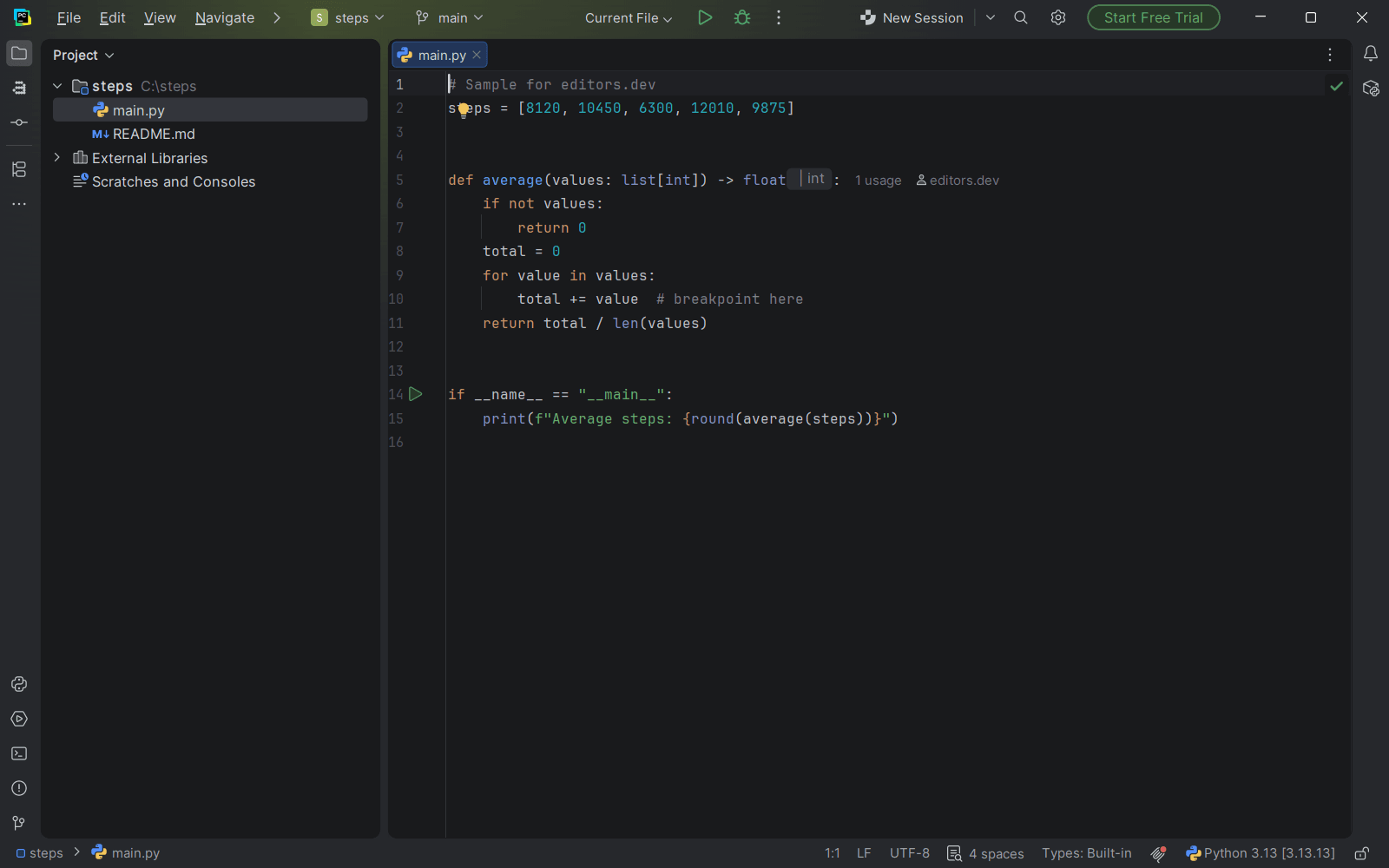
- PhpStorm With LSP4IJ Completion : Yes Go to definition : Yes Refactoring : Yes Debugging : No Tests : No Formatting : Yes
- PyCharm With LSP4IJ Completion : Yes Go to definition : Yes Refactoring : Yes Debugging : No Tests : No Formatting : Yes
- WebStorm With LSP4IJ Completion : Yes Go to definition : Yes Refactoring : Yes Debugging : No Tests : No Formatting : Yes
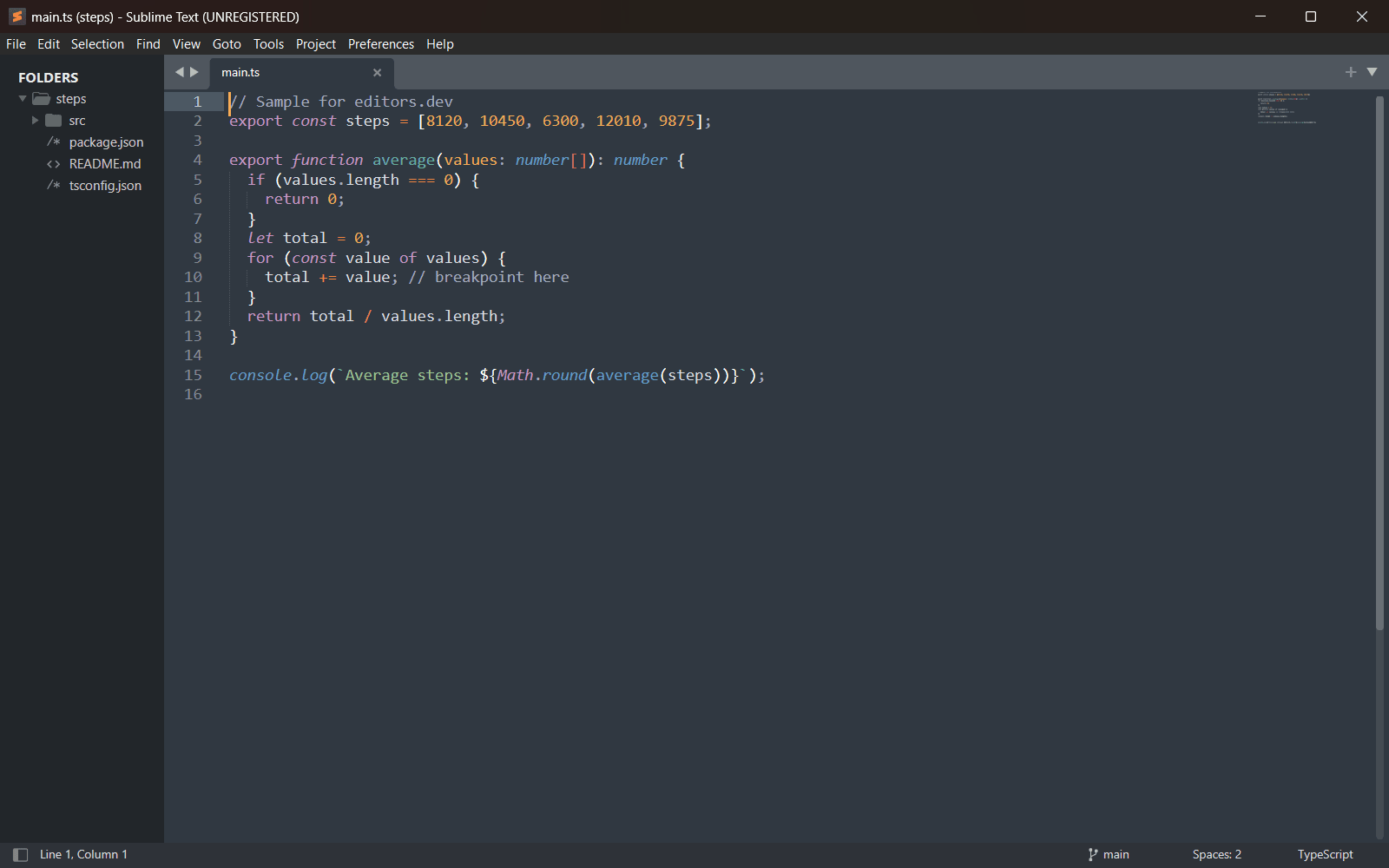
- Sublime Text With LSP + LSP-metals Completion : Yes Go to definition : Yes Refactoring : Yes Debugging : No Tests : No Formatting : Yes
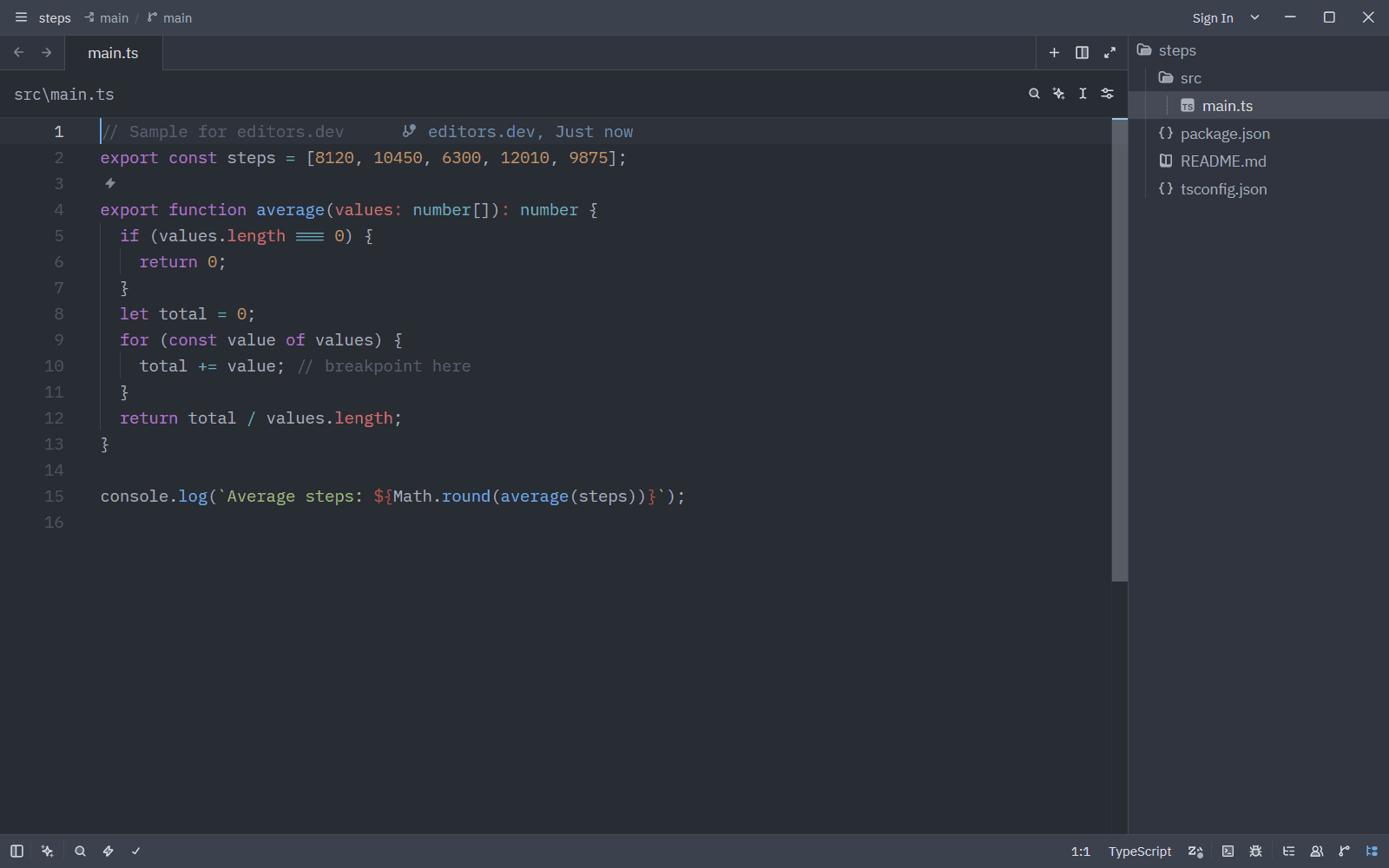
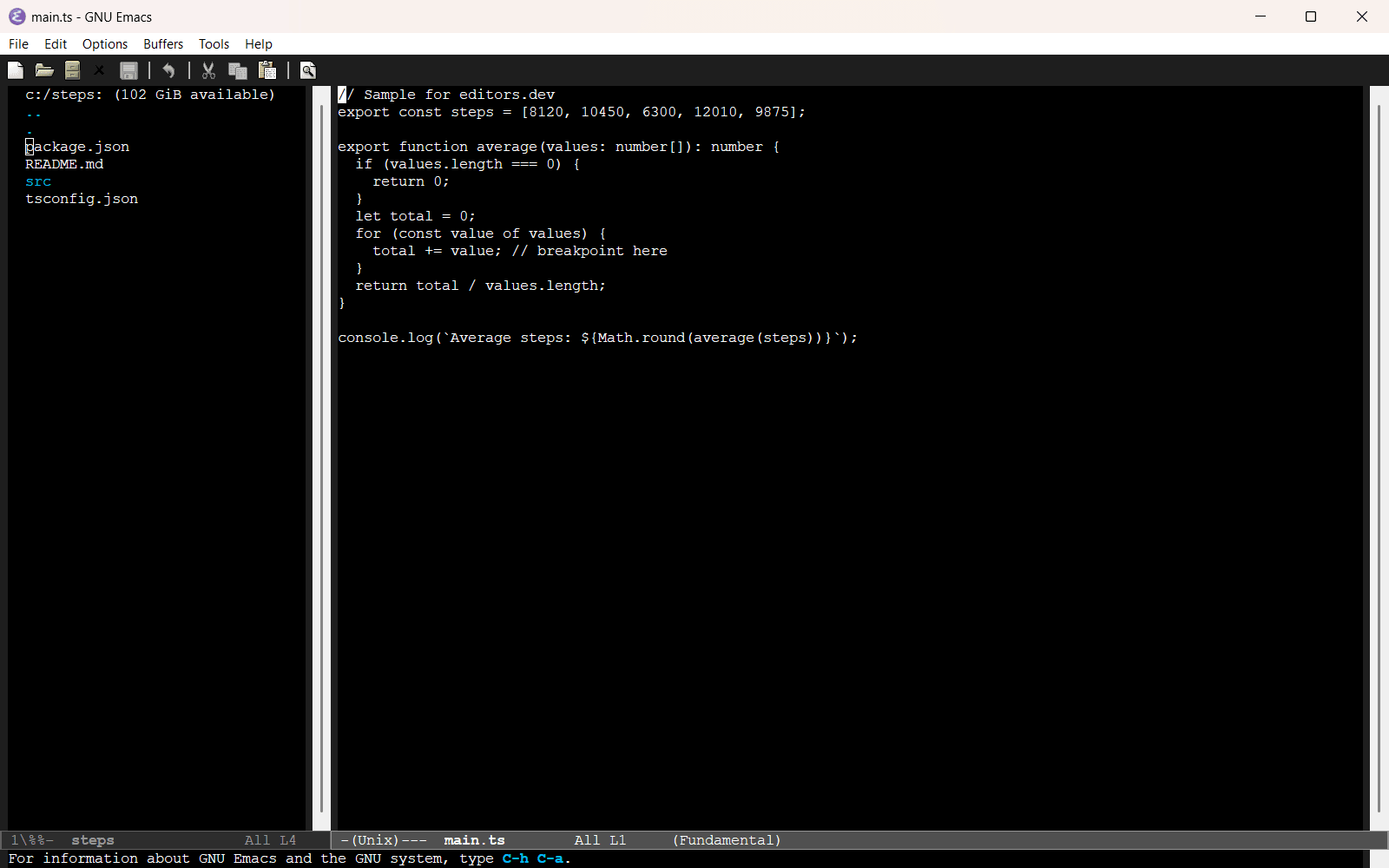
- GNU Emacs With scala-mode + Eglot + Metals Completion : Yes Go to definition : Yes Refactoring : Yes Debugging : No Tests : No Formatting : Yes
- GoLand With LSP4IJ Completion : Yes Go to definition : Yes Refactoring : Yes Debugging : No Tests : No Formatting : Yes
- CLion With LSP4IJ Completion : Yes Go to definition : Yes Refactoring : Yes Debugging : No Tests : No Formatting : Yes
- Rider With LSP4IJ Completion : Yes Go to definition : Yes Refactoring : Yes Debugging : No Tests : No Formatting : Yes
- RustRover With LSP4IJ Completion : Yes Go to definition : Yes Refactoring : Yes Debugging : No Tests : No Formatting : Yes
- RubyMine With LSP4IJ Completion : Yes Go to definition : Yes Refactoring : Yes Debugging : No Tests : No Formatting : Yes
- Nova With Scala extension (Metals) Completion : Yes Go to definition : Yes Refactoring : No Debugging : No Tests : No Formatting : No
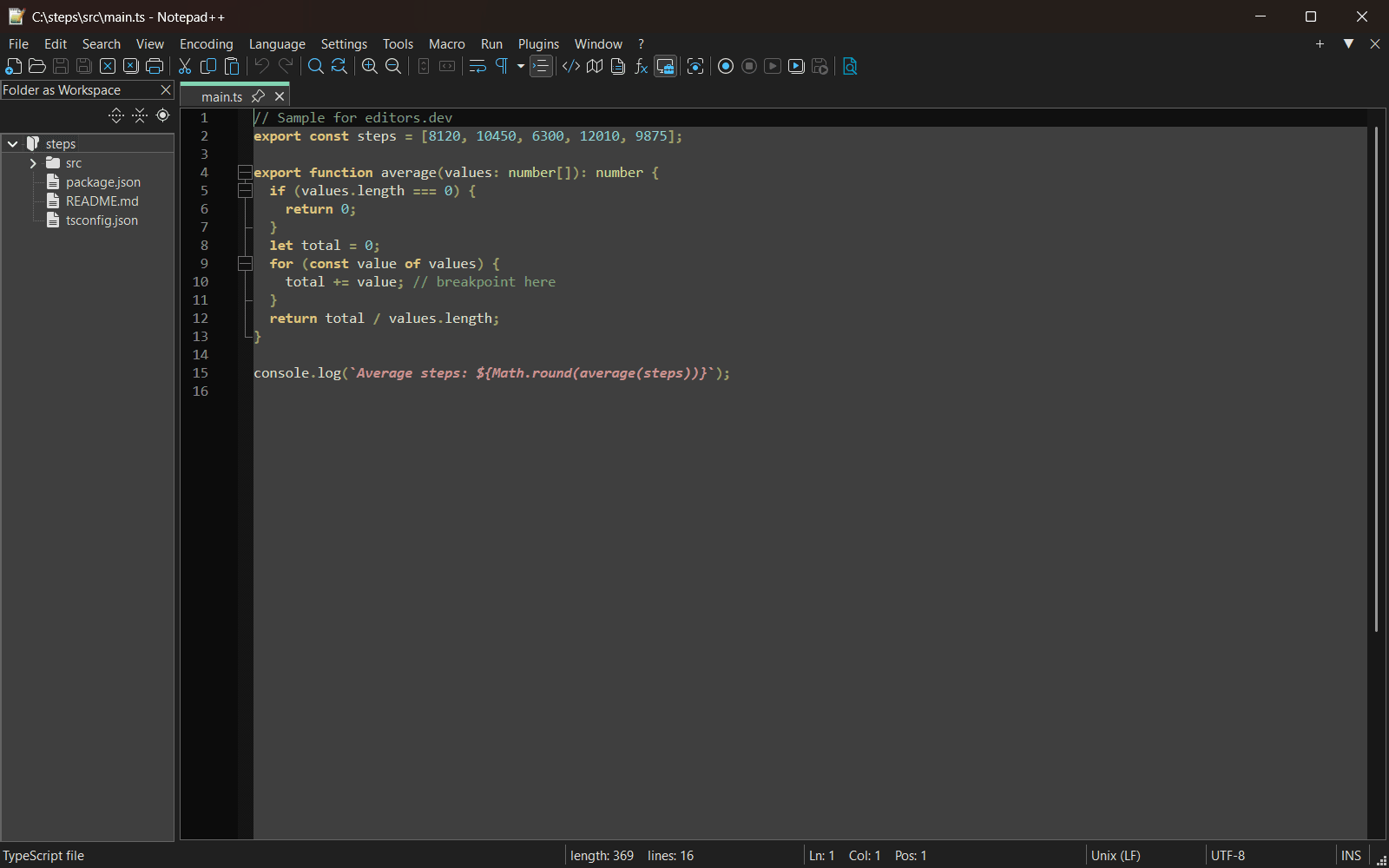
- Notepad++ With Scala UDL (userDefinedLanguages collection) Completion : Yes Go to definition : No Refactoring : No Debugging : No Tests : No Formatting : No
- BBEdit With Scala.plist (codeless language module) Completion : No Go to definition : No Refactoring : No Debugging : No Tests : No Formatting : No
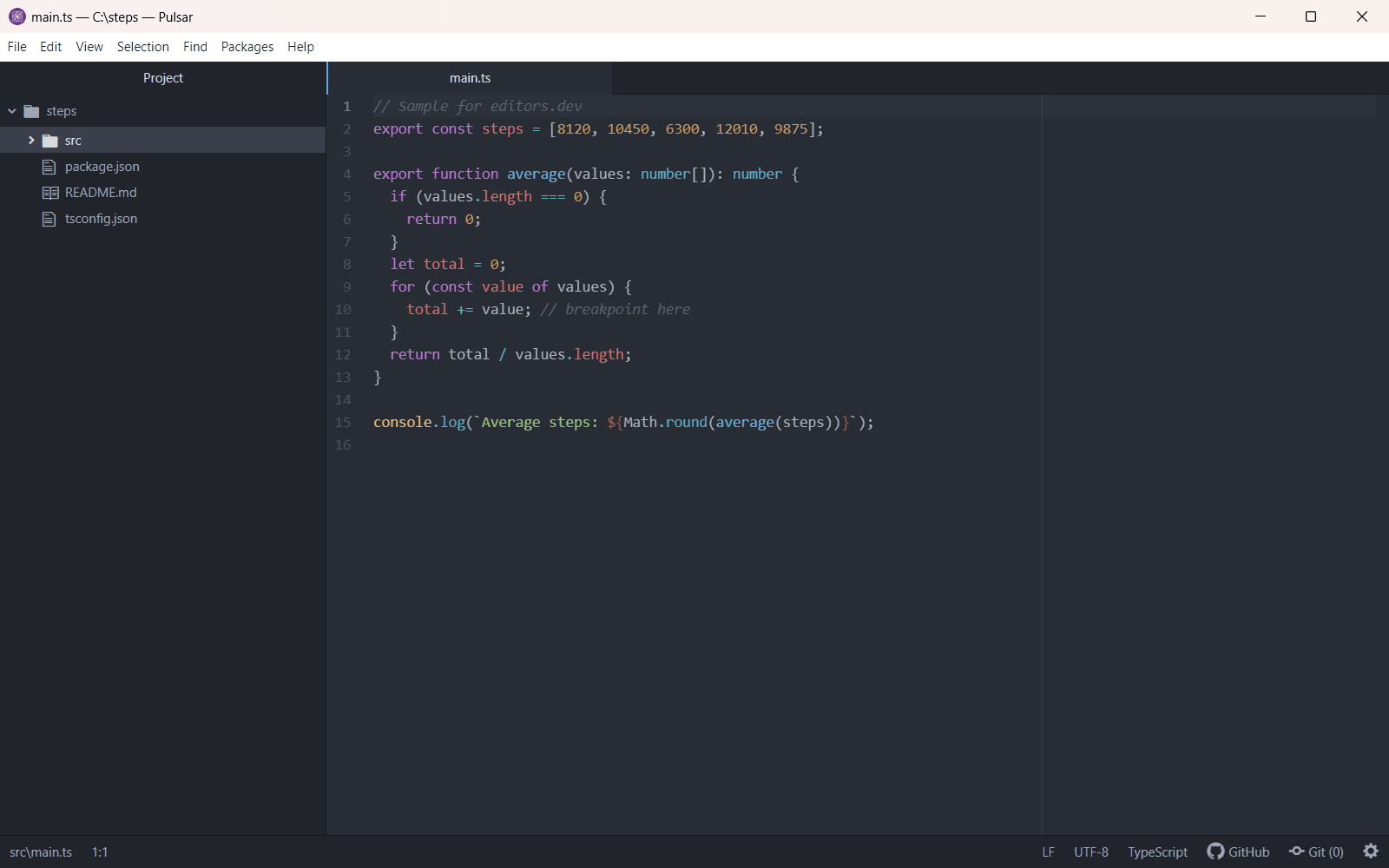
- Pulsar With language-scala Completion : No Go to definition : No Refactoring : No Debugging : No Tests : No Formatting : No
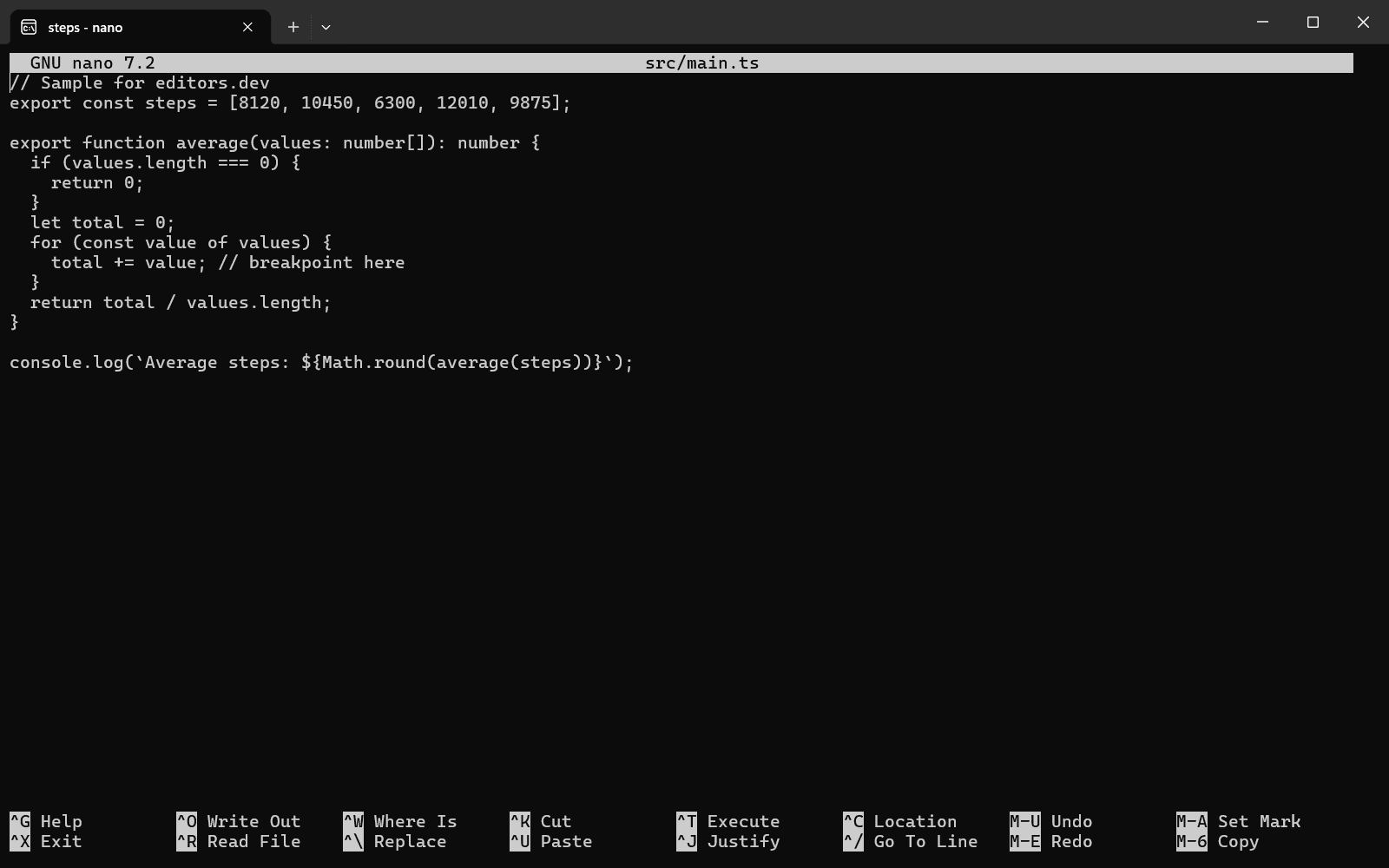
- GNU nano With scala.nanorc (galenguyer/nano-syntax-highlighting) Completion : No Go to definition : No Refactoring : No Debugging : No Tests : No Formatting : No
Today
Scala 3 has two release lines. Scala Next (3.10.1, released 2026-11-11) gets new language features in regular minor releases, with 3.11 expected around March or April 2027. Scala 3.9 LTS (3.9.0, released 2026-09-03) is the baseline for library authors and is promised at least three years of maintenance; the older 3.3 LTS line is maintained for one year after 3.9.0 (3.3.9 came out on 2026-10-28). Scala 2.13 (2.13.18) and 2.12 still receive maintenance releases.
What it is used for
Back-end services, distributed systems and big-data processing; Apache Spark, Apache Kafka (early versions), Akka and the Play Framework are written in Scala.
History
Martin Odersky, who had worked on Java generics and the javac compiler, began designing Scala at EPFL in Lausanne in 2001. The first public release came in January 2004, followed by Scala 2.0 in 2006.
Scala 2.8 (2010) rebuilt the collections library, and the language grew with Twitter, LinkedIn and others adopting it. Typesafe (later Lightbend, now Akka) was founded in 2011 to back Scala commercially, and the Scala Center at EPFL followed in 2016. Apache Spark and Apache Kafka, both originally written largely in Scala, brought it into data engineering.
Scala 3, based on the Dotty compiler and the DOT calculus, was released in May 2021. It cleaned up the syntax, replaced implicits with given/using, and added enums, union types and optional indentation-based syntax. Since 2023 the language follows an LTS-plus-Next model; 3.9 replaced 3.3 as the LTS line in 2026.
Milestone versions
- 20 January 2004 1.0 First public release, running on the JVM.
- March 2006 2.0 A revised language whose compiler was written entirely in Scala.
- 14 July 2010 2.8.0 A redesigned collections library, named and default arguments, and package objects.
- 4 January 2013 2.10.0 String interpolation, value classes, implicit classes, futures and experimental macros.
- 3 November 2016 2.12.0 Targets Java 8 and compiles Scala lambdas to Java 8 lambdas.
- 11 June 2019 2.13.0 A simplified, overhauled collections library.
- 13 May 2021 3.0.0 Scala 3: new compiler, given/using, enums, union and intersection types, optional braces.
- 30 May 2023 3.3.0 The first Long Term Support release of Scala 3.
- 3 September 2026 3.9.0 The new LTS line, replacing 3.3 as the baseline for libraries; into conversions became stable.
- 11 November 2026 3.10.1 Patch release of 3.10, the first Scala Next series after 3.9 LTS.
Sources
Last checked: 20 November 2026