Zig
Zig is a general-purpose systems language and toolchain with manual memory management, no hidden control flow and compile-time code execution. It is used for systems software and as a drop-in C/C++ cross-compiler.
Editors for Zig
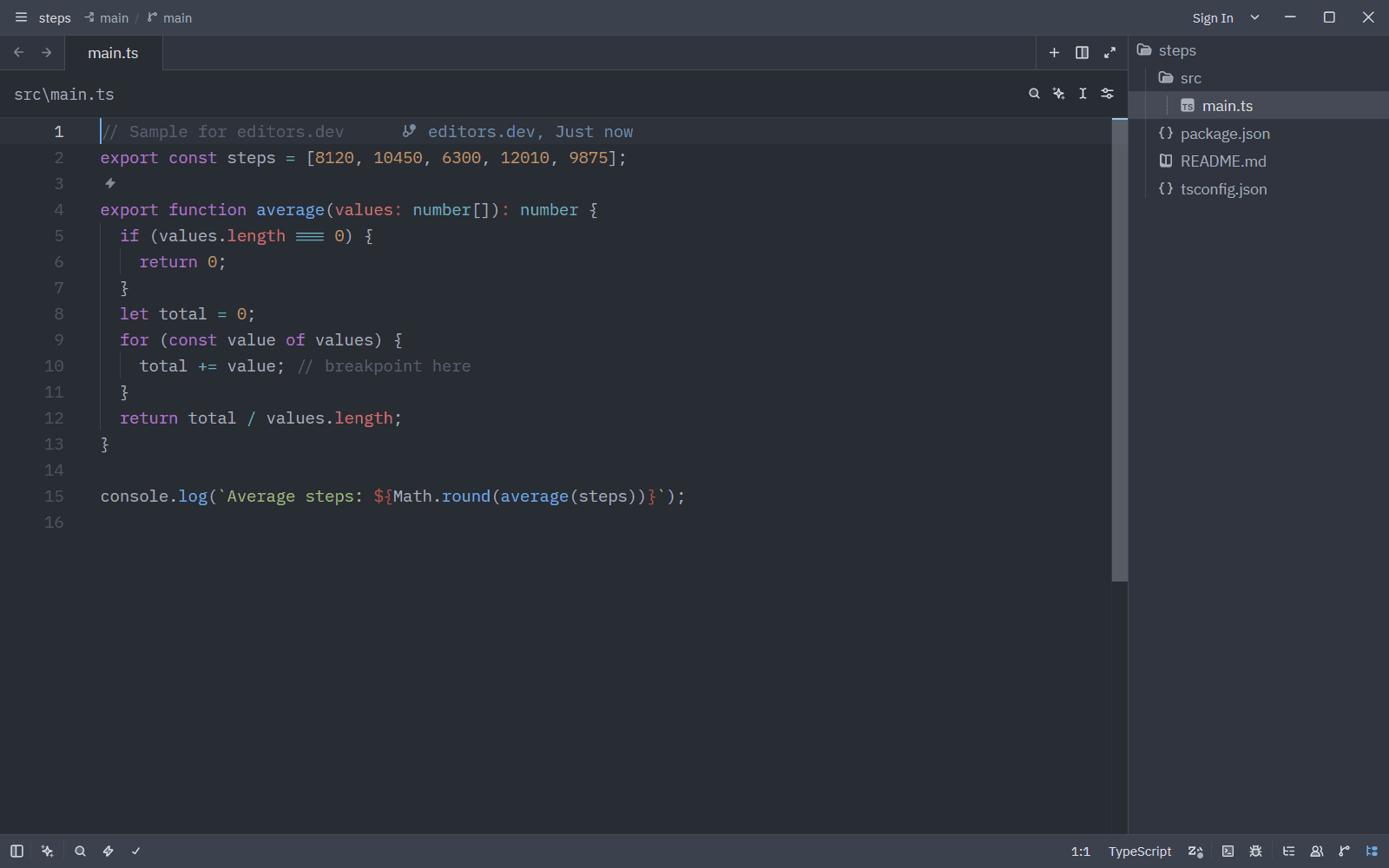
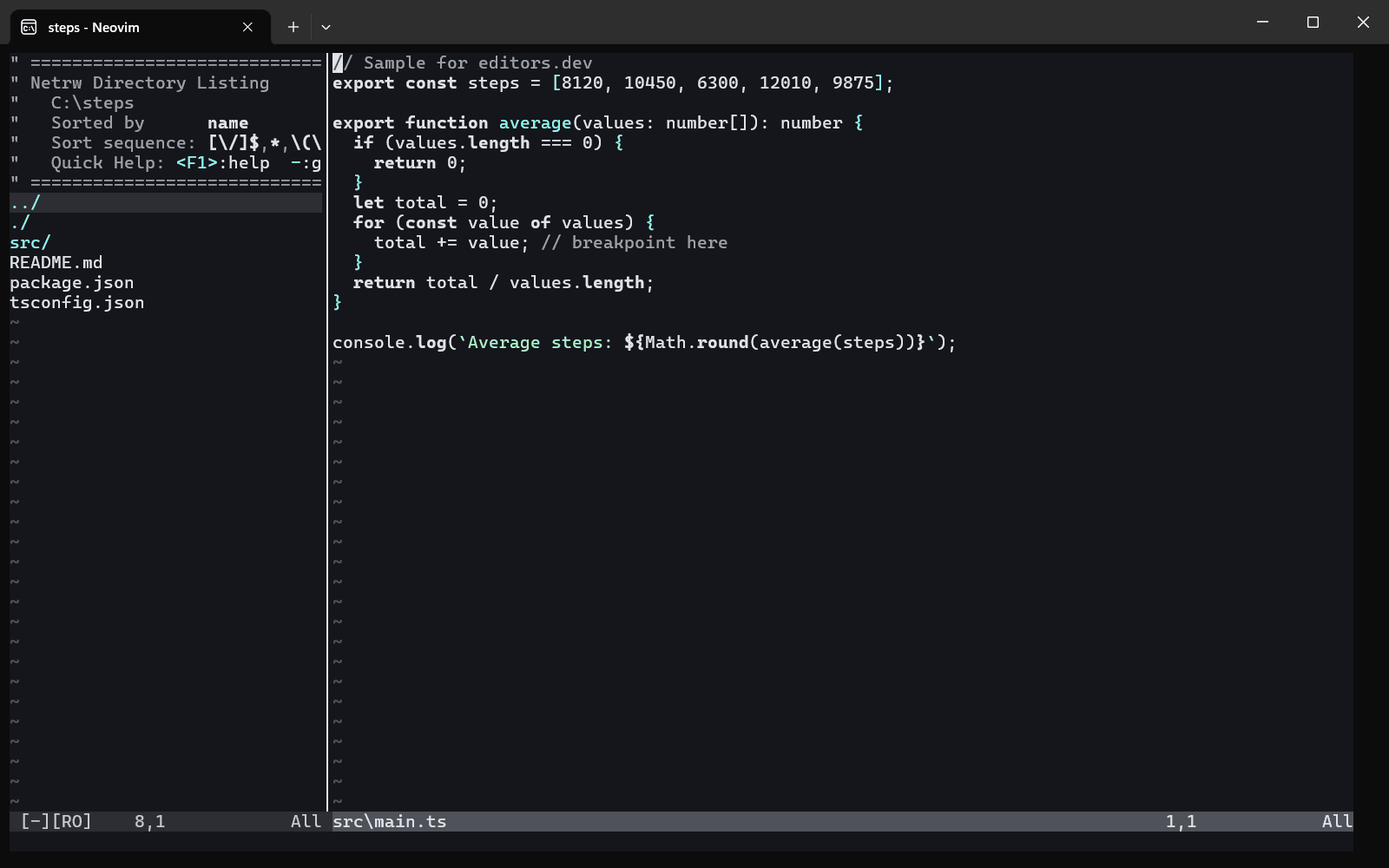
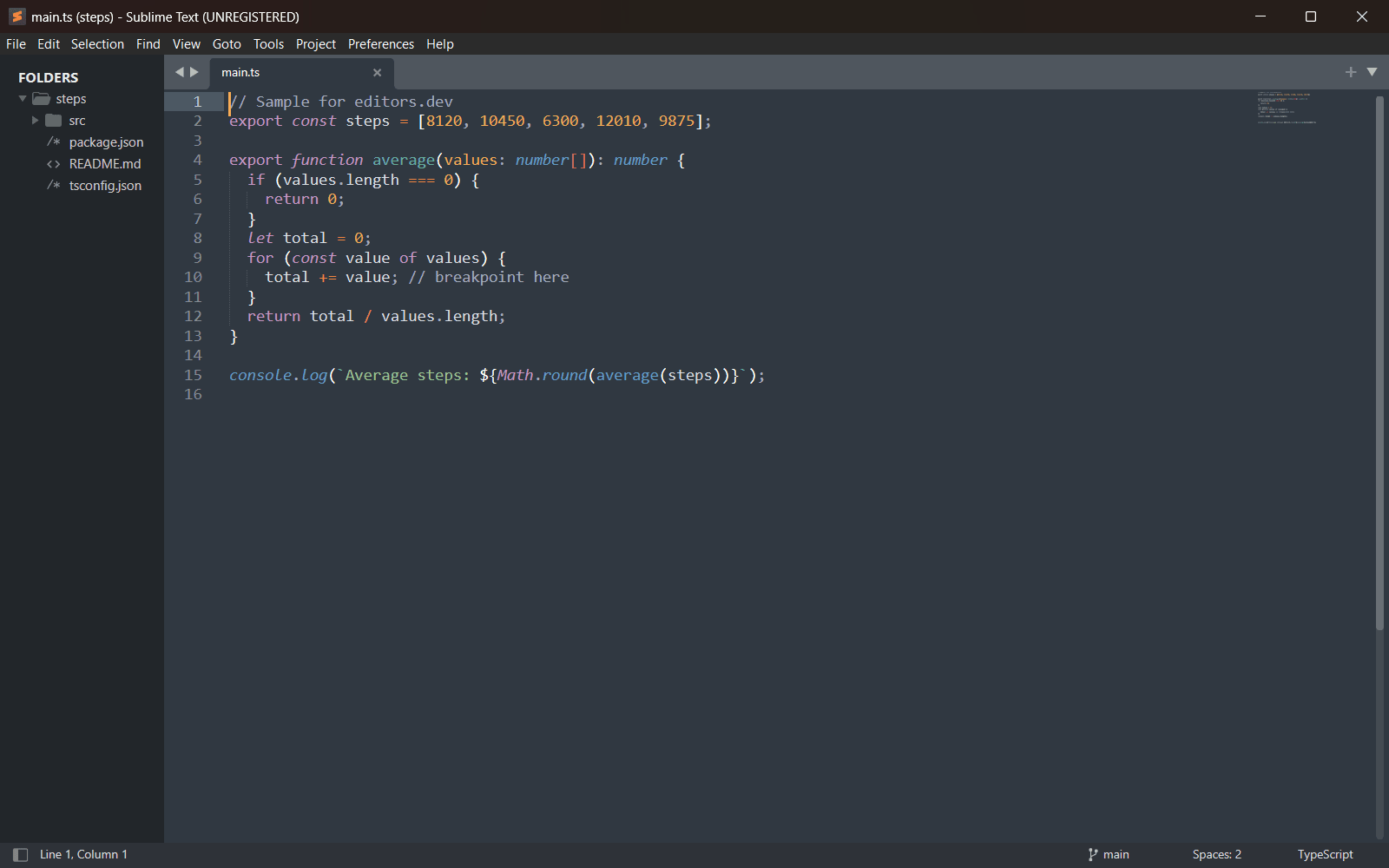
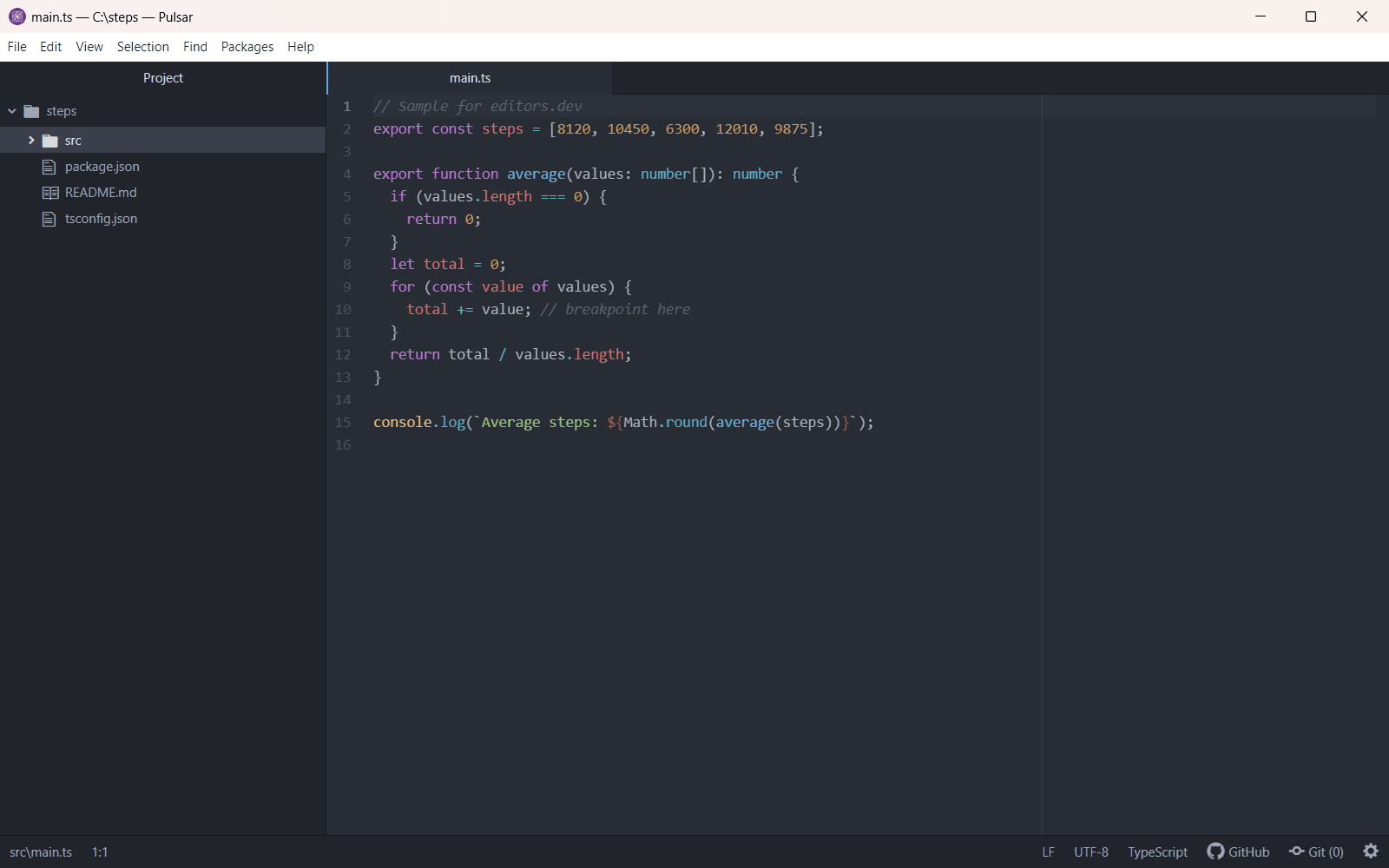
34 editors and IDEs support Zig. Built in first, then official and community extensions. Each row opens the editor at its Zig notes.
Built in 5
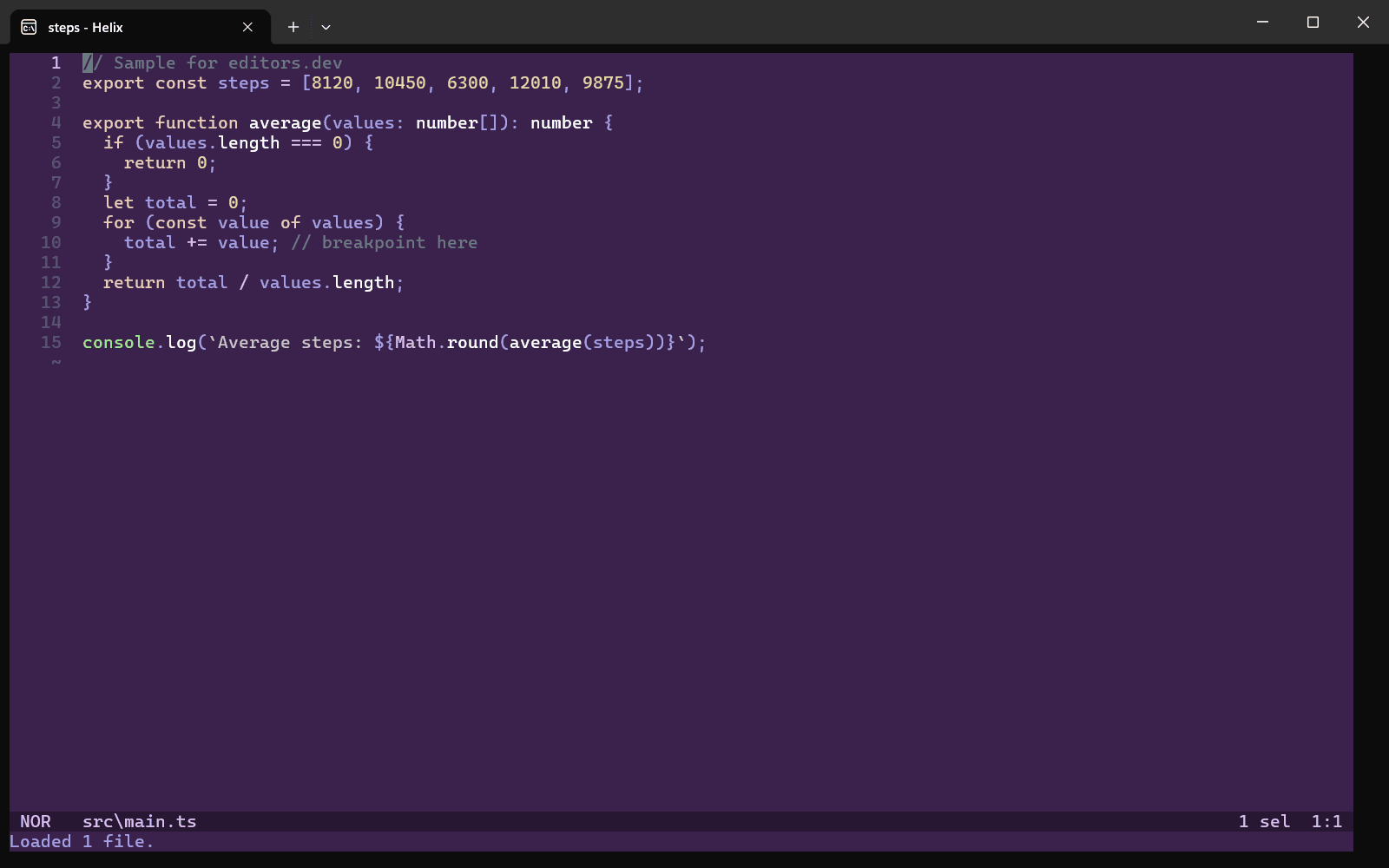
- Helix With zls; lldb-dap Completion : Yes Go to definition : Yes Refactoring : Yes Debugging : Yes Tests : No Formatting : Yes
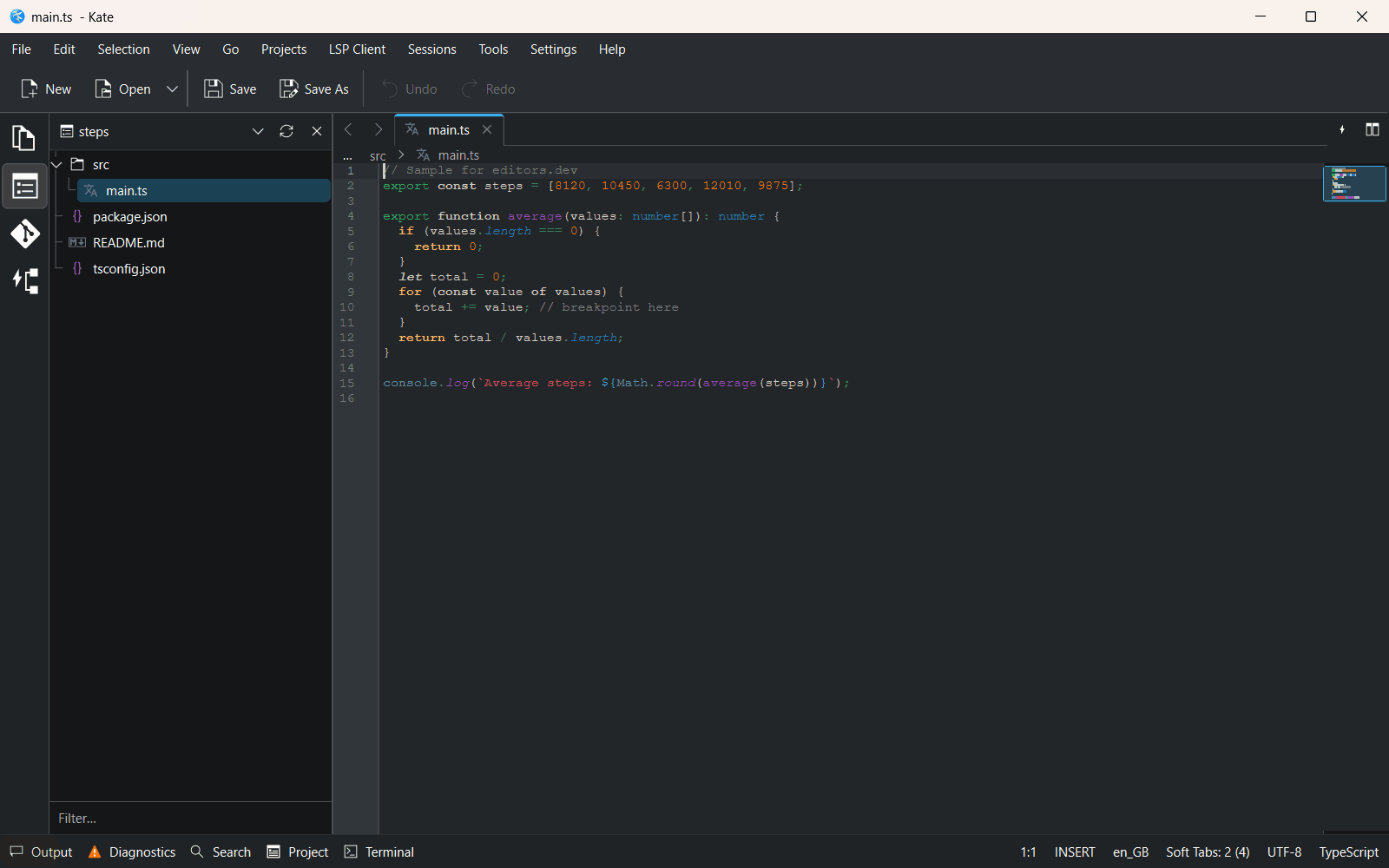
- Kate With LSP Client + zls; Format plugin (zig fmt); debugger (GDB, lldb-dap) Completion : Yes Go to definition : Yes Refactoring : Yes Debugging : Yes Tests : No Formatting : Yes
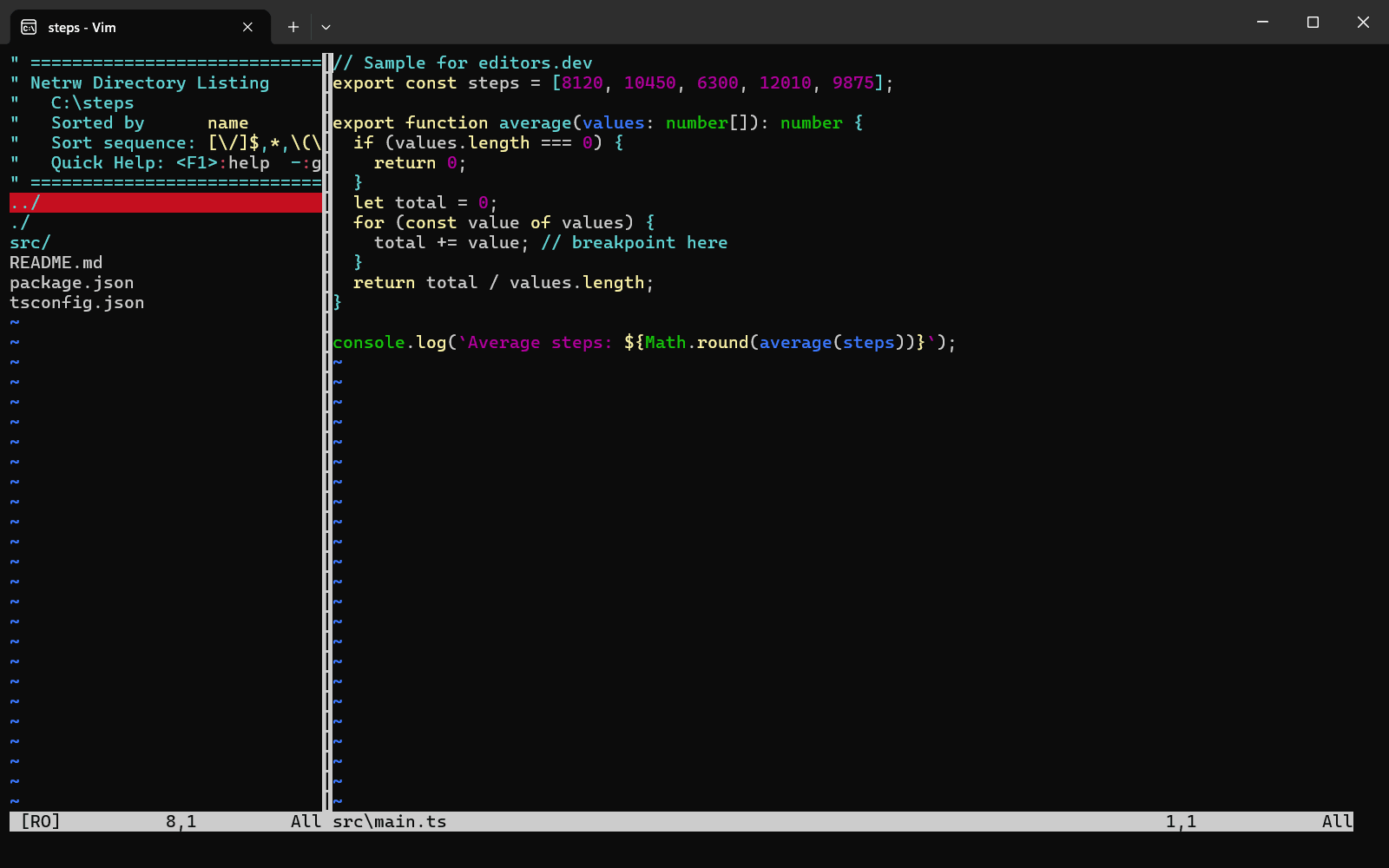
- Vim Completion : No Go to definition : No Refactoring : No Debugging : No Tests : No Formatting : No
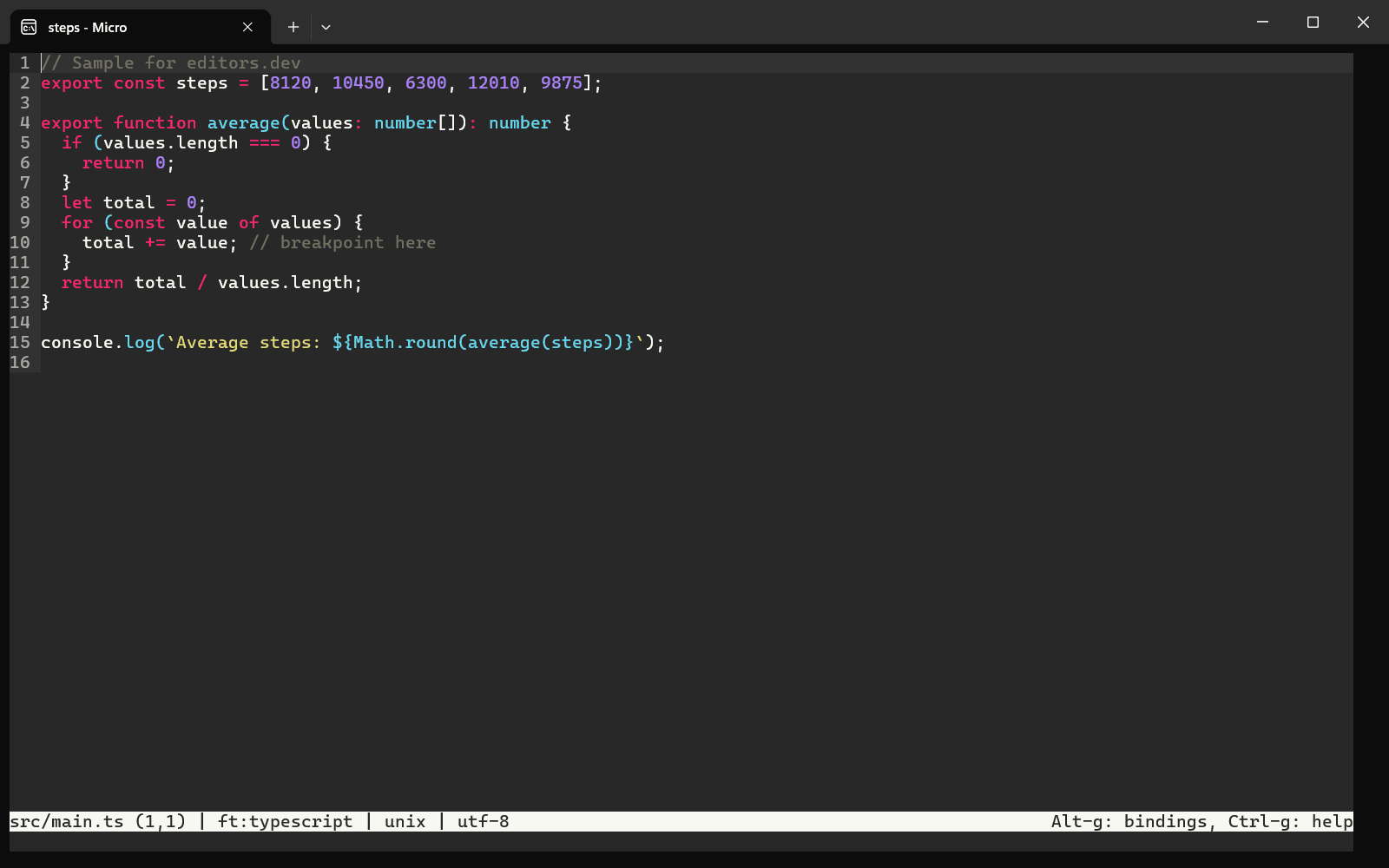
- Micro Completion : No Go to definition : No Refactoring : No Debugging : No Tests : No Formatting : No
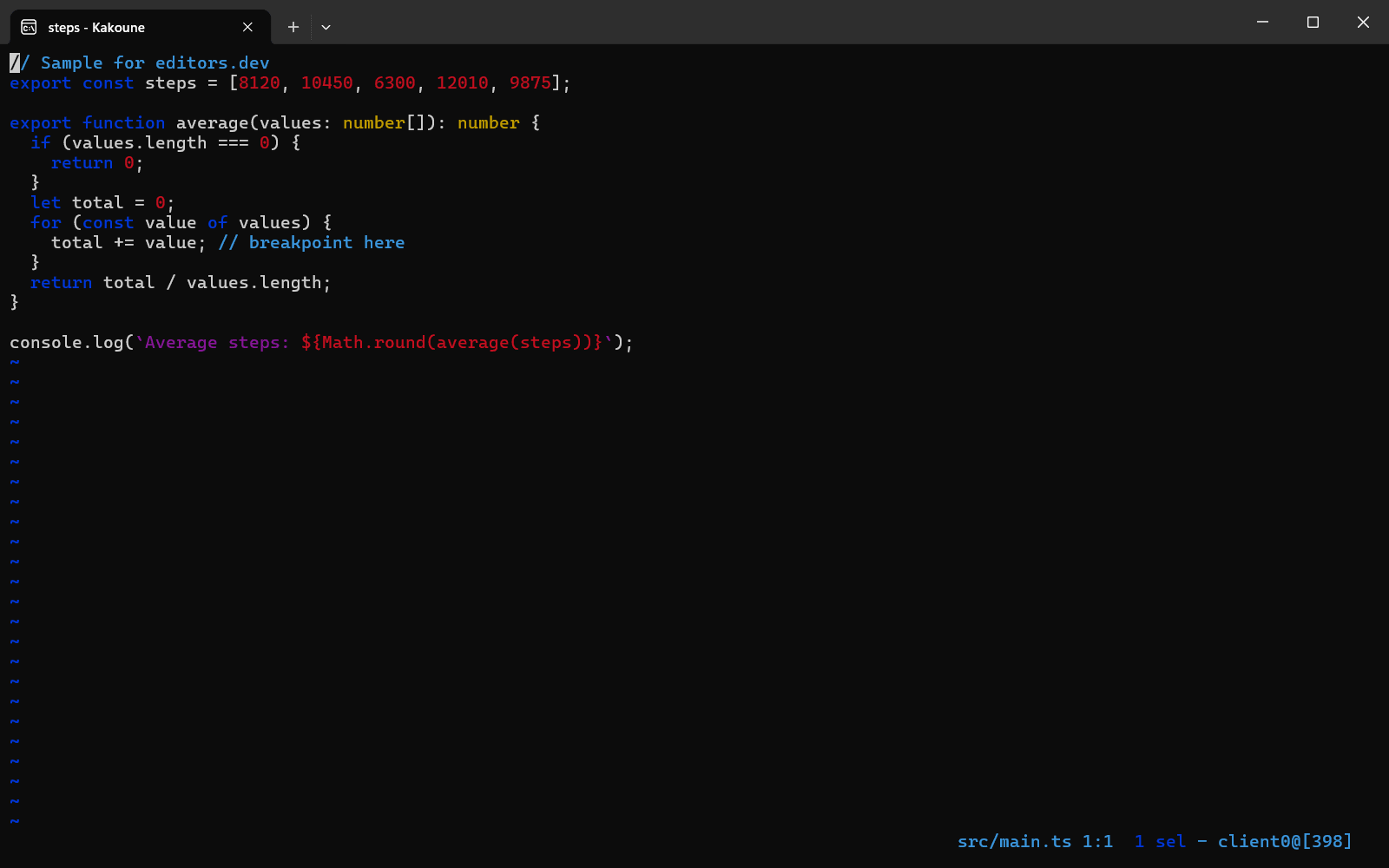
- Kakoune Completion : No Go to definition : No Refactoring : No Debugging : No Tests : No Formatting : No
Official extension 10
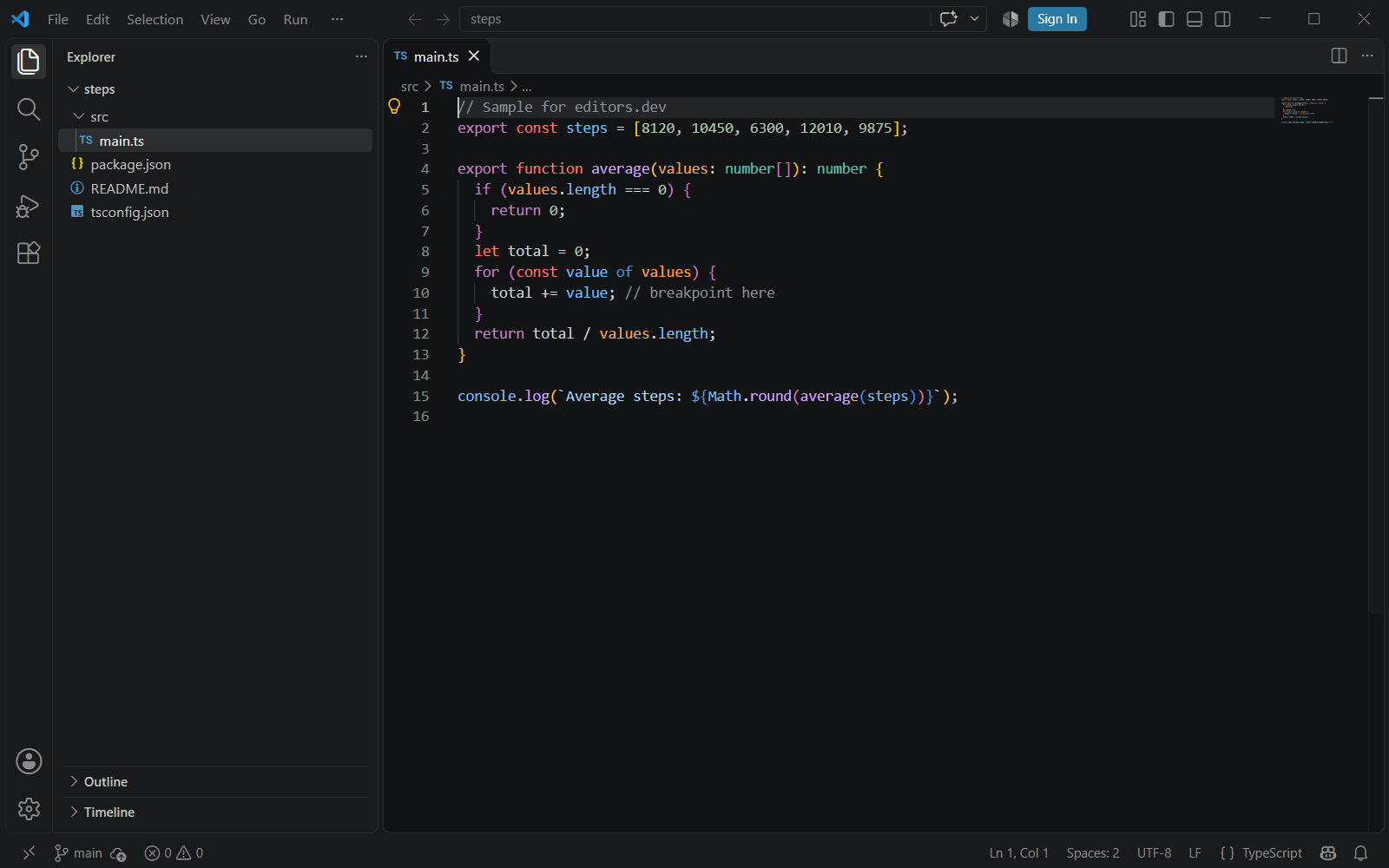
- VS Code With Zig Language Completion : Yes Go to definition : Yes Refactoring : Yes Debugging : Yes Tests : Yes Formatting : Yes
- Cursor With Zig Language Completion : Yes Go to definition : Yes Refactoring : Yes Debugging : Yes Tests : Yes Formatting : Yes
- Devin Desktop With Zig Language Completion : Yes Go to definition : Yes Refactoring : Yes Debugging : No Tests : No Formatting : Yes
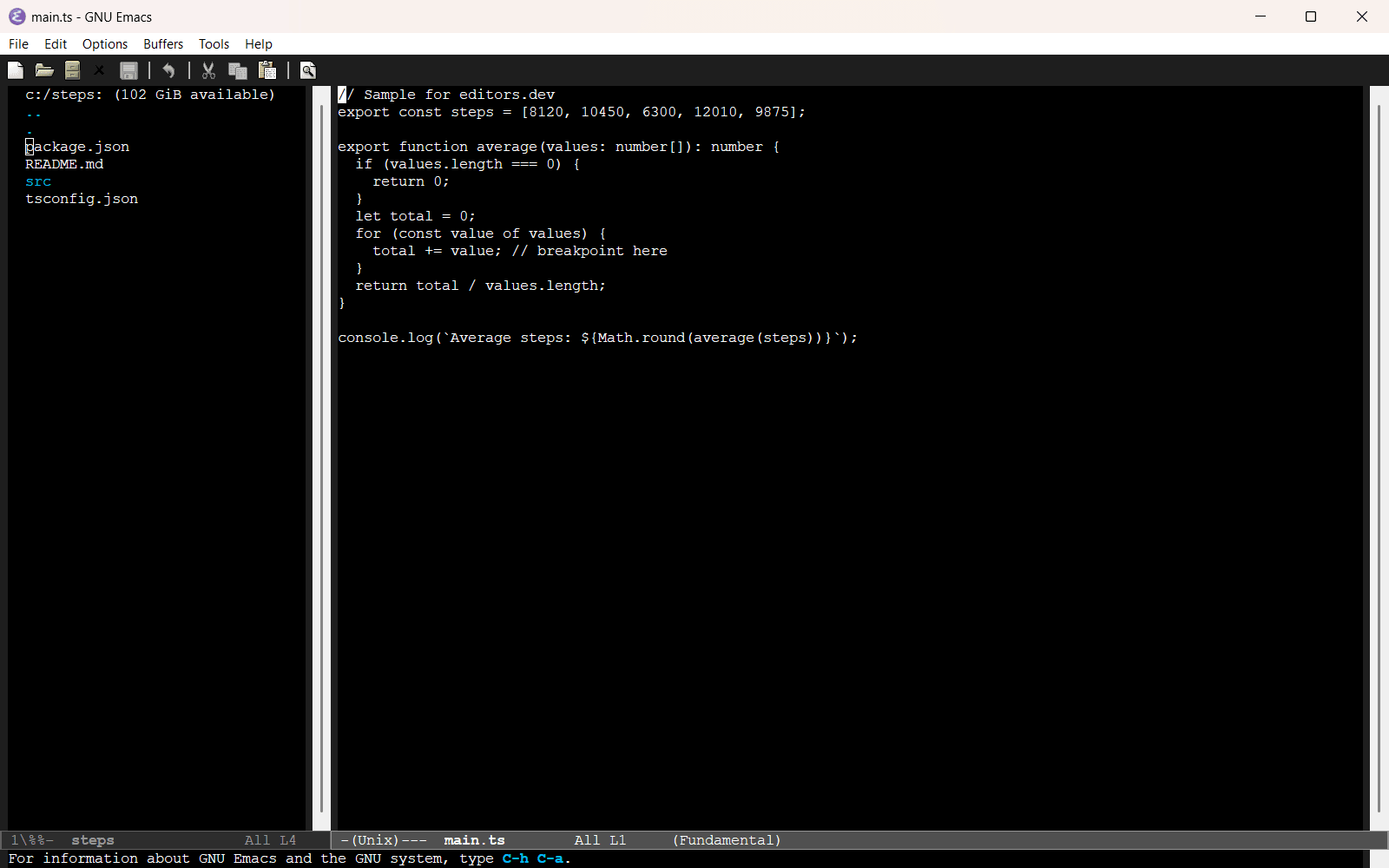
- GNU Emacs With zig-mode + Eglot + zls Completion : Yes Go to definition : Yes Refactoring : Yes Debugging : No Tests : No Formatting : Yes
- Kiro With Zig Language Completion : Yes Go to definition : Yes Refactoring : Yes Debugging : No Tests : No Formatting : Yes
- Google Antigravity With Zig Language Completion : Yes Go to definition : Yes Refactoring : Yes Debugging : No Tests : No Formatting : Yes
- TRAE With Zig Language Completion : Yes Go to definition : Yes Refactoring : Yes Debugging : No Tests : No Formatting : Yes
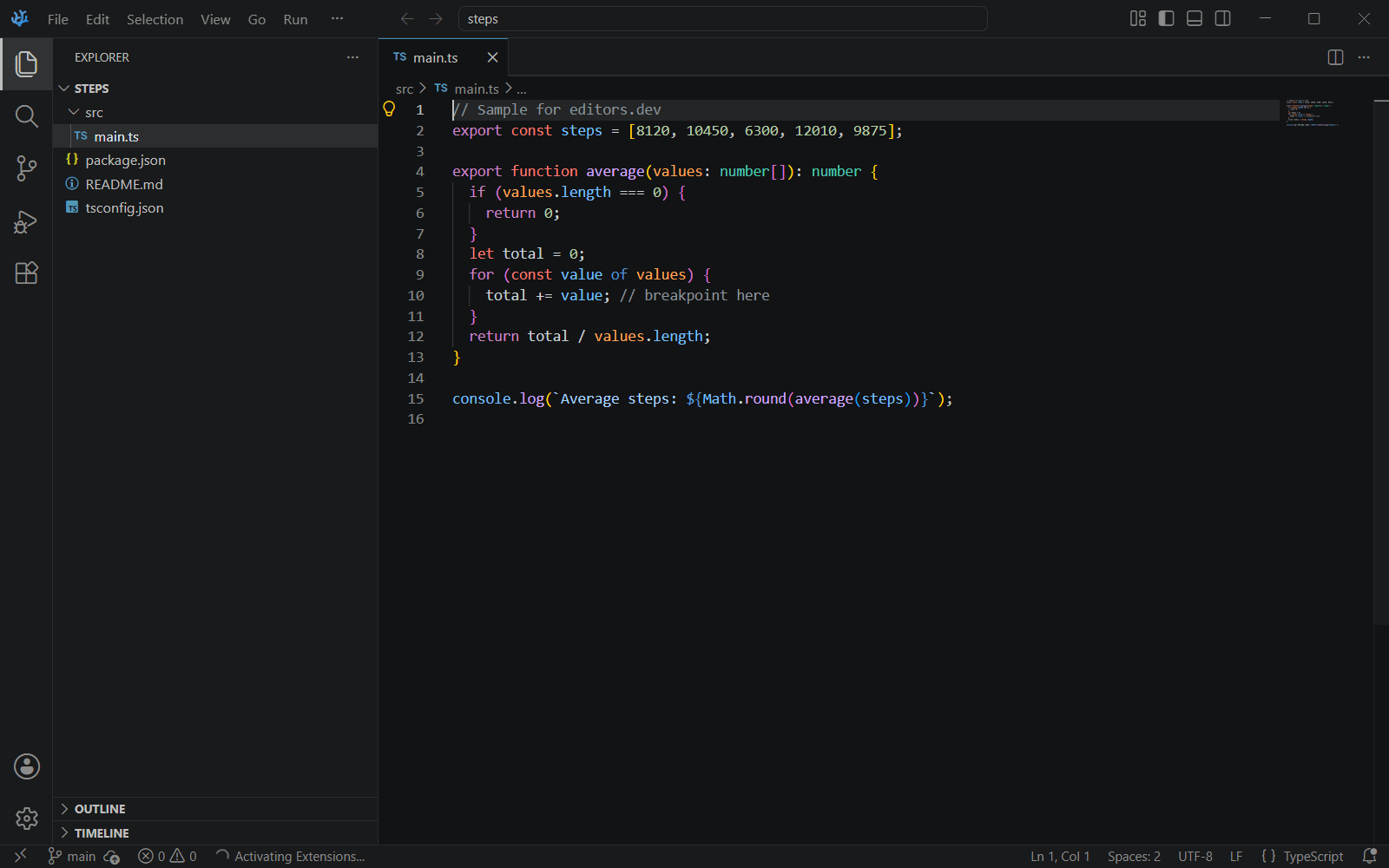
- VSCodium With Zig Language Completion : Yes Go to definition : Yes Refactoring : Yes Debugging : No Tests : No Formatting : Yes
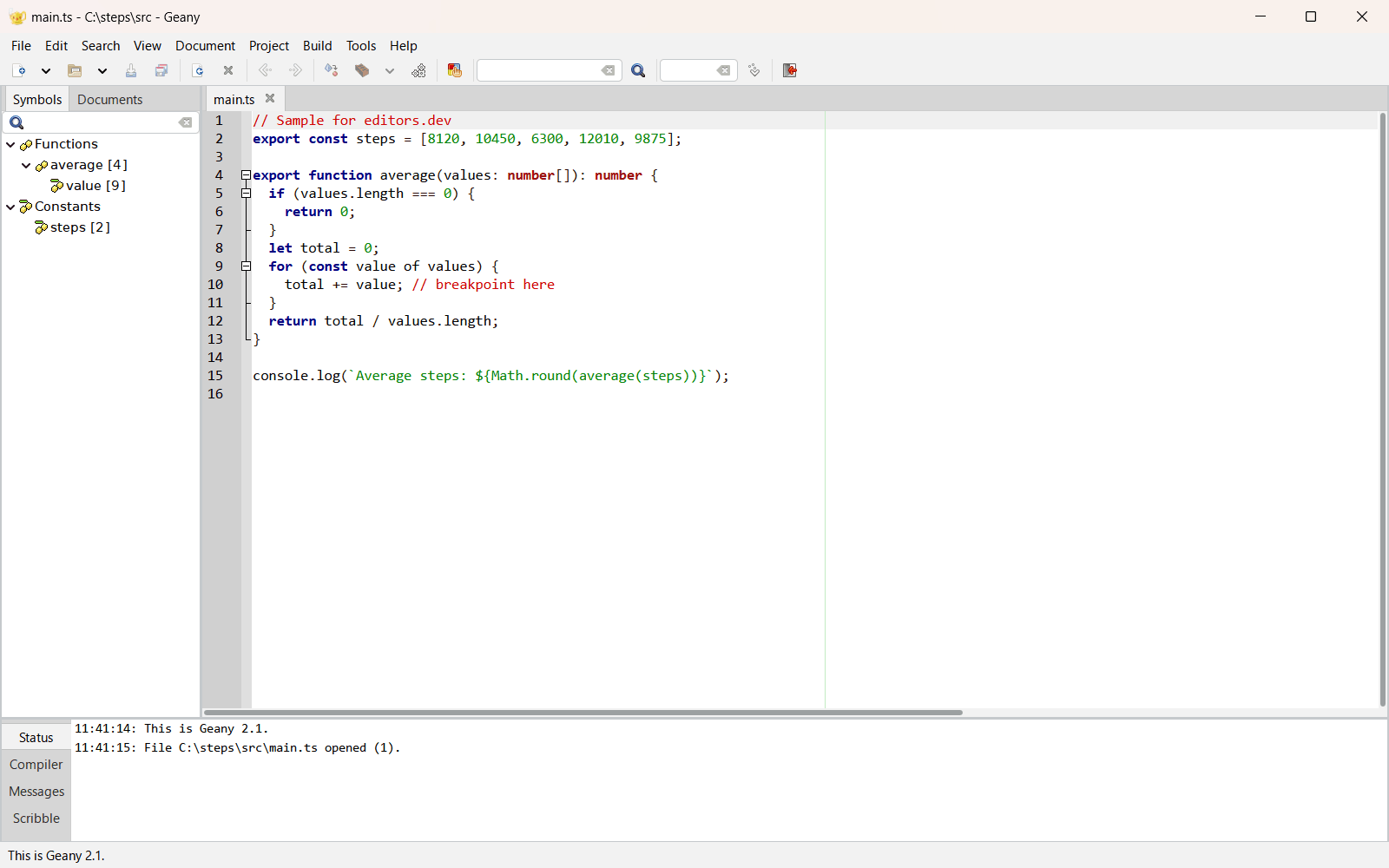
- Geany With LSP Client plugin (geany-plugins) + zls Completion : Yes Go to definition : Yes Refactoring : Yes Debugging : No Tests : No Formatting : Yes
- TextMate With Zig.tmbundle Completion : No Go to definition : No Refactoring : No Debugging : No Tests : Yes Formatting : Yes
Community extension 19
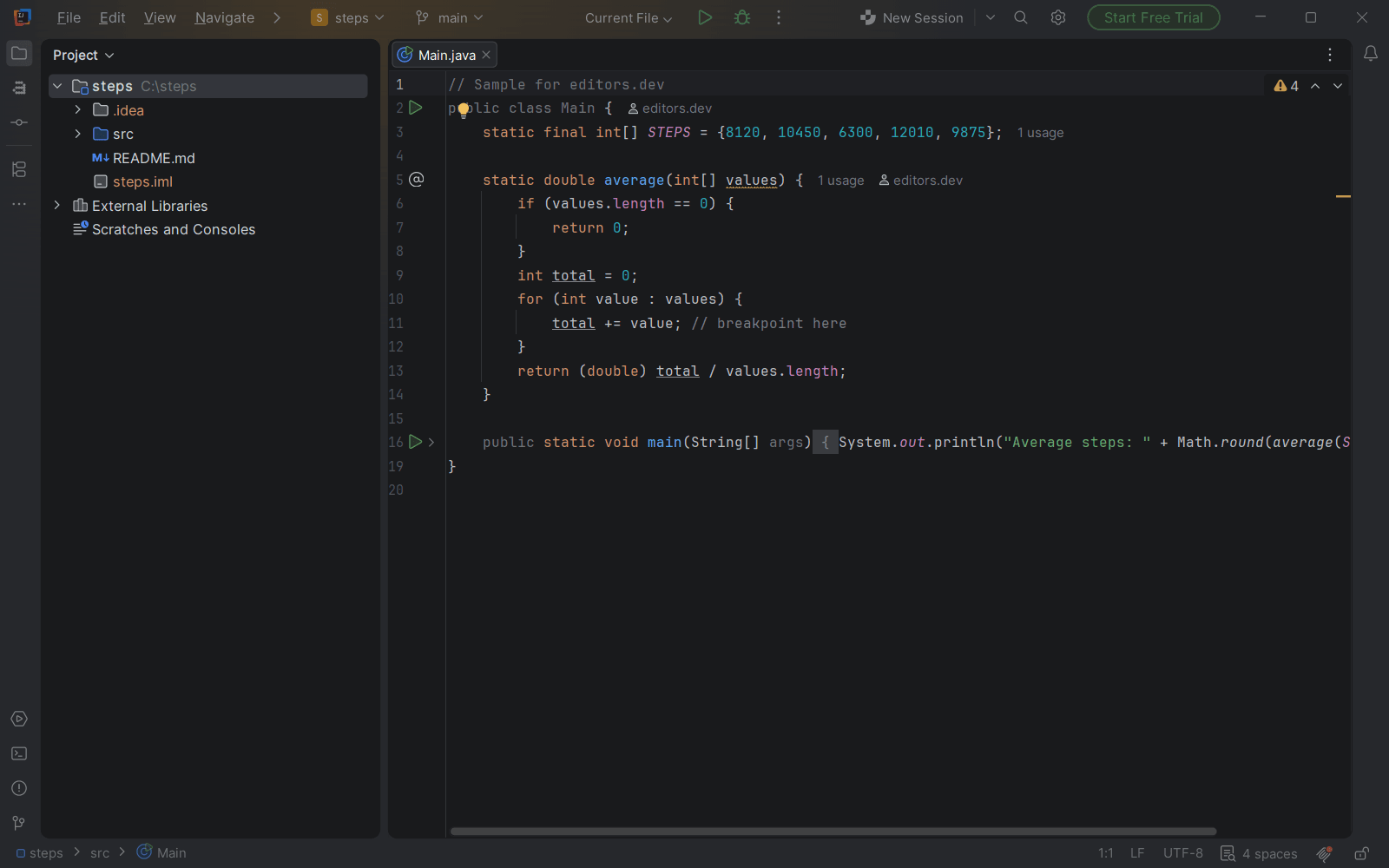
- IntelliJ IDEA With ZigBrains Completion : Yes Go to definition : Yes Refactoring : Yes Debugging : Yes Tests : No Formatting : Yes
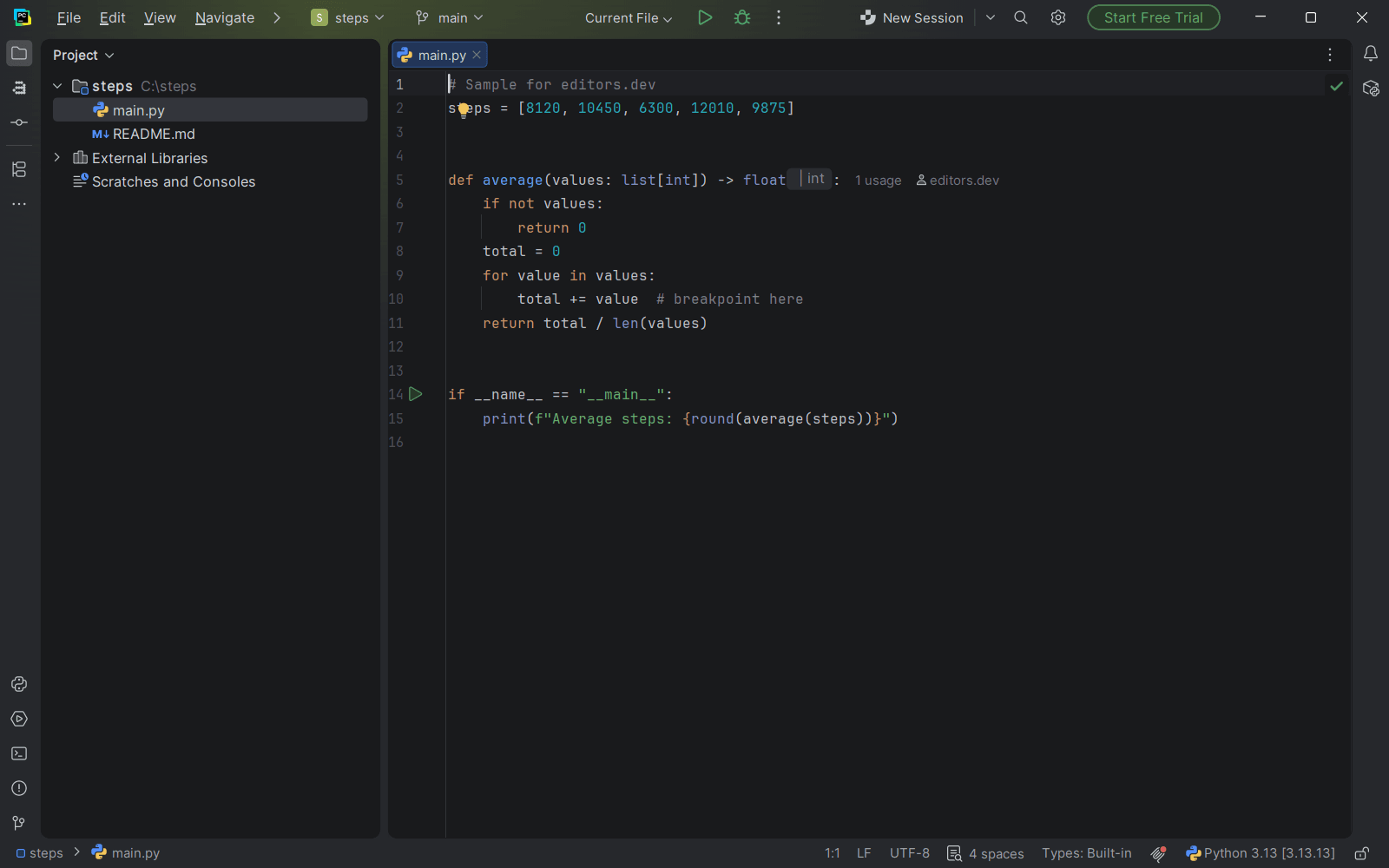
- PyCharm With ZigBrains Completion : Yes Go to definition : Yes Refactoring : Yes Debugging : Yes Tests : No Formatting : Yes
- Android Studio With ZigBrains Completion : Yes Go to definition : Yes Refactoring : Yes Debugging : Yes Tests : No Formatting : Yes
- GoLand With ZigBrains Completion : Yes Go to definition : Yes Refactoring : Yes Debugging : Yes Tests : No Formatting : Yes
- CLion With ZigBrains Completion : Yes Go to definition : Yes Refactoring : Yes Debugging : Yes Tests : No Formatting : Yes
- RustRover With ZigBrains Completion : Yes Go to definition : Yes Refactoring : Yes Debugging : Yes Tests : No Formatting : Yes
- PhpStorm With ZigBrains Completion : Yes Go to definition : Yes Refactoring : Yes Debugging : No Tests : No Formatting : Yes
- Zed With Zig (zed-extensions/zig) Completion : Yes Go to definition : Yes Refactoring : Yes Debugging : No Tests : No Formatting : Yes
- WebStorm With ZigBrains Completion : Yes Go to definition : Yes Refactoring : Yes Debugging : No Tests : No Formatting : Yes
- Neovim With zls Completion : Yes Go to definition : Yes Refactoring : Yes Debugging : No Tests : No Formatting : Yes
- Sublime Text With Zig Language + LSP (manual ZLS config) Completion : Yes Go to definition : Yes Refactoring : Yes Debugging : No Tests : No Formatting : Yes
- Visual Studio With ZigVS (LuckystarStudio) Completion : Yes Go to definition : Yes Refactoring : No Debugging : Yes Tests : No Formatting : Yes
- Rider With ZigBrains Completion : Yes Go to definition : Yes Refactoring : Yes Debugging : No Tests : No Formatting : Yes
- RubyMine With ZigBrains Completion : Yes Go to definition : Yes Refactoring : Yes Debugging : No Tests : No Formatting : Yes
- Pulsar With pulsar-ide-zig (zls) + language-zig Completion : Yes Go to definition : Yes Refactoring : Yes Debugging : No Tests : No Formatting : Yes
- Lapce With lapce-zig (zls) Completion : Yes Go to definition : Yes Refactoring : Yes Debugging : No Tests : No Formatting : Yes
- Nova With zig extension (zls) Completion : Yes Go to definition : Yes Refactoring : No Debugging : No Tests : No Formatting : Yes
- Notepad++ With Zig UDL (userDefinedLanguages collection) Completion : Yes Go to definition : No Refactoring : No Debugging : No Tests : No Formatting : No
- GNU nano With zig.nanorc (galenguyer/nano-syntax-highlighting) Completion : No Go to definition : No Refactoring : No Debugging : No Tests : No Formatting : No
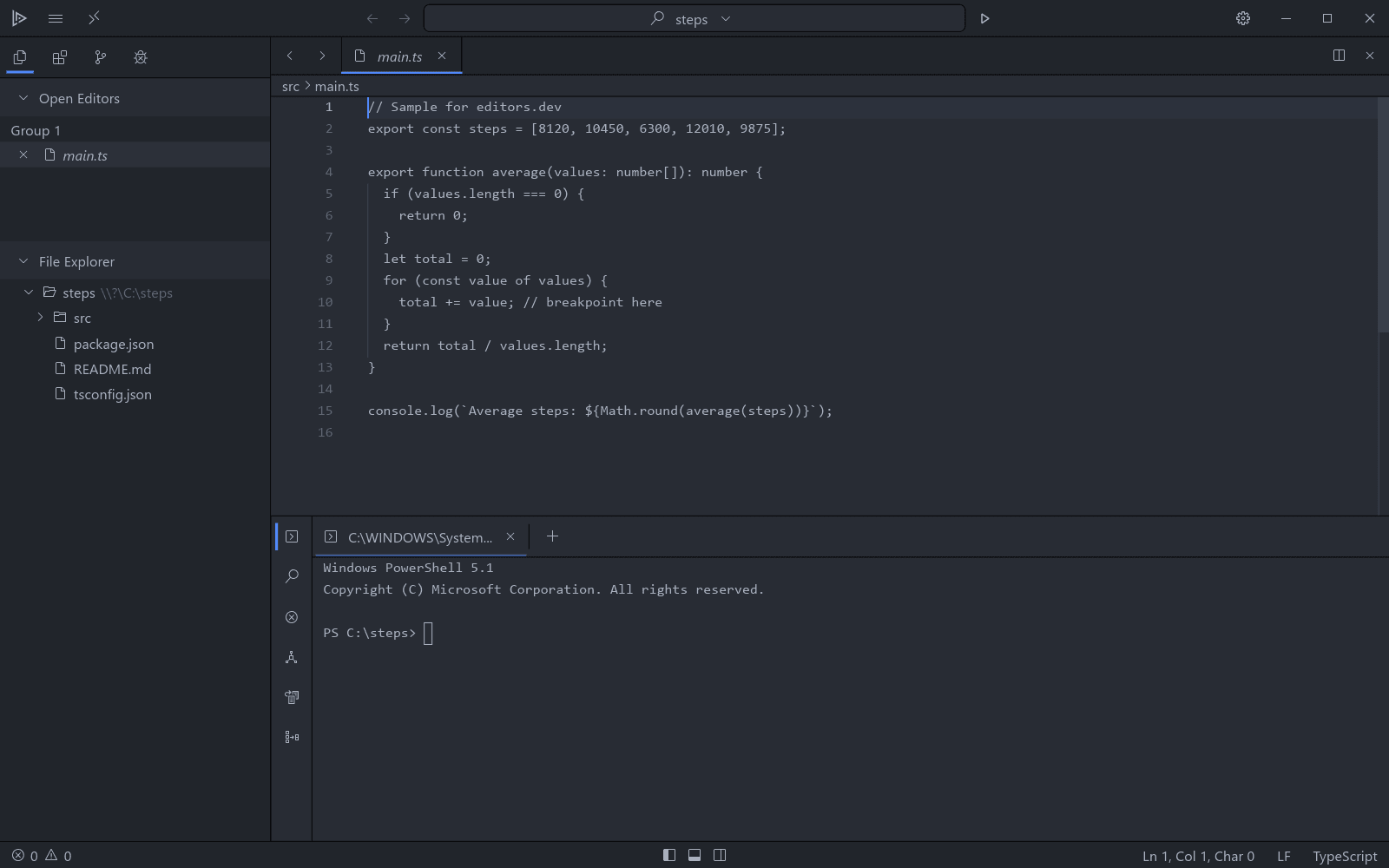
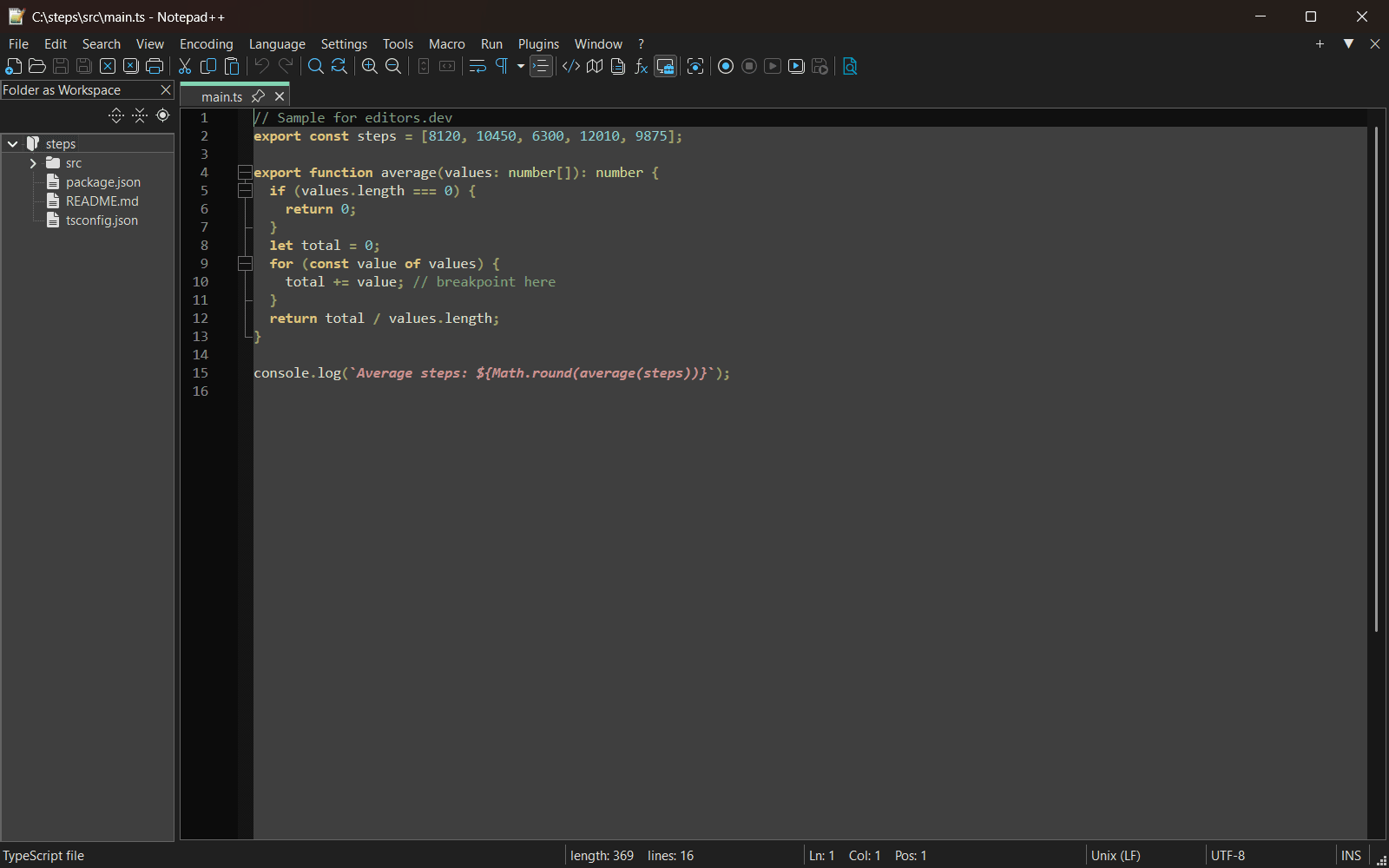
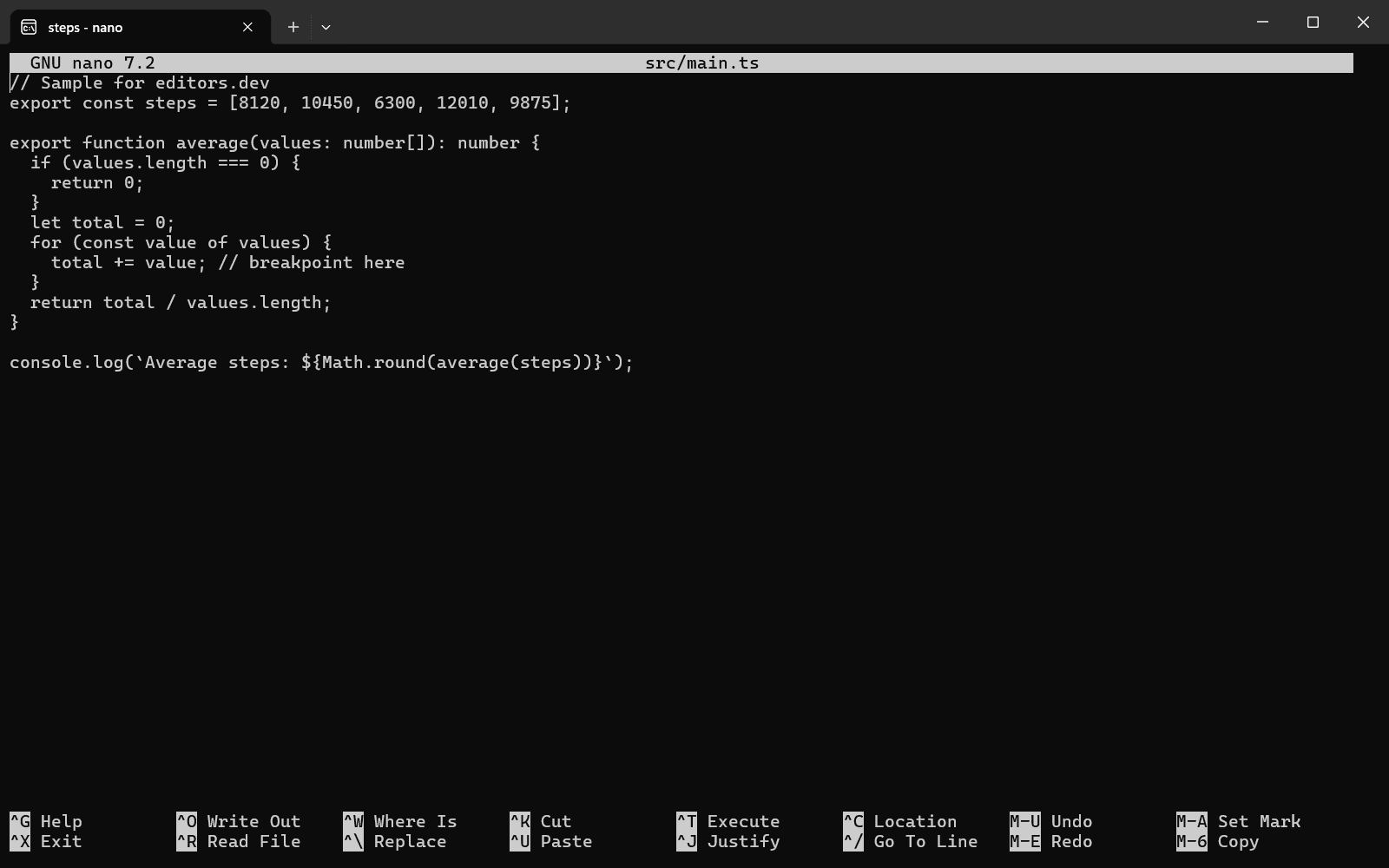
Today
Zig is still pre-1.0: each 0.x release can break the language and standard library, so code usually targets one specific version. Releases come roughly twice a year (0.16.0 in April 2026, 0.17.0 in October 2026). The project plans to stabilize the language before tagging 1.0 but has not set a date. Development moved from GitHub to Codeberg in November 2025.
What it is used for
Systems software, game and graphics code, and cross-compiling C and C++ projects; the Bun JavaScript runtime, the TigerBeetle database and the Ghostty terminal are written in Zig.
History
Andrew Kelley started Zig in 2015 as an alternative to C for systems programming and announced it publicly in February 2016. The first tagged release, 0.1.1, followed in October 2017.
The Zig Software Foundation was set up in 2020 to fund full-time development. That year, zig cc made the toolchain usable as a C and C++ cross-compiler, which drew interest from projects that only needed the build tooling. In 0.10.0 (2022) a self-hosted compiler written in Zig replaced the original C++ compiler, and 0.11.0 (2023) added a package manager.
Later releases reworked the standard library's I/O around a std.Io interface, added Zig's own x86-64 backend and linker for faster debug builds, and moved toward incremental compilation. In November 2025 the project moved its main repository from GitHub to Codeberg.
Milestone versions
- 17 October 2017 0.1.1 The first tagged release.
- 13 April 2020 0.6.0 zig cc, a drop-in C compiler front end with cross-compilation built in.
- 31 October 2022 0.10.0 The self-hosted compiler, written in Zig, became the default.
- 4 August 2023 0.11.0 A built-in package manager and the build.zig.zon manifest.
- 5 March 2025 0.14.0 Labeled switch, decl literals and progress on incremental compilation.
- 19 August 2025 0.15.1 New std.Io Reader and Writer interfaces and the self-hosted x86-64 backend as the default for debug builds.
- 13 April 2026 0.16.0 All I/O goes through an std.Io interface, and new builtins such as @Int and @Struct replace @Type.
- 1 October 2026 0.17.0 A reworked build system, a new ELF linker for incremental builds and a formally specified grammar.
- 2 November 2026 0.17.1 Bug-fix release of the 0.17 series.
Sources
Last checked: 20 November 2026