Go
Go is a compiled, statically typed language created at Google, with built-in concurrency through goroutines and channels. It is mostly used for network services, cloud infrastructure and command-line tools.
Editors for Go
35 editors and IDEs support Go. Built in first, then official and community extensions. Each row opens the editor at its Go notes.
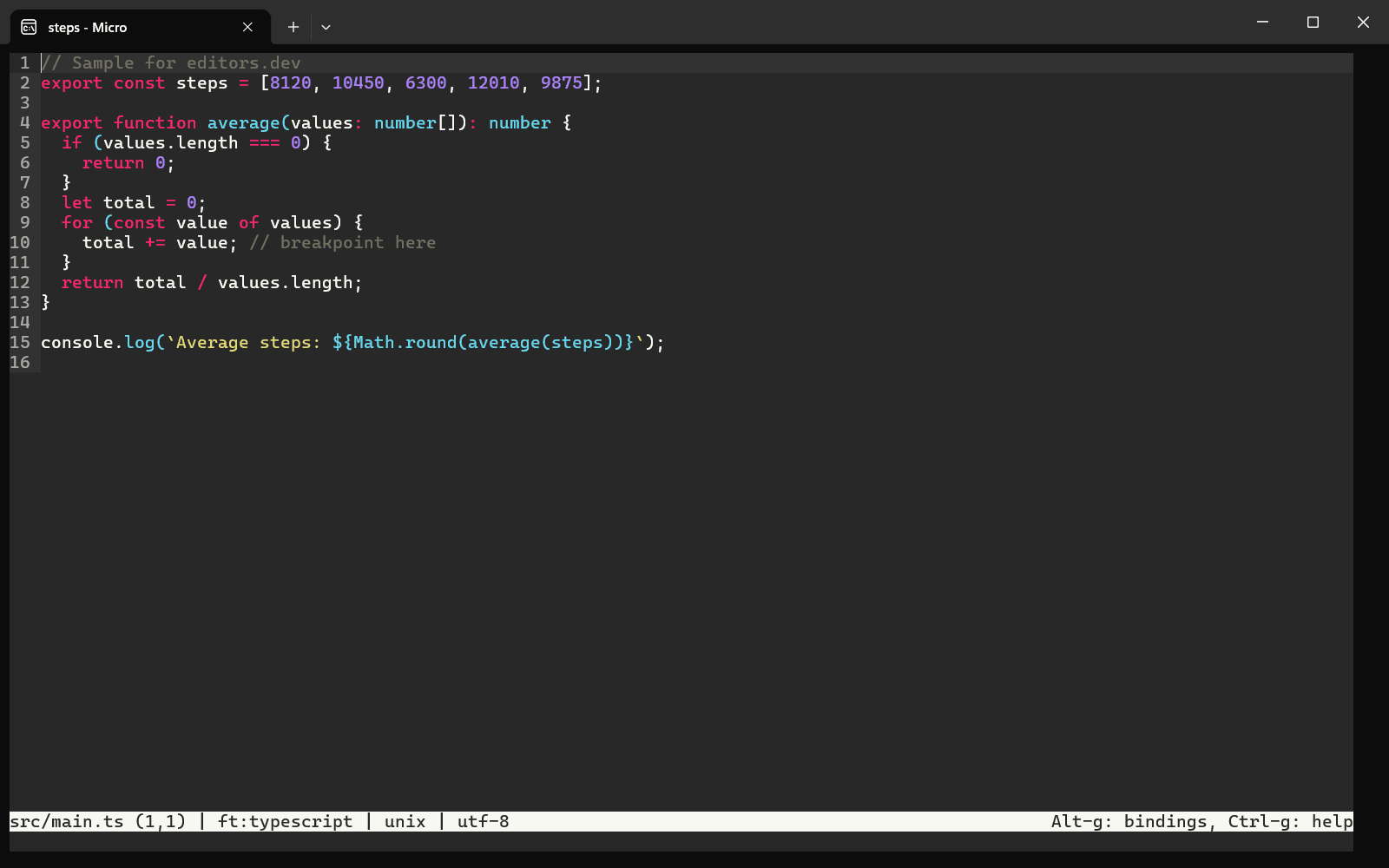
Built in 11
- GoLand Completion : Yes Go to definition : Yes Refactoring : Yes Debugging : Yes Tests : Yes Formatting : Yes
- Zed Completion : Yes Go to definition : Yes Refactoring : Yes Debugging : Yes Tests : Yes Formatting : Yes
- Helix With gopls, golangci-lint-langserver; dlv Completion : Yes Go to definition : Yes Refactoring : Yes Debugging : Yes Tests : No Formatting : Yes
- GNU Emacs With Eglot + gopls Completion : Yes Go to definition : Yes Refactoring : Yes Debugging : No Tests : Yes Formatting : Yes
- Kate With LSP Client + gopls; Format plugin (gofmt); debugger (Delve) Completion : Yes Go to definition : Yes Refactoring : Yes Debugging : Yes Tests : No Formatting : Yes
- BBEdit With gopls Completion : Yes Go to definition : Yes Refactoring : Yes Debugging : No Tests : No Formatting : Yes
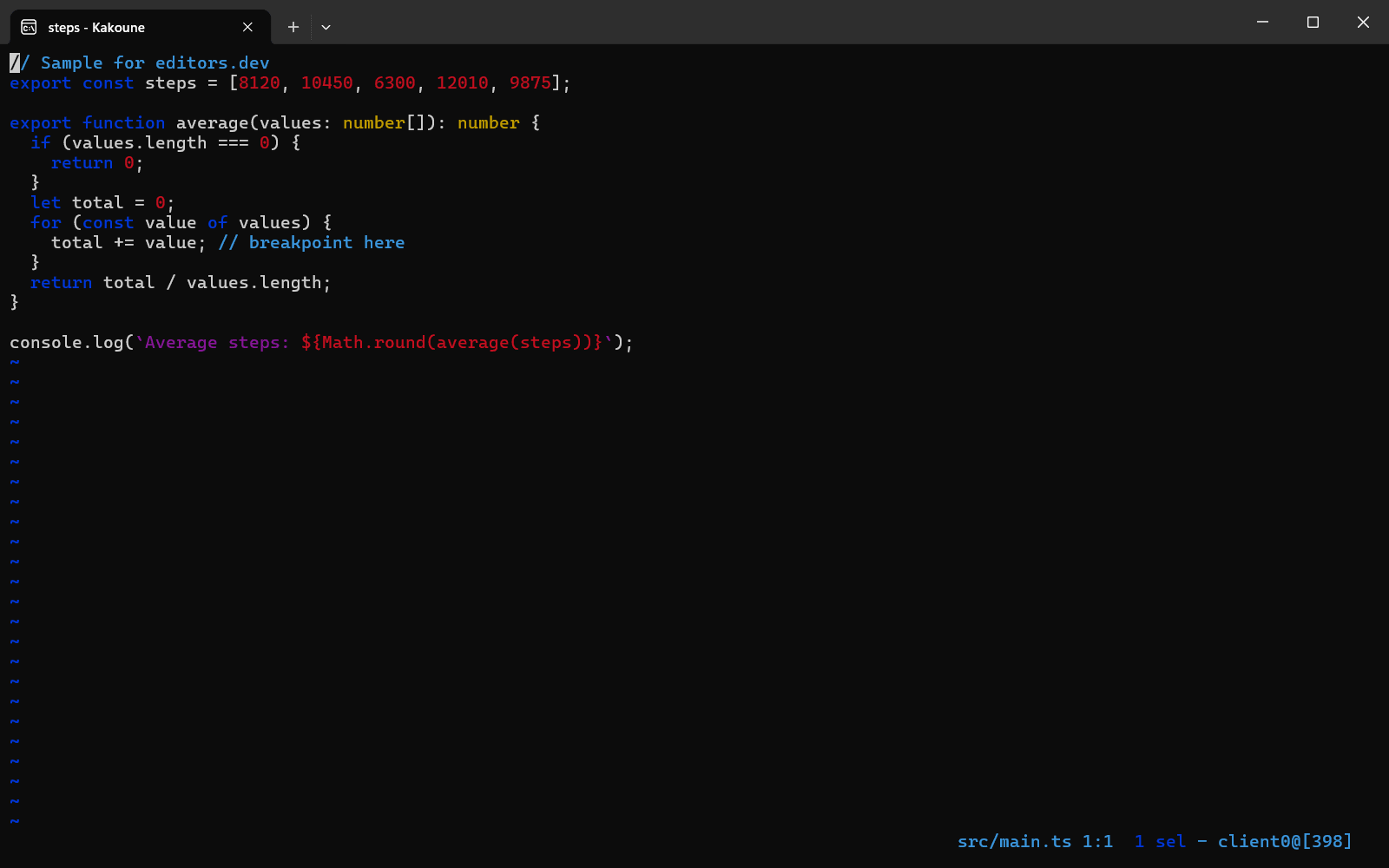
- Kakoune With gopls.kak Completion : No Go to definition : Yes Refactoring : No Debugging : No Tests : No Formatting : Yes
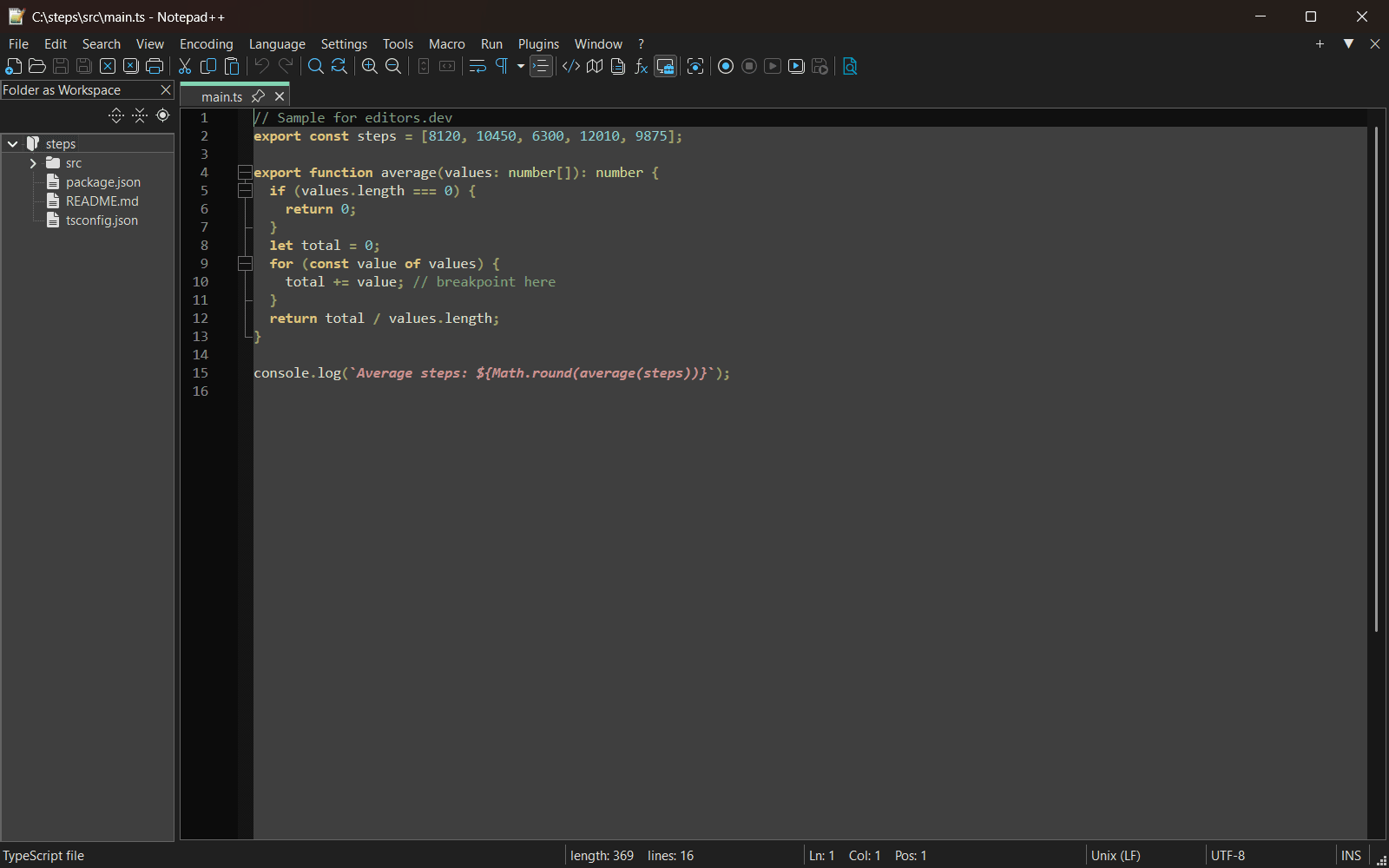
- Notepad++ Completion : Yes Go to definition : No Refactoring : No Debugging : No Tests : No Formatting : No
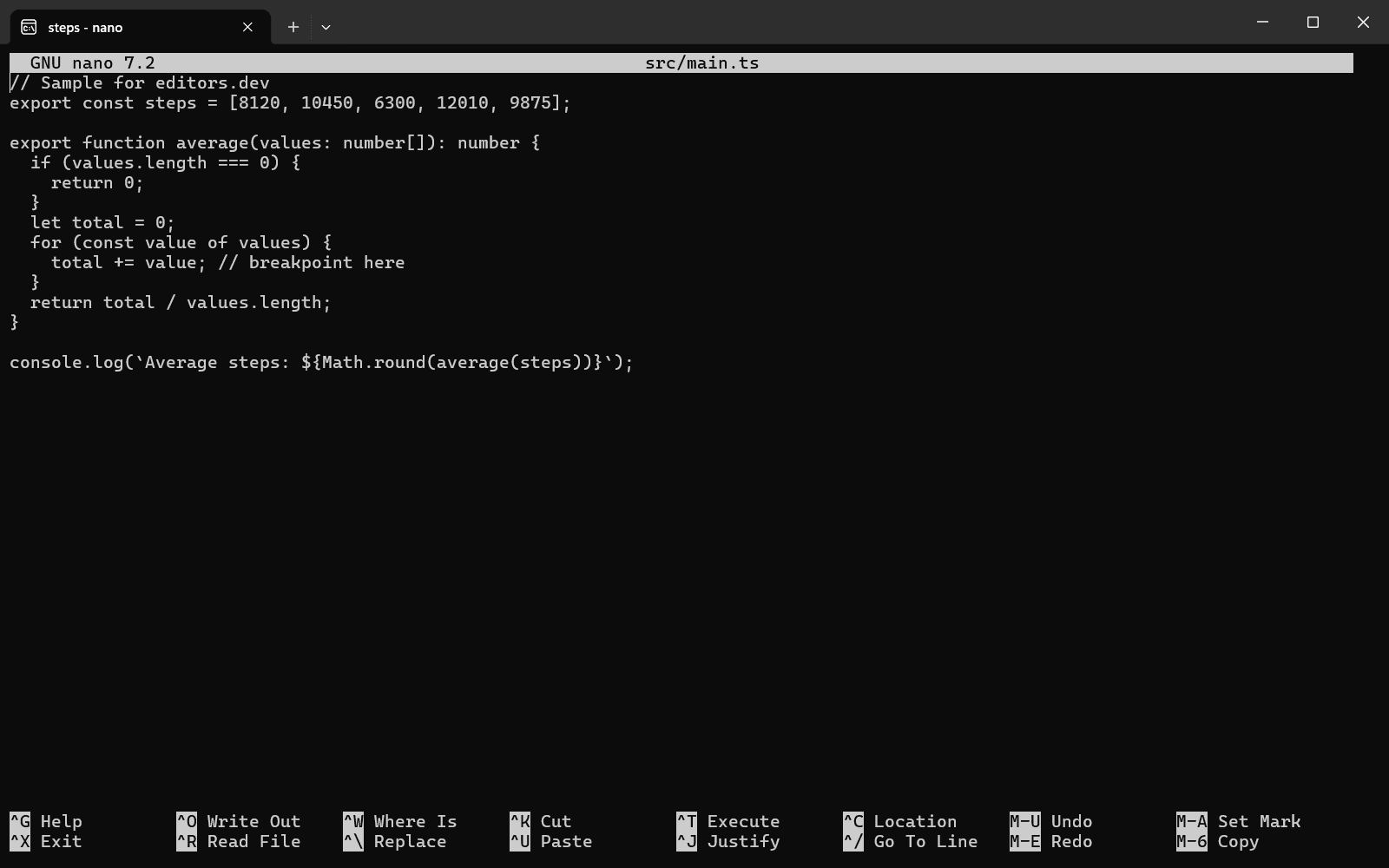
- GNU nano With gofmt Completion : No Go to definition : No Refactoring : No Debugging : No Tests : No Formatting : Yes
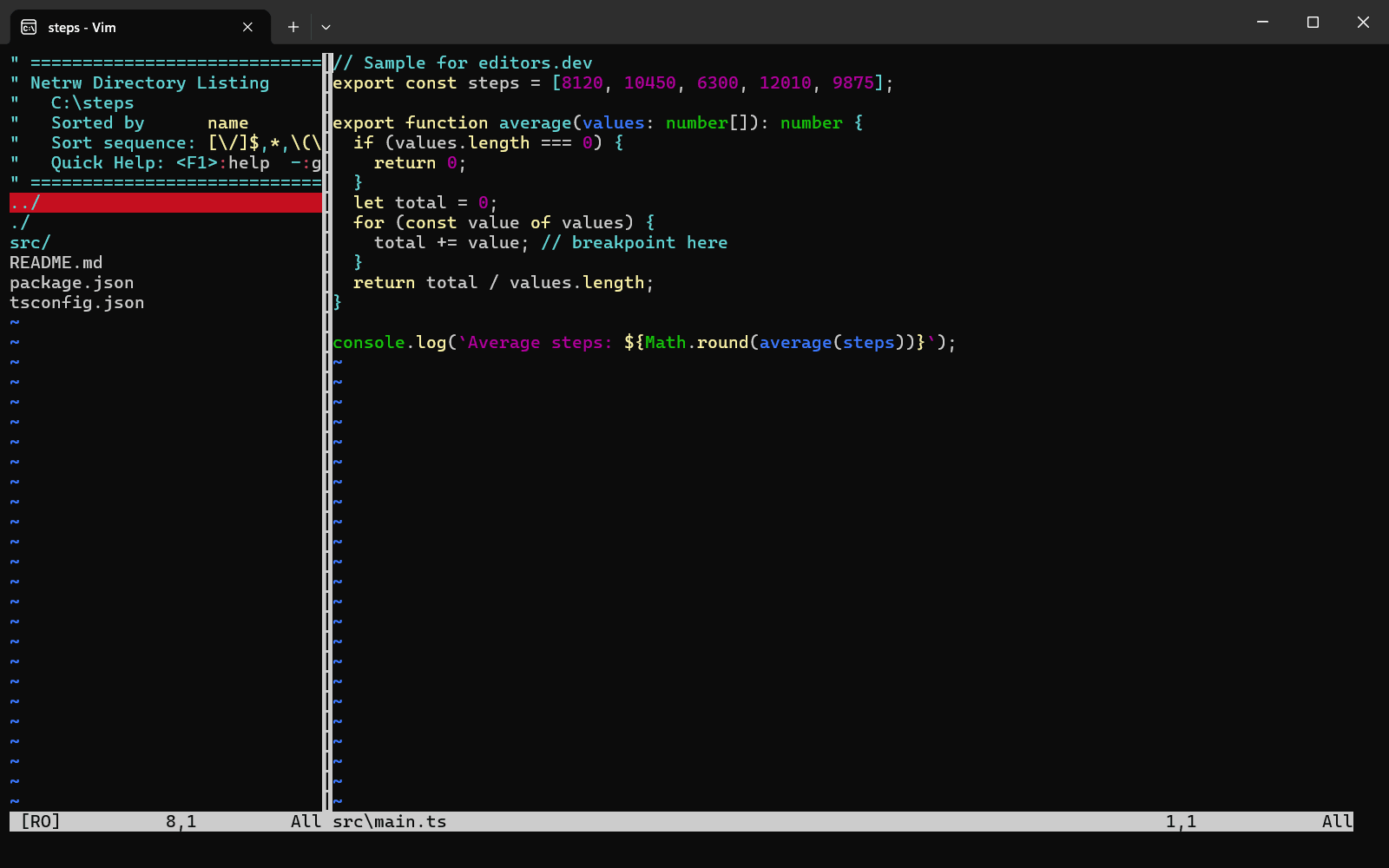
- Vim Completion : No Go to definition : No Refactoring : No Debugging : No Tests : No Formatting : No
- Micro Completion : No Go to definition : No Refactoring : No Debugging : No Tests : No Formatting : No
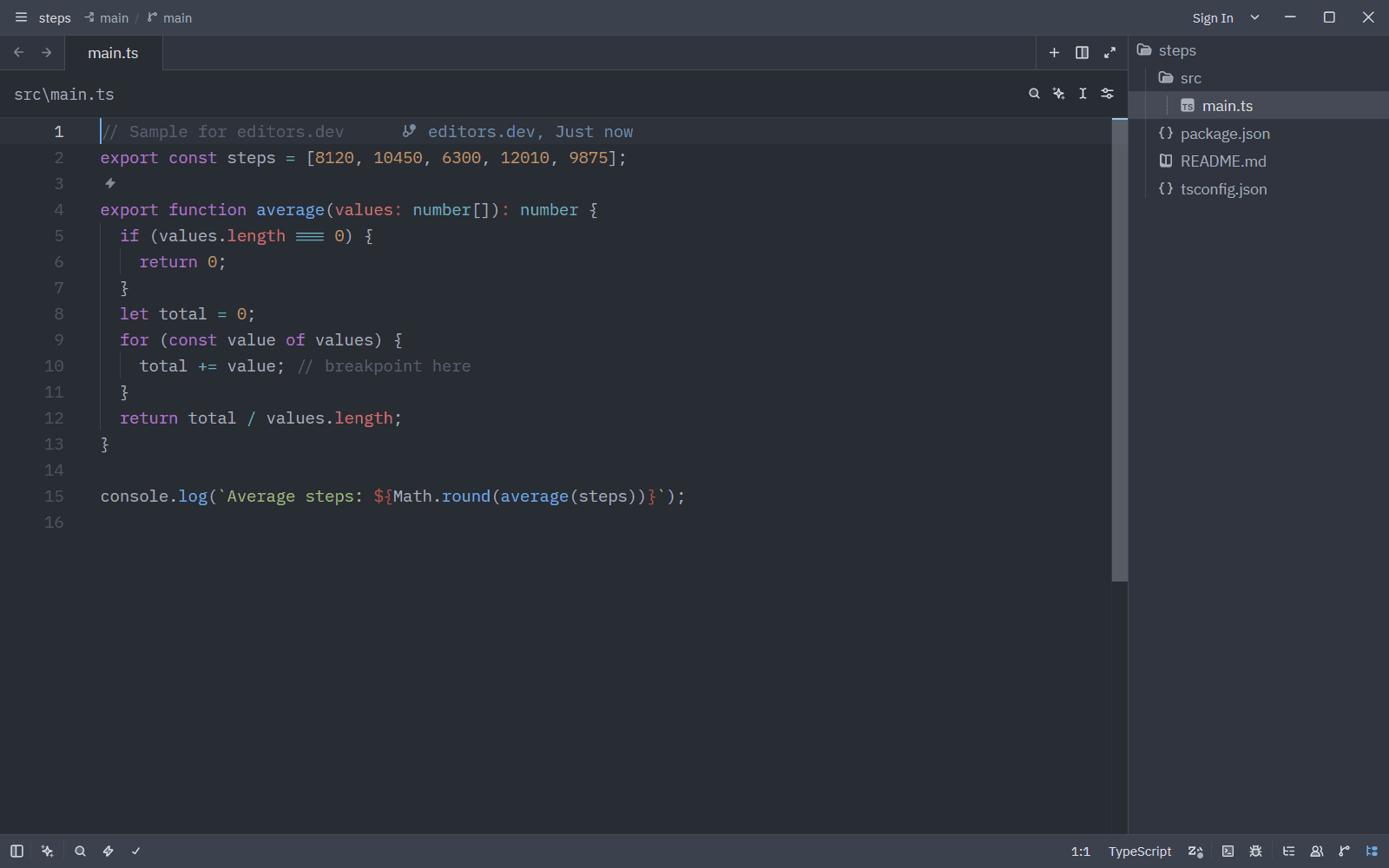
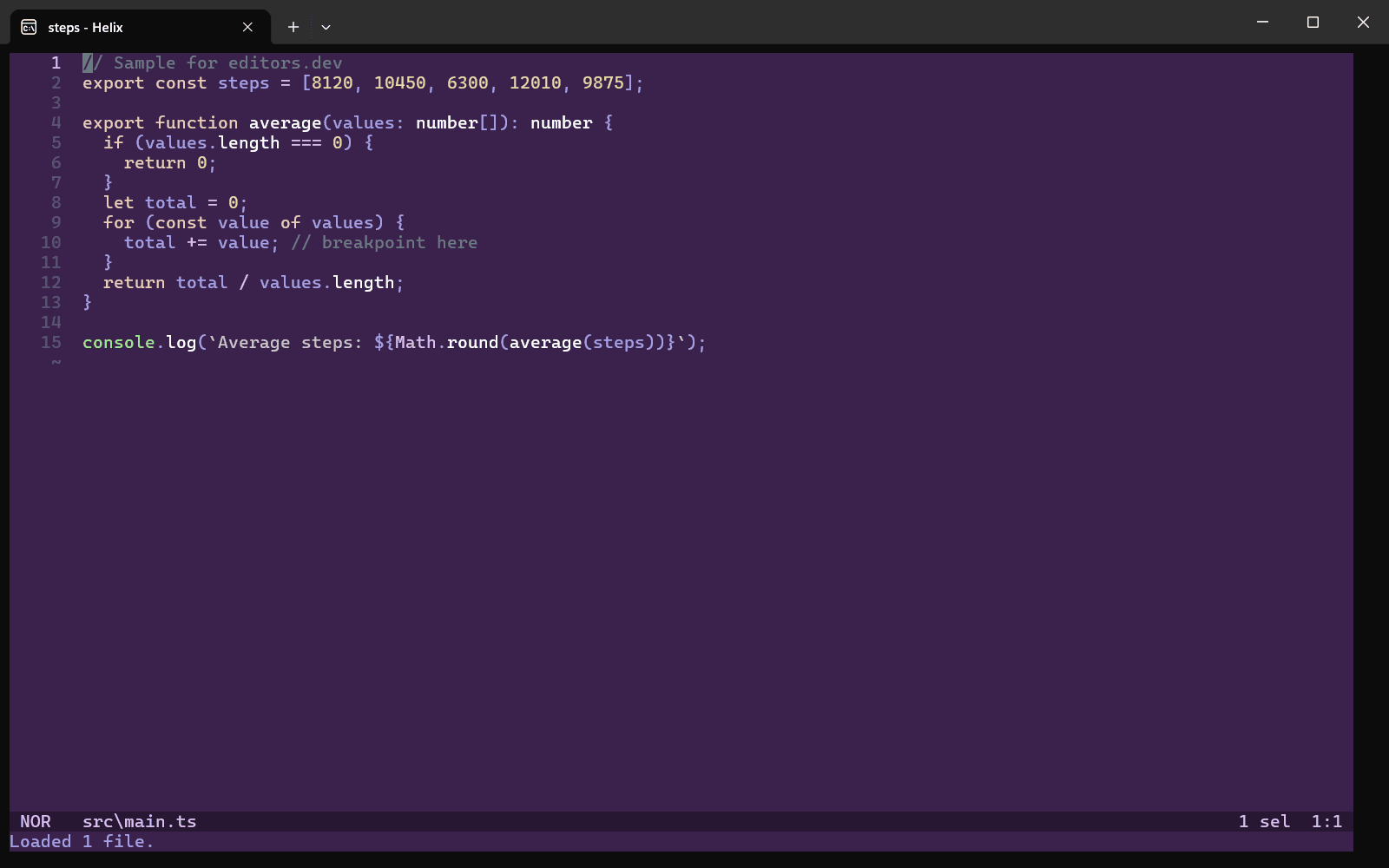
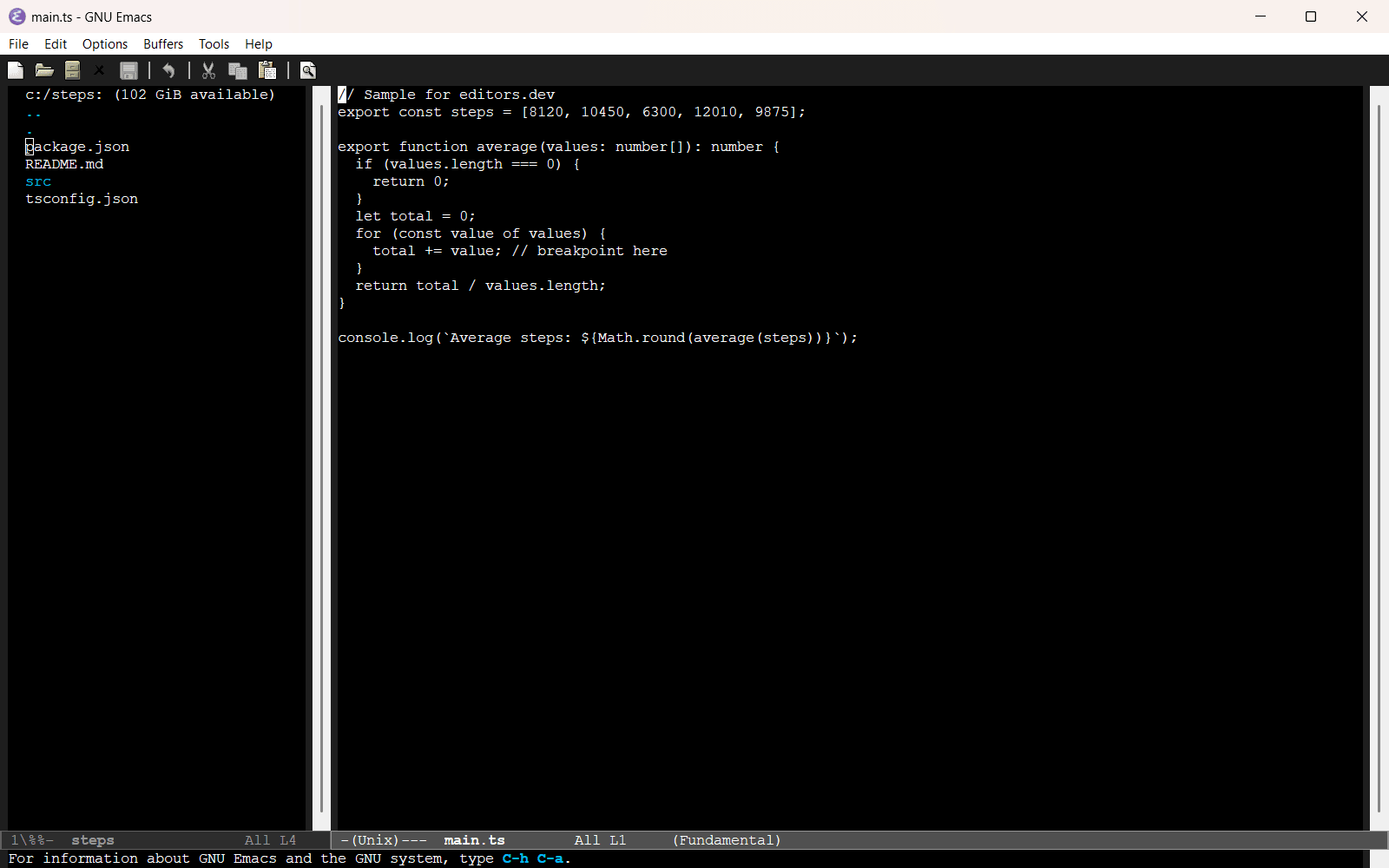
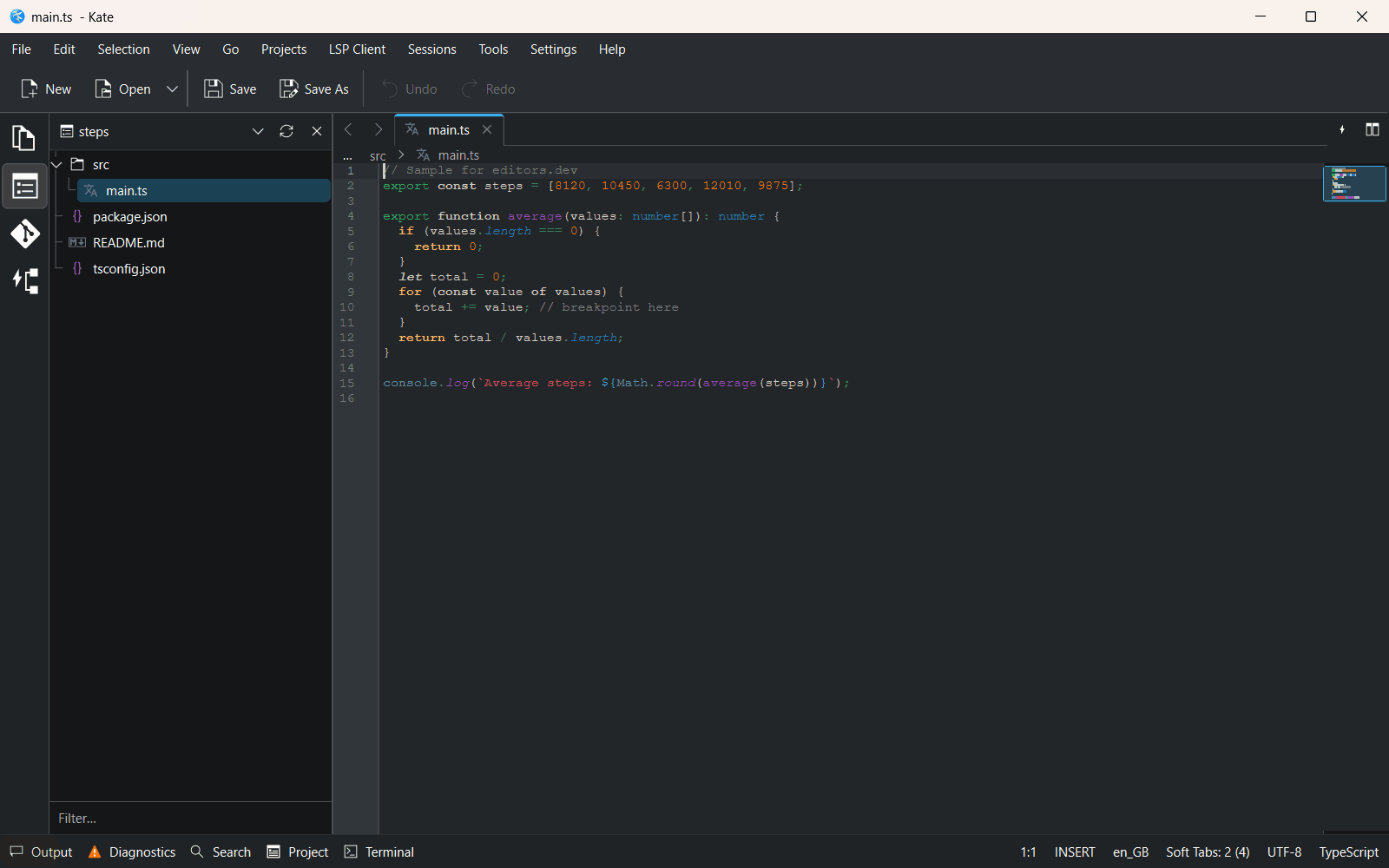
Official extension 10
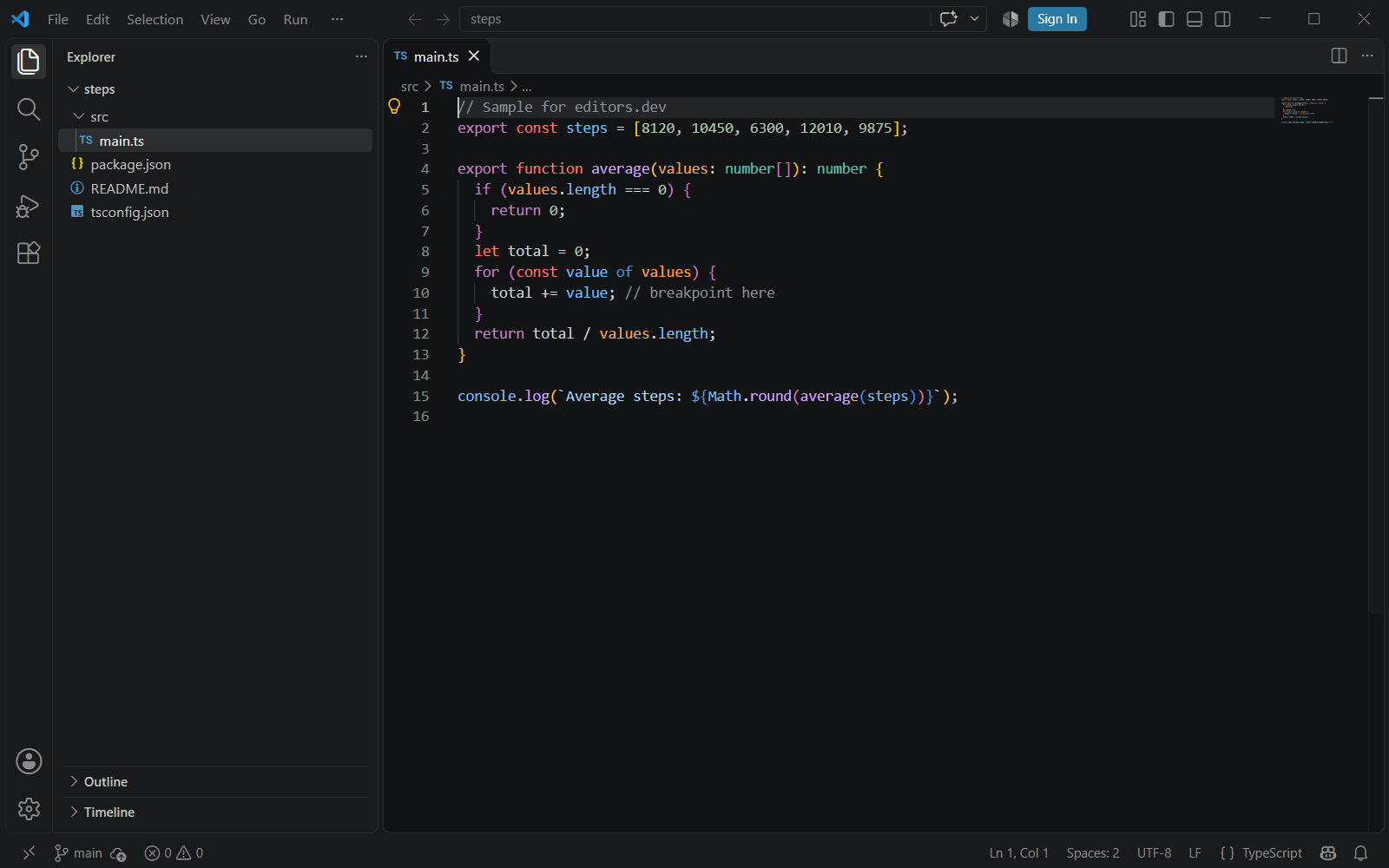
- VS Code With Go Completion : Yes Go to definition : Yes Refactoring : Yes Debugging : Yes Tests : Yes Formatting : Yes
- Cursor With Go Completion : Yes Go to definition : Yes Refactoring : Yes Debugging : Yes Tests : Yes Formatting : Yes
- Devin Desktop With Go Completion : Yes Go to definition : Yes Refactoring : Yes Debugging : Yes Tests : Yes Formatting : Yes
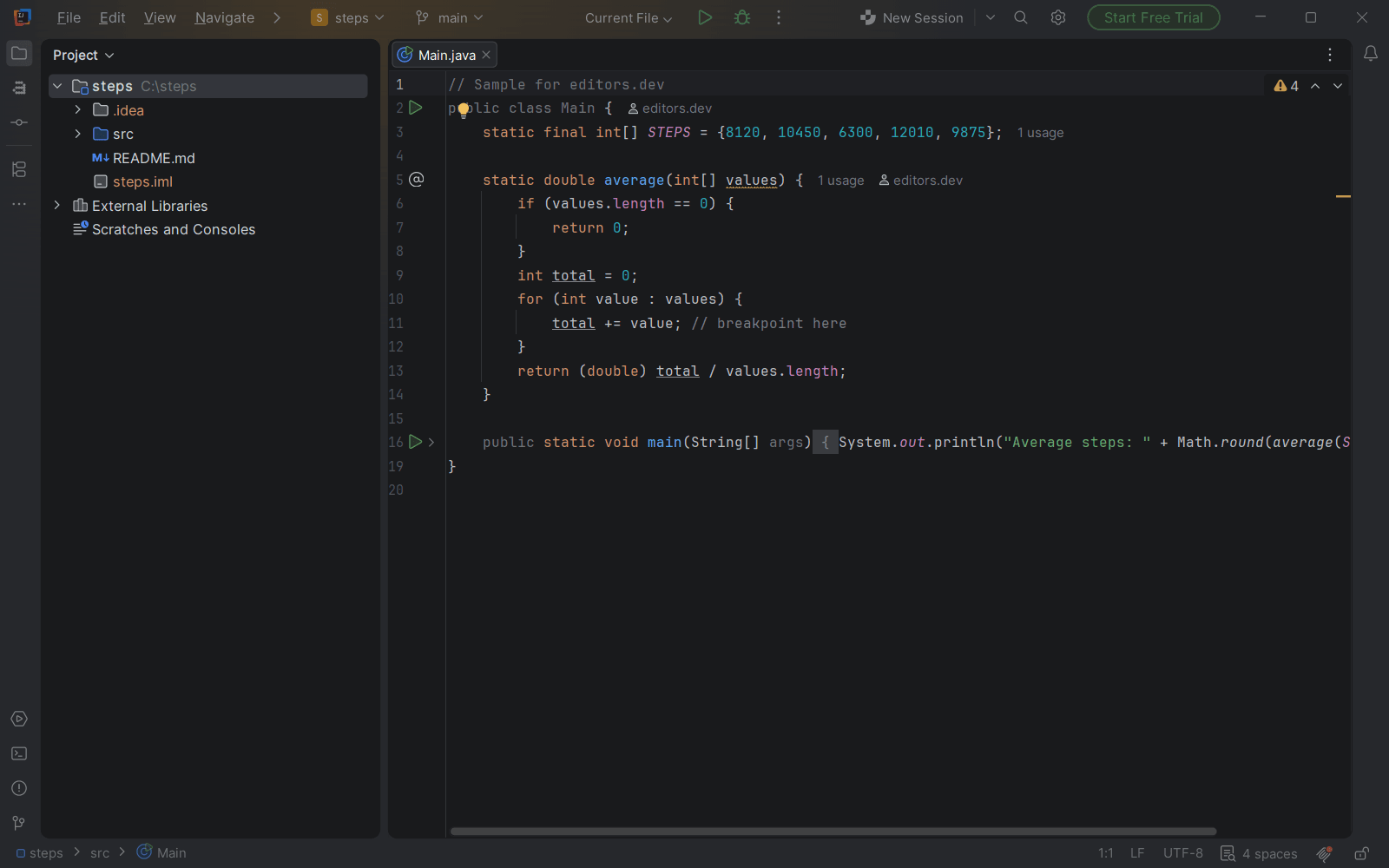
- IntelliJ IDEA With Go plugin Completion : Yes Go to definition : Yes Refactoring : Yes Debugging : Yes Tests : Yes Formatting : Yes
- Kiro With Go Completion : Yes Go to definition : Yes Refactoring : Yes Debugging : Yes Tests : Yes Formatting : Yes
- Google Antigravity With Go Completion : Yes Go to definition : Yes Refactoring : Yes Debugging : Yes Tests : Yes Formatting : Yes
- TRAE With Go Completion : Yes Go to definition : Yes Refactoring : Yes Debugging : Yes Tests : Yes Formatting : Yes
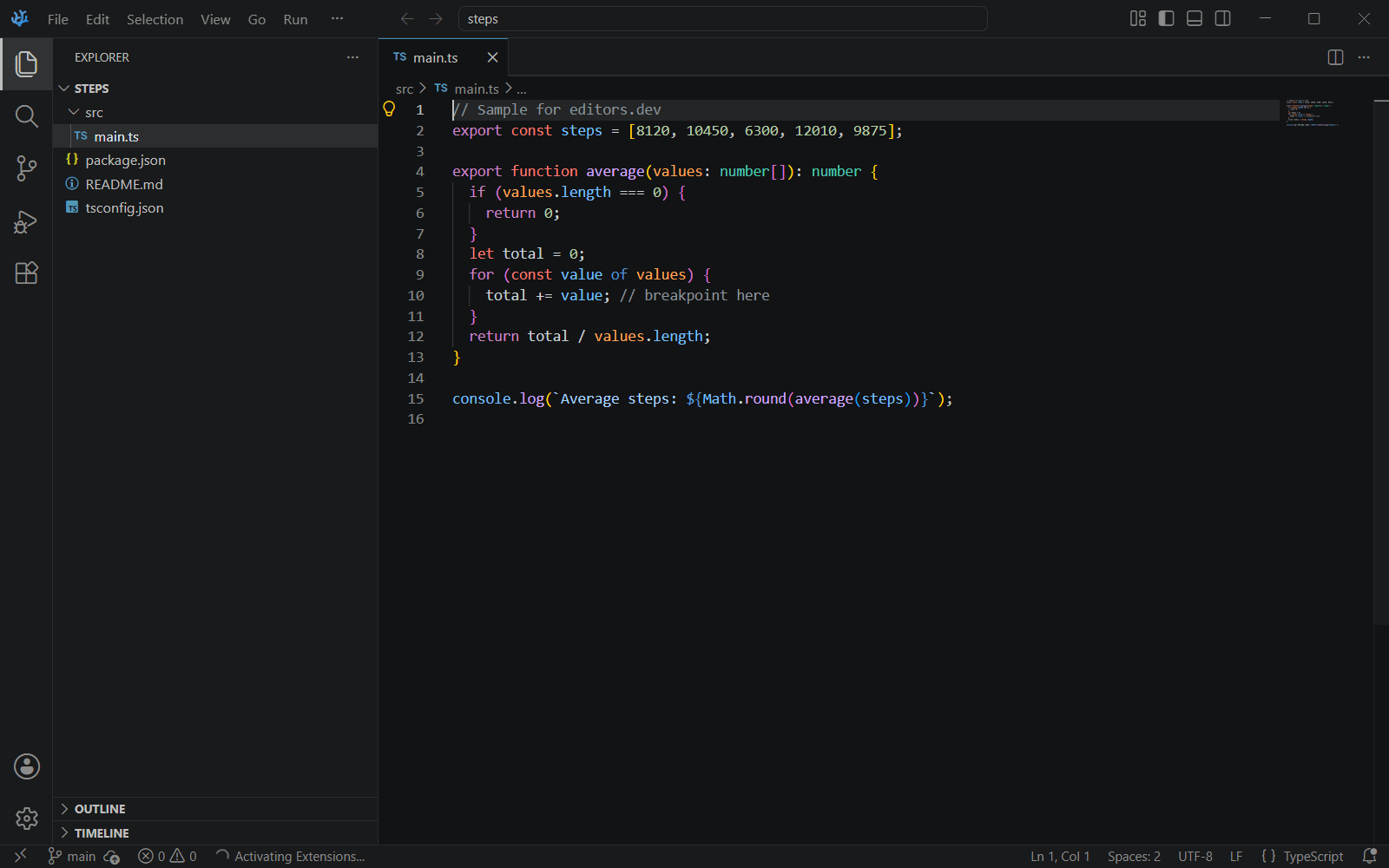
- VSCodium With Go Completion : Yes Go to definition : Yes Refactoring : Yes Debugging : Yes Tests : Yes Formatting : Yes
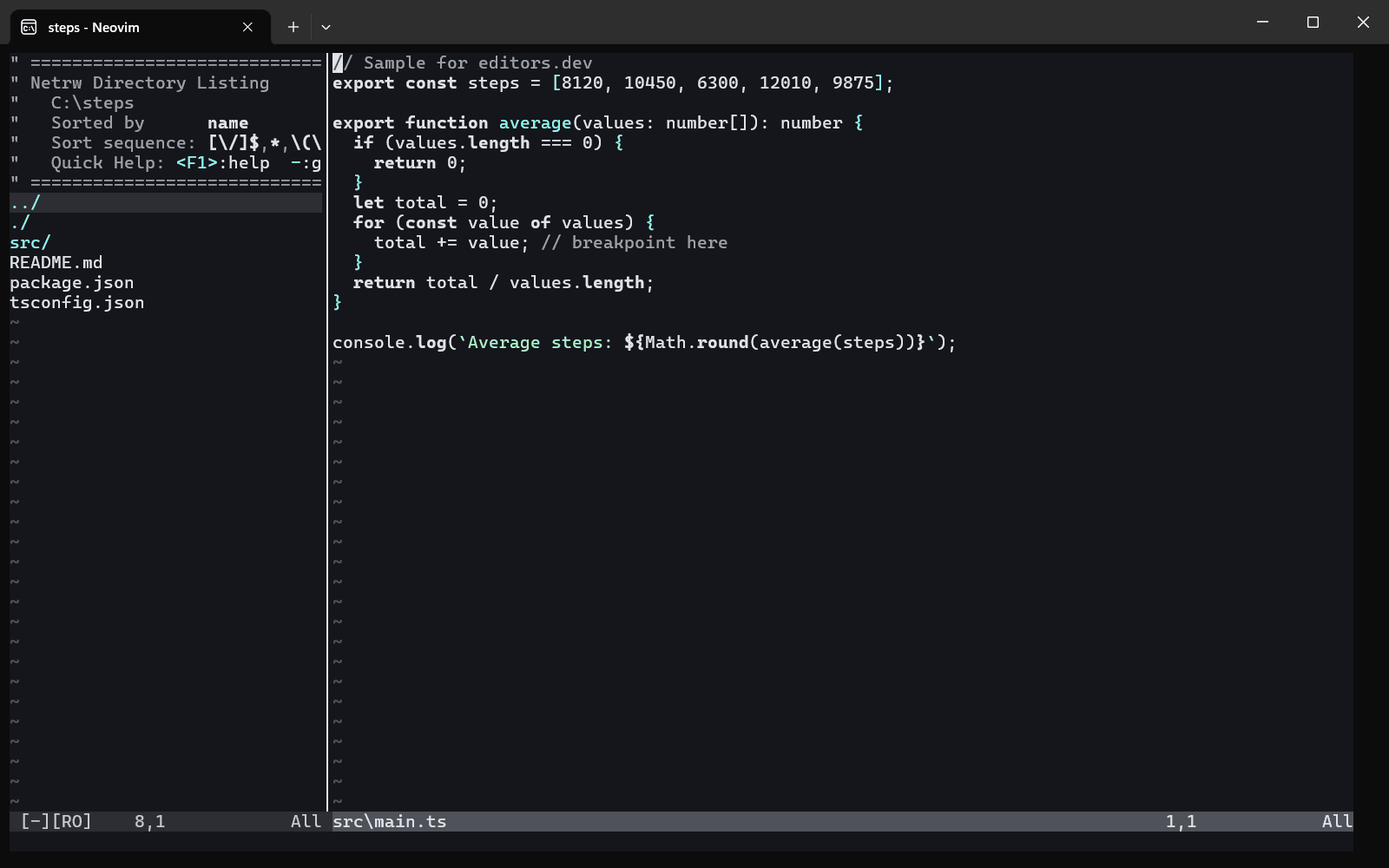
- Neovim With gopls Completion : Yes Go to definition : Yes Refactoring : Yes Debugging : No Tests : No Formatting : Yes
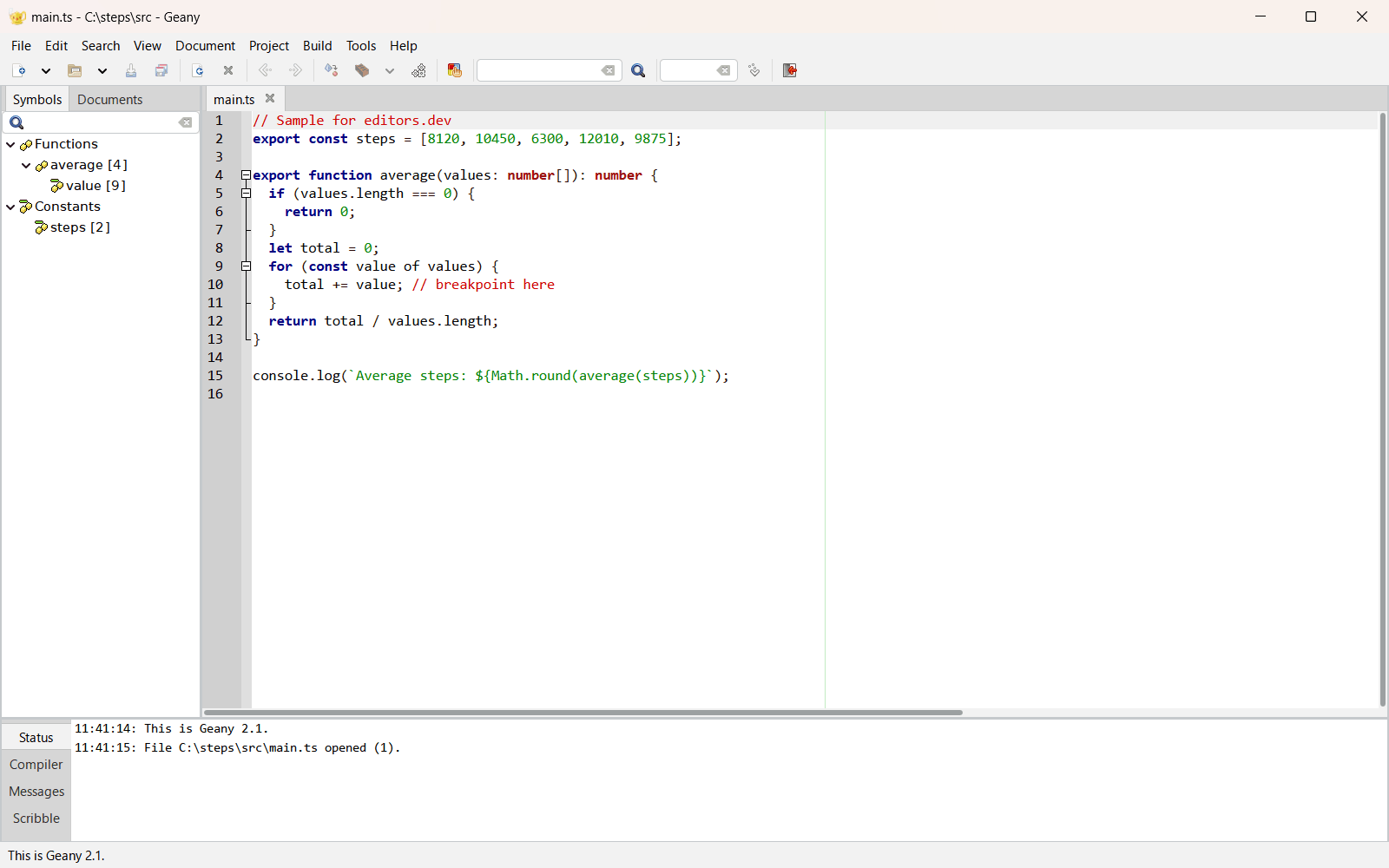
- Geany With LSP Client plugin (geany-plugins) + gopls Completion : Yes Go to definition : Yes Refactoring : Yes Debugging : No Tests : No Formatting : Yes
Community extension 14
- PhpStorm With LSP4IJ Completion : Yes Go to definition : Yes Refactoring : Yes Debugging : Yes Tests : No Formatting : Yes
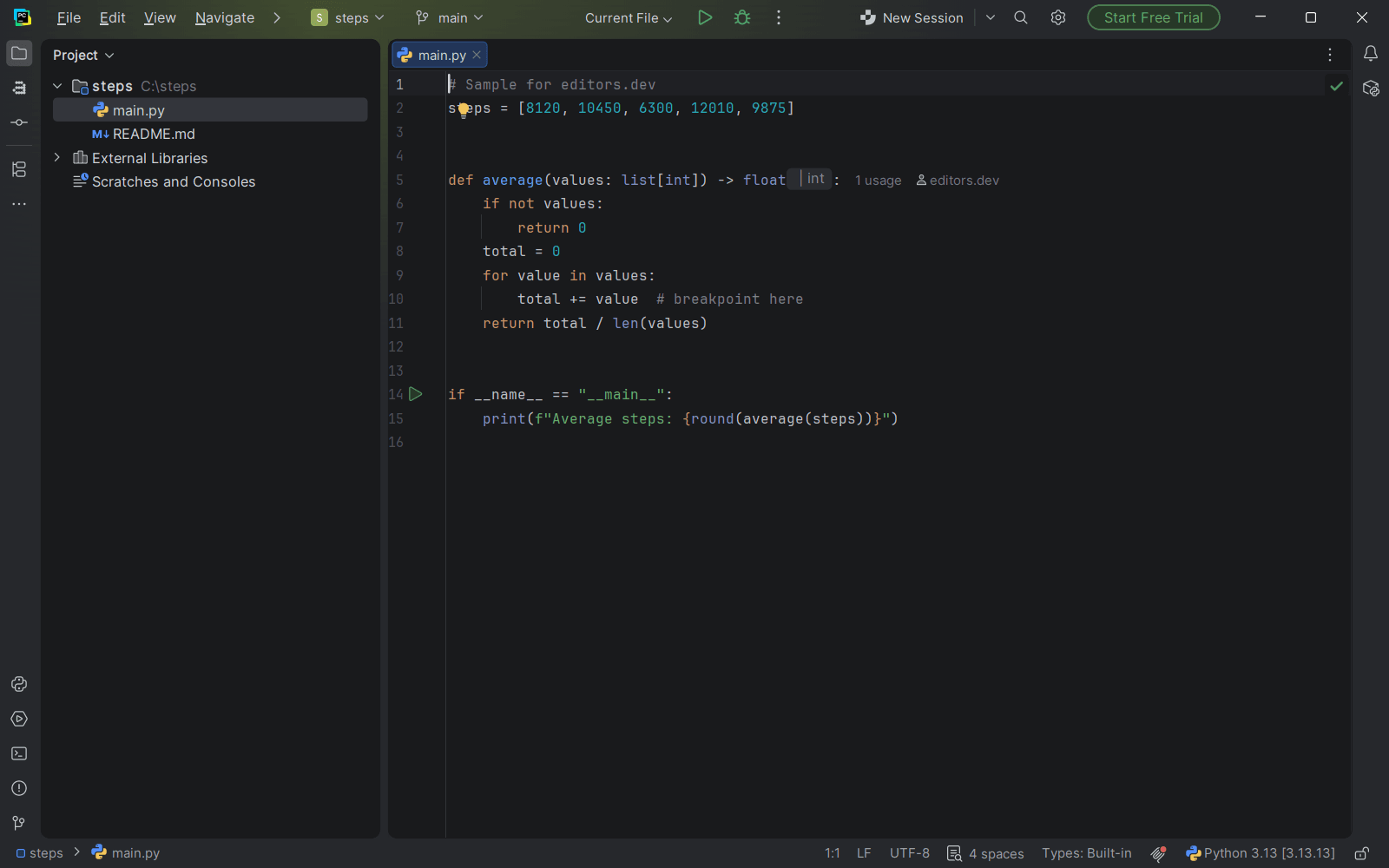
- PyCharm With LSP4IJ Completion : Yes Go to definition : Yes Refactoring : Yes Debugging : Yes Tests : No Formatting : Yes
- WebStorm With LSP4IJ Completion : Yes Go to definition : Yes Refactoring : Yes Debugging : Yes Tests : No Formatting : Yes
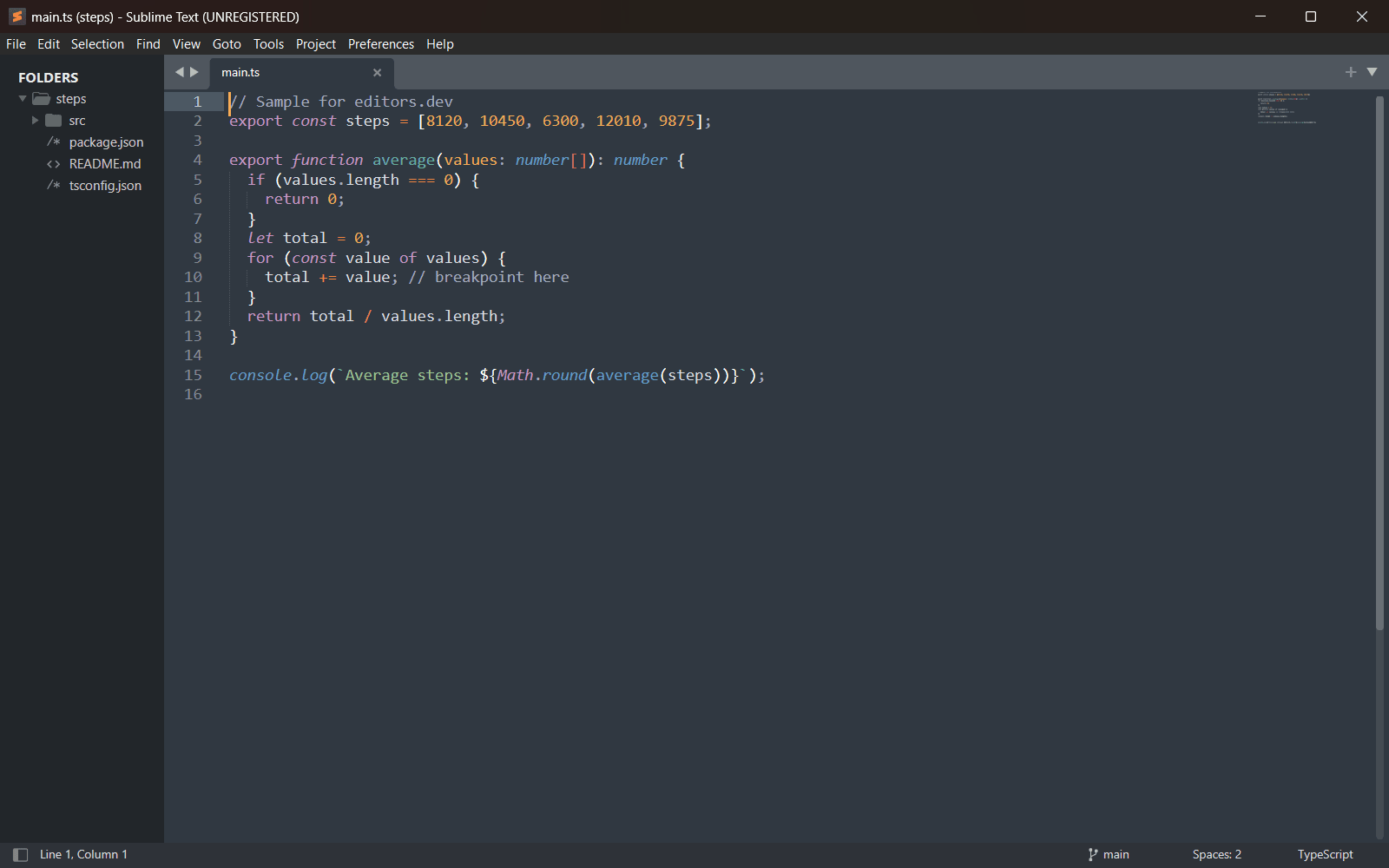
- Sublime Text With LSP + LSP-gopls Completion : Yes Go to definition : Yes Refactoring : Yes Debugging : No Tests : Yes Formatting : Yes
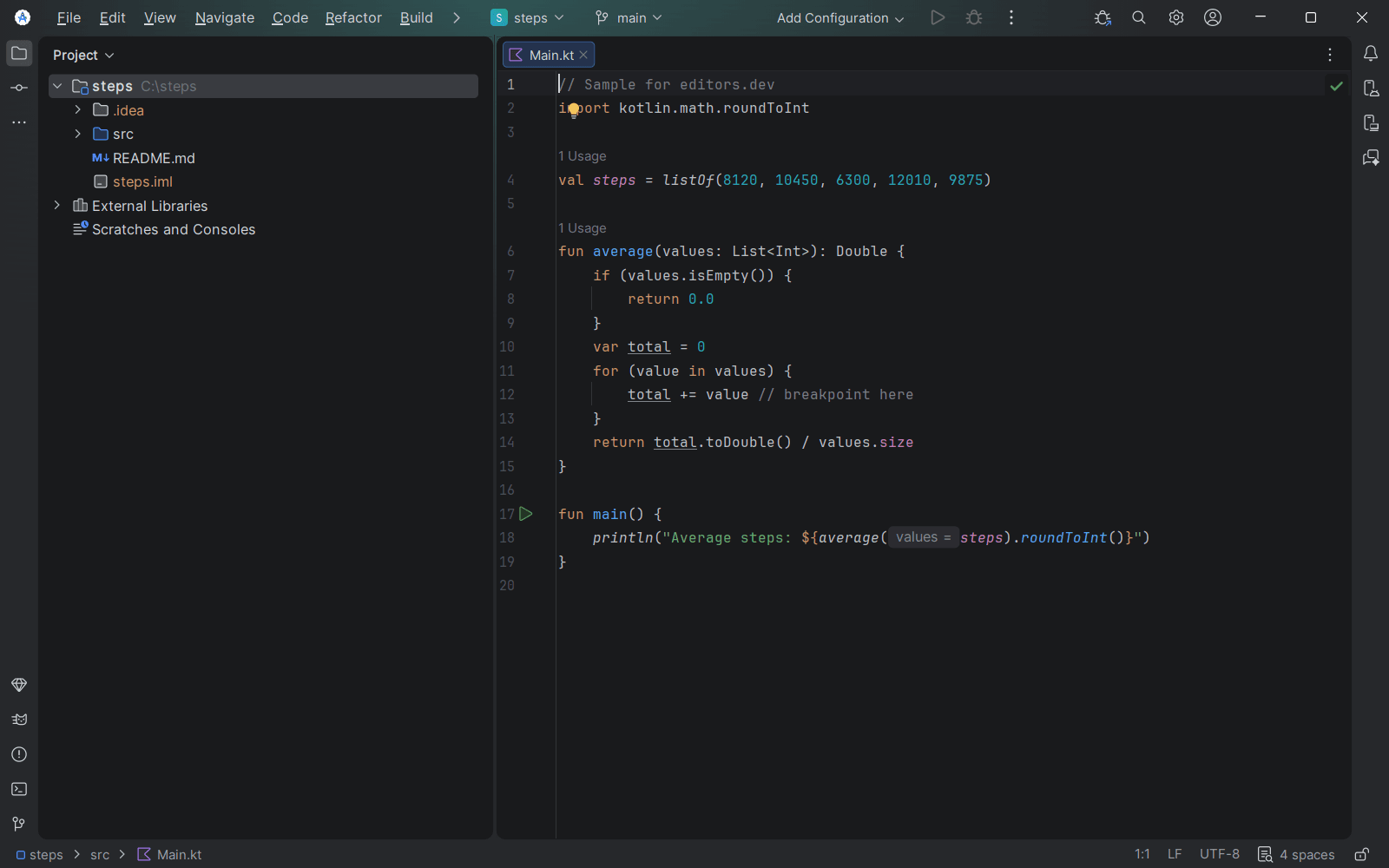
- Android Studio With LSP4IJ (Red Hat) + gopls Completion : Yes Go to definition : Yes Refactoring : Yes Debugging : Yes Tests : No Formatting : Yes
- CLion With LSP4IJ Completion : Yes Go to definition : Yes Refactoring : Yes Debugging : Yes Tests : No Formatting : Yes
- Rider With LSP4IJ Completion : Yes Go to definition : Yes Refactoring : Yes Debugging : Yes Tests : No Formatting : Yes
- RustRover With LSP4IJ Completion : Yes Go to definition : Yes Refactoring : Yes Debugging : Yes Tests : No Formatting : Yes
- RubyMine With LSP4IJ Completion : Yes Go to definition : Yes Refactoring : Yes Debugging : Yes Tests : No Formatting : Yes
- Nova With Go-Bee extension (gopls, Delve) Completion : Yes Go to definition : Yes Refactoring : Yes Debugging : Yes Tests : No Formatting : Yes
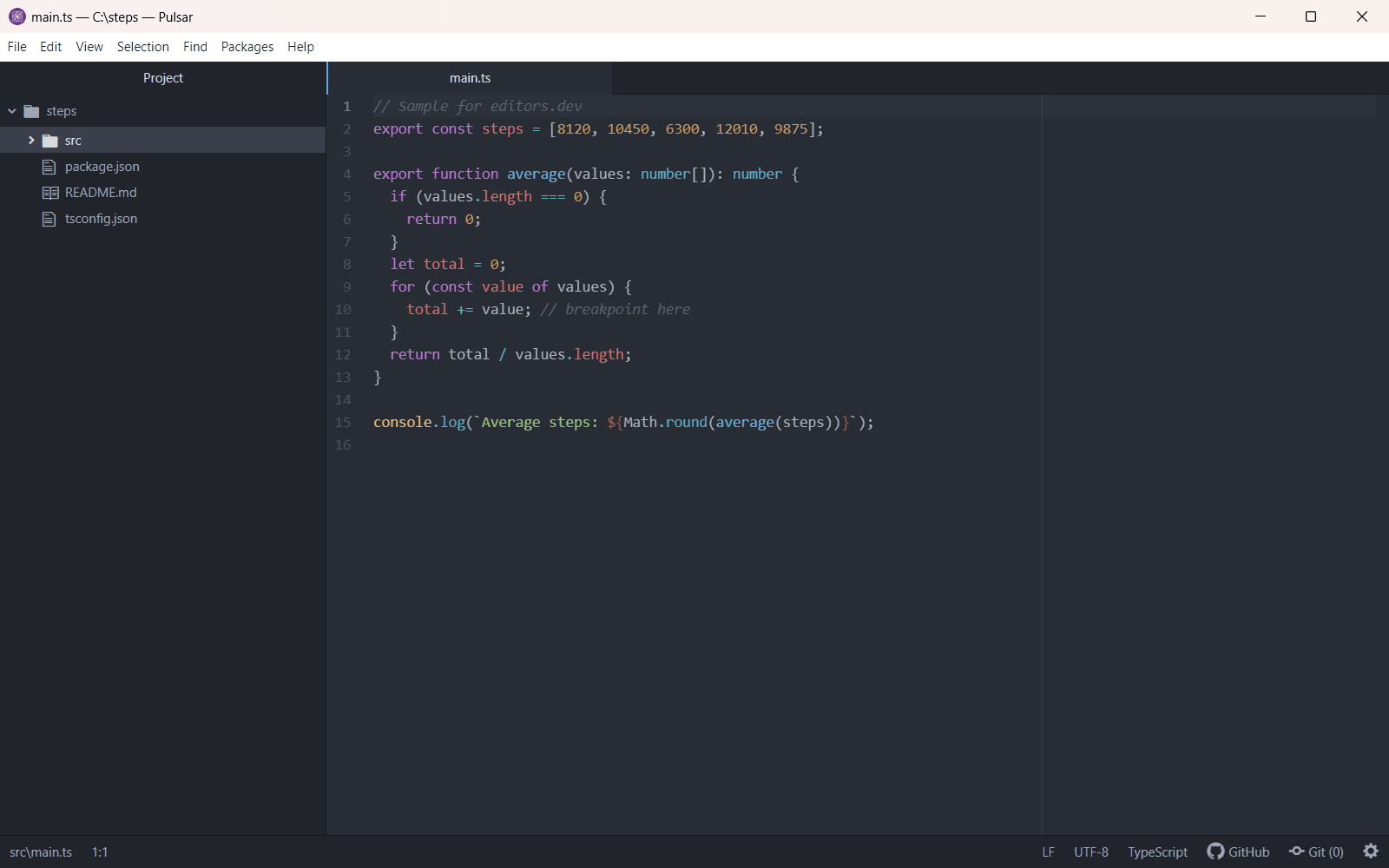
- Pulsar With pulsar-ide-golang (gopls) Completion : Yes Go to definition : Yes Refactoring : Yes Debugging : No Tests : No Formatting : Yes
- Lapce With lapce-go (gopls) Completion : Yes Go to definition : Yes Refactoring : Yes Debugging : No Tests : No Formatting : Yes
- Eclipse IDE With Eclipse Golang Development Tooling (GoDT) Completion : Yes Go to definition : Yes Refactoring : No Debugging : No Tests : No Formatting : No
- TextMate With Go bundle (golang.tmbundle) Completion : No Go to definition : No Refactoring : No Debugging : No Tests : Yes Formatting : Yes
Today
Go ships a major release every six months, in February and August, and each one is supported until two newer major releases are out; Go 1.26 and Go 1.27 are the supported lines, both patched on 2026-11-10. Go 1.28 is expected in February 2027. Code written for Go 1 still compiles under the Go 1 compatibility promise. In the TIOBE index for November 2026 Go ranks 10th.
What it is used for
Web and network services, cloud and DevOps tooling, and command-line programs. Docker, Kubernetes, Terraform, Prometheus and Hugo are written in Go.
History
Robert Griesemer, Rob Pike and Ken Thompson began designing Go at Google in 2007. They wanted a language that compiled quickly, handled concurrency well and stayed simple enough for large teams working on big codebases. Google announced it as an open-source project on 10 November 2009.
Go 1.0 arrived in March 2012 with a promise that programs written for it would keep compiling in later 1.x releases. That promise still holds. Go 1.5 in 2015 rewrote the compiler and runtime in Go itself and introduced a concurrent garbage collector.
Later releases filled long-standing gaps: modules for dependency management in Go 1.11 (2018), generics in Go 1.18 (2022) and toolchain management in Go 1.21 (2023). Go 1.27 in August 2026 added generic methods and moved encoding/json onto a new v2 implementation.
Milestone versions
- 28 March 2012 1.0 First stable release, with the Go 1 compatibility promise.
- 19 August 2015 1.5 Compiler and runtime rewritten in Go; concurrent garbage collector.
- 24 August 2018 1.11 Introduced modules for versioned dependency management, plus experimental WebAssembly support.
- 15 March 2022 1.18 Added generics (type parameters), fuzz testing and workspaces.
- 8 August 2023 1.21.0 Added toolchain management, the min, max and clear built-ins, and the log/slog package.
- 6 February 2024 1.22.0 Each loop iteration got its own variable, and range over integers became possible.
- 19 August 2026 1.27.0 Added generic methods, encoding/json/v2, a uuid package and a goroutine leak profile.
- 10 November 2026 1.27.4 Security fixes to cgo, the go command, the compiler, the linker and net/http.
Sources
Last checked: 20 November 2026