Ruby
Ruby is a dynamic, interpreted, object-oriented language in which every value is an object, designed with programmer comfort in mind. It is best known for web development with Ruby on Rails, and is also used for scripting and tooling.
Editors for Ruby
35 editors and IDEs support Ruby. Built in first, then official and community extensions. Each row opens the editor at its Ruby notes.
Built in 12
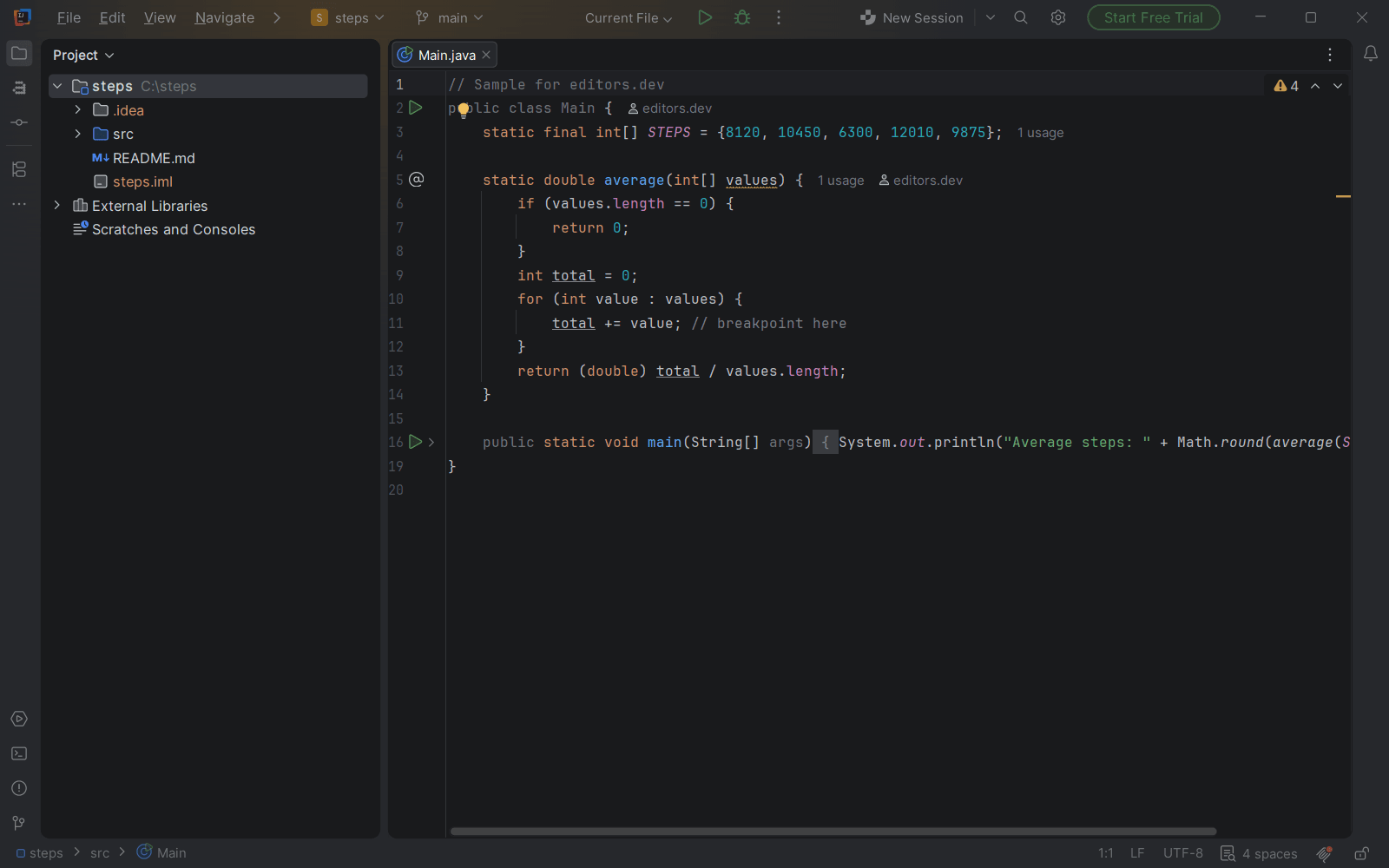
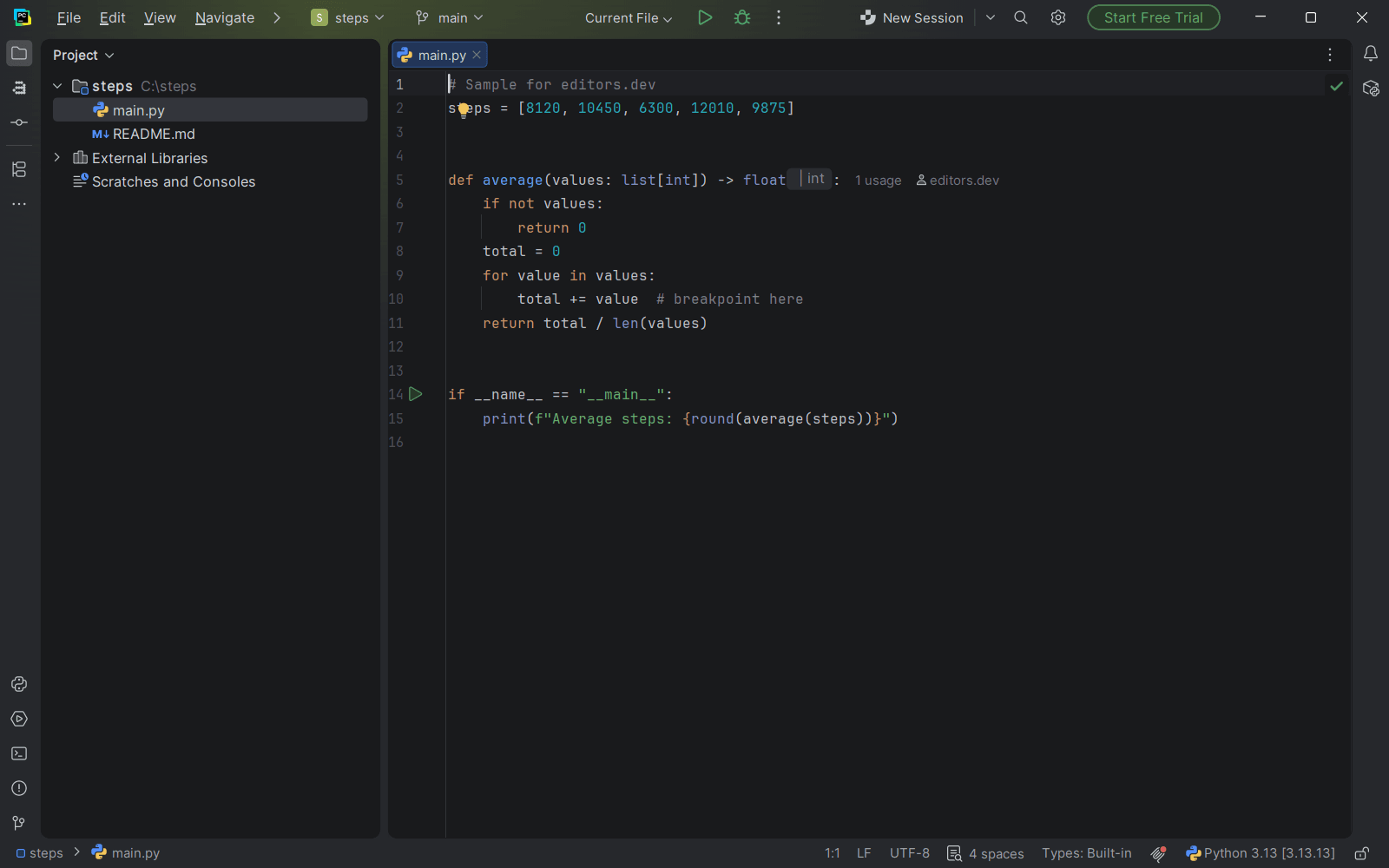
- RubyMine Completion : Yes Go to definition : Yes Refactoring : Yes Debugging : Yes Tests : Yes Formatting : Yes
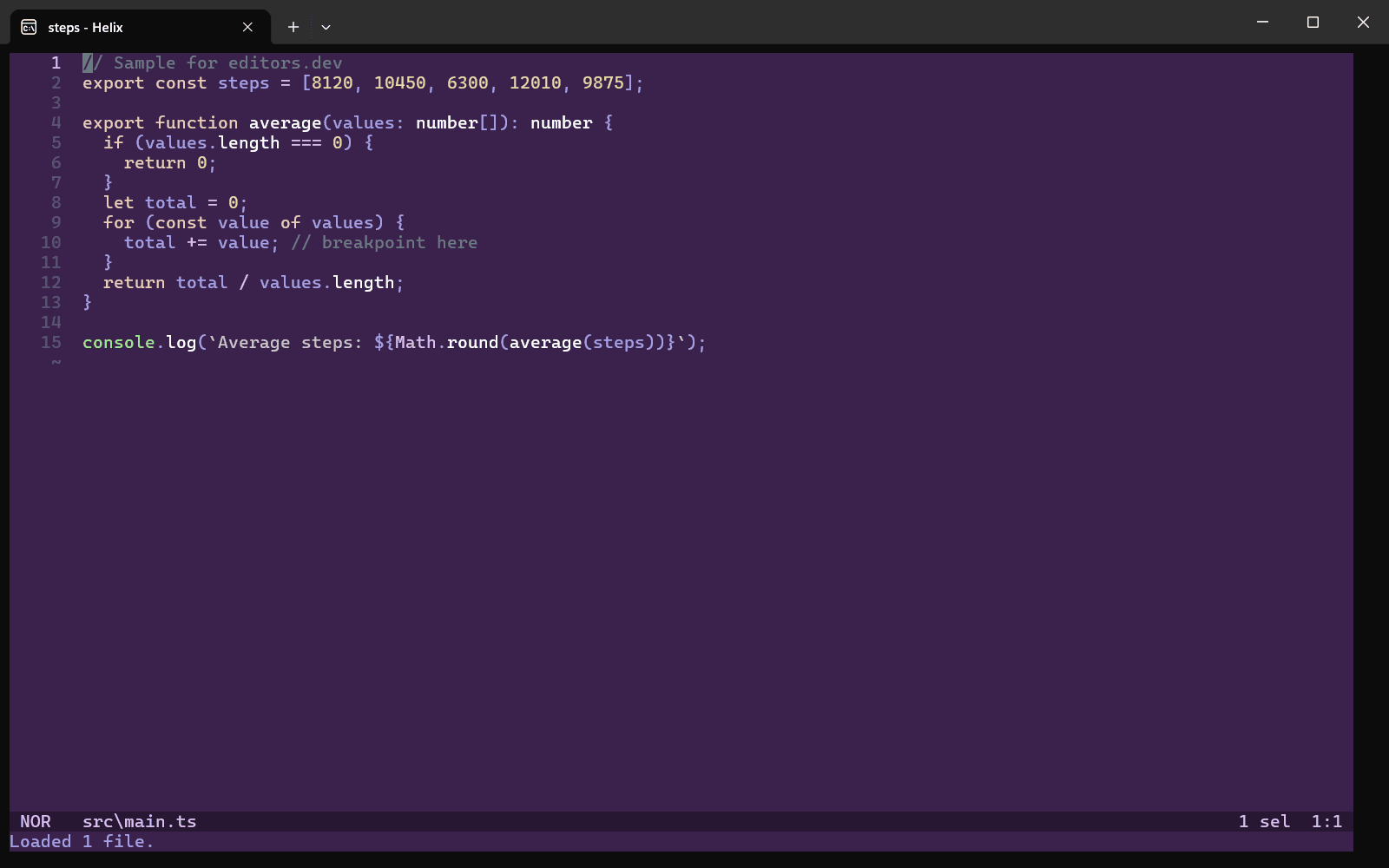
- Helix With ruby-lsp, solargraph Completion : Yes Go to definition : Yes Refactoring : Yes Debugging : No Tests : No Formatting : Yes
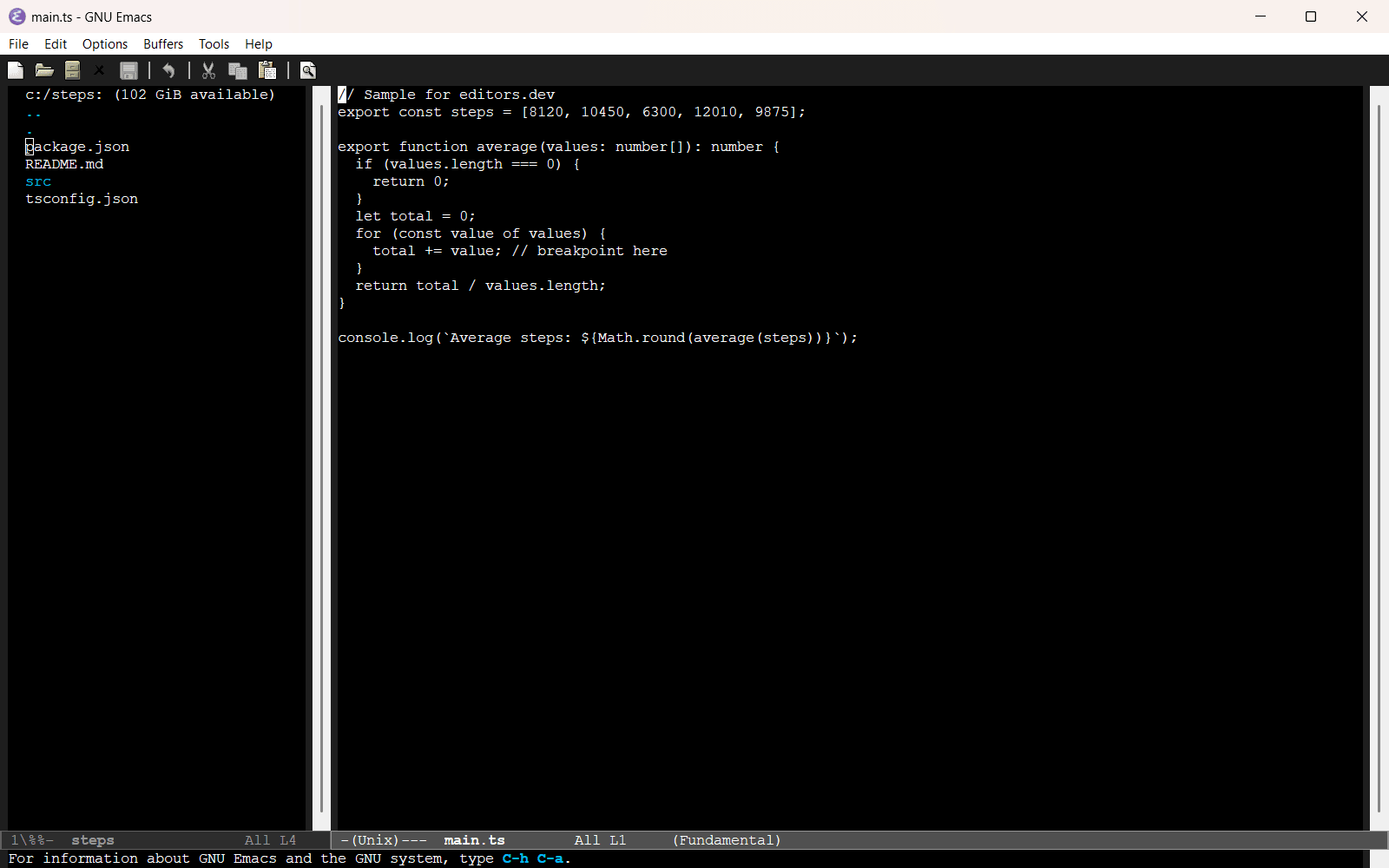
- GNU Emacs With Eglot + Solargraph or ruby-lsp Completion : Yes Go to definition : Yes Refactoring : Yes Debugging : No Tests : No Formatting : Yes
- Nova With Ruby LSP, Solargraph or RuboCop Completion : Yes Go to definition : Yes Refactoring : Yes Debugging : No Tests : No Formatting : Yes
- BBEdit With Solargraph Completion : Yes Go to definition : Yes Refactoring : Yes Debugging : No Tests : No Formatting : Yes
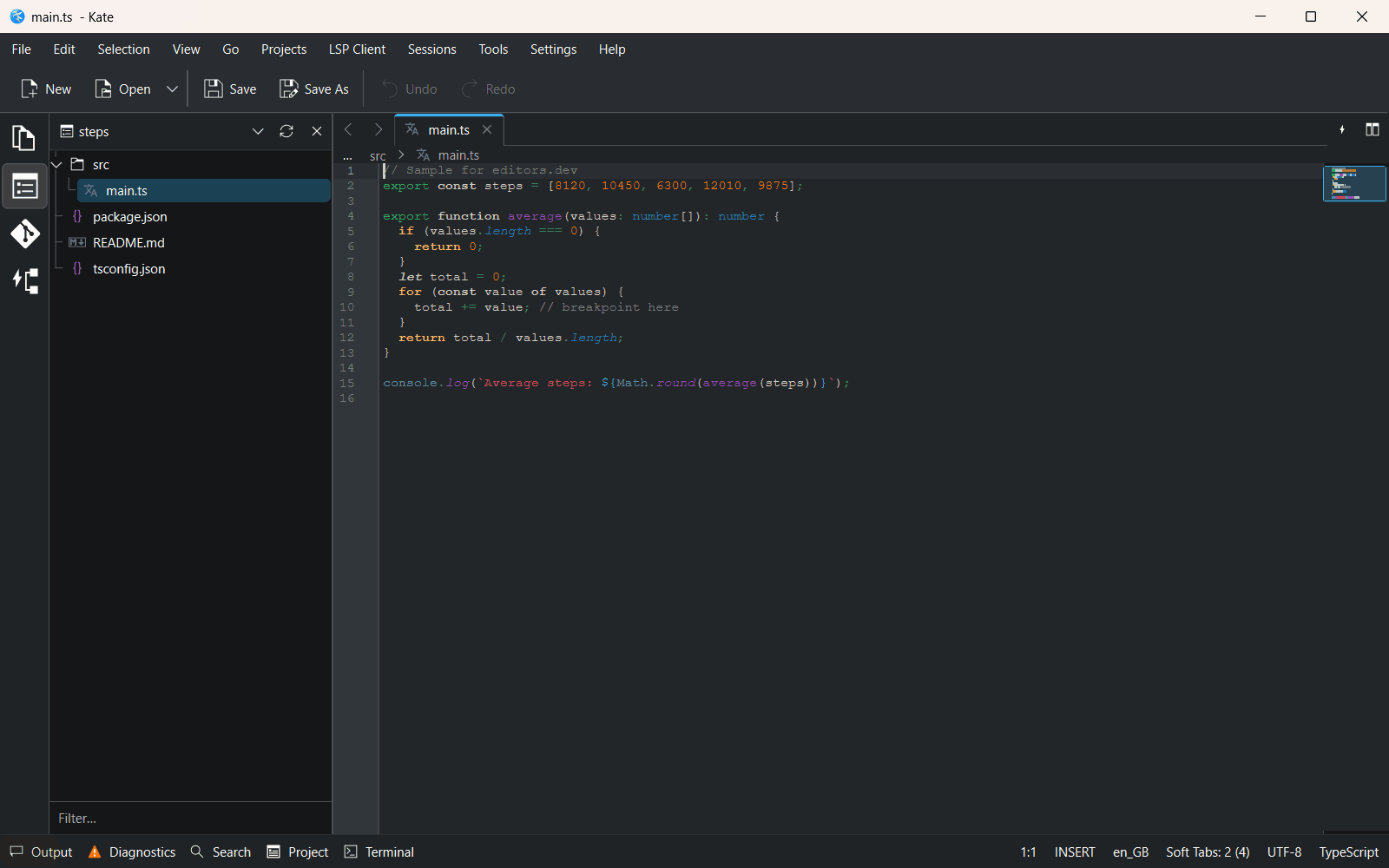
- Kate With LSP Client + solargraph Completion : Yes Go to definition : Yes Refactoring : Yes Debugging : No Tests : No Formatting : No
- TextMate With Ruby bundle Completion : No Go to definition : No Refactoring : No Debugging : No Tests : Yes Formatting : Yes
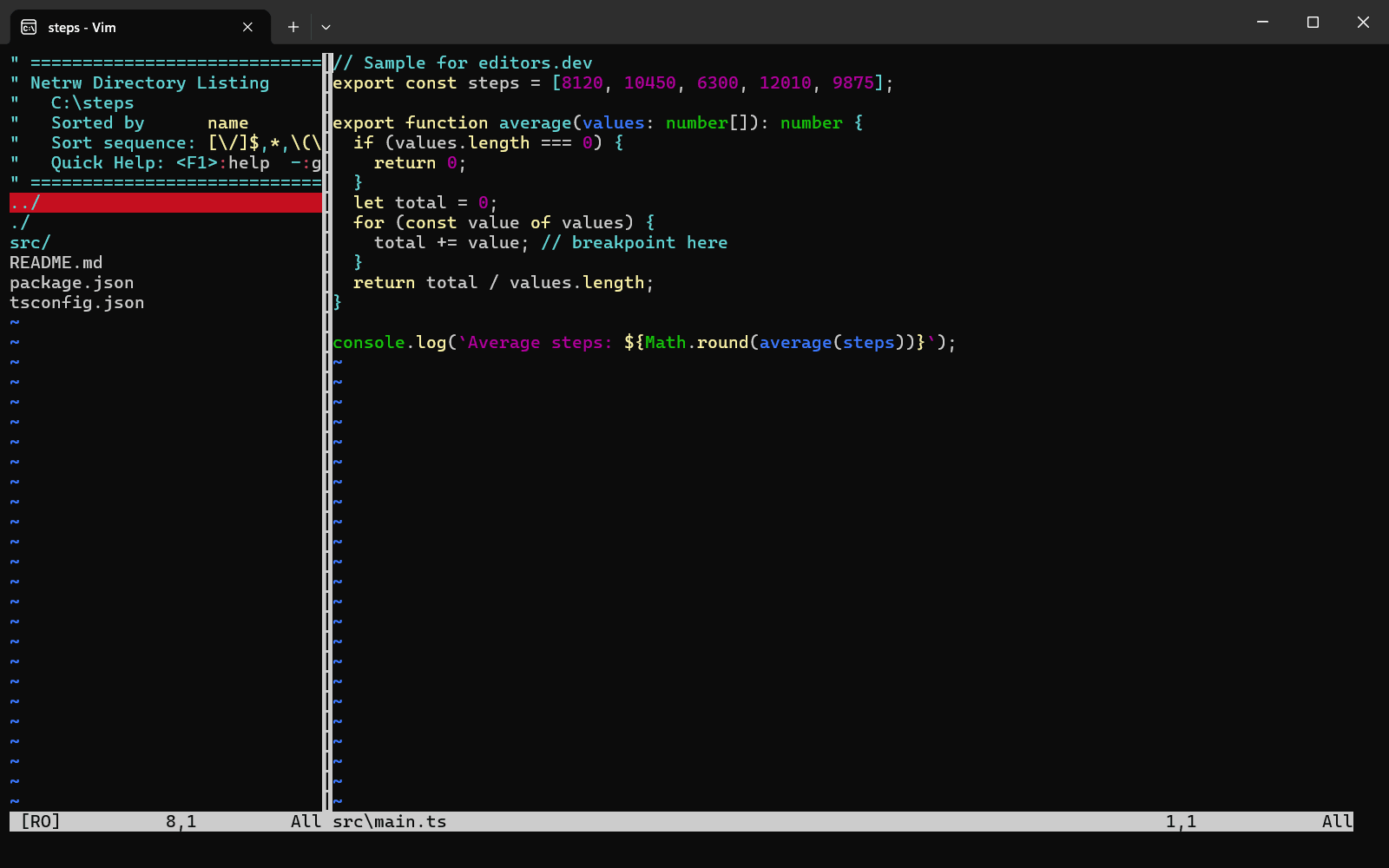
- Vim Completion : Yes Go to definition : No Refactoring : No Debugging : No Tests : No Formatting : No
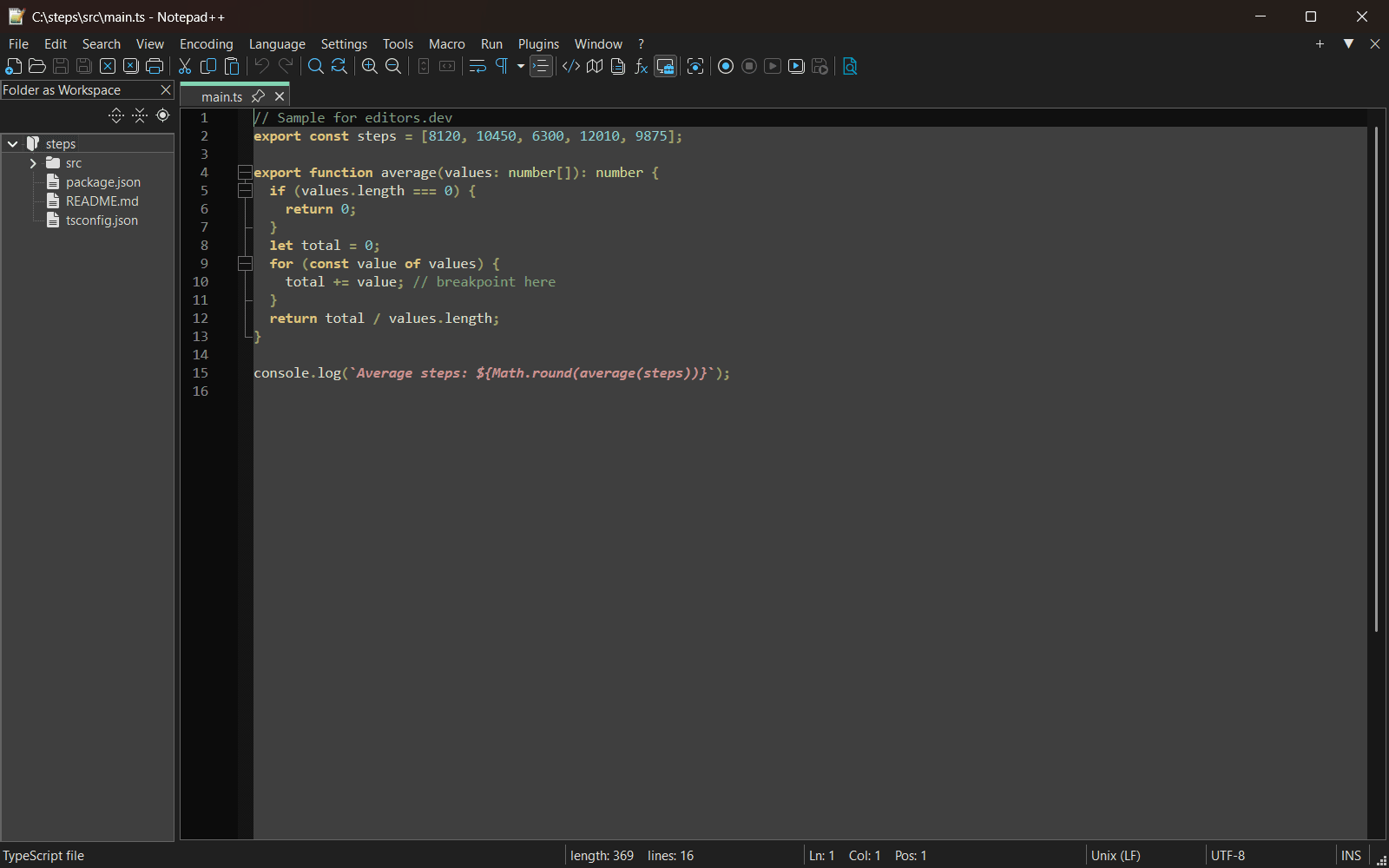
- Notepad++ Completion : Yes Go to definition : No Refactoring : No Debugging : No Tests : No Formatting : No
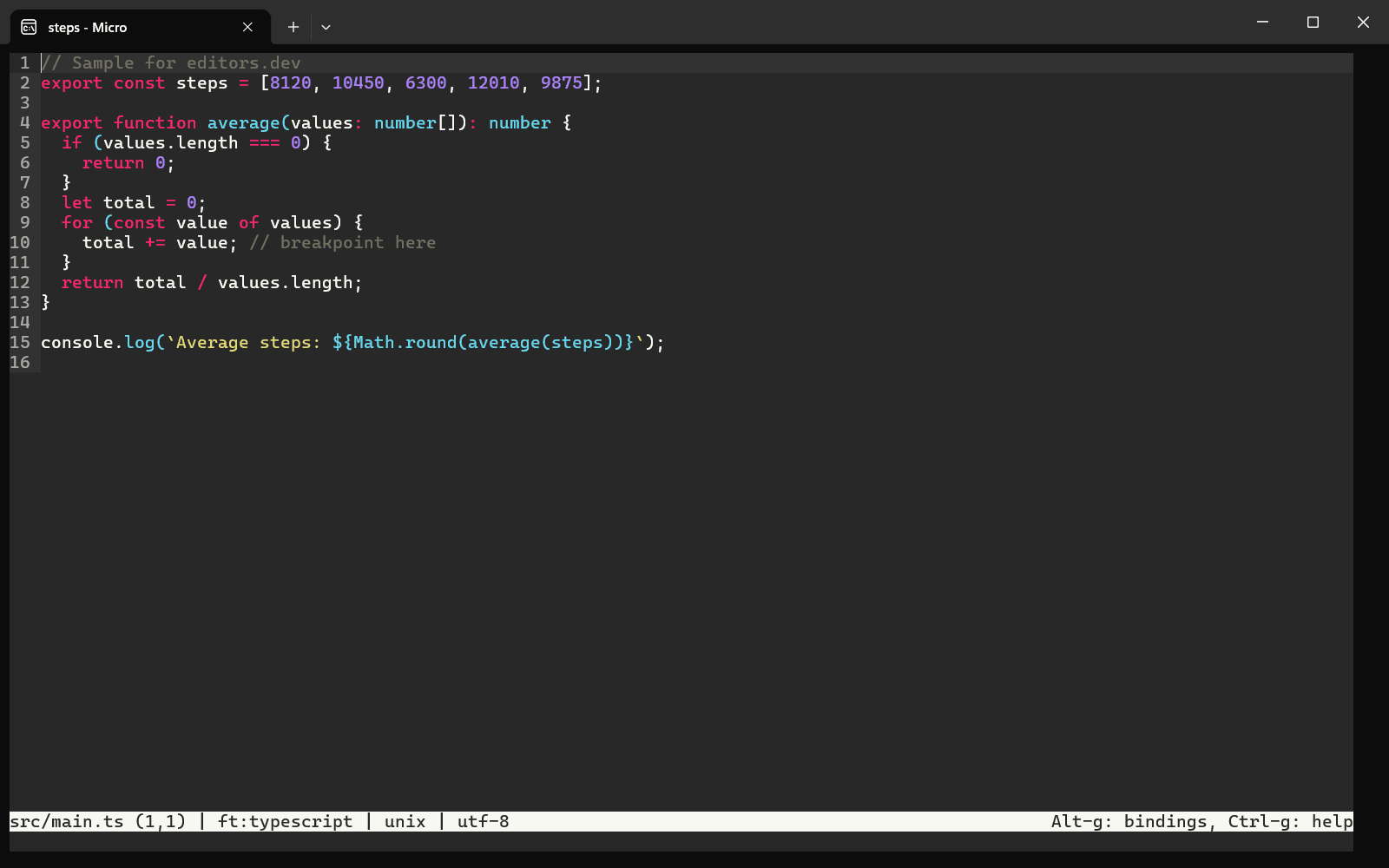
- Micro Completion : No Go to definition : No Refactoring : No Debugging : No Tests : No Formatting : No
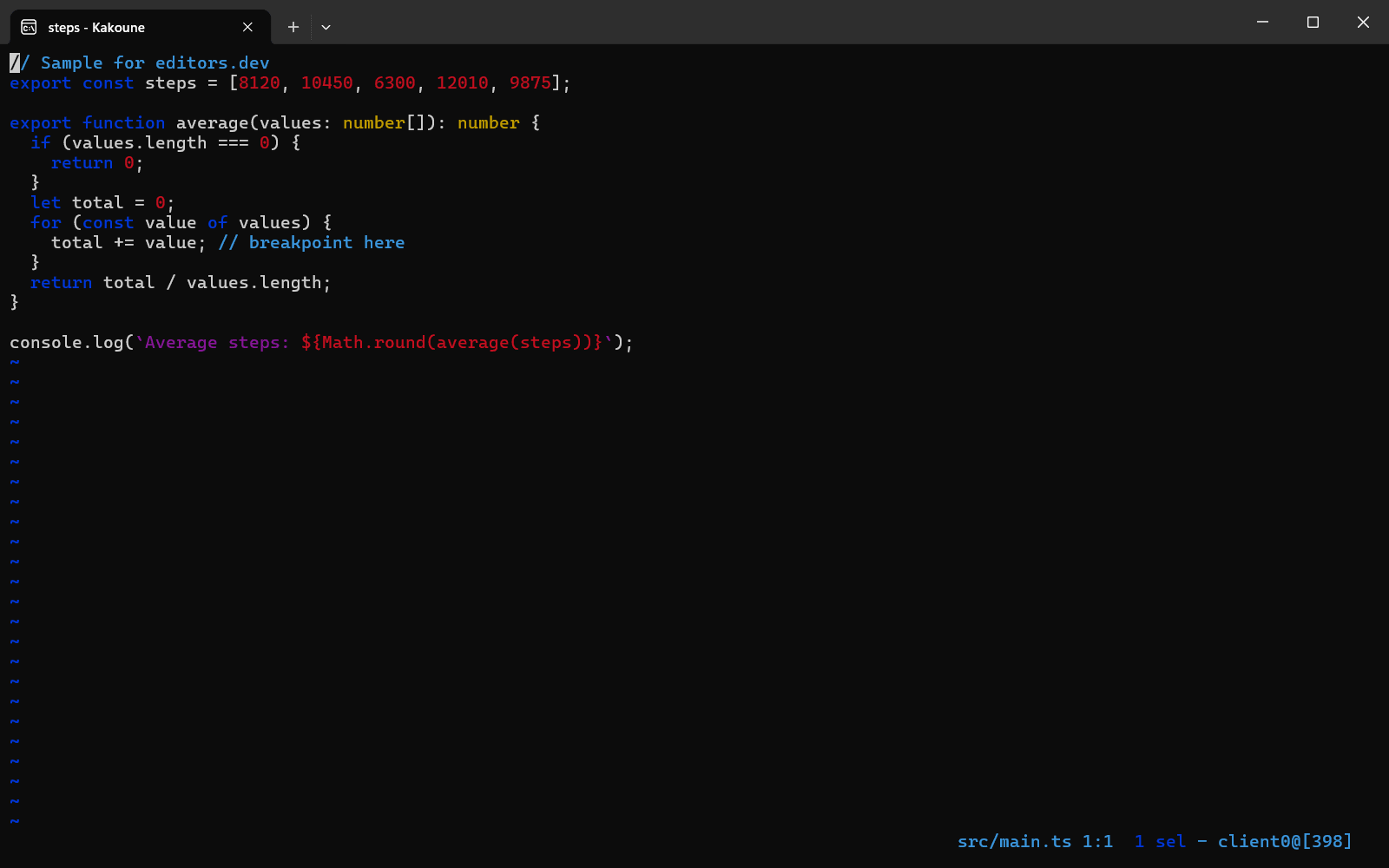
- Kakoune Completion : No Go to definition : No Refactoring : No Debugging : No Tests : No Formatting : No
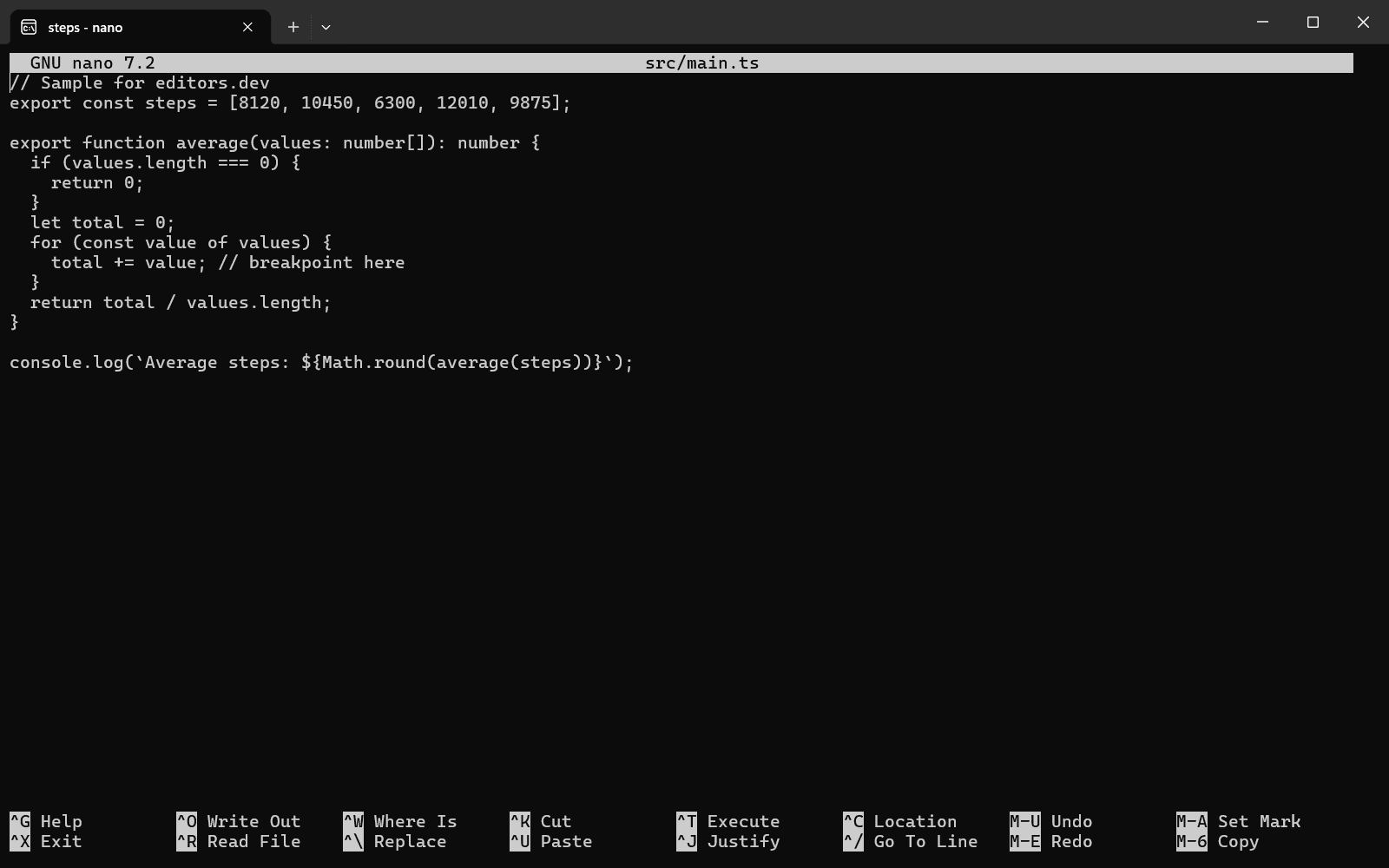
- GNU nano Completion : No Go to definition : No Refactoring : No Debugging : No Tests : No Formatting : No
Official extension 2
Community extension 21
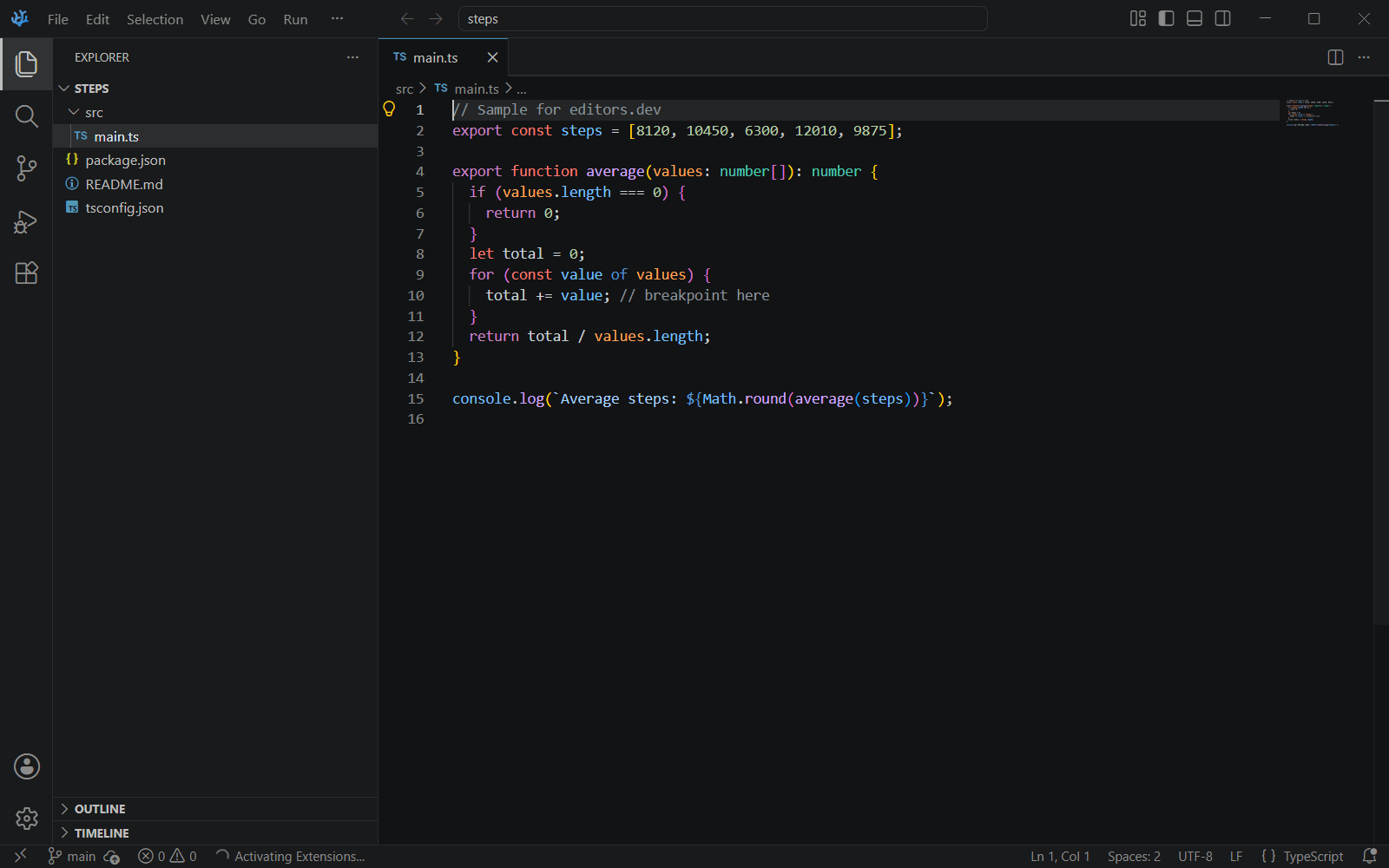
- VS Code With Ruby LSP Completion : Yes Go to definition : Yes Refactoring : Yes Debugging : Yes Tests : Yes Formatting : Yes
- Cursor With Ruby LSP Completion : Yes Go to definition : Yes Refactoring : Yes Debugging : Yes Tests : Yes Formatting : Yes
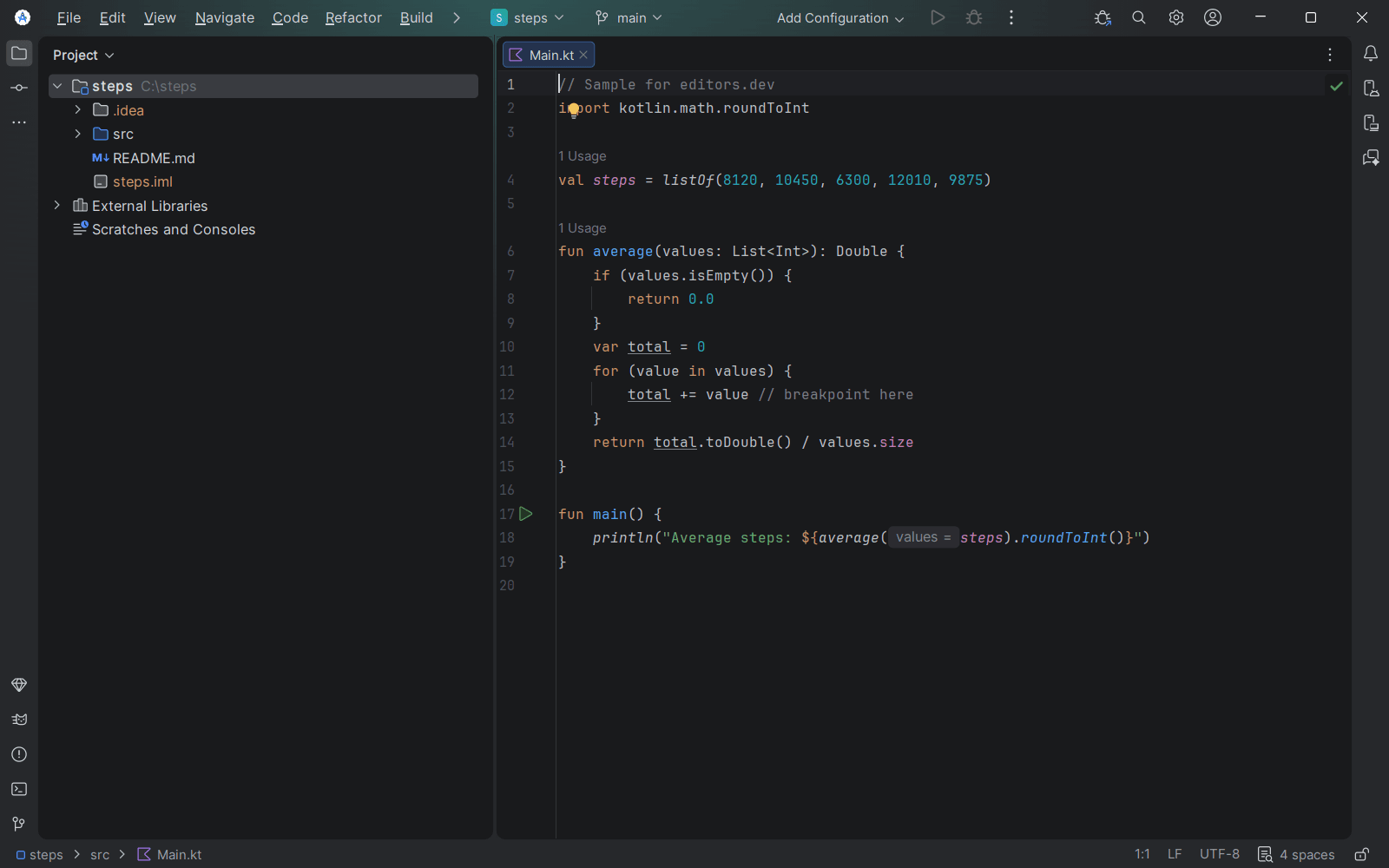
- PhpStorm With LSP4IJ Completion : Yes Go to definition : Yes Refactoring : Yes Debugging : Yes Tests : No Formatting : Yes
- Zed With Ruby (zed-extensions/ruby) Completion : Yes Go to definition : Yes Refactoring : Yes Debugging : Yes Tests : No Formatting : Yes
- Devin Desktop With Ruby LSP Completion : Yes Go to definition : Yes Refactoring : No Debugging : Yes Tests : Yes Formatting : Yes
- PyCharm With LSP4IJ Completion : Yes Go to definition : Yes Refactoring : Yes Debugging : Yes Tests : No Formatting : Yes
- WebStorm With LSP4IJ Completion : Yes Go to definition : Yes Refactoring : Yes Debugging : Yes Tests : No Formatting : Yes
- Android Studio With LSP4IJ (Red Hat) + ruby-lsp Completion : Yes Go to definition : Yes Refactoring : Yes Debugging : Yes Tests : No Formatting : Yes
- Eclipse IDE With Ruby Solargraph Completion : Yes Go to definition : Yes Refactoring : Yes Debugging : Yes Tests : No Formatting : Yes
- GoLand With LSP4IJ Completion : Yes Go to definition : Yes Refactoring : Yes Debugging : Yes Tests : No Formatting : Yes
- CLion With LSP4IJ Completion : Yes Go to definition : Yes Refactoring : Yes Debugging : Yes Tests : No Formatting : Yes
- Rider With LSP4IJ Completion : Yes Go to definition : Yes Refactoring : Yes Debugging : Yes Tests : No Formatting : Yes
- RustRover With LSP4IJ Completion : Yes Go to definition : Yes Refactoring : Yes Debugging : Yes Tests : No Formatting : Yes
- Kiro With Ruby LSP Completion : Yes Go to definition : Yes Refactoring : No Debugging : Yes Tests : Yes Formatting : Yes
- Google Antigravity With Ruby LSP Completion : Yes Go to definition : Yes Refactoring : No Debugging : Yes Tests : Yes Formatting : Yes
- TRAE With Ruby LSP Completion : Yes Go to definition : Yes Refactoring : No Debugging : Yes Tests : Yes Formatting : Yes
- VSCodium With Ruby LSP Completion : Yes Go to definition : Yes Refactoring : No Debugging : Yes Tests : Yes Formatting : Yes
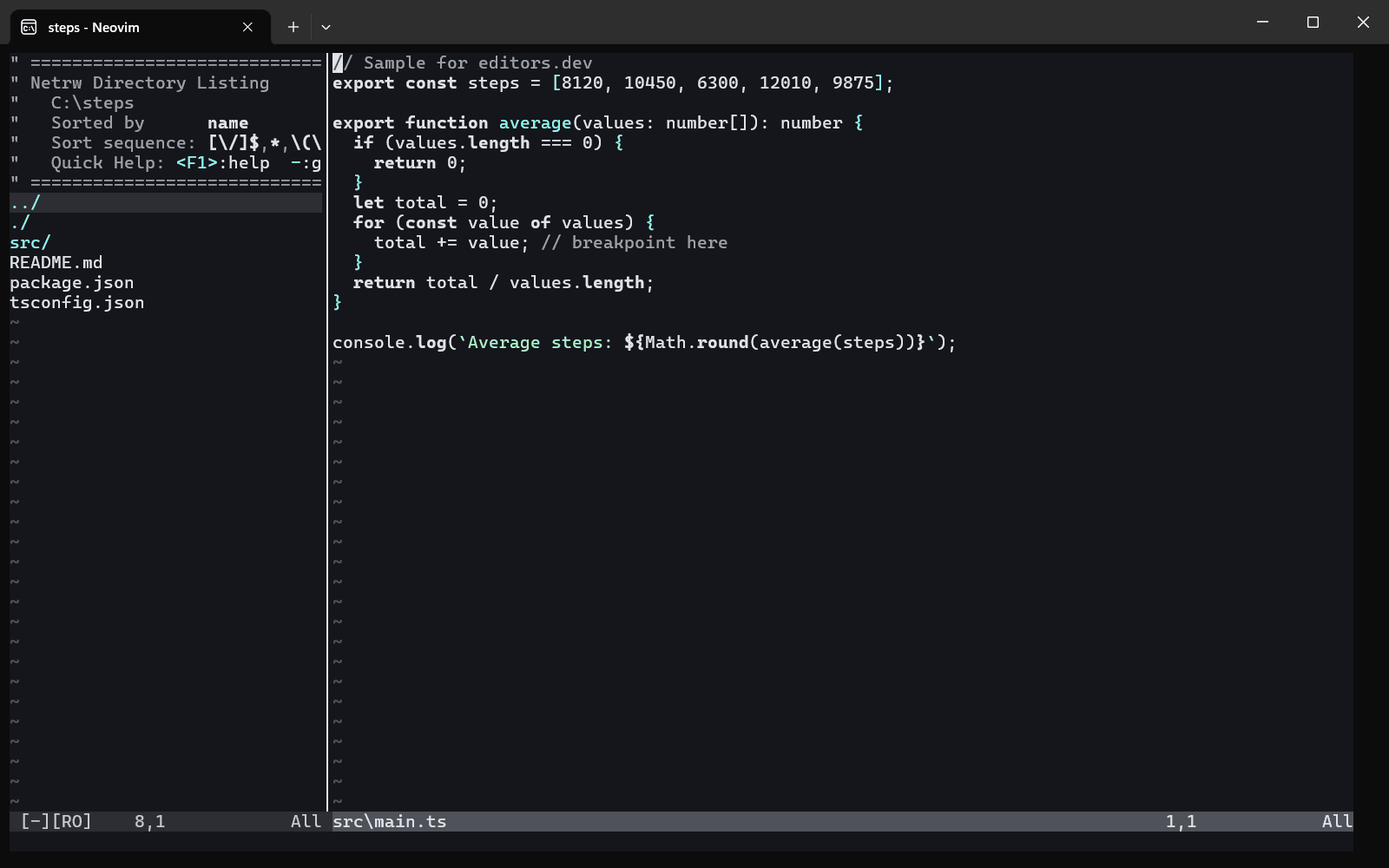
- Neovim With ruby-lsp Completion : Yes Go to definition : Yes Refactoring : Yes Debugging : No Tests : No Formatting : Yes
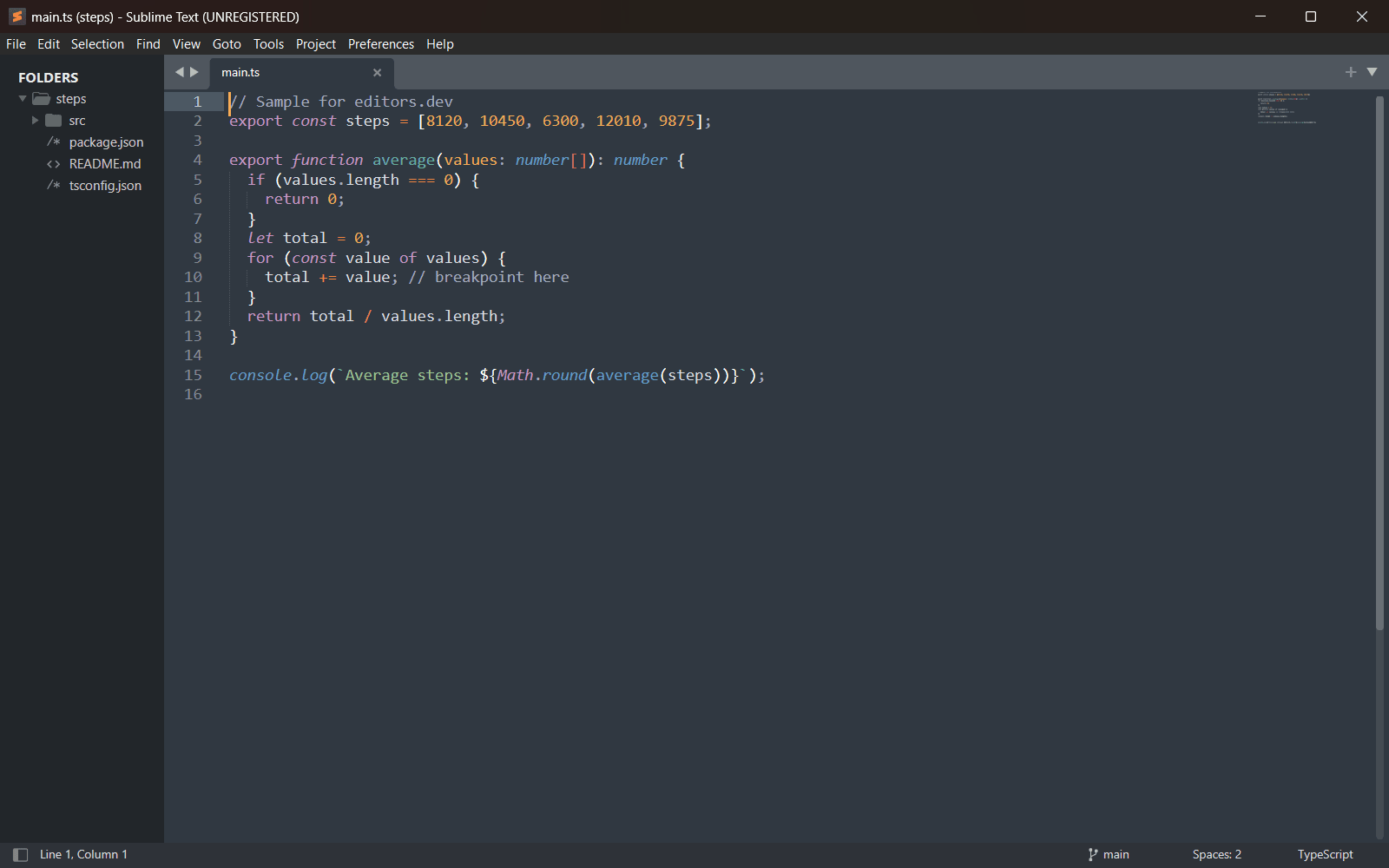
- Sublime Text With LSP (manual Ruby LSP or Solargraph client config) Completion : Yes Go to definition : Yes Refactoring : Yes Debugging : No Tests : No Formatting : Yes
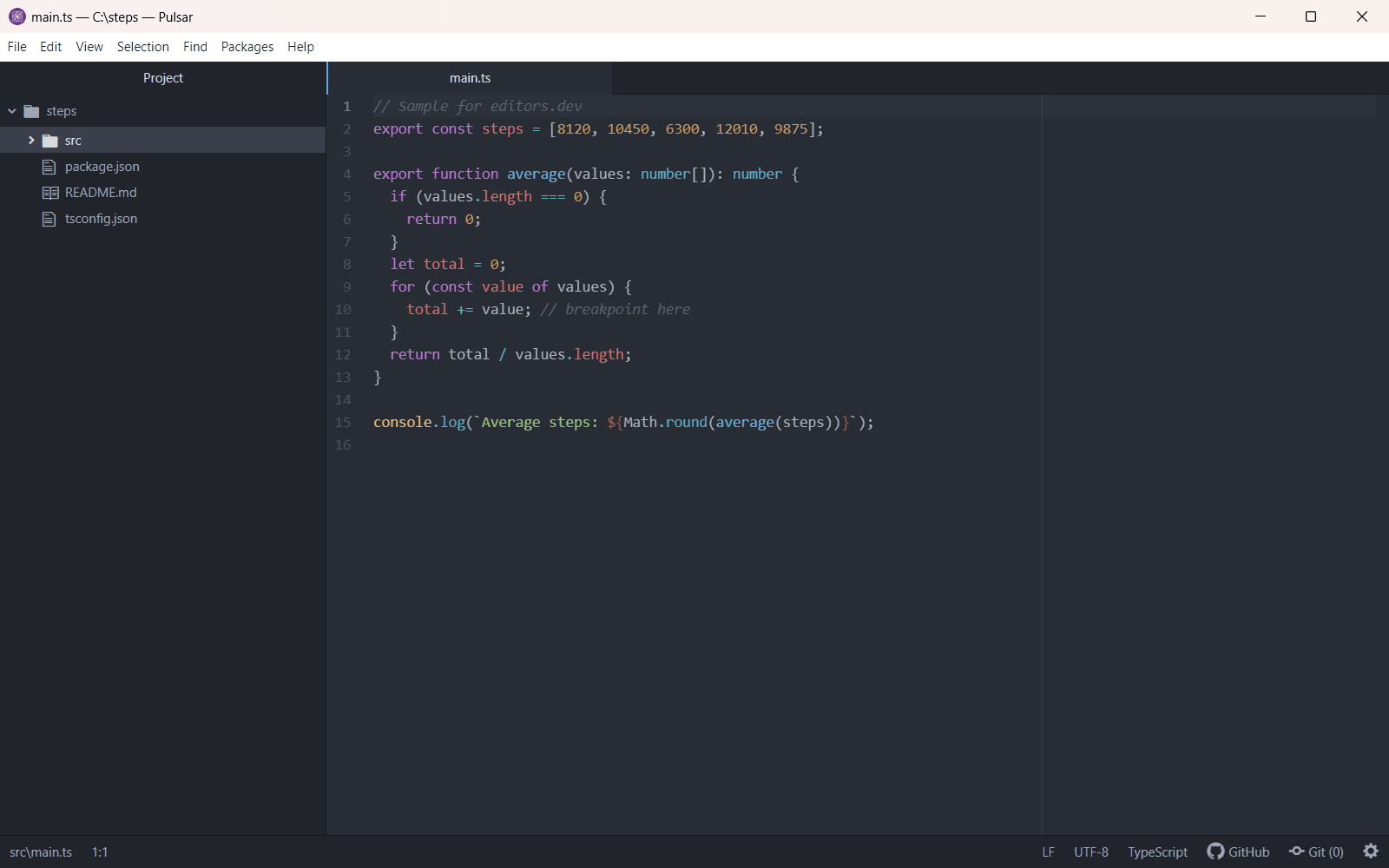
- Pulsar With pulsar-ide-ruby-solargraph (solargraph) Completion : Yes Go to definition : Yes Refactoring : Yes Debugging : No Tests : No Formatting : No
- Lapce With lapce-solargraph (solargraph) Completion : Yes Go to definition : Yes Refactoring : Yes Debugging : No Tests : No Formatting : No
Today
A new minor version is released every year on 25 December. Ruby 4.0 and 3.4 are in normal maintenance, 3.3 is in security-only maintenance until an expected end of life on 2027-03-31, and 3.2 reached end of life in 2026. Ruby 4.1.0-preview1 came out on 2026-10-12, and 4.1 is expected on 25 December 2026. In the TIOBE index for November 2026 Ruby ranks 30th.
What it is used for
Web applications, scripting, automation and developer tools. GitHub, Shopify and Basecamp are built with Ruby on Rails, and tools such as Homebrew, CocoaPods and Jekyll are written in Ruby.
History
Yukihiro Matsumoto started Ruby in Japan in 1993, aiming for a scripting language that was more object-oriented than Perl and easier to enjoy than Python. Version 0.95 was announced on Japanese newsgroups in December 1995, and Ruby 1.0 followed a year later.
Ruby spread outside Japan in the early 2000s, helped by English-language books. Ruby on Rails, released by David Heinemeier Hansson in 2004, made it one of the main languages for web applications. Ruby 1.9 in 2009 replaced the original interpreter with the YARV virtual machine and added encoding-aware strings.
Ruby 2.0 arrived in 2013 for the language's 20th anniversary. Ruby 3.0 in 2020 brought Ractors for parallelism and RBS type signatures, and later releases added the YJIT compiler and the Prism parser. Ruby 4.0 on 25 December 2025 marked 30 years since the first release, with the experimental Ruby::Box and ZJIT compiler.
Milestone versions
- 21 December 1995 0.95 First public release, announced on Japanese newsgroups.
- 25 December 1996 1.0 First stable release.
- 4 August 2003 1.8.0 The long-lived line that carried Ruby on Rails through its early years.
- 30 January 2009 1.9.1 First stable 1.9 release: YARV virtual machine and encoding-aware strings.
- 24 February 2013 2.0.0 Keyword arguments, refinements and UTF-8 as the default source encoding.
- 25 December 2020 3.0.0 Ractors for parallelism, the Fiber scheduler and RBS type signatures.
- 25 December 2024 3.4.0 Prism became the default parser; "it" was added for block parameters.
- 25 December 2025 4.0.0 30th-anniversary release with experimental Ruby::Box, the ZJIT compiler and Ractor improvements.
- 18 November 2026 4.0.10 Security release fixing vulnerabilities in the regular expression engine and string case conversion.
Sources
Last checked: 20 November 2026