Rust
Rust is a compiled systems language that guarantees memory safety without a garbage collector, using an ownership and borrowing model checked at compile time. It is used for system software, command-line tools, web services and WebAssembly.
Editors for Rust
36 editors and IDEs support Rust. Built in first, then official and community extensions. Each row opens the editor at its Rust notes.
Built in 13
- RustRover Completion : Yes Go to definition : Yes Refactoring : Yes Debugging : Yes Tests : Yes Formatting : Yes
- Zed Completion : Yes Go to definition : Yes Refactoring : Yes Debugging : Yes Tests : Yes Formatting : Yes
- CLion Completion : Yes Go to definition : Yes Refactoring : Yes Debugging : Yes Tests : Yes Formatting : Yes
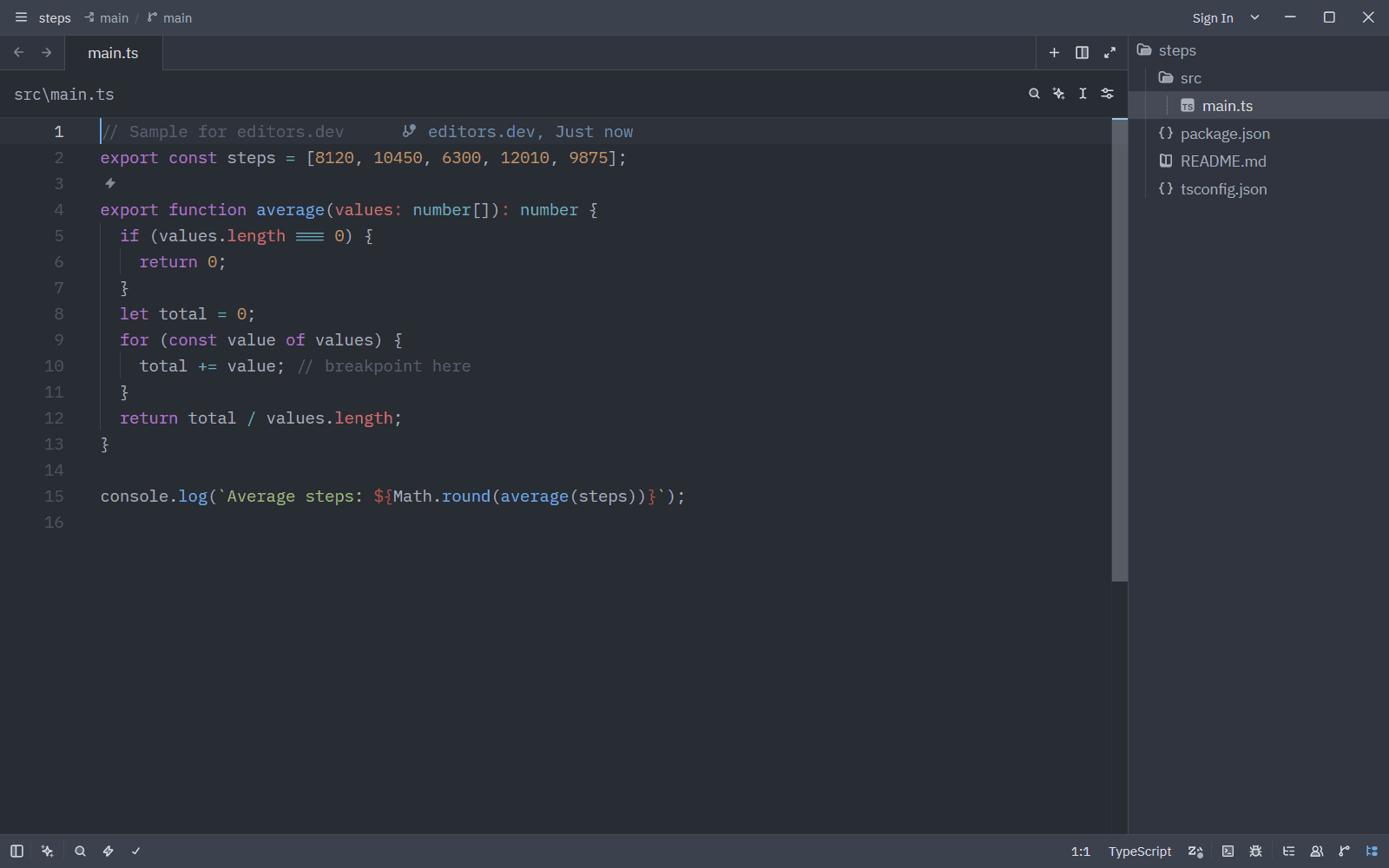
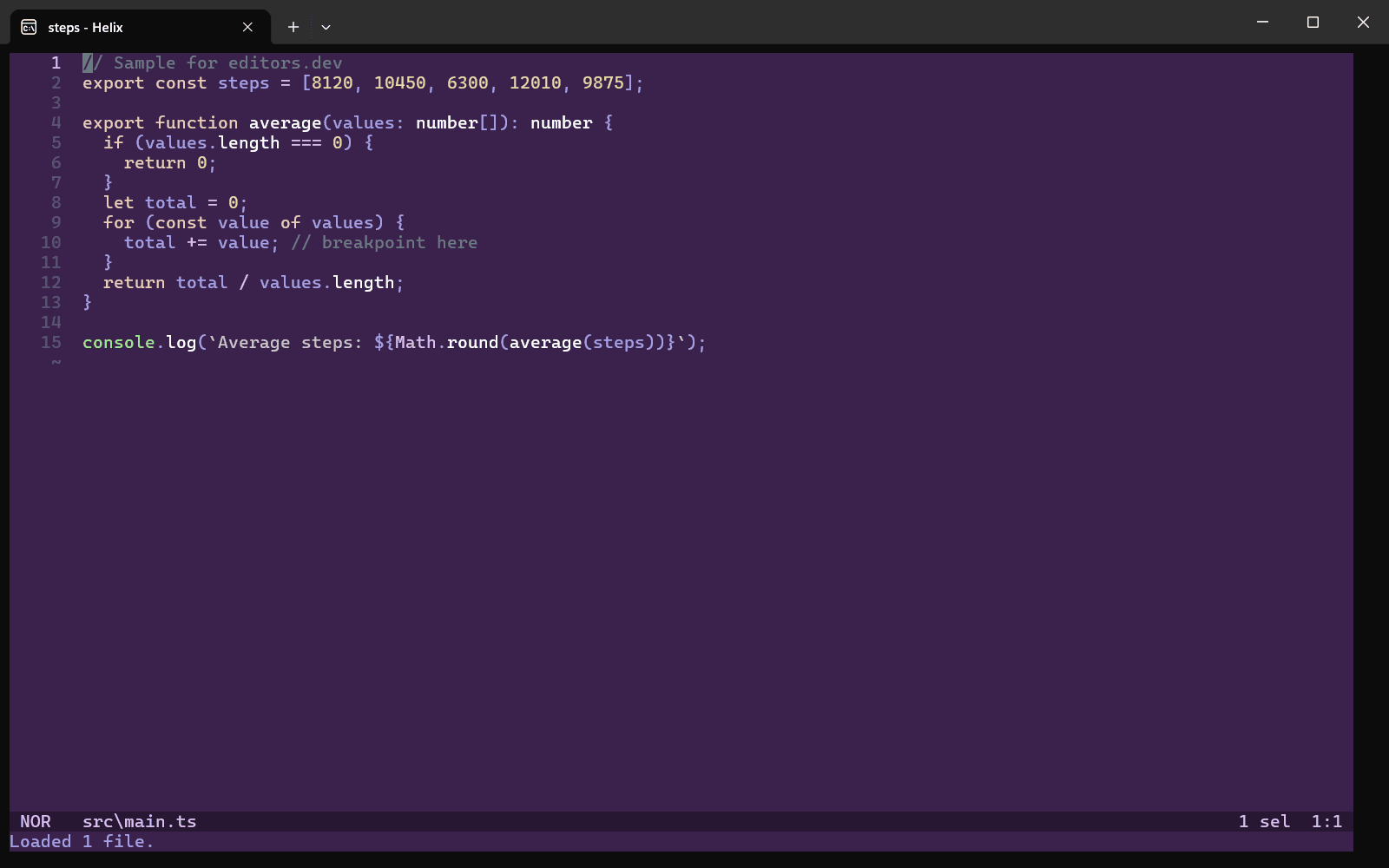
- Helix With rust-analyzer; lldb-dap Completion : Yes Go to definition : Yes Refactoring : Yes Debugging : Yes Tests : No Formatting : Yes
- Nova With rust-analyzer Completion : Yes Go to definition : Yes Refactoring : Yes Debugging : Yes Tests : No Formatting : Yes
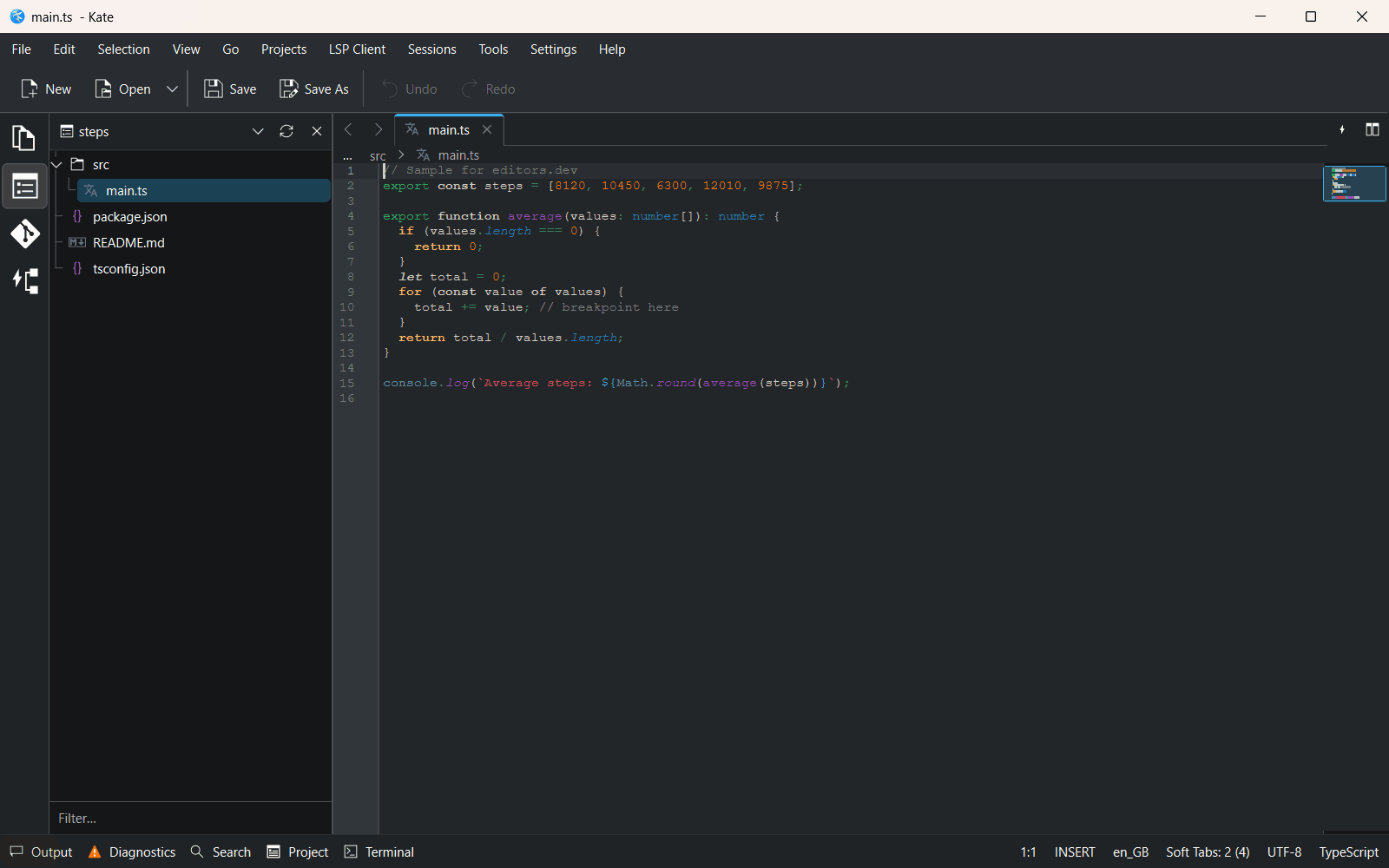
- Kate With LSP Client + rust-analyzer; Format plugin (rustfmt); debugger (GDB, lldb-dap) Completion : Yes Go to definition : Yes Refactoring : Yes Debugging : Yes Tests : No Formatting : Yes
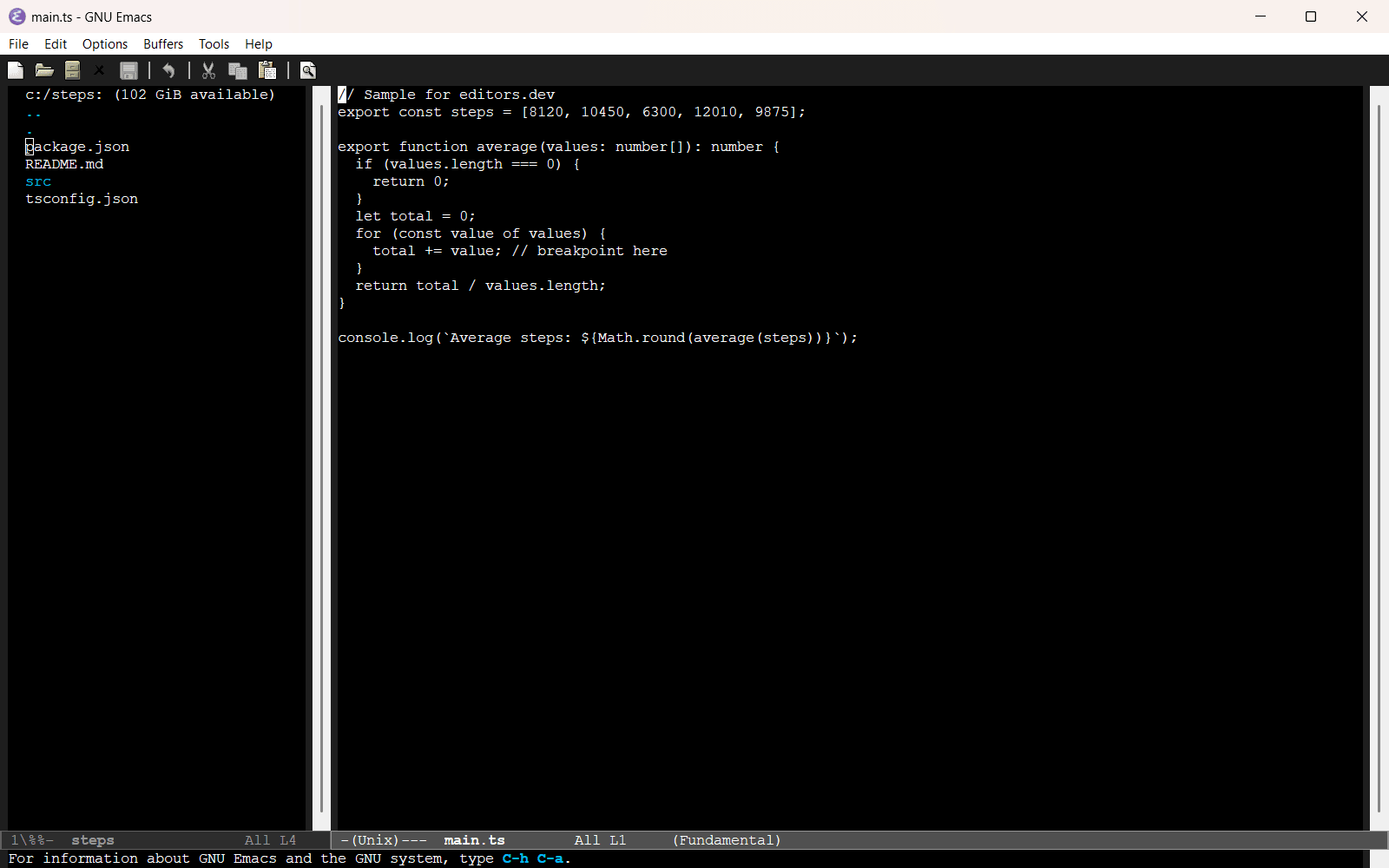
- GNU Emacs With Eglot + rust-analyzer Completion : Yes Go to definition : Yes Refactoring : Yes Debugging : No Tests : No Formatting : Yes
- BBEdit With rust-analyzer Completion : Yes Go to definition : Yes Refactoring : Yes Debugging : No Tests : No Formatting : Yes
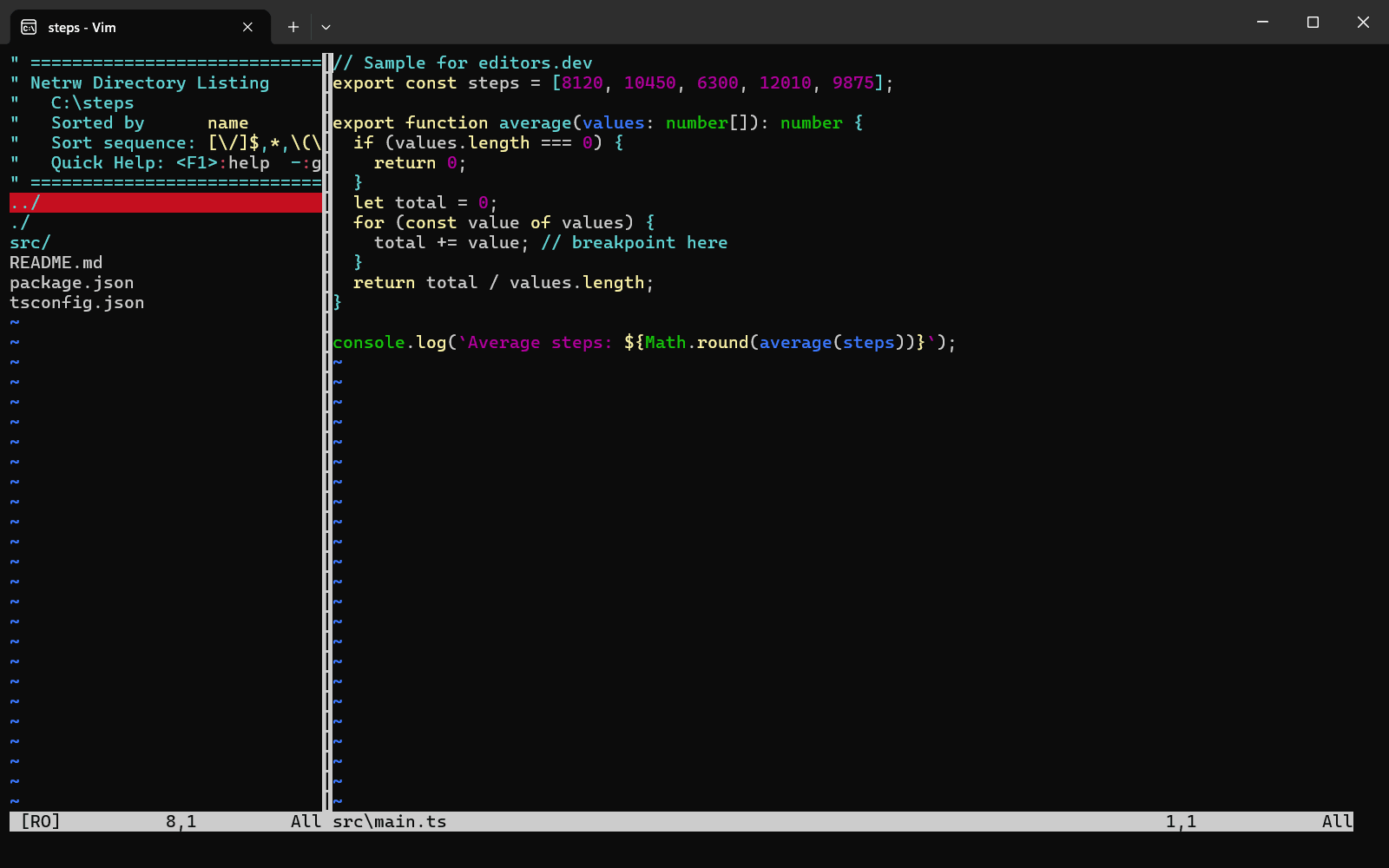
- Vim With rust.vim runtime files Completion : No Go to definition : No Refactoring : No Debugging : No Tests : Yes Formatting : Yes
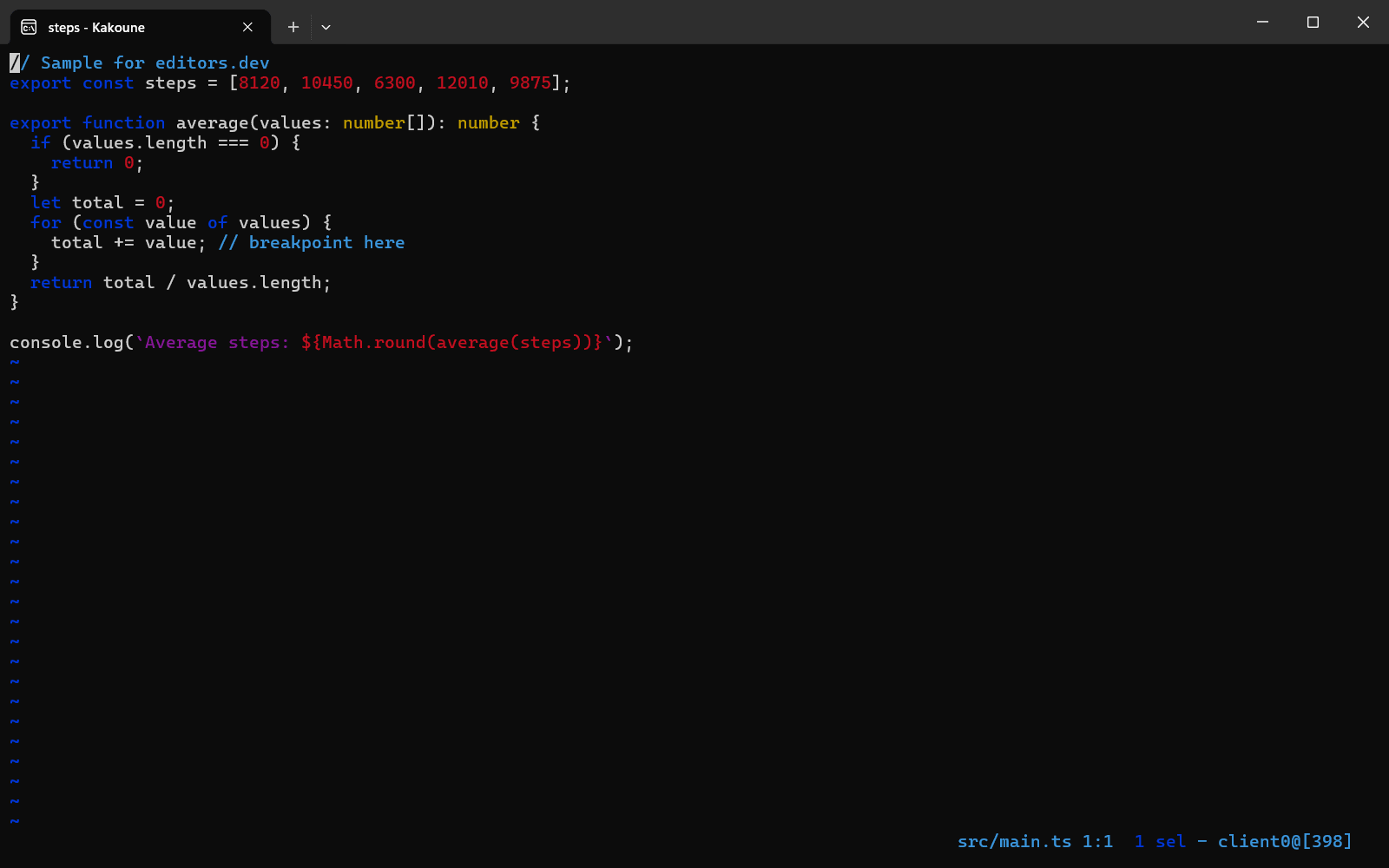
- Kakoune With racer.kak Completion : Yes Go to definition : Yes Refactoring : No Debugging : No Tests : No Formatting : No
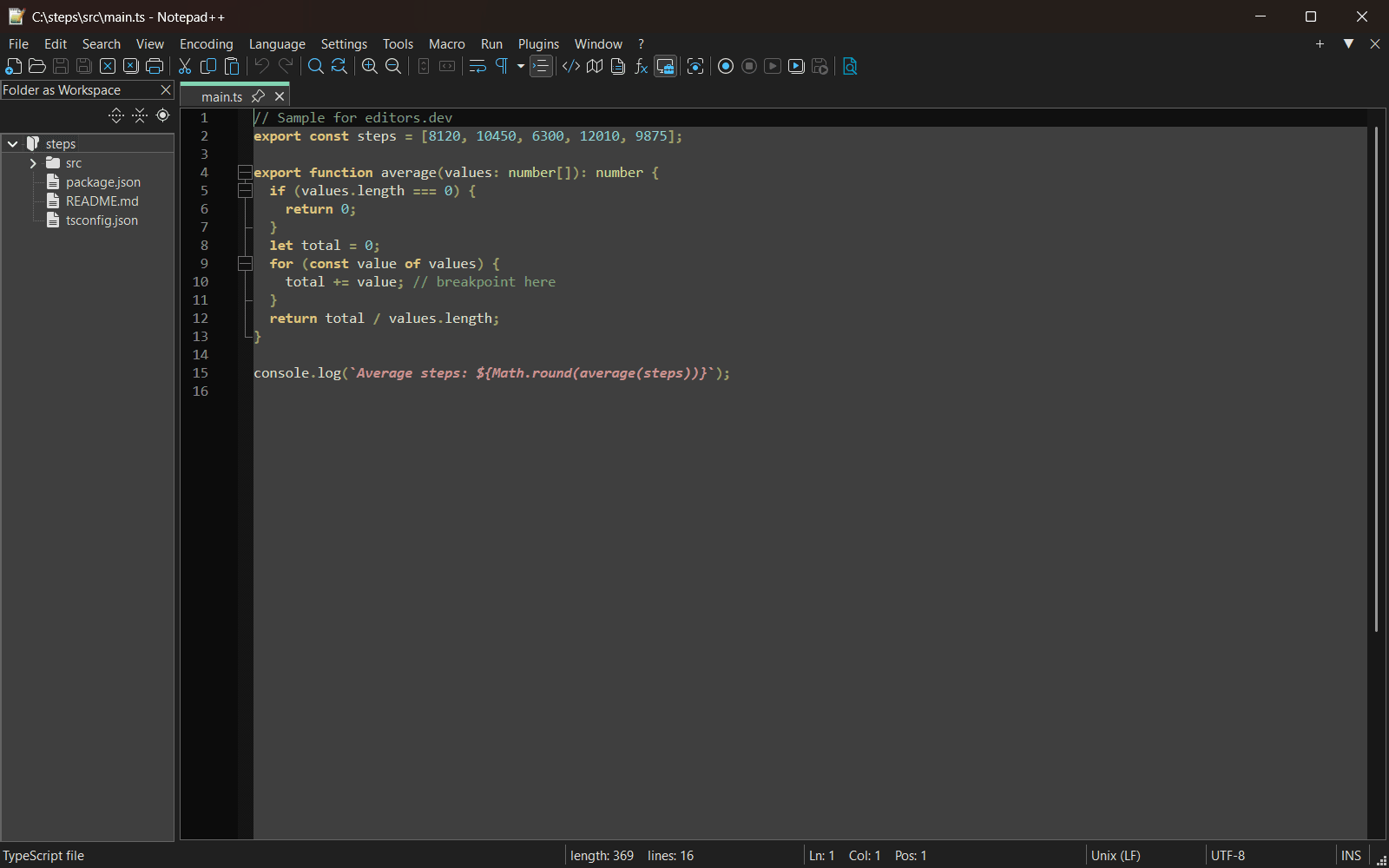
- Notepad++ Completion : Yes Go to definition : No Refactoring : No Debugging : No Tests : No Formatting : No
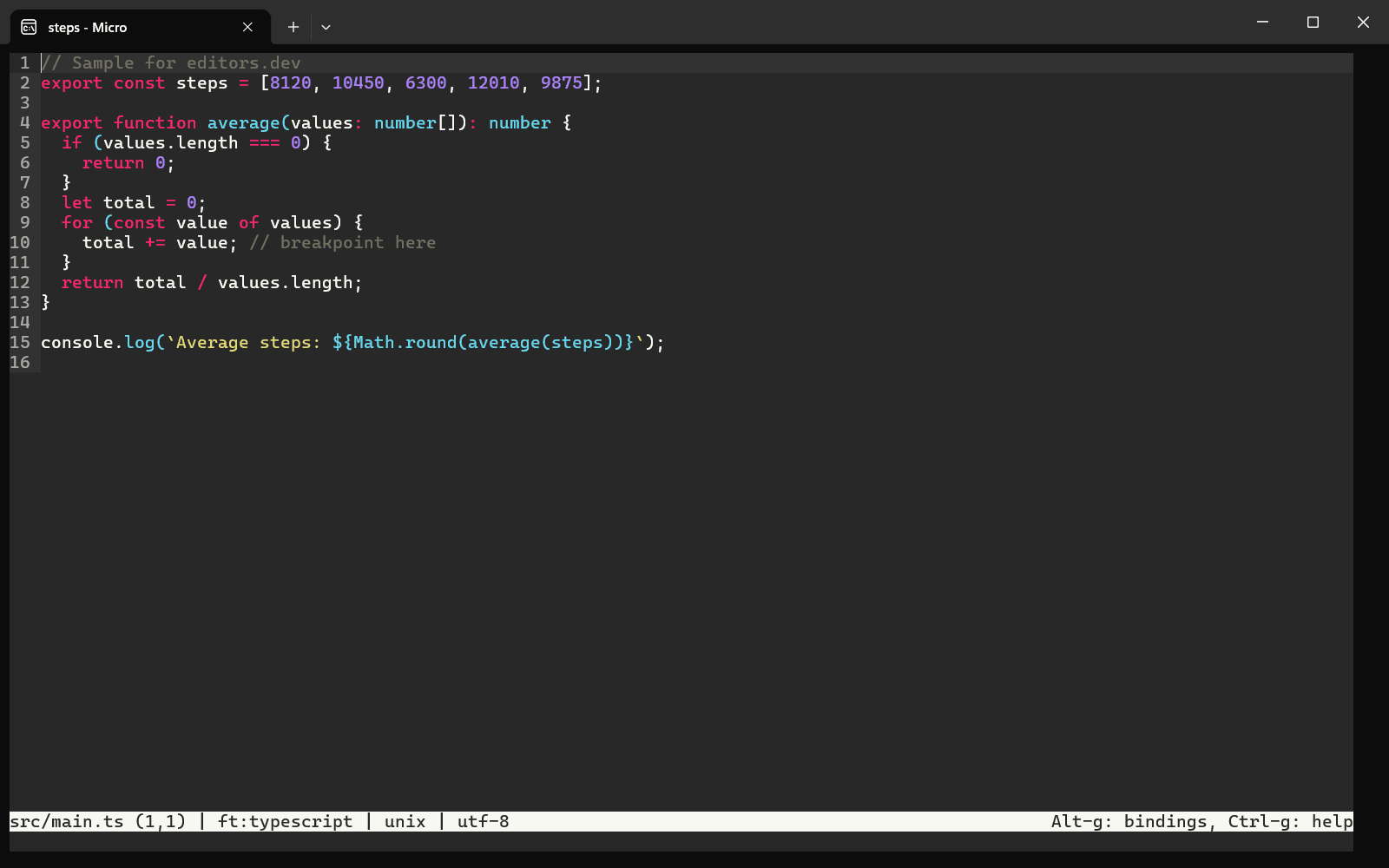
- Micro Completion : No Go to definition : No Refactoring : No Debugging : No Tests : No Formatting : No
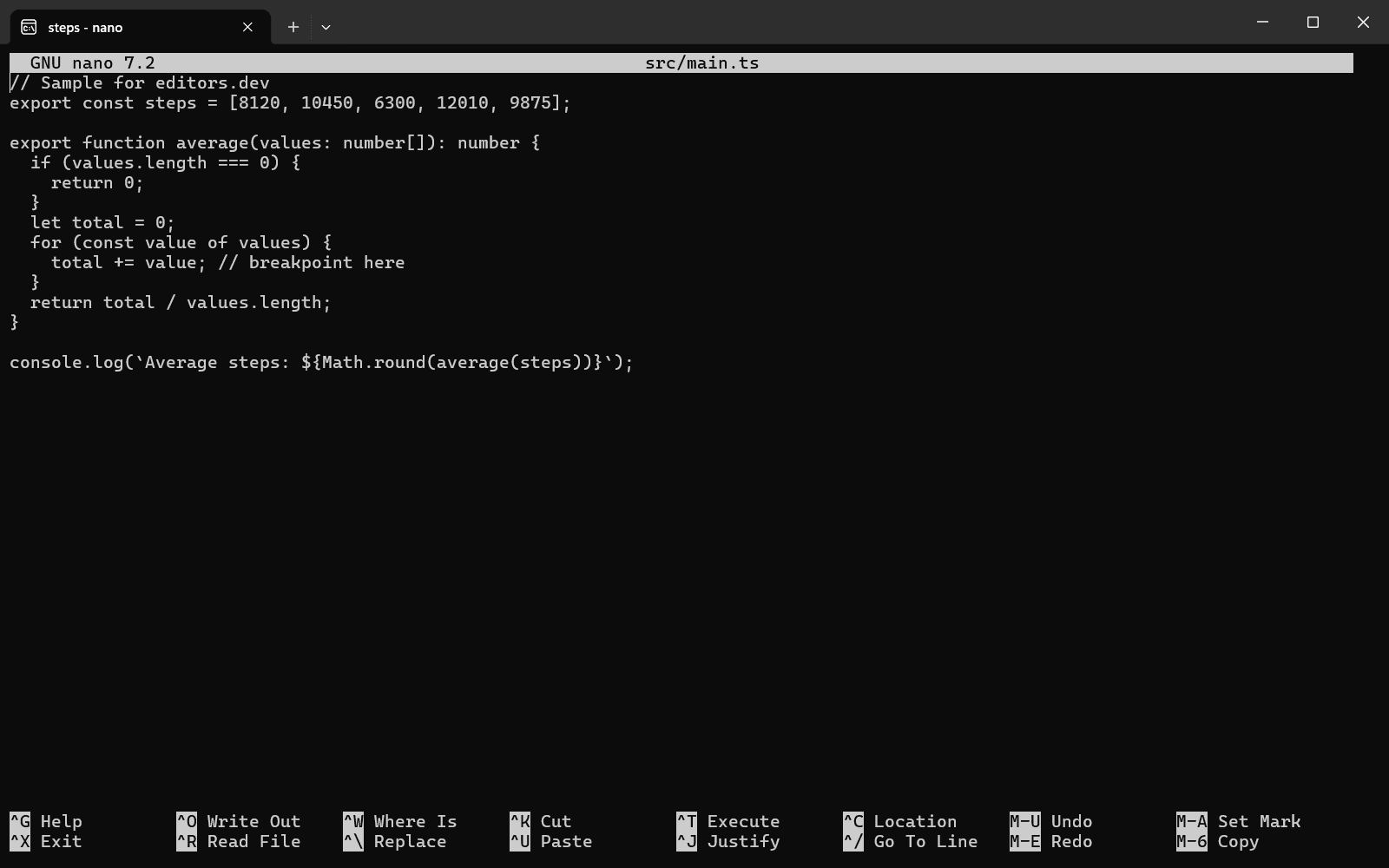
- GNU nano Completion : No Go to definition : No Refactoring : No Debugging : No Tests : No Formatting : No
Official extension 13
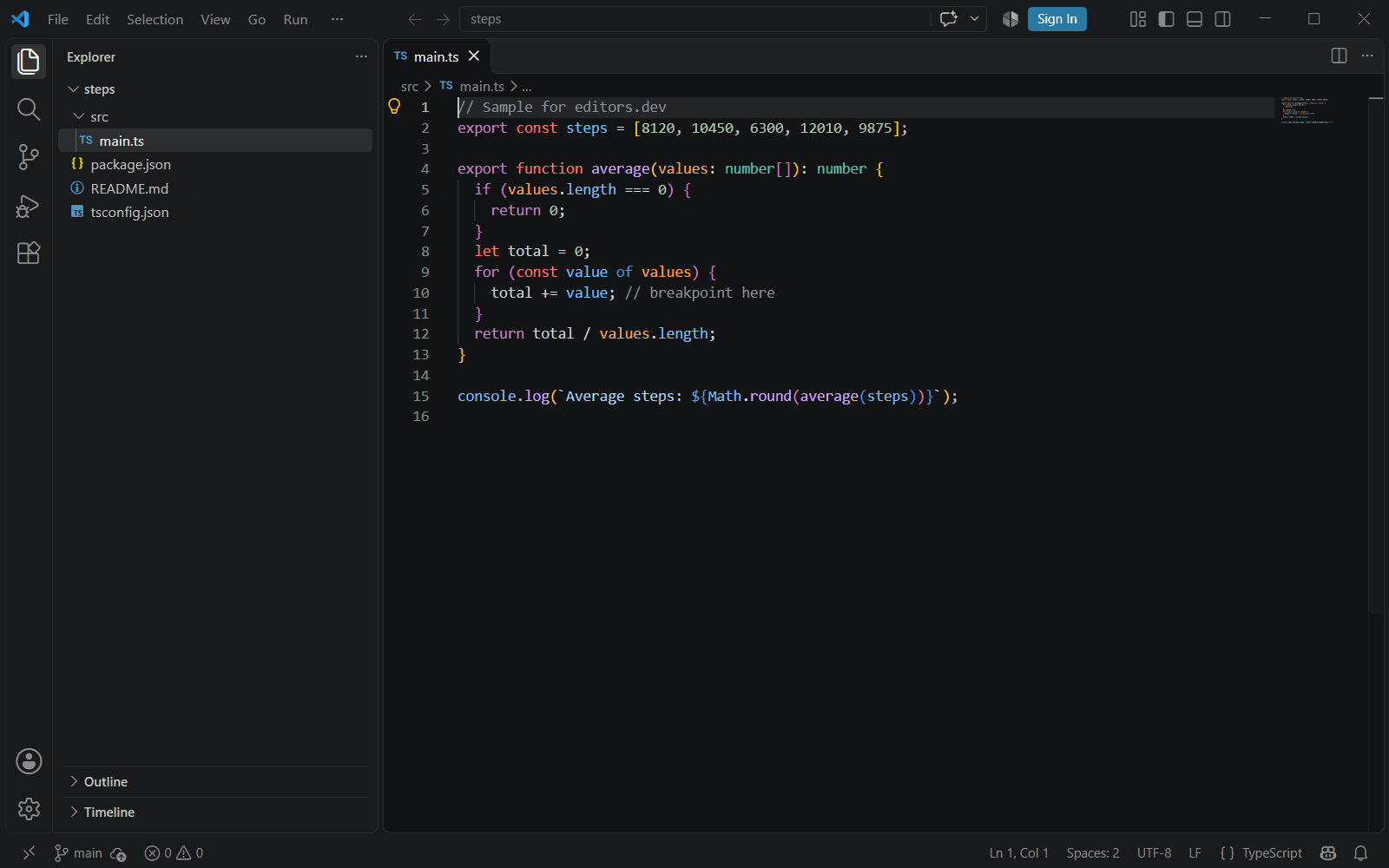
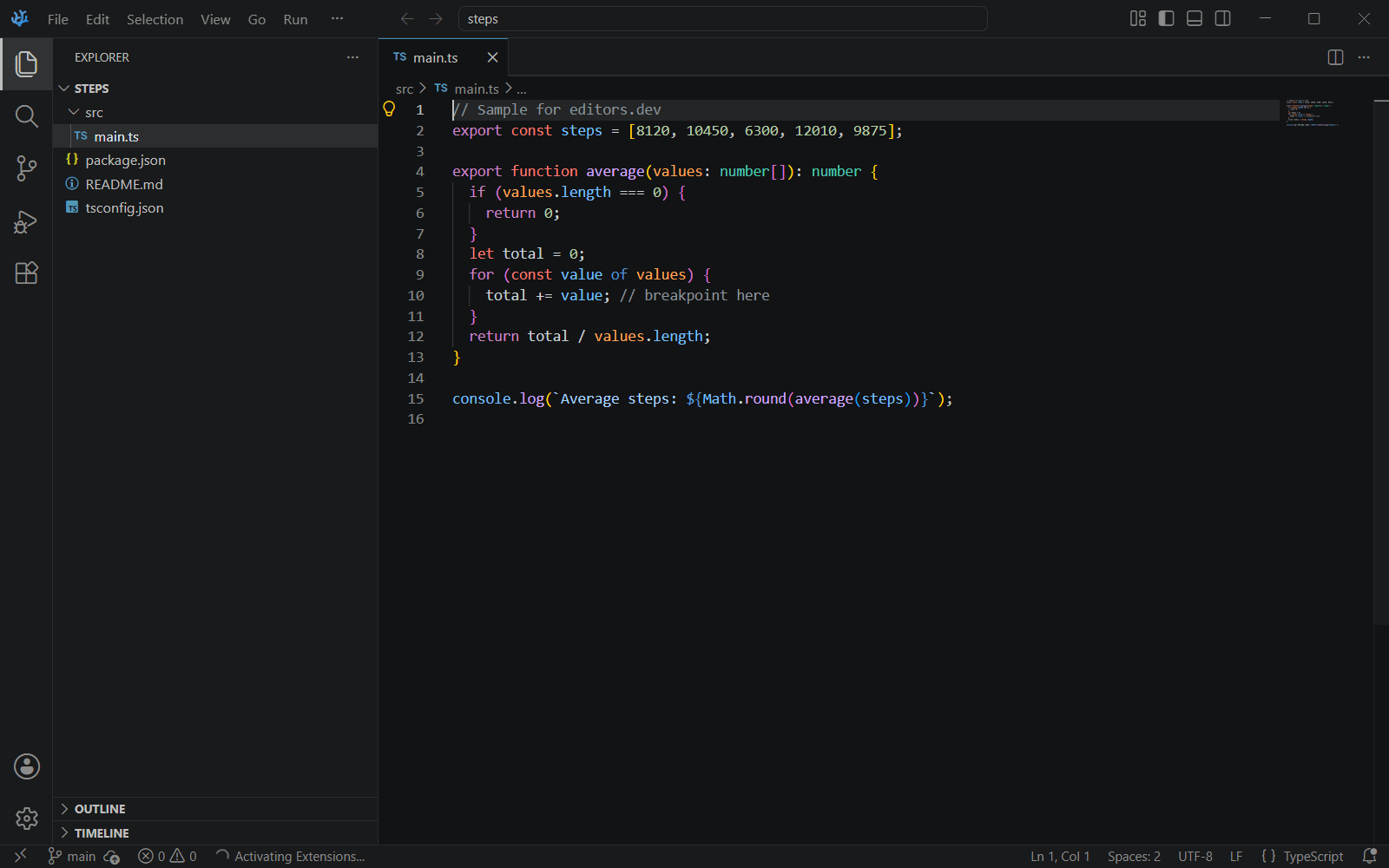
- VS Code With rust-analyzer Completion : Yes Go to definition : Yes Refactoring : Yes Debugging : Yes Tests : Yes Formatting : Yes
- Cursor With rust-analyzer Completion : Yes Go to definition : Yes Refactoring : Yes Debugging : Yes Tests : Yes Formatting : Yes
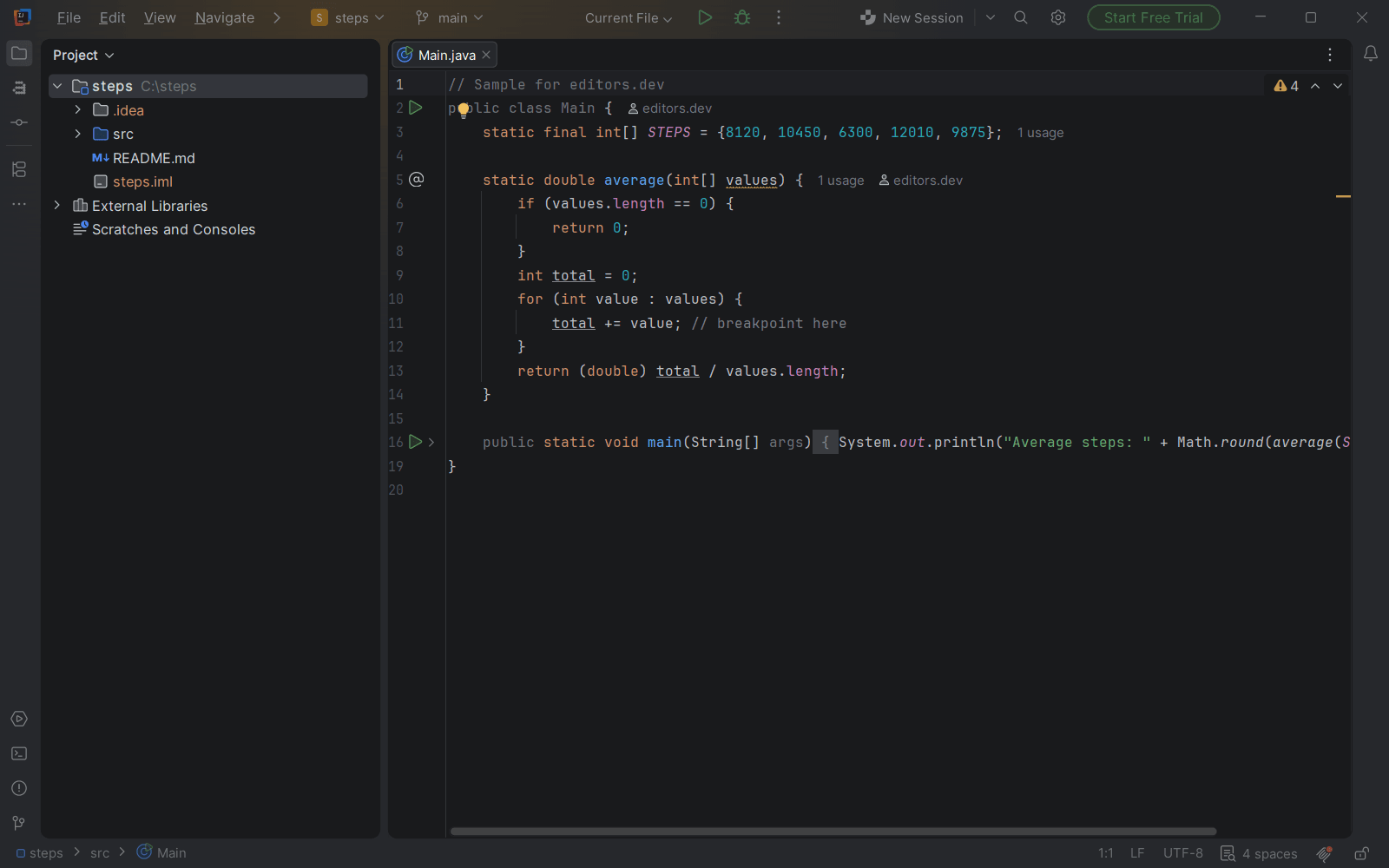
- IntelliJ IDEA With Rust plugin Completion : Yes Go to definition : Yes Refactoring : Yes Debugging : Yes Tests : Yes Formatting : Yes
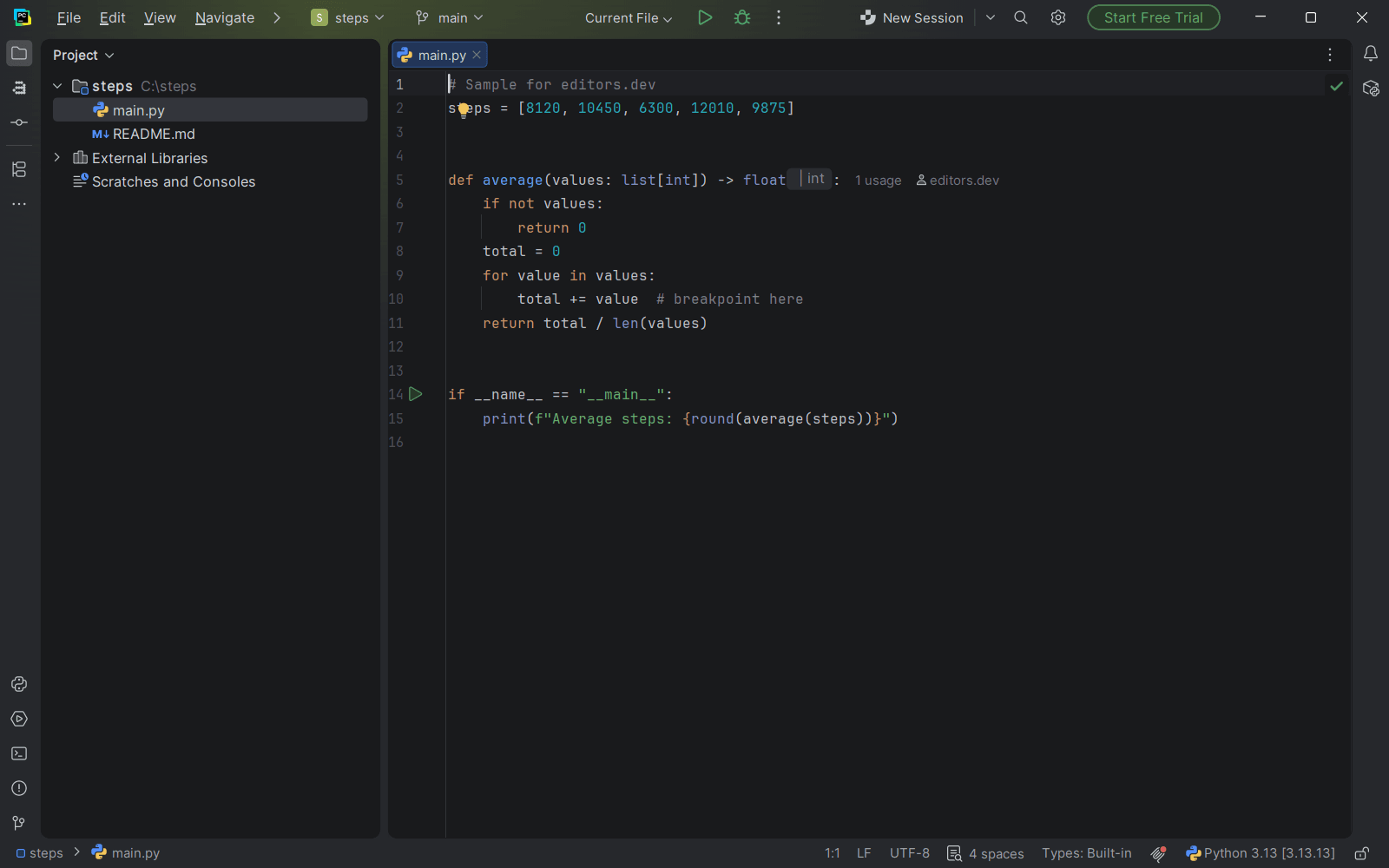
- PyCharm With Rust Completion : Yes Go to definition : Yes Refactoring : Yes Debugging : Yes Tests : Yes Formatting : Yes
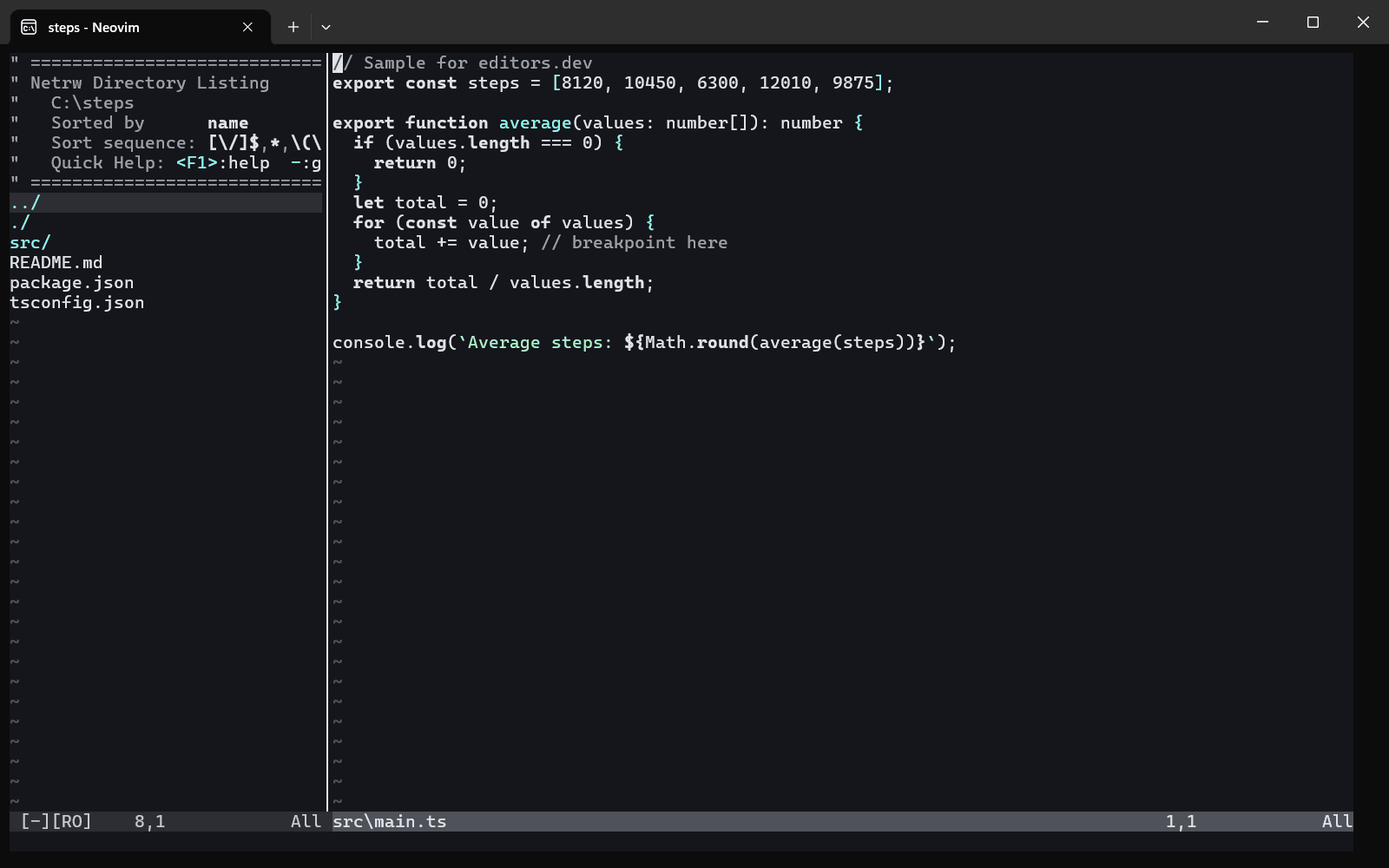
- Neovim With rust-analyzer Completion : Yes Go to definition : Yes Refactoring : Yes Debugging : No Tests : No Formatting : Yes
- Eclipse IDE With Corrosion Completion : Yes Go to definition : No Refactoring : No Debugging : Yes Tests : Yes Formatting : Yes
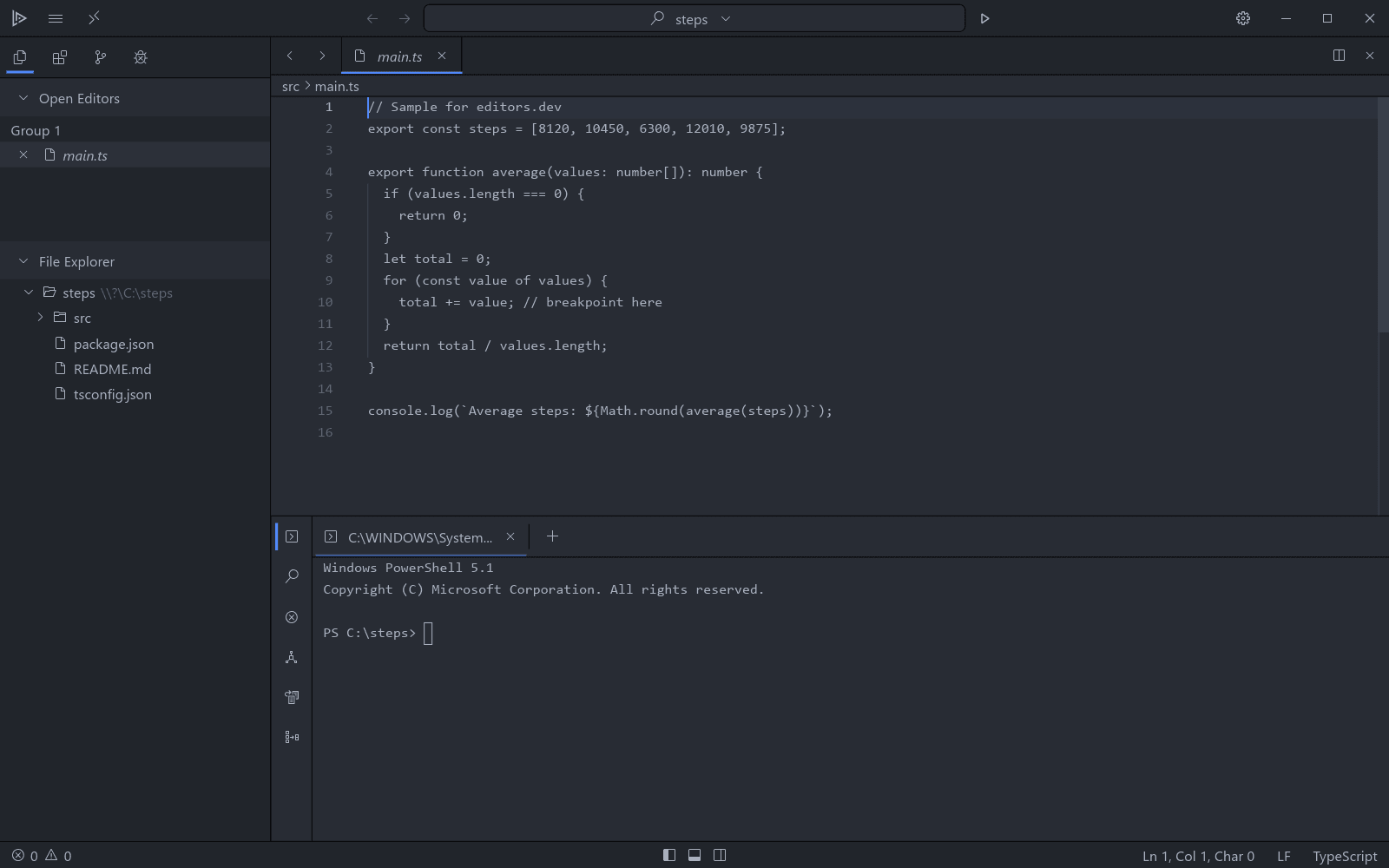
- Lapce With lapce-rust (rust-analyzer) Completion : Yes Go to definition : Yes Refactoring : Yes Debugging : No Tests : No Formatting : Yes
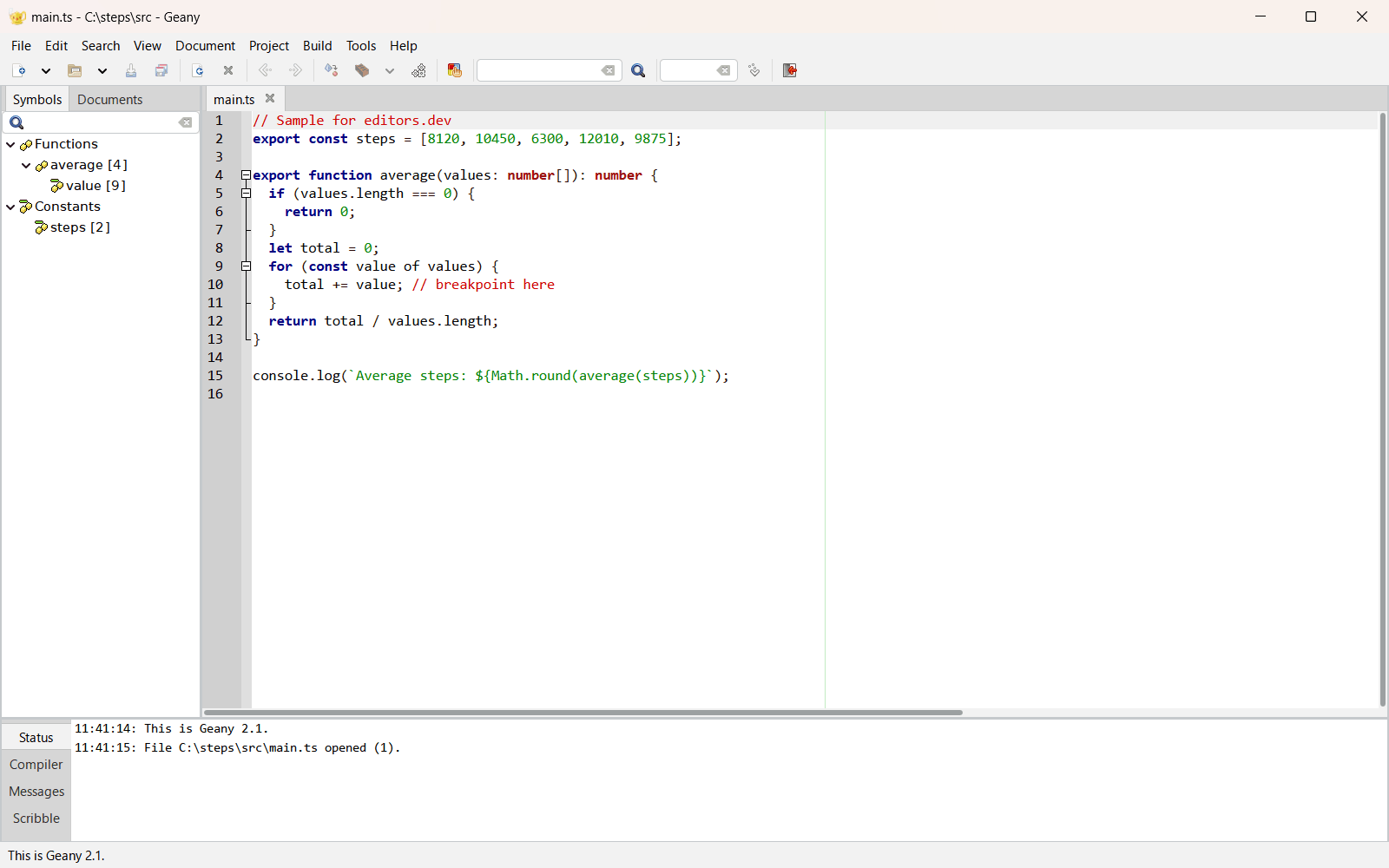
- Geany With LSP Client plugin (geany-plugins) + rust-analyzer Completion : Yes Go to definition : Yes Refactoring : Yes Debugging : No Tests : No Formatting : Yes
- Devin Desktop With rust-analyzer Completion : Yes Go to definition : Yes Refactoring : Yes Debugging : No Tests : No Formatting : No
- Kiro With rust-analyzer Completion : Yes Go to definition : Yes Refactoring : Yes Debugging : No Tests : No Formatting : No
- Google Antigravity With rust-analyzer Completion : Yes Go to definition : Yes Refactoring : Yes Debugging : No Tests : No Formatting : No
- TRAE With rust-analyzer Completion : Yes Go to definition : Yes Refactoring : Yes Debugging : No Tests : No Formatting : No
- VSCodium With rust-analyzer Completion : Yes Go to definition : Yes Refactoring : Yes Debugging : No Tests : No Formatting : No
Community extension 10
- PhpStorm With LSP4IJ Completion : Yes Go to definition : Yes Refactoring : Yes Debugging : Yes Tests : No Formatting : Yes
- WebStorm With LSP4IJ Completion : Yes Go to definition : Yes Refactoring : Yes Debugging : Yes Tests : No Formatting : Yes
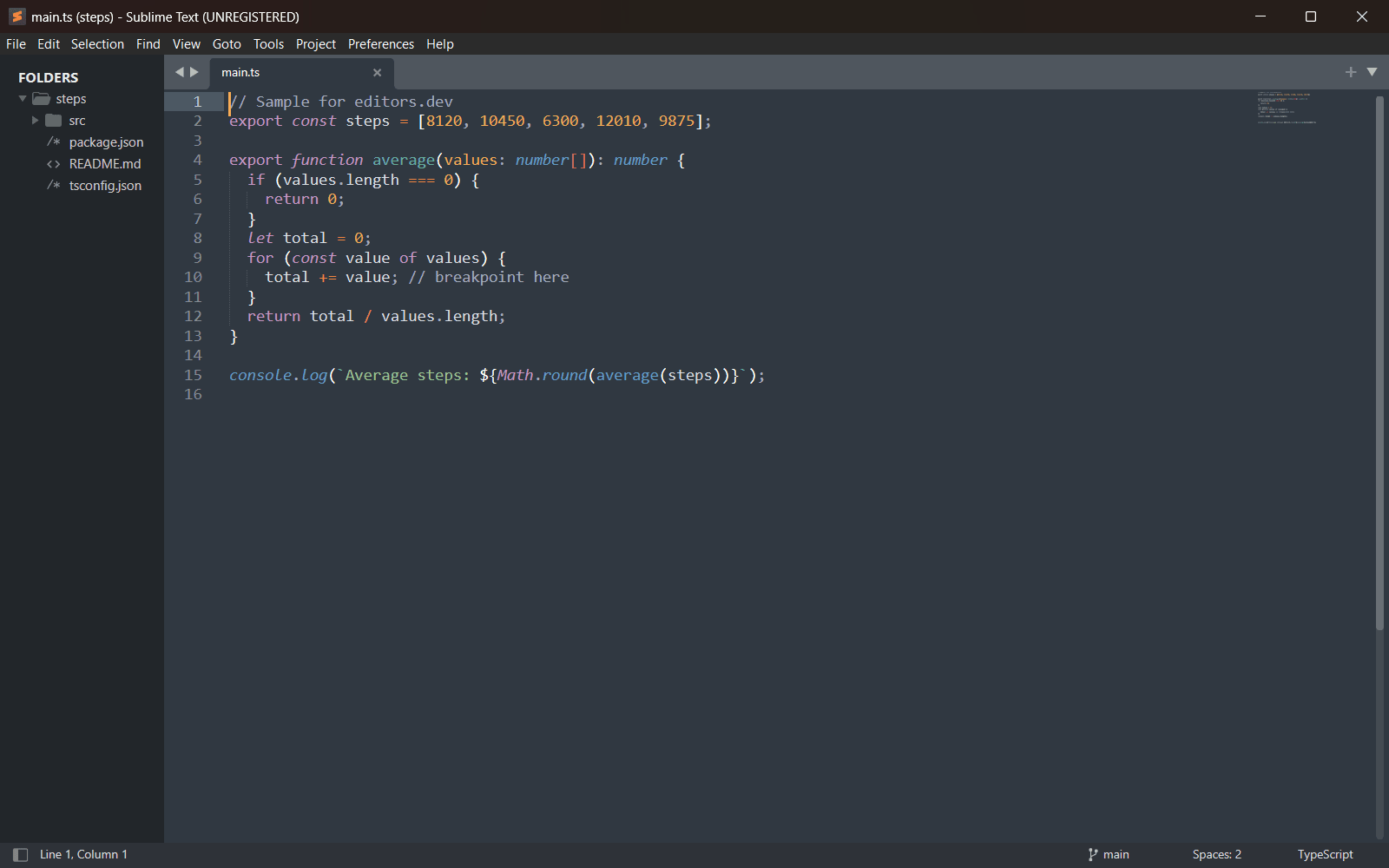
- Sublime Text With LSP + LSP-rust-analyzer Completion : Yes Go to definition : Yes Refactoring : Yes Debugging : No Tests : Yes Formatting : Yes
- Visual Studio With rust-analyzer.vs (Kitamstudios) Completion : Yes Go to definition : Yes Refactoring : Yes Debugging : Yes Tests : Yes Formatting : No
- Android Studio With LSP4IJ (Red Hat) + rust-analyzer Completion : Yes Go to definition : Yes Refactoring : Yes Debugging : Yes Tests : No Formatting : Yes
- GoLand With LSP4IJ Completion : Yes Go to definition : Yes Refactoring : Yes Debugging : Yes Tests : No Formatting : Yes
- Rider With LSP4IJ Completion : Yes Go to definition : Yes Refactoring : Yes Debugging : Yes Tests : No Formatting : Yes
- RubyMine With LSP4IJ Completion : Yes Go to definition : Yes Refactoring : Yes Debugging : Yes Tests : No Formatting : Yes
- TextMate With Rust bundle (rust.tmbundle) Completion : No Go to definition : No Refactoring : No Debugging : No Tests : Yes Formatting : Yes
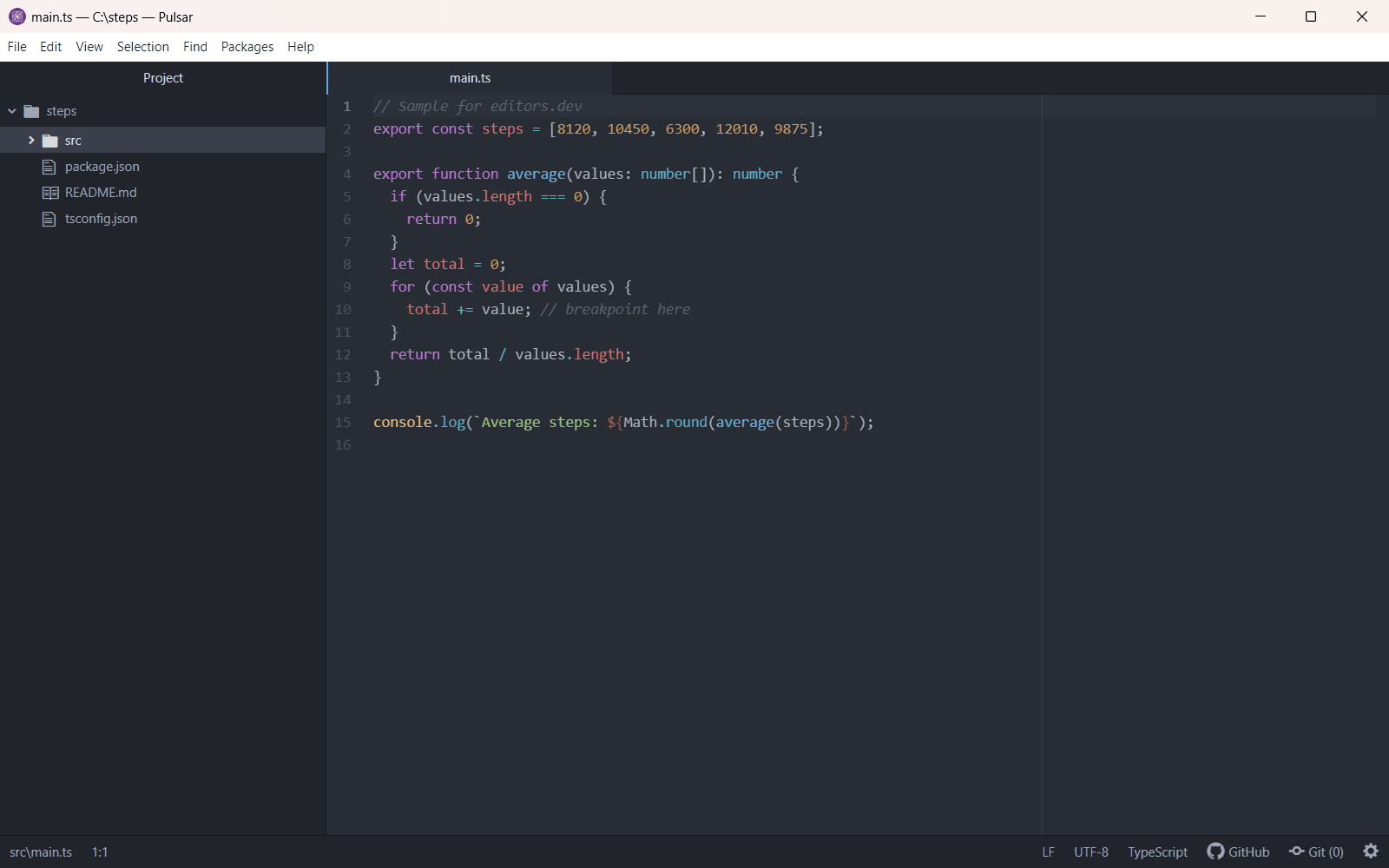
- Pulsar With pulsar-ide-rust (rust-analyzer) Completion : Yes Go to definition : Yes Refactoring : No Debugging : No Tests : No Formatting : No
Today
A new stable 1.x release ships every six weeks, with point releases for urgent fixes; 1.100.0 came out on 2026-11-12 and the next release follows about six weeks later. Editions (2015, 2018, 2021, 2024) group opt-in changes without splitting the ecosystem, and the current one is Rust 2024. In the TIOBE index for November 2026 Rust ranks 11th, and it was the most admired language in the Stack Overflow Developer Survey 2025.
What it is used for
Operating system components, browsers, command-line tools, networked services, embedded devices and WebAssembly. Well-known projects include parts of Firefox, ripgrep, Deno, the Zed editor and Rust drivers in the Linux kernel.
History
Graydon Hoare started Rust as a personal project in 2006. Mozilla began sponsoring it in 2009 and announced it in 2010. The first numbered pre-release, 0.1, came out in January 2012, and the language changed a great deal before it stabilised; the garbage collector and green threads of the early design were removed along the way.
Rust 1.0 was released on 15 May 2015 with a stability promise for the 1.x line. Since then a new release has shipped every six weeks. Editions were introduced so the language could make opt-in changes: Rust 2018 arrived with 1.31, Rust 2021 with 1.56 and Rust 2024 with 1.85 in February 2025.
In 2021 the Rust Foundation was founded by AWS, Google, Huawei, Microsoft and Mozilla to support the project. Rust code has since entered the Linux kernel, Windows and Android. Version 1.100.0 in November 2026 stabilised the never type and the core of the Allocator API.
Milestone versions
- 15 May 2015 1.0.0 First stable release, with the 1.x stability promise; also Rust 2015 edition.
- 6 December 2018 1.31.0 Launched the Rust 2018 edition, with non-lexical lifetimes and a simpler module system.
- 7 November 2019 1.39.0 Stabilised async/await syntax.
- 21 October 2021 1.56.0 Launched the Rust 2021 edition, with disjoint closure captures.
- 3 November 2022 1.65.0 Stabilised generic associated types and let-else statements.
- 20 February 2025 1.85.0 Launched the Rust 2024 edition and stabilised async closures.
- 12 November 2026 1.100.0 Stabilised the never type and the core Allocator API; Cargo now warns about unused dependencies.
Sources
Last checked: 20 November 2026