C
C is a compiled, procedural systems language that gives direct access to memory through pointers and maps closely to machine code. It is mostly used for operating systems, embedded firmware, language runtimes and other low-level software.
Editors for C
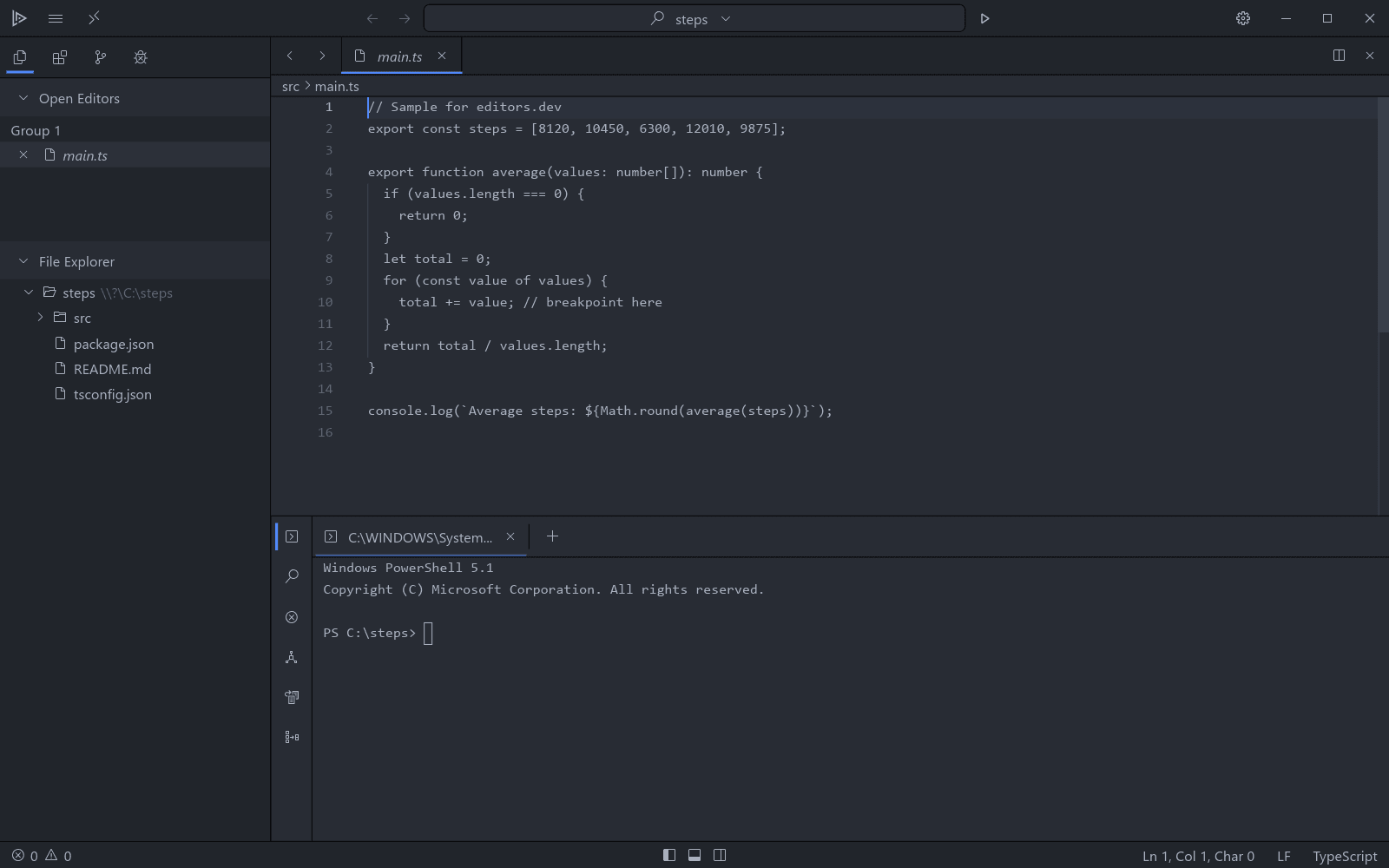
38 editors and IDEs support C. Built in first, then official and community extensions. Each row opens the editor at its C notes.
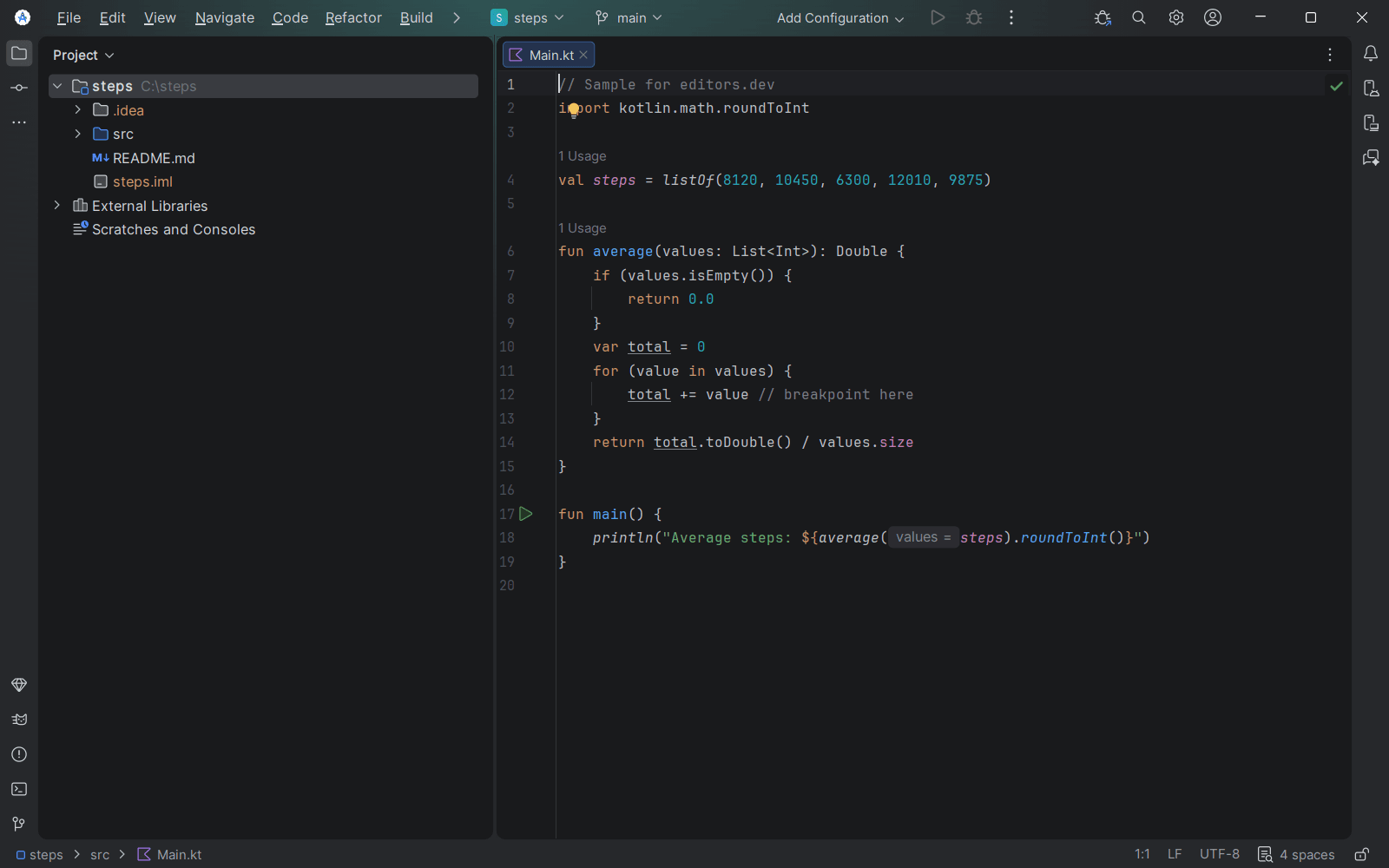
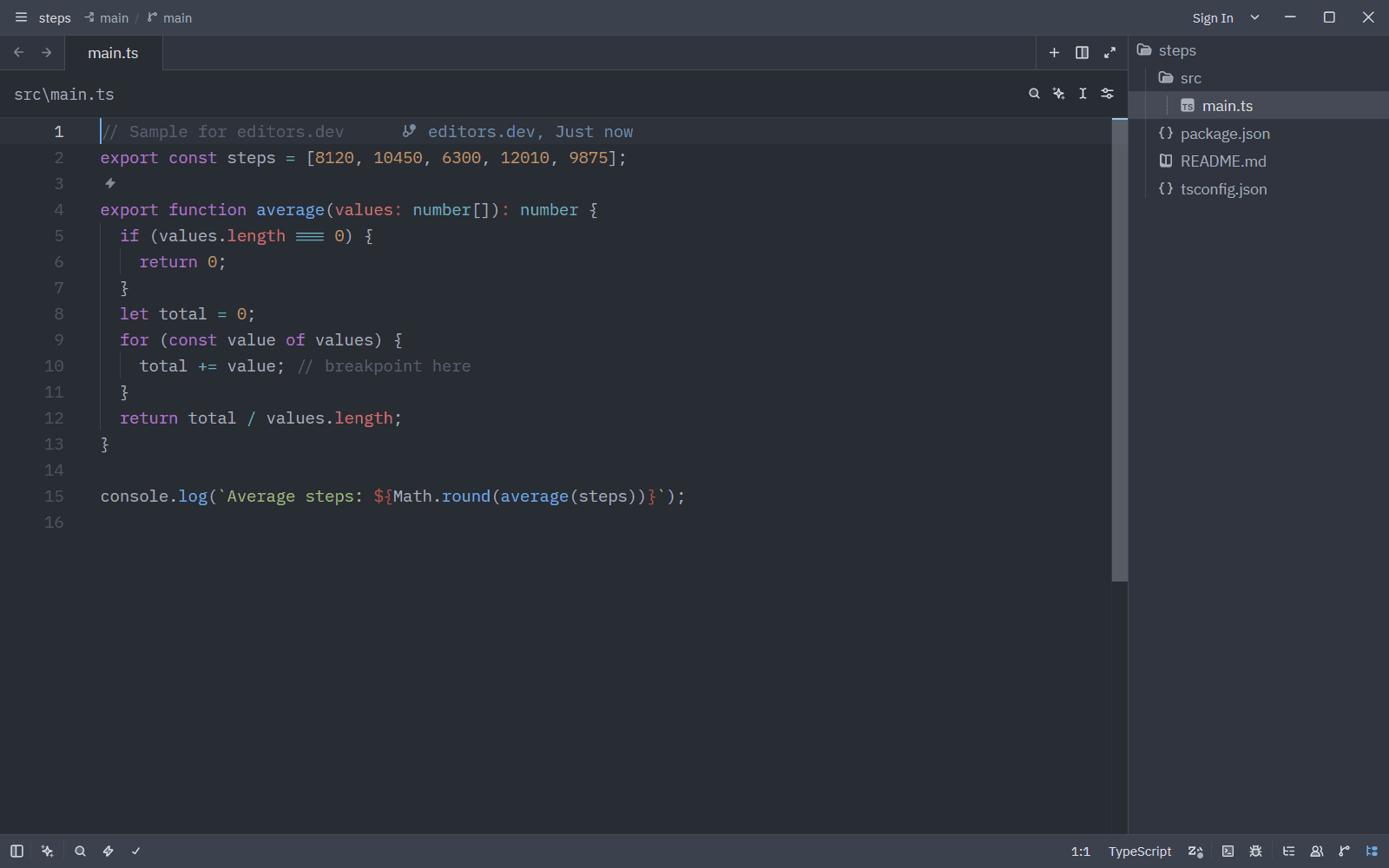
Built in 19
- CLion Completion : Yes Go to definition : Yes Refactoring : Yes Debugging : Yes Tests : Yes Formatting : Yes
- Android Studio With NDK, CMake and LLDB Completion : Yes Go to definition : Yes Refactoring : No Debugging : Yes Tests : No Formatting : Yes
- Eclipse IDE With CDT (Eclipse IDE for C/C++ Developers) Completion : Yes Go to definition : Yes Refactoring : Yes Debugging : Yes Tests : No Formatting : No
- Rider Completion : Yes Go to definition : Yes Refactoring : Yes Debugging : Yes Tests : Yes Formatting : Yes
- Zed Completion : Yes Go to definition : Yes Refactoring : Yes Debugging : Yes Tests : No Formatting : Yes
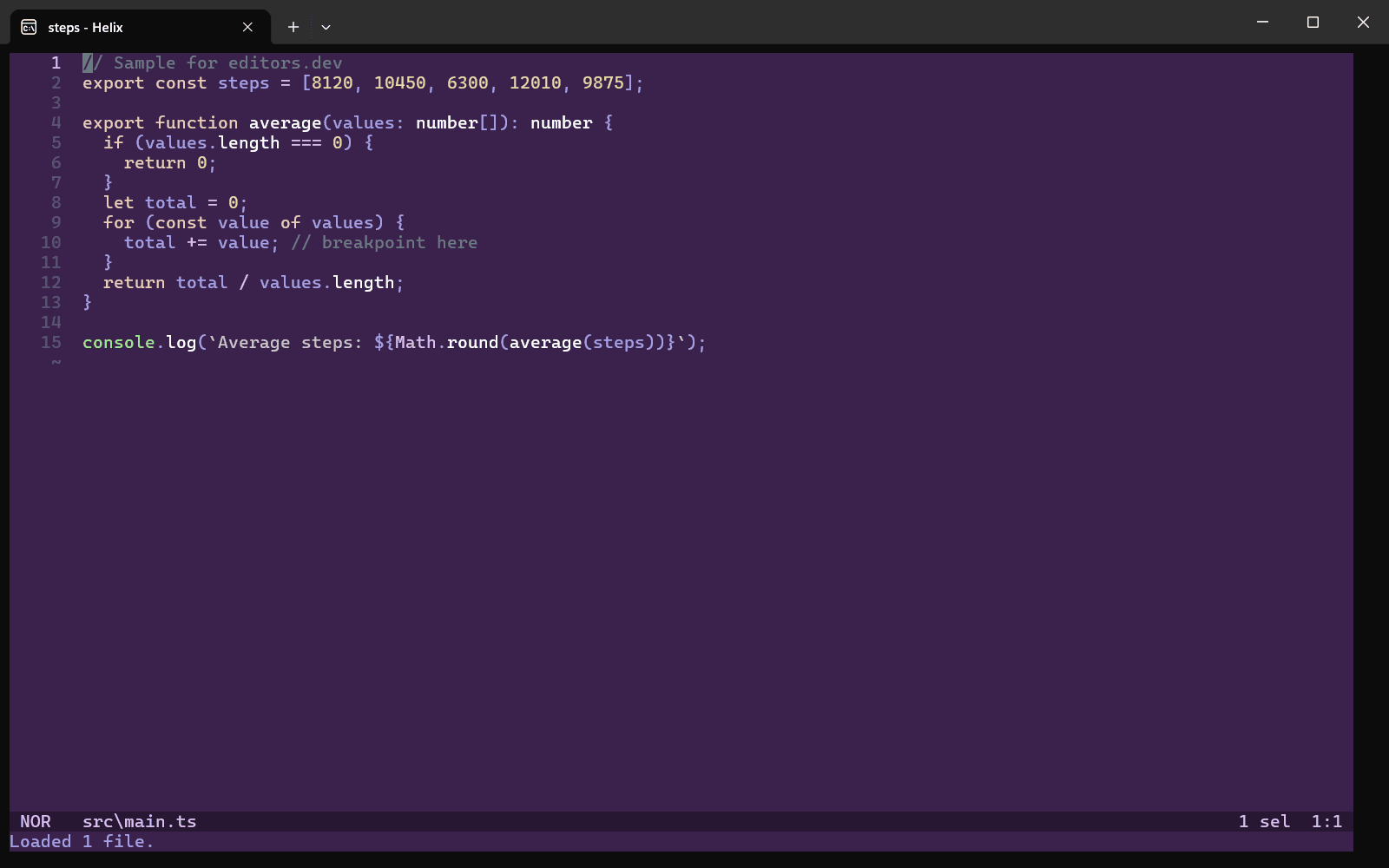
- Helix With clangd; lldb-dap Completion : Yes Go to definition : Yes Refactoring : Yes Debugging : Yes Tests : No Formatting : Yes
- Visual Studio With Desktop development with C++ workload Completion : Yes Go to definition : Yes Refactoring : Yes Debugging : Yes Tests : No Formatting : Yes
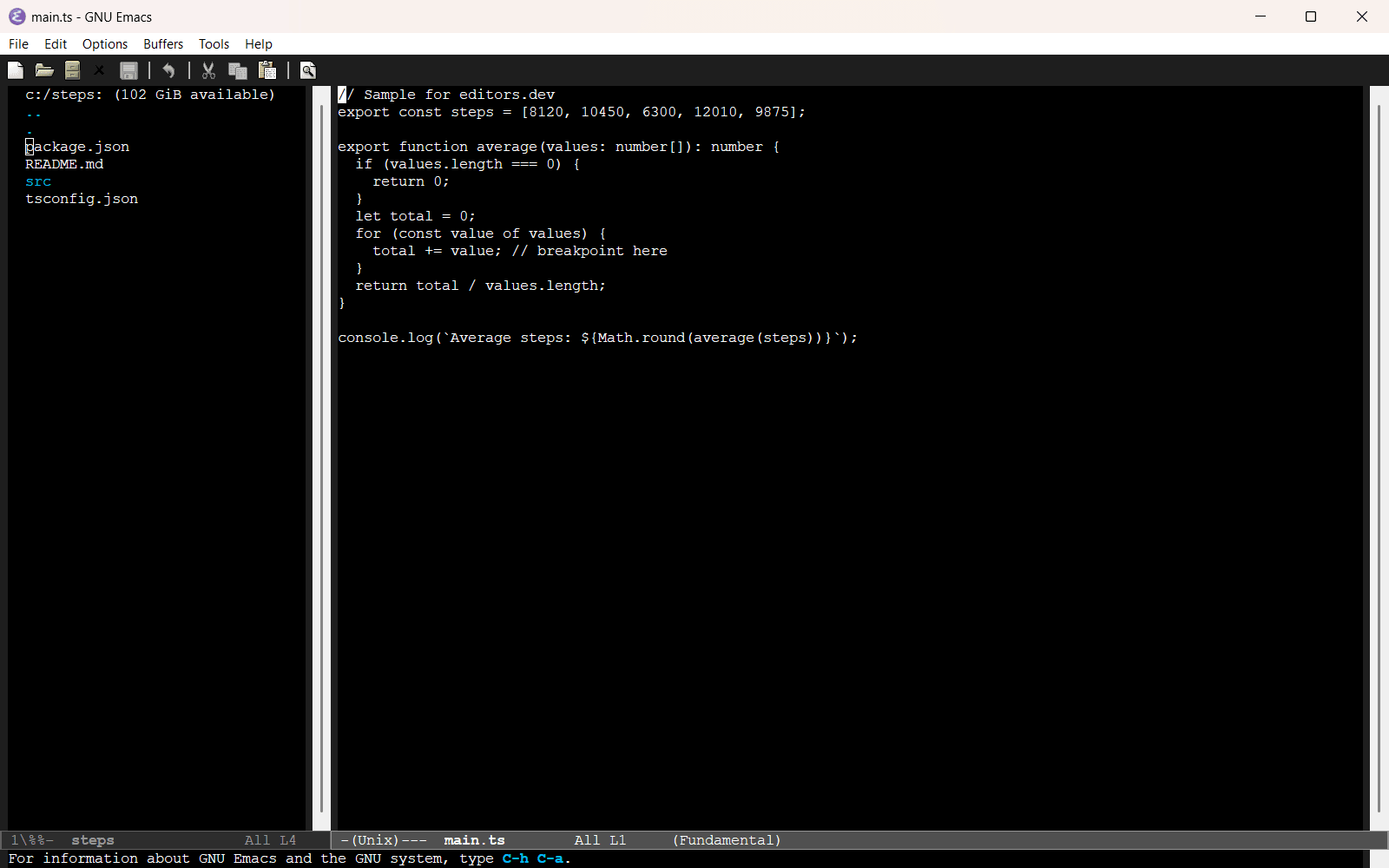
- GNU Emacs With Eglot + clangd or ccls; GDB/GUD Completion : Yes Go to definition : Yes Refactoring : Yes Debugging : Yes Tests : No Formatting : Yes
- Nova With clangd Completion : Yes Go to definition : Yes Refactoring : Yes Debugging : Yes Tests : No Formatting : Yes
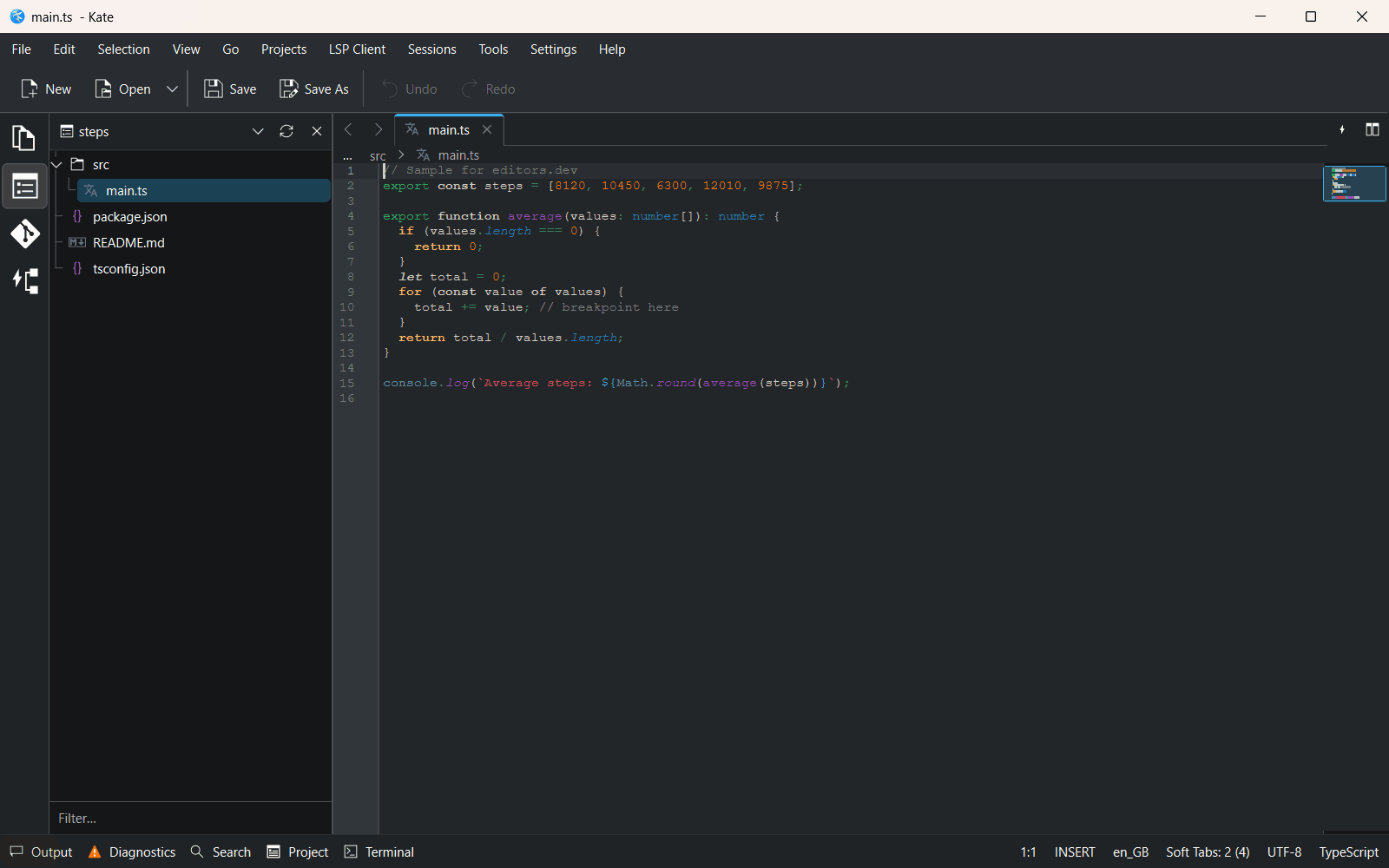
- Kate With LSP Client + clangd; Format plugin (clang-format); debugger (GDB, lldb-dap) Completion : Yes Go to definition : Yes Refactoring : Yes Debugging : Yes Tests : No Formatting : Yes
- Xcode Completion : Yes Go to definition : Yes Refactoring : No Debugging : Yes Tests : Yes Formatting : No
- BBEdit With clangd Completion : Yes Go to definition : Yes Refactoring : Yes Debugging : No Tests : No Formatting : Yes
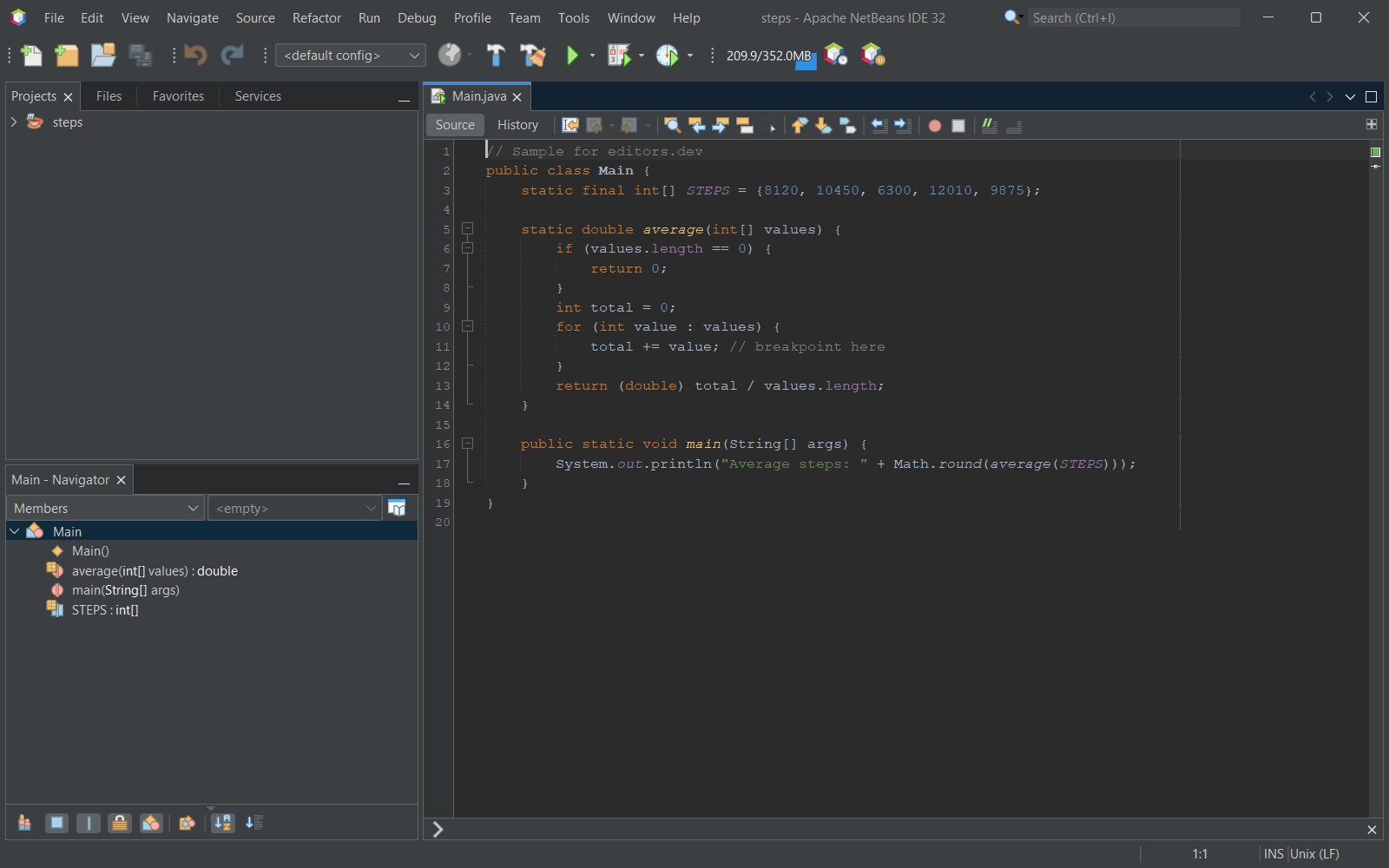
- Apache NetBeans With cpplite modules Completion : Yes Go to definition : No Refactoring : No Debugging : Yes Tests : No Formatting : No
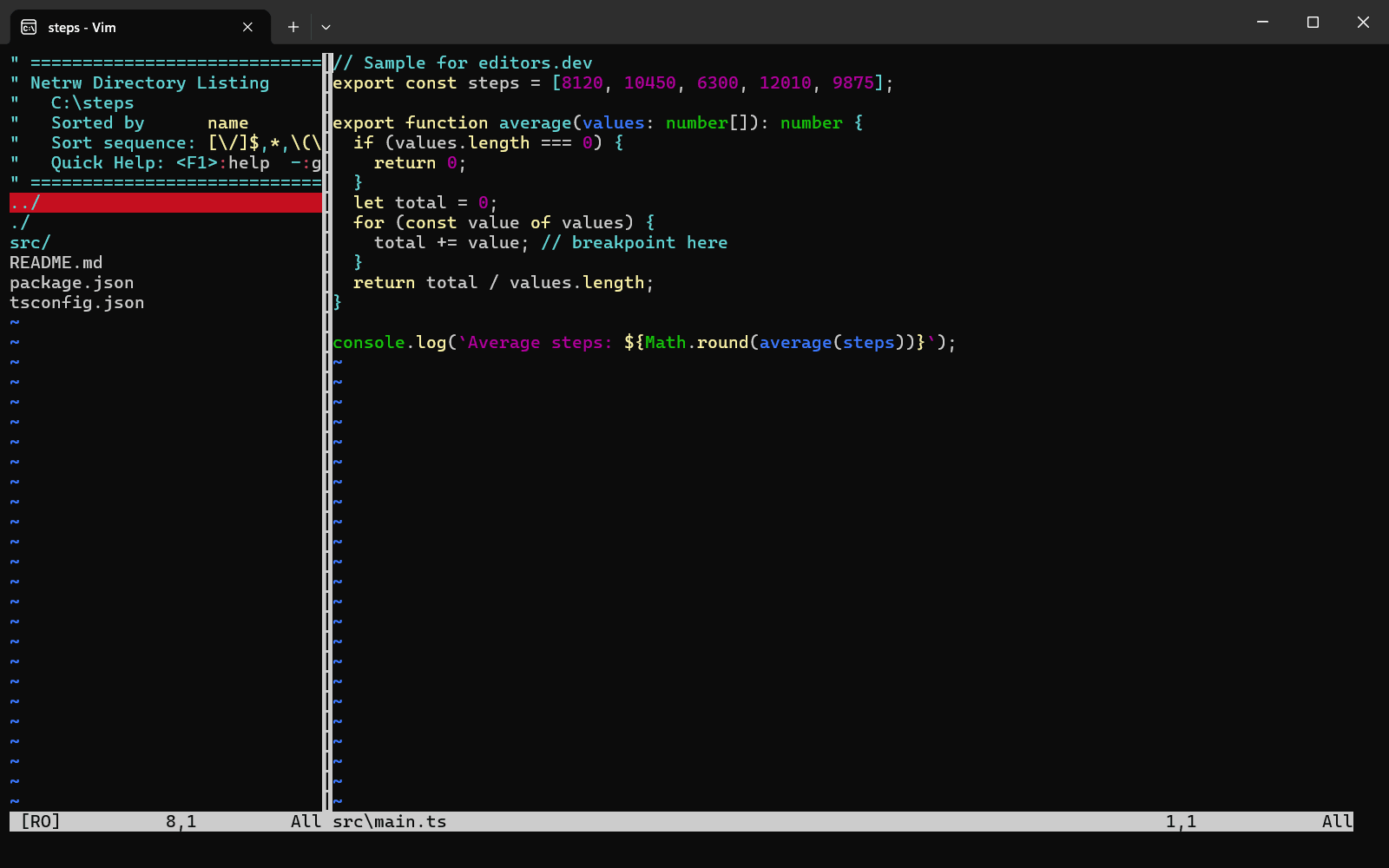
- Vim With Termdebug (gdb) Completion : Yes Go to definition : No Refactoring : No Debugging : Yes Tests : No Formatting : No
- TextMate With C bundle Completion : Yes Go to definition : No Refactoring : No Debugging : No Tests : No Formatting : Yes
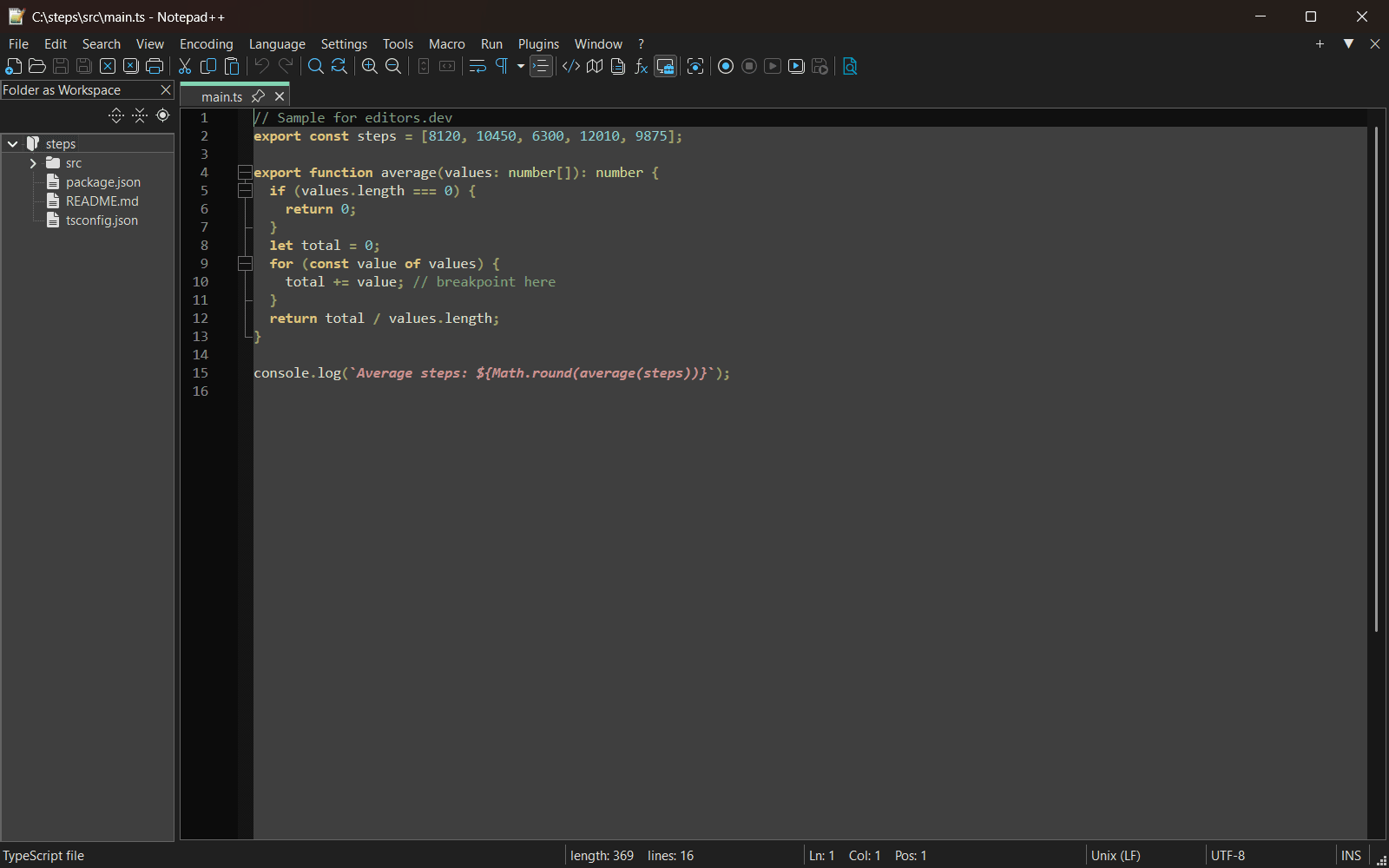
- Notepad++ Completion : Yes Go to definition : No Refactoring : No Debugging : No Tests : No Formatting : No
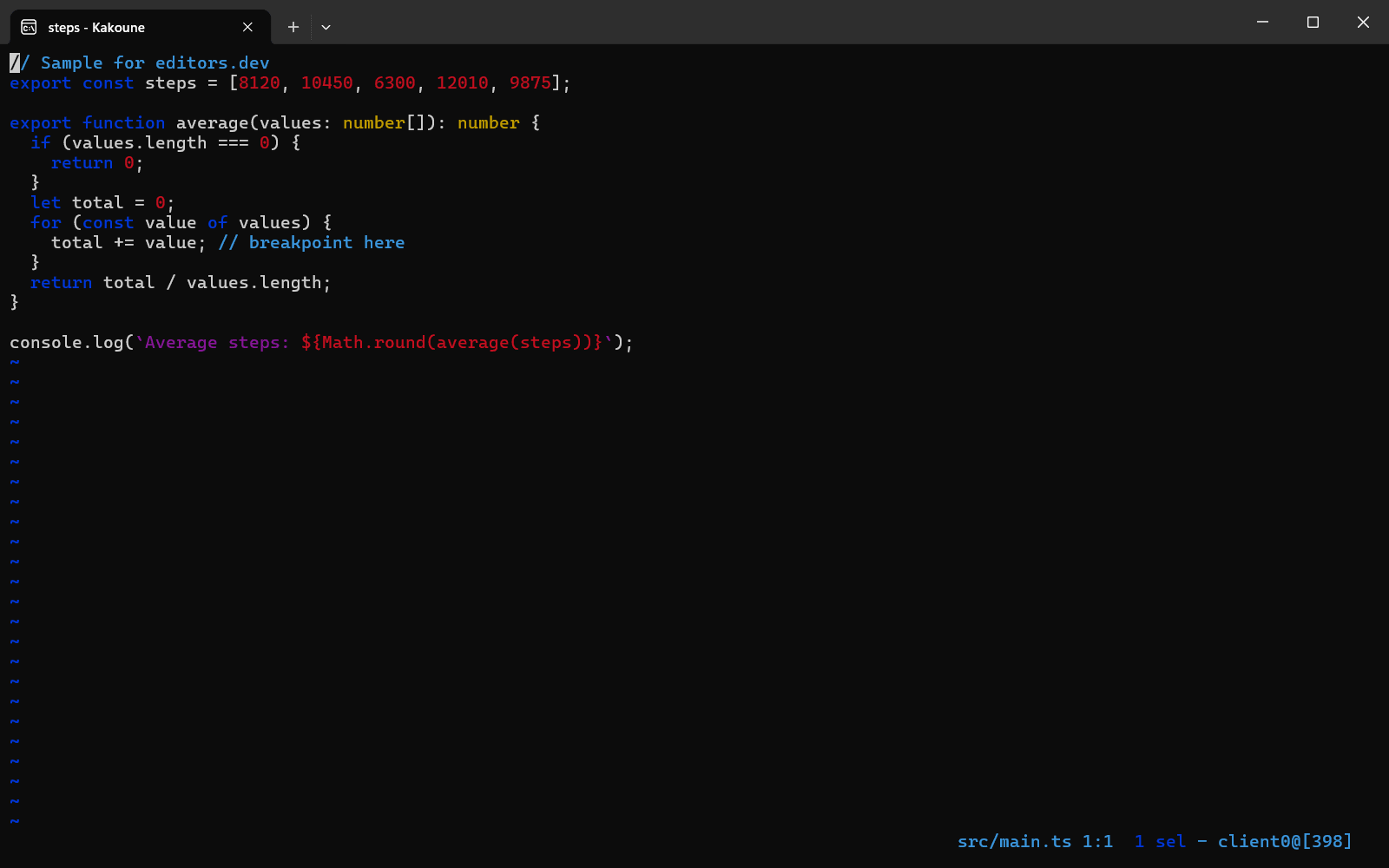
- Kakoune With clang.kak Completion : Yes Go to definition : No Refactoring : No Debugging : No Tests : No Formatting : No
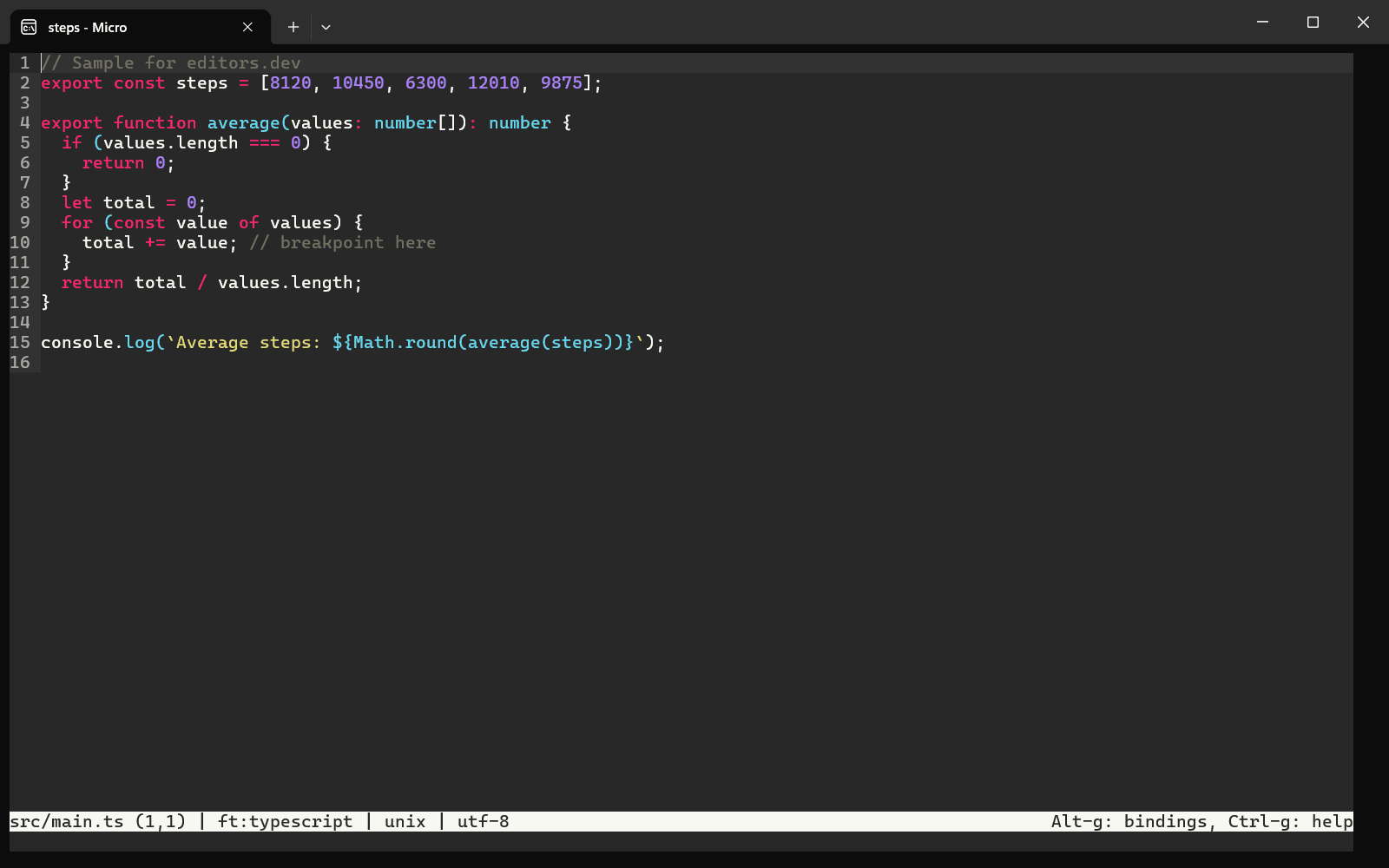
- Micro Completion : No Go to definition : No Refactoring : No Debugging : No Tests : No Formatting : No
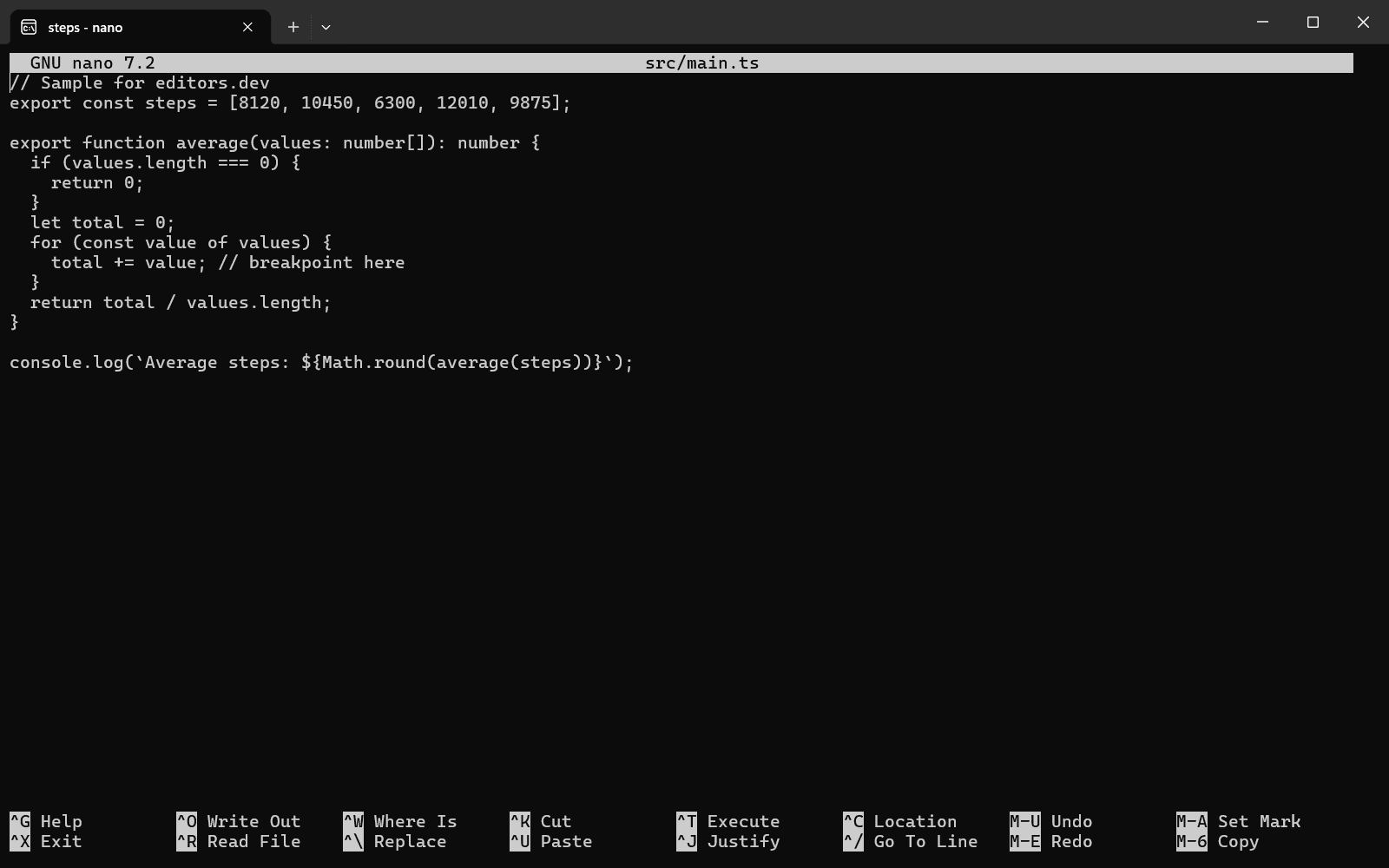
- GNU nano Completion : No Go to definition : No Refactoring : No Debugging : No Tests : No Formatting : No
Official extension 5
- Devin Desktop With Windsurf C/C++ (clangd, CodeLLDB, CMake Tools) Completion : Yes Go to definition : Yes Refactoring : Yes Debugging : Yes Tests : Yes Formatting : Yes
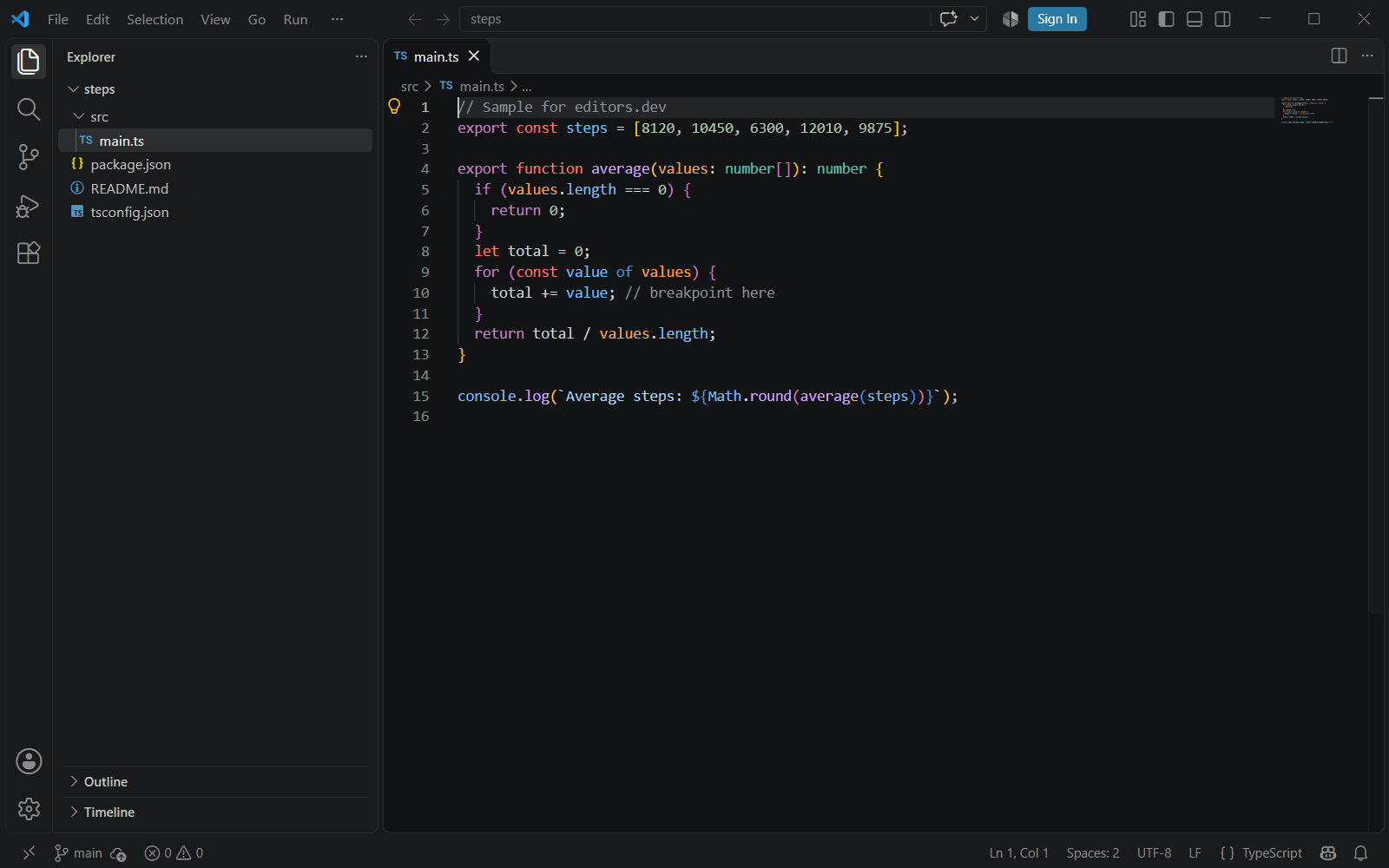
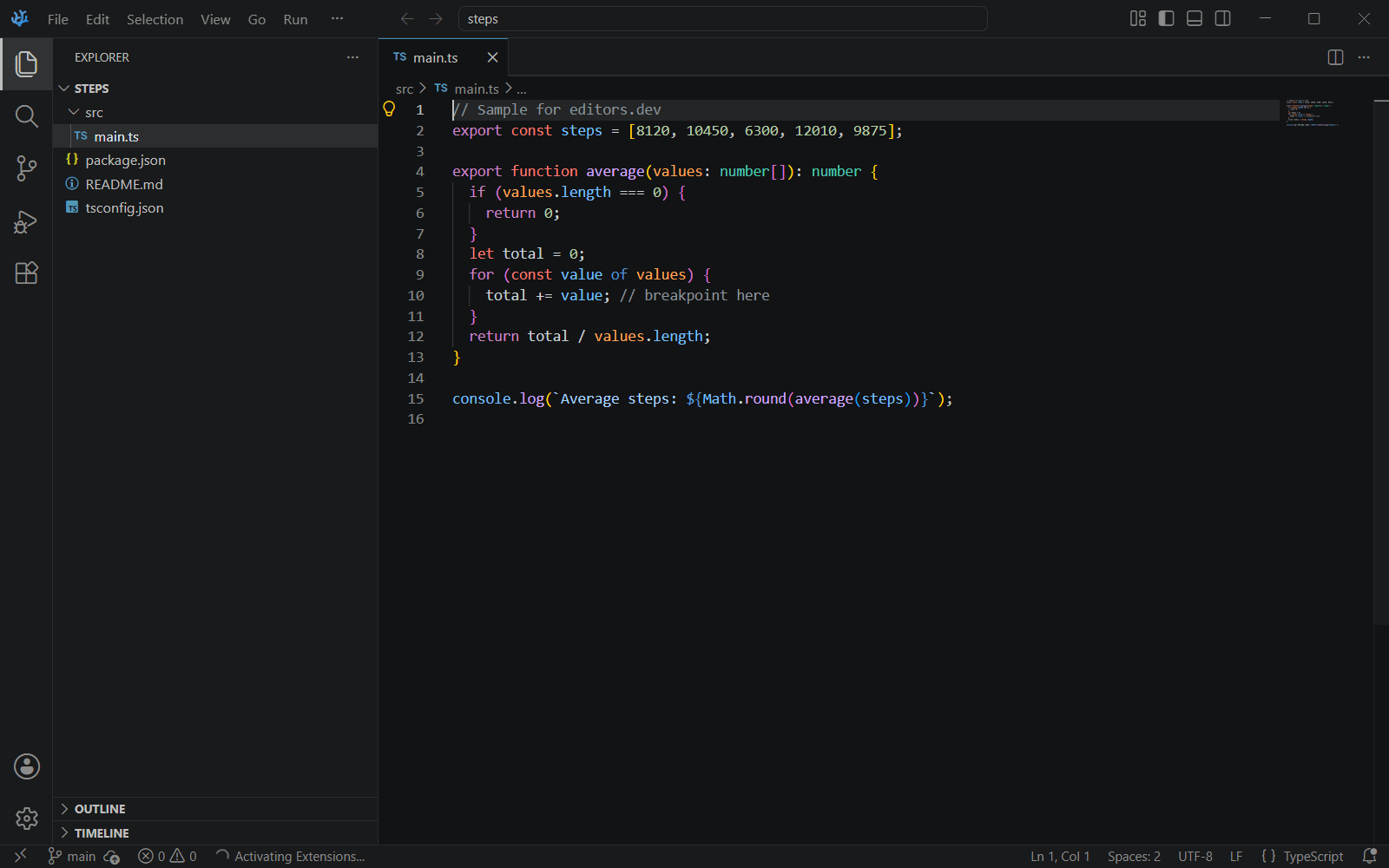
- VS Code With C/C++ Completion : Yes Go to definition : Yes Refactoring : Yes Debugging : Yes Tests : No Formatting : Yes
- Cursor With C/C++ Completion : Yes Go to definition : Yes Refactoring : Yes Debugging : Yes Tests : No Formatting : Yes
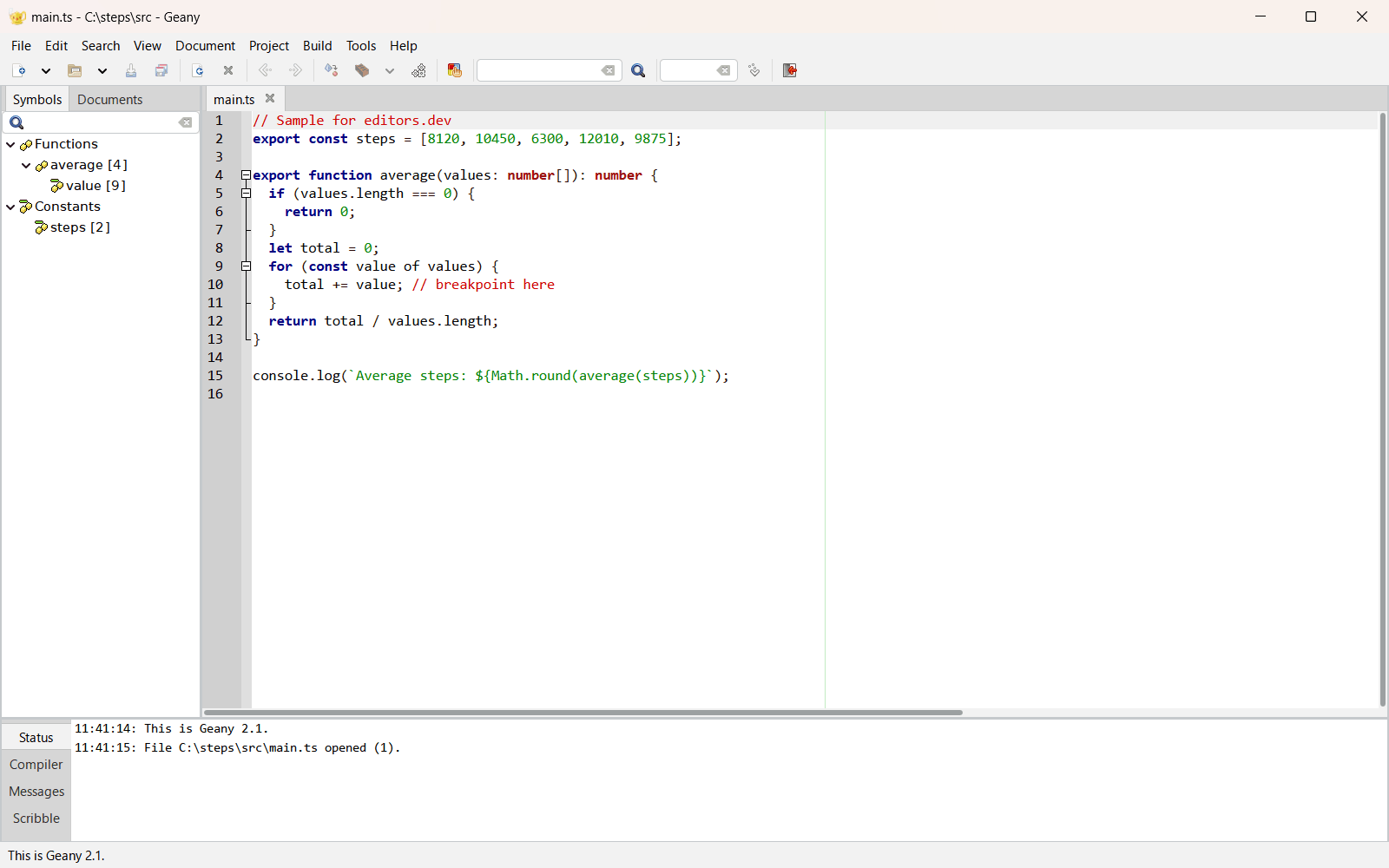
- Geany With LSP Client plugin (geany-plugins) + clangd; Debugger plugin (GDB) Completion : Yes Go to definition : Yes Refactoring : Yes Debugging : Yes Tests : No Formatting : Yes
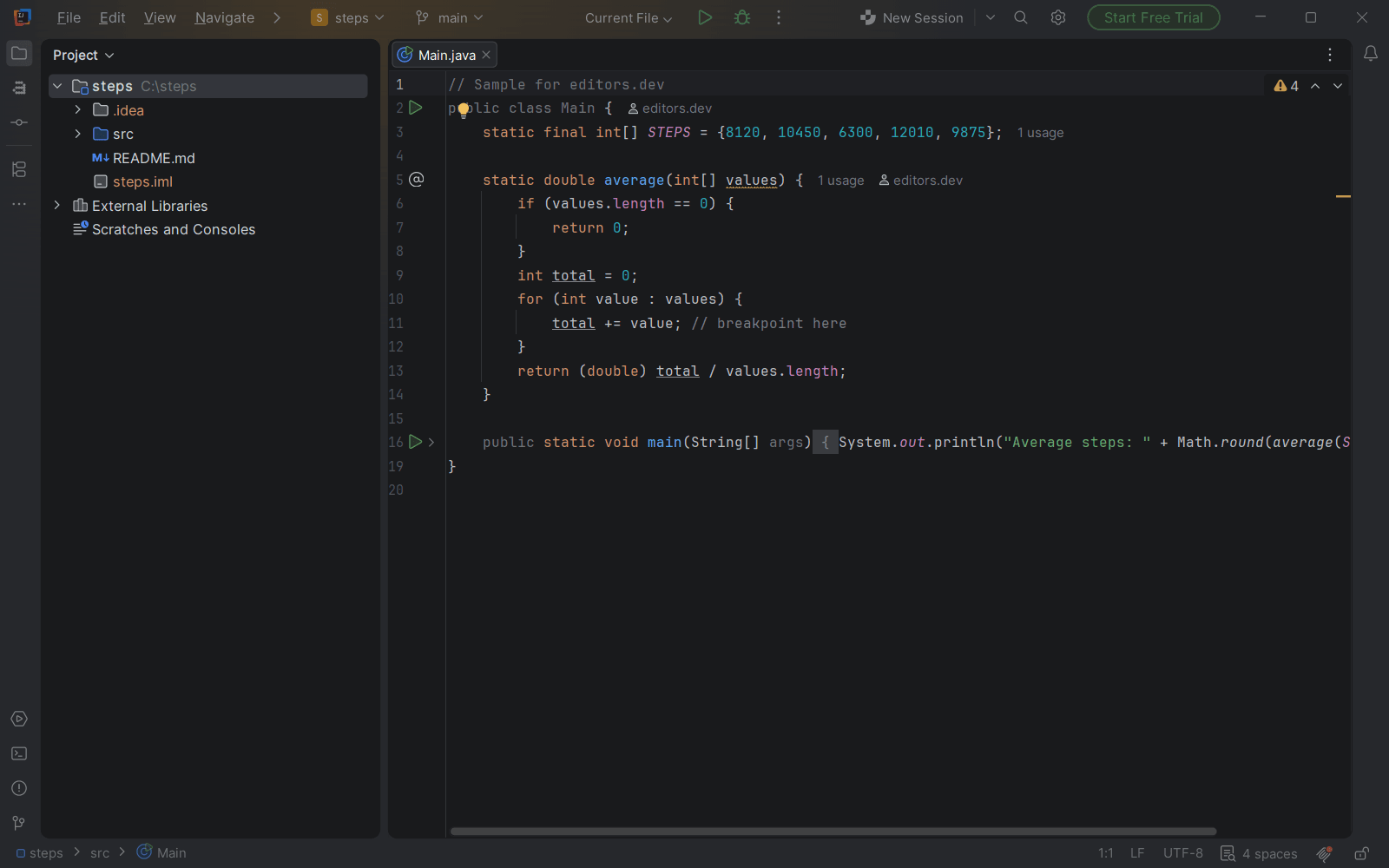
- IntelliJ IDEA With CLion C and C++ Completion : Yes Go to definition : Yes Refactoring : Yes Debugging : Yes Tests : No Formatting : No
Community extension 14
- PhpStorm With LSP4IJ Completion : Yes Go to definition : Yes Refactoring : Yes Debugging : Yes Tests : No Formatting : Yes
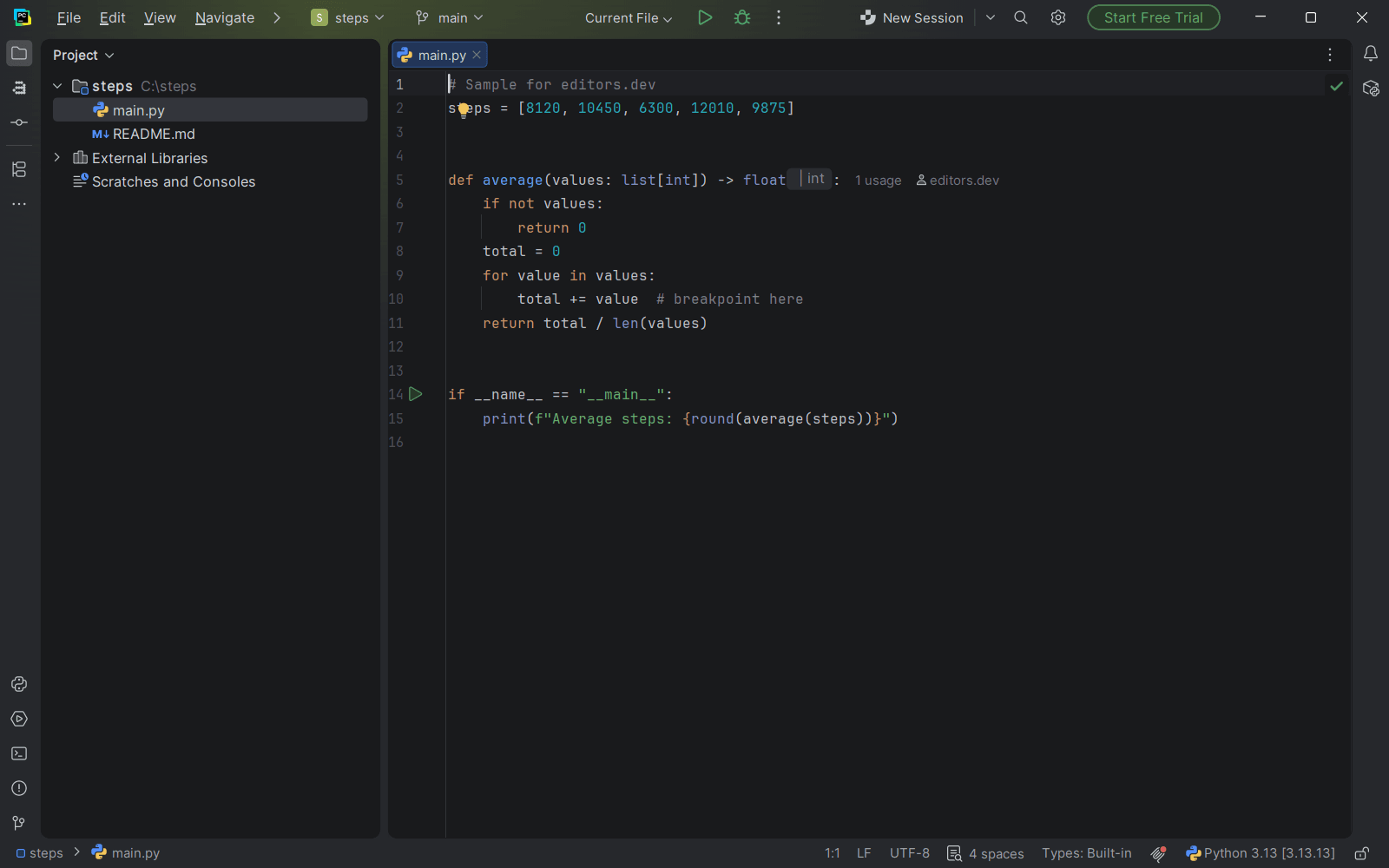
- PyCharm With LSP4IJ Completion : Yes Go to definition : Yes Refactoring : Yes Debugging : Yes Tests : No Formatting : Yes
- WebStorm With LSP4IJ Completion : Yes Go to definition : Yes Refactoring : Yes Debugging : Yes Tests : No Formatting : Yes
- GoLand With LSP4IJ Completion : Yes Go to definition : Yes Refactoring : Yes Debugging : Yes Tests : No Formatting : Yes
- RustRover With LSP4IJ Completion : Yes Go to definition : Yes Refactoring : Yes Debugging : Yes Tests : No Formatting : Yes
- RubyMine With LSP4IJ Completion : Yes Go to definition : Yes Refactoring : Yes Debugging : Yes Tests : No Formatting : Yes
- VSCodium With clangd, Native Debug Completion : Yes Go to definition : Yes Refactoring : Yes Debugging : Yes Tests : No Formatting : Yes
- Lapce With lapce-cpp-clangd (clangd); lapce-lldb for debugging Completion : Yes Go to definition : Yes Refactoring : Yes Debugging : Yes Tests : No Formatting : Yes
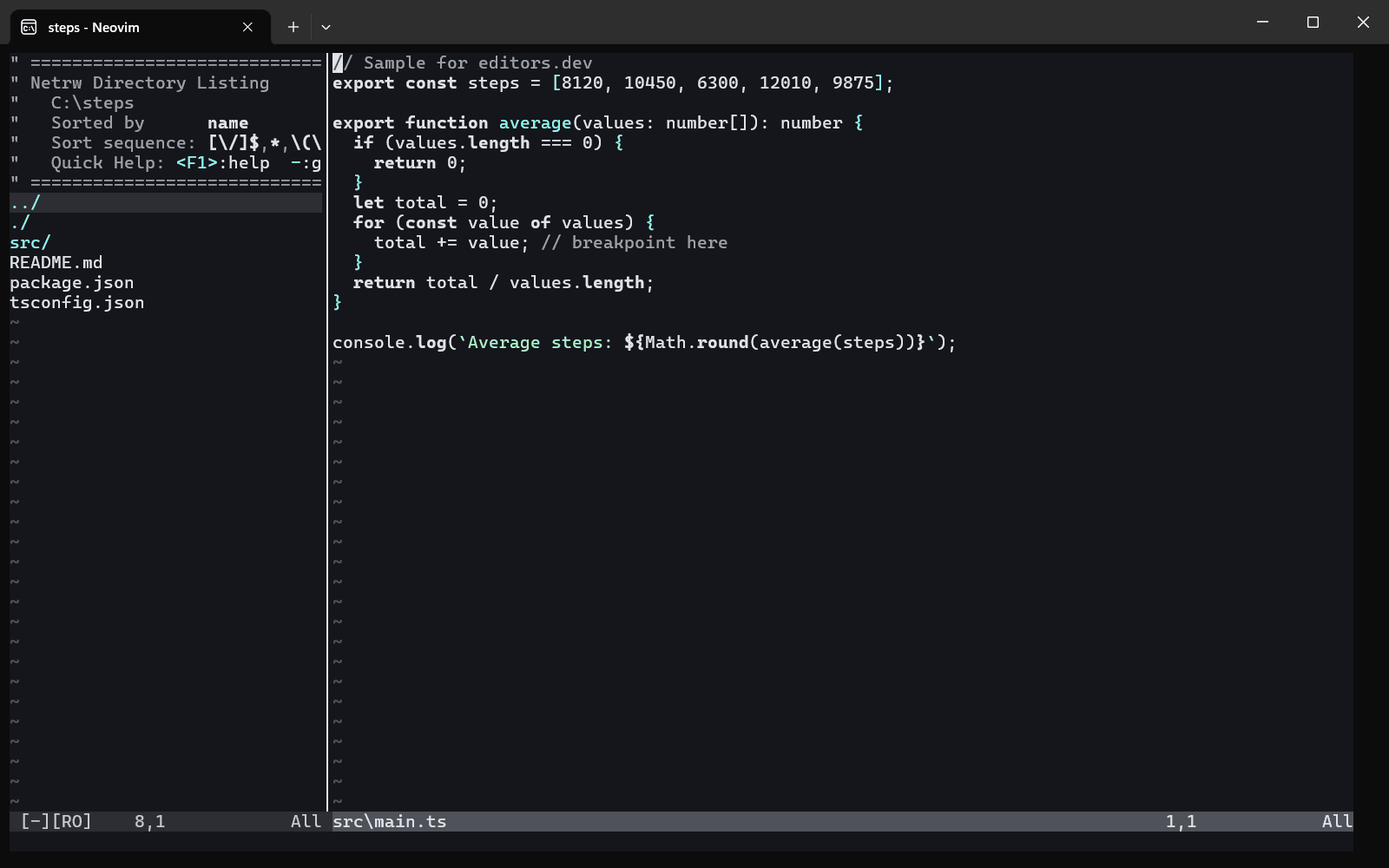
- Neovim With clangd Completion : Yes Go to definition : Yes Refactoring : Yes Debugging : No Tests : No Formatting : Yes
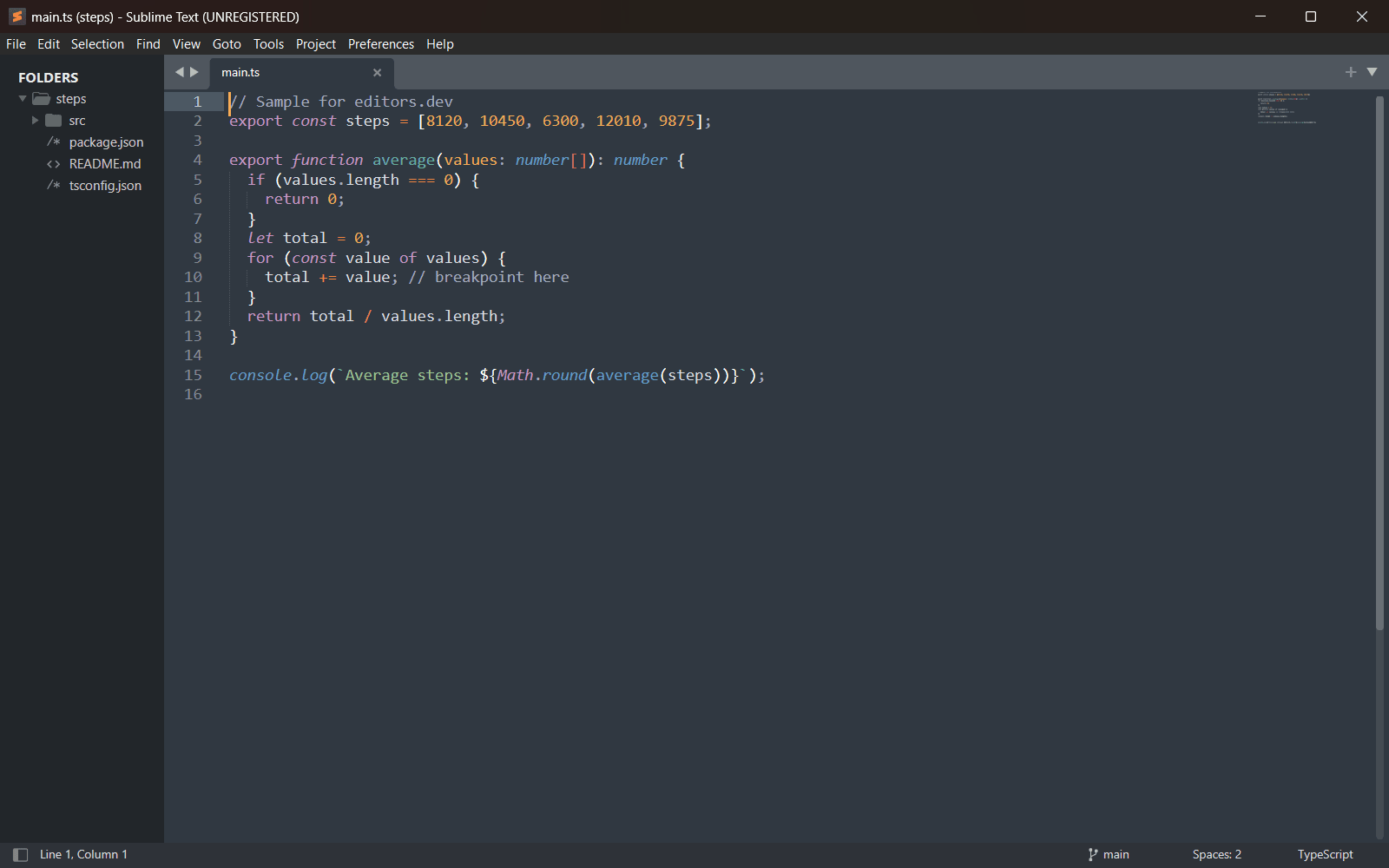
- Sublime Text With LSP + LSP-clangd Completion : Yes Go to definition : Yes Refactoring : Yes Debugging : No Tests : No Formatting : Yes
- Kiro With clangd Completion : Yes Go to definition : Yes Refactoring : Yes Debugging : No Tests : No Formatting : Yes
- Google Antigravity With clangd Completion : Yes Go to definition : Yes Refactoring : Yes Debugging : No Tests : No Formatting : Yes
- TRAE With clangd Completion : Yes Go to definition : Yes Refactoring : Yes Debugging : No Tests : No Formatting : Yes
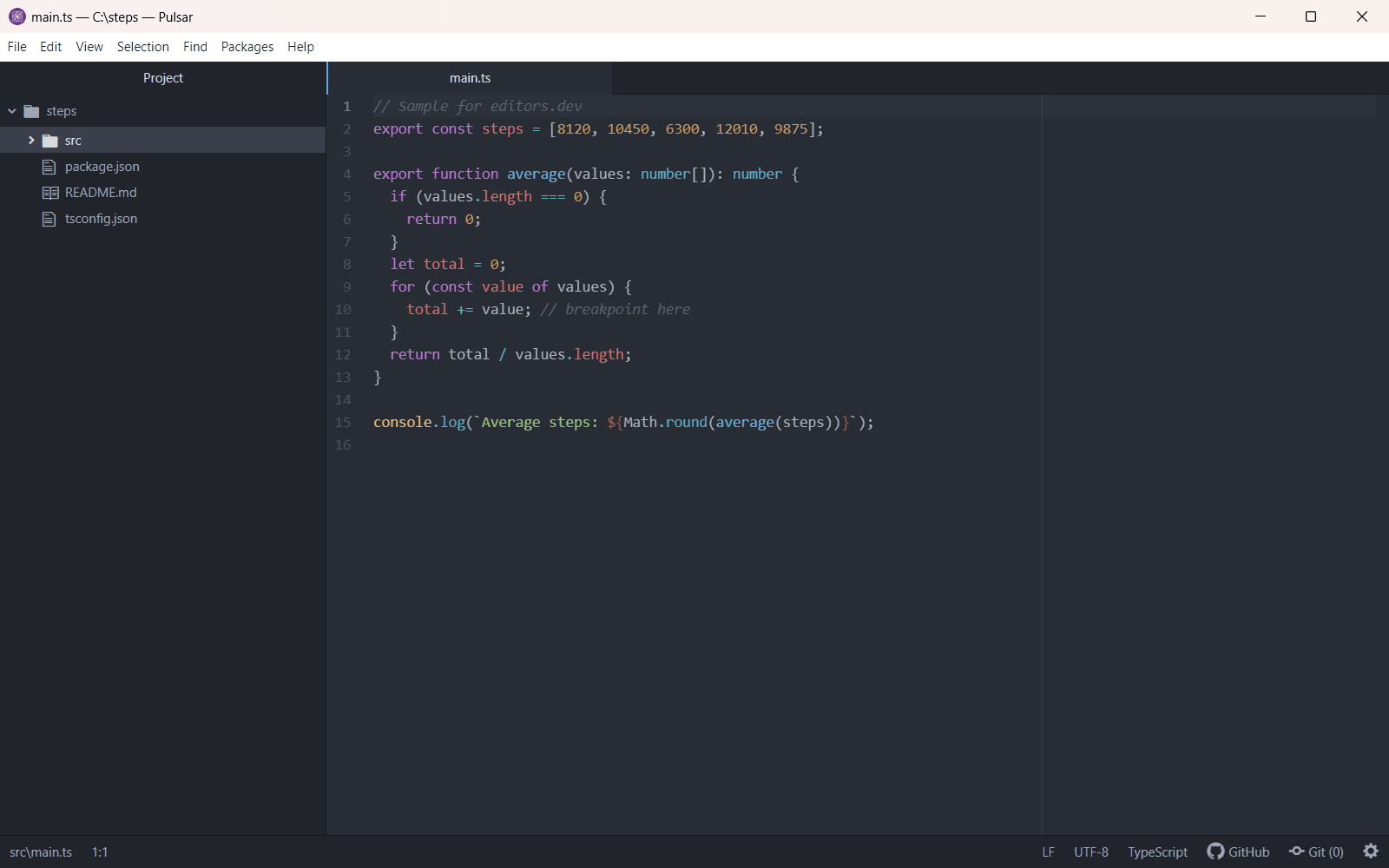
- Pulsar With pulsar-ide-clangd (clangd) Completion : Yes Go to definition : Yes Refactoring : Yes Debugging : No Tests : No Formatting : Yes
Today
The newest edition is C23, published as ISO/IEC 9899:2024 on 31 October 2024; GCC 15 made it the default language mode. WG14 is working on the next revision, informally called C2y, and in March 2026 chose a schedule with two committee drafts, so no publication date is set yet. C ranks second in the TIOBE index for November 2026.
What it is used for
Operating system kernels such as Linux and the Windows and macOS kernels, embedded firmware, databases such as SQLite and PostgreSQL, and the reference interpreters of languages like Python (CPython) and Ruby.
History
Dennis Ritchie developed C at Bell Labs between 1969 and 1973 as a successor to Ken Thompson's B language, itself derived from BCPL. In 1973 the Unix kernel was rewritten in C, which made Unix portable to new machines and carried C along with it.
The 1978 book "The C Programming Language" by Brian Kernighan and Dennis Ritchie served as the informal specification, known as K&R C. As compilers multiplied, ANSI standardised the language in 1989 (C89), and ISO adopted the same text in 1990 (C90).
Later revisions changed the language carefully: C99 added inline functions, long long and // comments, C11 added a memory model, threads and atomics, and C17 was a bug-fix release. C23 brought nullptr, constexpr objects, typeof, #embed and bool as a keyword. C remains the common interface between operating systems and other languages.
Milestone versions
- February 1978 K&R C The C Programming Language by Kernighan and Ritchie becomes the de facto specification.
- December 1989 C89 First standard (ANSI X3.159-1989), adding function prototypes and a standard library; adopted by ISO as C90.
- December 1999 C99 Added inline functions, long long, variable-length arrays, designated initializers and // comments.
- 8 December 2011 C11 Added a memory model, threads, atomics, _Generic and static assertions.
- June 2018 C17 Bug-fix revision of C11 with no new features.
- 31 October 2024 C23 Added nullptr, constexpr objects, typeof, #embed, bool/true/false keywords and binary literals.
Sources
Last checked: 20 November 2026