C++
C++ is a compiled, general-purpose language that extends C with classes, templates and a large standard library, while keeping direct control over memory and hardware. It is mostly used for performance-critical software such as game engines, browsers, databases, trading systems and embedded devices.
Editors for C++
38 editors and IDEs support C++. Built in first, then official and community extensions. Each row opens the editor at its C++ notes.
Built in 19
- Visual Studio With Desktop development with C++ workload Completion : Yes Go to definition : Yes Refactoring : Yes Debugging : Yes Tests : Yes Formatting : Yes
- CLion Completion : Yes Go to definition : Yes Refactoring : Yes Debugging : Yes Tests : Yes Formatting : Yes
- Rider Completion : Yes Go to definition : Yes Refactoring : Yes Debugging : Yes Tests : Yes Formatting : Yes
- Android Studio With NDK, CMake and LLDB Completion : Yes Go to definition : Yes Refactoring : No Debugging : Yes Tests : No Formatting : Yes
- Eclipse IDE With CDT (Eclipse IDE for C/C++ Developers) Completion : Yes Go to definition : Yes Refactoring : Yes Debugging : Yes Tests : No Formatting : No
- Xcode Completion : Yes Go to definition : Yes Refactoring : No Debugging : Yes Tests : No Formatting : No
- Zed Completion : Yes Go to definition : Yes Refactoring : Yes Debugging : Yes Tests : No Formatting : Yes
- Helix With clangd; lldb-dap Completion : Yes Go to definition : Yes Refactoring : Yes Debugging : Yes Tests : No Formatting : Yes
- GNU Emacs With Eglot + clangd or ccls; GDB/GUD Completion : Yes Go to definition : Yes Refactoring : Yes Debugging : Yes Tests : No Formatting : Yes
- Nova With clangd Completion : Yes Go to definition : Yes Refactoring : Yes Debugging : Yes Tests : No Formatting : Yes
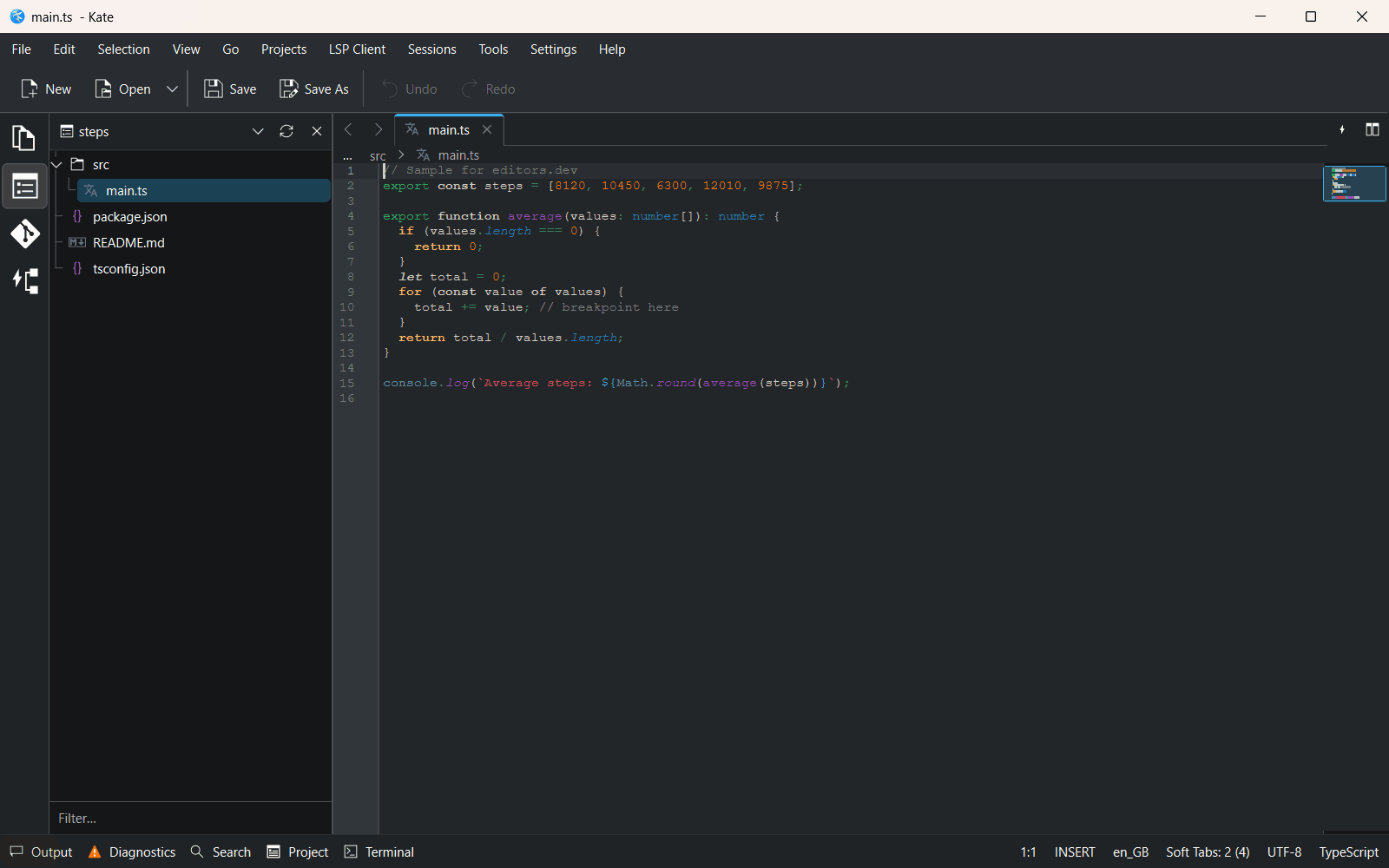
- Kate With LSP Client + clangd; Format plugin (clang-format); debugger (GDB, lldb-dap) Completion : Yes Go to definition : Yes Refactoring : Yes Debugging : Yes Tests : No Formatting : Yes
- BBEdit With clangd Completion : Yes Go to definition : Yes Refactoring : Yes Debugging : No Tests : No Formatting : Yes
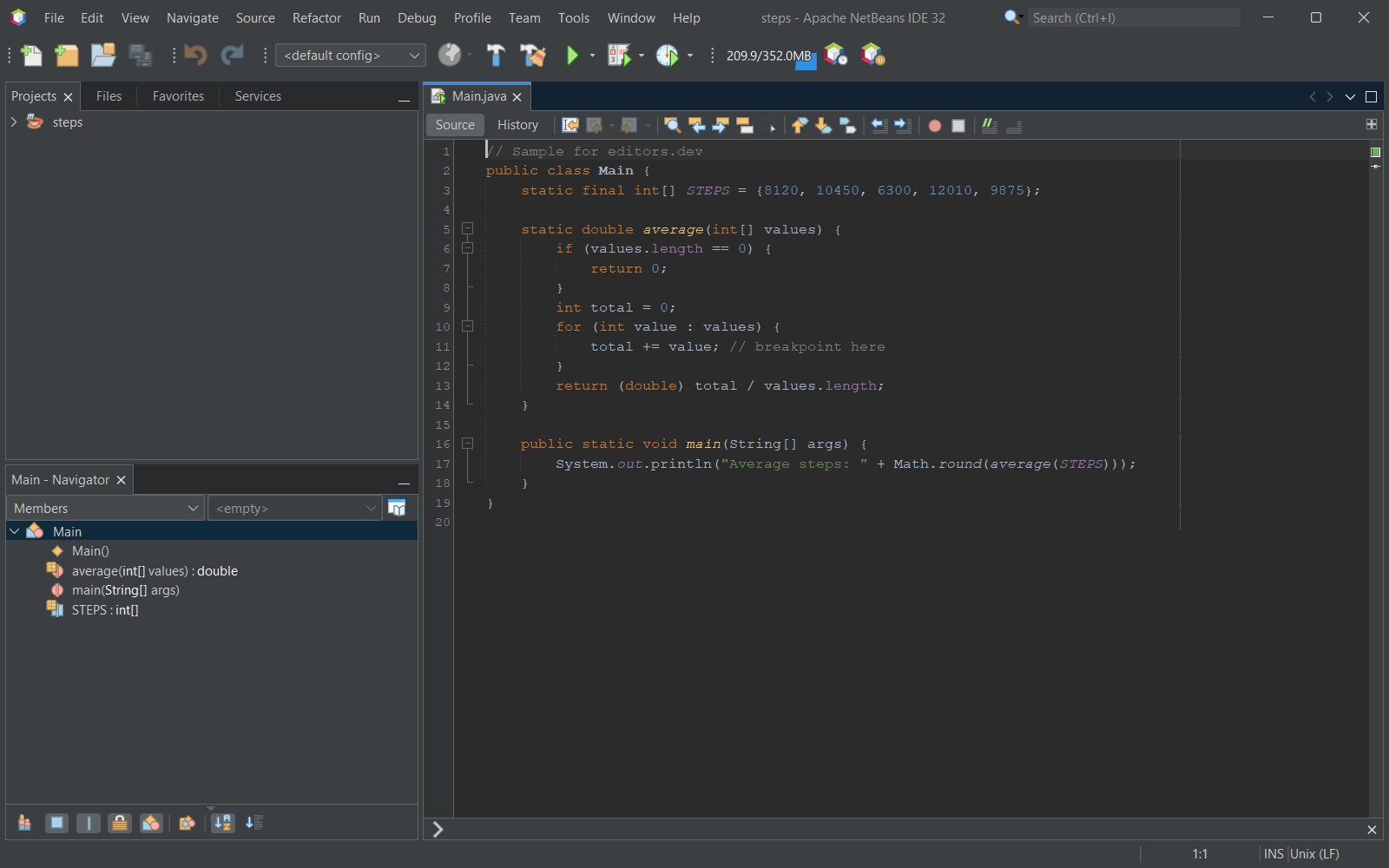
- Apache NetBeans With cpplite modules Completion : Yes Go to definition : No Refactoring : No Debugging : Yes Tests : No Formatting : No
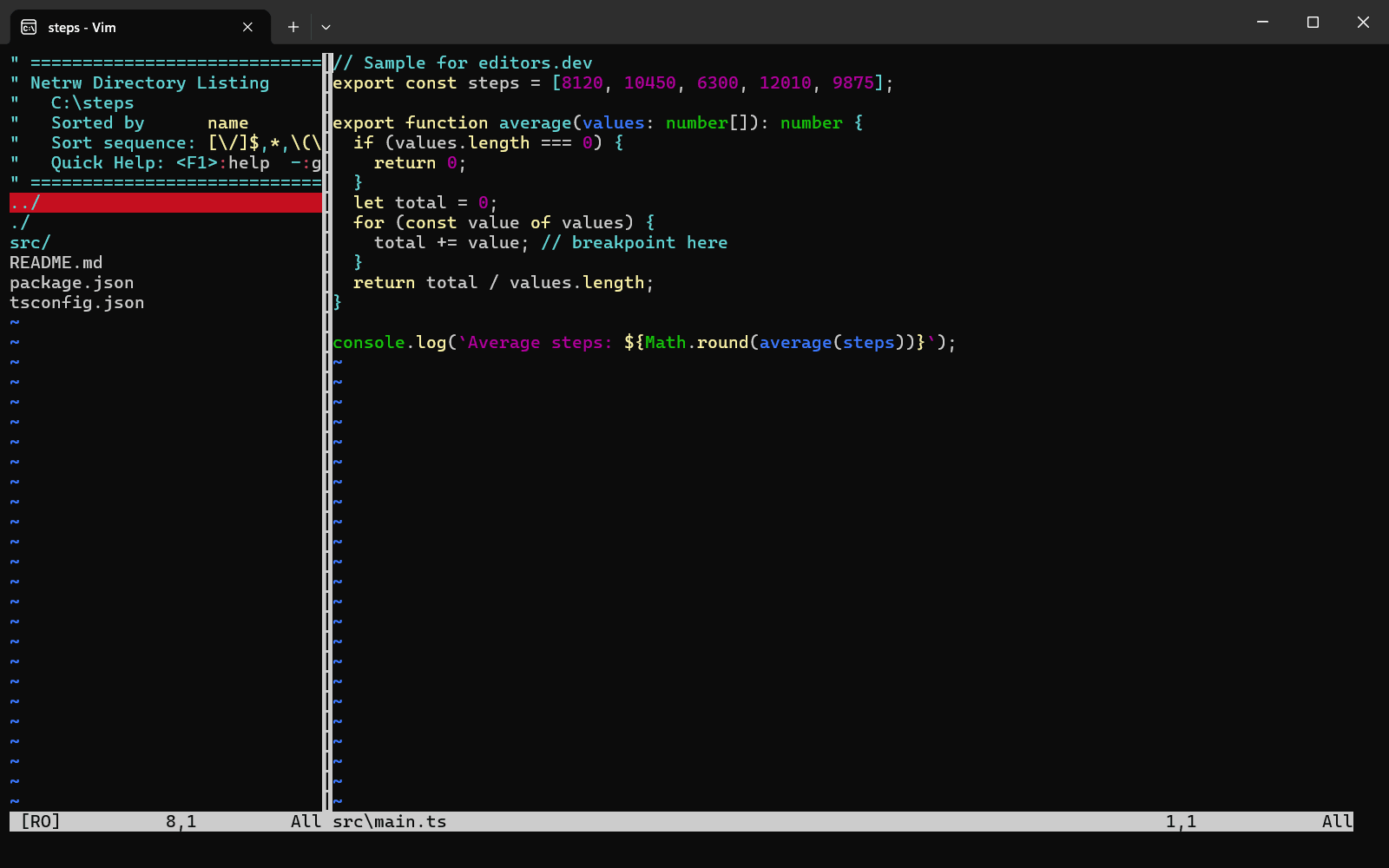
- Vim With Termdebug (gdb) Completion : Yes Go to definition : No Refactoring : No Debugging : Yes Tests : No Formatting : No
- TextMate With C bundle Completion : Yes Go to definition : No Refactoring : No Debugging : No Tests : No Formatting : Yes
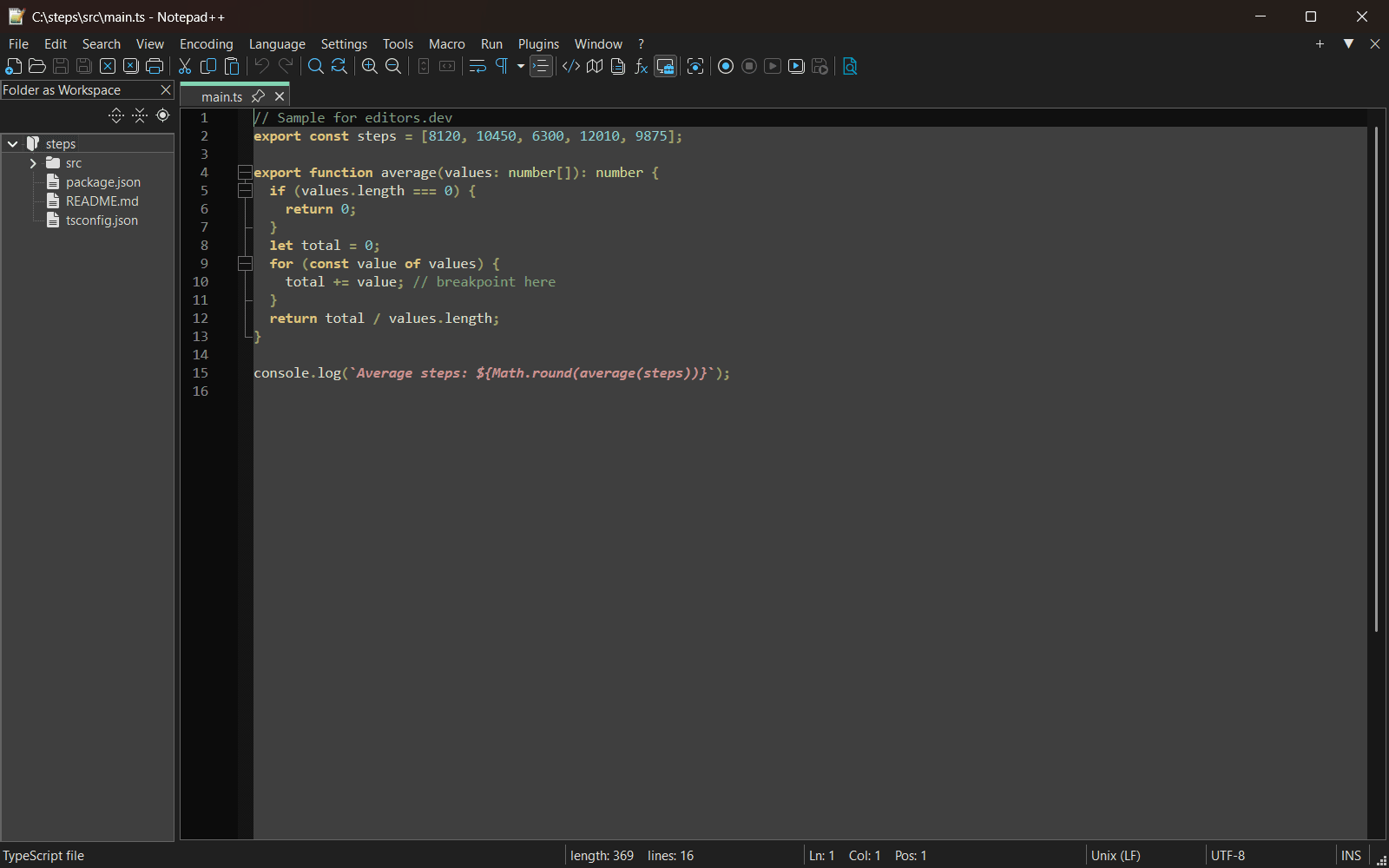
- Notepad++ Completion : Yes Go to definition : No Refactoring : No Debugging : No Tests : No Formatting : No
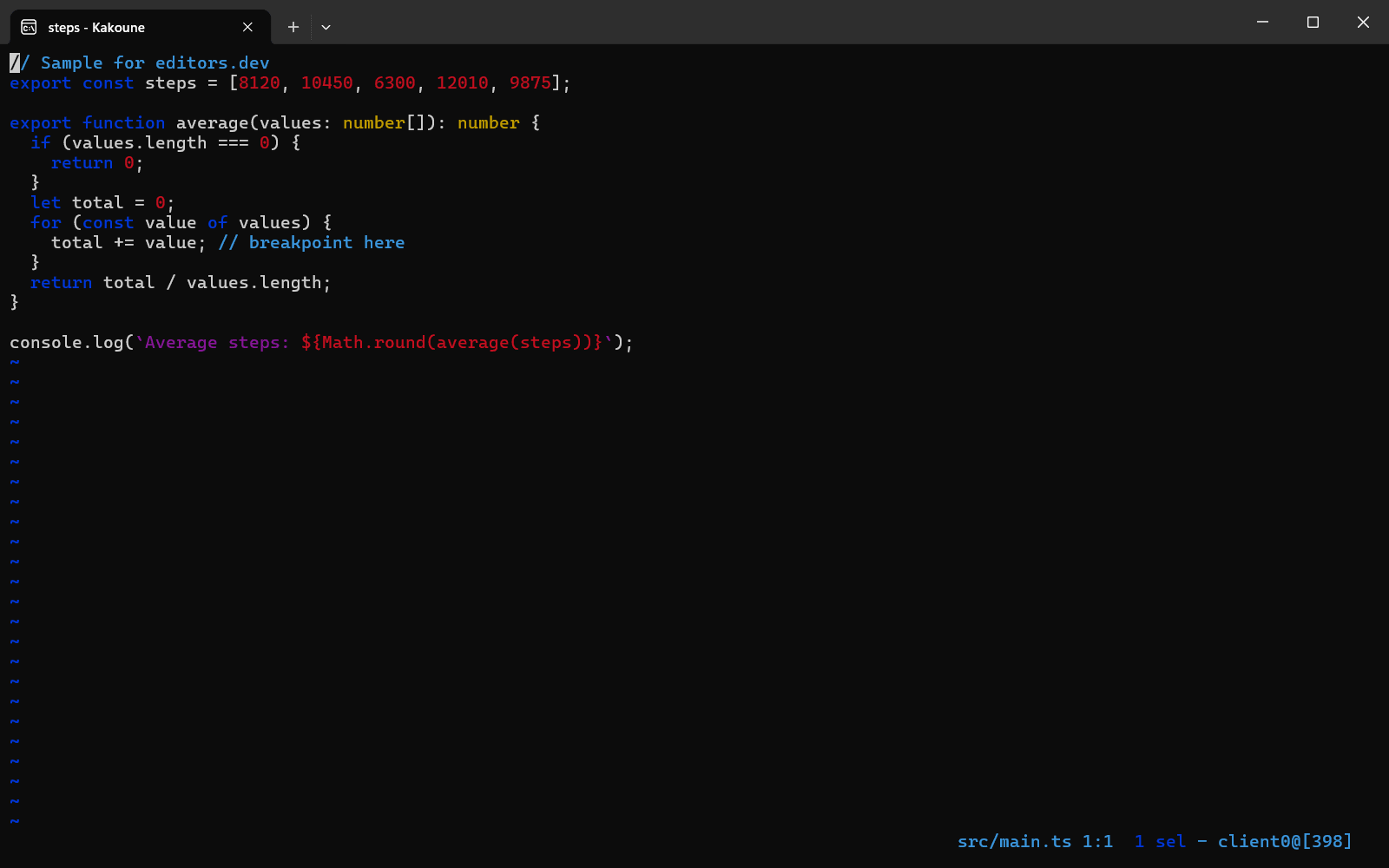
- Kakoune With clang.kak Completion : Yes Go to definition : No Refactoring : No Debugging : No Tests : No Formatting : No
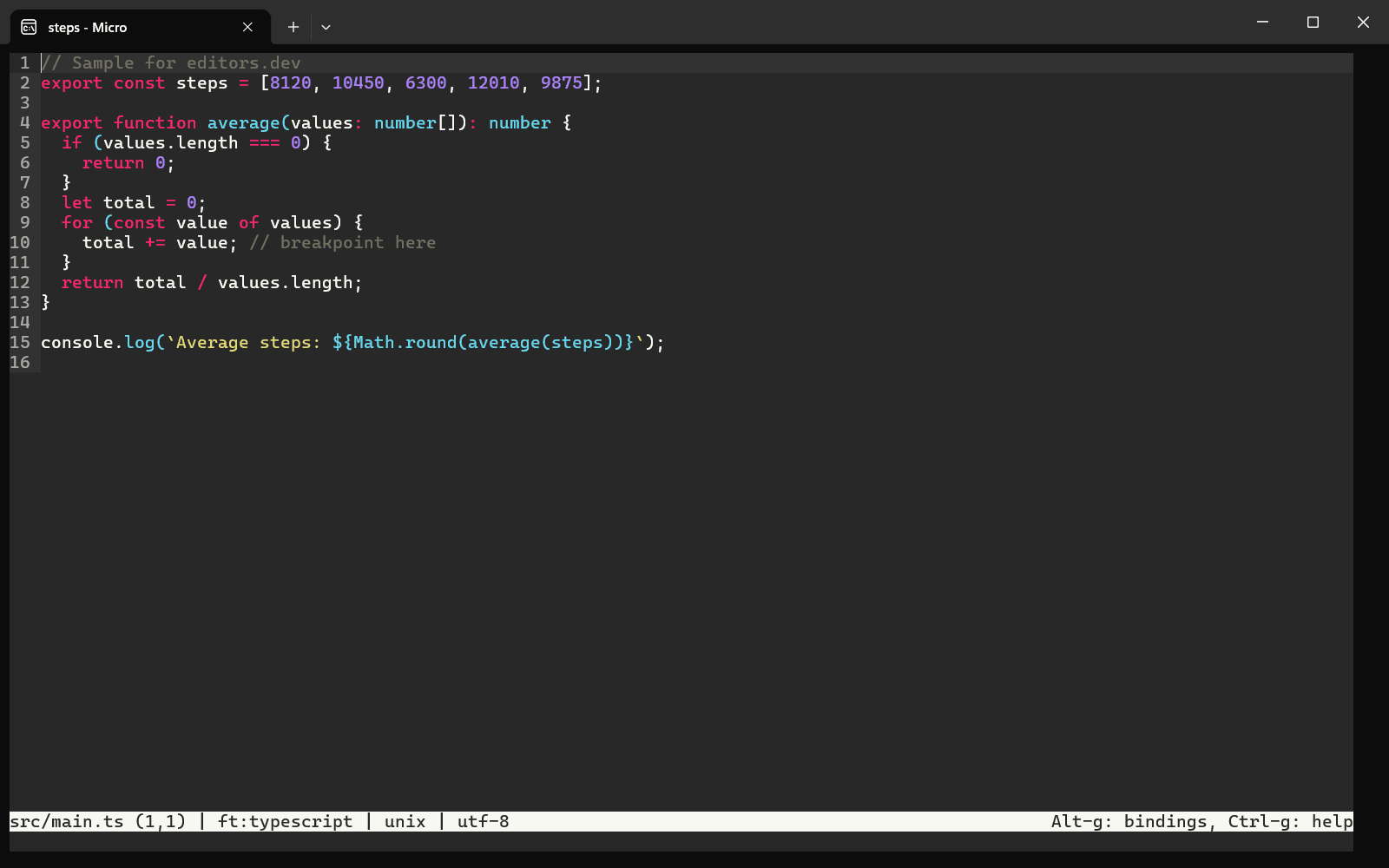
- Micro Completion : No Go to definition : No Refactoring : No Debugging : No Tests : No Formatting : No
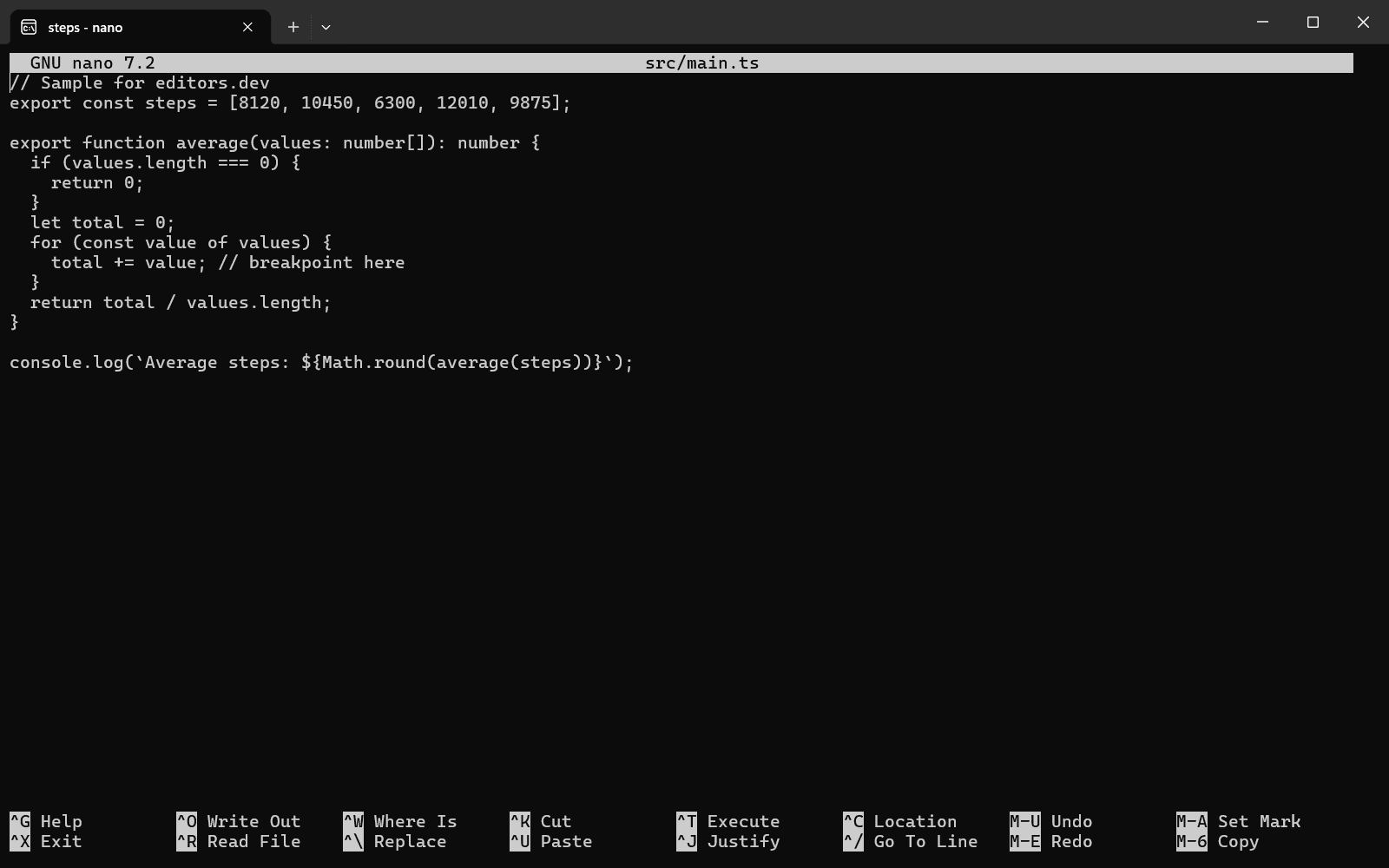
- GNU nano With c.nanorc Completion : No Go to definition : No Refactoring : No Debugging : No Tests : No Formatting : No
Official extension 5
- Devin Desktop With Windsurf C/C++ (clangd, CodeLLDB, CMake Tools) Completion : Yes Go to definition : Yes Refactoring : Yes Debugging : Yes Tests : Yes Formatting : Yes
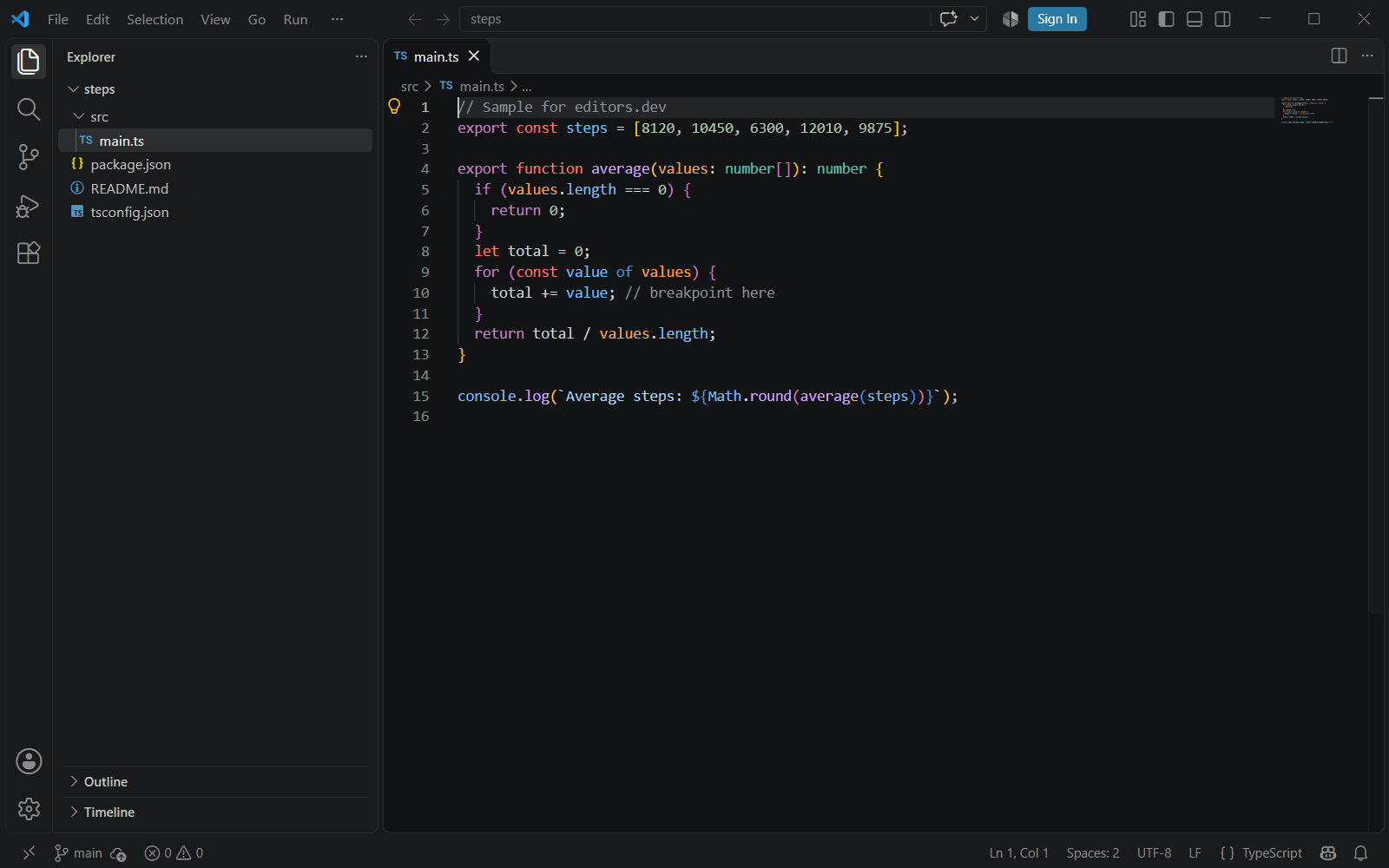
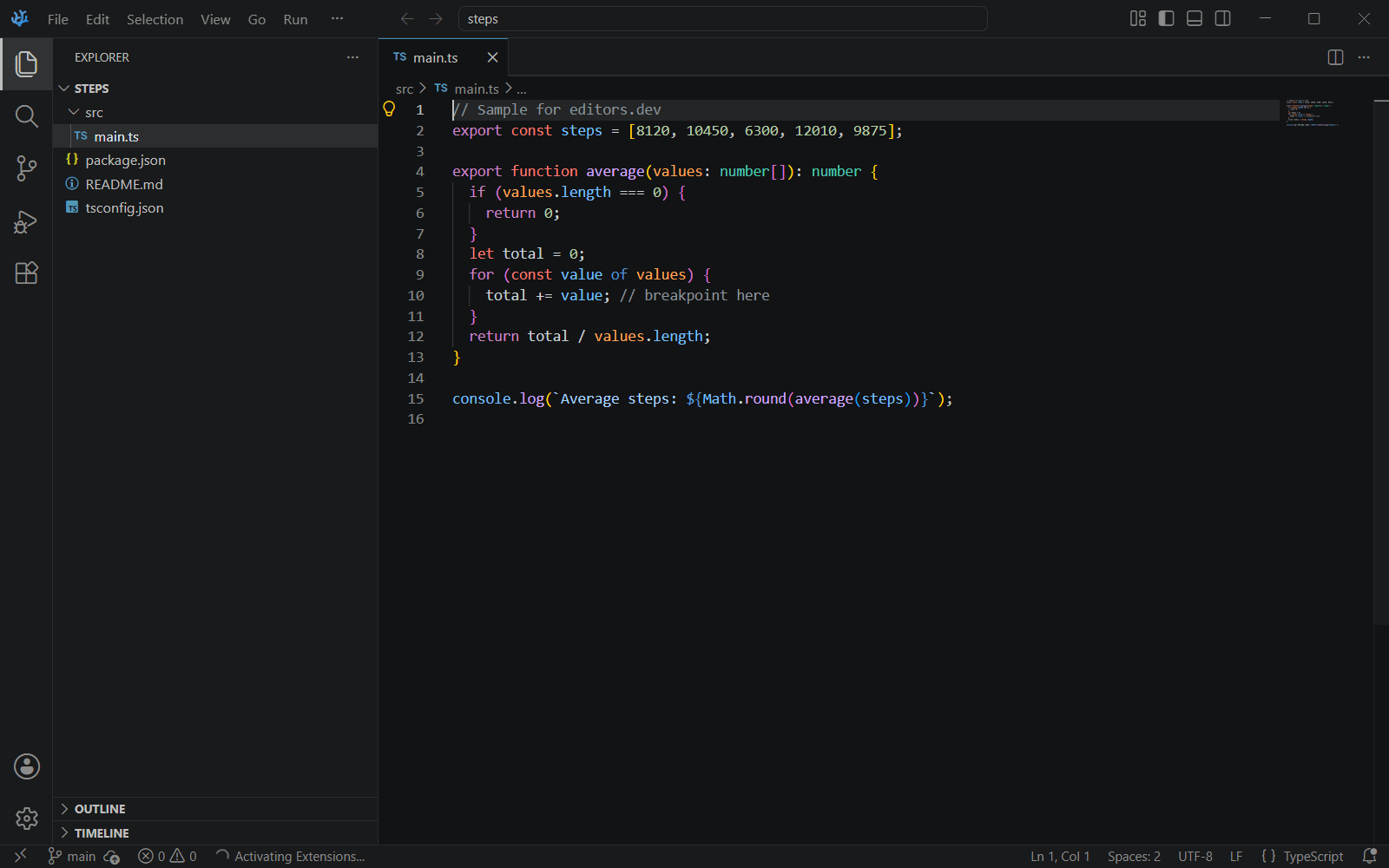
- VS Code With C/C++ Completion : Yes Go to definition : Yes Refactoring : Yes Debugging : Yes Tests : No Formatting : Yes
- Cursor With C/C++ Completion : Yes Go to definition : Yes Refactoring : Yes Debugging : Yes Tests : No Formatting : Yes
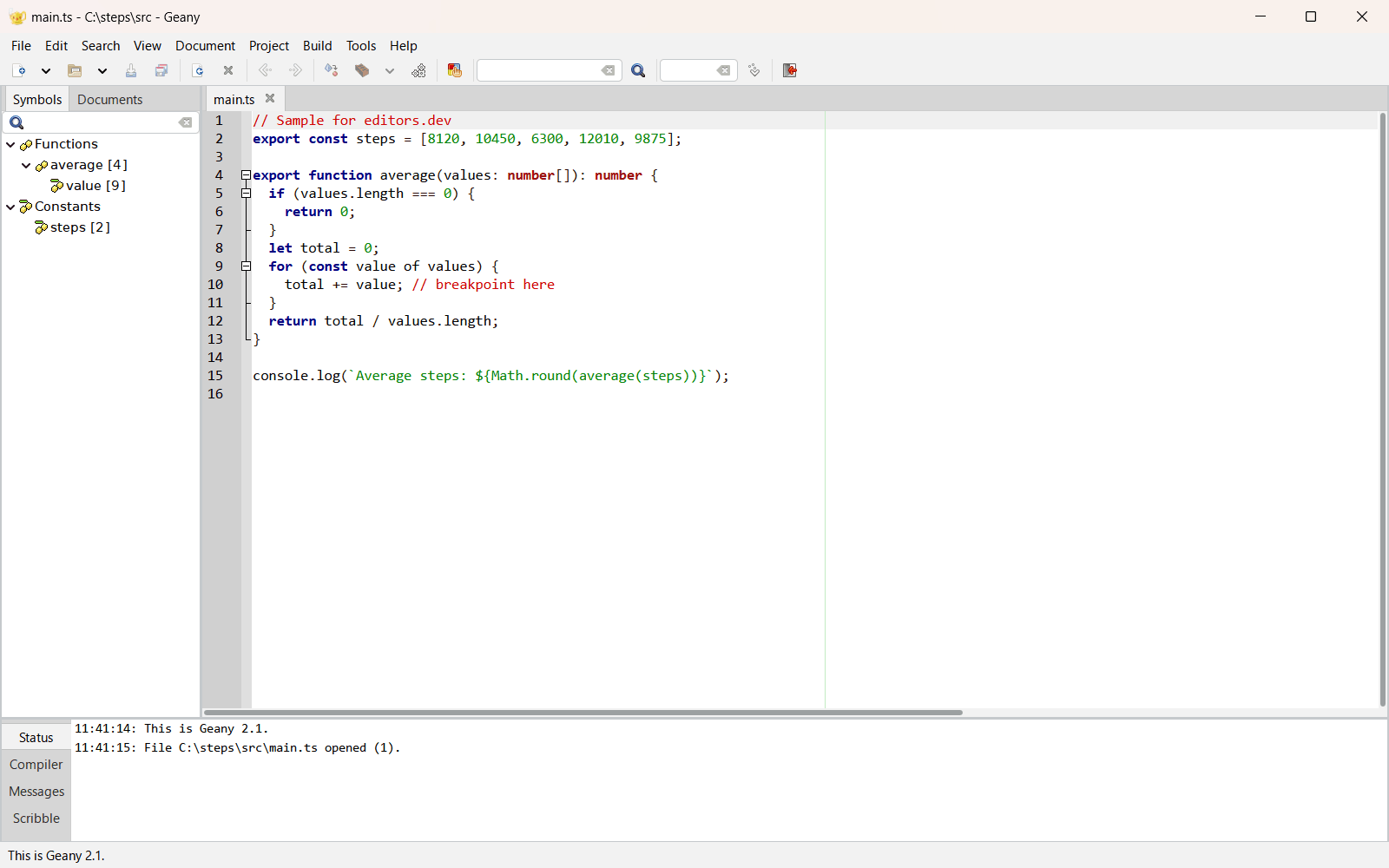
- Geany With LSP Client plugin (geany-plugins) + clangd; Debugger plugin (GDB) Completion : Yes Go to definition : Yes Refactoring : Yes Debugging : Yes Tests : No Formatting : Yes
- IntelliJ IDEA With CLion C and C++ Completion : Yes Go to definition : Yes Refactoring : Yes Debugging : Yes Tests : No Formatting : No
Community extension 14
- PhpStorm With LSP4IJ Completion : Yes Go to definition : Yes Refactoring : Yes Debugging : Yes Tests : No Formatting : Yes
- PyCharm With LSP4IJ Completion : Yes Go to definition : Yes Refactoring : Yes Debugging : Yes Tests : No Formatting : Yes
- WebStorm With LSP4IJ Completion : Yes Go to definition : Yes Refactoring : Yes Debugging : Yes Tests : No Formatting : Yes
- GoLand With LSP4IJ Completion : Yes Go to definition : Yes Refactoring : Yes Debugging : Yes Tests : No Formatting : Yes
- RustRover With LSP4IJ Completion : Yes Go to definition : Yes Refactoring : Yes Debugging : Yes Tests : No Formatting : Yes
- RubyMine With LSP4IJ Completion : Yes Go to definition : Yes Refactoring : Yes Debugging : Yes Tests : No Formatting : Yes
- VSCodium With clangd, Native Debug Completion : Yes Go to definition : Yes Refactoring : Yes Debugging : Yes Tests : No Formatting : Yes
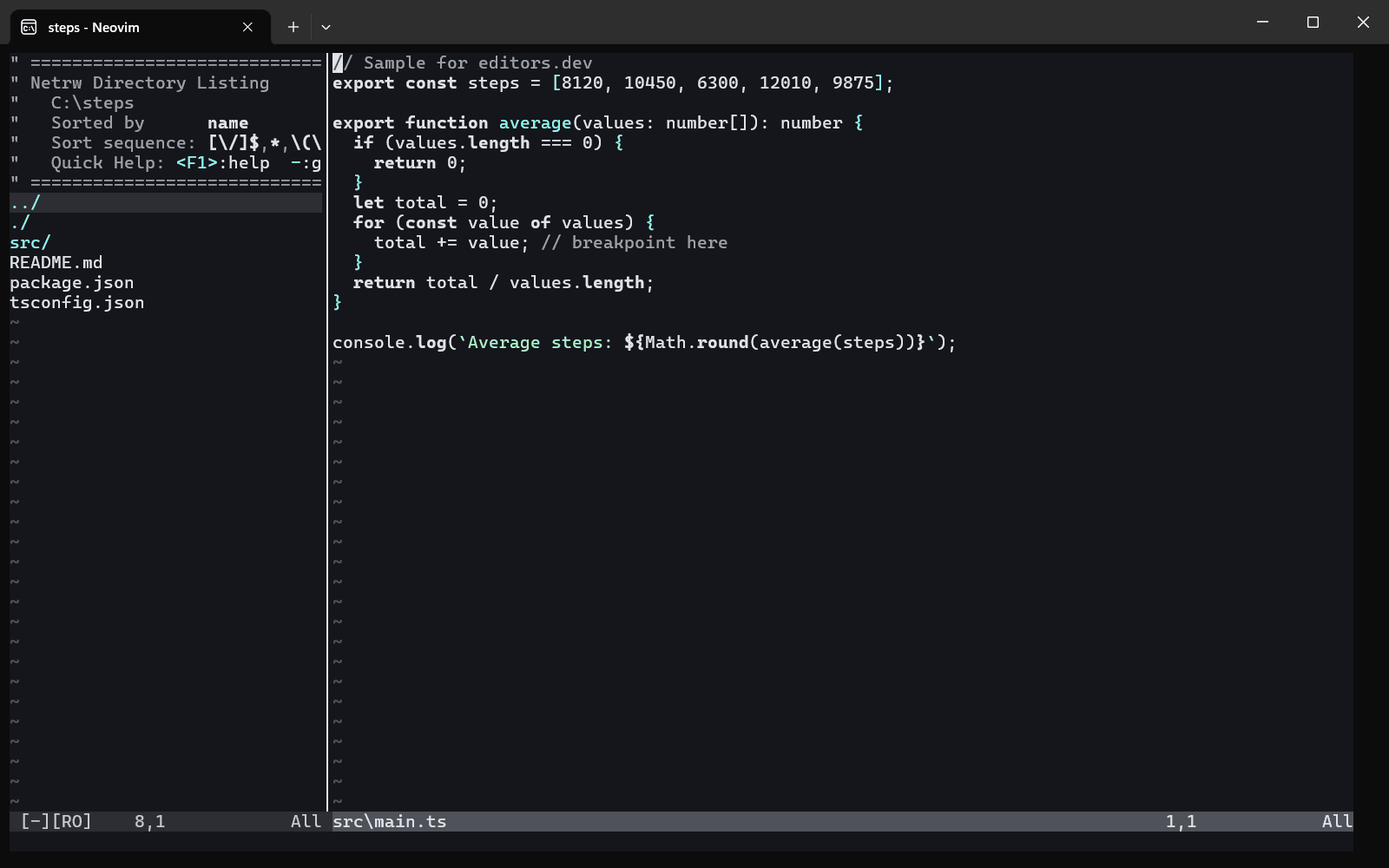
- Neovim With clangd Completion : Yes Go to definition : Yes Refactoring : Yes Debugging : No Tests : No Formatting : Yes
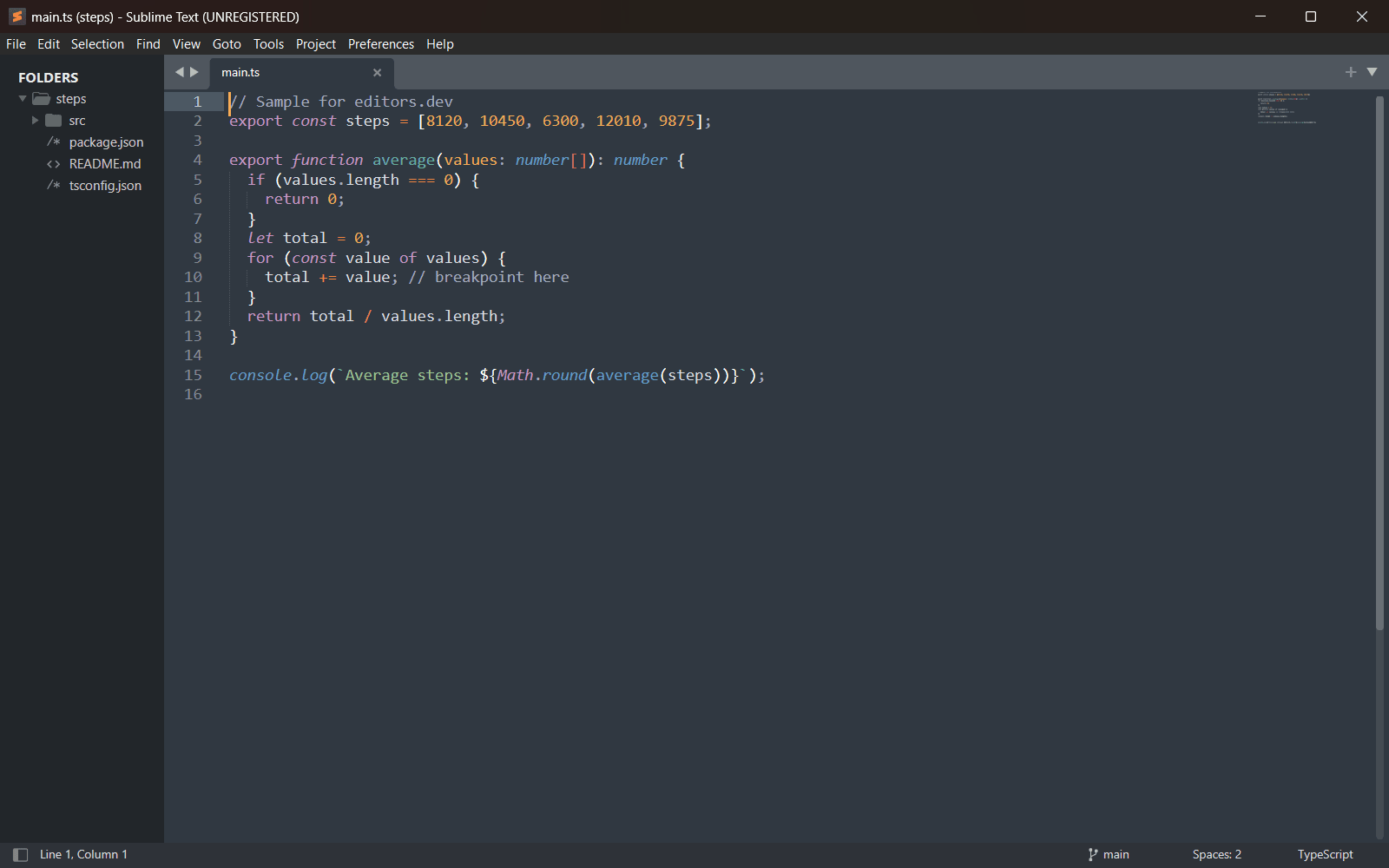
- Sublime Text With LSP + LSP-clangd Completion : Yes Go to definition : Yes Refactoring : Yes Debugging : No Tests : No Formatting : Yes
- Kiro With clangd Completion : Yes Go to definition : Yes Refactoring : Yes Debugging : No Tests : No Formatting : Yes
- Google Antigravity With clangd Completion : Yes Go to definition : Yes Refactoring : Yes Debugging : No Tests : No Formatting : Yes
- TRAE With clangd Completion : Yes Go to definition : Yes Refactoring : Yes Debugging : No Tests : No Formatting : Yes
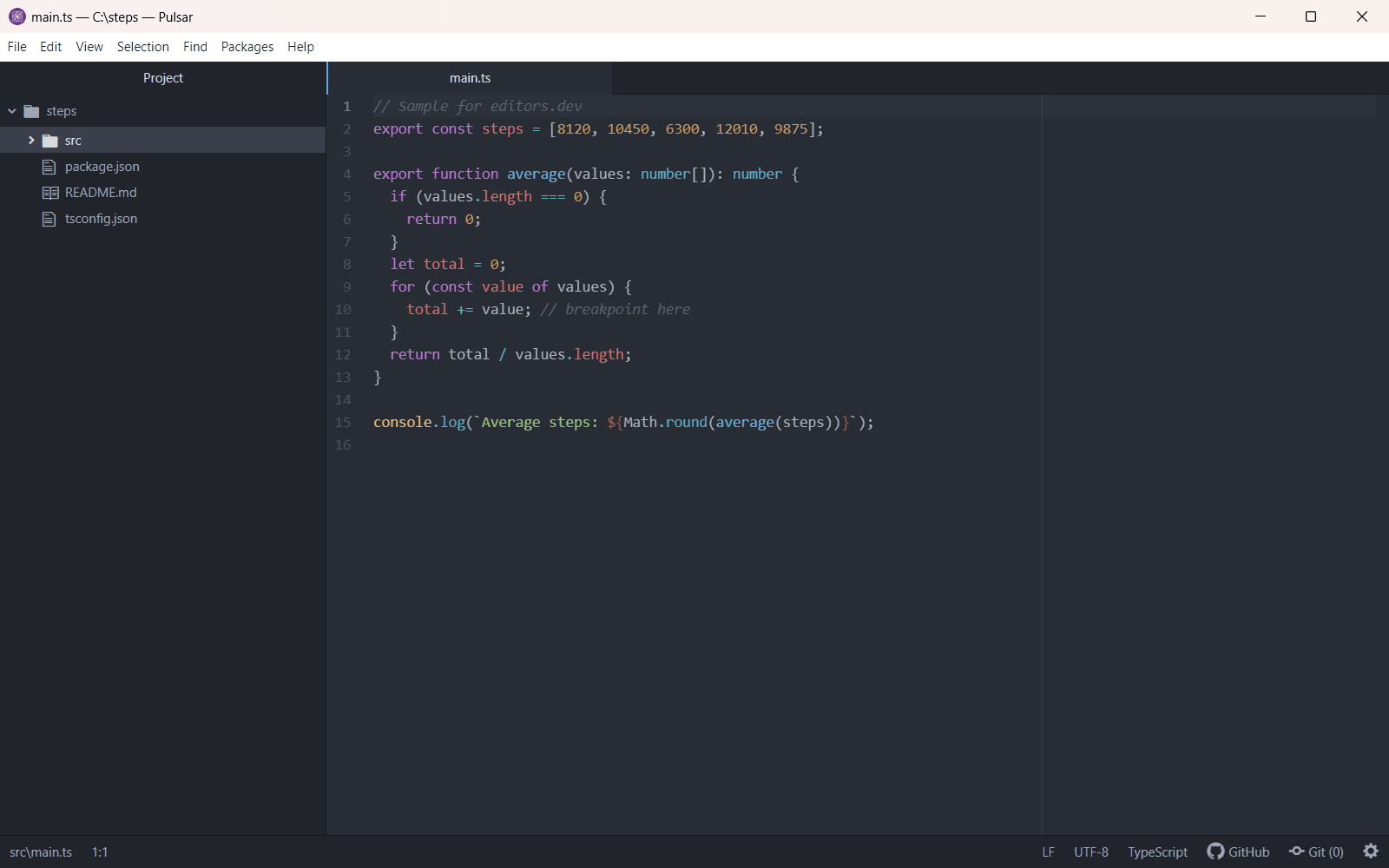
- Pulsar With pulsar-ide-clangd (clangd) Completion : Yes Go to definition : Yes Refactoring : Yes Debugging : No Tests : No Formatting : Yes
- Lapce With lapce-cpp-clangd (clangd) Completion : Yes Go to definition : Yes Refactoring : Yes Debugging : No Tests : No Formatting : Yes
Today
The committee publishes a new standard every three years. The newest published edition is C++23 (ISO/IEC 14882:2024, October 2024). C++26, with static reflection, contracts and std::execution, was finished by WG21 on 28 March 2026, but its Draft International Standard failed the ISO national-body ballot in October 2026, mainly over contracts; WG21 met in Búzios, Brazil, from 16 to 21 November 2026 to decide how to proceed, and publication is likely to slip into 2027. C++ ranks fourth in the TIOBE index for November 2026 and was used by 24.3% of respondents to the Stack Overflow Developer Survey 2026.
What it is used for
Game engines such as Unreal Engine, web browsers such as Chrome and Firefox, databases, compilers like LLVM, financial trading systems and embedded software.
History
Bjarne Stroustrup began work on "C with Classes" at Bell Labs in 1979, adding Simula-style classes to C without giving up its speed. The language was renamed C++ in 1983, and in October 1985 the Cfront compiler and the first edition of his book "The C++ Programming Language" made it available outside Bell Labs.
Standardisation began in 1990 and produced the first ISO standard, C++98, which included the Standard Template Library. After a minor fix in 2003, a long gap followed until C++11, which added move semantics, lambdas, auto and a memory model for threads, and is often described as a new language.
Since then the committee has shipped a standard every three years: C++14, C++17, C++20 (with concepts, modules and coroutines) and C++23. In recent years memory safety has been a central topic, and C++26 added a hardened standard library and contracts, the latter becoming the subject of the first failed DIS ballot in the language's history.
Milestone versions
- October 1985 Cfront 1.0 First commercial release, alongside the first edition of The C++ Programming Language.
- September 1998 C++98 First ISO standard (ISO/IEC 14882:1998), including the Standard Template Library.
- September 2011 C++11 Added move semantics, lambdas, auto, smart pointers and a threading memory model.
- December 2014 C++14 Small update with generic lambdas and return type deduction.
- December 2017 C++17 Added structured bindings, std::optional, std::variant and the filesystem library.
- 15 December 2020 C++20 Added concepts, modules, coroutines and ranges.
- 19 October 2024 C++23 Added std::expected, std::print, deducing this and a standard library module (import std).
Sources
Last checked: 20 November 2026