CSS
Cascading Style Sheets
CSS is the style sheet language of the web. It controls how HTML and other markup is presented: layout, colour, typography, spacing, animation and adaptation to different screens.
Editors for CSS
37 editors and IDEs support CSS. Built in first, then official and community extensions. Each row opens the editor at its CSS notes.
Built in 32
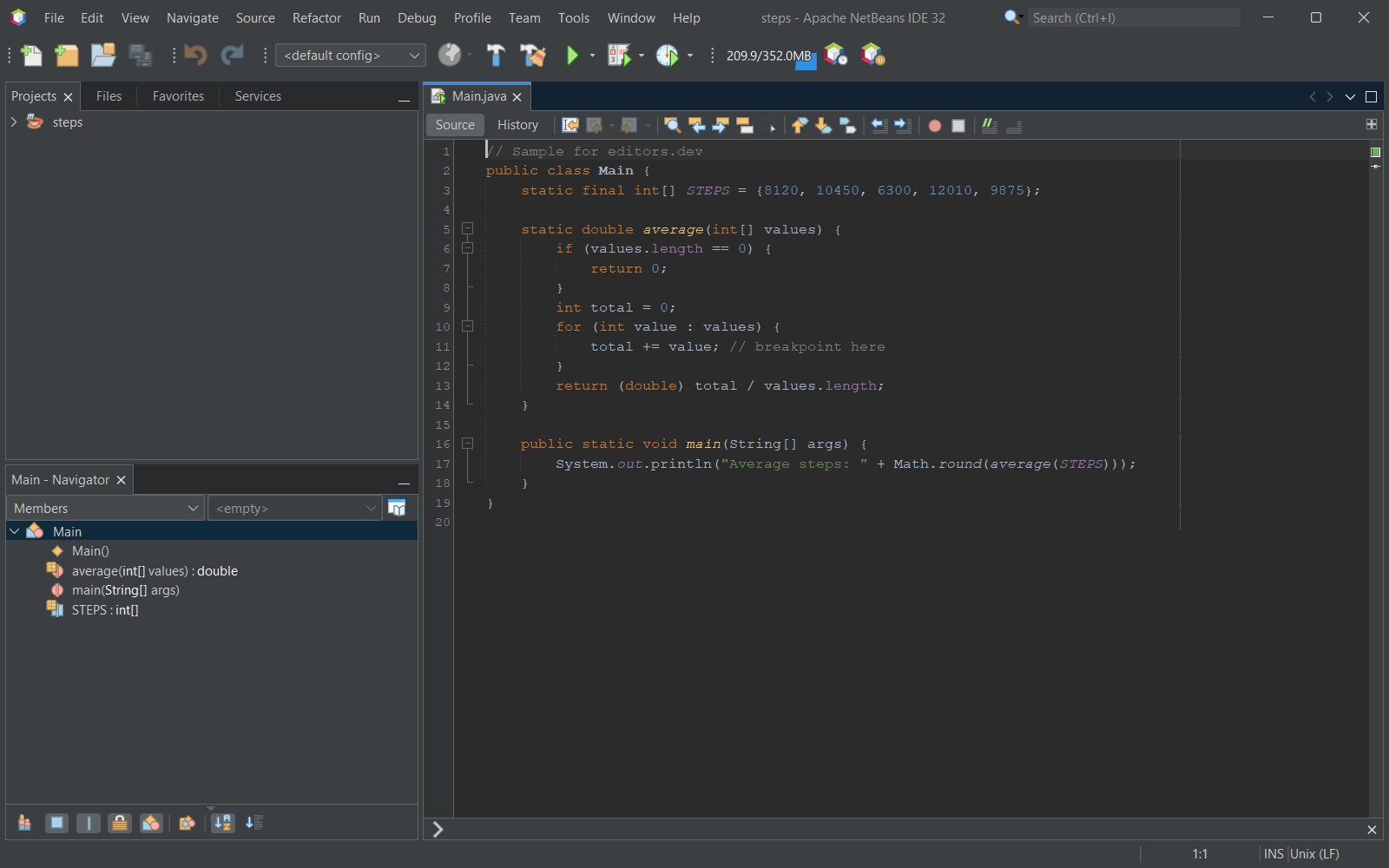
- Apache NetBeans Completion : Yes Go to definition : Yes Refactoring : Yes Debugging : No Tests : No Formatting : Yes
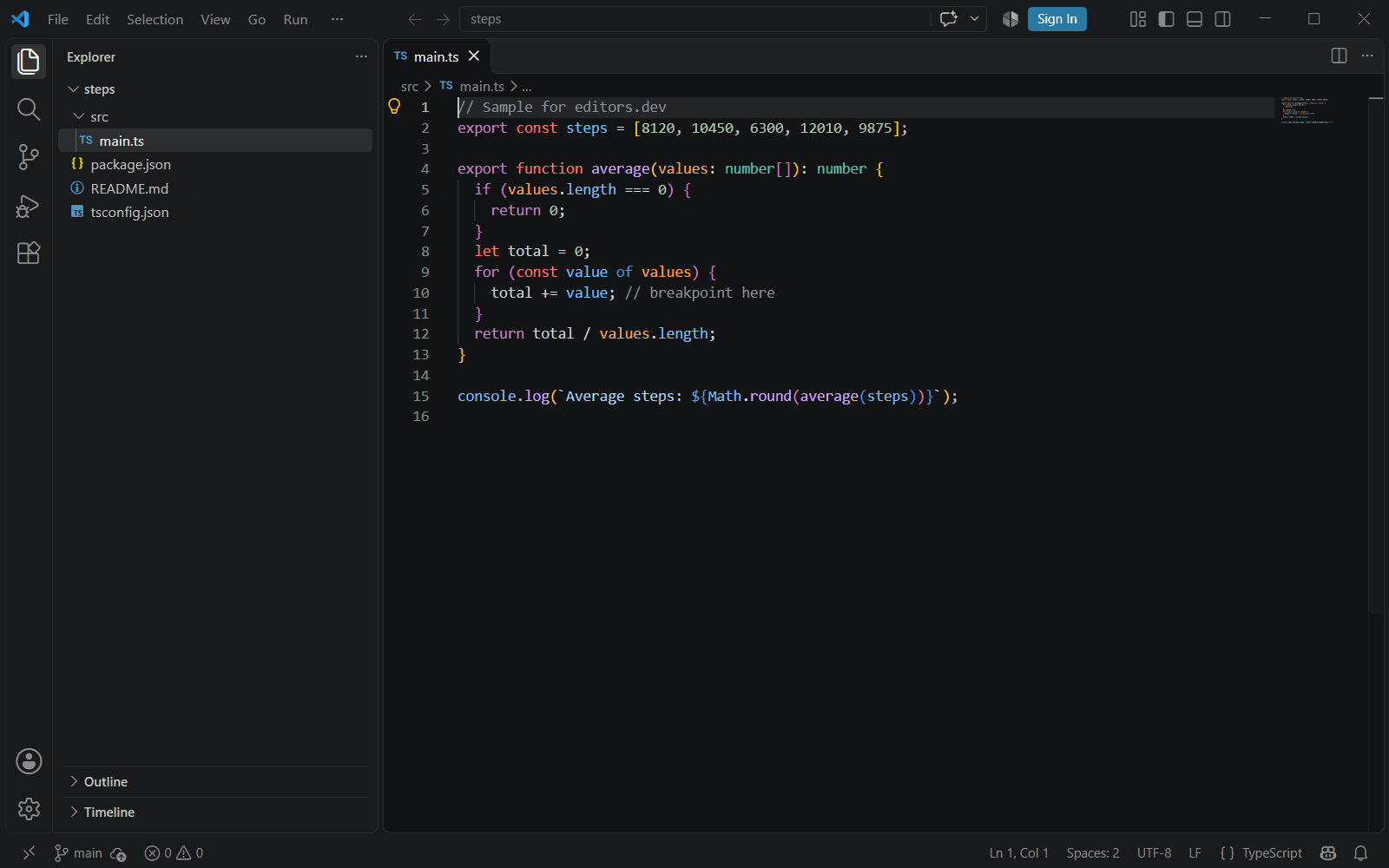
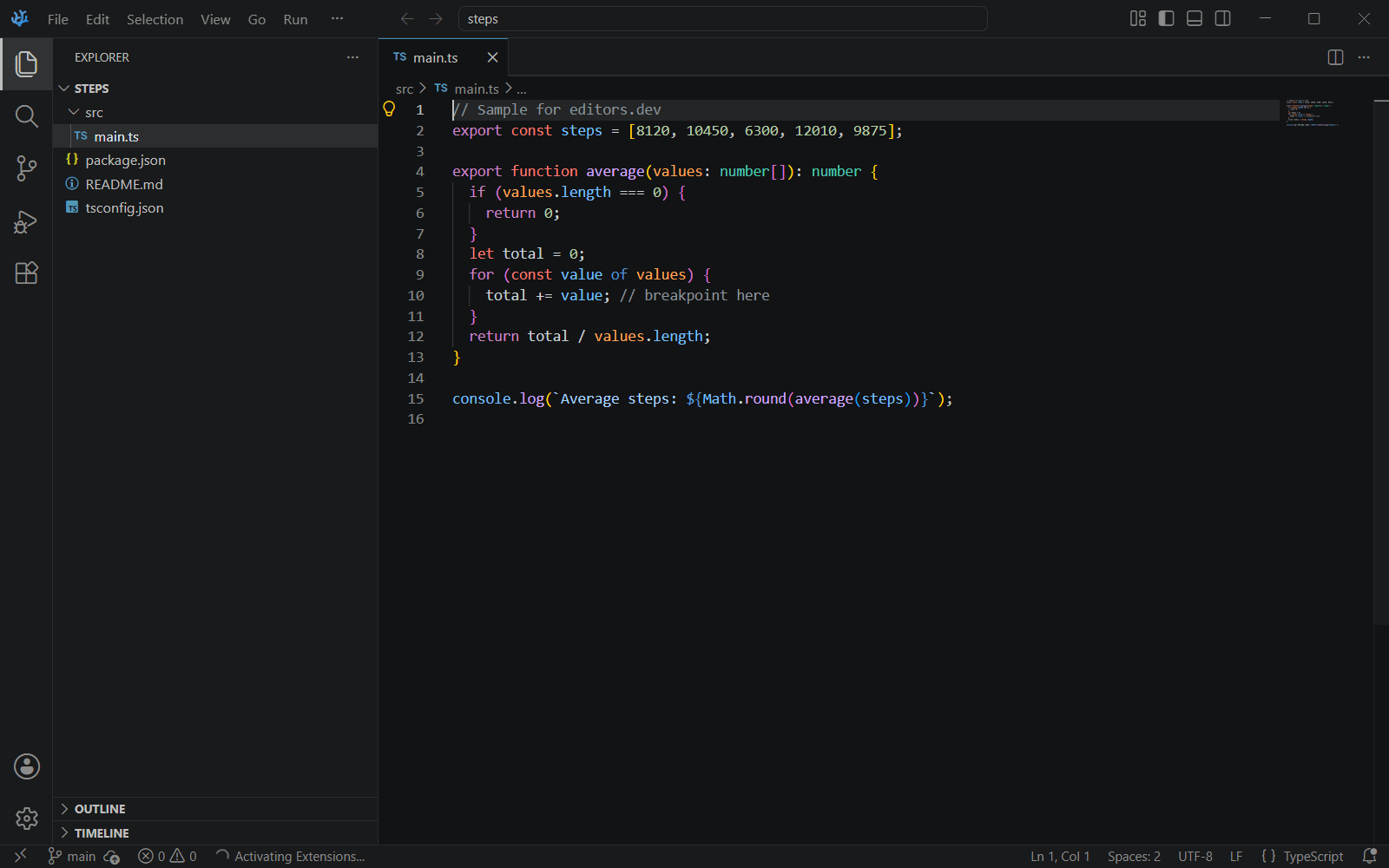
- VS Code Completion : Yes Go to definition : Yes Refactoring : Yes Debugging : No Tests : No Formatting : Yes
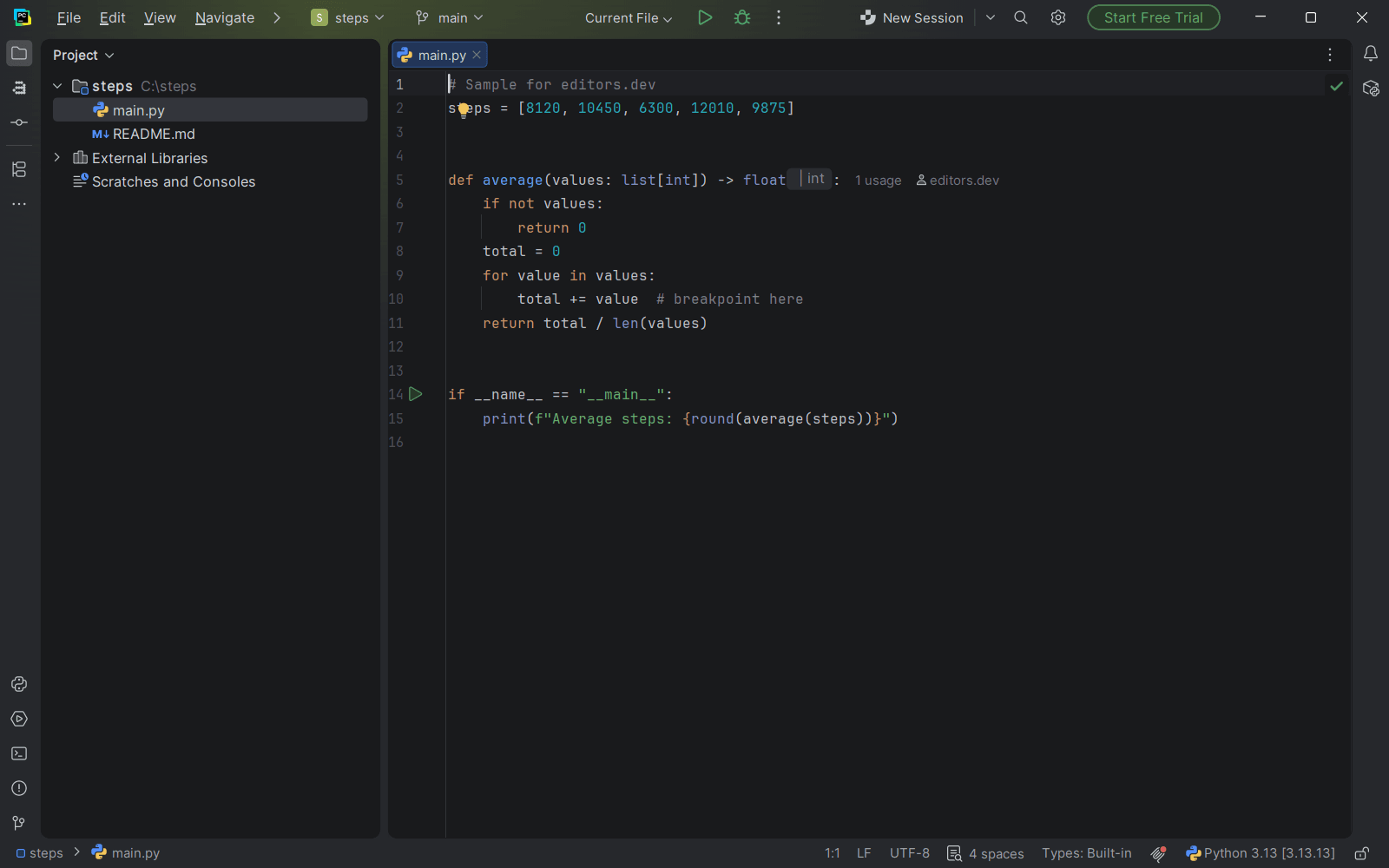
- PhpStorm Completion : Yes Go to definition : Yes Refactoring : Yes Debugging : No Tests : No Formatting : Yes
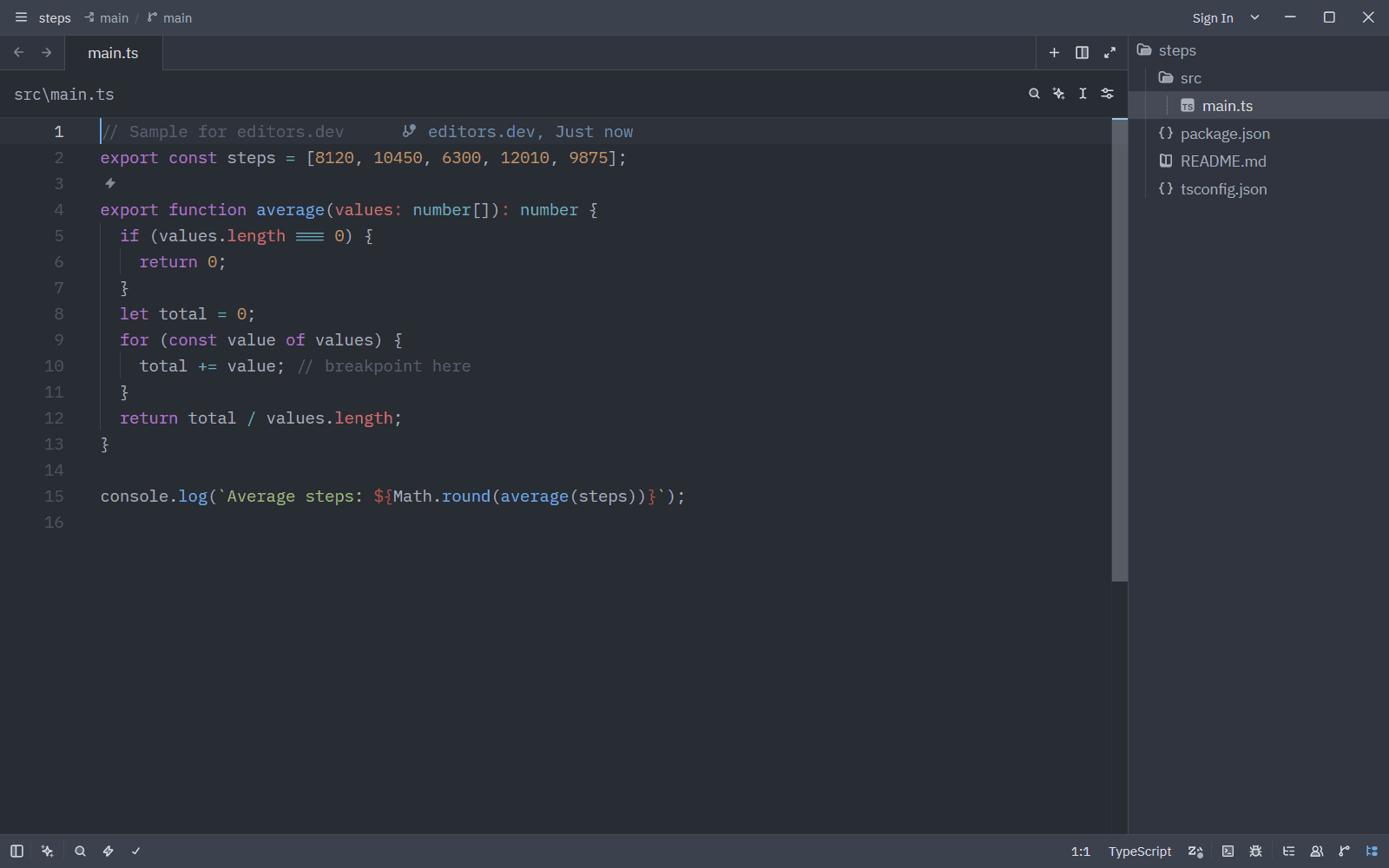
- Zed Completion : Yes Go to definition : Yes Refactoring : Yes Debugging : No Tests : No Formatting : Yes
- Cursor Completion : Yes Go to definition : Yes Refactoring : Yes Debugging : No Tests : No Formatting : Yes
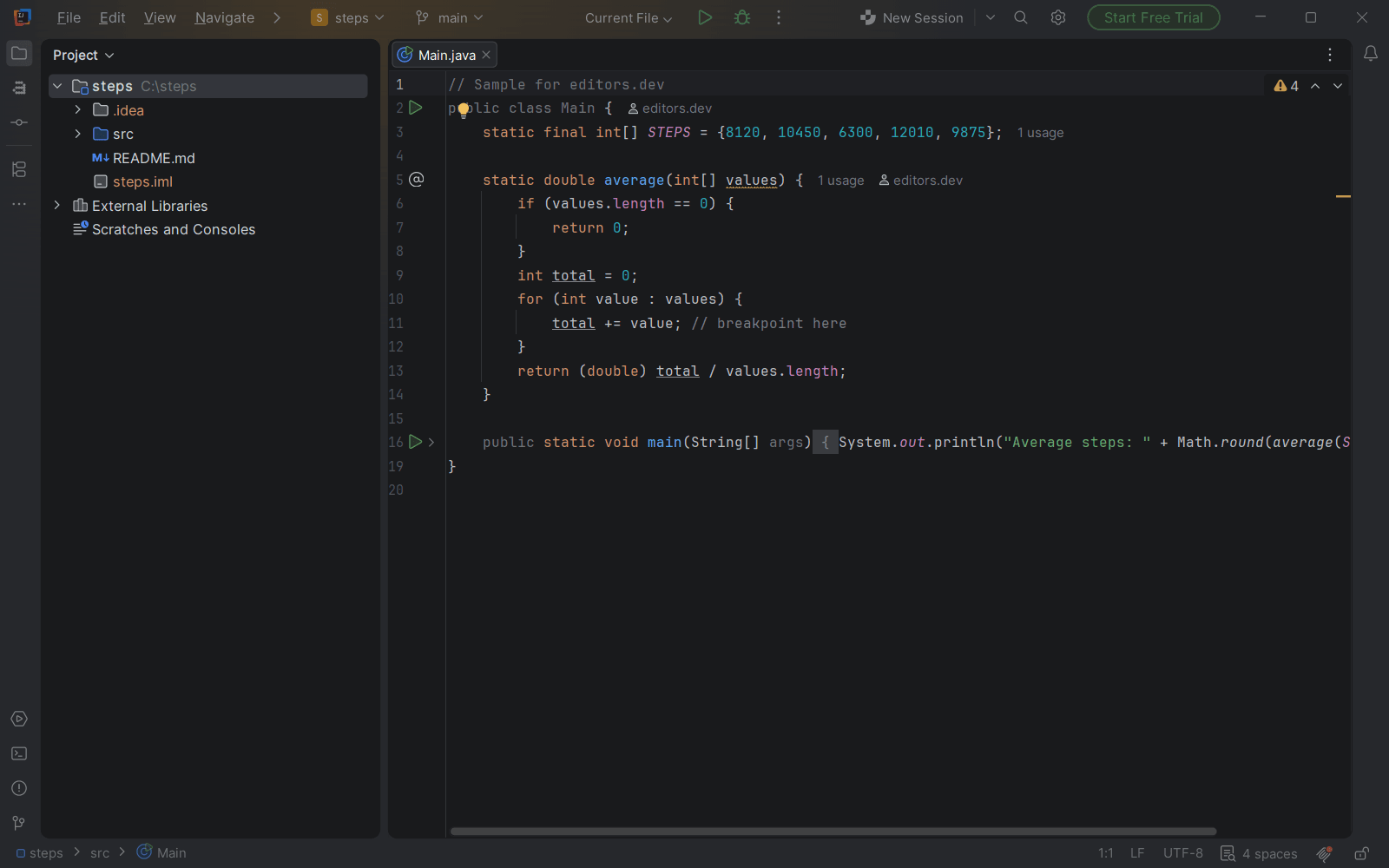
- IntelliJ IDEA Completion : Yes Go to definition : Yes Refactoring : Yes Debugging : No Tests : No Formatting : Yes
- PyCharm Completion : Yes Go to definition : Yes Refactoring : Yes Debugging : No Tests : No Formatting : Yes
- WebStorm Completion : Yes Go to definition : Yes Refactoring : Yes Debugging : No Tests : No Formatting : Yes
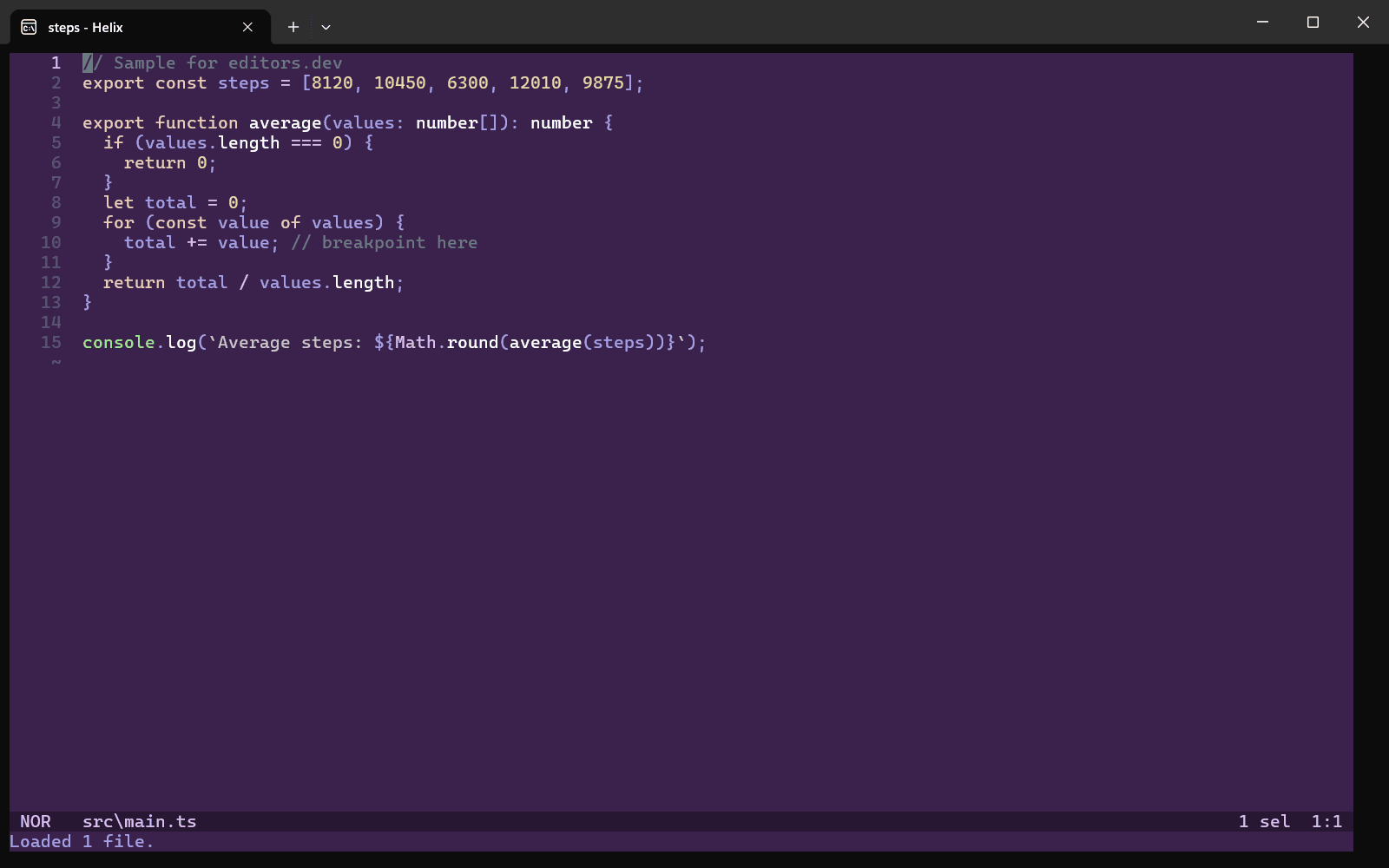
- Helix With vscode-css-language-server Completion : Yes Go to definition : Yes Refactoring : Yes Debugging : No Tests : No Formatting : Yes
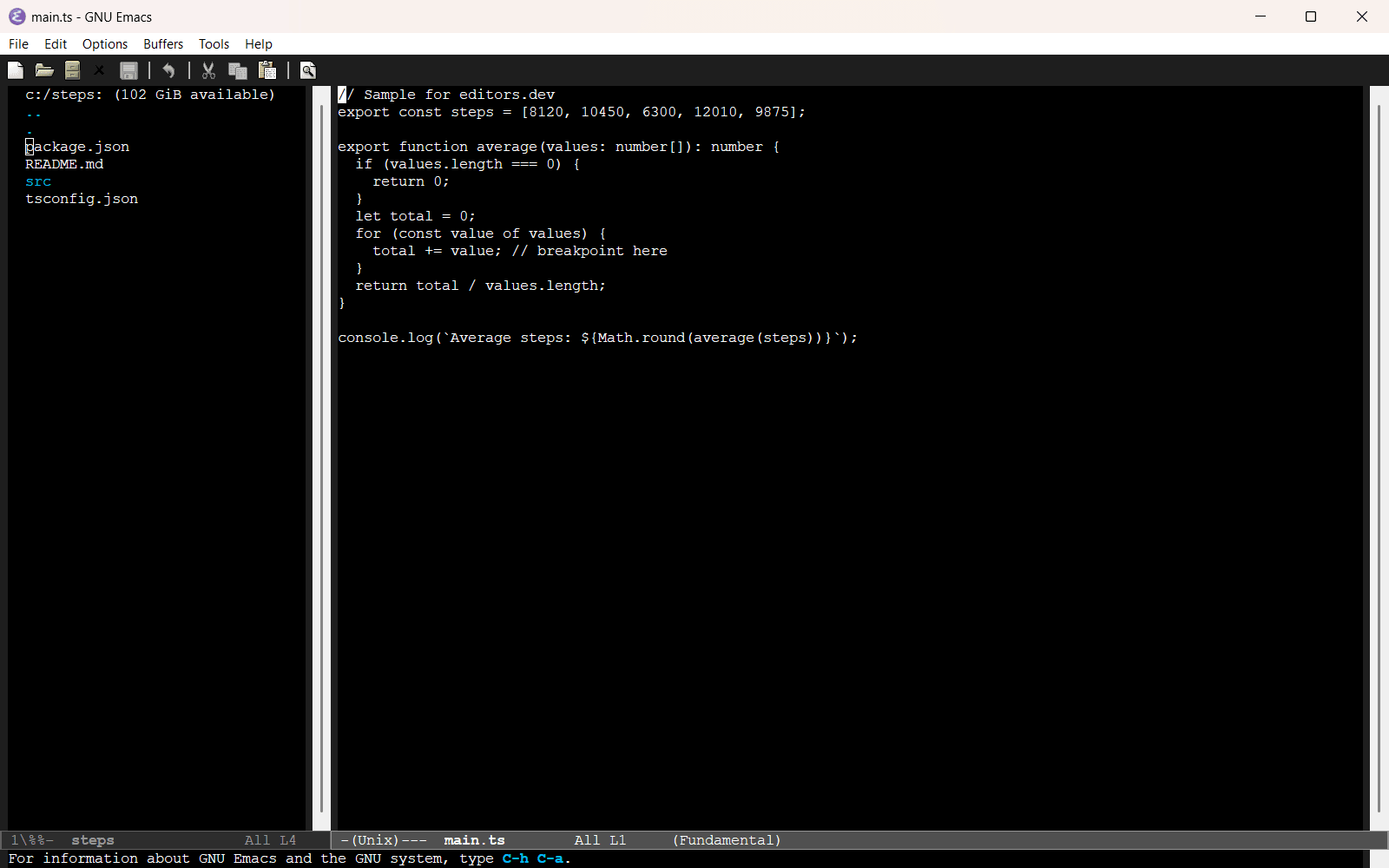
- GNU Emacs With Eglot + vscode-css-language-server Completion : Yes Go to definition : Yes Refactoring : Yes Debugging : No Tests : No Formatting : Yes
- GoLand Completion : Yes Go to definition : Yes Refactoring : Yes Debugging : No Tests : No Formatting : Yes
- CLion Completion : Yes Go to definition : Yes Refactoring : Yes Debugging : No Tests : No Formatting : Yes
- Rider Completion : Yes Go to definition : Yes Refactoring : Yes Debugging : No Tests : No Formatting : Yes
- RustRover Completion : Yes Go to definition : Yes Refactoring : Yes Debugging : No Tests : No Formatting : Yes
- RubyMine Completion : Yes Go to definition : Yes Refactoring : Yes Debugging : No Tests : No Formatting : Yes
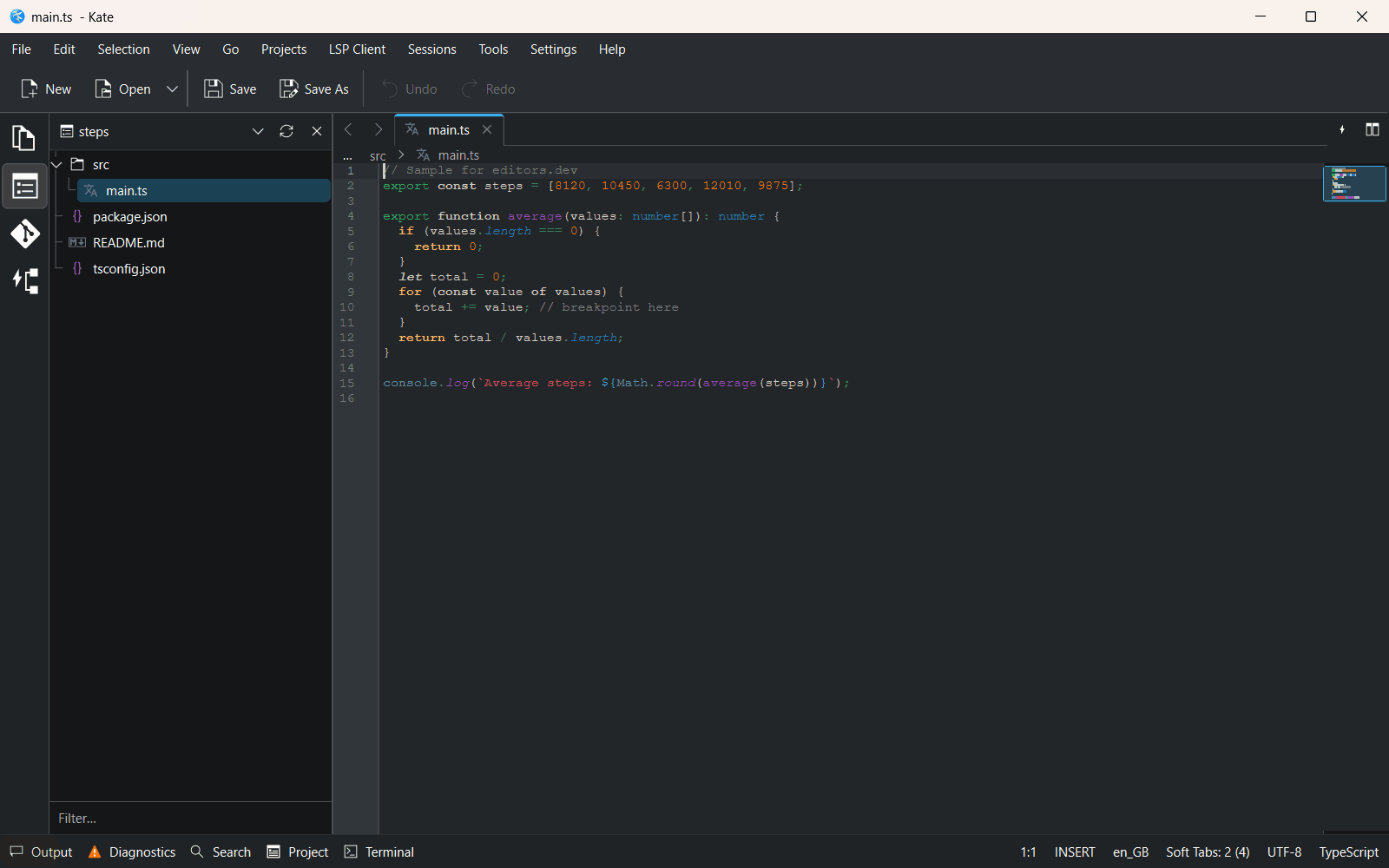
- Kate With LSP Client + vscode-css-languageserver; Format plugin (prettier) Completion : Yes Go to definition : Yes Refactoring : Yes Debugging : No Tests : No Formatting : Yes
- Devin Desktop Completion : Yes Go to definition : Yes Refactoring : No Debugging : No Tests : No Formatting : Yes
- Eclipse IDE With Wild Web Developer (in the Enterprise Java and Web, and PHP packages) Completion : Yes Go to definition : Yes Refactoring : No Debugging : No Tests : No Formatting : Yes
- Kiro Completion : Yes Go to definition : Yes Refactoring : No Debugging : No Tests : No Formatting : Yes
- Google Antigravity Completion : Yes Go to definition : Yes Refactoring : No Debugging : No Tests : No Formatting : Yes
- TRAE Completion : Yes Go to definition : Yes Refactoring : No Debugging : No Tests : No Formatting : Yes
- VSCodium Completion : Yes Go to definition : Yes Refactoring : No Debugging : No Tests : No Formatting : Yes
- Visual Studio With ASP.NET and web development workload Completion : Yes Go to definition : No Refactoring : No Debugging : No Tests : No Formatting : Yes
- Nova With CSS Language Server Completion : Yes Go to definition : No Refactoring : No Debugging : No Tests : No Formatting : Yes
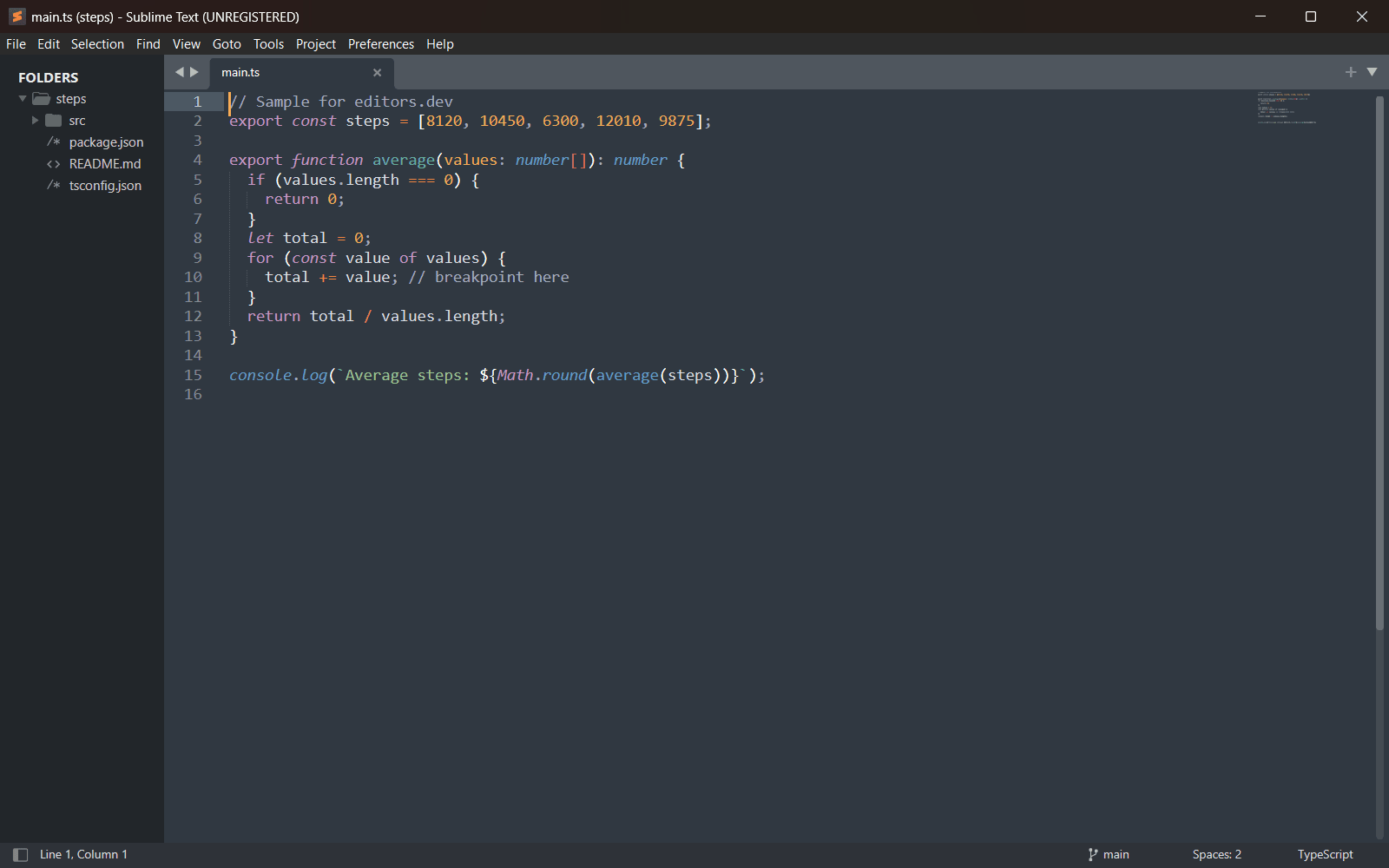
- Sublime Text Completion : Yes Go to definition : No Refactoring : No Debugging : No Tests : No Formatting : No
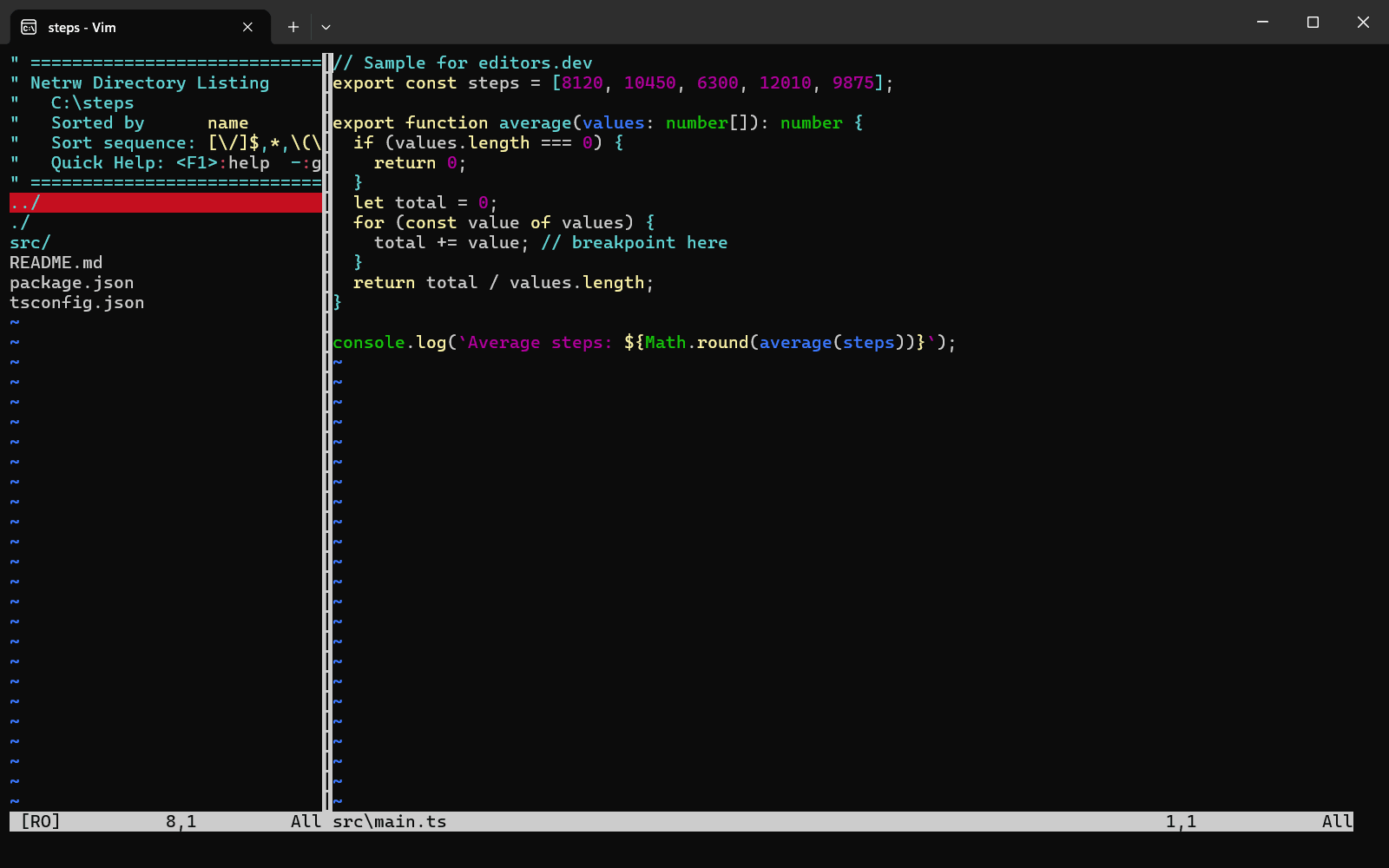
- Vim Completion : Yes Go to definition : No Refactoring : No Debugging : No Tests : No Formatting : No
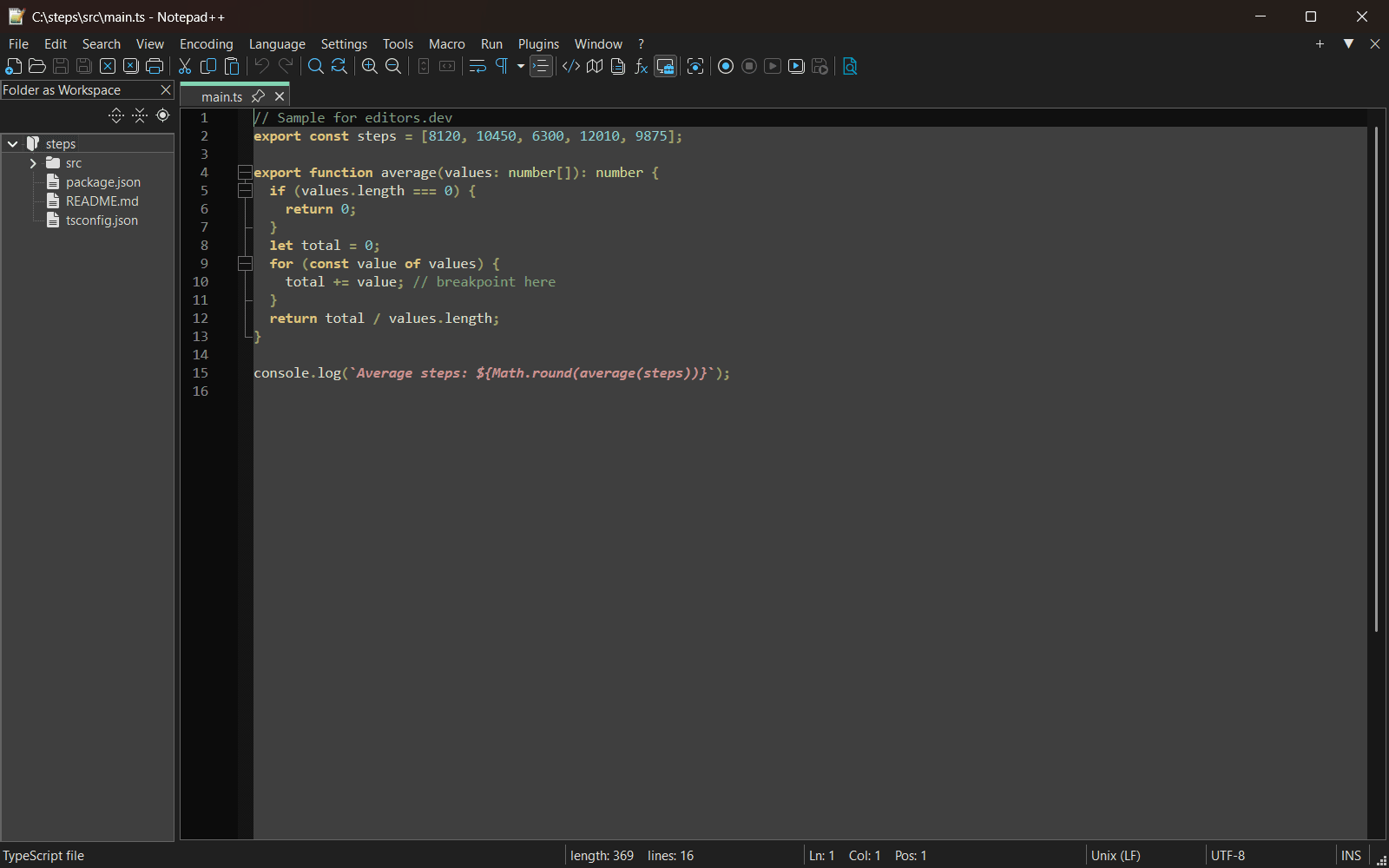
- Notepad++ Completion : Yes Go to definition : No Refactoring : No Debugging : No Tests : No Formatting : No
- BBEdit With vscode-css-languageserver-bin Completion : Yes Go to definition : No Refactoring : No Debugging : No Tests : No Formatting : No
- TextMate With CSS bundle Completion : Yes Go to definition : No Refactoring : No Debugging : No Tests : No Formatting : No
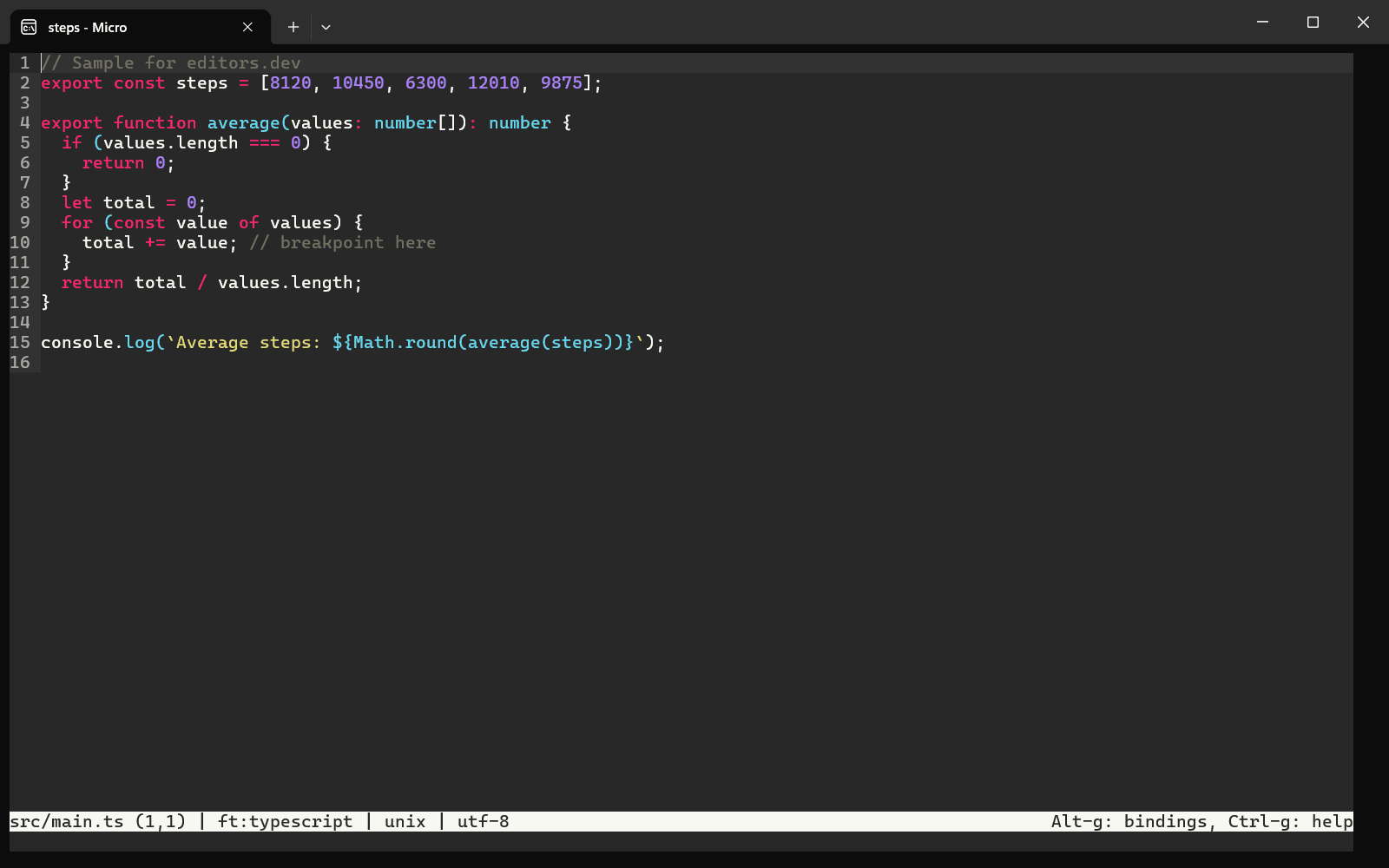
- Micro Completion : No Go to definition : No Refactoring : No Debugging : No Tests : No Formatting : No
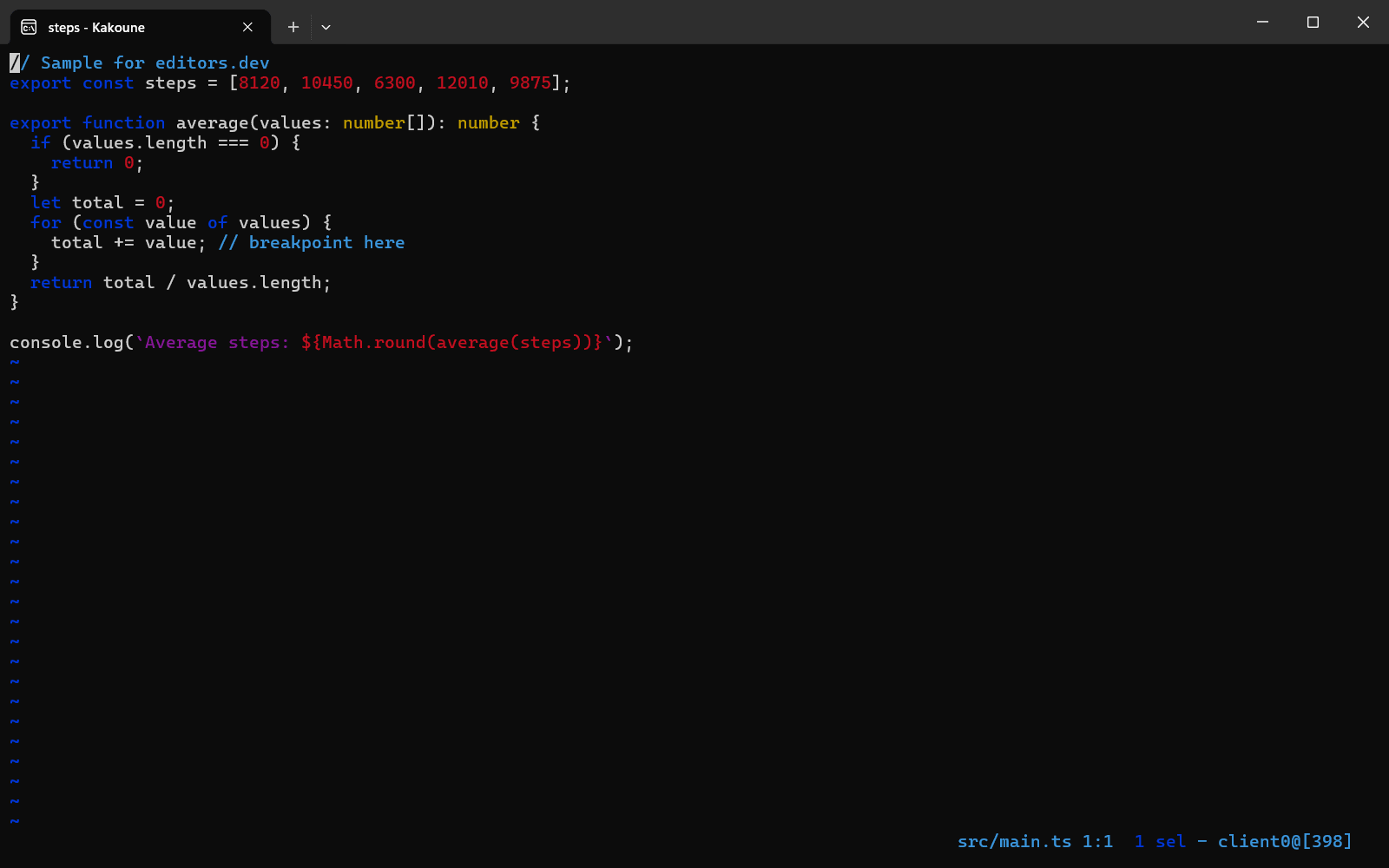
- Kakoune Completion : No Go to definition : No Refactoring : No Debugging : No Tests : No Formatting : No
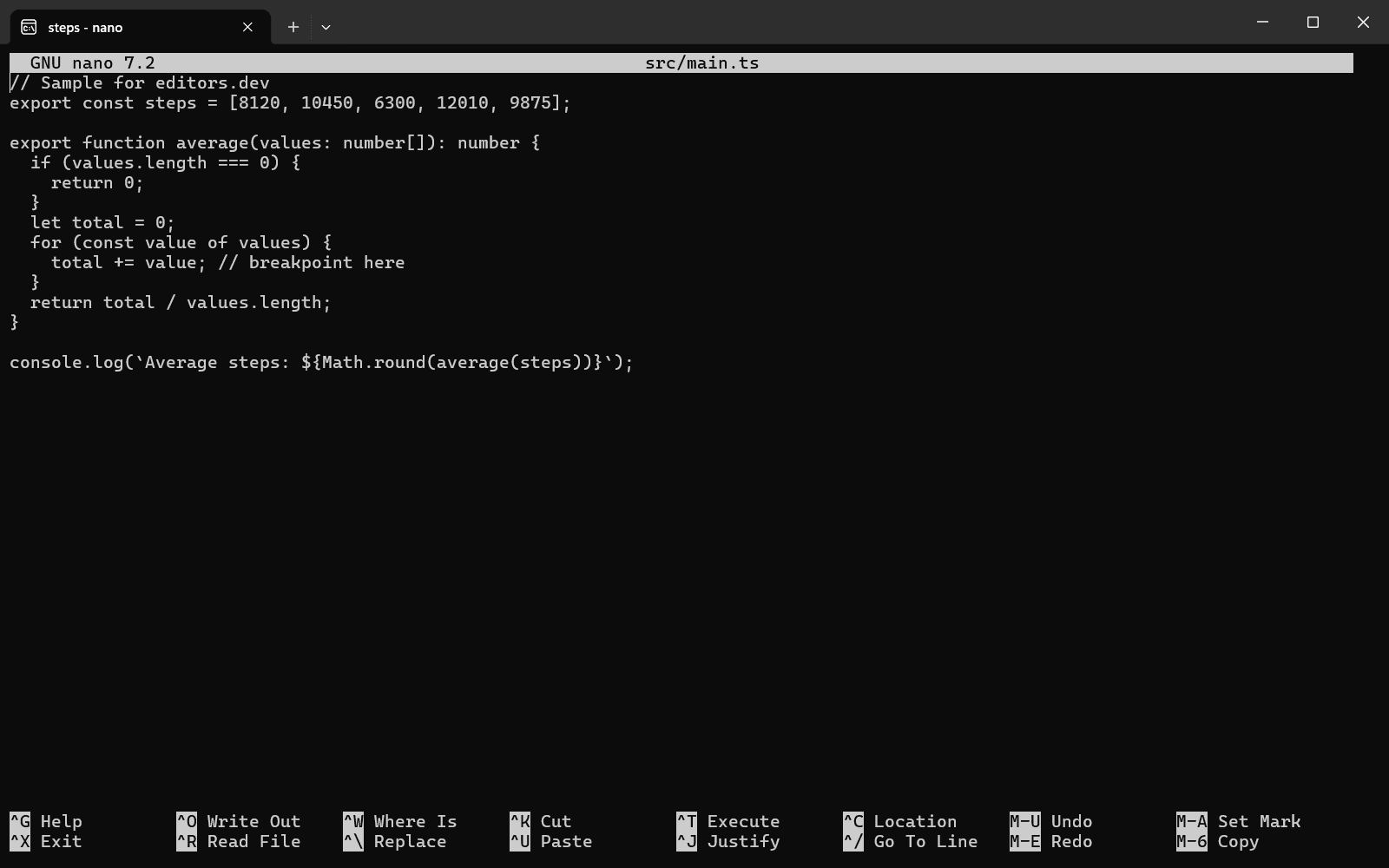
- GNU nano Completion : No Go to definition : No Refactoring : No Debugging : No Tests : No Formatting : No
Official extension 1
Community extension 4
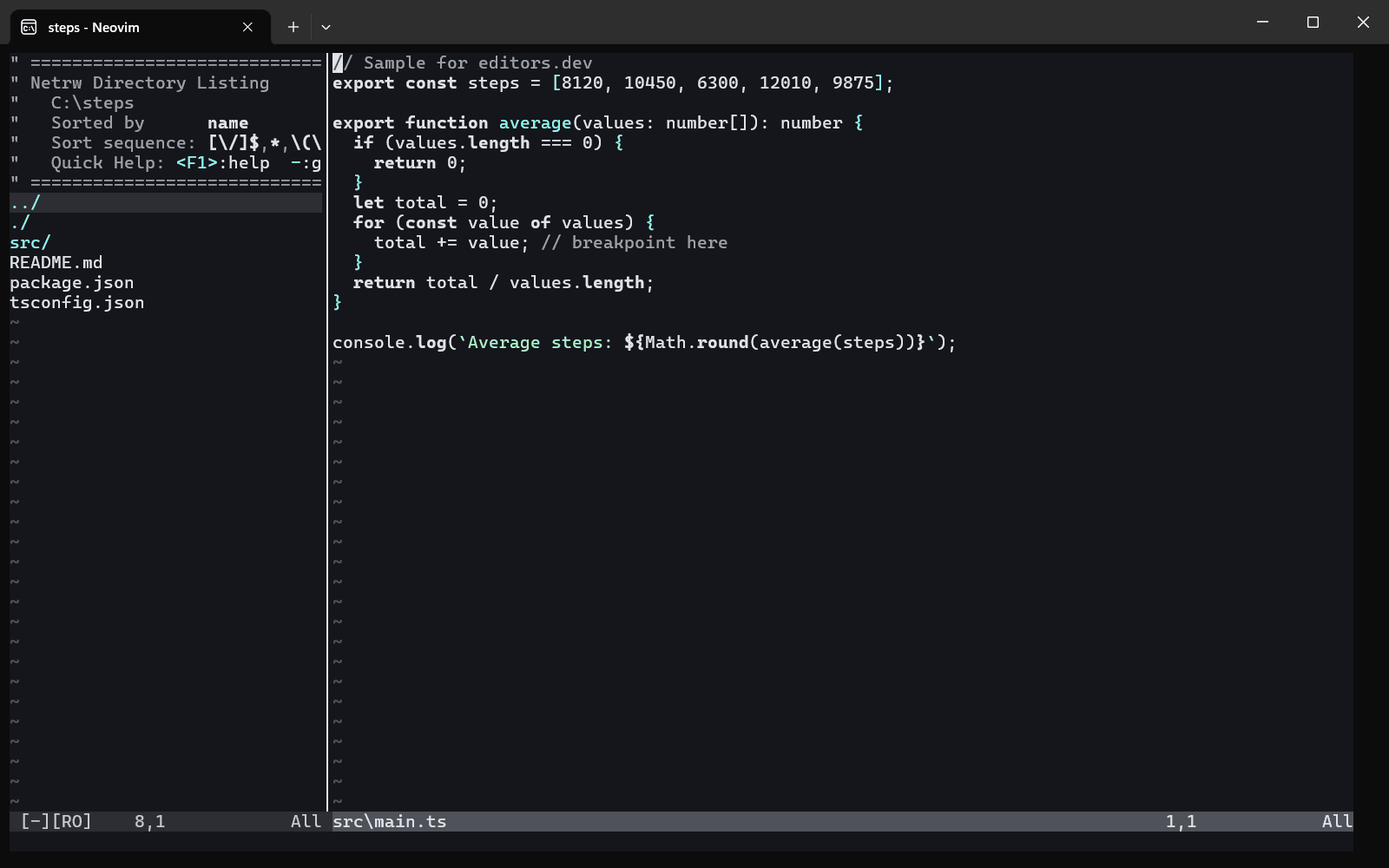
- Neovim With vscode-css-language-server Completion : Yes Go to definition : Yes Refactoring : Yes Debugging : No Tests : No Formatting : Yes
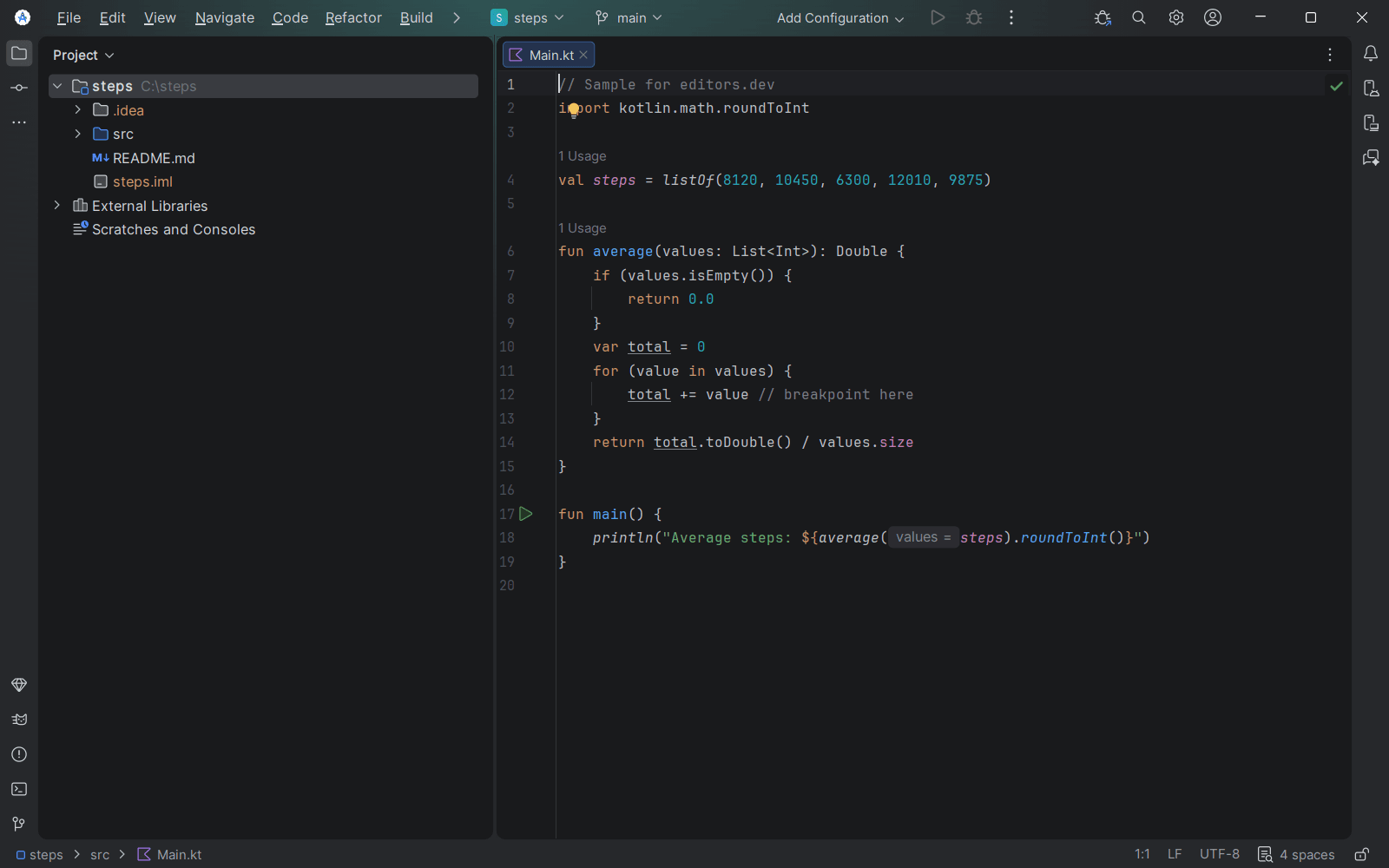
- Android Studio With LSP4IJ (Red Hat) + vscode-css-language-server Completion : Yes Go to definition : Yes Refactoring : No Debugging : No Tests : No Formatting : Yes
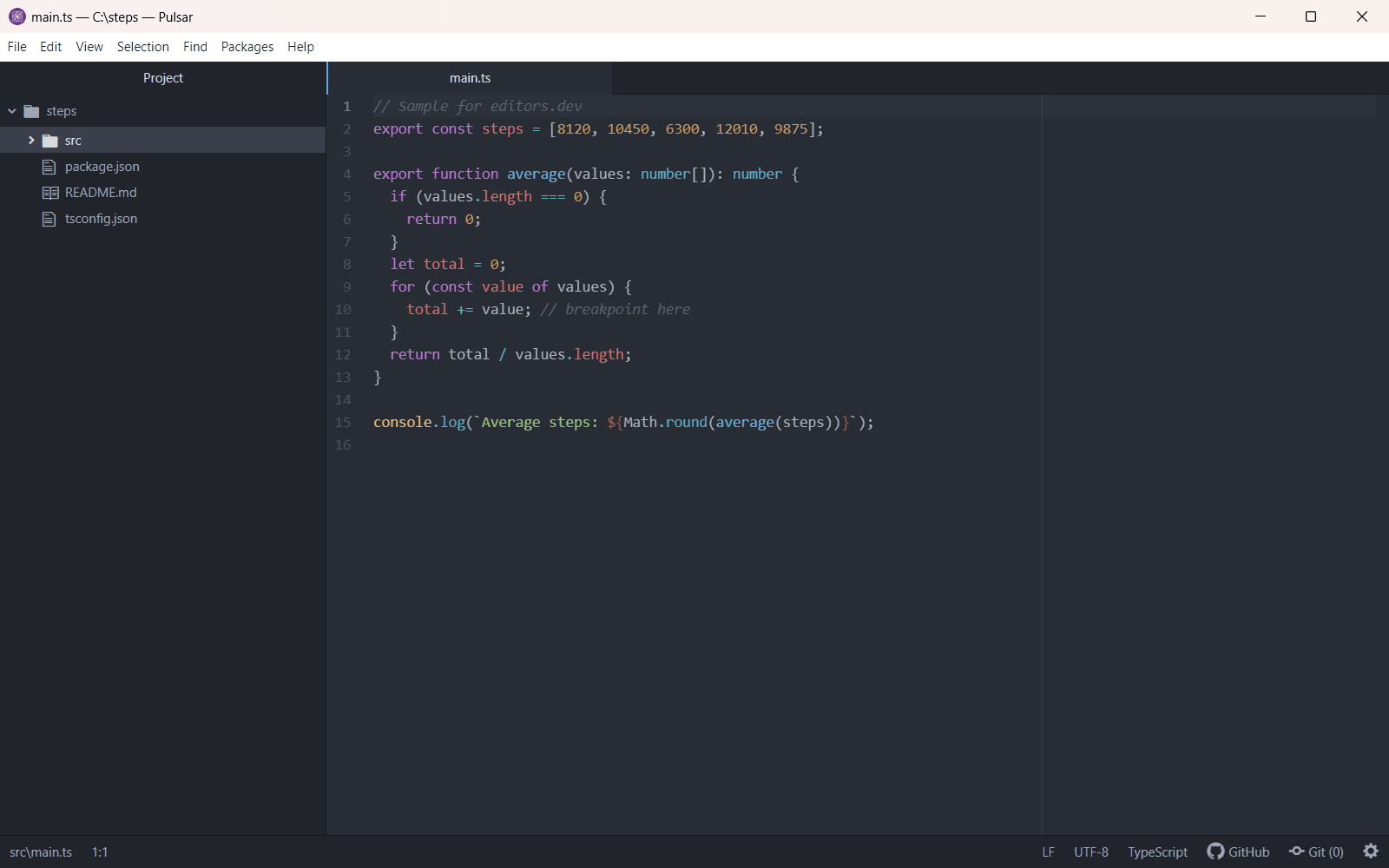
- Pulsar With pulsar-ide-css (vscode-css-language-server) Completion : Yes Go to definition : Yes Refactoring : Yes Debugging : No Tests : No Formatting : No
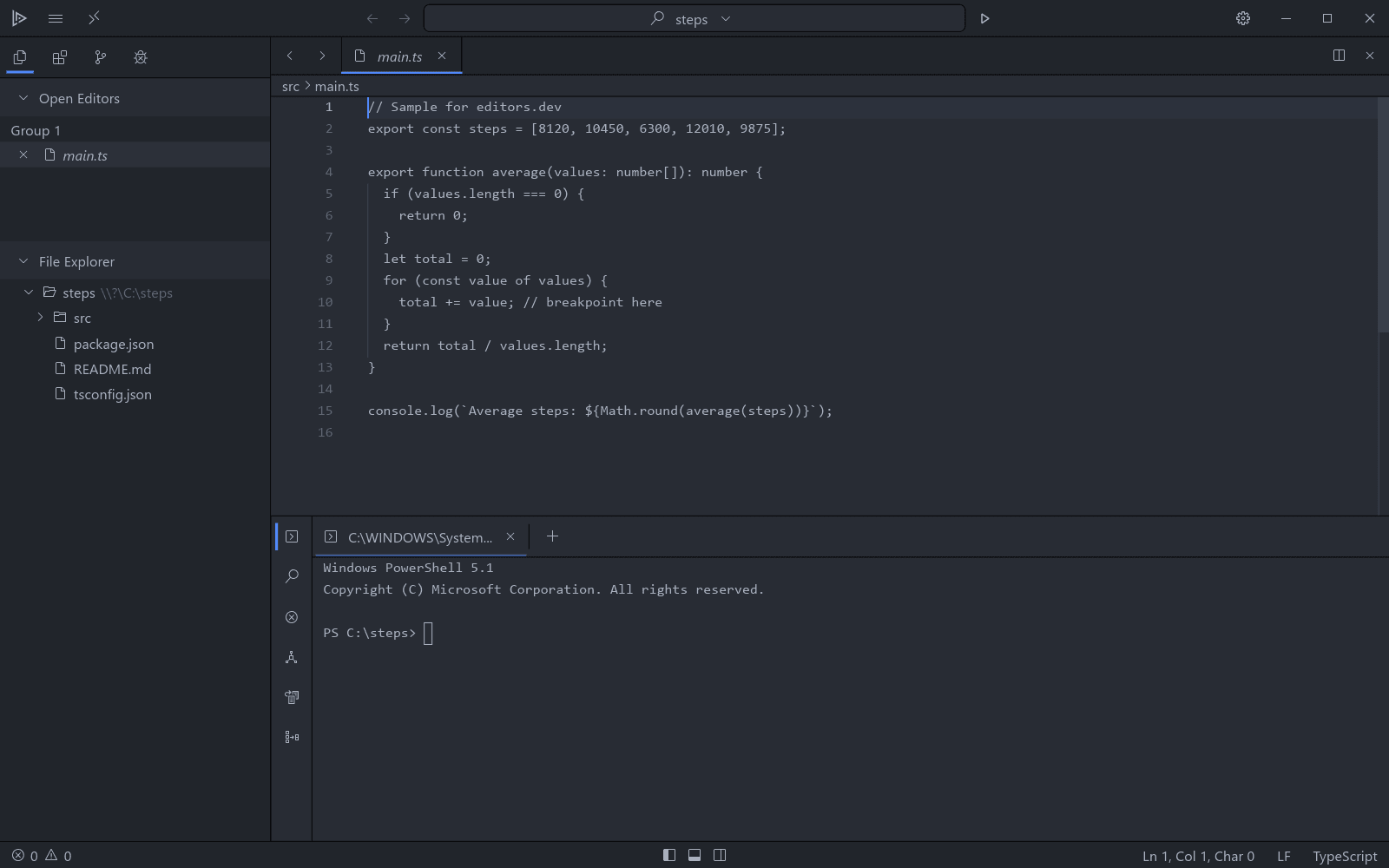
- Lapce With lapce-css Completion : Yes Go to definition : Yes Refactoring : No Debugging : No Tests : No Formatting : No
Today
CSS no longer has numbered versions: each module advances on its own, and there is no CSS Level 4. The CSS Working Group publishes a yearly snapshot that lists the modules stable enough to implement; CSS Snapshot 2026 is the current one, published as a W3C Group Note on 2026-06-22. Work continues on modules such as CSS Color Level 5 and CSS Fonts Level 4. In the Stack Overflow Developer Survey 2026, 58.2 percent of respondents reported using HTML/CSS.
What it is used for
Styling every website and web app, as well as HTML email, EPUB e-books and interfaces built with web technology such as Electron apps.
History
Håkon Wium Lie proposed Cascading HTML Style Sheets in October 1994 while working with Tim Berners-Lee at CERN. Bert Bos, who was building Argo, a browser that used style sheets, joined him, and the two continued the work at the newly founded W3C. CSS Level 1 became a W3C Recommendation in December 1996 and CSS Level 2 in May 1998.
Browser support was uneven for years. The working group then split further development into separate modules, such as Selectors, Color and Backgrounds, so each could move at its own pace. CSS 2.1, a corrected version of CSS 2 that matched what browsers actually did, became a Recommendation in June 2011.
The modular approach produced the layout tools used today, including Flexbox and Grid, and later container queries, cascade layers and nesting. Since 2007 the working group has published snapshots that define what "CSS" means at a given time, and it has issued one every year since 2020.
Milestone versions
- 17 December 1996 CSS Level 1 First W3C Recommendation, covering fonts, colours, text, margins and borders.
- 12 May 1998 CSS Level 2 Added positioning, media types, generated content and tables.
- 19 October 2007 CSS Snapshot 2007 First snapshot draft, defining CSS as CSS 2.1 plus a set of Level 3 modules.
- 7 June 2011 CSS 2.1 Corrected CSS 2 to match browser behaviour and became the base for later modules.
- 29 September 2011 Selectors Level 3 Added attribute substring matching and structural pseudo-classes such as :nth-child().
- 29 September 2016 CSS Grid Layout Level 1 Reached Candidate Recommendation, bringing two-dimensional grid layout.
- 22 June 2026 CSS Snapshot 2026 Current yearly snapshot of the modules considered stable.
Sources
Last checked: 20 November 2026