Java
Java is a class-based, object-oriented language that compiles to bytecode for the Java Virtual Machine, so the same program runs on any platform with a JVM. It is mostly used for enterprise back ends, Android apps and large-scale data systems.
Editors for Java
36 editors and IDEs support Java. Built in first, then official and community extensions. Each row opens the editor at its Java notes.
Built in 14
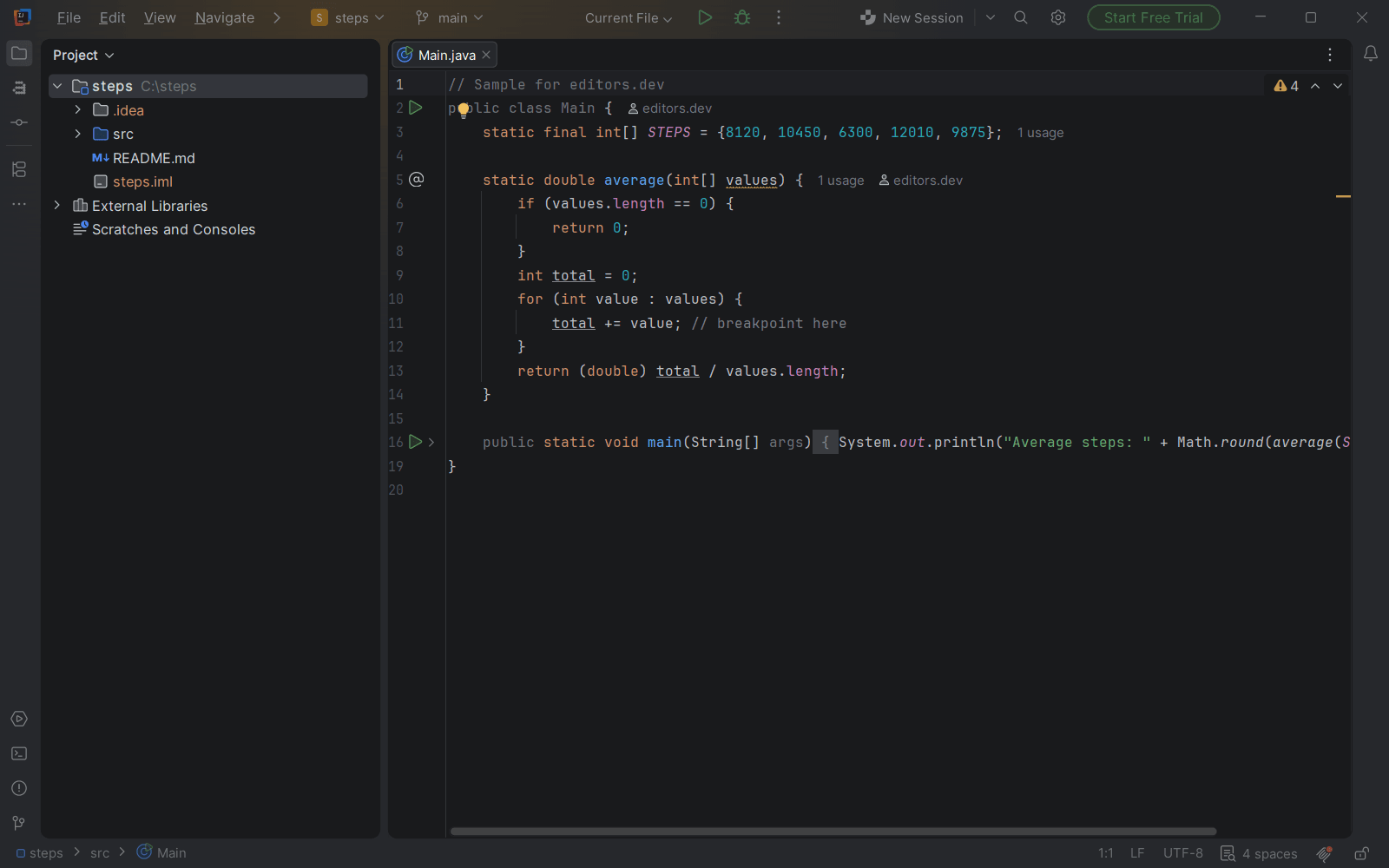
- IntelliJ IDEA Completion : Yes Go to definition : Yes Refactoring : Yes Debugging : Yes Tests : Yes Formatting : Yes
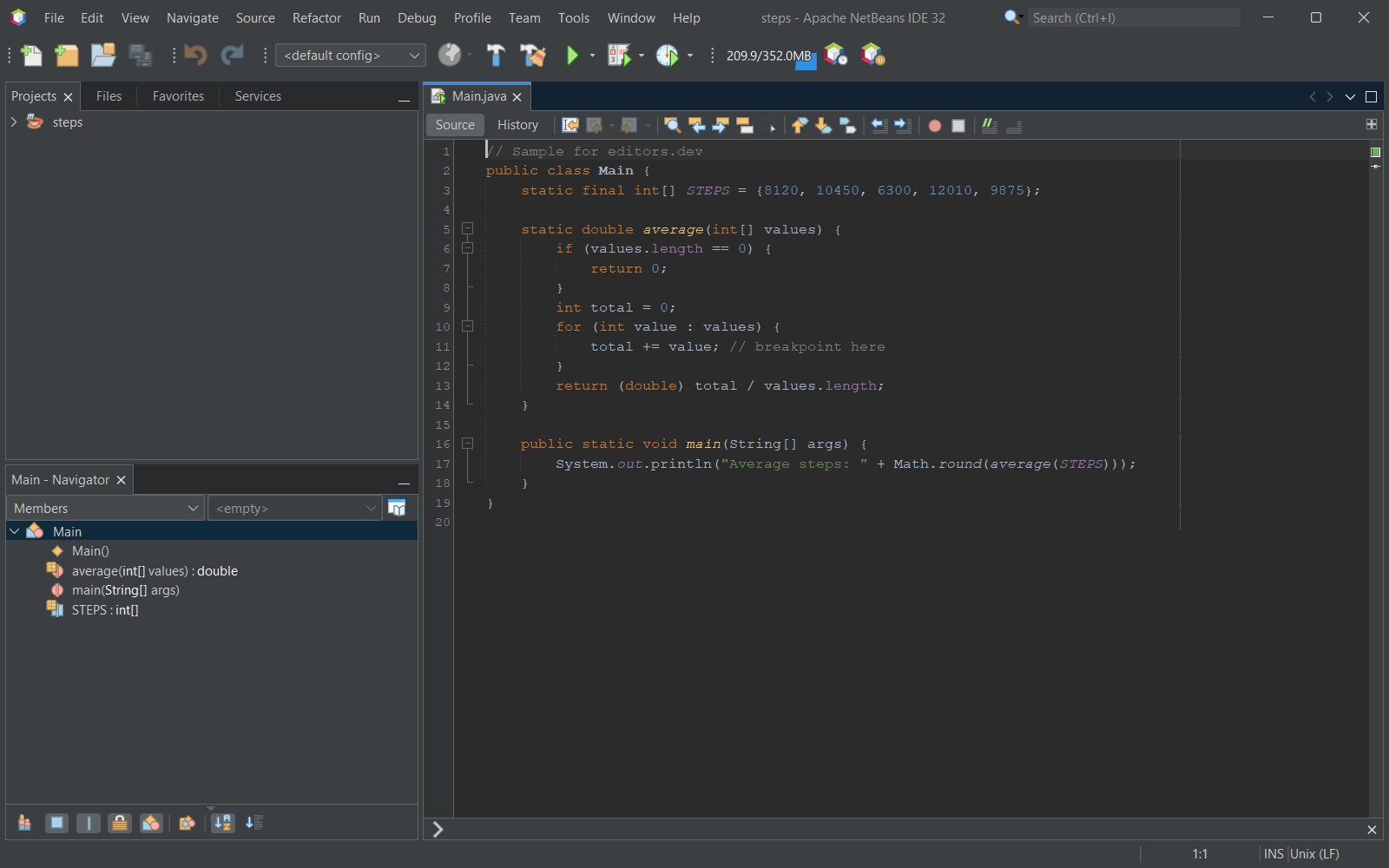
- Apache NetBeans Completion : Yes Go to definition : Yes Refactoring : Yes Debugging : Yes Tests : Yes Formatting : Yes
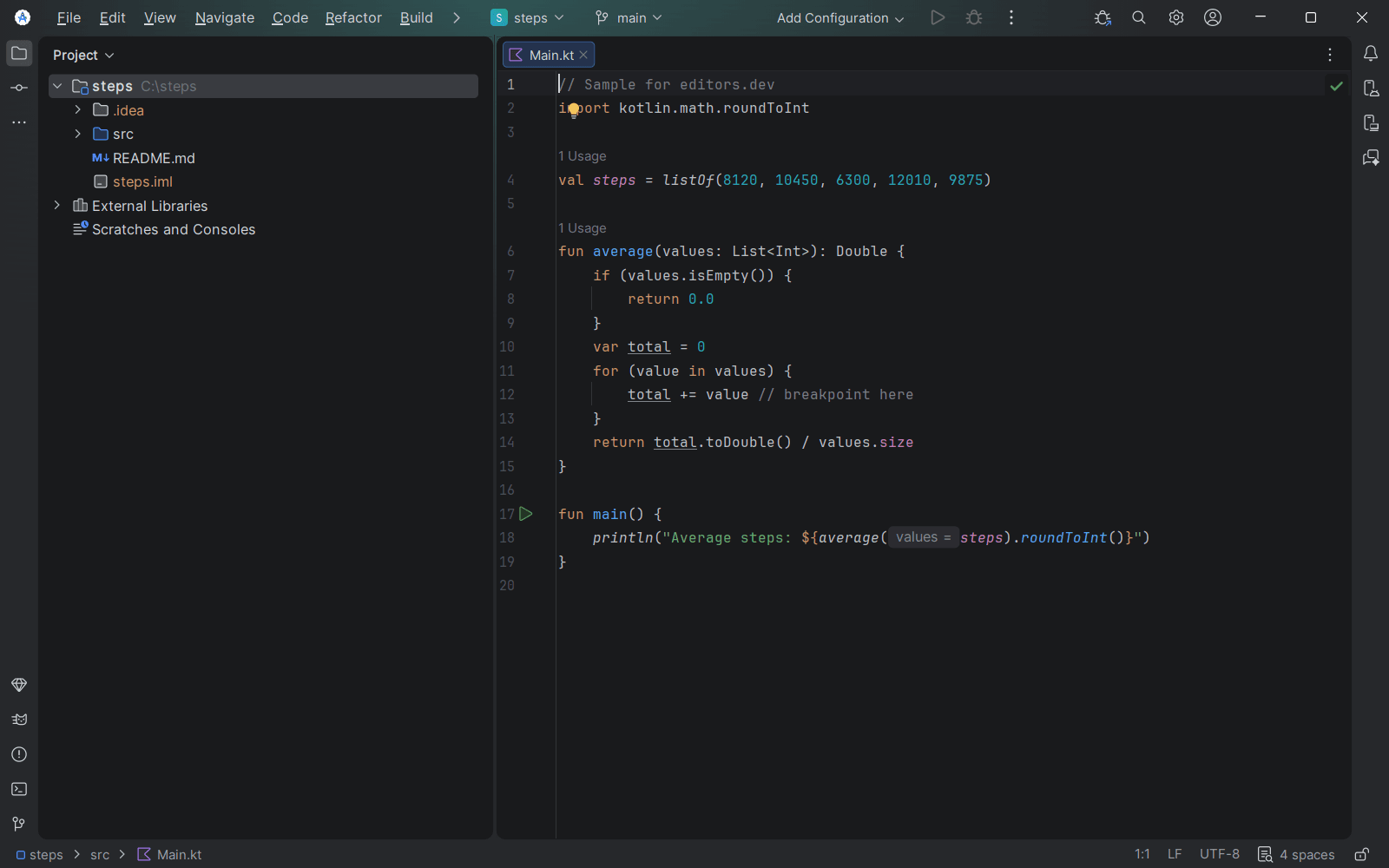
- Android Studio Completion : Yes Go to definition : Yes Refactoring : Yes Debugging : Yes Tests : Yes Formatting : Yes
- Eclipse IDE With JDT (Eclipse IDE for Java Developers and most other packages) Completion : Yes Go to definition : Yes Refactoring : Yes Debugging : Yes Tests : Yes Formatting : Yes
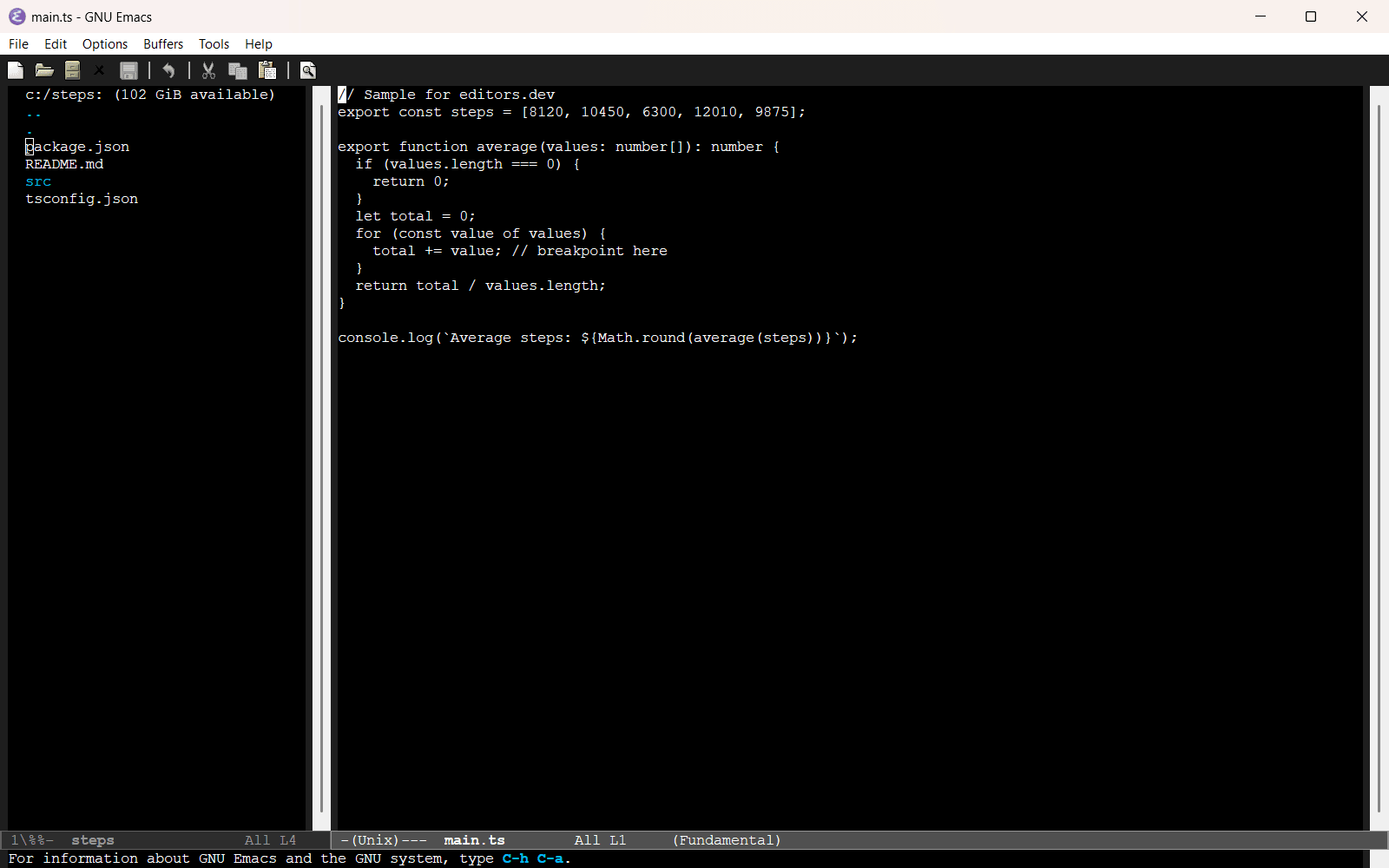
- GNU Emacs With Eglot + jdtls; jdb Completion : Yes Go to definition : Yes Refactoring : Yes Debugging : Yes Tests : No Formatting : Yes
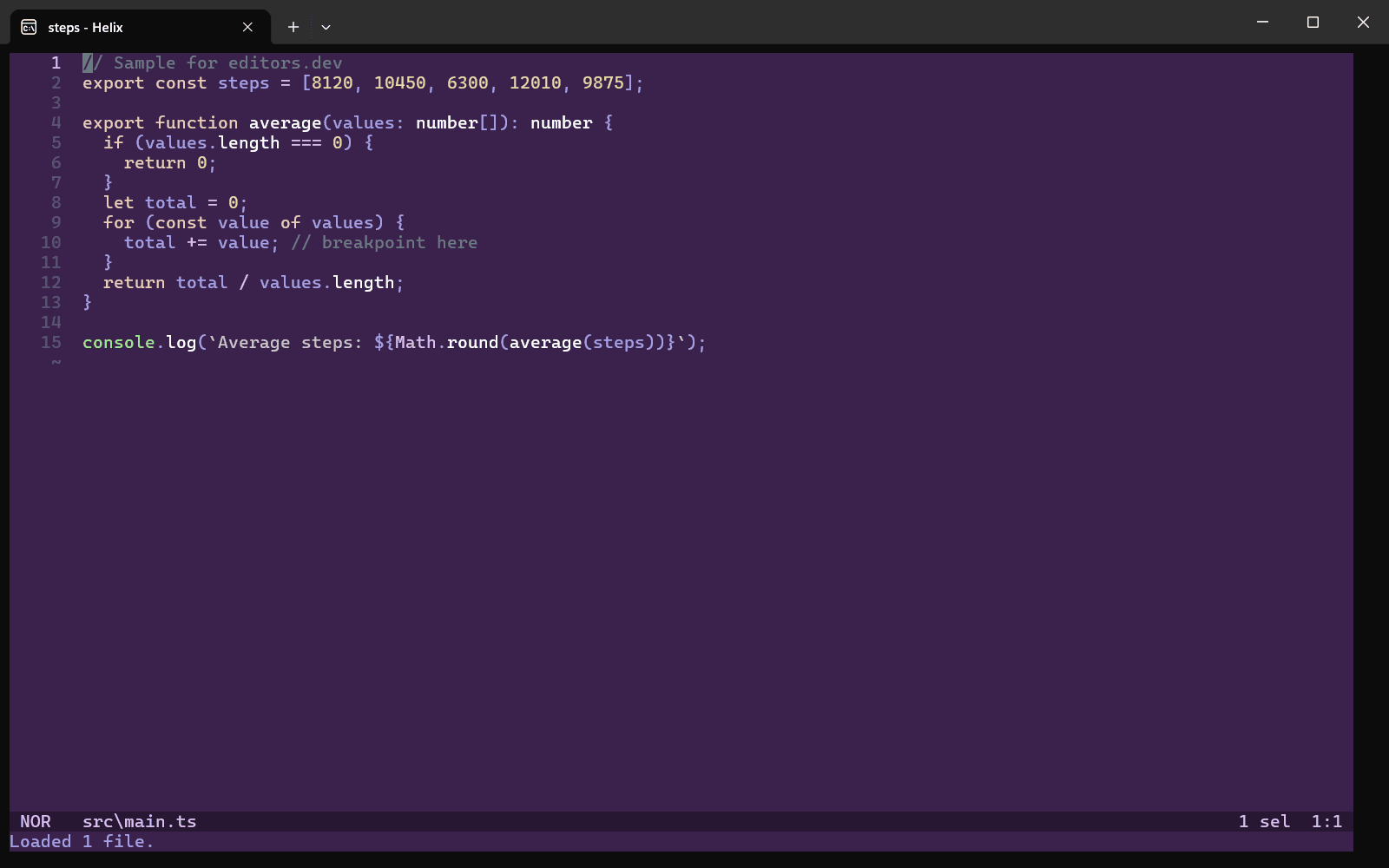
- Helix With jdtls Completion : Yes Go to definition : Yes Refactoring : Yes Debugging : No Tests : No Formatting : Yes
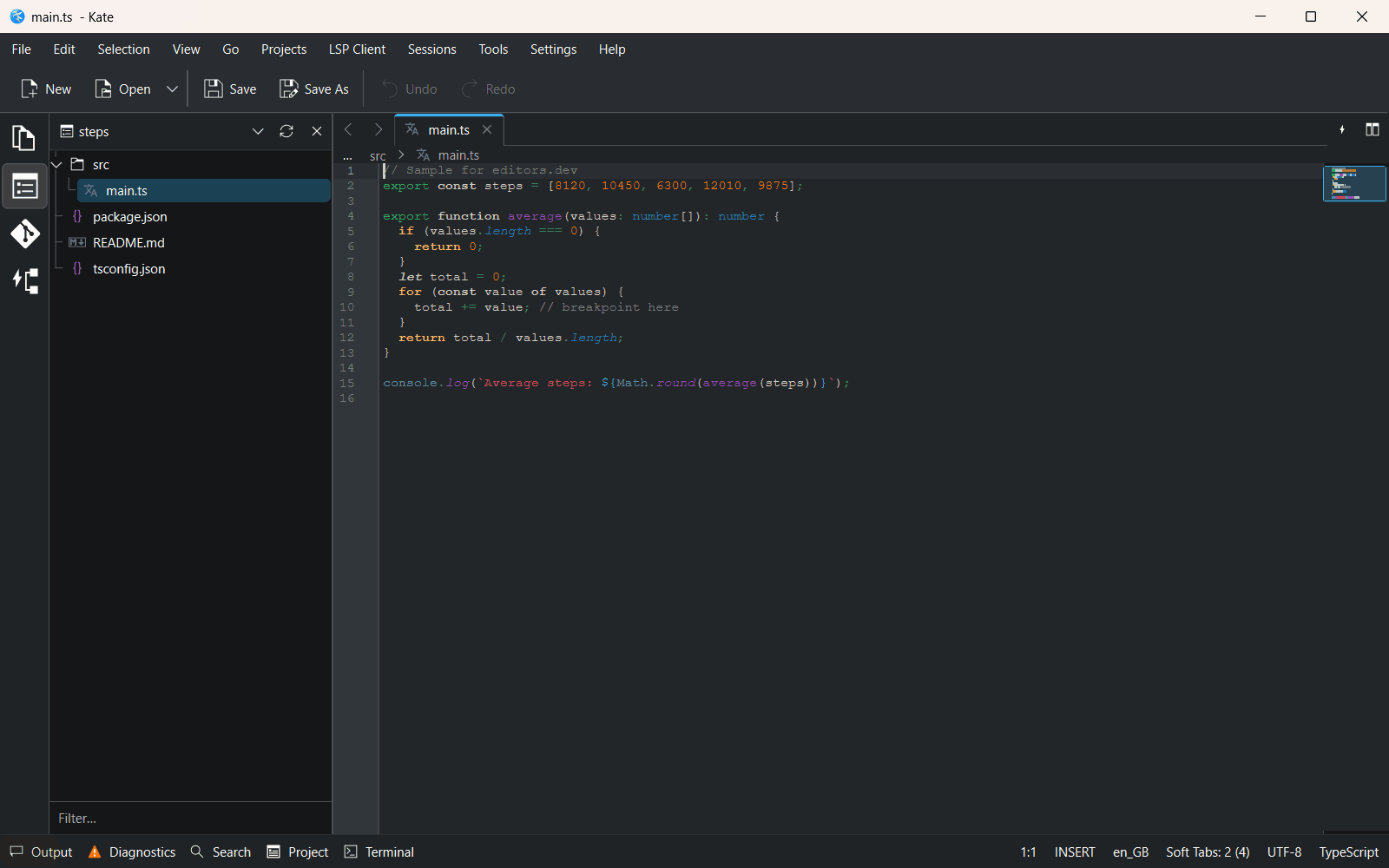
- Kate With LSP Client + jdtls; Format plugin (clang-format) Completion : Yes Go to definition : Yes Refactoring : Yes Debugging : No Tests : No Formatting : Yes
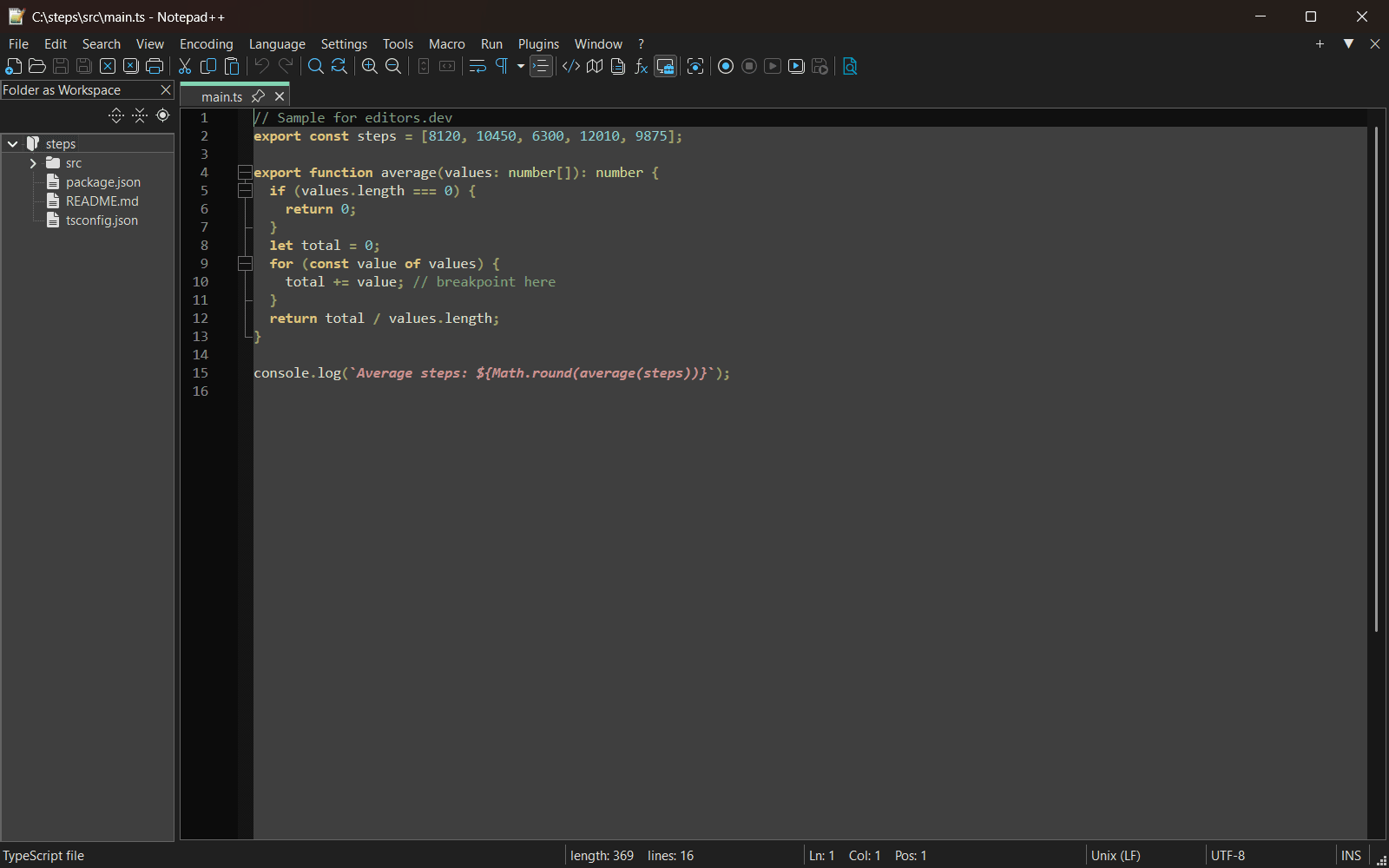
- Notepad++ Completion : Yes Go to definition : No Refactoring : No Debugging : No Tests : No Formatting : No
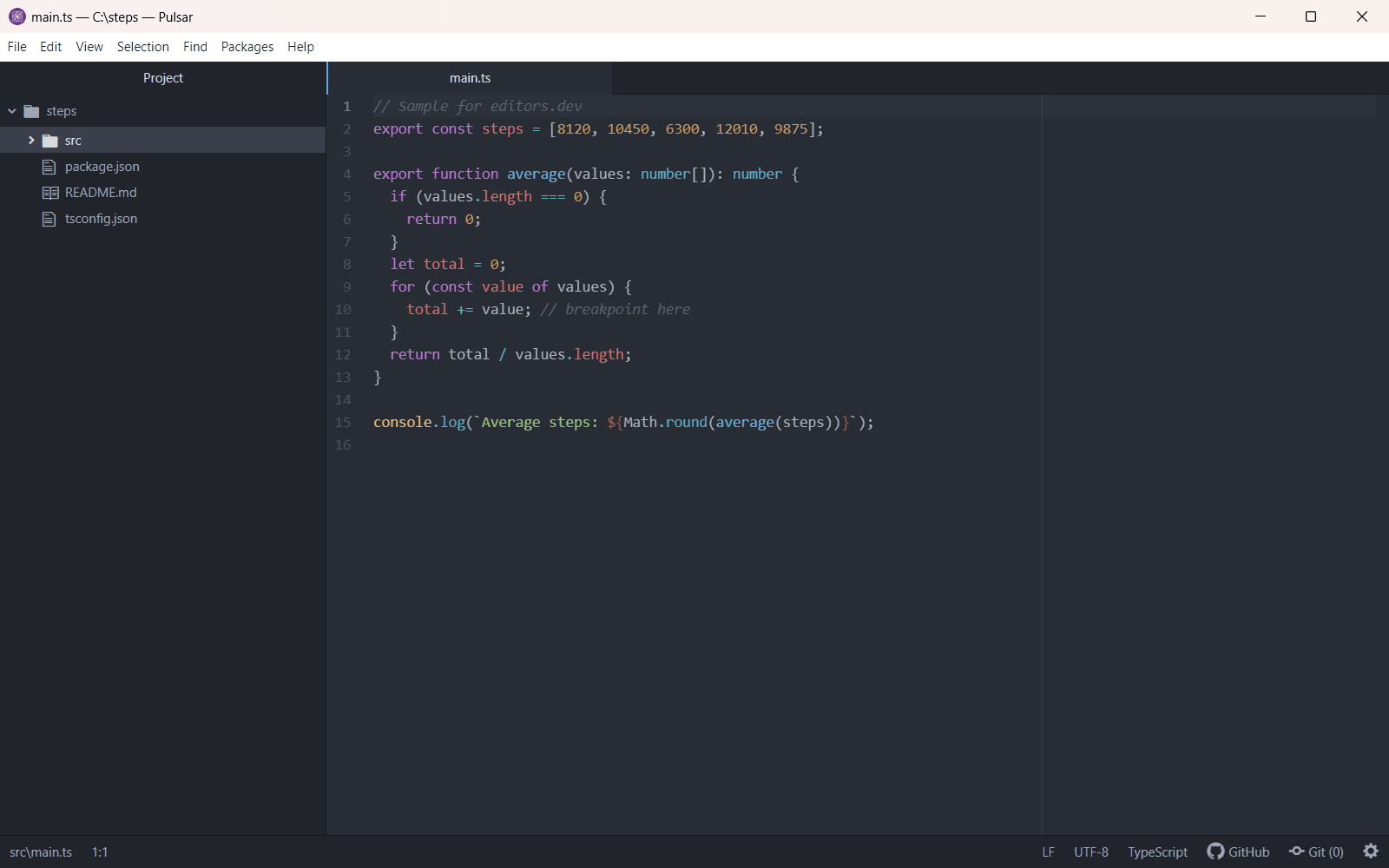
- Pulsar Completion : Yes Go to definition : No Refactoring : No Debugging : No Tests : No Formatting : No
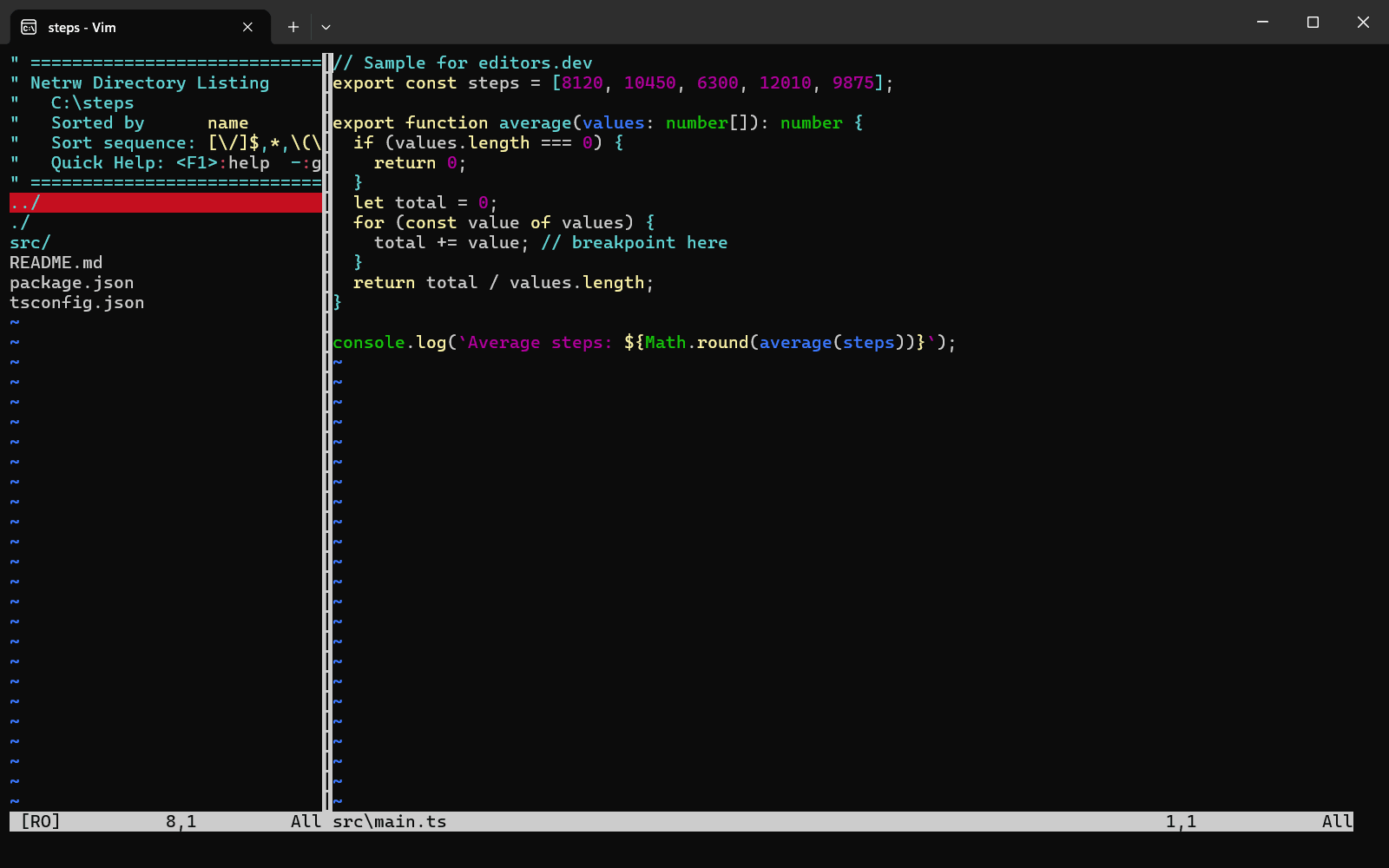
- Vim Completion : No Go to definition : No Refactoring : No Debugging : No Tests : No Formatting : No
- BBEdit Completion : No Go to definition : No Refactoring : No Debugging : No Tests : No Formatting : No
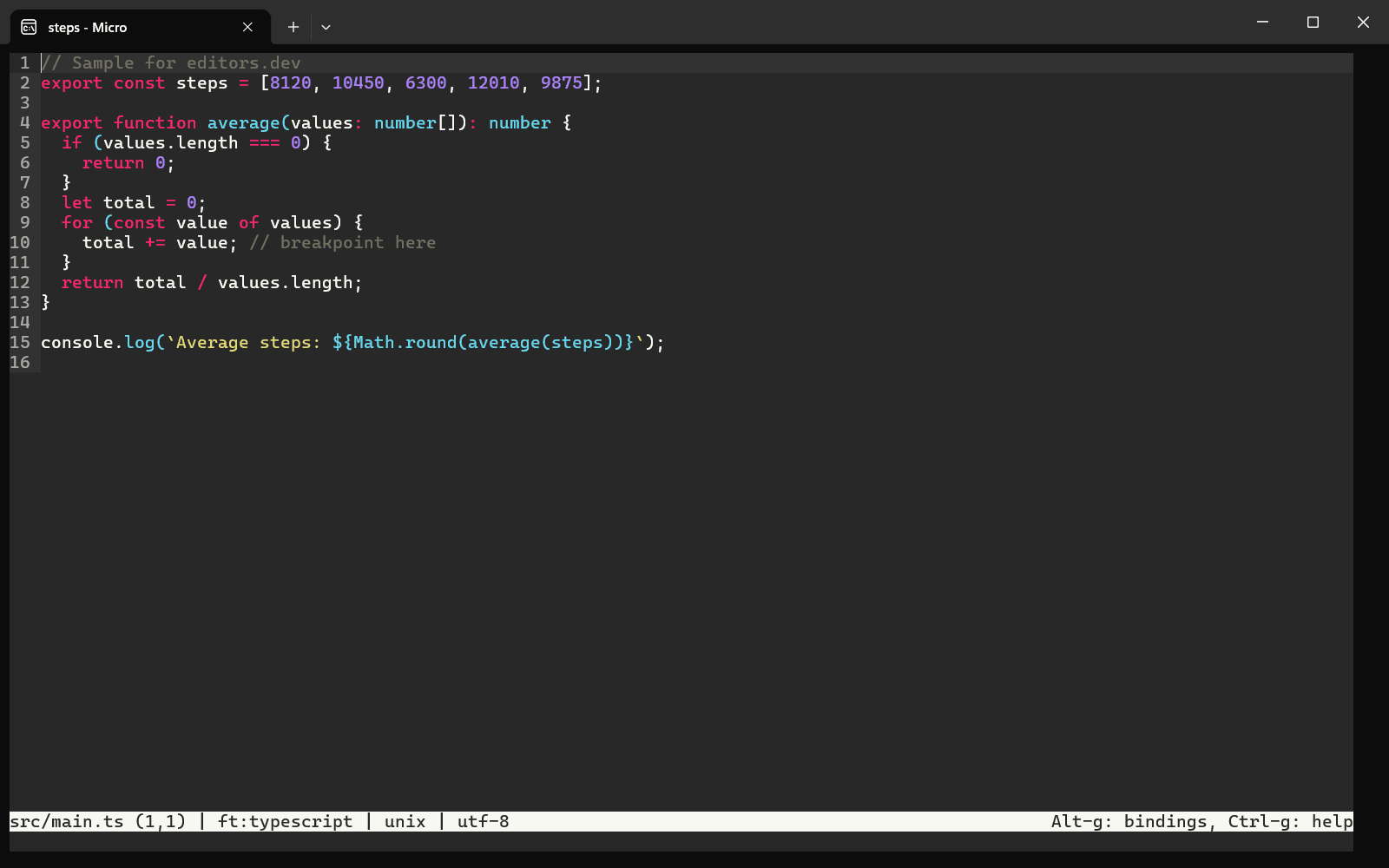
- Micro Completion : No Go to definition : No Refactoring : No Debugging : No Tests : No Formatting : No
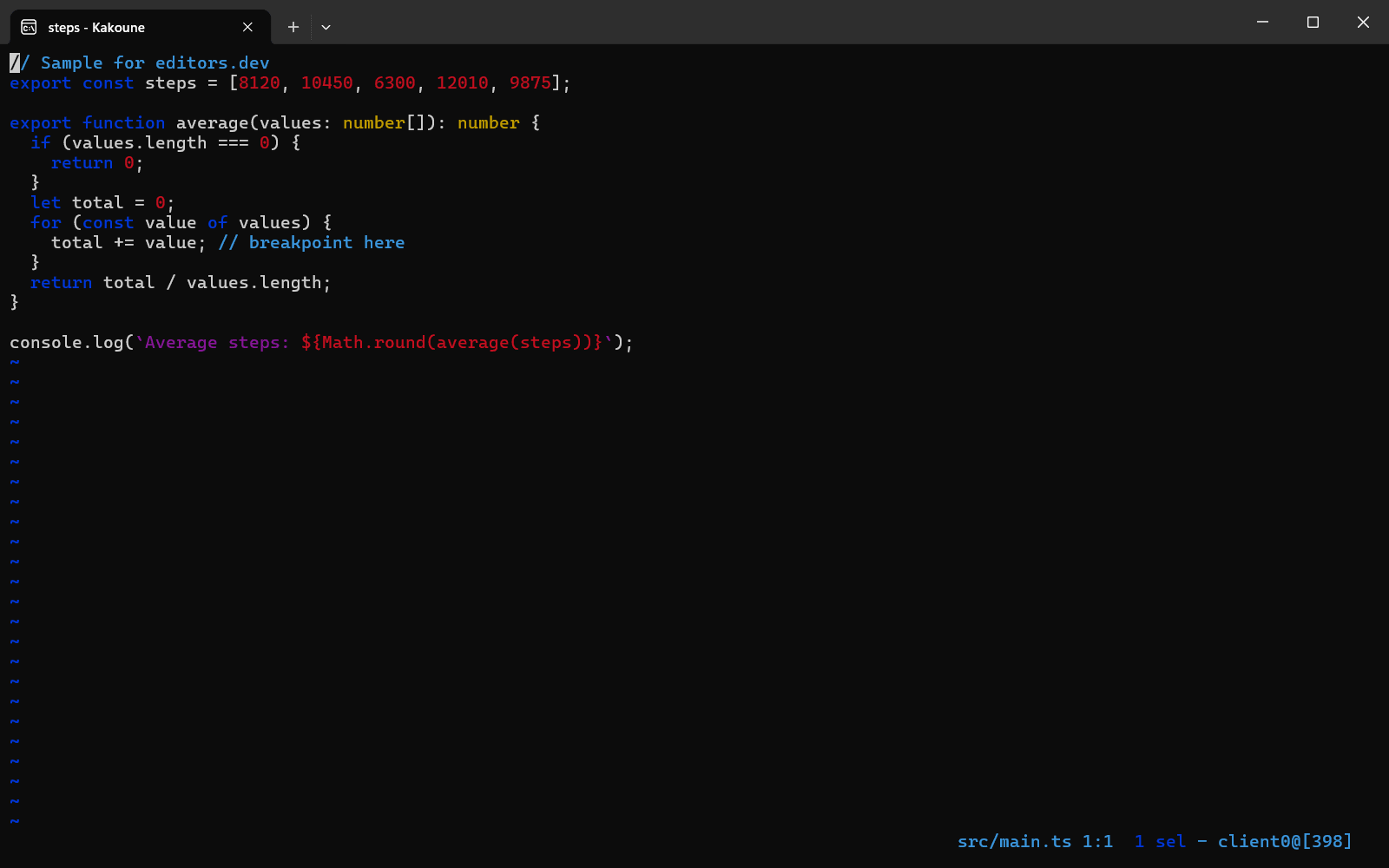
- Kakoune Completion : No Go to definition : No Refactoring : No Debugging : No Tests : No Formatting : No
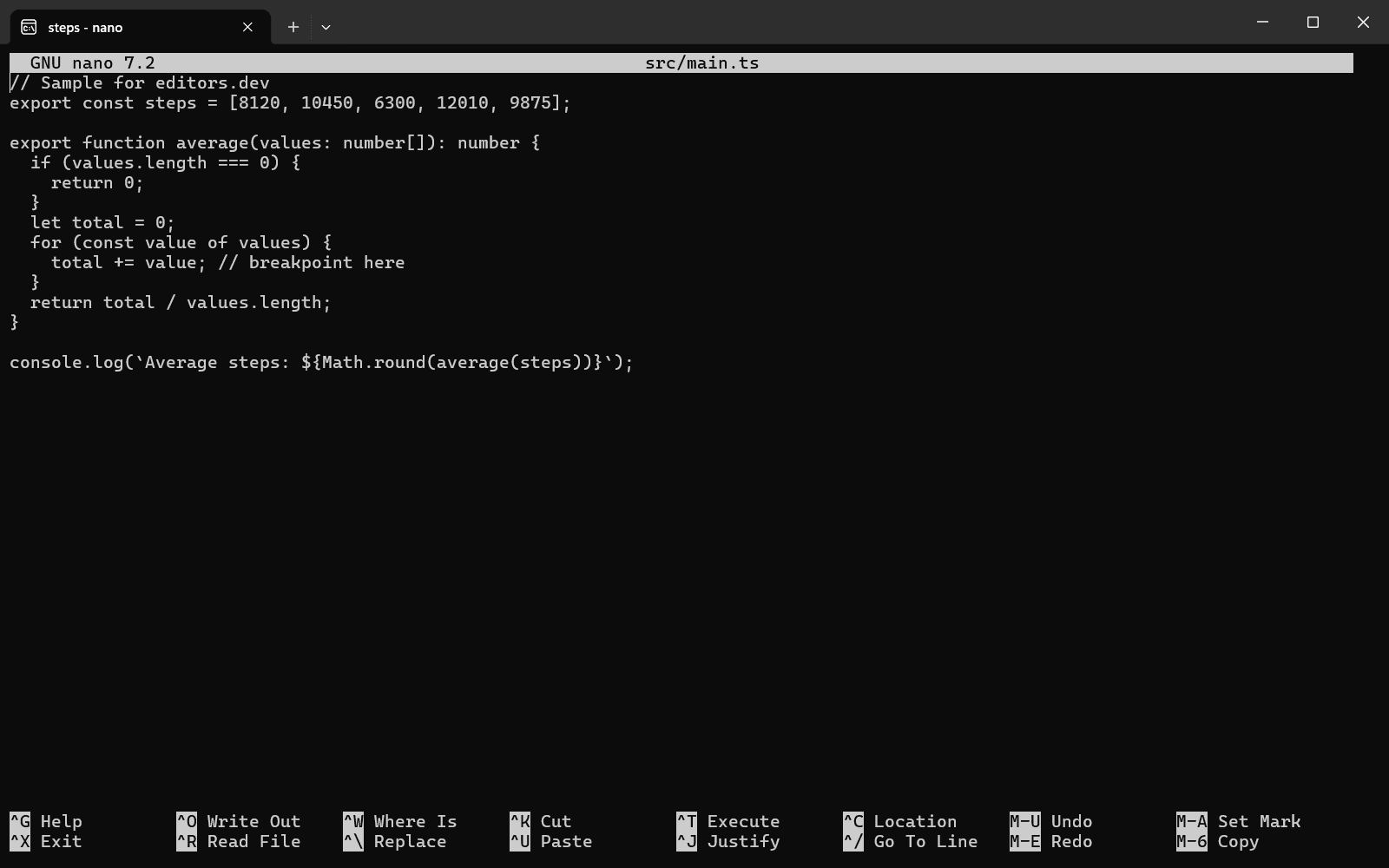
- GNU nano Completion : No Go to definition : No Refactoring : No Debugging : No Tests : No Formatting : No
Official extension 9
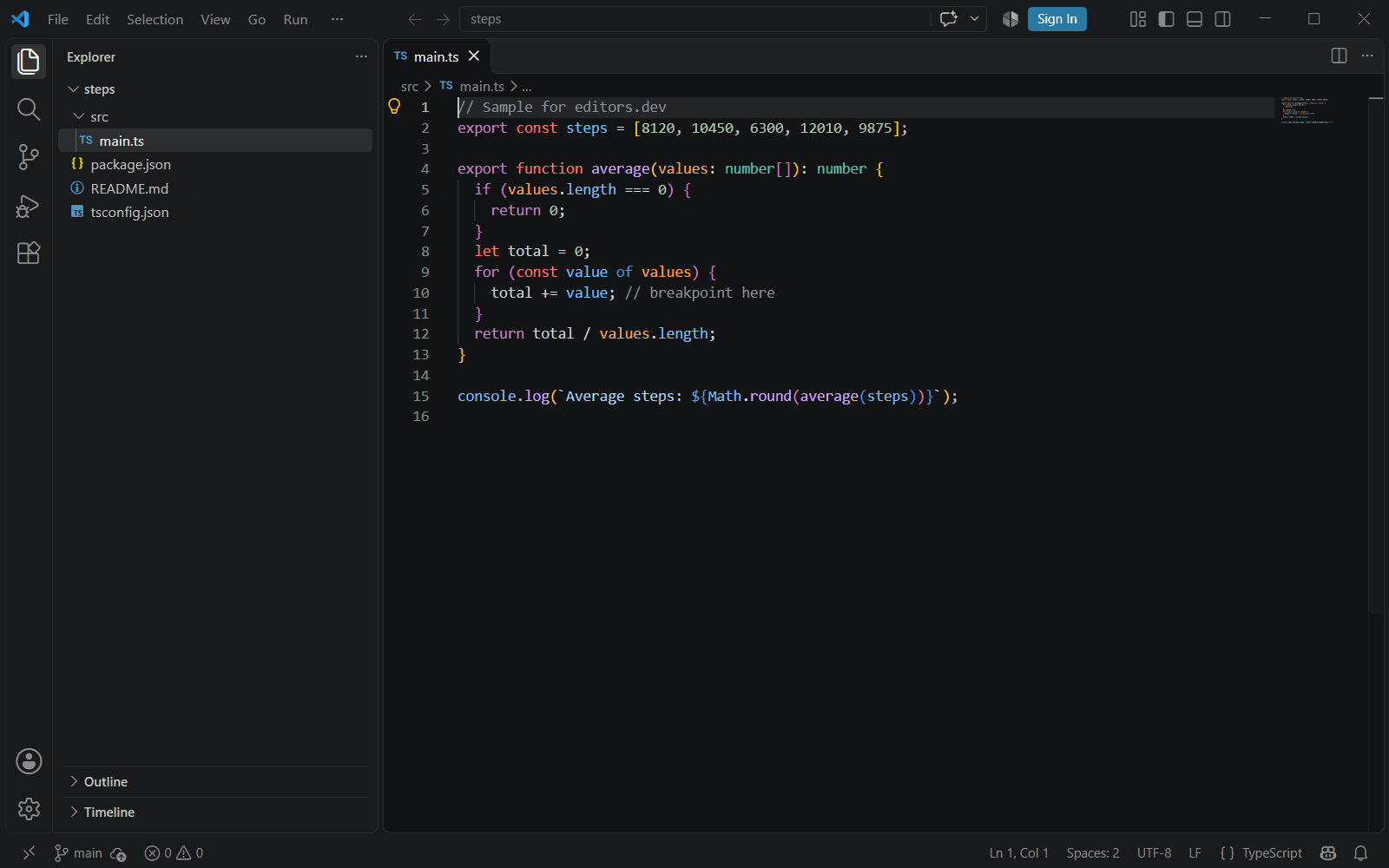
- VS Code With Extension Pack for Java Completion : Yes Go to definition : Yes Refactoring : Yes Debugging : Yes Tests : Yes Formatting : Yes
- Cursor With Extension Pack for Java Completion : Yes Go to definition : Yes Refactoring : Yes Debugging : Yes Tests : Yes Formatting : Yes
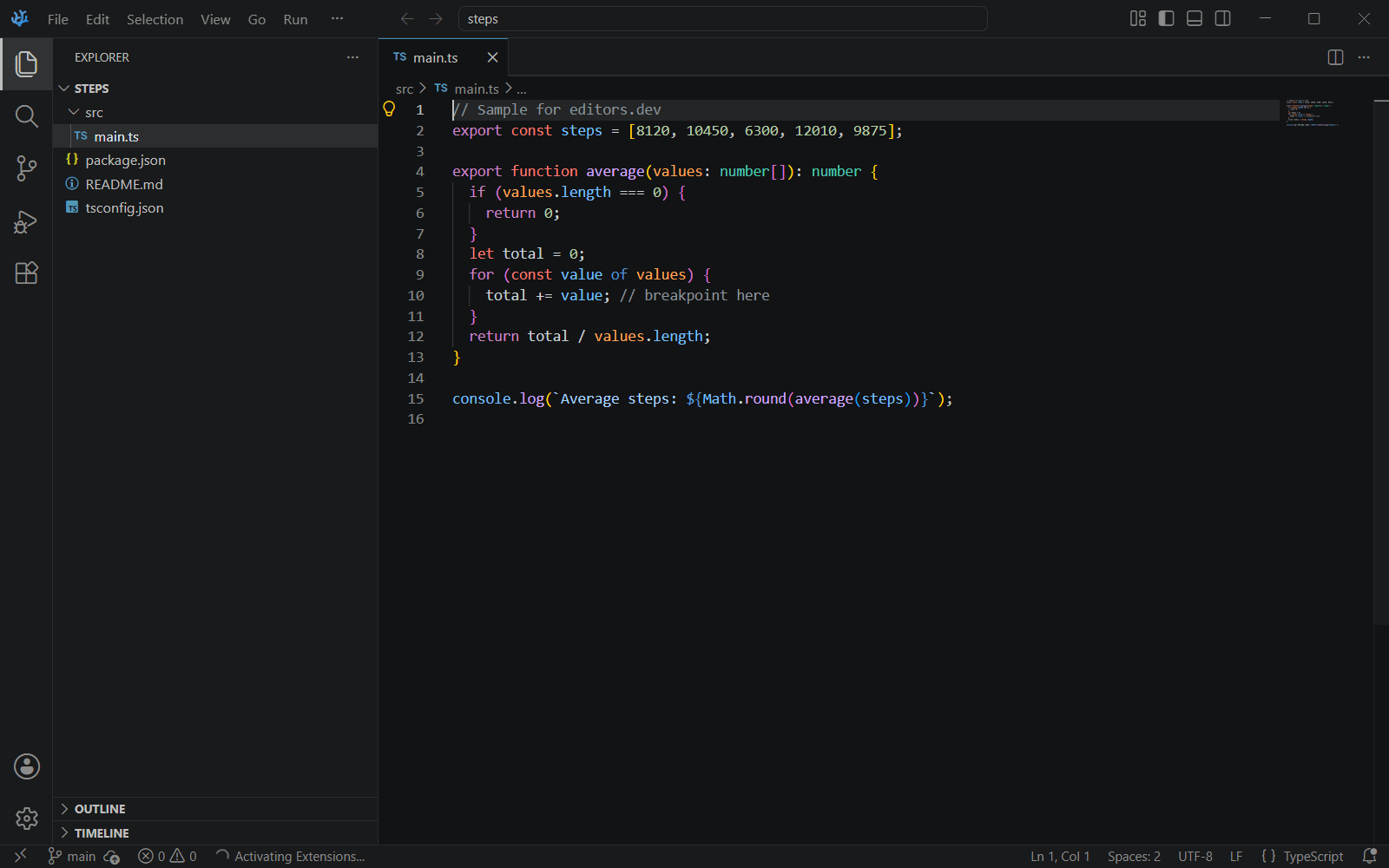
- Devin Desktop With Extension Pack for Java (Language Support for Java by Red Hat, Debugger for Java, Test Runner for Java) Completion : Yes Go to definition : Yes Refactoring : Yes Debugging : Yes Tests : Yes Formatting : Yes
- Kiro With Extension Pack for Java (Language Support for Java by Red Hat, Debugger for Java, Test Runner for Java) Completion : Yes Go to definition : Yes Refactoring : Yes Debugging : Yes Tests : Yes Formatting : Yes
- Google Antigravity With Extension Pack for Java (Language Support for Java by Red Hat, Debugger for Java, Test Runner for Java) Completion : Yes Go to definition : Yes Refactoring : Yes Debugging : Yes Tests : Yes Formatting : Yes
- TRAE With Extension Pack for Java (Language Support for Java by Red Hat, Debugger for Java, Test Runner for Java) Completion : Yes Go to definition : Yes Refactoring : Yes Debugging : Yes Tests : Yes Formatting : Yes
- VSCodium With Extension Pack for Java (Language Support for Java by Red Hat, Debugger for Java, Test Runner for Java) Completion : Yes Go to definition : Yes Refactoring : Yes Debugging : Yes Tests : Yes Formatting : Yes
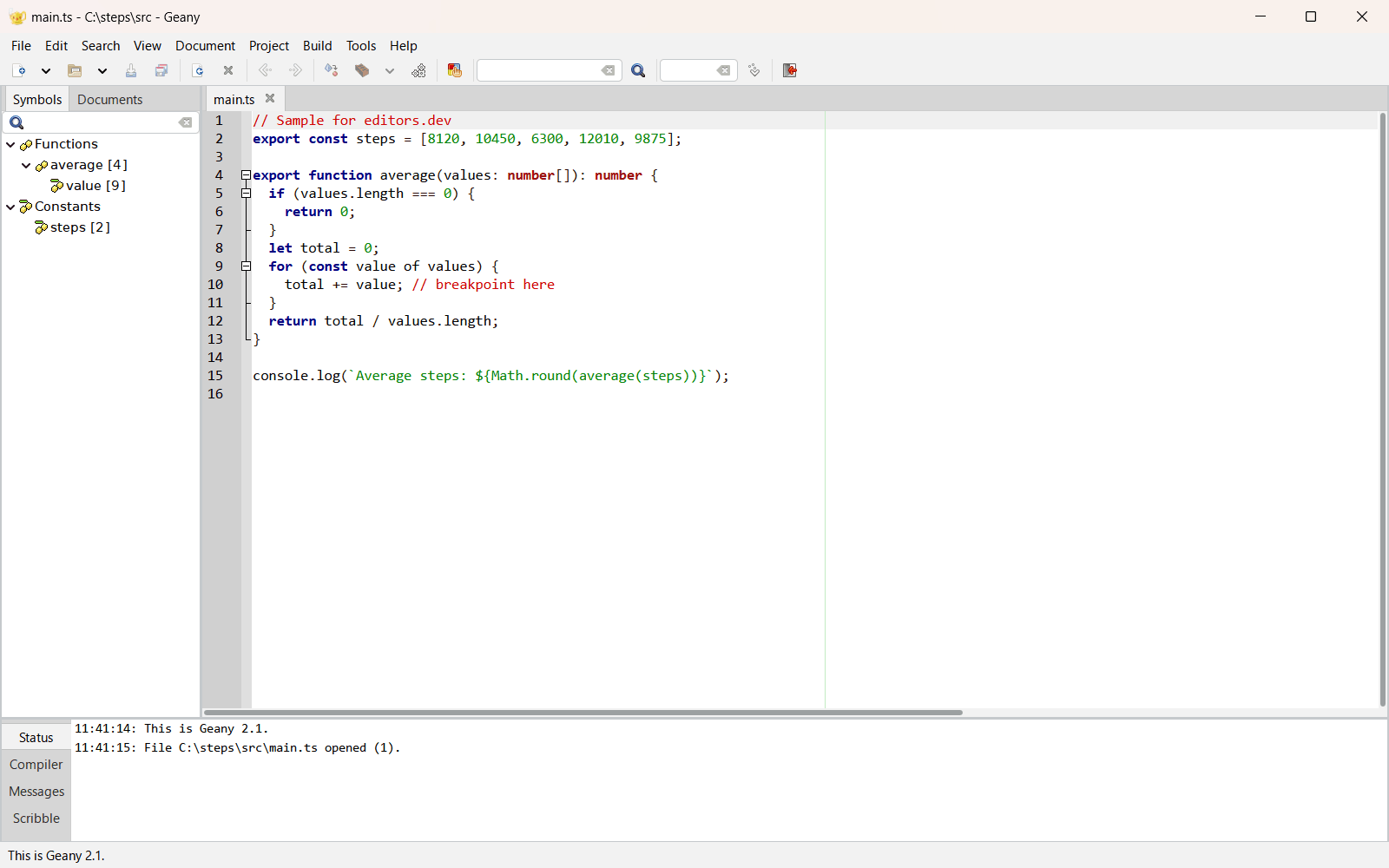
- Geany With LSP Client plugin (geany-plugins) + jdtls Completion : Yes Go to definition : Yes Refactoring : Yes Debugging : No Tests : No Formatting : Yes
- TextMate With Java bundle Completion : No Go to definition : No Refactoring : No Debugging : No Tests : No Formatting : No
Community extension 13
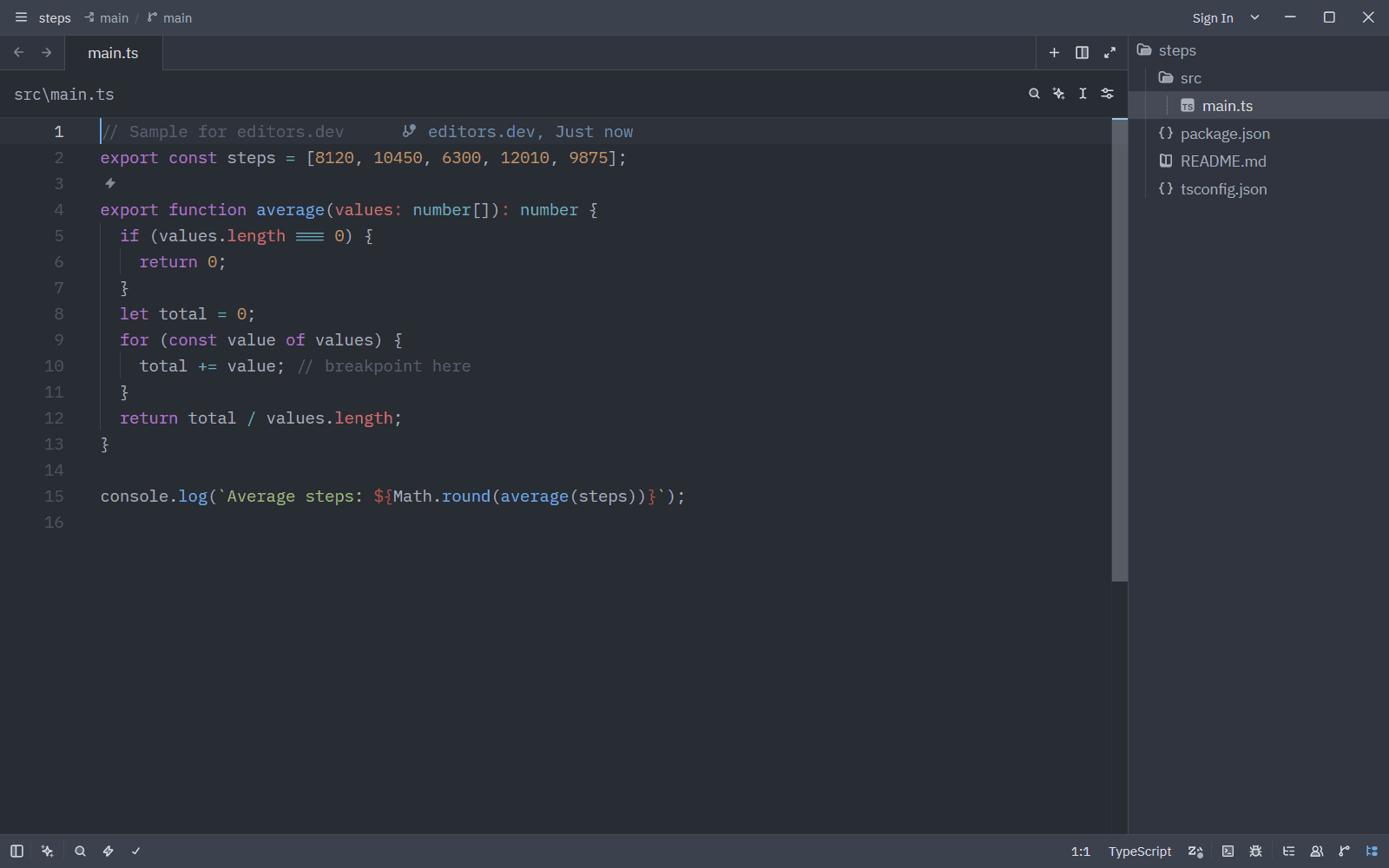
- Zed With Java (zed-extensions/java) Completion : Yes Go to definition : Yes Refactoring : Yes Debugging : Yes Tests : Yes Formatting : Yes
- PhpStorm With LSP4IJ Completion : Yes Go to definition : Yes Refactoring : Yes Debugging : No Tests : No Formatting : Yes
- PyCharm With LSP4IJ Completion : Yes Go to definition : Yes Refactoring : Yes Debugging : No Tests : No Formatting : Yes
- WebStorm With LSP4IJ Completion : Yes Go to definition : Yes Refactoring : Yes Debugging : No Tests : No Formatting : Yes
- Neovim With jdtls (Eclipse JDT Language Server) Completion : Yes Go to definition : Yes Refactoring : Yes Debugging : No Tests : No Formatting : Yes
- Sublime Text With LSP + LSP-jdtls Completion : Yes Go to definition : Yes Refactoring : Yes Debugging : No Tests : No Formatting : Yes
- GoLand With LSP4IJ Completion : Yes Go to definition : Yes Refactoring : Yes Debugging : No Tests : No Formatting : Yes
- CLion With LSP4IJ Completion : Yes Go to definition : Yes Refactoring : Yes Debugging : No Tests : No Formatting : Yes
- Rider With LSP4IJ Completion : Yes Go to definition : Yes Refactoring : Yes Debugging : No Tests : No Formatting : Yes
- RustRover With LSP4IJ Completion : Yes Go to definition : Yes Refactoring : Yes Debugging : No Tests : No Formatting : Yes
- RubyMine With LSP4IJ Completion : Yes Go to definition : Yes Refactoring : Yes Debugging : No Tests : No Formatting : Yes
- Nova With Java extension (Eclipse JDT LS) Completion : Yes Go to definition : Yes Refactoring : Yes Debugging : No Tests : No Formatting : Yes
- Lapce With lapce-java (Eclipse jdtls) Completion : Yes Go to definition : Yes Refactoring : Yes Debugging : No Tests : No Formatting : Yes
Today
A new JDK feature release ships every six months, in March and September, and every two years one is designated long-term support (LTS). JDK 27, released on 15 September 2026, is a non-LTS release with Oracle Premier Support until March 2027; JDK 25 (September 2025) is the current LTS, with Oracle Premier Support until September 2030 and Extended Support until September 2033. JDK 28 is due in March 2027 and the next LTS, JDK 29, in September 2027. Java ranks third in the TIOBE index for November 2026 and was used by 27.6% of respondents to the Stack Overflow Developer Survey 2026.
What it is used for
Enterprise and banking back ends with Spring and Jakarta EE, Android apps, and big-data systems such as Apache Kafka, Hadoop and Elasticsearch. Minecraft: Java Edition and the IntelliJ IDEA editor are written in Java.
History
James Gosling, Mike Sheridan and Patrick Naughton started the Green Project at Sun Microsystems in 1991 to build software for consumer devices. Gosling's language was first called Oak, then renamed Java. Sun announced it publicly in May 1995 with the promise "write once, run anywhere", and JDK 1.0 shipped in January 1996.
Browser applets made Java popular at first, but it found its lasting place on servers through Java EE and application servers. Java 5 (2004) added generics, annotations and enums. Sun released the JDK as free software under the GPL as OpenJDK between 2006 and 2007, and Oracle took over Java when it acquired Sun in 2010.
Java 8 (2014) introduced lambda expressions and streams and stayed in wide use for years. Since Java 10 in 2018 the platform has followed a fixed six-month release cycle with periodic long-term support releases. Recent versions added records, pattern matching, sealed classes and virtual threads.
Milestone versions
- 23 January 1996 JDK 1.0 First release of the Java Development Kit.
- 8 December 1998 J2SE 1.2 Added the Collections Framework and the Swing GUI toolkit; start of the "Java 2" naming.
- 30 September 2004 J2SE 5.0 Added generics, annotations, enums, autoboxing and the enhanced for loop.
- 18 March 2014 Java SE 8 Added lambda expressions, the Stream API and a new date and time API.
- 21 September 2017 Java SE 9 Introduced the module system (Project Jigsaw) and the JShell REPL.
- 25 September 2018 Java SE 11 First LTS release under the six-month cadence, with a standard HTTP client.
- 14 September 2021 Java SE 17 First LTS release with records and sealed classes.
- 19 September 2023 Java SE 21 LTS release with virtual threads, record patterns and pattern matching for switch.
- 16 September 2025 Java SE 25 LTS release with compact source files, instance main methods and compact object headers.
- 15 September 2026 Java SE 27 G1 became the default collector everywhere, compact object headers became the default, and TLS 1.3 gained post-quantum hybrid key exchange.
Sources
Last checked: 20 November 2026