JavaScript
JavaScript is a dynamic, multi-paradigm scripting language standardised as ECMAScript. It runs in every web browser and, through runtimes such as Node.js, Deno and Bun, on servers and desktops as well.
Editors for JavaScript
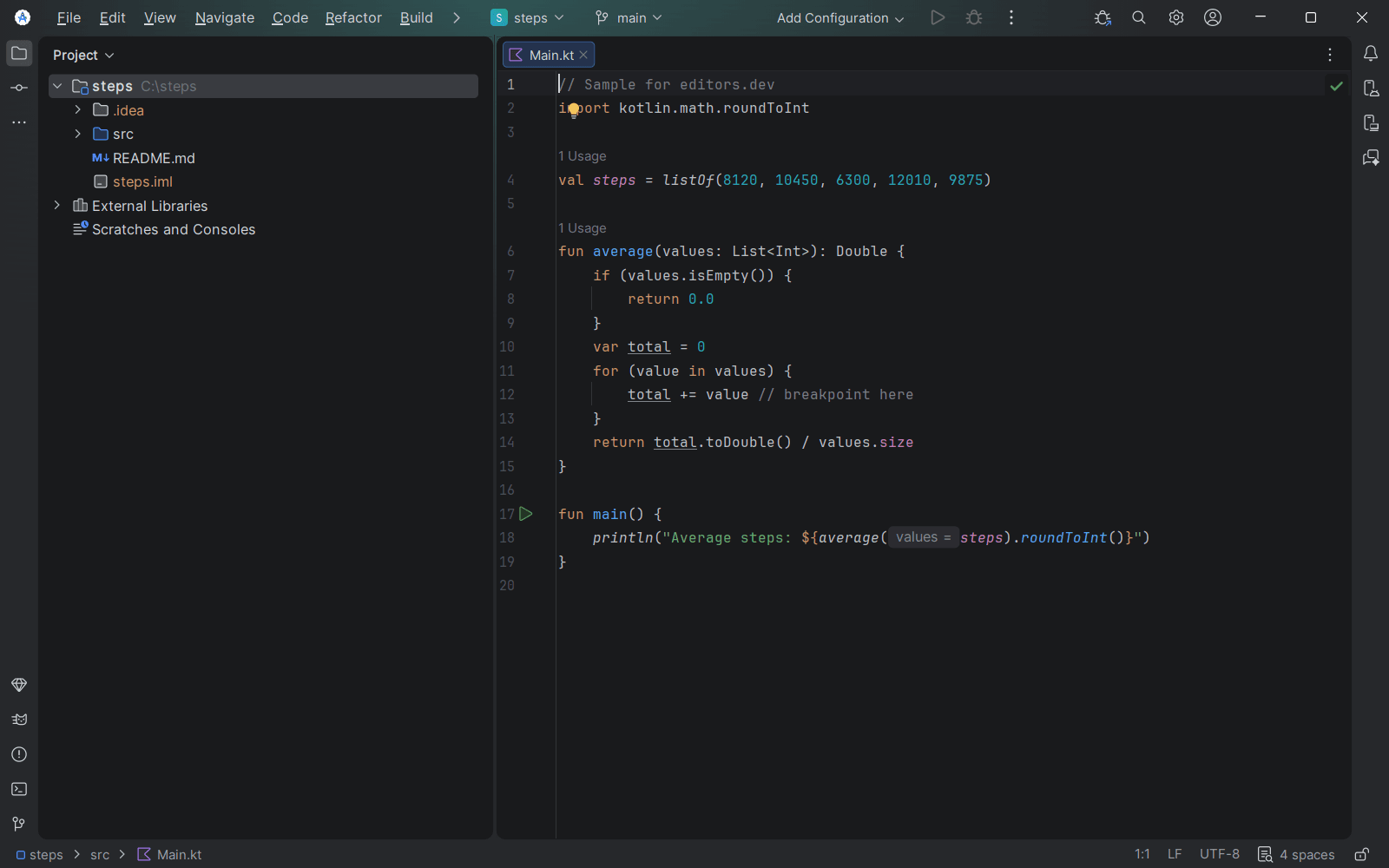
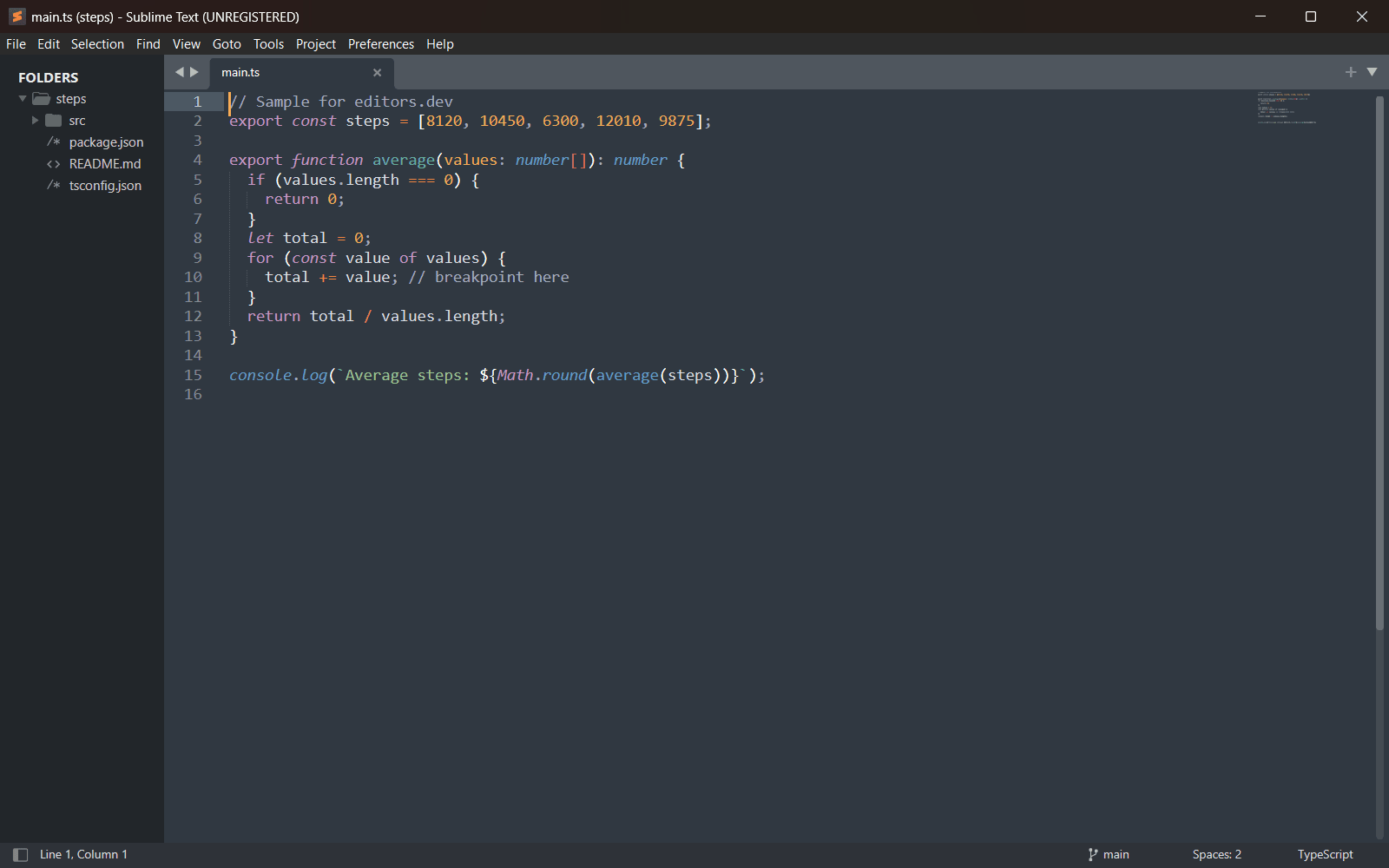
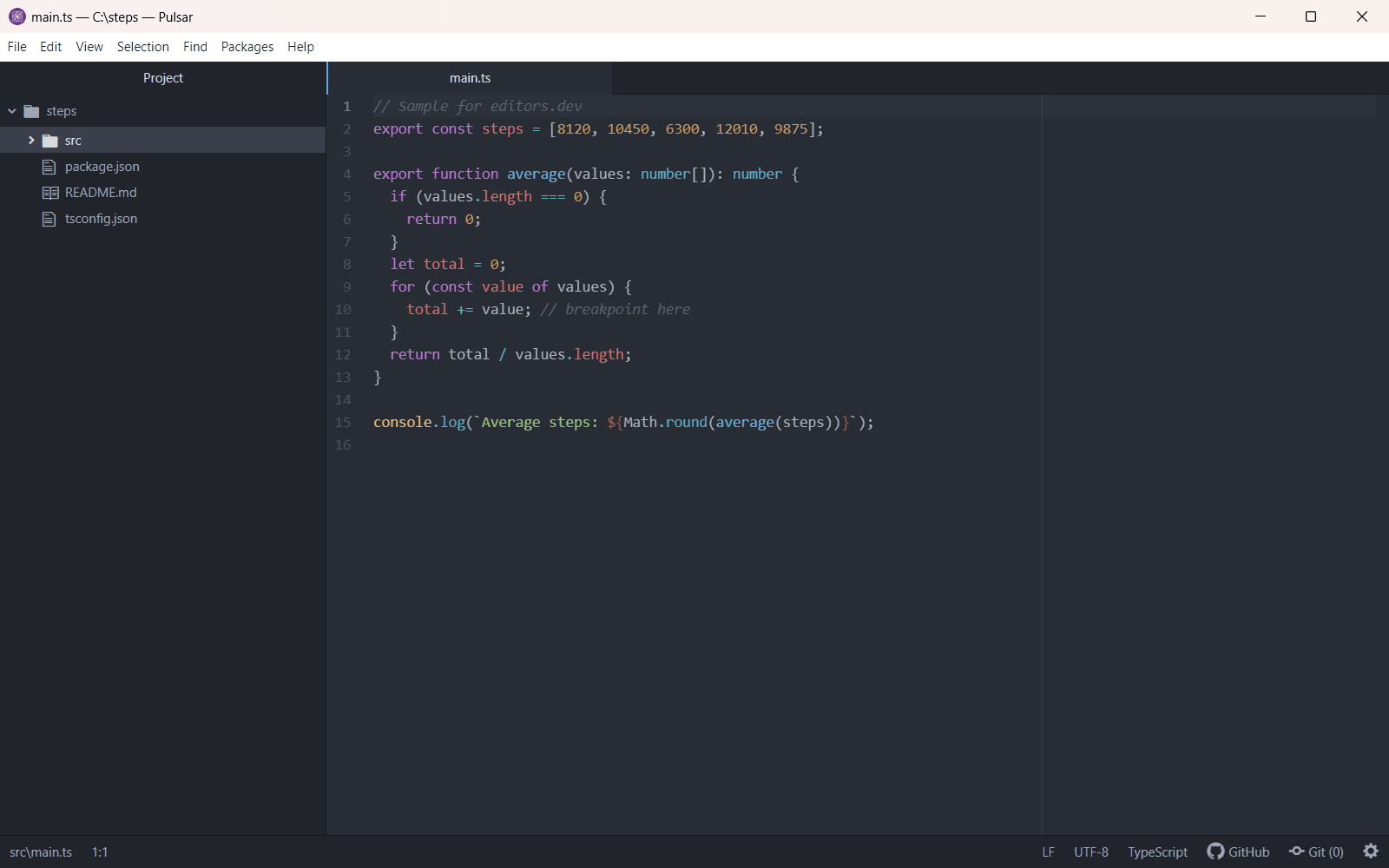
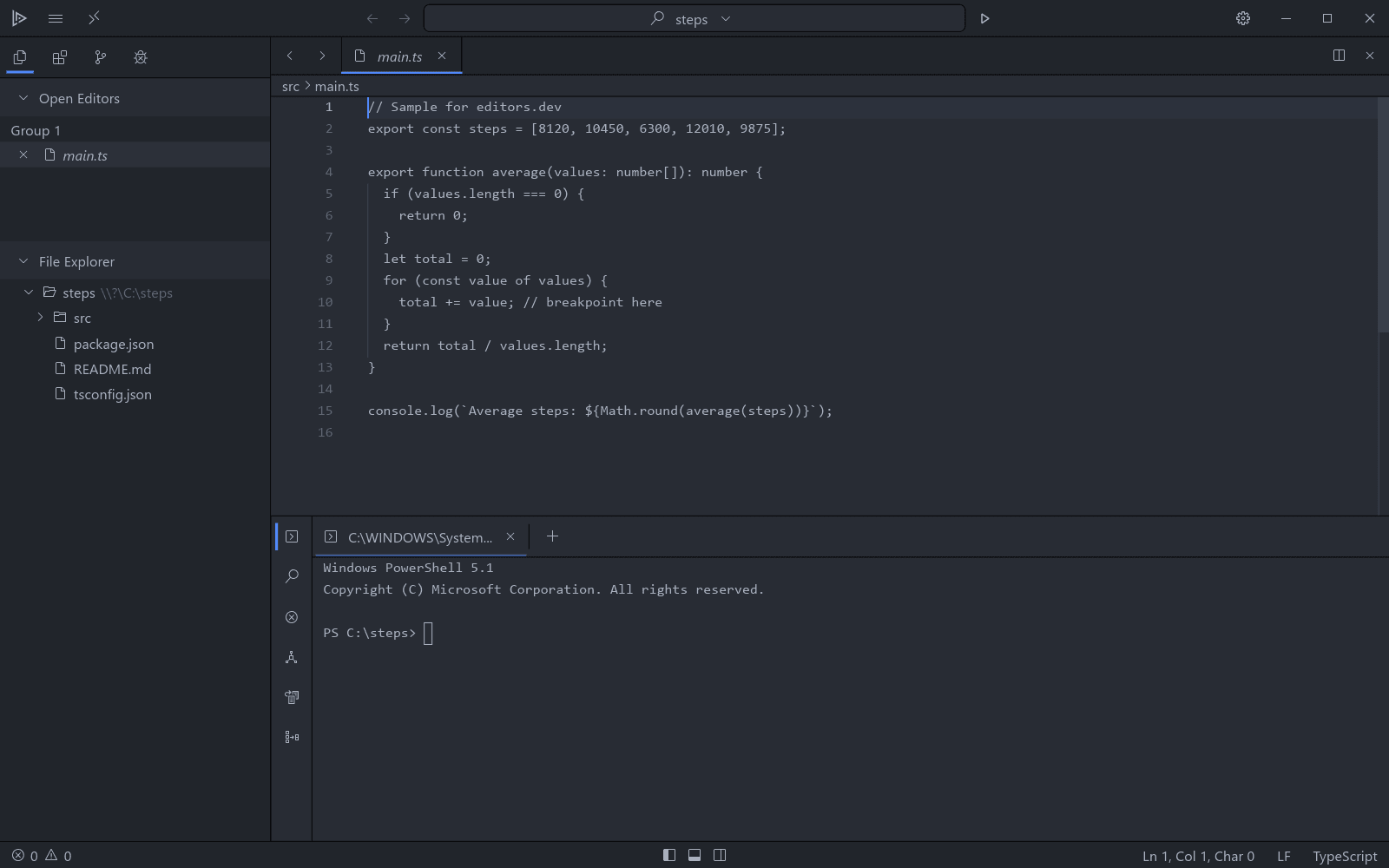
37 editors and IDEs support JavaScript. Built in first, then official and community extensions. Each row opens the editor at its JavaScript notes.
Built in 31
- PhpStorm Completion : Yes Go to definition : Yes Refactoring : Yes Debugging : Yes Tests : Yes Formatting : Yes
- WebStorm Completion : Yes Go to definition : Yes Refactoring : Yes Debugging : Yes Tests : Yes Formatting : Yes
- RubyMine Completion : Yes Go to definition : Yes Refactoring : Yes Debugging : Yes Tests : Yes Formatting : Yes
- Visual Studio With Node.js development workload (also ASP.NET and web development) Completion : Yes Go to definition : Yes Refactoring : No Debugging : Yes Tests : Yes Formatting : No
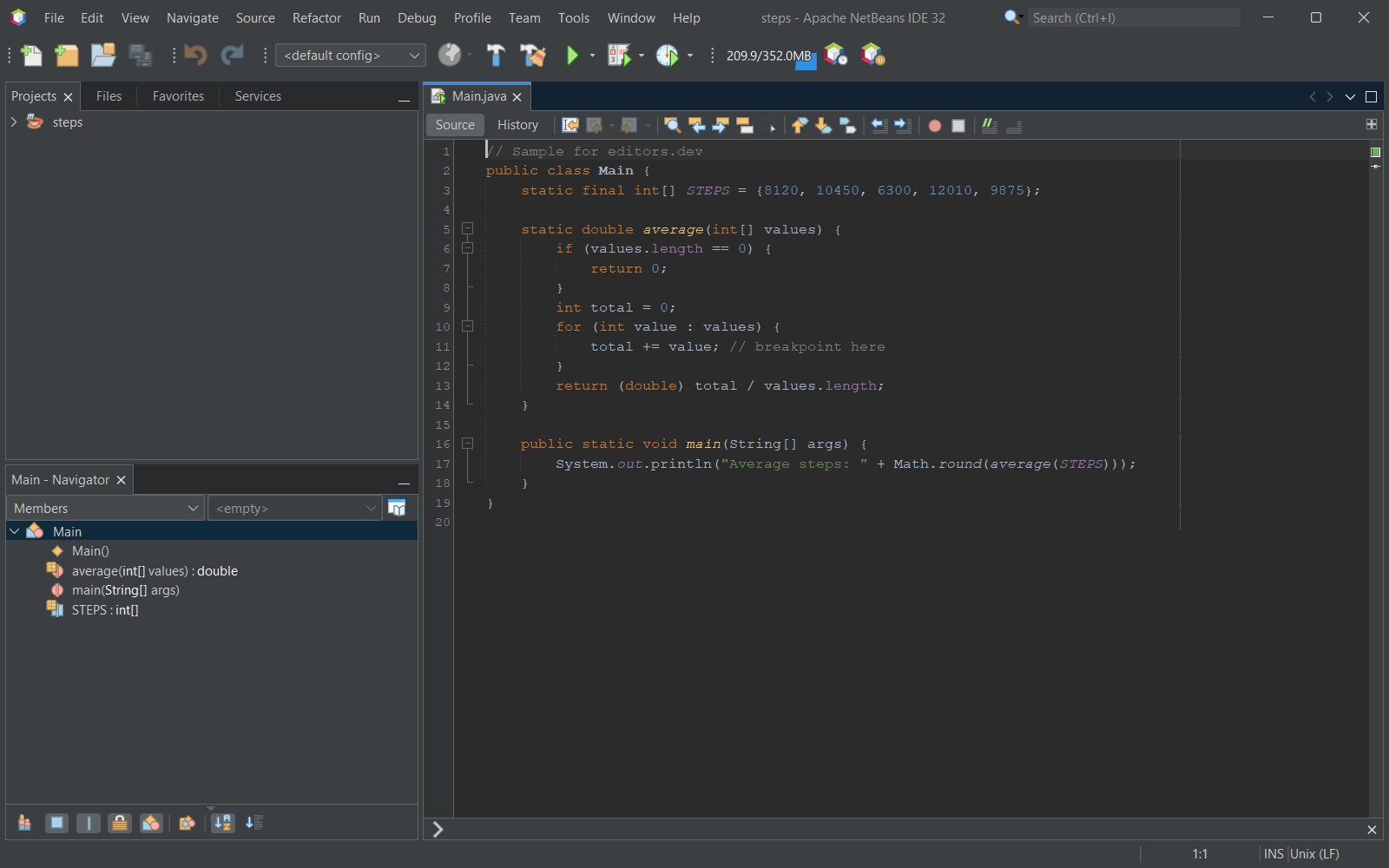
- Apache NetBeans Completion : Yes Go to definition : No Refactoring : No Debugging : Yes Tests : Yes Formatting : No
- Zed Completion : Yes Go to definition : Yes Refactoring : Yes Debugging : Yes Tests : Yes Formatting : Yes
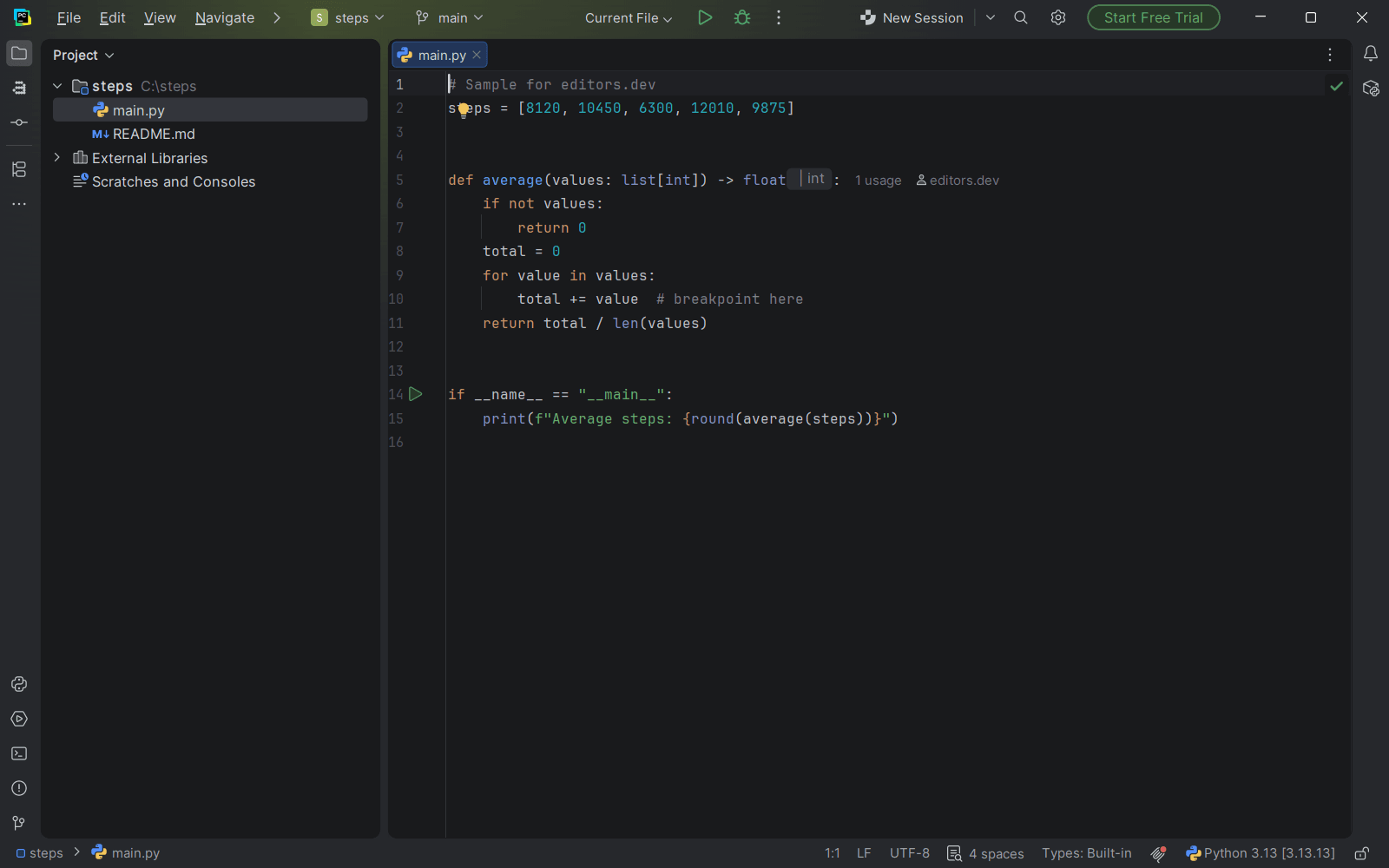
- PyCharm Completion : Yes Go to definition : Yes Refactoring : Yes Debugging : Yes Tests : Yes Formatting : Yes
- GoLand Completion : Yes Go to definition : Yes Refactoring : Yes Debugging : Yes Tests : Yes Formatting : Yes
- CLion Completion : Yes Go to definition : Yes Refactoring : Yes Debugging : Yes Tests : Yes Formatting : Yes
- Rider Completion : Yes Go to definition : Yes Refactoring : Yes Debugging : Yes Tests : Yes Formatting : Yes
- RustRover Completion : Yes Go to definition : Yes Refactoring : Yes Debugging : Yes Tests : Yes Formatting : Yes
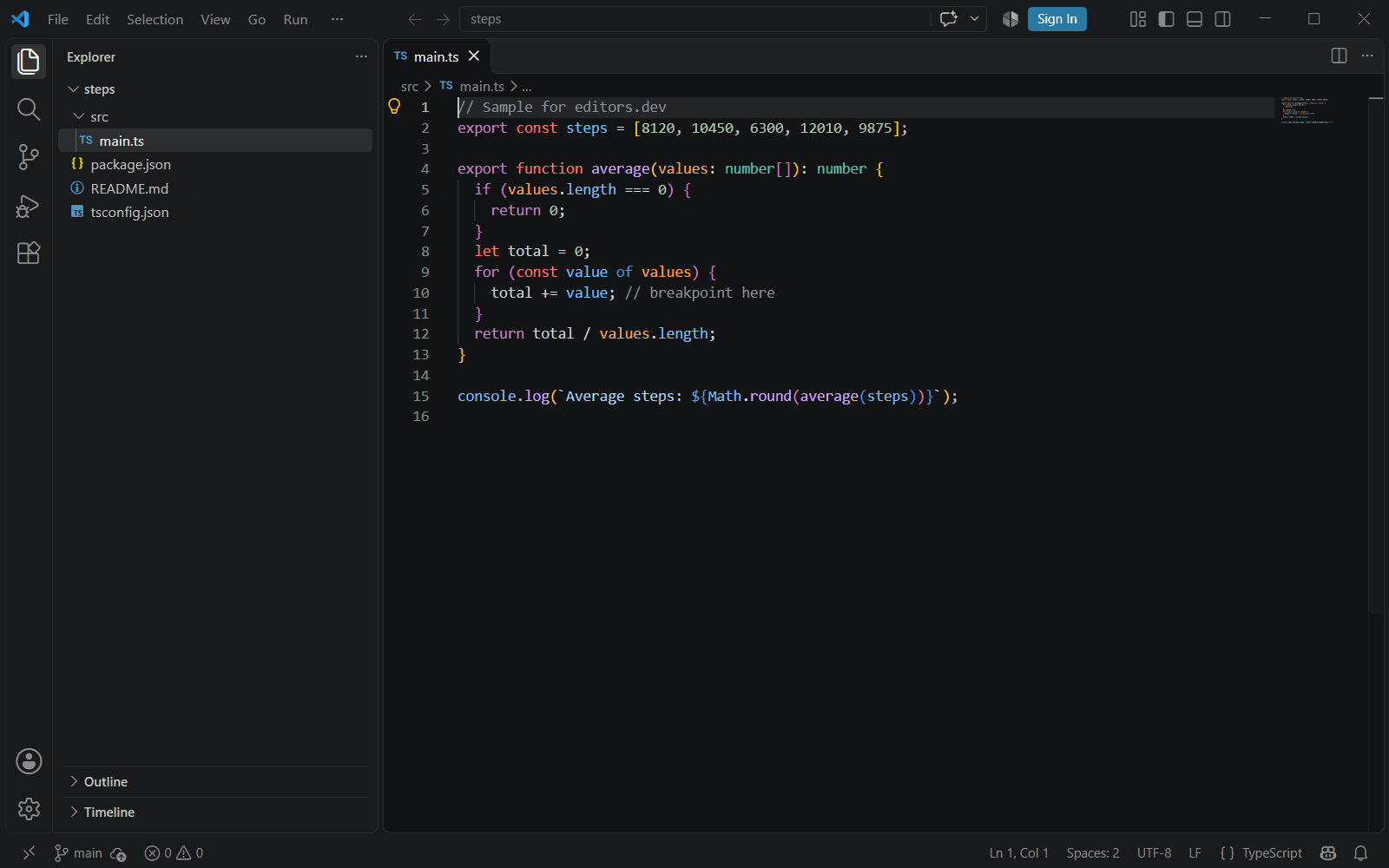
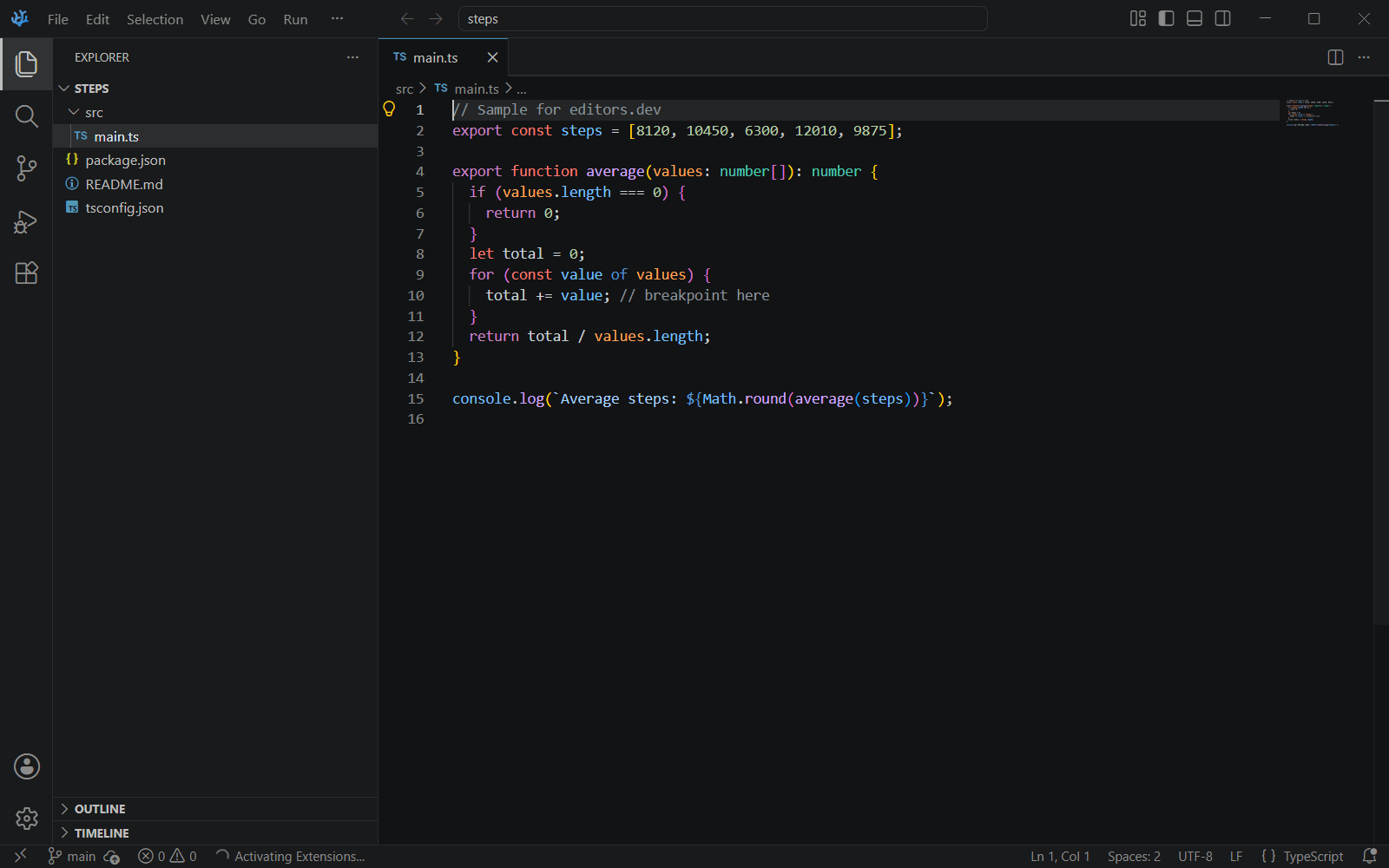
- VS Code Completion : Yes Go to definition : Yes Refactoring : Yes Debugging : Yes Tests : No Formatting : Yes
- Cursor Completion : Yes Go to definition : Yes Refactoring : Yes Debugging : Yes Tests : No Formatting : Yes
- Devin Desktop Completion : Yes Go to definition : Yes Refactoring : Yes Debugging : Yes Tests : No Formatting : Yes
- Kiro Completion : Yes Go to definition : Yes Refactoring : Yes Debugging : Yes Tests : No Formatting : Yes
- Google Antigravity Completion : Yes Go to definition : Yes Refactoring : Yes Debugging : Yes Tests : No Formatting : Yes
- TRAE Completion : Yes Go to definition : Yes Refactoring : Yes Debugging : Yes Tests : No Formatting : Yes
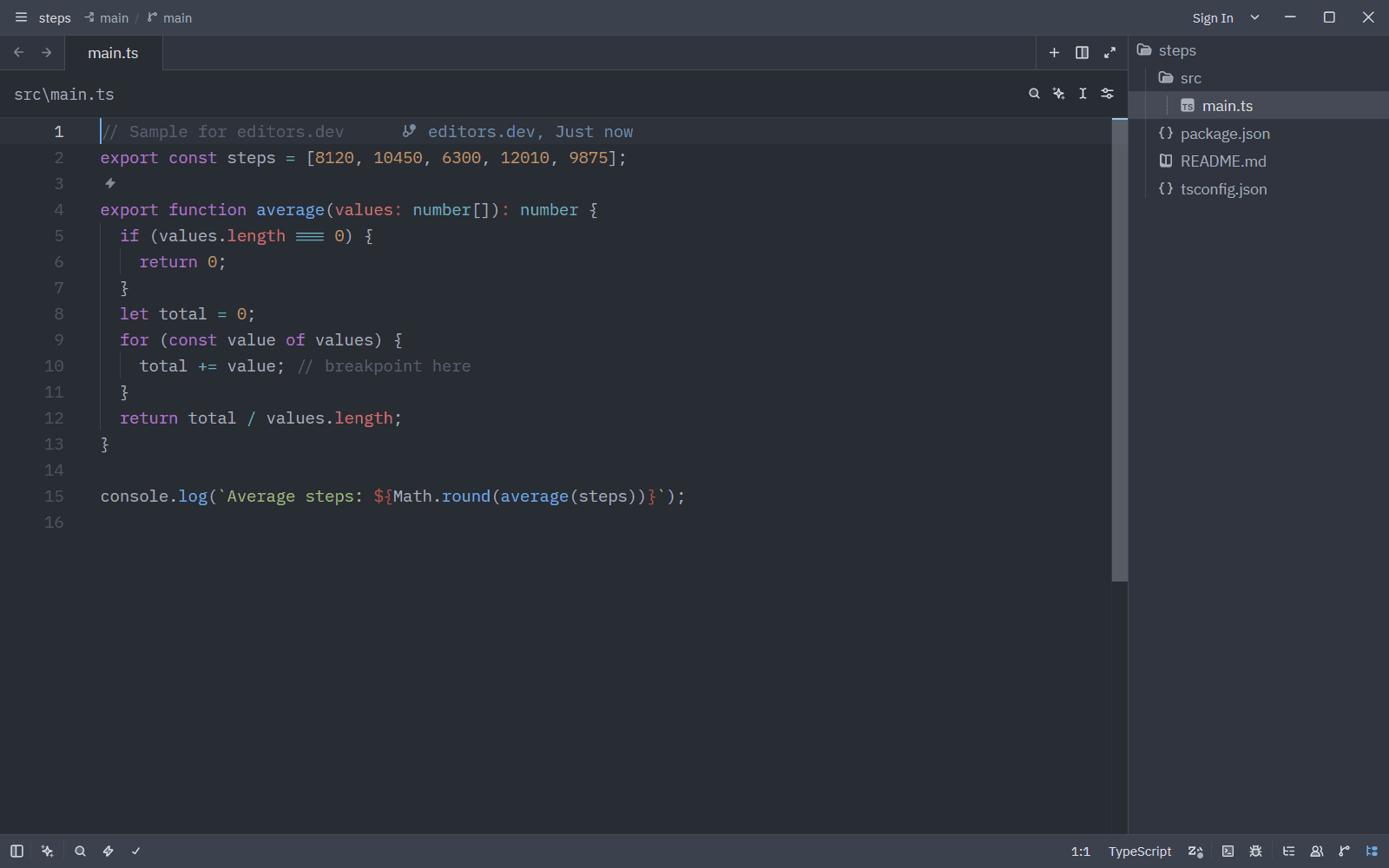
- Nova With TypeScript Language Server or vtsls Completion : Yes Go to definition : Yes Refactoring : Yes Debugging : Yes Tests : No Formatting : Yes
- VSCodium Completion : Yes Go to definition : Yes Refactoring : Yes Debugging : Yes Tests : No Formatting : Yes
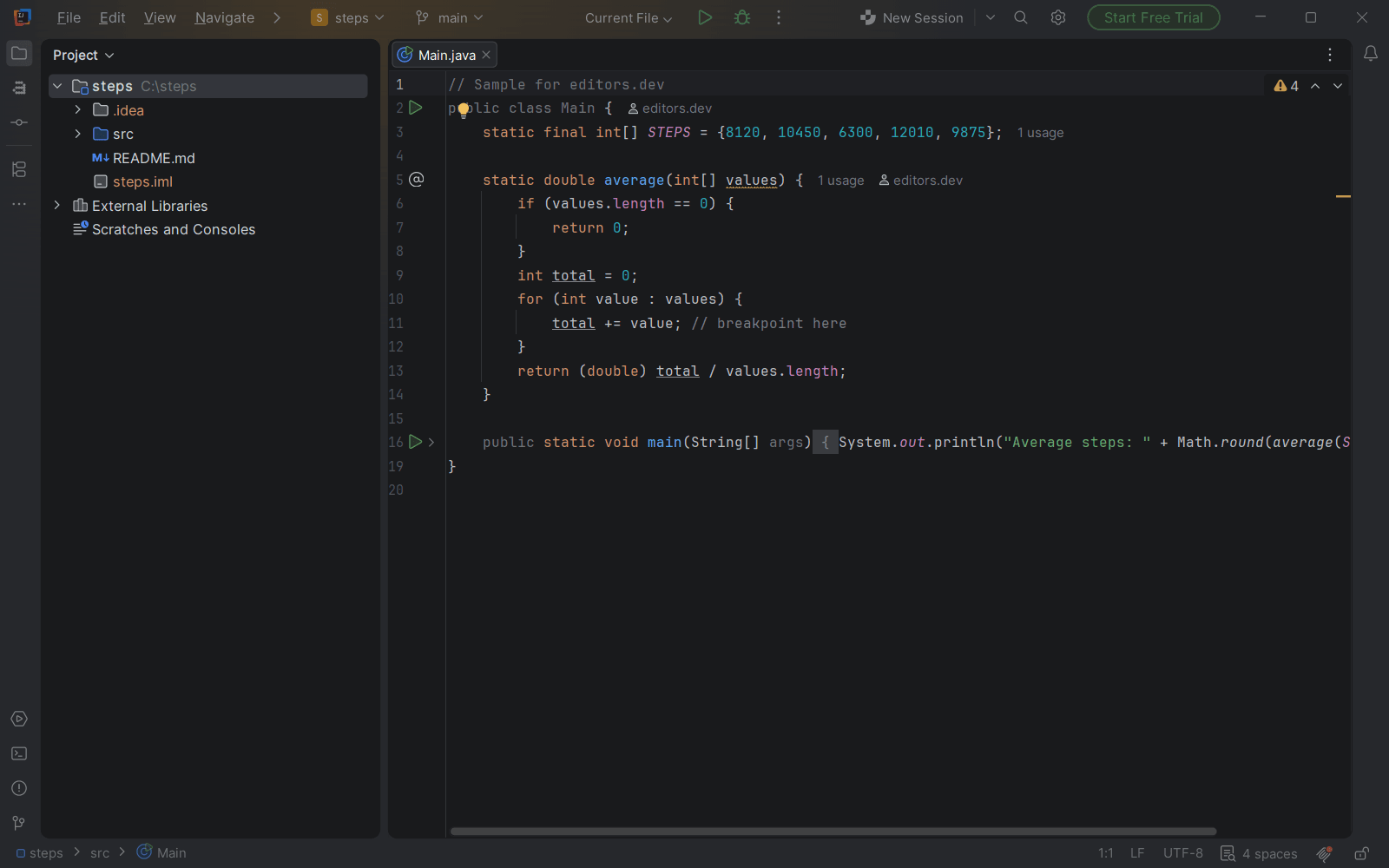
- IntelliJ IDEA Completion : Yes Go to definition : Yes Refactoring : Yes Debugging : No Tests : No Formatting : Yes
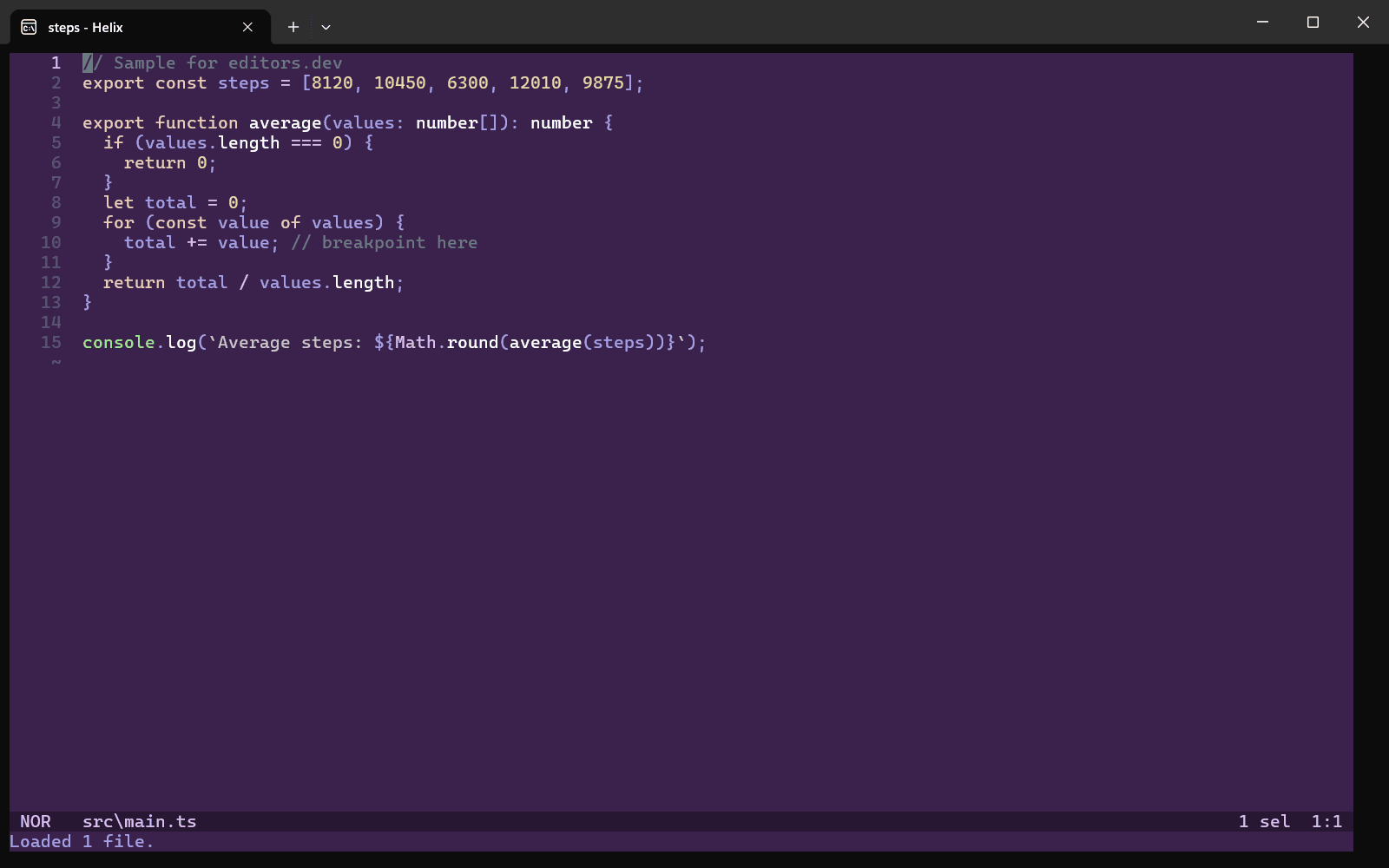
- Helix With typescript-language-server Completion : Yes Go to definition : Yes Refactoring : Yes Debugging : No Tests : No Formatting : Yes
- Eclipse IDE With Wild Web Developer (in the Enterprise Java and Web, and PHP packages) Completion : Yes Go to definition : Yes Refactoring : Yes Debugging : Yes Tests : No Formatting : No
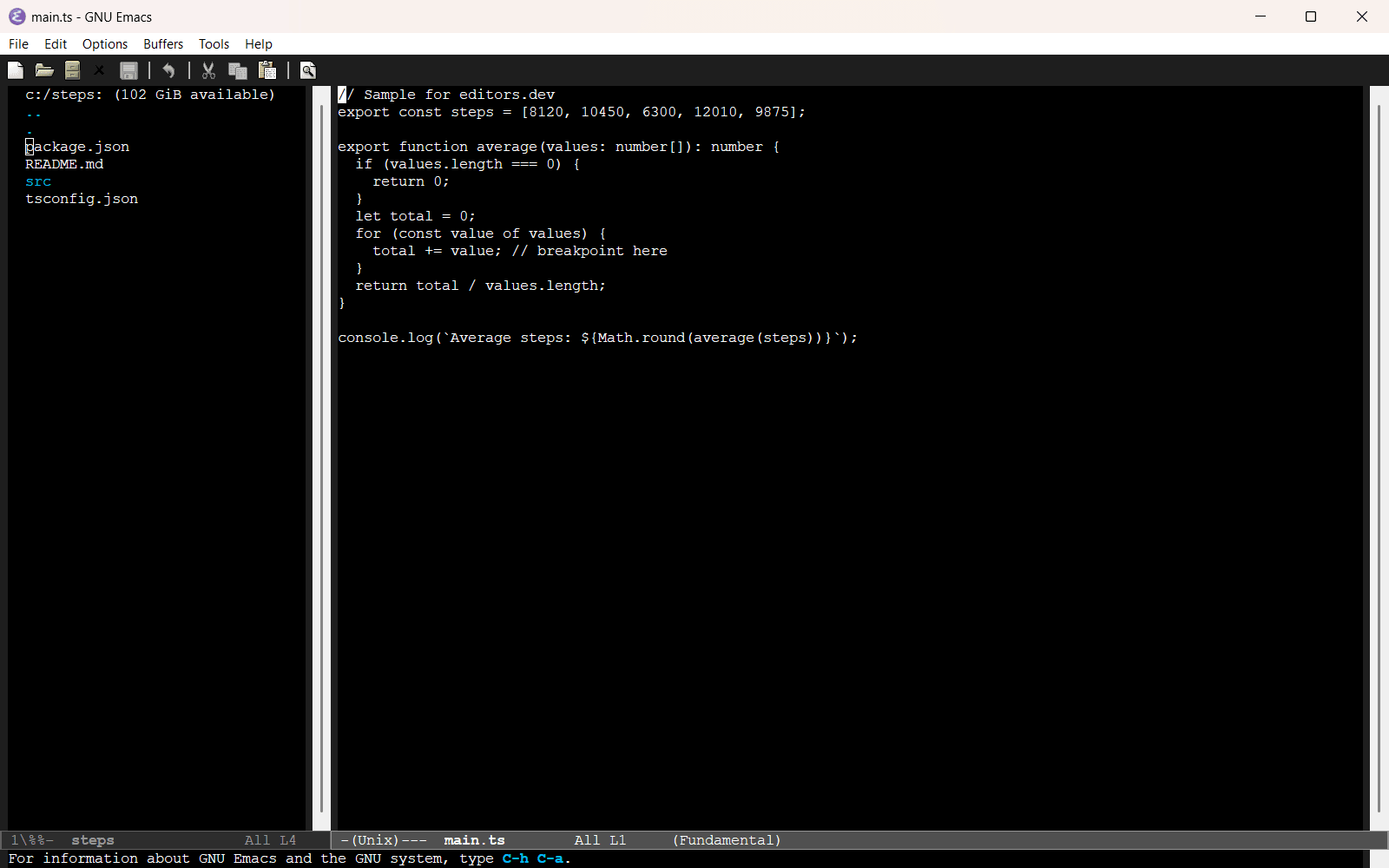
- GNU Emacs With Eglot + typescript-language-server Completion : Yes Go to definition : Yes Refactoring : Yes Debugging : No Tests : No Formatting : Yes
- BBEdit With typescript-language-server Completion : Yes Go to definition : Yes Refactoring : Yes Debugging : No Tests : No Formatting : Yes
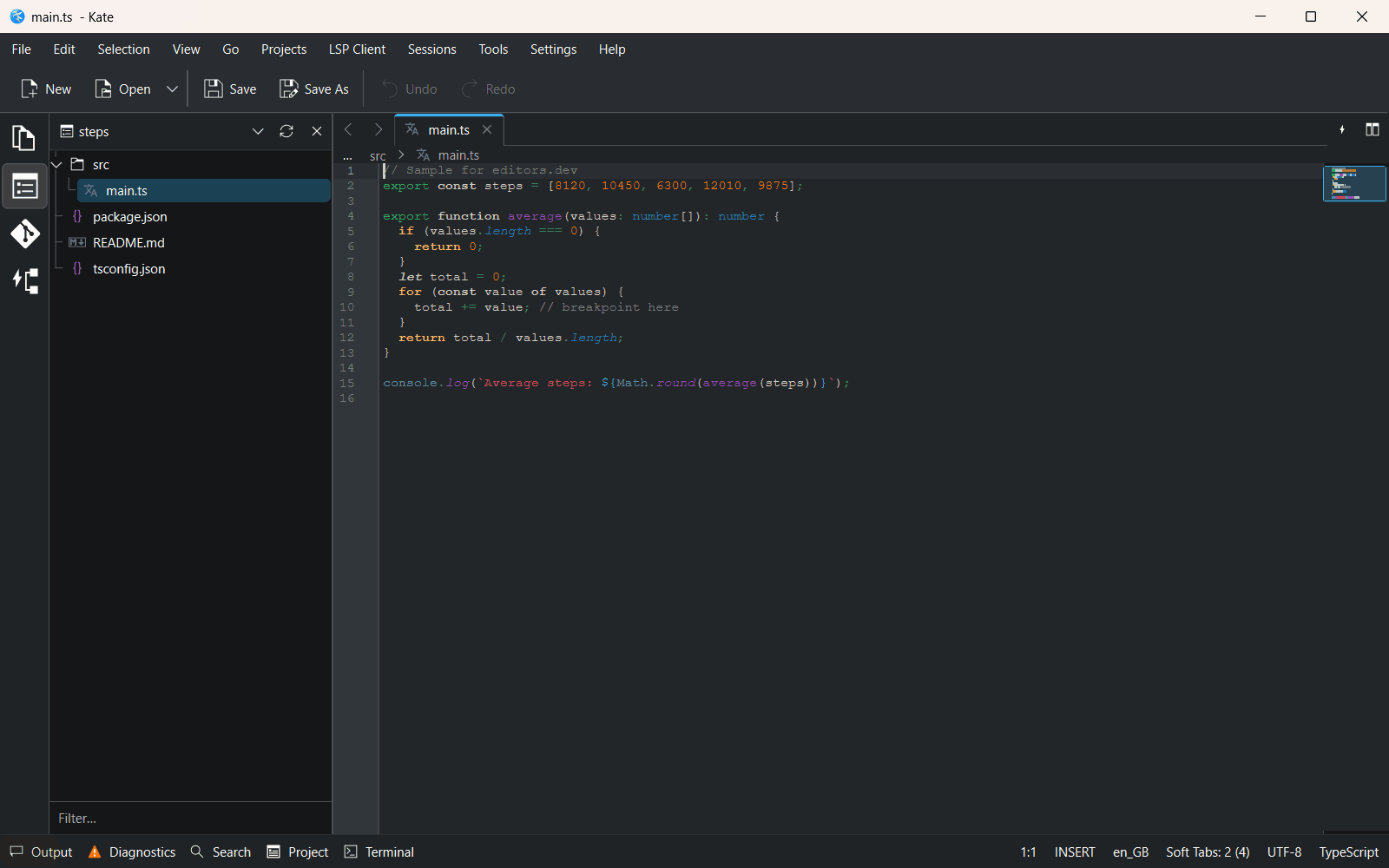
- Kate With LSP Client + typescript-language-server; Format plugin (prettier) Completion : Yes Go to definition : Yes Refactoring : Yes Debugging : No Tests : No Formatting : Yes
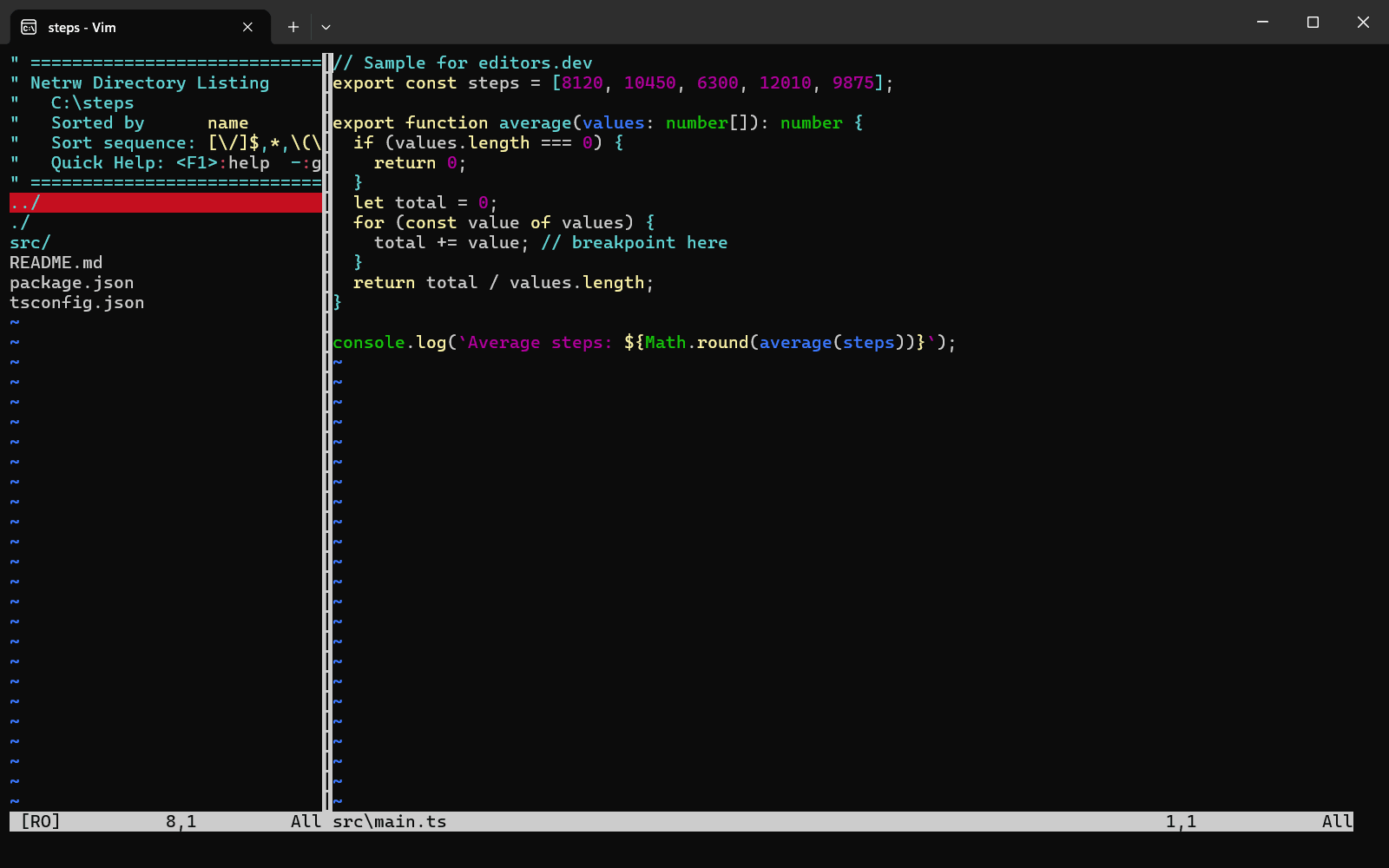
- Vim Completion : Yes Go to definition : No Refactoring : No Debugging : No Tests : No Formatting : No
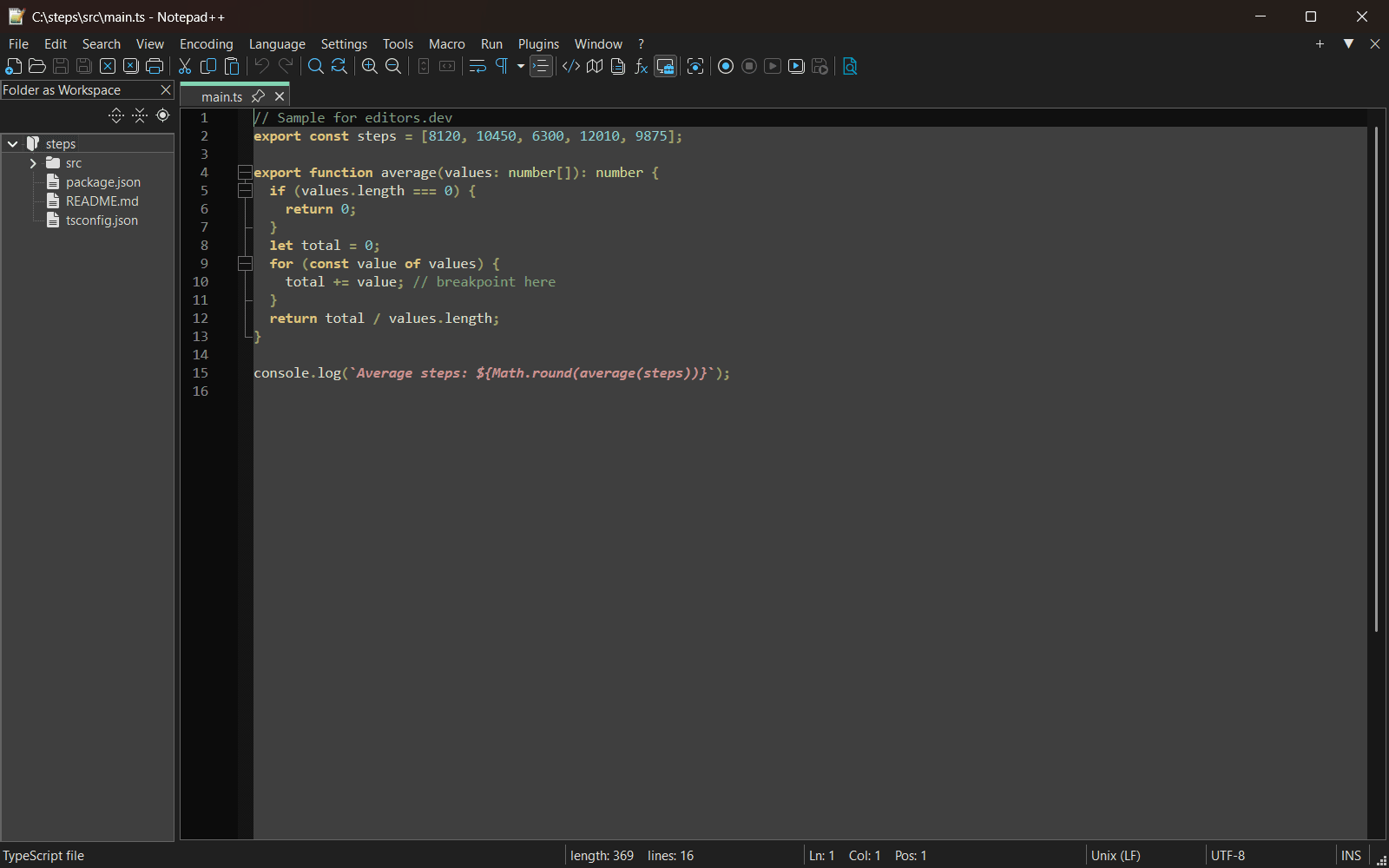
- Notepad++ Completion : Yes Go to definition : No Refactoring : No Debugging : No Tests : No Formatting : No
- TextMate With JavaScript bundle Completion : No Go to definition : No Refactoring : No Debugging : No Tests : No Formatting : Yes
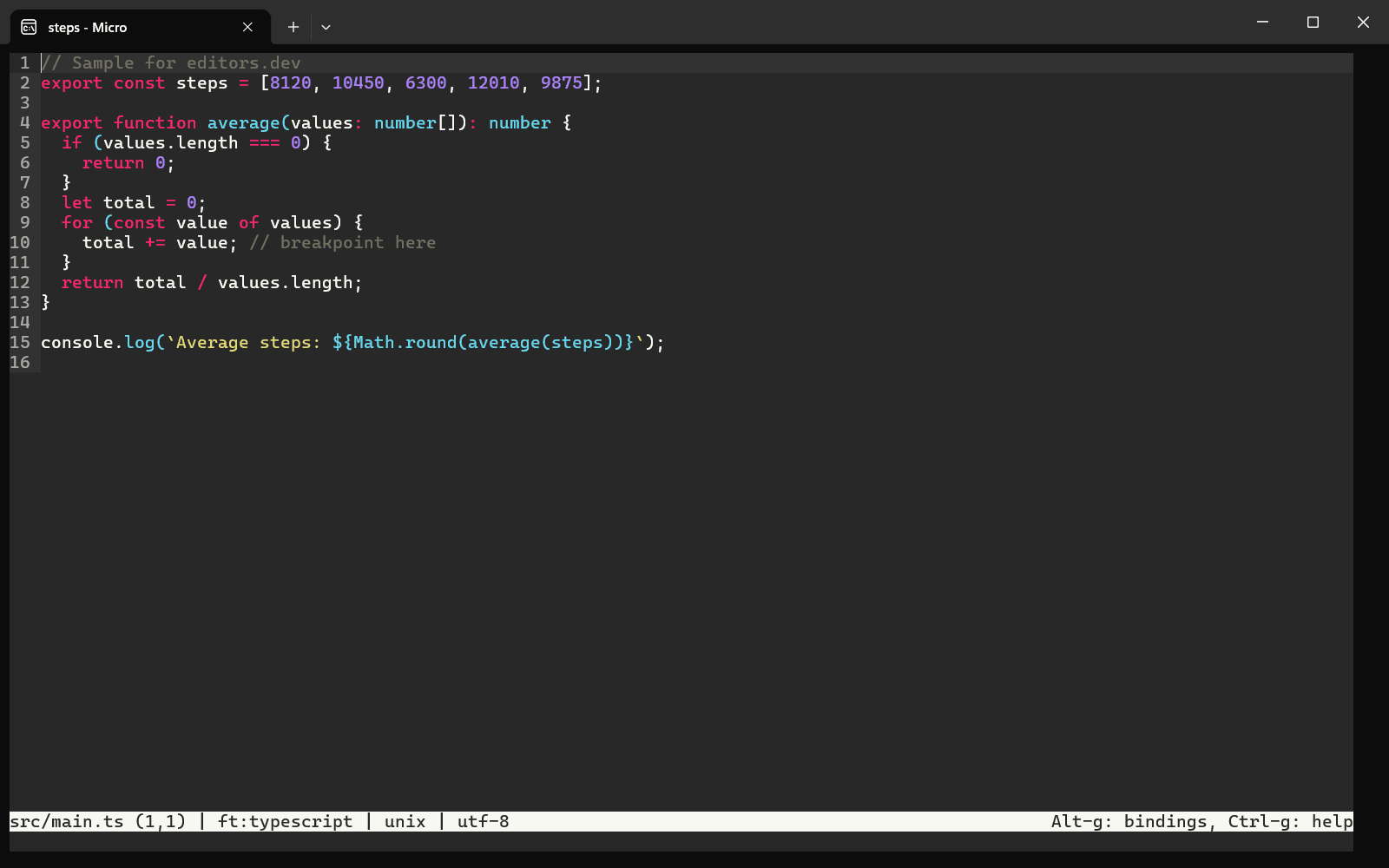
- Micro Completion : No Go to definition : No Refactoring : No Debugging : No Tests : No Formatting : No
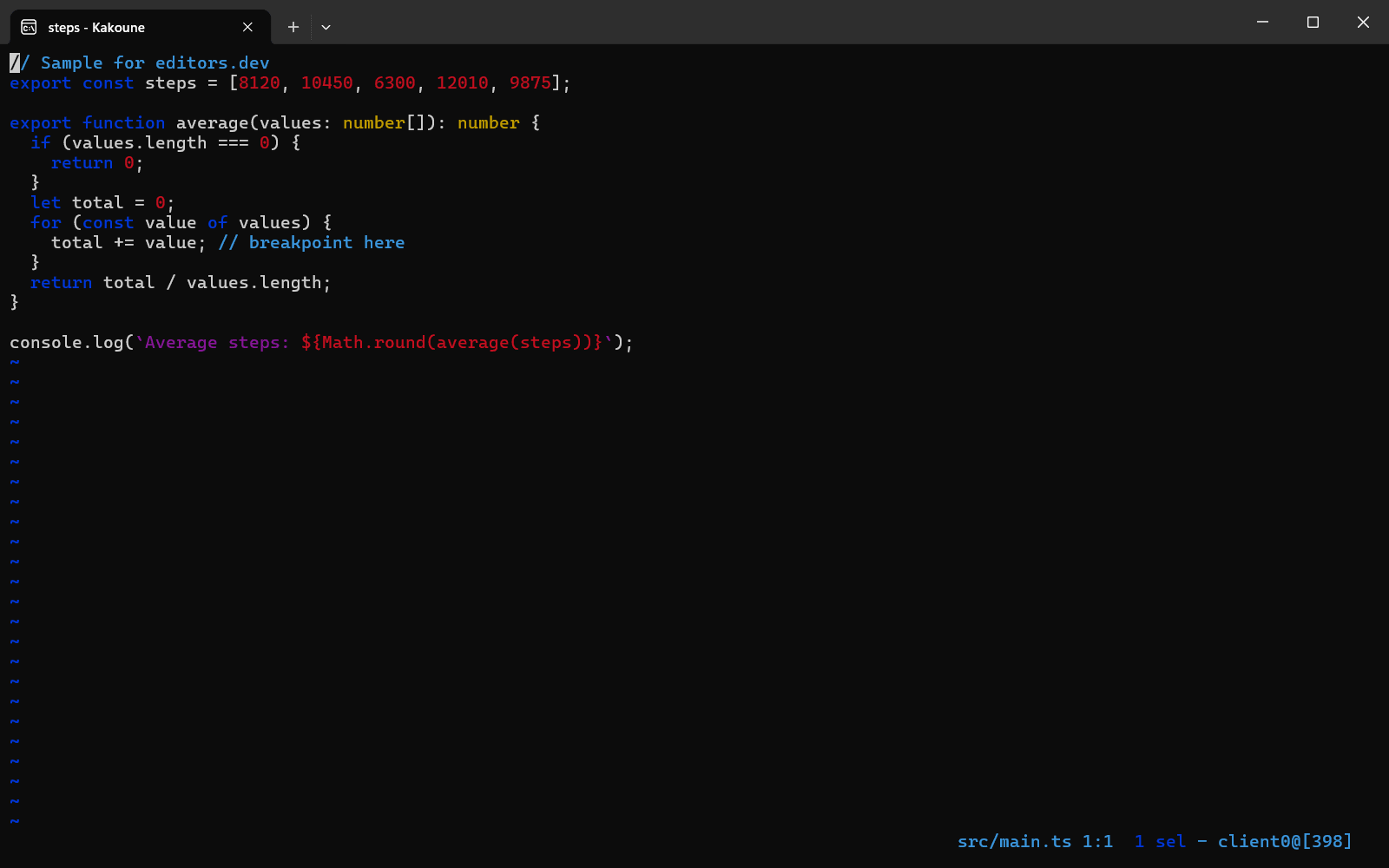
- Kakoune Completion : No Go to definition : No Refactoring : No Debugging : No Tests : No Formatting : No
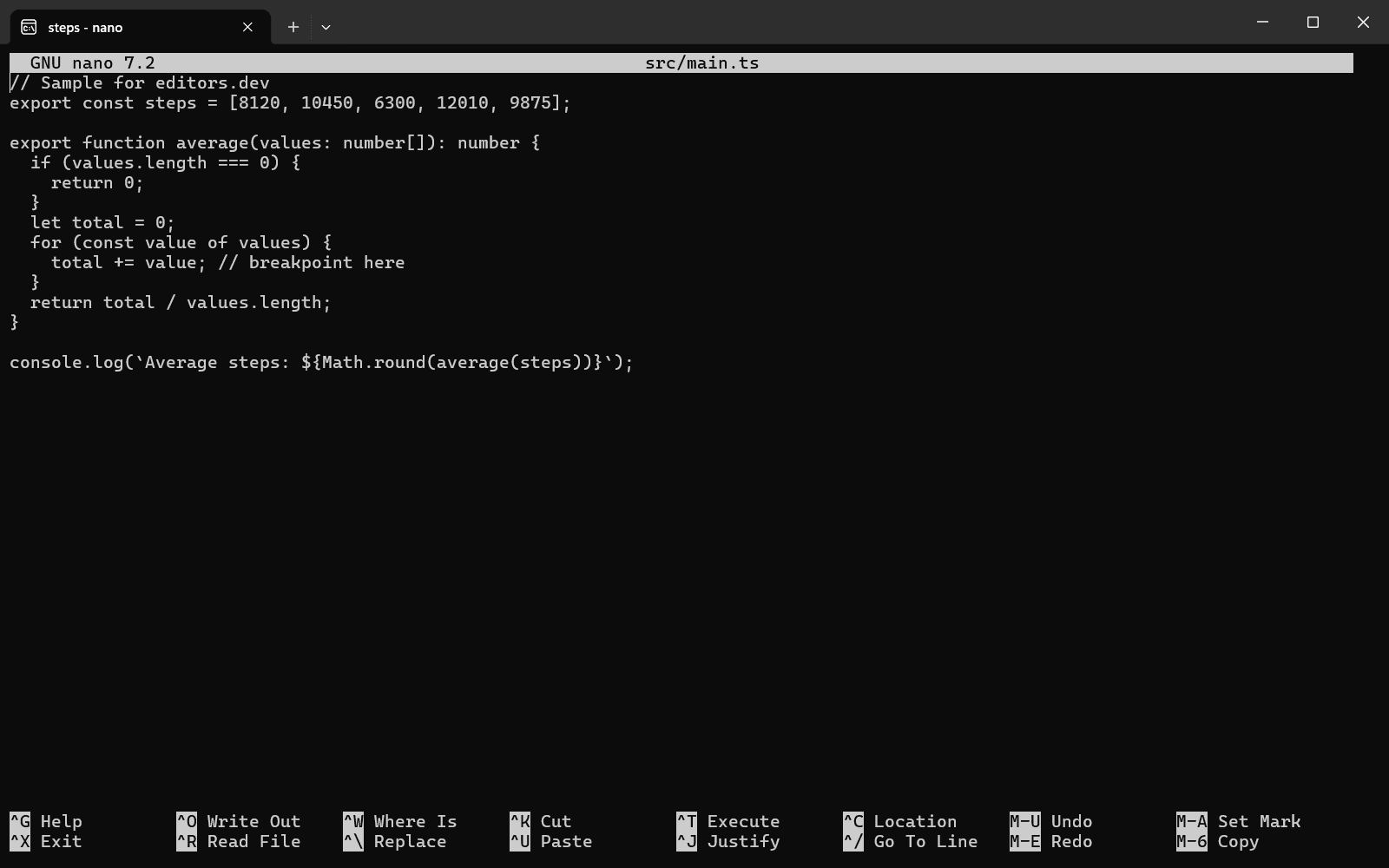
- GNU nano Completion : No Go to definition : No Refactoring : No Debugging : No Tests : No Formatting : No
Official extension 2
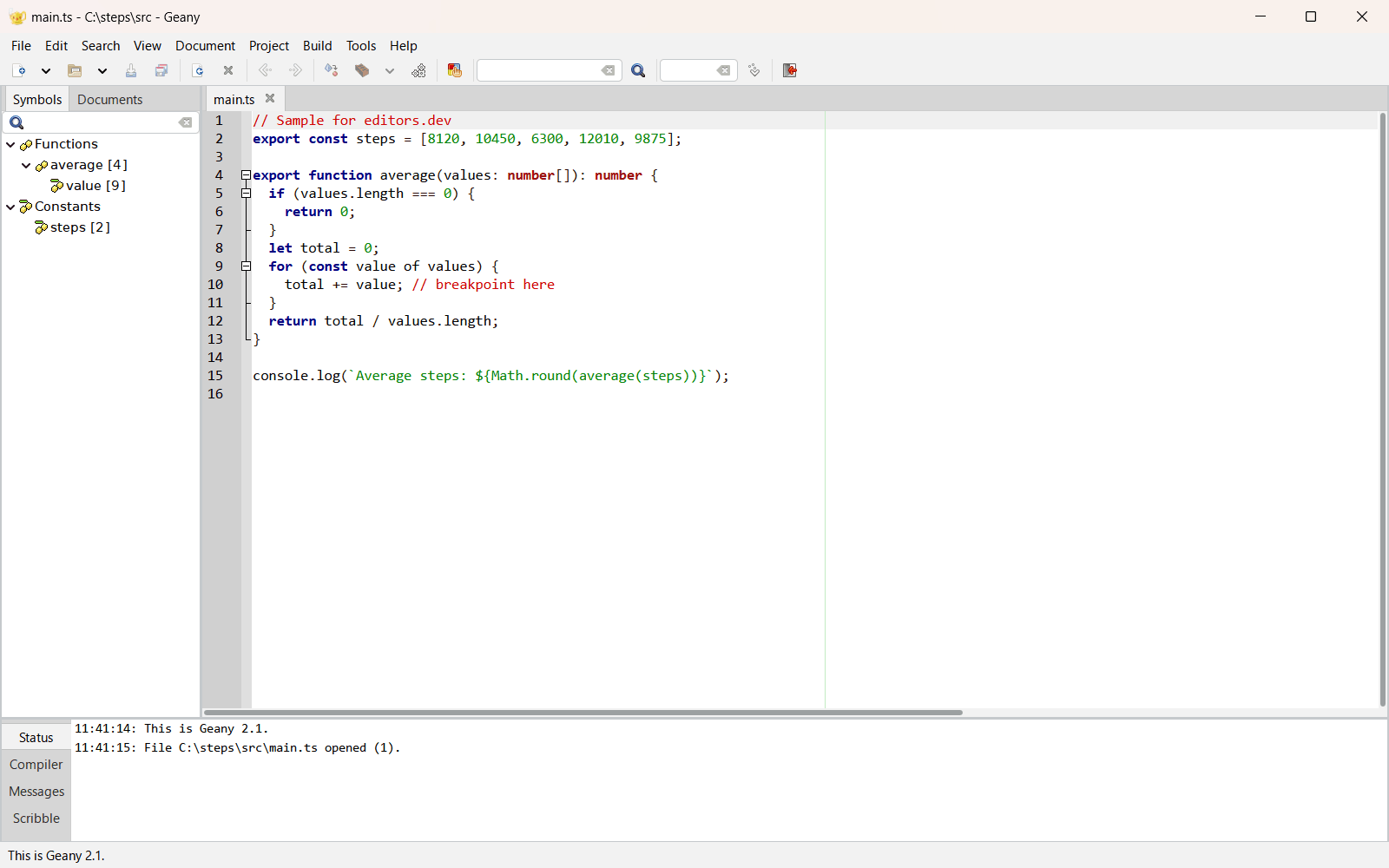
- Geany With LSP Client plugin (geany-plugins) + typescript-language-server Completion : Yes Go to definition : Yes Refactoring : Yes Debugging : No Tests : No Formatting : Yes
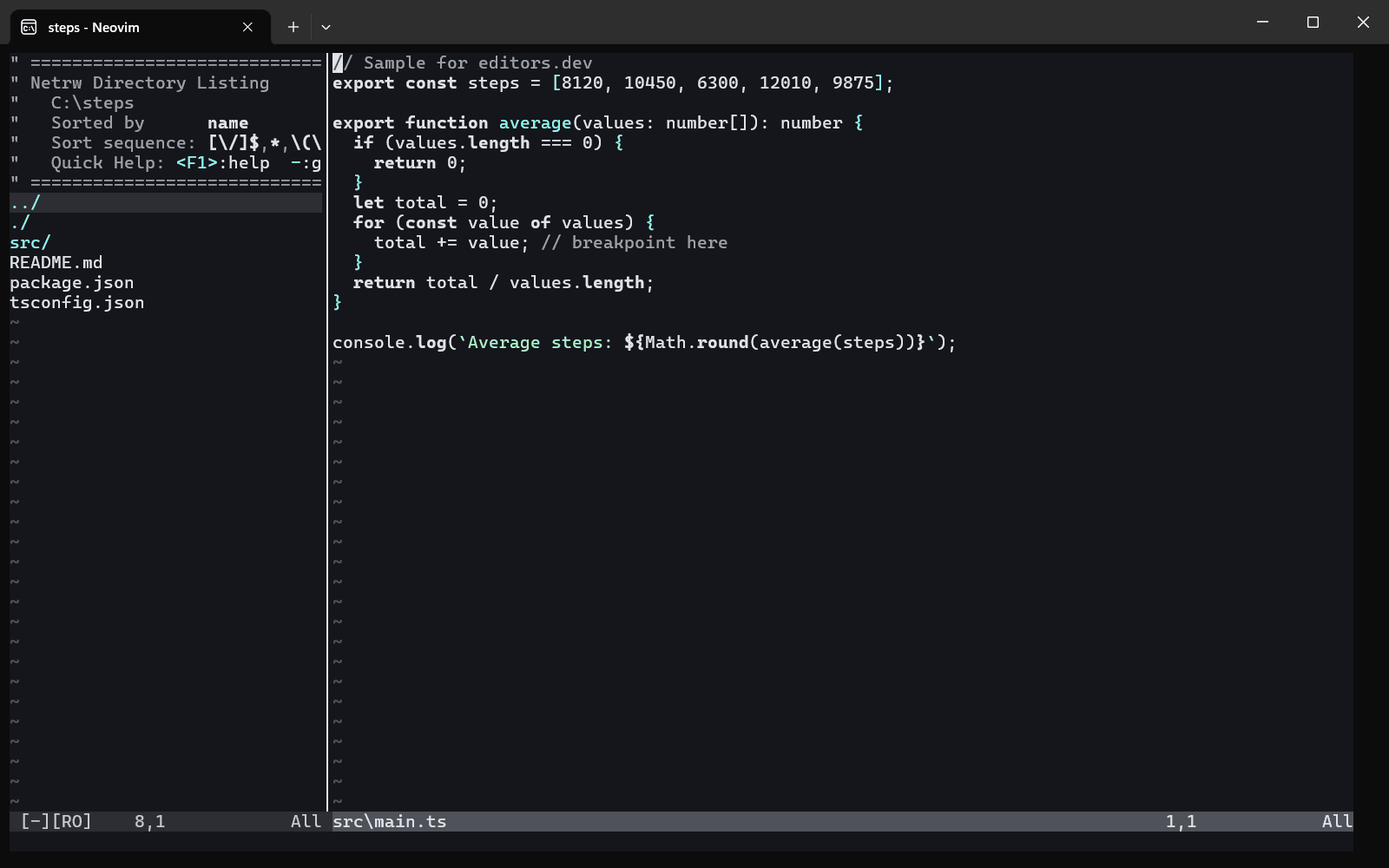
- Neovim With tsc --lsp (TypeScript 7) Completion : Yes Go to definition : Yes Refactoring : Yes Debugging : No Tests : No Formatting : No
Community extension 4
- Android Studio With LSP4IJ (Red Hat) + typescript-language-server Completion : Yes Go to definition : Yes Refactoring : Yes Debugging : Yes Tests : No Formatting : Yes
- Sublime Text With LSP + LSP-typescript Completion : Yes Go to definition : Yes Refactoring : Yes Debugging : No Tests : No Formatting : Yes
- Pulsar With pulsar-ide-typescript (typescript-language-server) Completion : Yes Go to definition : Yes Refactoring : Yes Debugging : No Tests : No Formatting : Yes
- Lapce With lapce-typescript Completion : Yes Go to definition : Yes Refactoring : Yes Debugging : No Tests : No Formatting : Yes
Today
A new ECMAScript edition is approved every June by the Ecma General Assembly; the 17th edition, ECMAScript 2026, was approved on 30 June 2026 and adds standard library features such as Math.sumPrecise, Error.isError, Array.fromAsync and Base64 methods on Uint8Array. Temporal and explicit resource management are already finished and are expected in ECMAScript 2027. JavaScript was the most used language in the Stack Overflow Developer Survey 2026 (62% of respondents) and ranked third on GitHub in Octoverse 2026.
What it is used for
Interactive web pages and front-end frameworks such as React, Vue and Angular, server applications on Node.js, and desktop apps through Electron, which powers Visual Studio Code.
History
Brendan Eich wrote the first version of the language at Netscape in May 1995, in about ten days. It shipped in Netscape Navigator 2.0 later that year, first as Mocha and LiveScript and then as JavaScript, a name chosen for marketing alongside Sun's Java. Microsoft followed with its own JScript in Internet Explorer 3.0.
To keep the browsers compatible, Netscape submitted the language to Ecma International, and the first ECMAScript standard (ECMA-262) appeared in June 1997. ECMAScript 3 followed in 1999. The planned fourth edition was abandoned in 2008, and the more modest ECMAScript 5 came out in December 2009.
Ajax-heavy web applications, the V8 engine (2008) and Node.js (2009) turned JavaScript into a general-purpose language. ECMAScript 2015 was the largest update in its history, adding classes, modules, arrow functions and promises. Since then TC39 has published a smaller edition every June, with features moving through a public four-stage proposal process.
Milestone versions
- June 1997 ECMAScript 1 First edition of the ECMA-262 standard, based on Netscape's JavaScript.
- December 1999 ECMAScript 3 Added regular expressions, try/catch and better string handling.
- December 2009 ECMAScript 5 Added strict mode, JSON support and new array methods.
- 17 June 2015 ECMAScript 2015 Largest revision: classes, modules, let/const, arrow functions, promises and iterators.
- June 2017 ECMAScript 2017 Added async functions and await.
- June 2020 ECMAScript 2020 Added BigInt, optional chaining, nullish coalescing and dynamic import().
- June 2022 ECMAScript 2022 Added public and private class fields and top-level await.
- 25 June 2025 ECMAScript 2025 Added iterator helpers, new Set methods, JSON modules, RegExp.escape and Promise.try.
- 30 June 2026 ECMAScript 2026 Added Math.sumPrecise, Error.isError, Array.fromAsync, Uint8Array Base64/hex methods, Iterator.concat and Map upsert methods.
Sources
Last checked: 20 November 2026