Python
Python is a general-purpose, interpreted language known for its readable syntax and large standard library. It is widely used for data analysis, machine learning, web back ends, scripting and teaching.
Editors for Python
35 editors and IDEs support Python. Built in first, then official and community extensions. Each row opens the editor at its Python notes.
Built in 15
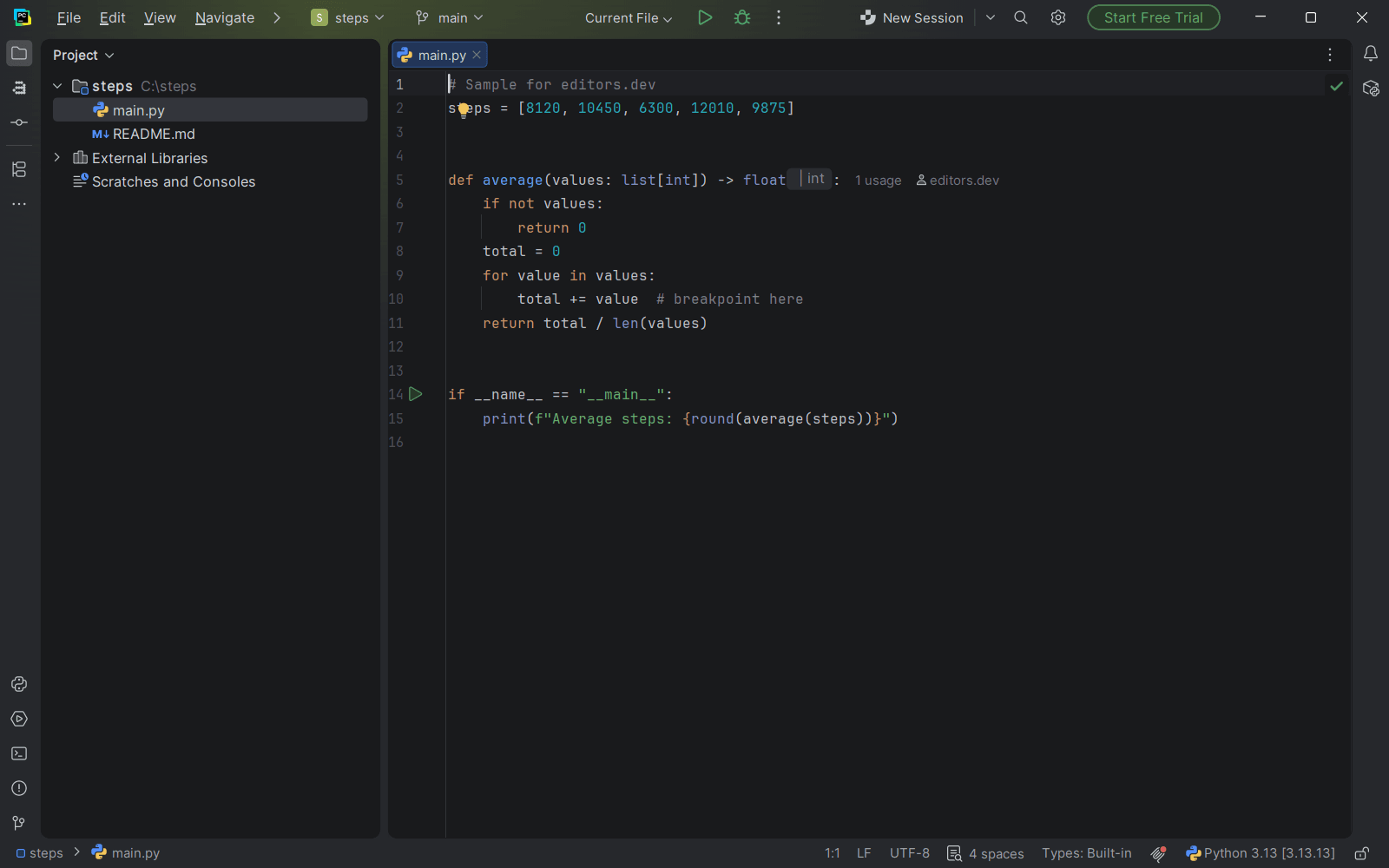
- PyCharm Completion : Yes Go to definition : Yes Refactoring : Yes Debugging : Yes Tests : Yes Formatting : Yes
- Visual Studio With Python development workload Completion : Yes Go to definition : Yes Refactoring : Yes Debugging : Yes Tests : Yes Formatting : Yes
- Zed Completion : Yes Go to definition : Yes Refactoring : Yes Debugging : Yes Tests : Yes Formatting : Yes
- CLion Completion : Yes Go to definition : Yes Refactoring : Yes Debugging : Yes Tests : Yes Formatting : Yes
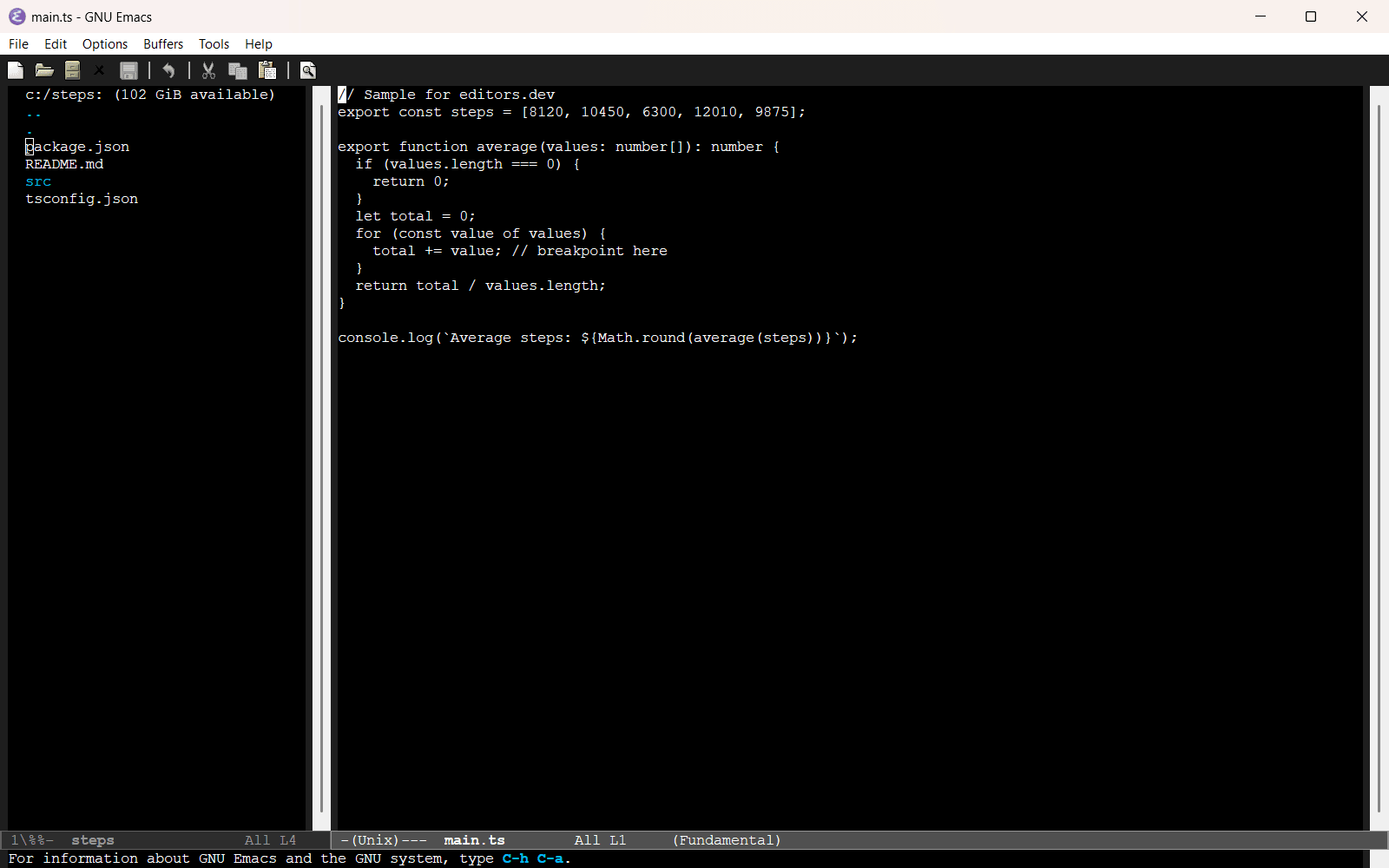
- GNU Emacs With Eglot + pylsp, basedpyright, pyright, ty, ruff and others; pdb Completion : Yes Go to definition : Yes Refactoring : Yes Debugging : Yes Tests : No Formatting : Yes
- Nova With Pyright, basedpyright, Ruff or ty Completion : Yes Go to definition : Yes Refactoring : Yes Debugging : Yes Tests : No Formatting : Yes
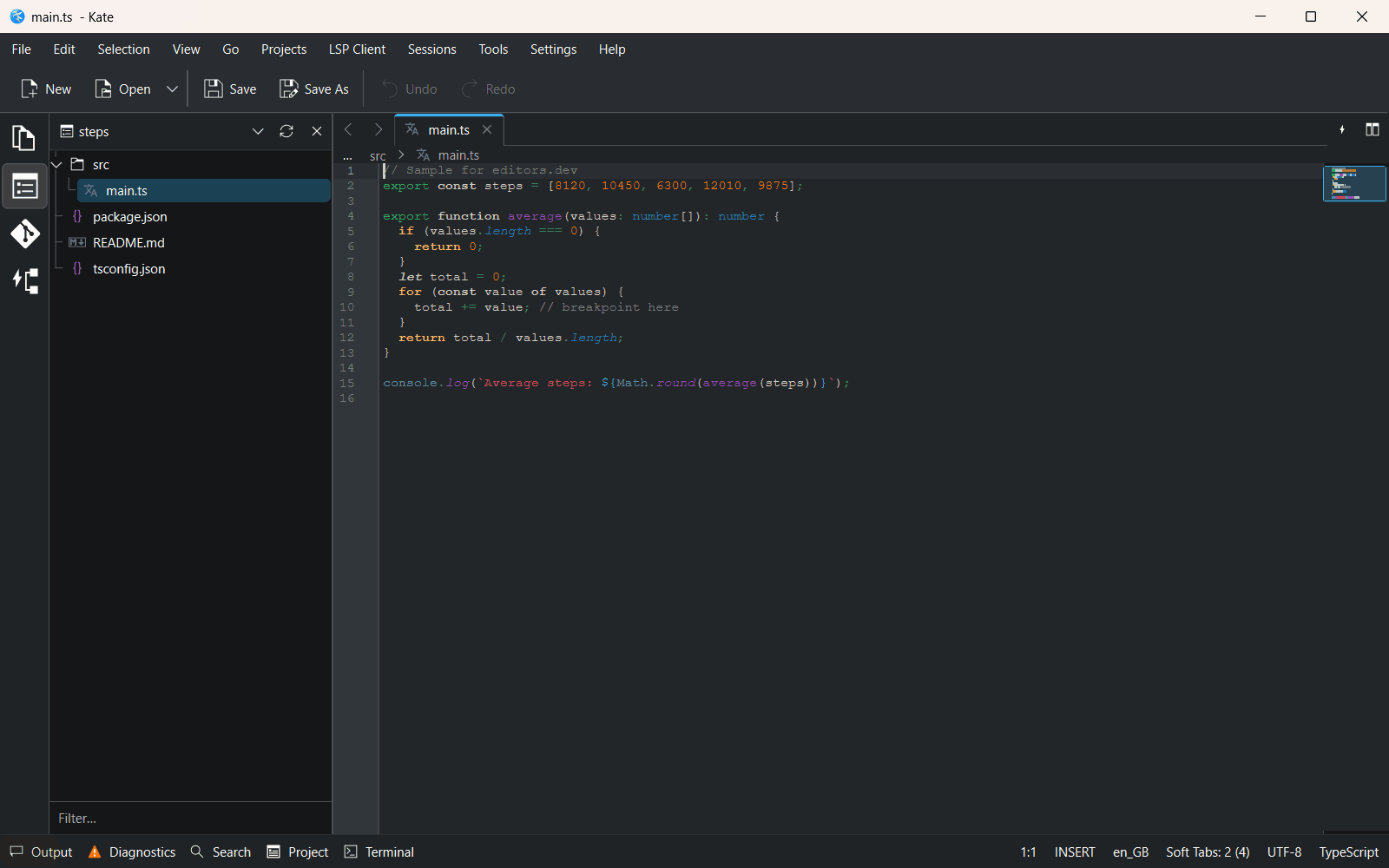
- Kate With LSP Client + pylsp (or pyrefly, ty); Format plugin (ruff); debugger (debugpy) Completion : Yes Go to definition : Yes Refactoring : Yes Debugging : Yes Tests : No Formatting : Yes
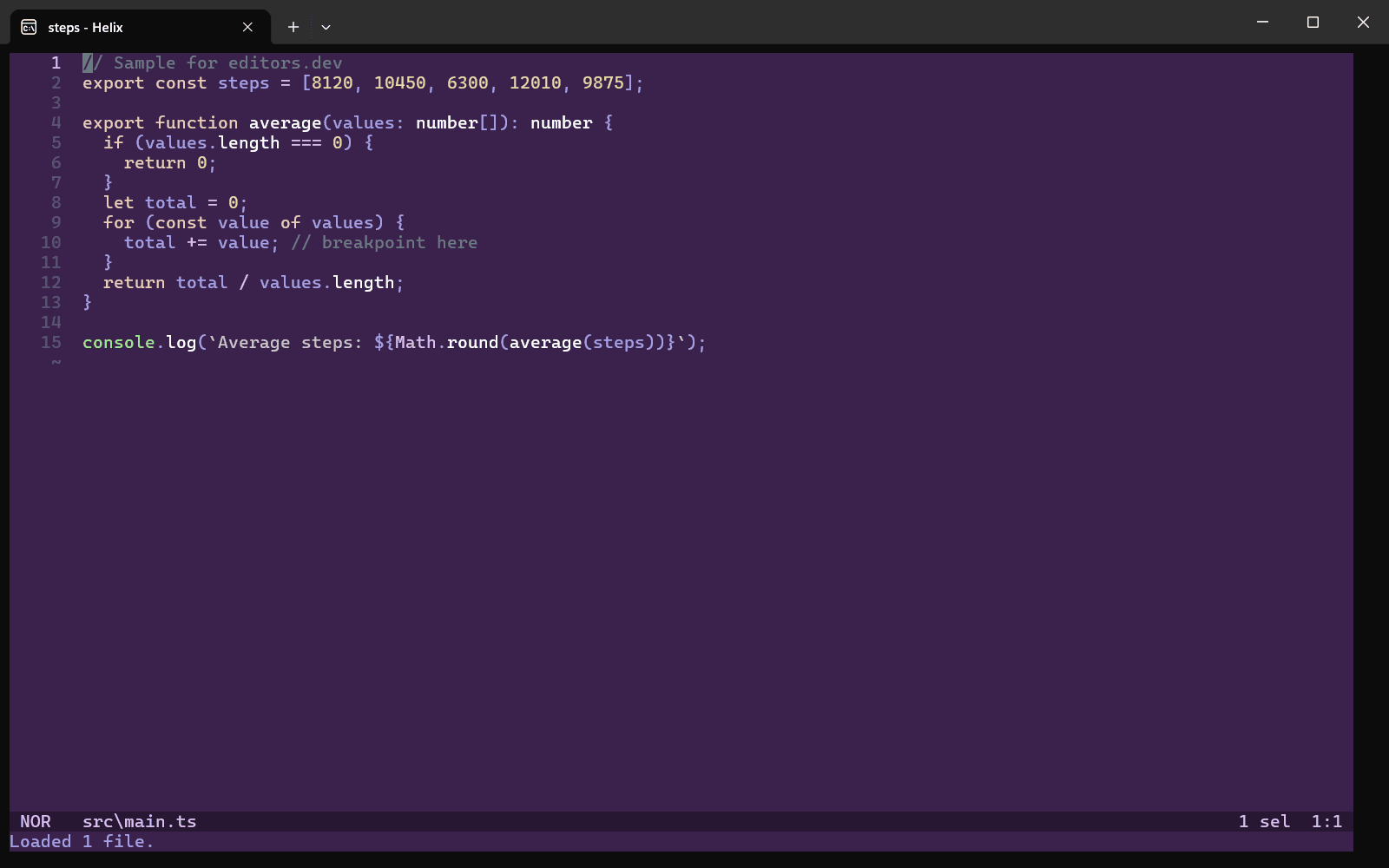
- Helix With ty, ruff, jedi-language-server, pylsp Completion : Yes Go to definition : Yes Refactoring : Yes Debugging : No Tests : No Formatting : Yes
- BBEdit With jedi-language-server Completion : Yes Go to definition : Yes Refactoring : Yes Debugging : No Tests : No Formatting : No
- TextMate With Python bundle Completion : No Go to definition : No Refactoring : No Debugging : Yes Tests : Yes Formatting : No
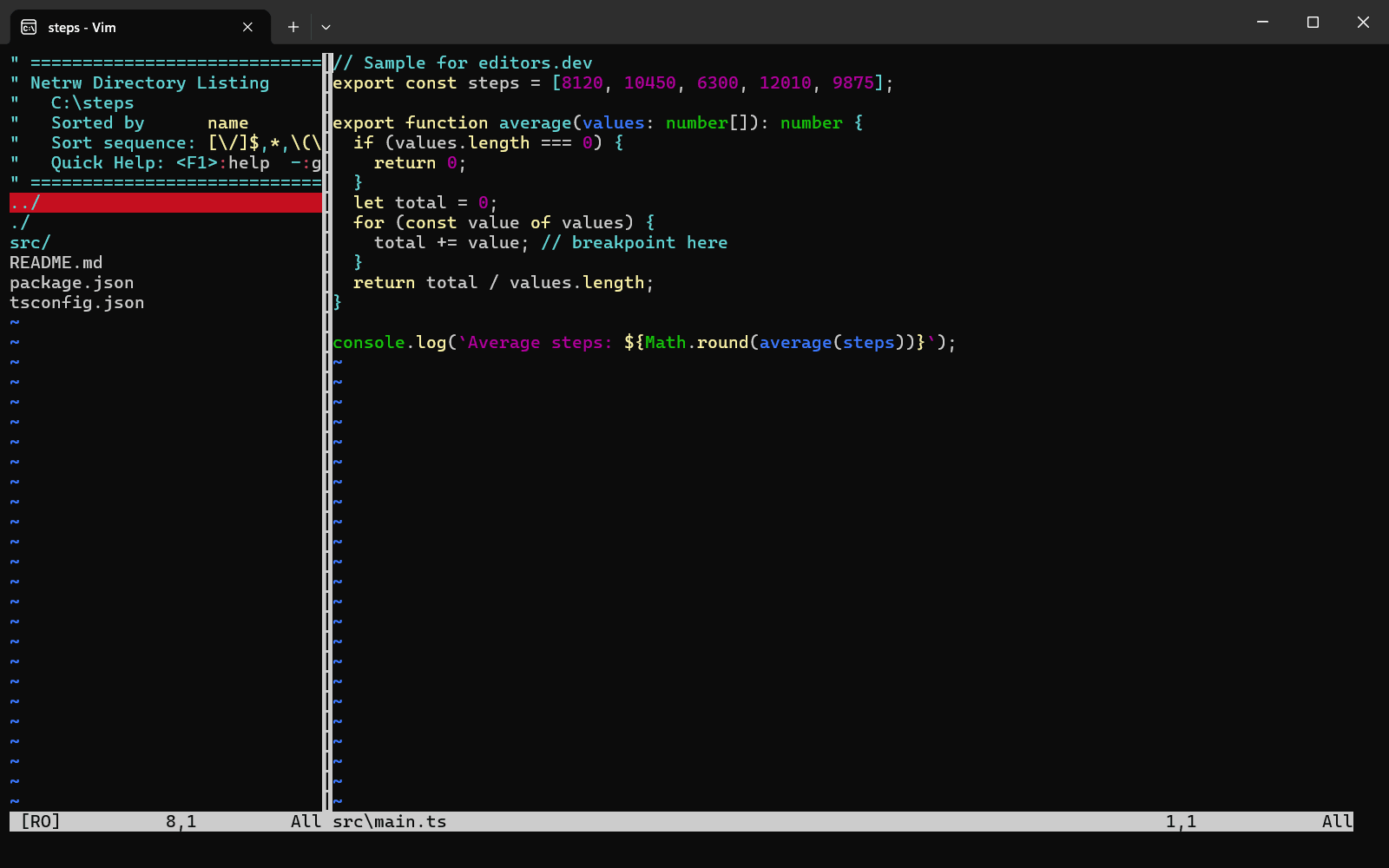
- Vim Completion : Yes Go to definition : No Refactoring : No Debugging : No Tests : No Formatting : No
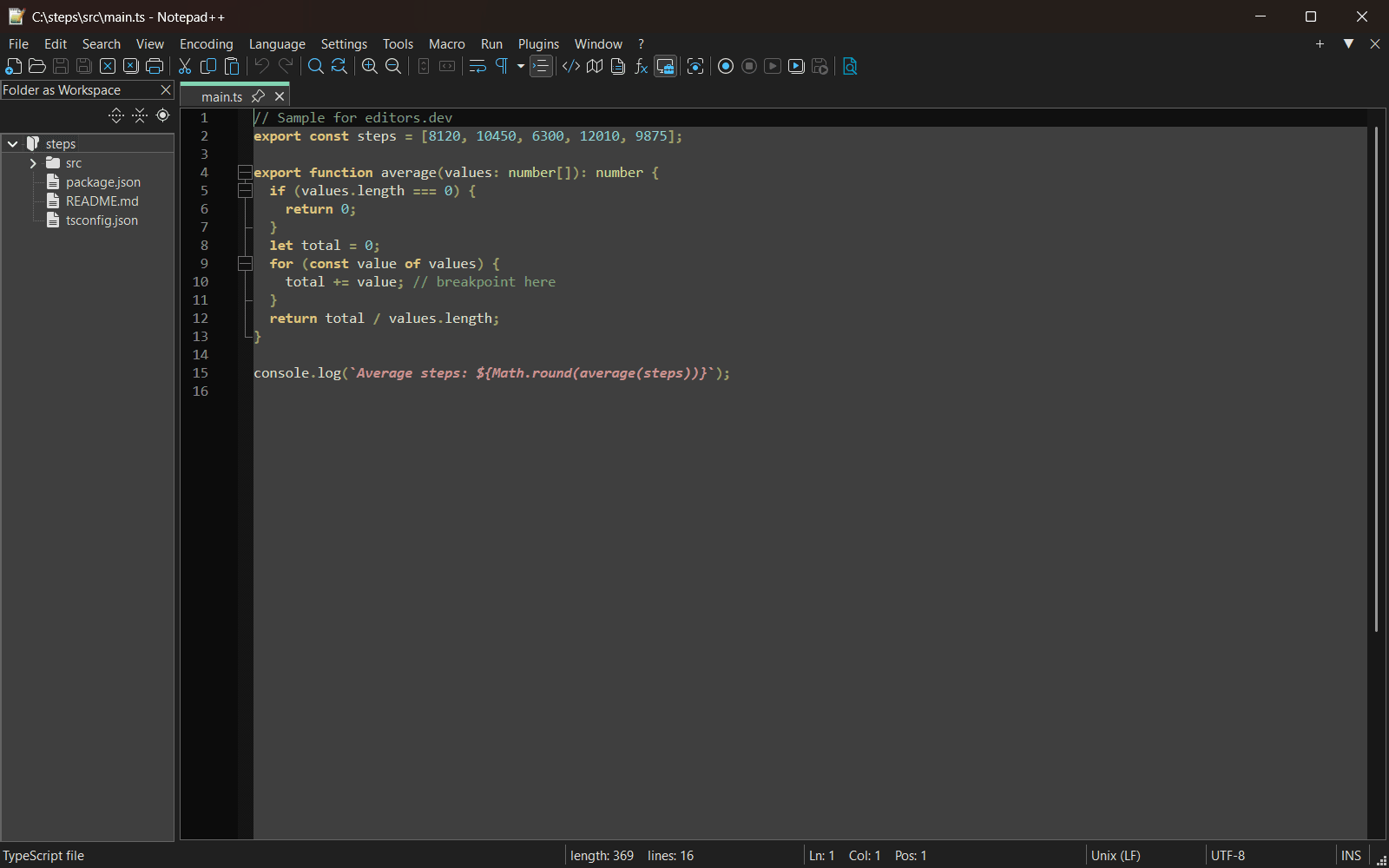
- Notepad++ Completion : Yes Go to definition : No Refactoring : No Debugging : No Tests : No Formatting : No
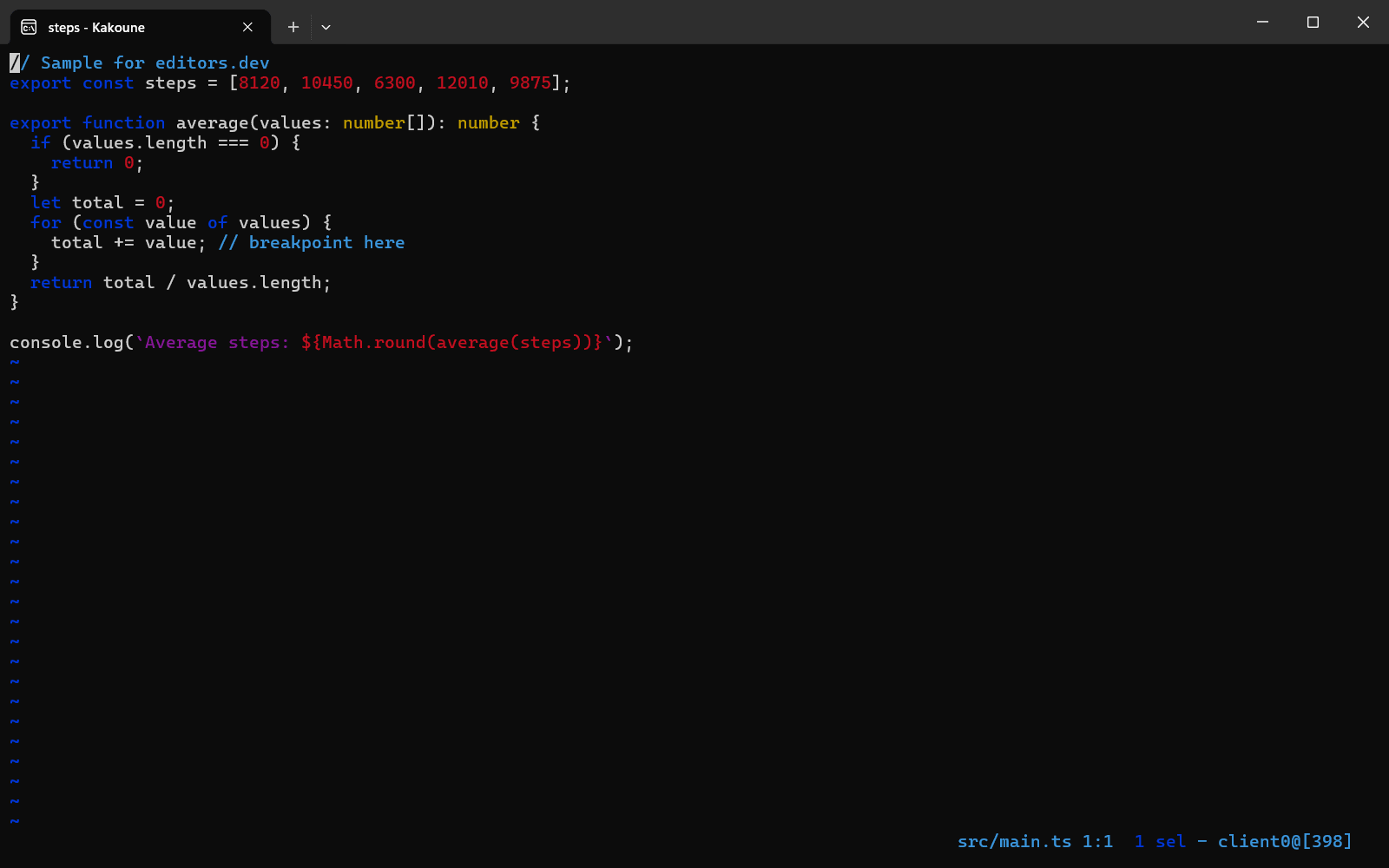
- Kakoune With jedi.kak Completion : Yes Go to definition : No Refactoring : No Debugging : No Tests : No Formatting : No
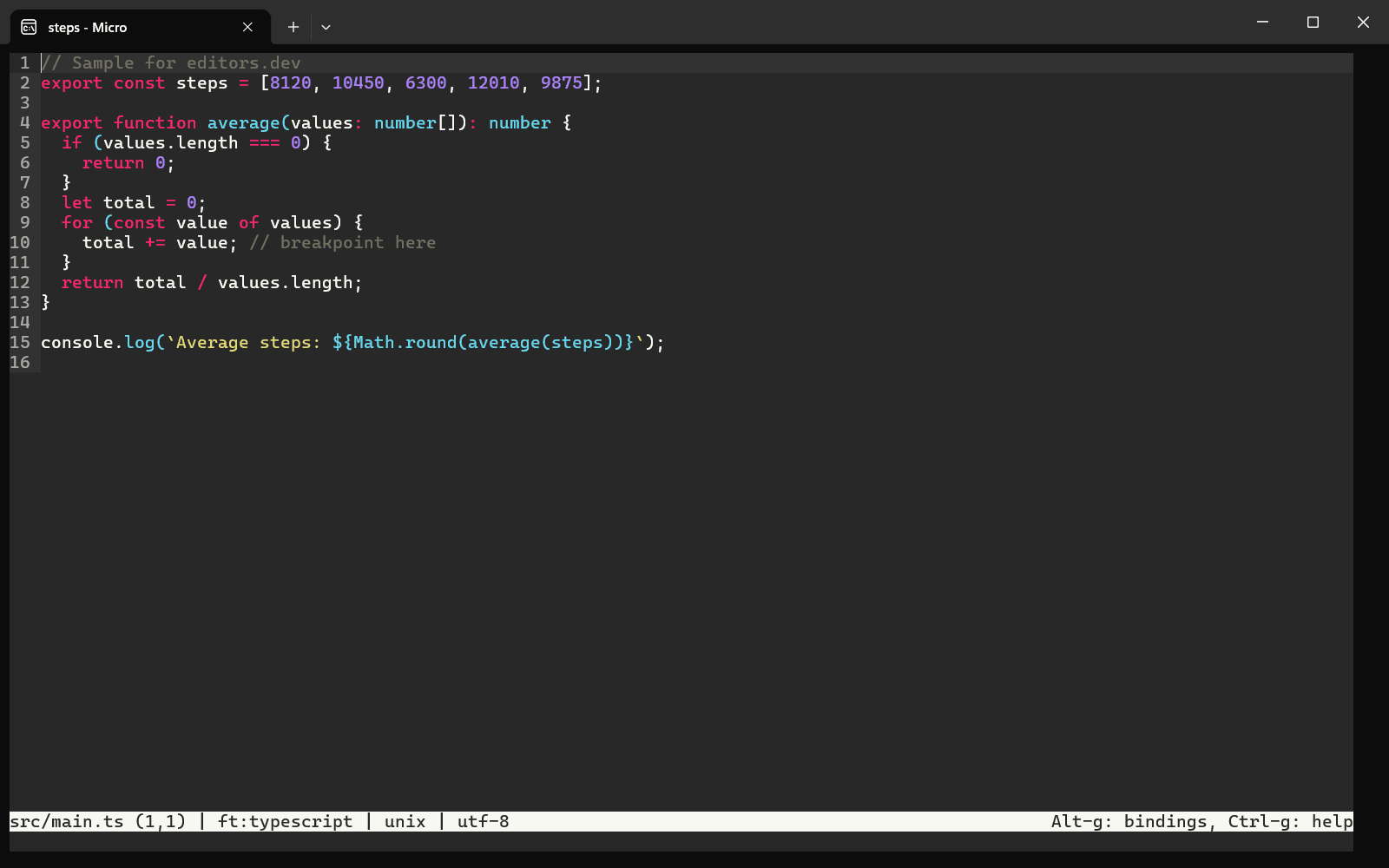
- Micro Completion : No Go to definition : No Refactoring : No Debugging : No Tests : No Formatting : No
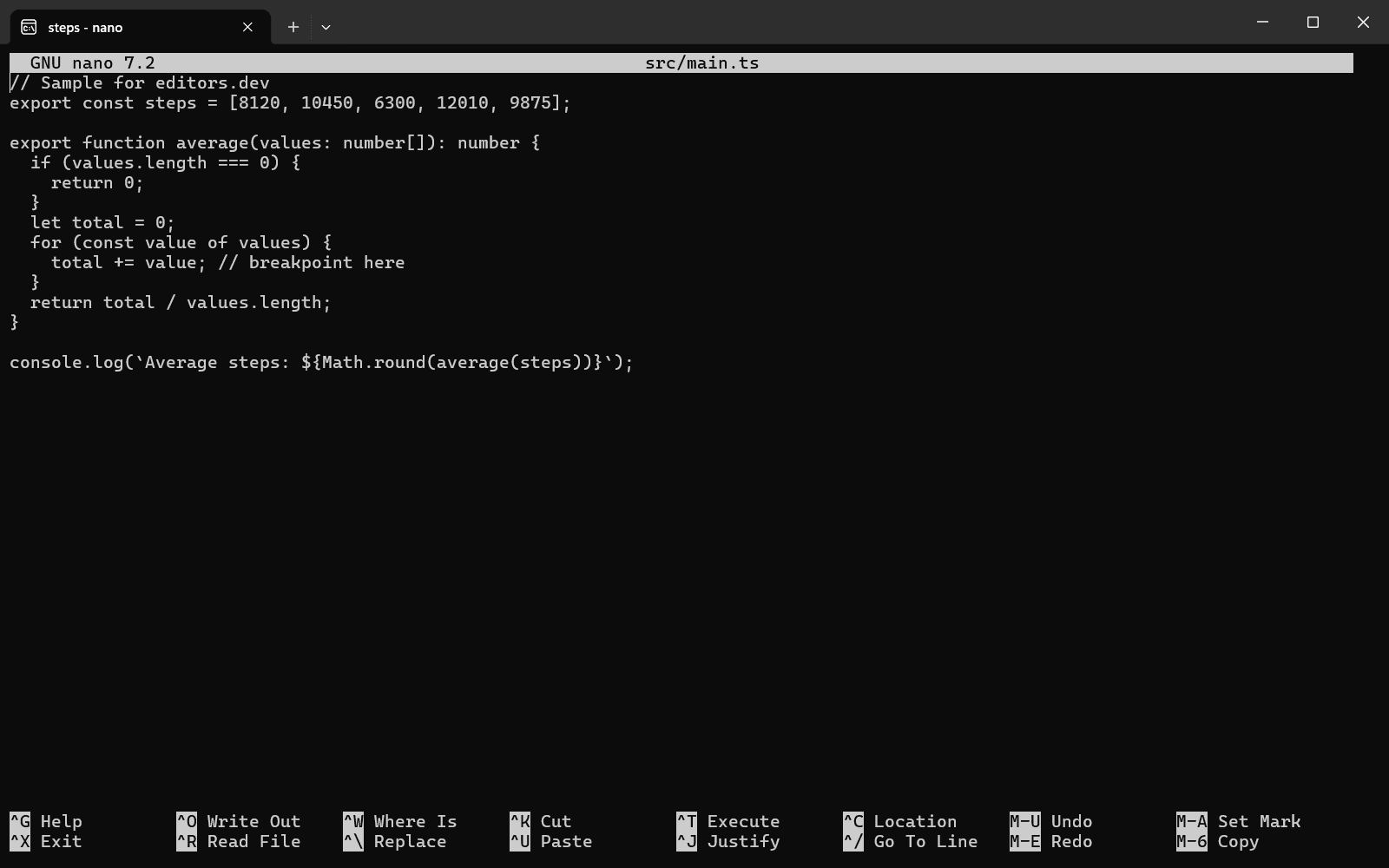
- GNU nano Completion : No Go to definition : No Refactoring : No Debugging : No Tests : No Formatting : No
Official extension 10
- Cursor With Cursor Pyright Completion : Yes Go to definition : Yes Refactoring : Yes Debugging : Yes Tests : Yes Formatting : Yes
- Devin Desktop With Devin Pyright, Python, Python Debugger, Ruff Completion : Yes Go to definition : Yes Refactoring : Yes Debugging : Yes Tests : Yes Formatting : Yes
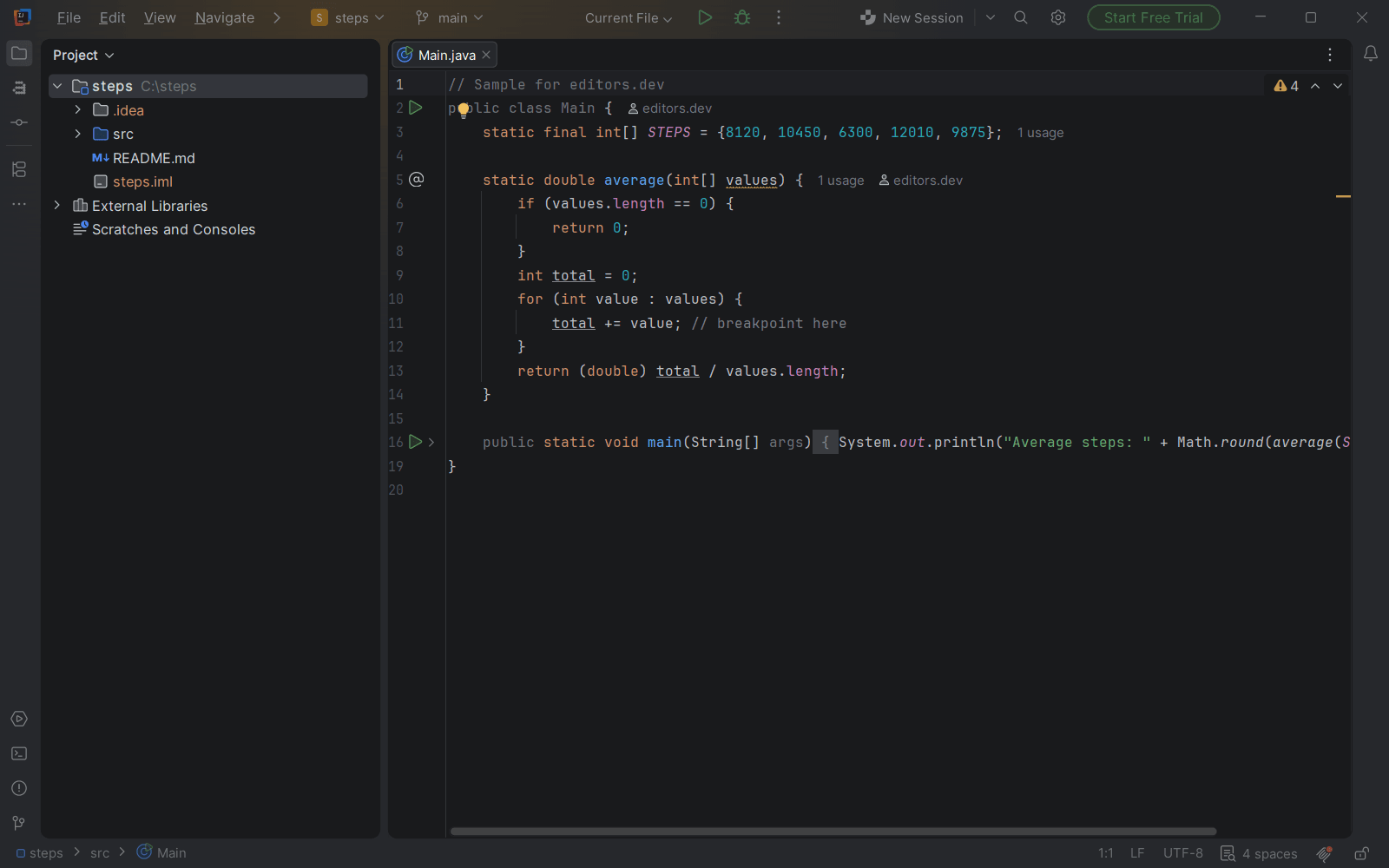
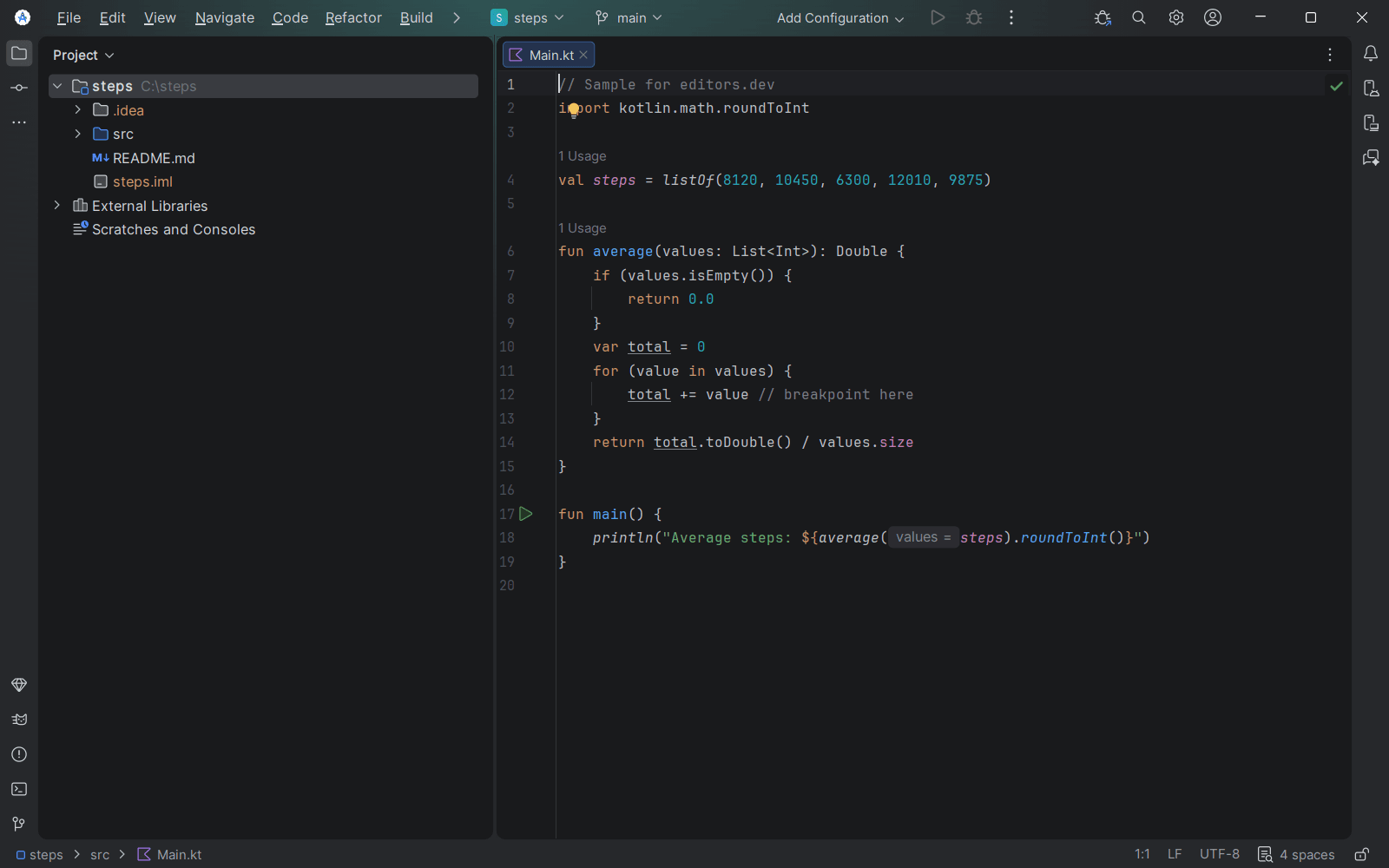
- IntelliJ IDEA With Python Community Edition plugin (free) / Python plugin (Ultimate) Completion : Yes Go to definition : Yes Refactoring : Yes Debugging : Yes Tests : Yes Formatting : Yes
- WebStorm With Python Community Edition Completion : Yes Go to definition : Yes Refactoring : Yes Debugging : Yes Tests : Yes Formatting : Yes
- GoLand With Python Community Edition Completion : Yes Go to definition : Yes Refactoring : Yes Debugging : Yes Tests : Yes Formatting : Yes
- Rider With Python Community Edition Completion : Yes Go to definition : Yes Refactoring : Yes Debugging : Yes Tests : Yes Formatting : Yes
- RustRover With Python Community Edition Completion : Yes Go to definition : Yes Refactoring : Yes Debugging : Yes Tests : Yes Formatting : Yes
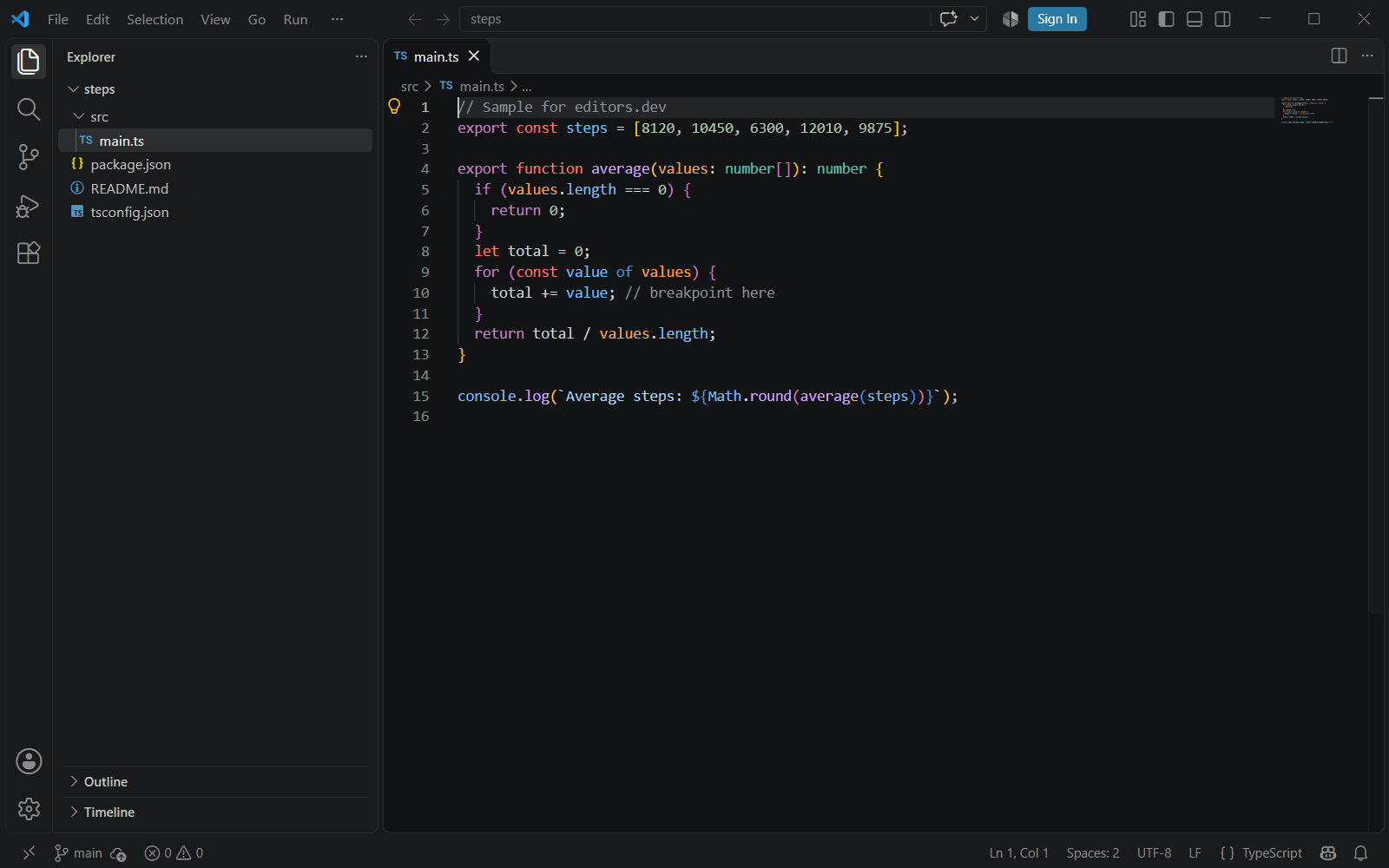
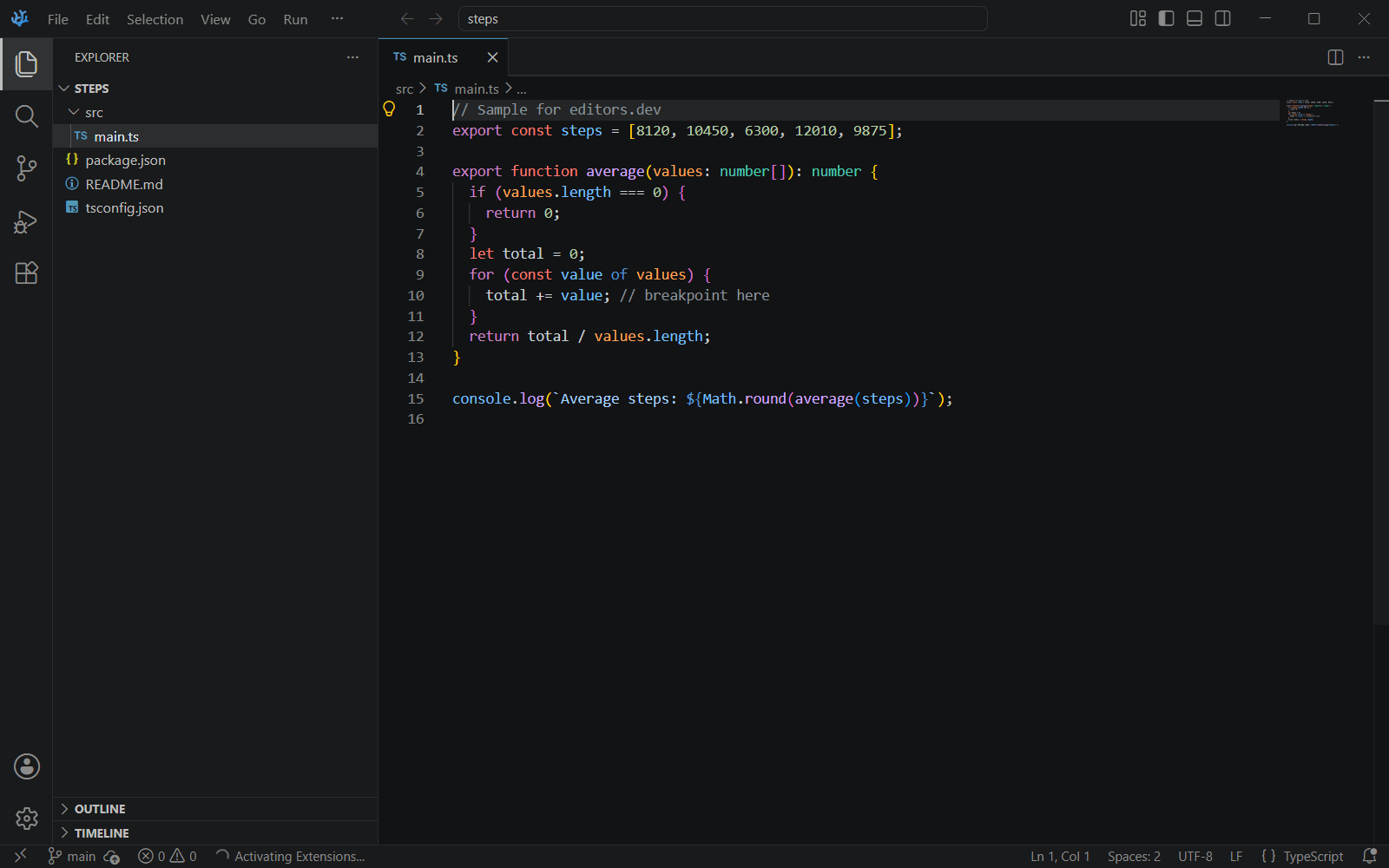
- VS Code With Python Completion : Yes Go to definition : Yes Refactoring : Yes Debugging : Yes Tests : Yes Formatting : No
- Android Studio With Python Community Edition (JetBrains) Completion : Yes Go to definition : Yes Refactoring : Yes Debugging : Yes Tests : Yes Formatting : No
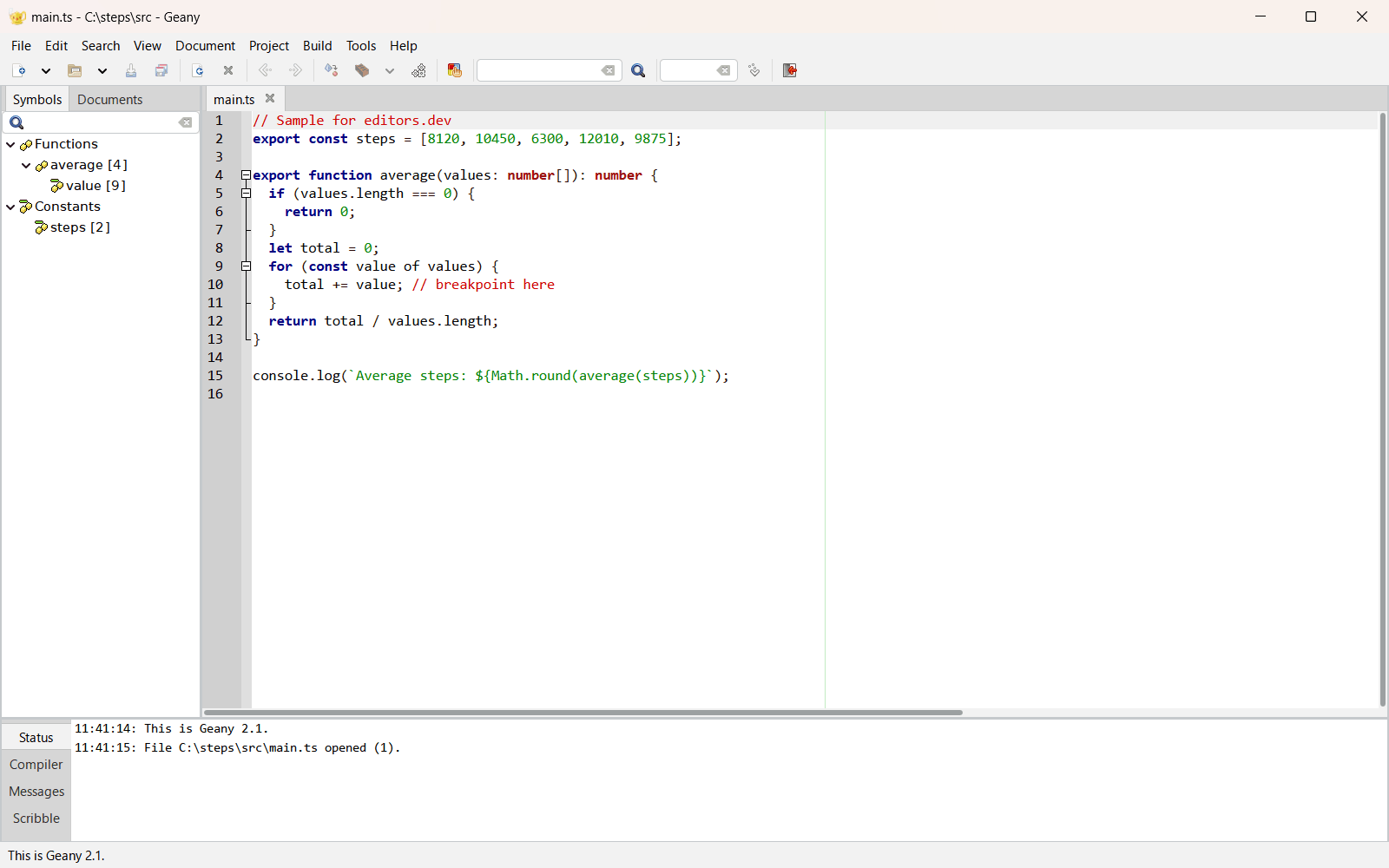
- Geany With LSP Client plugin (geany-plugins) + pyright Completion : Yes Go to definition : Yes Refactoring : Yes Debugging : No Tests : No Formatting : No
Community extension 10
- Eclipse IDE With PyDev Completion : Yes Go to definition : Yes Refactoring : Yes Debugging : Yes Tests : Yes Formatting : Yes
- Kiro With Python, Python Debugger Completion : Yes Go to definition : Yes Refactoring : No Debugging : Yes Tests : Yes Formatting : No
- Google Antigravity With Python, Python Debugger Completion : Yes Go to definition : Yes Refactoring : No Debugging : Yes Tests : Yes Formatting : No
- TRAE With Python, Python Debugger Completion : Yes Go to definition : Yes Refactoring : No Debugging : Yes Tests : Yes Formatting : No
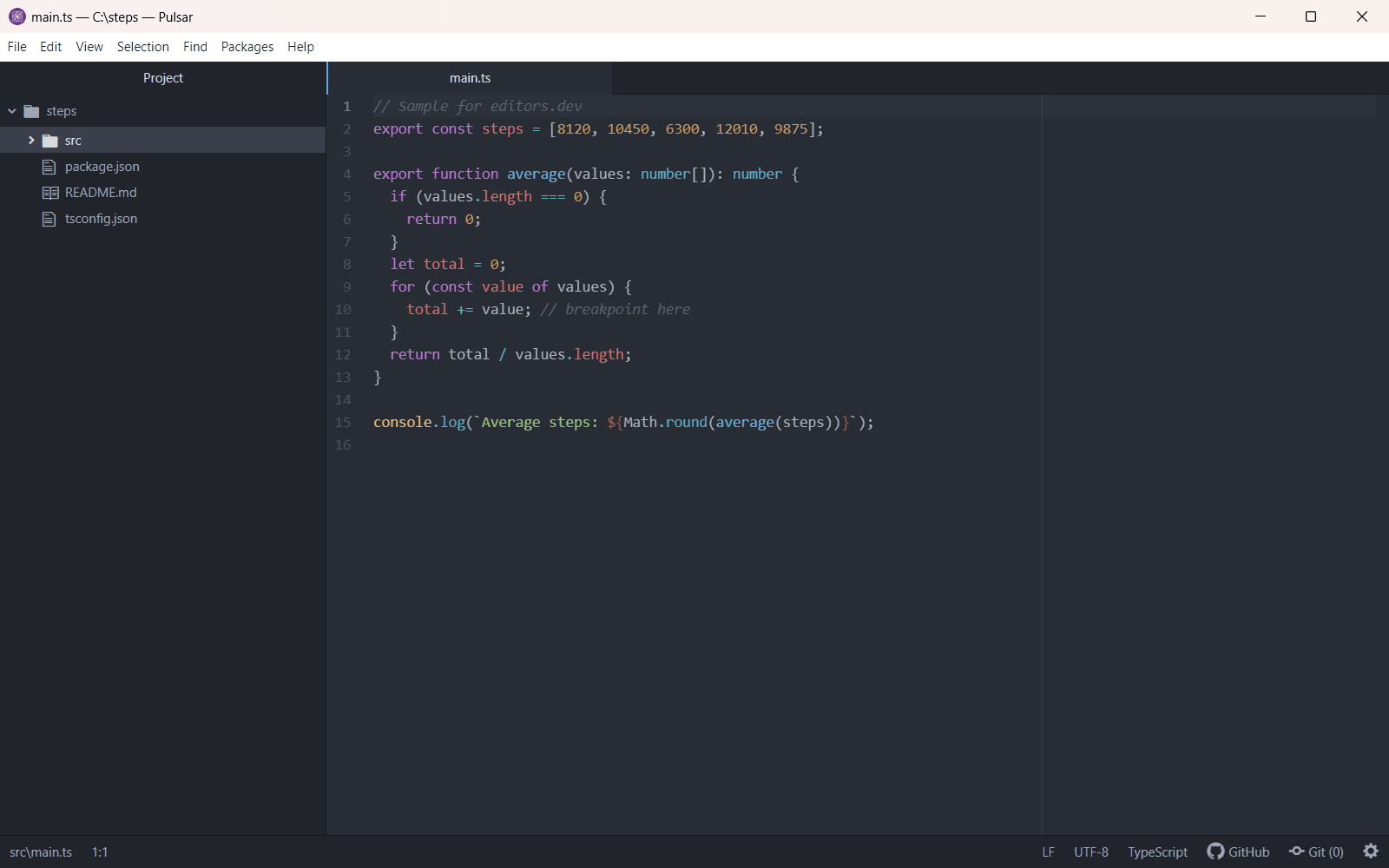
- Pulsar With pulsar-ide-python (python-lsp-server) Completion : Yes Go to definition : Yes Refactoring : Yes Debugging : No Tests : No Formatting : Yes
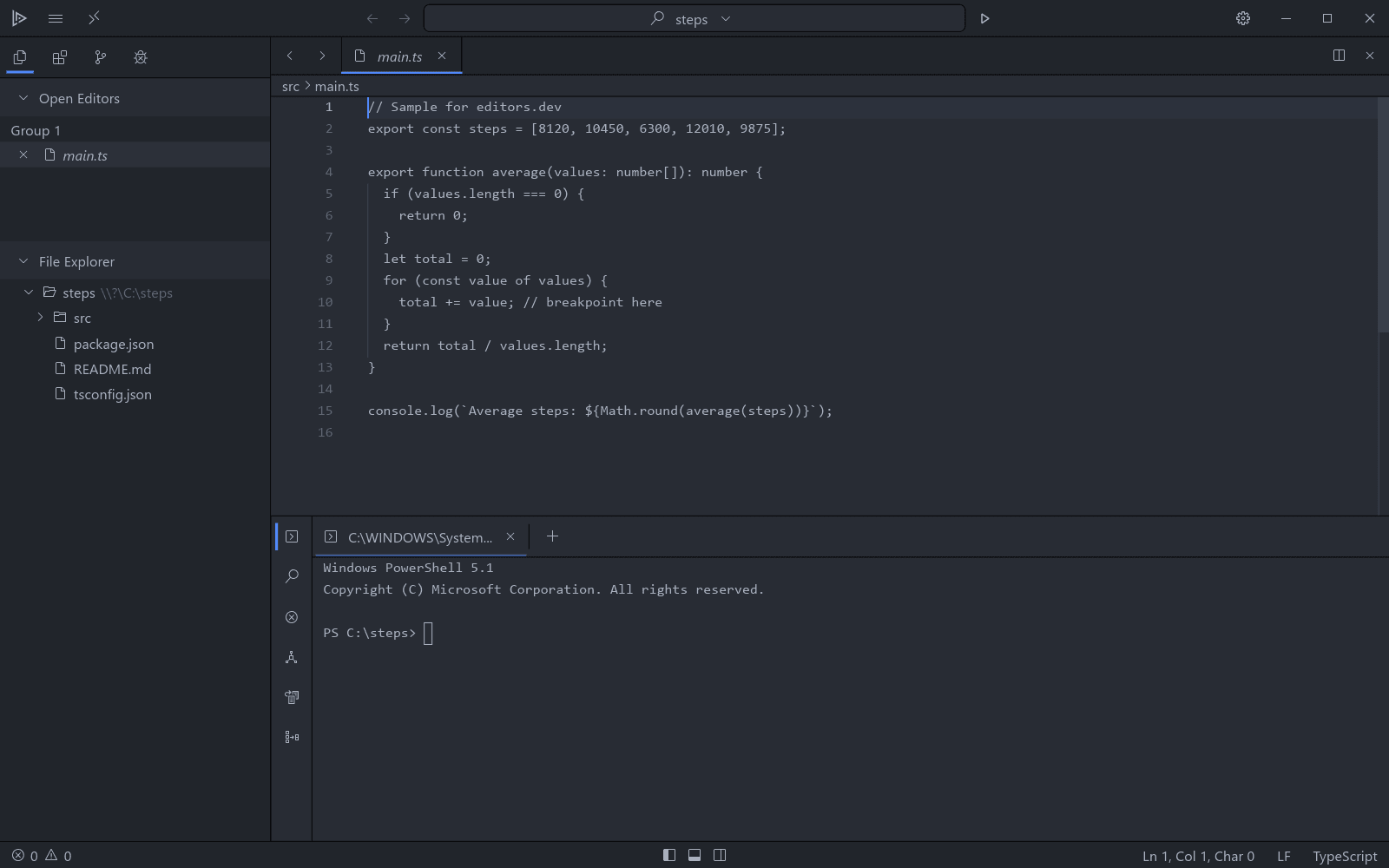
- Lapce With lapce-python (python-lsp-server) Completion : Yes Go to definition : Yes Refactoring : Yes Debugging : No Tests : No Formatting : Yes
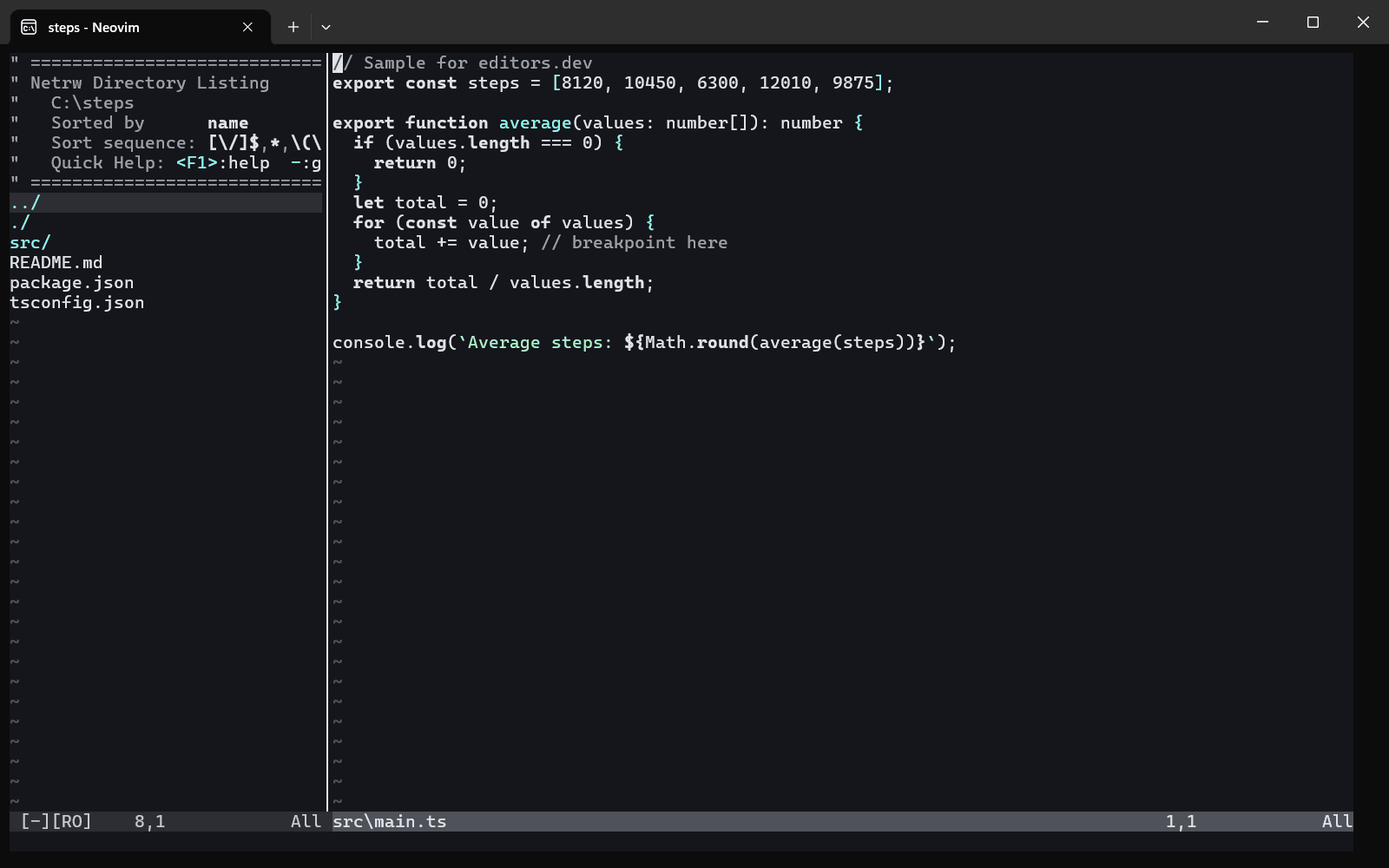
- Neovim With pyright Completion : Yes Go to definition : Yes Refactoring : Yes Debugging : No Tests : No Formatting : No
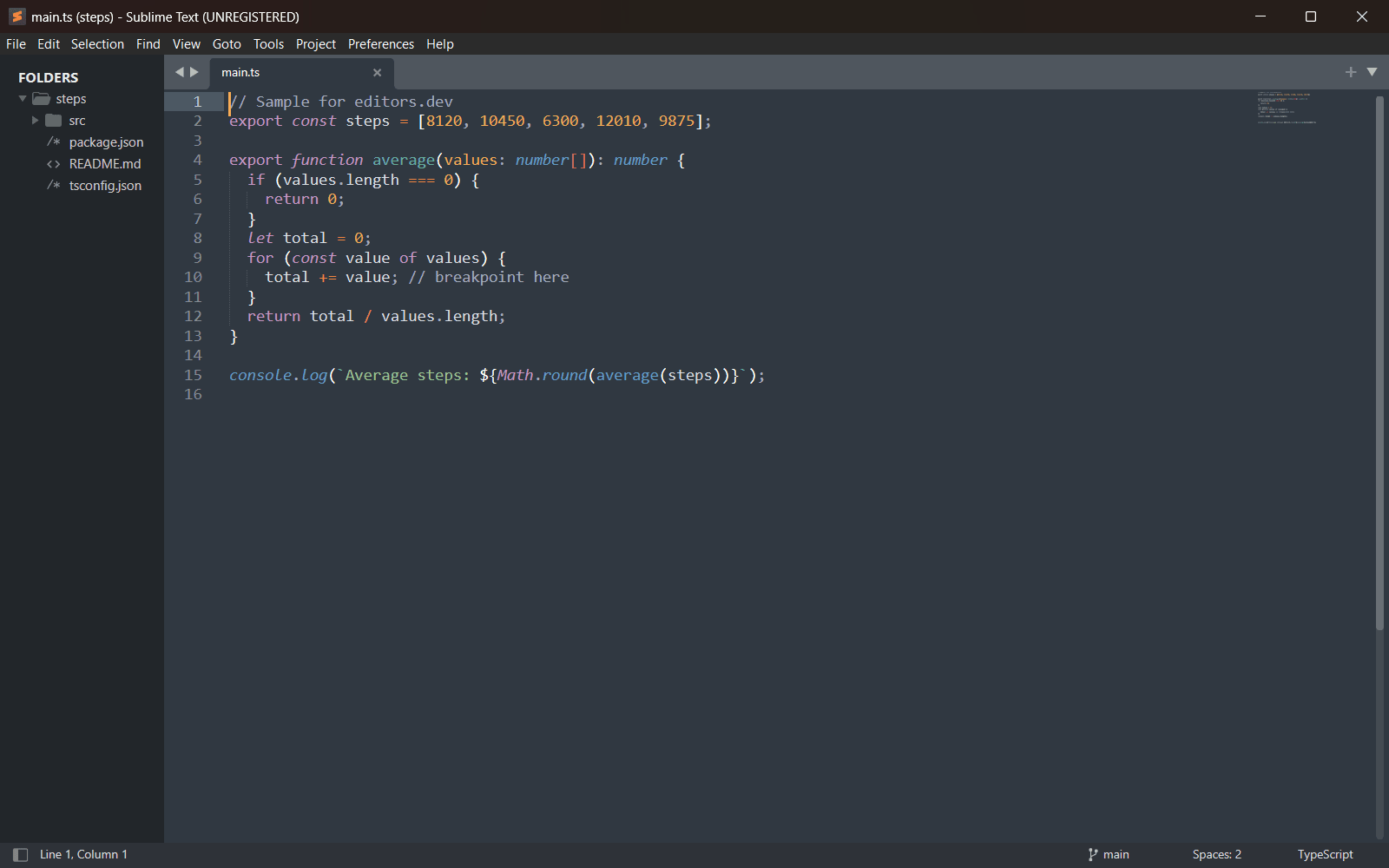
- Sublime Text With LSP + LSP-pyright Completion : Yes Go to definition : Yes Refactoring : Yes Debugging : No Tests : No Formatting : No
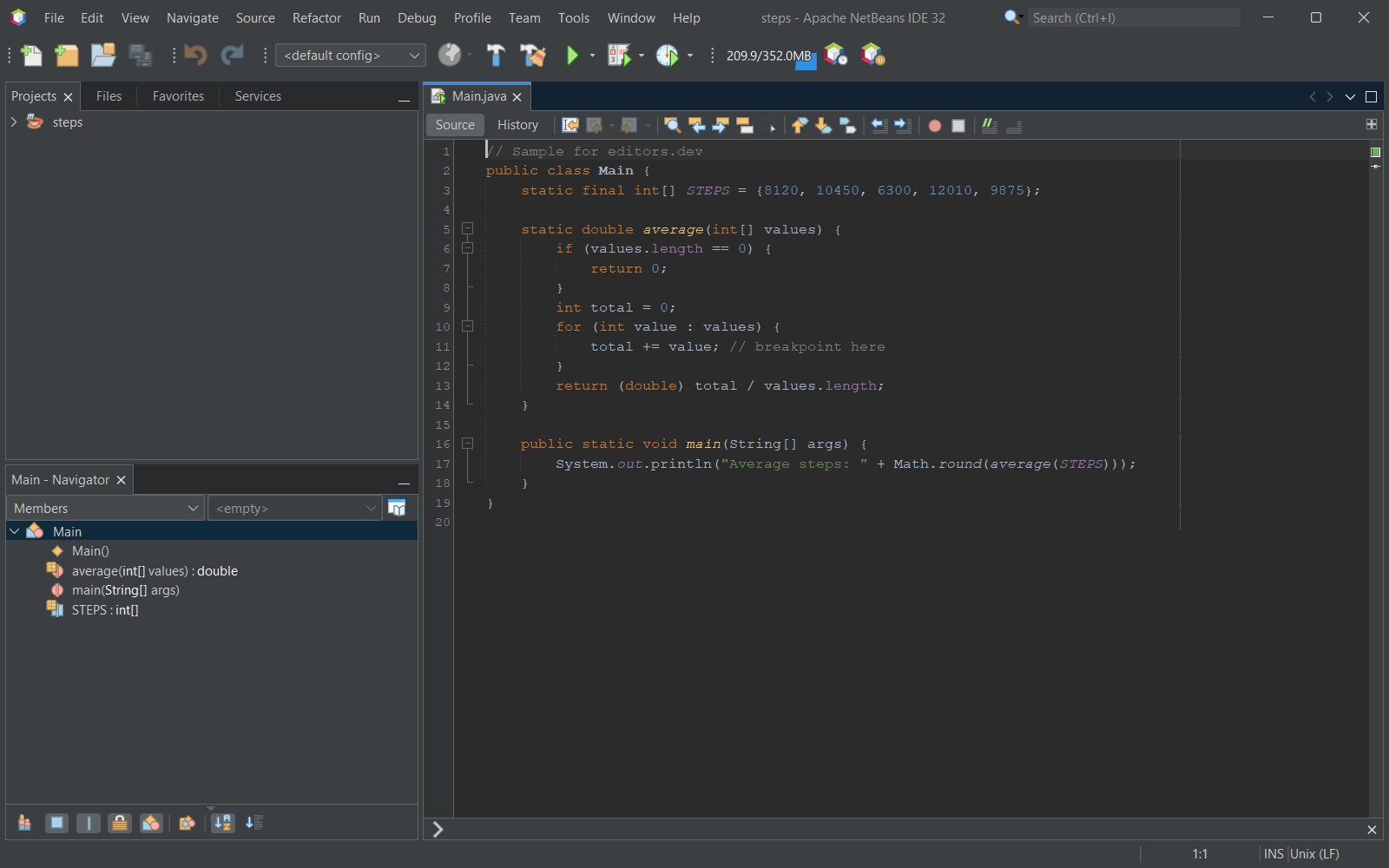
- Apache NetBeans With Python (albilu, NetBeans Plugin Portal) Completion : Yes Go to definition : No Refactoring : No Debugging : Yes Tests : Yes Formatting : No
- VSCodium With BasedPyright Completion : Yes Go to definition : Yes Refactoring : Yes Debugging : No Tests : No Formatting : No
Today
A new feature release comes out every October; each gets about two years of bugfix releases and security fixes until five years after release. Python 3.15.0 came out on 9 October 2026 and is supported until October 2031; 3.14, 3.13, 3.12 and 3.11 are still supported, while 3.10 reached end of life in October 2026. Python 3.16 is planned for October 2027. Python leads the TIOBE index for November 2026 and was used by 58% of respondents to the Stack Overflow Developer Survey 2026.
What it is used for
Data science and machine learning with NumPy, pandas and PyTorch, web back ends with Django and Flask, automation scripts and teaching. Instagram's back end is written in Python.
History
Guido van Rossum started Python in December 1989 at the Centrum Wiskunde & Informatica (CWI) in the Netherlands, as a successor to the ABC language. He published version 0.9.0 in February 1991. Python 1.0 followed in 1994, and development later moved to the United States with van Rossum.
Python 2.0 (2000) added list comprehensions and a cycle-detecting garbage collector, and the Python Software Foundation was founded in 2001. Python 3.0, released in December 2008, cleaned up the language in ways that broke backward compatibility. The move from Python 2 took more than a decade; Python 2.7 reached end of life on 1 January 2020.
Van Rossum stepped down as "Benevolent Dictator For Life" in 2018, and since 2019 an elected five-member Steering Council has governed the language. The Faster CPython work made 3.11 (2022) noticeably faster, and recent releases have added an optional free-threaded build without the global interpreter lock, officially supported since 3.14, and an experimental JIT compiler.
Milestone versions
- 20 February 1991 0.9.0 First public release, posted to the alt.sources newsgroup.
- 26 January 1994 1.0 First 1.x release, with lambda, map, filter and reduce.
- 16 October 2000 2.0 Added list comprehensions, Unicode strings and a cycle-detecting garbage collector.
- 3 December 2008 3.0 Backward-incompatible cleanup: print became a function and text became Unicode by default.
- 23 December 2016 3.6 Added f-strings and variable annotations.
- 24 October 2022 3.11 Large speed-ups from the Faster CPython project, plus exception groups and finer error locations.
- 7 October 2024 3.13 New interactive shell, an experimental free-threaded build and an experimental JIT compiler.
- 7 October 2025 3.14 Added template strings and deferred evaluation of annotations; the free-threaded build became officially supported.
- 9 October 2026 3.15.0 Added explicit lazy imports, the frozendict built-in, UTF-8 as the default encoding and a new profiling package.
- 25 October 2026 3.15.2 Expedited security release that blocks compromised certificate authority keys in the ssl module, with about 130 bug fixes.
Sources
Last checked: 20 November 2026